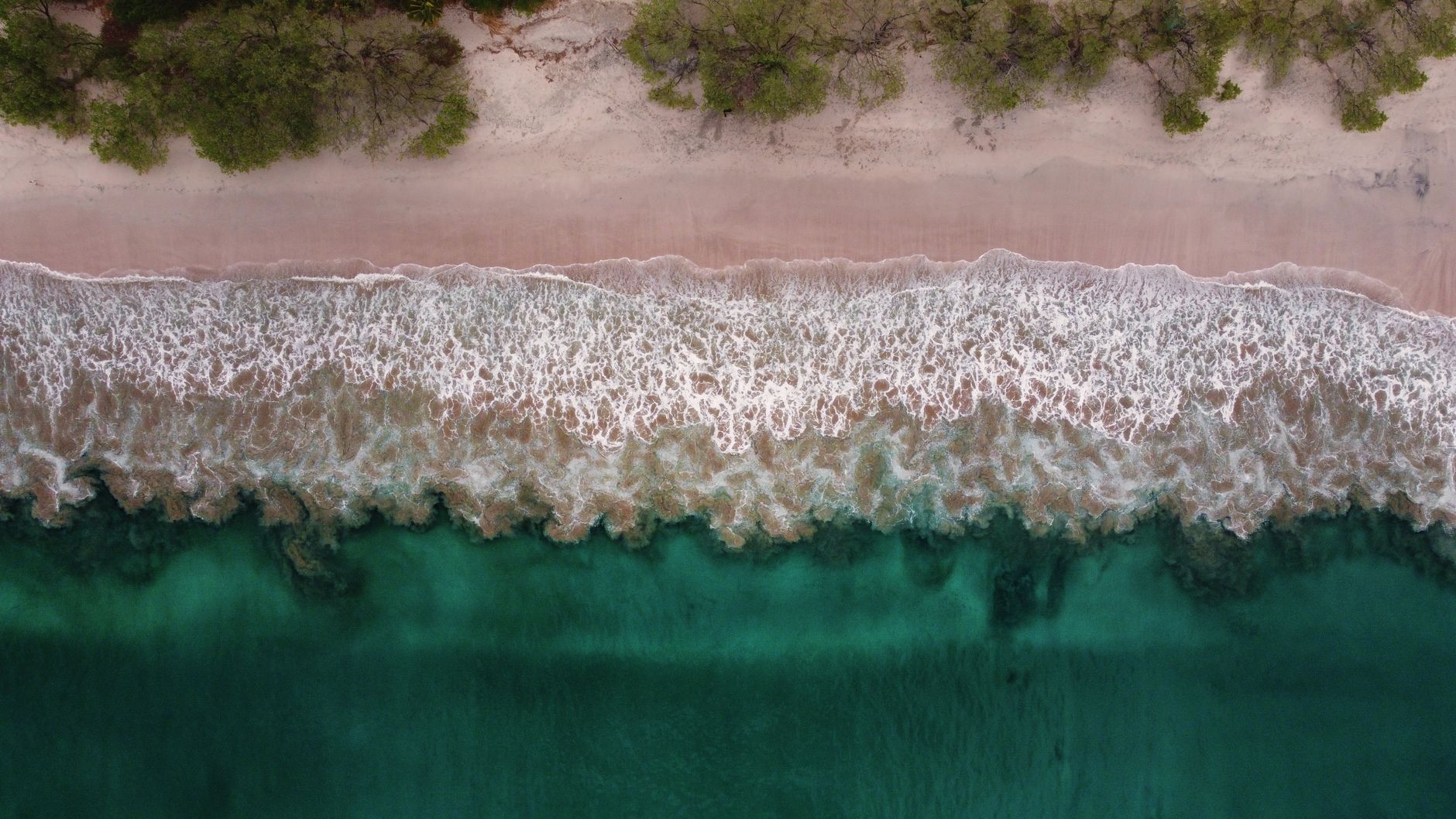
July 25, 2026 · 4 min read
Guanacaste Province often conjures images of bustling resorts and popular surf breaks. While its famous stretches of sand certainly have their allure, a true adventurer knows the real magic lies just beyond the well-trodden path. This sun-drenched region of Costa Rica, celebrated for its 'Gold Coast,' holds countless secluded coves and hidden beaches, each with a unique story waiting to be uncovered.
Forget the usual suspects. We’re diving into the lesser-known gems, the quiet havens where history whispers from volcanic rocks, indigenous culture is etched into stone, and nature’s artistry is on full display. Prepare to spark your curiosity and explore the truly distinctive shores of Guanacaste, where every wave brings a tale.
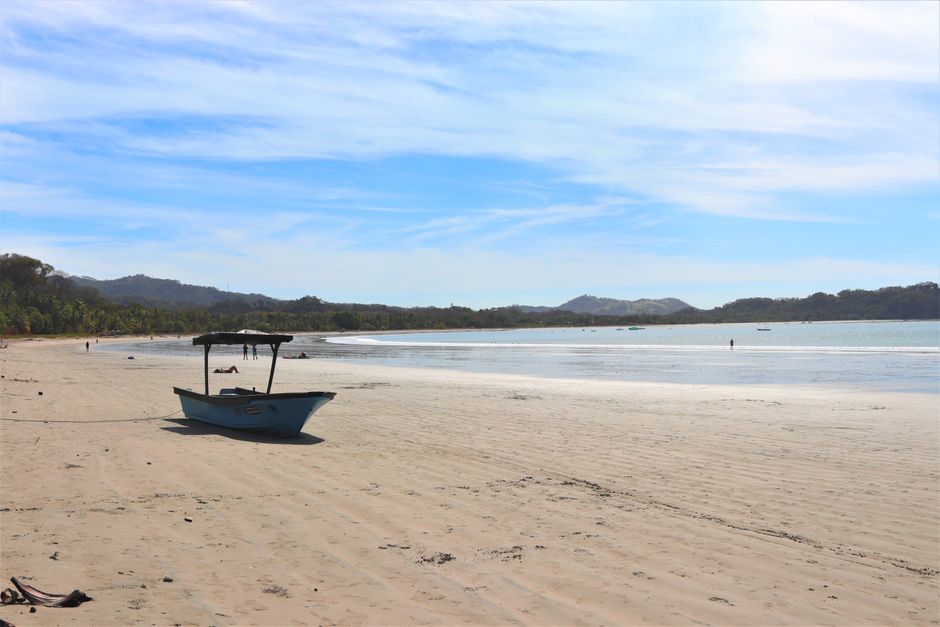
1. Pirate's Hideaway: Playa Real
Playa Real, Costa Rica
This beach is locally known as 'Bahía de los Piratas' (Pirate's Bay) due to legends of buccaneers hiding treasure among its coves.
Playa Real's rugged coastline, marked by dramatic rock formations and secluded alcoves, provided the perfect cover for pirates seeking refuge or a place to bury their spoils centuries ago. Its relative isolation has preserved a wild beauty, making it easy to imagine a past filled with clandestine landings and hidden riches. The unique geological features here are a natural stage for these enduring legends.
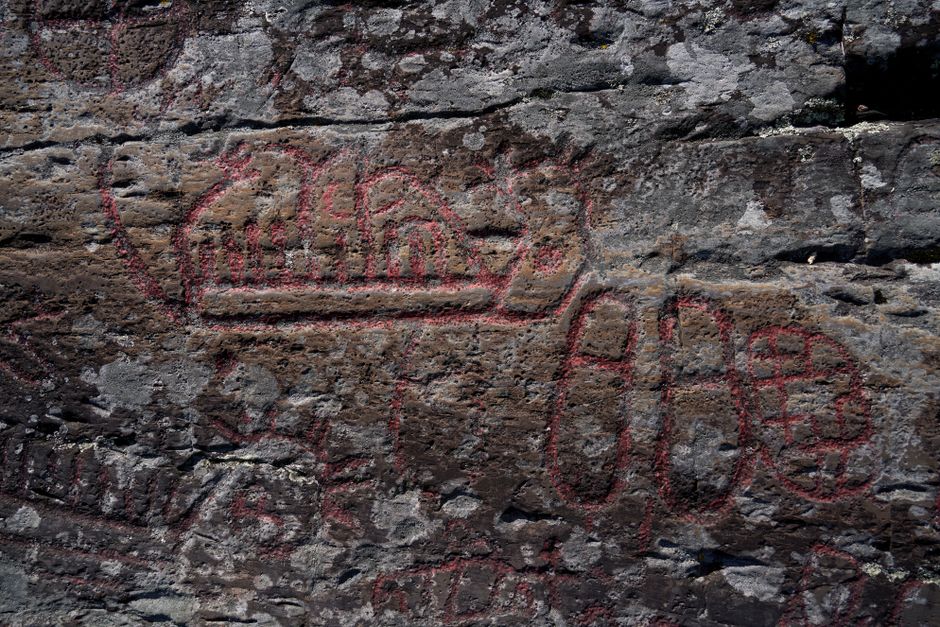
2. Ancient Art on Stone: Playa Callejones
Playa Callejones, Costa Rica
Near its shores, ancient pre-Columbian petroglyphs carved into rocks offer a glimpse into indigenous history.
Playa Callejones is more than just a beautiful beach; it's an open-air museum. The Chorotega people, who inhabited this region long before European arrival, left their mark on the volcanic rocks lining the coast. These petroglyphs, depicting human figures, animals, and abstract symbols, hint at their spiritual beliefs and deep connection to the land and sea, making a visit here a journey through time.
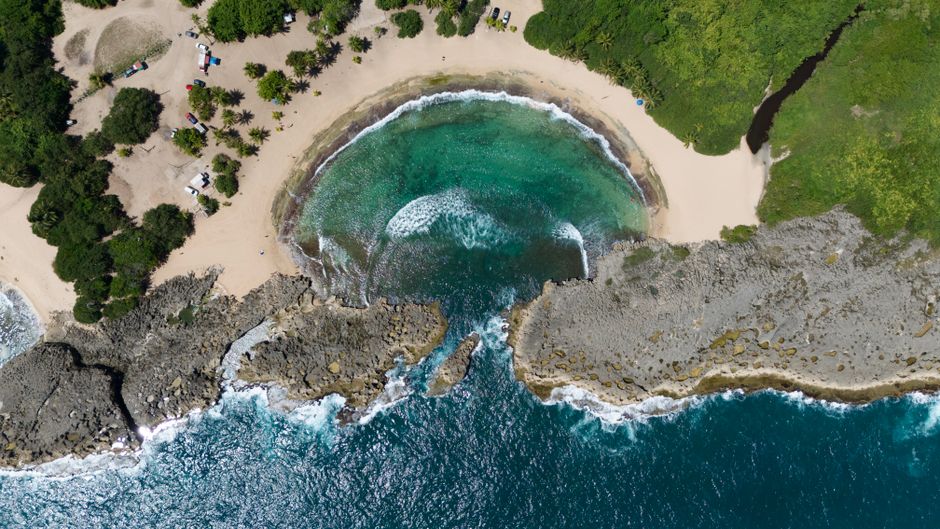
3. Nature's Archway: Playa Mina
Playa Mina, Costa Rica
Dramatic rock formations at Playa Mina include a natural arch carved by the ocean, often only fully visible at low tide.
Named for a historical mining operation (though not for gold, but guano in the early 20th century), Playa Mina's true treasure lies in its geology. The relentless Pacific waves have sculpted a magnificent natural arch from ancient volcanic rock, a testament to the earth's raw power. Exploring this arch and the surrounding tide pools at low tide feels like discovering a secret, ever-changing world, revealing intricate marine life and geological wonders.
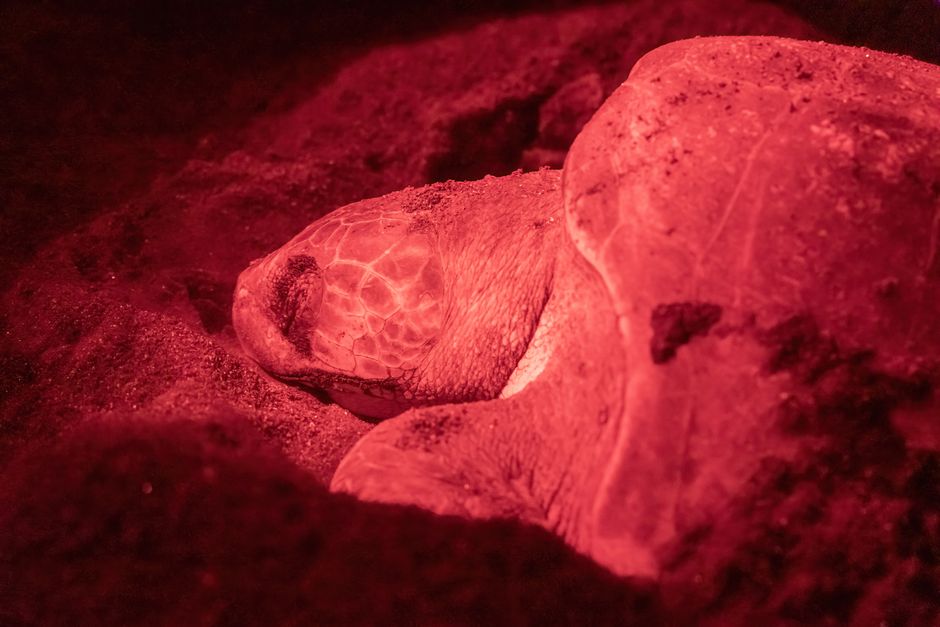
4. Turtle Haven: Playa Junquillal
Playa Junquillal, Costa Rica
This tranquil beach holds a prestigious 'Blue Flag' ecological designation, recognizing its community's dedicated sea turtle conservation efforts.
Playa Junquillal stands as a beacon of environmental stewardship, proudly bearing Costa Rica's 'Blue Flag' for its pristine conditions and active conservation. The local community is deeply committed to protecting the nesting sites of olive ridley sea turtles, which frequent its shores. Visiting here offers not just natural beauty but also a chance to witness the profound dedication of locals working to preserve this vital ecosystem.
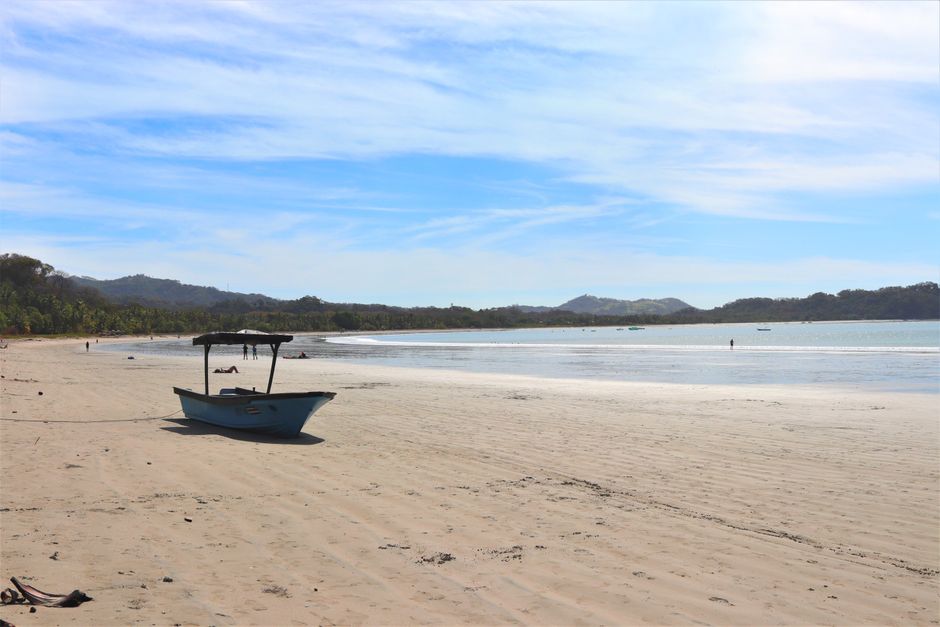
5. The Legendary Isle: Playa Danta
Playa Danta, Costa Rica
Just offshore from Playa Danta lies a small, rocky outcrop known as 'Pirate Island,' rumored to contain hidden caves and ancient secrets.
Playa Danta, a serene cove, offers more than just golden sands; it presents a piece of local folklore in its very landscape. The small island visible from the shore is steeped in legend, said to have been a strategic hideout for pirates during colonial times. Its rugged cliffs and rumored caves invite speculation about buried treasures and clandestine meetings, adding an air of mystery to an already picturesque setting.
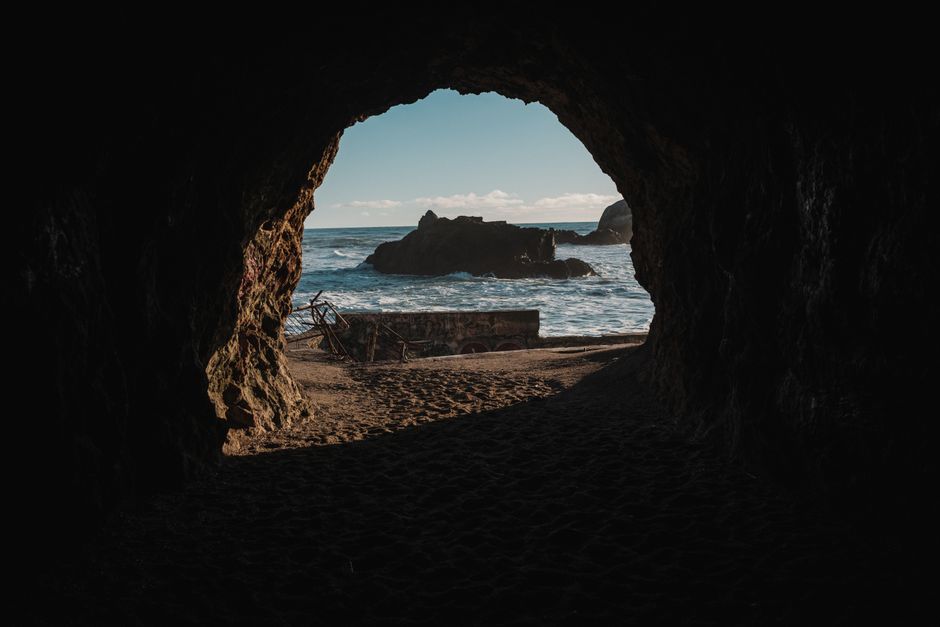
6. Cathedral of the Tides: Playa Ventanas
Playa Ventanas, Costa Rica
This beach is famed for its dramatic sea caves, which are completely submerged at high tide, only revealing their cathedral-like openings at low tide.
Playa Ventanas, meaning 'Windows Beach,' earned its name from the incredible sea caves carved into its cliffs. These geological wonders act like natural windows to the ocean, but their accessibility is entirely dictated by the tides. At low tide, visitors can walk into these expansive, echoing caverns, a breathtaking experience that feels like stepping into a hidden world, constantly reshaped by the powerful Pacific.
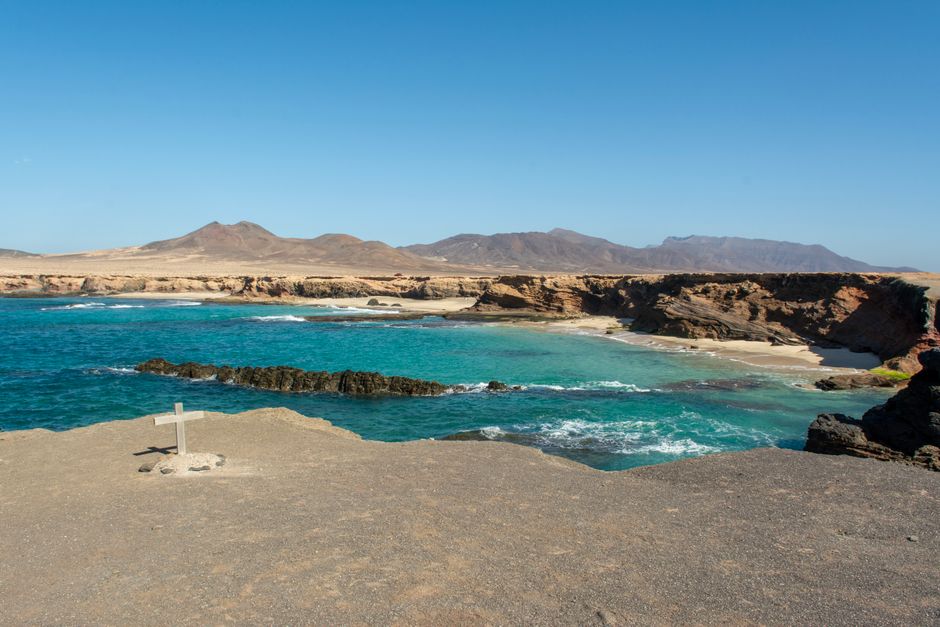
7. Sugar Loaf Landmark: Playa Pan de Azúcar
Playa Pan de Azúcar, Costa Rica
Named for an offshore rock formation resembling a 'sugar loaf,' which historically served as a crucial navigational point for mariners.
Playa Pan de Azúcar, or 'Sugar Bread Beach,' draws its name from a distinctive conical rock formation rising majestically from the Pacific just off its coast. This natural landmark was not just picturesque; in centuries past, it acted as a vital beacon for ships navigating the intricate Guanacaste coastline, guiding them through potentially treacherous waters. Today, it remains a beautiful, tranquil beach, rich with maritime history.
Frequently asked questions
What is the best time to visit Guanacaste's hidden beaches?
The dry season, from December to April, offers the sunniest weather and calmest seas, ideal for exploring. However, the early green season (May-July) also provides lush landscapes and fewer crowds, with rain typically occurring in the afternoons.
Are these lesser-known beaches safe for swimming?
Most beaches in Guanacaste are generally safe, but conditions can vary. Always observe local signage, be aware of rip currents, and check tide charts, especially for beaches with unique features like sea caves. It's always best to swim near other people or inquire locally.
How do I reach these more secluded beaches?
Many of Guanacaste's hidden gems require navigating unpaved roads, especially during the green season. A 4x4 vehicle is often recommended for better access and comfort. Consider hiring a local guide or using GPS with offline maps, as cell service can be spotty in remote areas.
How can AllTours.ai help me explore these places?
AllTours.ai enhances your exploration by narrating the unique stories of these locations. Simply point your phone camera at a landmark, beach, or landscape, and the app will provide rich historical, geological, and cultural insights in your preferred language, bringing the hidden narratives of Guanacaste to life.
Photography via Pexels. AllTours.ai is an AI audio tour guide — point your camera at any landscape and hear its story.