June 24, 2026 · 4 min read
Norway in summer isn't just about endless daylight; it's about landscapes steeped in stories, from the dramatic fjords carved by ice to coastal roads that defy the ocean. The long, bright days provide ample time to uncover the true narratives behind the postcard views, whether they're tales of ancient traders, geological marvels, or engineering triumphs.
If you're looking for things to do in Norway in summer that go beyond the obvious, prepare to dive into the surprising history, geology, and culture that shaped these iconic — and some lesser-known — destinations. Each place holds a captivating secret, waiting to be discovered.
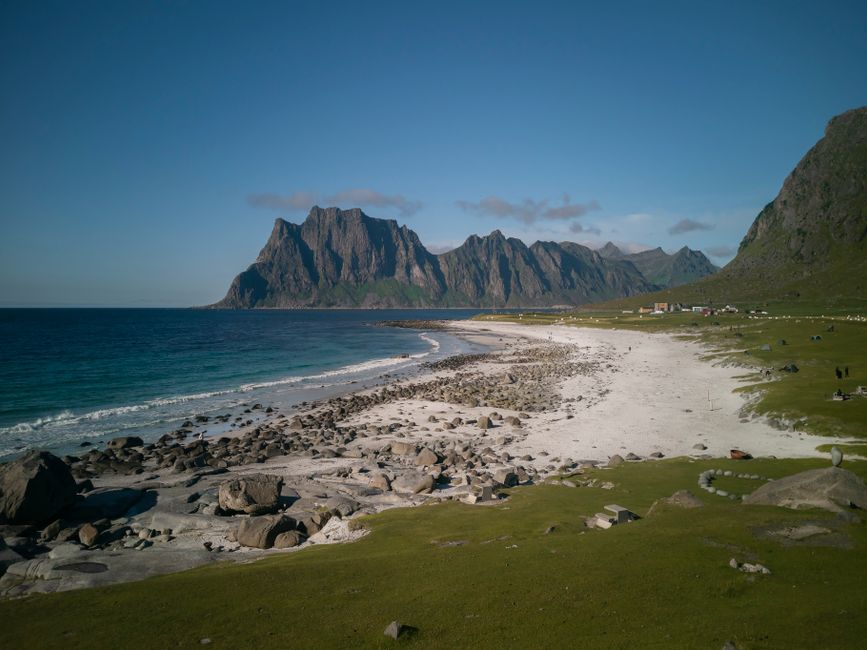
1. The Midnight Sun's Viking Shores
Uttakleiv Beach, Lofoten, Norway
This 'world's most beautiful beach' was once a strategic gathering point for Vikings navigating the North Sea.
While often lauded for its photographic appeal under the midnight sun, Uttakleiv Beach in the Lofoten Islands holds a deeper history. Archaeological findings suggest this very stretch of sand was a significant meeting and trading place for Viking chieftains and their longships. Its sheltered bay offered safe harbor and a clear view of the open sea, making it a natural hub for an seafaring culture that shaped early Norway.
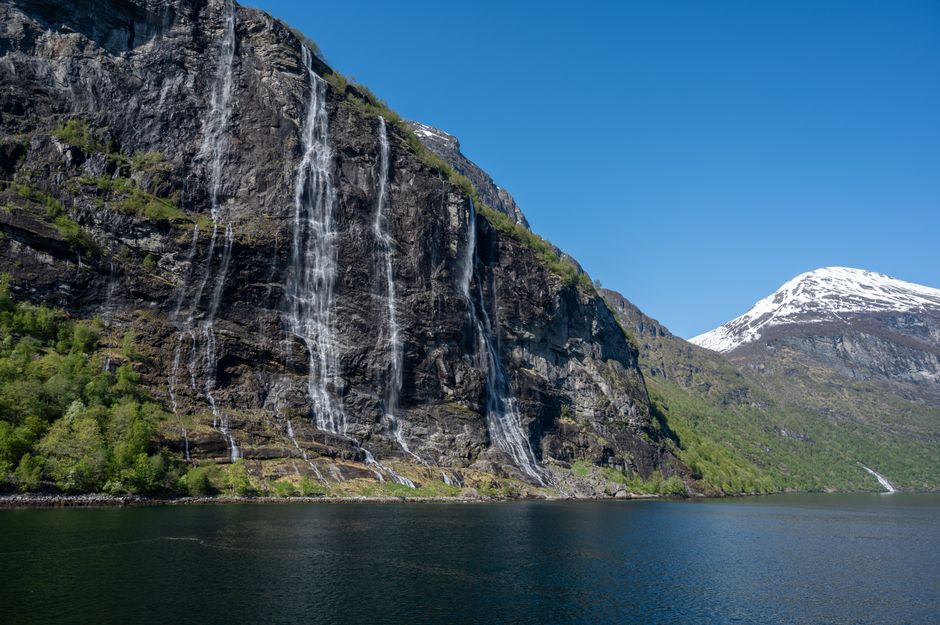
2. The Weeping Walls of Geirangerfjord
Seven Sisters Waterfall, Geirangerfjord, Norway
The Seven Sisters Waterfall is part of a dramatic geological 'love story' carved by ice and time.
The iconic Seven Sisters Waterfall plunges over 250 meters into the UNESCO-listed Geirangerfjord, an ancient glacial valley. The 'sisters' are said to be seven maidens, while across the fjord, the 'Suitor' waterfall attempts to woo them. This isn't just folklore; it reflects the fjord's dramatic geological formation, where massive glaciers carved U-shaped valleys, leaving behind hanging valleys from which these powerful waterfalls now cascade. The landscape itself tells a tale of immense, ancient forces.
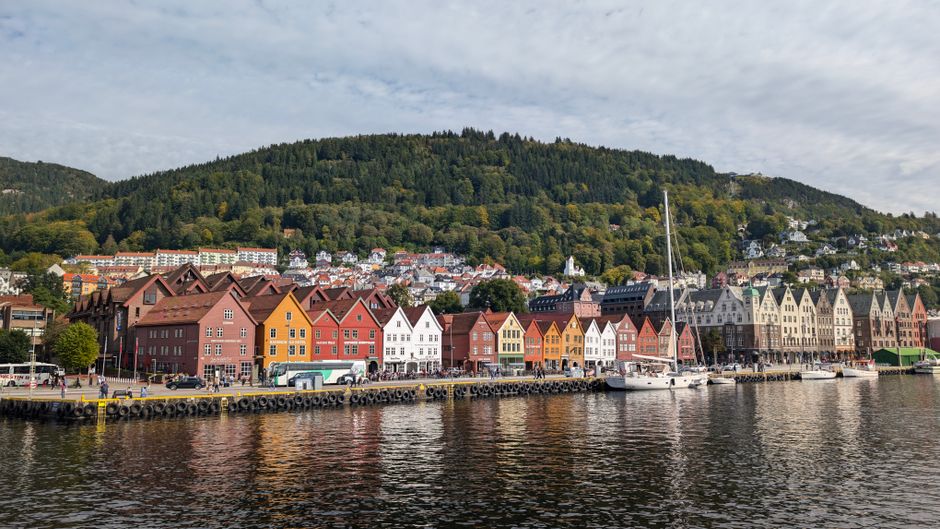
3. Bergen's Resilient Hanseatic Past
Bryggen Wharf, Bergen, Norway
The colorful wooden buildings of Bryggen have burned down almost entirely 15 times, yet always rise again in their traditional form.
Bergen's Bryggen wharf, a UNESCO World Heritage site, appears as a charming collection of medieval wooden buildings. What's often overlooked is its incredible resilience. The iconic Hanseatic merchant houses have been repeatedly devastated by fires, most notably in 1702, 1855, and 1955. Each time, the community rebuilt using traditional methods and retaining the distinctive architecture, a testament to the enduring Hanseatic League's influence and the city's commitment to its heritage as a vital trading port.
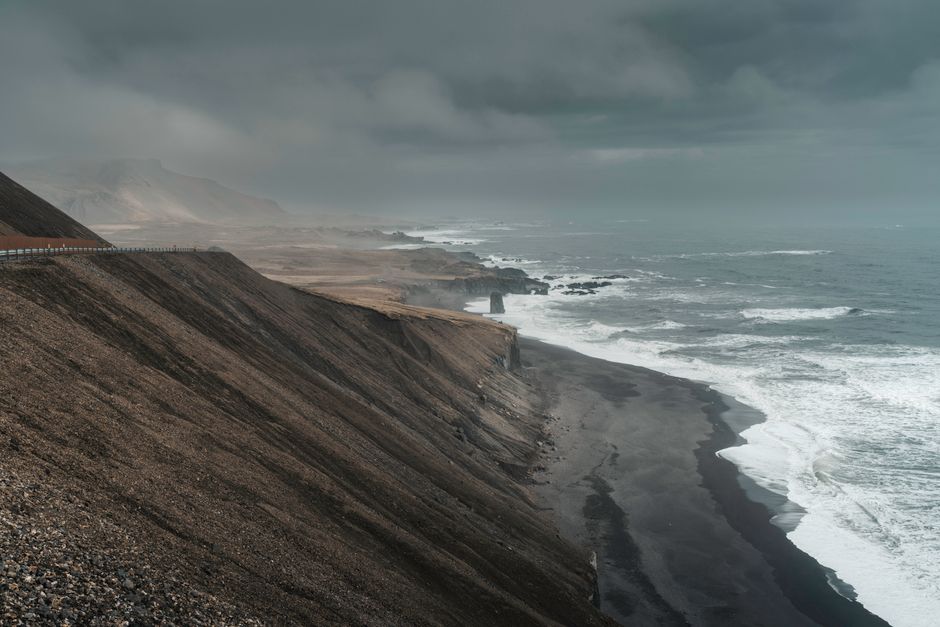
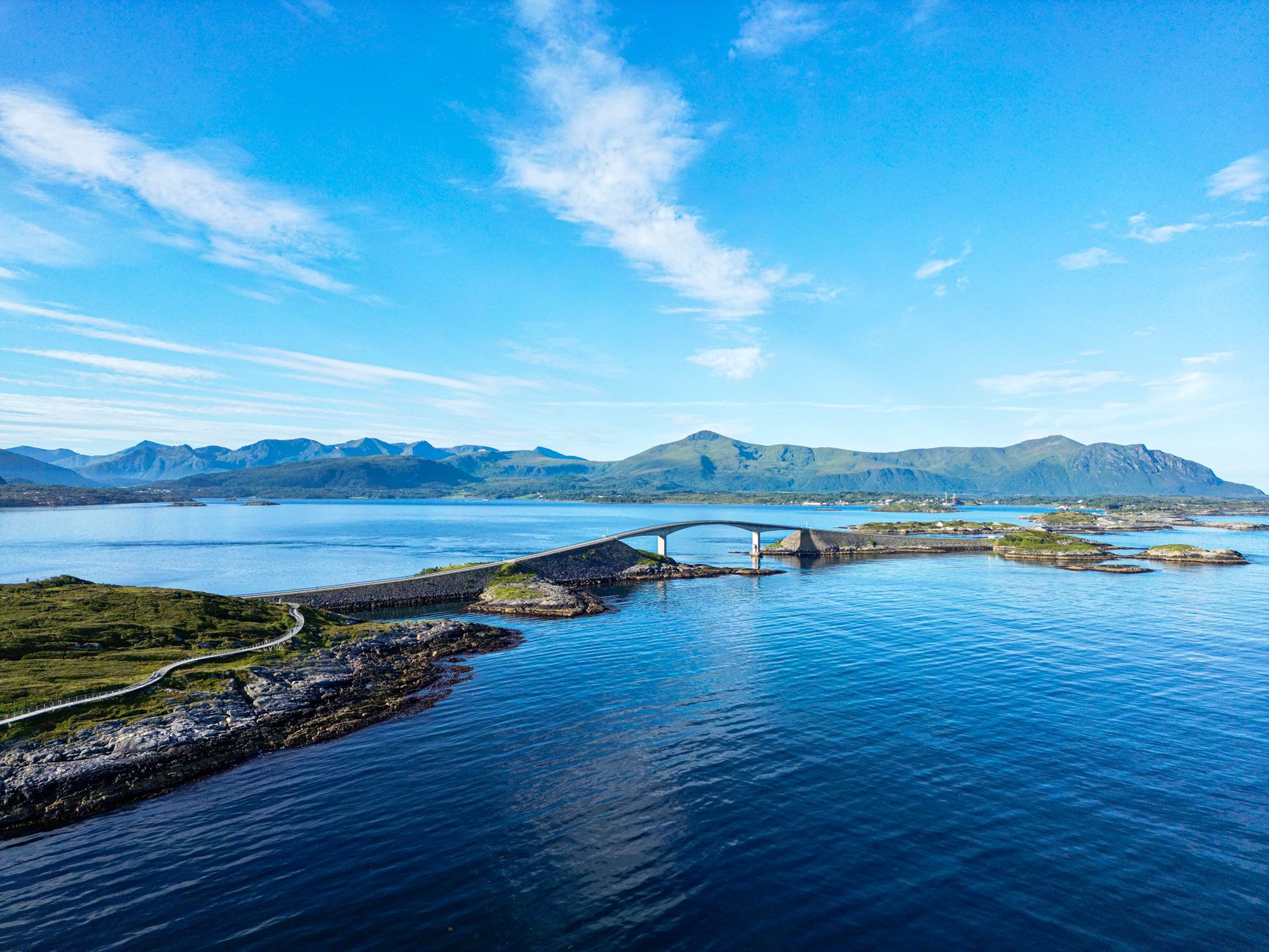
4. The Road Built by Ocean's Fury
Atlantic Ocean Road, Norway
The Atlantic Ocean Road was originally designed as a railway line, but the sheer power of the sea forced a complete rethinking.
This engineering marvel, with its rollercoaster-like bridges, appears to dance across the archipelagos. Less known is that initial plans in the early 20th century envisioned a railway, not a road. However, the extreme weather conditions, brutal Atlantic storms, and the rugged, island-dotted terrain proved too challenging for rail. It took decades of planning and innovative construction to complete the road in 1989, a testament to human ingenuity against nature's raw power, shaping it into the iconic scenic route we see today.
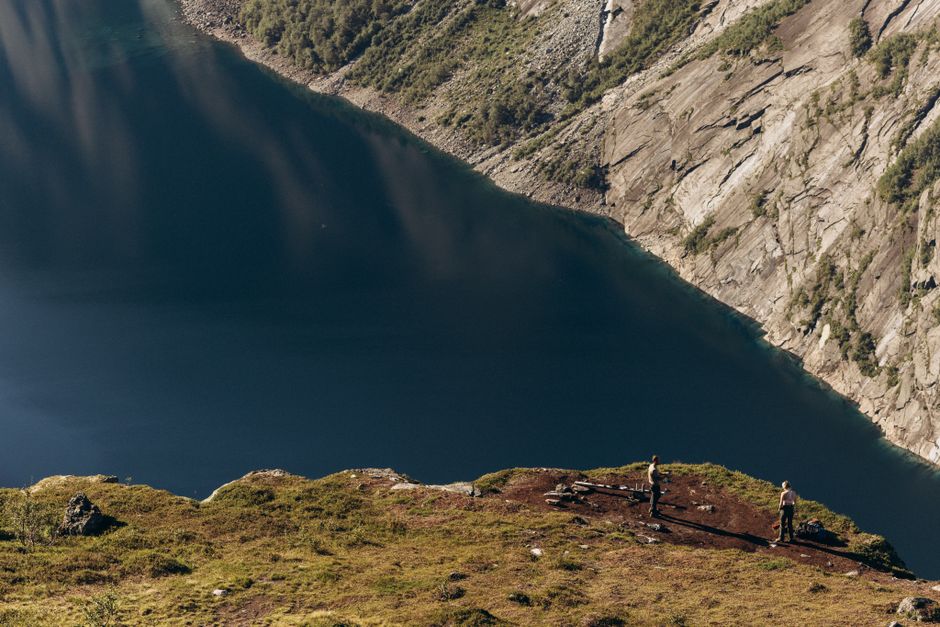
5. Trolltunga's Ancient Ice Sculptor
Trolltunga, Odda, Norway
Trolltunga, the 'Troll's Tongue,' was not formed by a sudden break, but by the slow, relentless work of ancient ice.
The dramatic horizontal rock formation of Trolltunga, jutting out high above Ringedalsvatnet lake, looks precariously fragile. Its formation, however, is a profound geological story. Around 10,000 years ago, during the last ice age, a massive glacier extended across the Hardangervidda mountain plateau. As the glacier slowly retreated, it plucked away large chunks of bedrock, leaving behind the hard, resistant rock that forms Trolltunga. Frost action and erosion then further shaped this iconic ledge, revealing its layered structure over millennia.
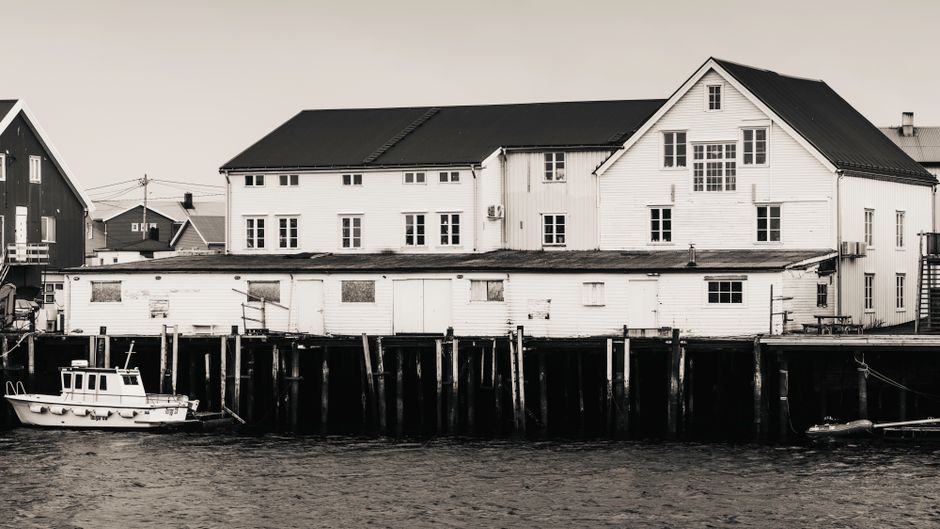
6. Henningsvær: Cod Capital of Lofoten
Henningsvær, Lofoten, Norway
This picturesque fishing village was once so central to Norway's cod trade that it had its own customs office and currency.
Henningsvær, often called the 'Venice of Lofoten,' is a vibrant fishing village spread across several small islands. Its beauty is directly tied to its heritage: the village grew in importance due to its strategic position for the seasonal cod fishery. During the peak of the Lofoten cod season, the village would swell with fishermen, becoming an economic powerhouse. Its prosperity was so significant that it operated almost like an independent city-state, handling its own trade and even issuing its own form of local payment, reflecting its crucial role in Norway's historical economy.
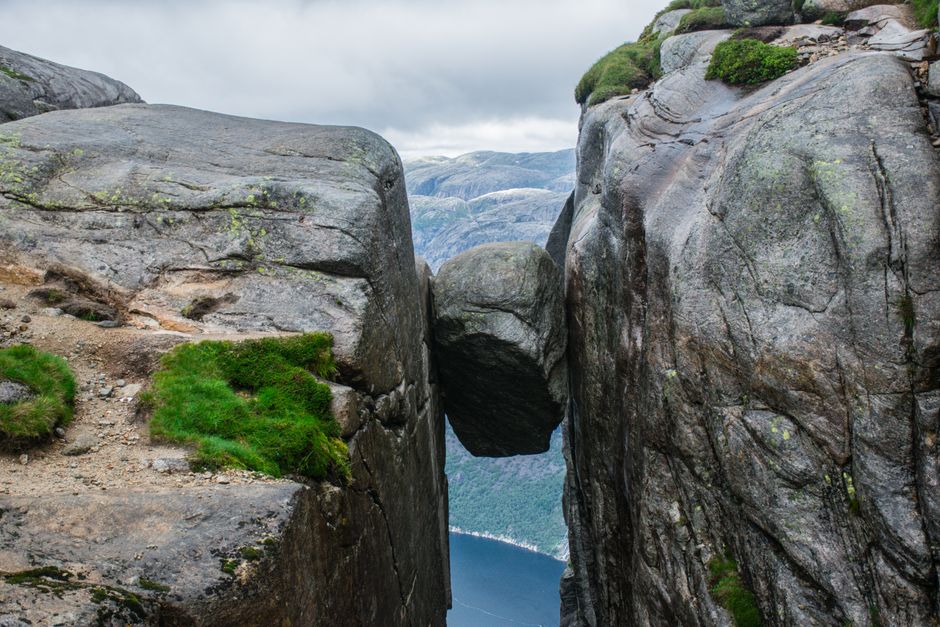
7. The Rock Wedged by Time
Kjeragbolten, Kjerag, Norway
Kjeragbolten, the famous boulder wedged in a mountain crevice, was deposited there by a receding glacier, not a rockfall.
Perched precariously between two sheer rock faces on Mount Kjerag, Kjeragbolten is a geological wonder. This 5-cubic-meter boulder is not a result of a rockfall getting stuck. Instead, it's a 'glacial erratic' – a rock transported and then deposited by a glacier. As the massive Scandinavian ice sheet retreated thousands of years ago, it left the boulder exactly in this dramatic fissure. The surrounding landscape of Kjerag itself showcases the immense power of glacial erosion, with its polished rock surfaces and deep, U-shaped valleys.
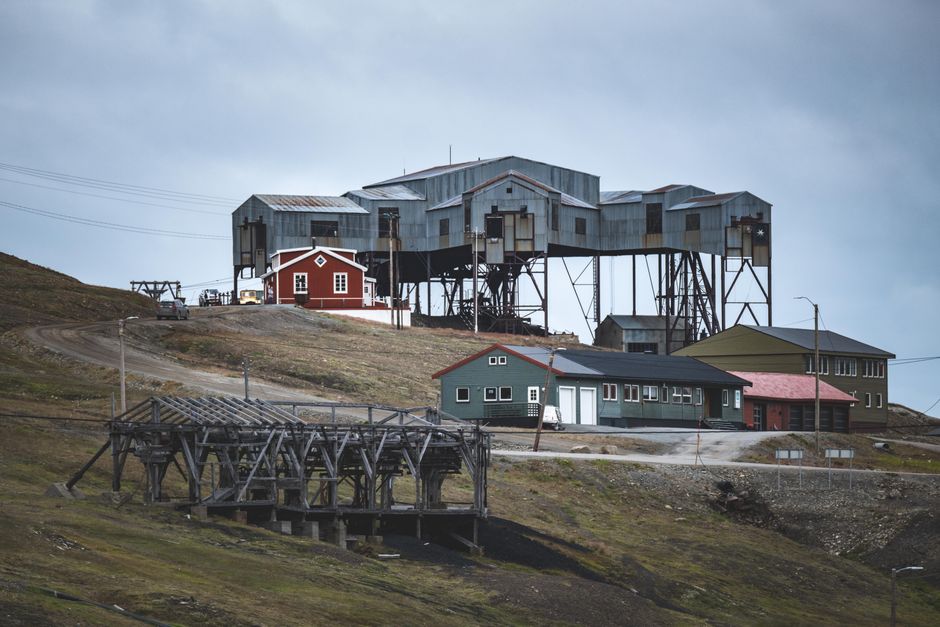
8. Røros: The Copper Kingdom's Legacy
Røros, Trøndelag, Norway
This UNESCO-listed town was once a remote, self-sufficient copper mining community where every building was part of a vast industrial ecosystem.
Far from the fjords, Røros is a unique UNESCO World Heritage Site, a well-preserved mining town founded in the 17th century. Its distinction lies in its holistic structure: the entire town, from worker's cottages to smelting houses, was intricately linked to the copper mining operation. Unlike other mining towns that grew organically, Røros was meticulously planned to support the industry, even in its harsh inland climate. The buildings, many still standing, reveal the ingenious ways people adapted to and thrived in this challenging environment, powering Norway's early industrial growth.
Frequently asked questions
What is the best time to see the Midnight Sun in Norway?
The Midnight Sun is visible north of the Arctic Circle during summer. For places like the Lofoten Islands, the period generally runs from late May to mid-July. Further north, like Nordkapp, it can extend from mid-May to late July.
What should I pack for a summer trip to Norway?
Even in summer, Norway's weather can be unpredictable. Pack layers, including waterproof and windproof outer shells. Bring sturdy hiking shoes, a warm hat, gloves, and sunglasses. Don't forget swimwear for brave dips in the fjords!
Are there mosquitoes in Norway in the summer?
Yes, mosquitoes can be present in some areas, especially near stagnant water, bogs, and in the northern regions during the peak summer months. It's advisable to bring insect repellent, particularly if you plan to spend time hiking or camping.
How does AllTours.ai help me explore Norway?
AllTours.ai enhances your travel by narrating the history, geology, and culture of the places you visit. Simply point your phone camera at a landscape or landmark, and the app will provide audio insights in your preferred language, turning every view into a rich storytelling experience.
Photography via Pexels. AllTours.ai is an AI audio tour guide — point your camera at any landscape and hear its story.