June 16, 2026 · 4 min read
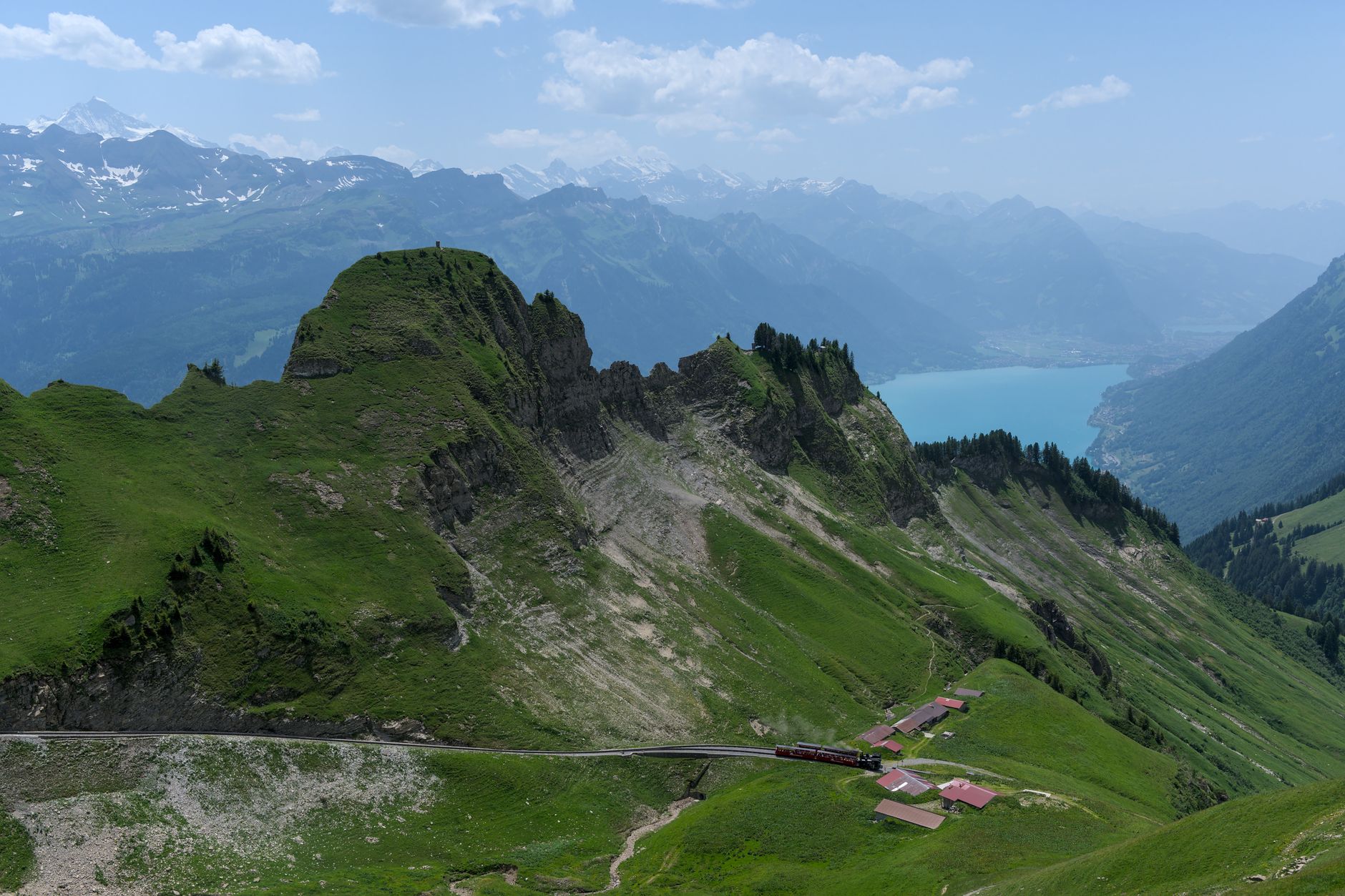
Switzerland in summer transforms into a canvas of vibrant greens and blues, with its alpine lakes shining as true natural wonders. Beyond their postcard-perfect reflections, these waters hold fascinating stories — tales of geological forces, ancient legends, and unique ecological adaptations that give them their distinctive character and stunning beauty.
From the raw power of glaciers shaping landscapes to the quiet mystery of underground springs, each lake offers a glimpse into the heart of the Alps. We've curated a list of some of Switzerland's most beautiful alpine lakes, inviting you to look deeper into their captivating narratives this summer.
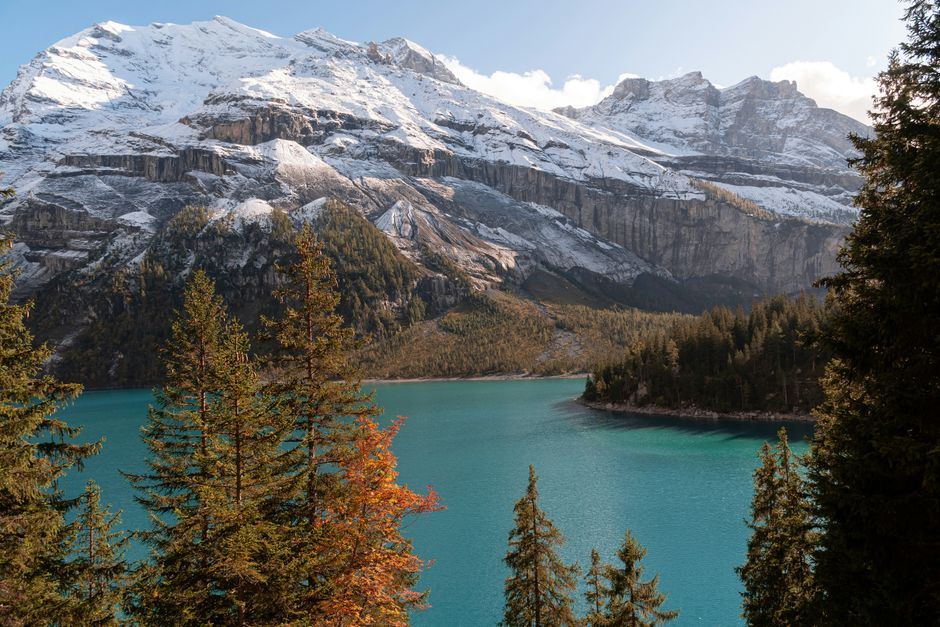
1. Oeschinensee's Cliff-Walled Amphitheatre
Kandersteg, Switzerland
This UNESCO World Heritage site was dramatically carved by a massive ancient landslide, not just glaciers.
While glaciers certainly played a role, Oeschinensee's iconic cliff-walled basin owes its dramatic shape to a colossal landslide that occurred thousands of years ago. This event created a natural dam, allowing meltwater to collect and form the stunning, deep blue lake we see today. The cliffs soar hundreds of meters, making it feel like a natural amphitheatre. Its pristine waters often reflect the surrounding peaks with breathtaking clarity.
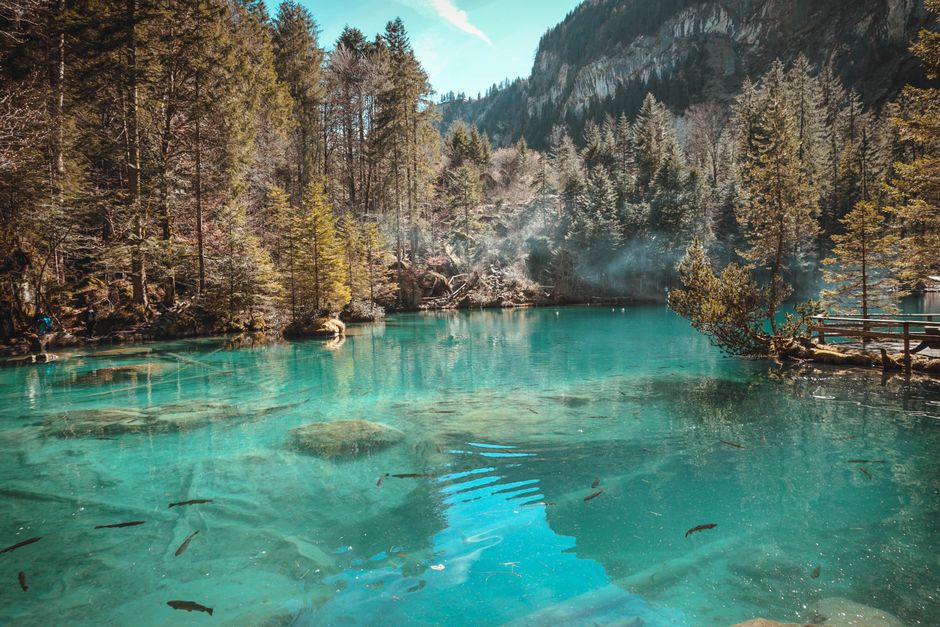
2. Blausee and the Maiden's Tears
Kandergrund, Switzerland
Local legend attributes Blausee's striking sapphire colour to the tears of a heartbroken maiden.
Blausee, or 'Blue Lake,' lives up to its name with an almost impossibly vivid blue hue. The scientific explanation points to the exceptional clarity of its spring-fed waters, which absorb red light and reflect blue. However, local folklore tells a more romantic, tragic tale: the lake's colour is said to come from the tears of a young maiden mourning her lost lover. Submerged trees and rocks are visible through its crystalline surface, adding to its ethereal charm.
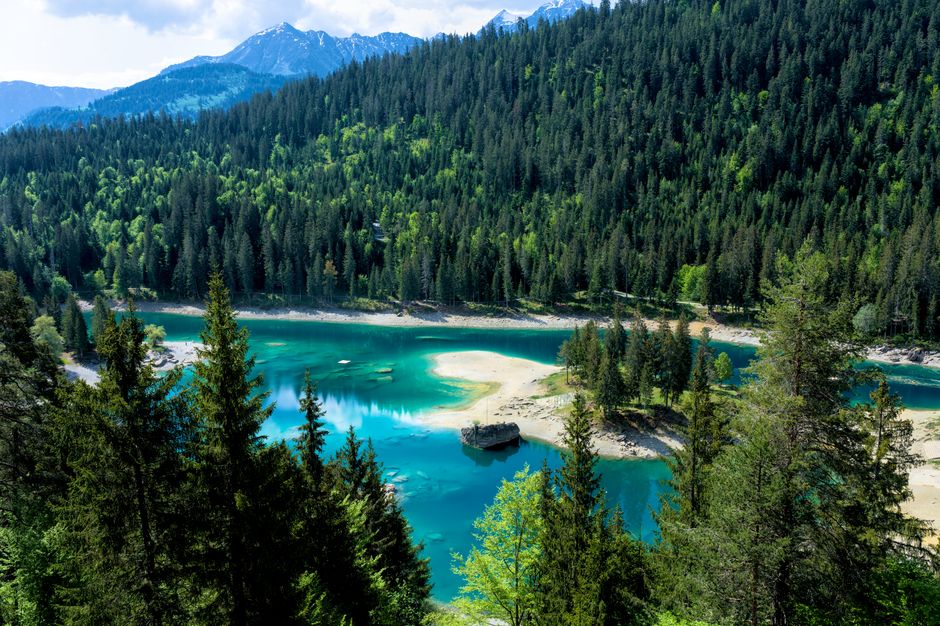
3. Caumasee's Warm Forest Lagoon
Flims, Switzerland
Fed by underground springs, Caumasee's waters are surprisingly warm for an alpine lake, reaching up to 24°C in summer.
Often called the 'Lake of Noon Rest,' Caumasee is a natural wonder hidden within a dense forest near Flims. Unlike most frigid alpine lakes, its temperature can rise to a comfortable 24°C in July and August, thanks to warm underground springs. This makes its vibrant turquoise waters, framed by ancient trees, an inviting spot for swimming. The lake's colour changes with the light, offering endless photographic opportunities.
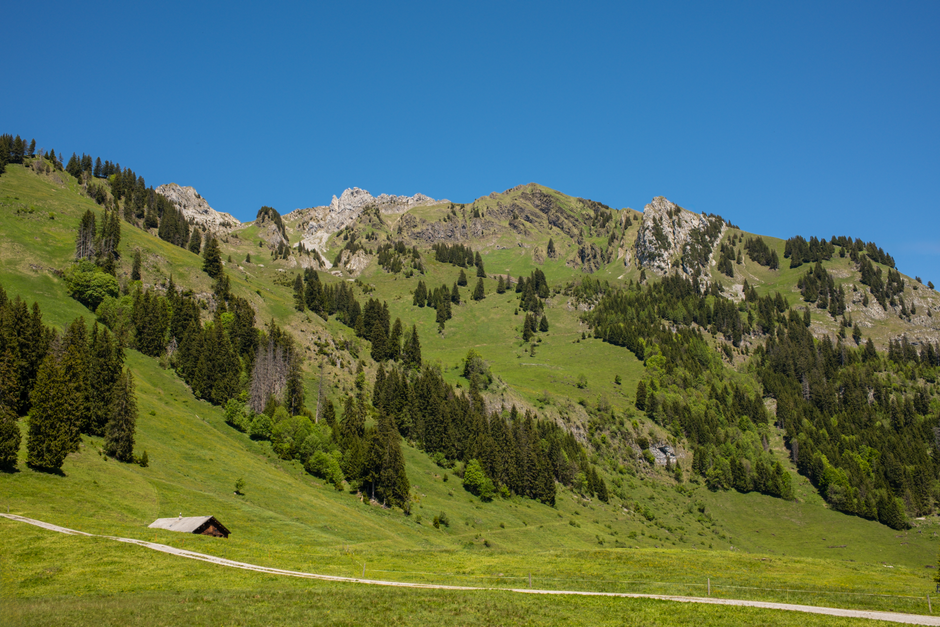
4. Seealpsee: Appenzell's Mountain Mirror
Wasserauen, Switzerland
This pristine lake, formed in a glacial cirque, is a living window into traditional Appenzell alpine farming life.
Lying dramatically at the foot of the mighty Alpstein mountains, Seealpsee is more than just a beautiful body of water; it's a cultural landmark. Surrounded by lush meadows and traditional wooden chalets, it embodies the enduring alpine farming heritage of the Appenzell region. Hikers often pause at its shores to soak in the tranquil atmosphere and enjoy the reflection of the majestic peaks on its calm surface, a scene that has remained largely unchanged for centuries.
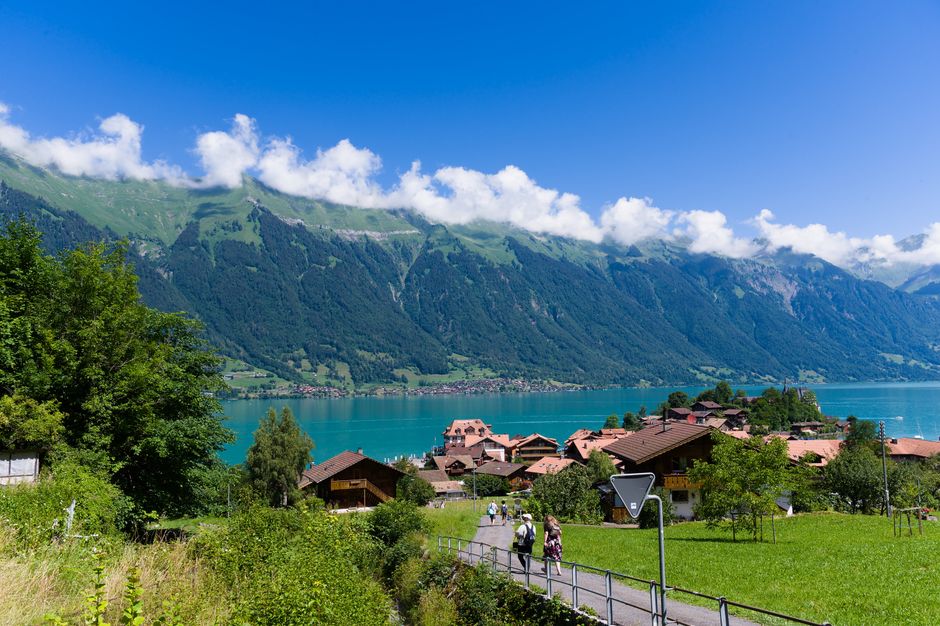
5. Lake Brienz's Glacial Glow
Iseltwald, Switzerland
Lake Brienz's intense turquoise comes from glacial meltwater carrying fine rock flour, which scatters blue light.
From the charming village of Iseltwald, the true magic of Lake Brienz becomes clear. Its extraordinarily vibrant turquoise is not merely a trick of the light. It's a scientific phenomenon: meltwater from surrounding glaciers carries finely ground rock particles, known as 'rock flour,' into the lake. These microscopic particles suspend in the water, scattering sunlight in a way that predominantly reflects blue and green wavelengths, creating its signature otherworldly glow.
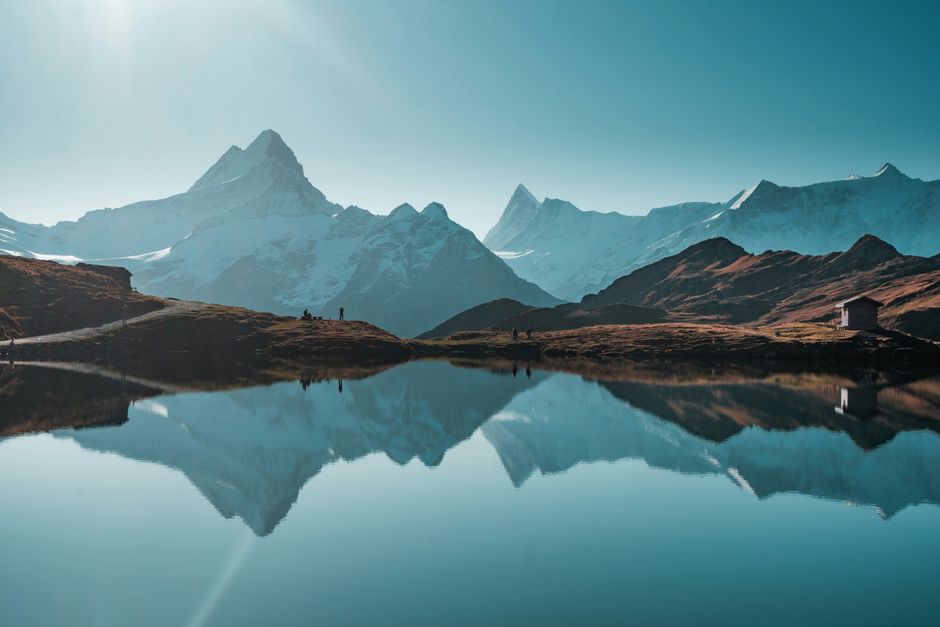
6. Bachalpsee: Mirror of the Giants
Grindelwald, Switzerland
On calm days, Bachalpsee perfectly mirrors the snow-capped peaks of the Bernese Alps, including the distinctive Schreckhorn.
High above Grindelwald, accessible by a scenic hike from First, lies Bachalpsee, often referred to as the 'Jewel of the Bernese Oberland.' This twin-basin lake, separated by a natural dam, is renowned for its incredible reflections. When the wind is still, the towering, snow-dusted summits like Schreckhorn, Wetterhorn, and Finsteraarhorn are perfectly inverted on its surface, creating a symmetrical masterpiece. Wildflowers often bloom vividly along its shores in summer, adding splashes of colour to the scene.
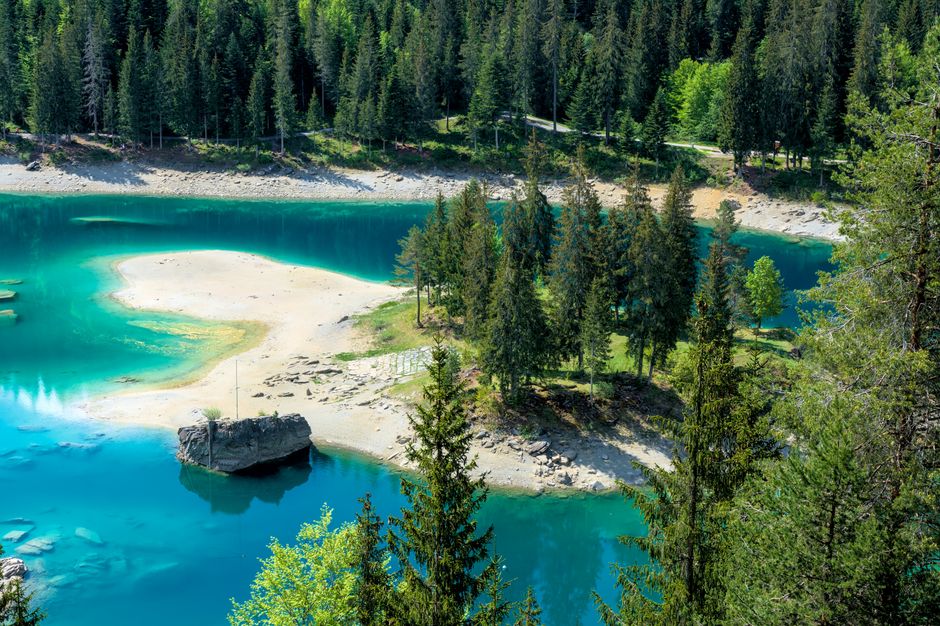
7. Lai da Palpuogna: The Color-Changing Gem
Preda, Switzerland
Once voted 'the most beautiful lake in Switzerland,' its crystal-clear waters shift in hue depending on the light and season.
Tucked away in the Albula Valley, Lai da Palpuogna is a small but exquisite lake, celebrated for its astonishing range of colours. From deep emerald to brilliant turquoise, its surface constantly shifts, reflecting the sky and the surrounding mixed forest of larch and pine trees. The water is so pure that you can see deep into its depths. A scenic walking path encircles the lake, offering different perspectives of its ever-changing beauty.
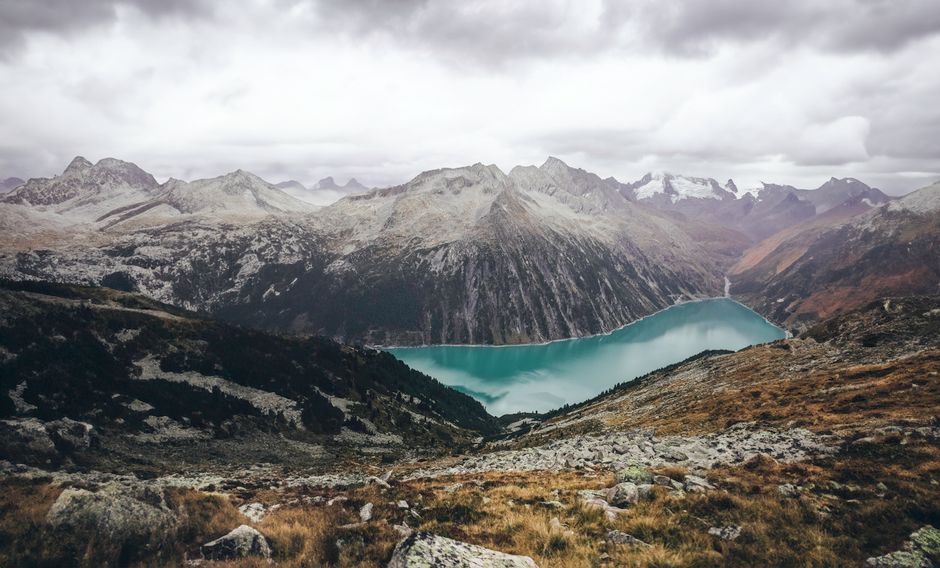
8. Gelmersee: A Turquoise Powerhouse
Handegg, Guttannen, Switzerland
This vivid turquoise reservoir, high in the mountains, is famously accessed by Europe's steepest open funicular railway.
Gelmersee, an artificial reservoir, possesses a natural beauty that rivals any glacial lake. Its stunning turquoise colour comes from the fine mineral particles suspended in its meltwater, similar to natural glacial lakes. What makes Gelmersee unique is its thrilling approach via the Gelmerbahn funicular, which climbs at an incline of up to 106%. Once at the top, visitors are rewarded with breathtaking views and invigorating hikes around its shimmering shores.
Frequently asked questions
What is the best time to visit Switzerland's alpine lakes?
The ideal time to experience Switzerland's alpine lakes at their most beautiful is typically from June to September. During these summer months, the snow has largely melted, hiking trails are accessible, and the vibrant colours of the lakes are at their peak under the bright sun. Many mountain transport options also operate fully during this period.
Are Swiss alpine lakes suitable for swimming?
While many Swiss alpine lakes are technically swimmable, their temperatures can be very cold due to glacial meltwater. Lakes like Caumasee and Blausee, fed by underground springs, tend to be warmer and more inviting for a dip. Always check local conditions and specific lake regulations before entering the water.
What makes some Swiss alpine lakes so intensely turquoise or blue?
The striking colours of many Swiss alpine lakes are primarily due to 'rock flour.' This is a fine, silty sediment created when glaciers grind rocks into powder. When meltwater carrying this rock flour enters a lake, the microscopic particles scatter sunlight, predominantly reflecting the blue and green wavelengths, resulting in the brilliant turquoise hues.
How can AllTours.ai enhance my visit to these beautiful lakes?
AllTours.ai brings the hidden stories of these magnificent places to life. By simply pointing your phone camera at a landmark or landscape, the app narrates its history, geology, and cultural significance in your language. It's like having a personal expert guide revealing the secrets behind every stunning view.
Photography via Pexels. AllTours.ai is an AI audio tour guide — point your camera at any landscape and hear its story.