July 5, 2026 · 4 min read
Deciding which Canadian city to visit can be a delightful dilemma, especially when you have specific tastes. For Czech travelers who appreciate the moody atmosphere of rain, the impressive scale of tall buildings, and the comfort of clean urban environments, Toronto, Calgary, and Montreal each offer distinct charms. But beyond the well-trodden paths, these cities hold lesser-known wonders that truly capture their essence.
Forget the usual postcards. We're diving into the unique corners of these three metropolises, revealing the fascinating stories and architectural marvels that often go unnoticed. From geological oddities shaped by ancient seas to experimental housing projects, prepare to see Canada's urban landscapes through a fresh, curious lens.
1. Toronto's 'Palace of Purification'
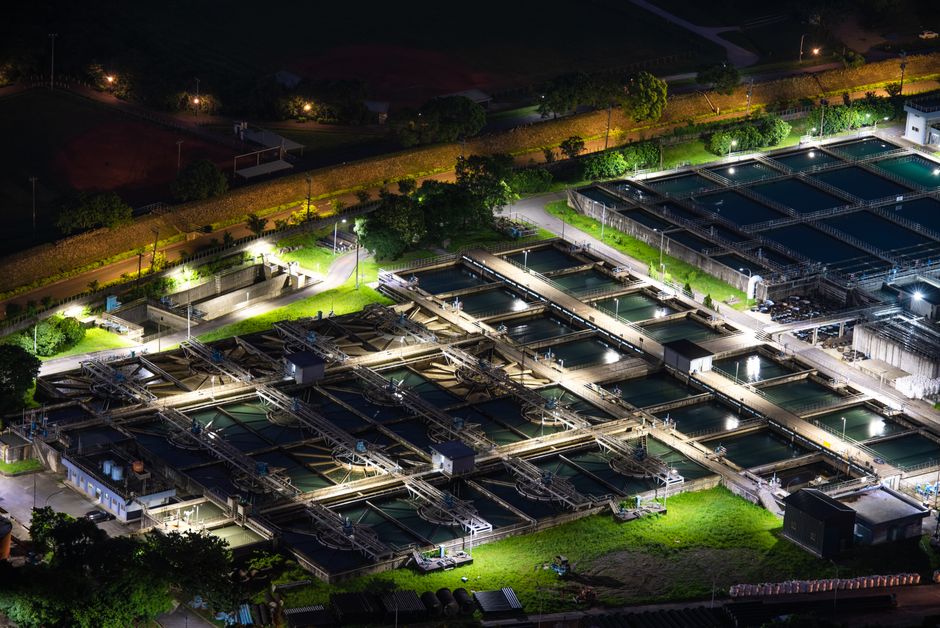
R.C. Harris Water Treatment Plant, Toronto, Canada
This active water treatment facility is a stunning Art Deco masterpiece, once dubbed the 'Palace of Purification,' and a hidden architectural gem.
Built in the 1930s during the Great Depression, the R.C. Harris Water Treatment Plant transformed municipal infrastructure into a grand public work. Its stately limestone buildings and intricate detailing, usually reserved for museums or parliaments, process a significant portion of Toronto's drinking water, highlighting a city's commitment to both beauty and essential services. Its design reflects a belief that even utilitarian structures could inspire civic pride and well-being.
2. The Eroding Giants of Scarborough
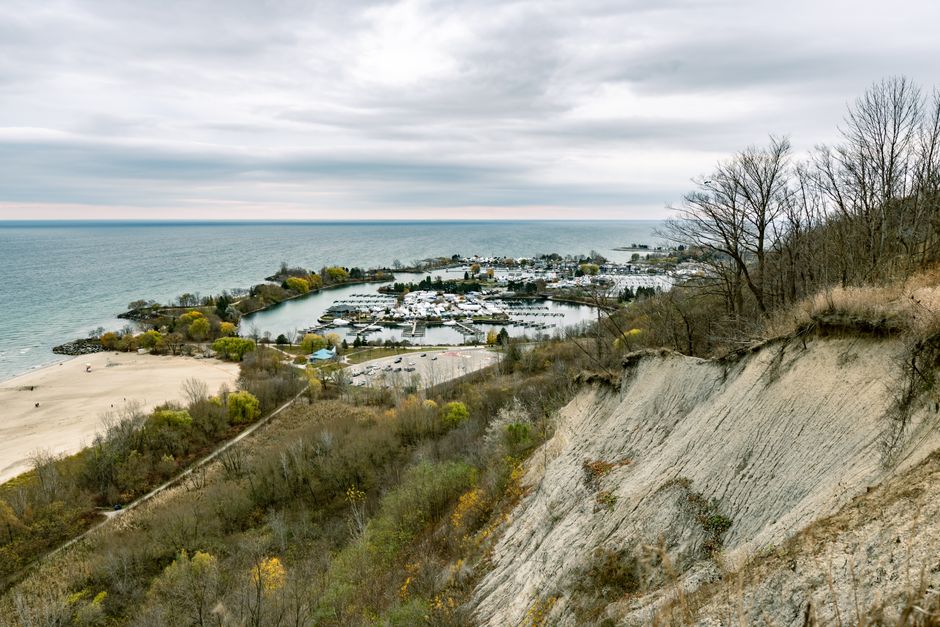
Scarborough Bluffs, Toronto, Canada
These dramatic cliffs aren't just scenic; they are geological remnants of an ancient glacial lake, constantly being reshaped by wind and water.
Stretching for 15 kilometers along Lake Ontario's shoreline, the Scarborough Bluffs rise up to 65 meters, exposing layers of sand, silt, and clay deposited over 12,000 years ago during the last ice age. The constant erosion, particularly after heavy rains, reveals the geological history of the region and creates a unique, ever-changing landscape. It's a striking natural wonder within a major city, a testament to the powerful forces that sculpted the land.
3. Montreal's Concrete Village on the Water
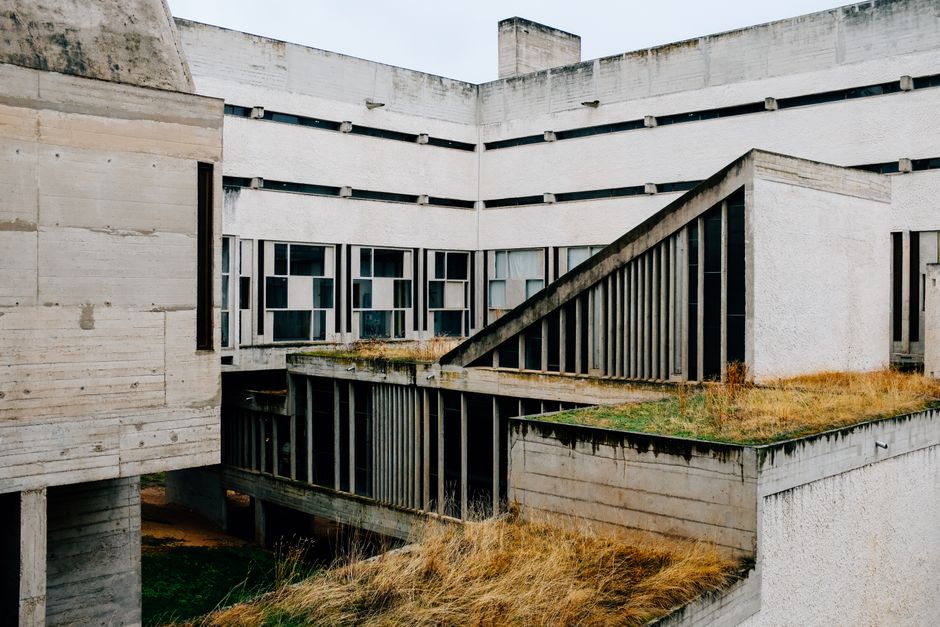
Habitat 67, Montreal, Canada
An experimental housing complex designed for Expo 67, Habitat 67 looks like stacked concrete cubes, challenging conventional urban living.
Designed by architect Moshe Safdie, Habitat 67 was an audacious vision to reimagine affordable housing within dense urban environments. Comprising 354 prefabricated concrete modules arranged in various configurations, it aimed to give each resident the privacy and garden space of a suburban home, combined with the benefits of city living. Its brutalist yet playful architecture stands as a lasting legacy of Montreal's innovative spirit from the 1967 World's Fair.
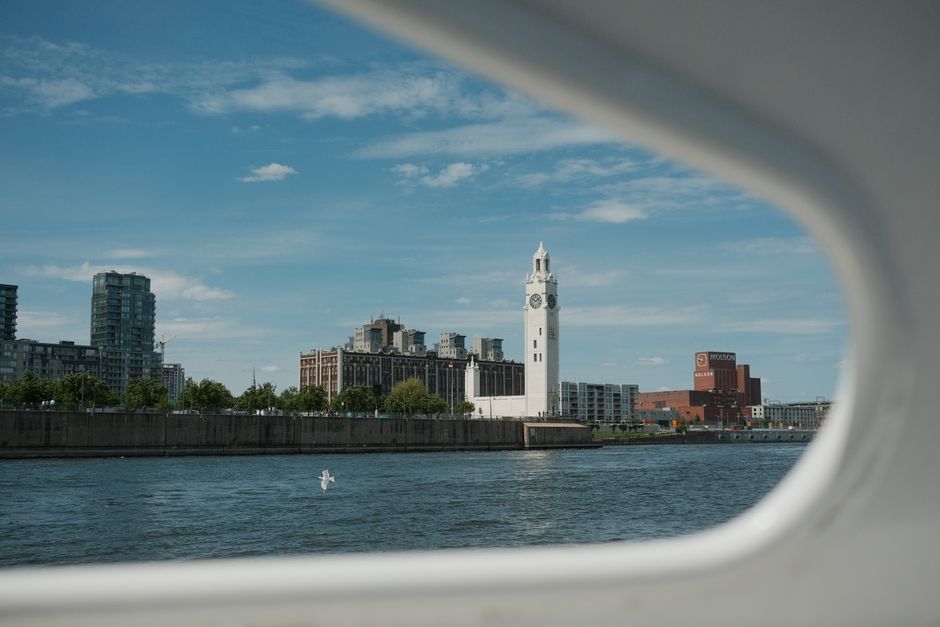
4. The Birthplace of Industrial Canada
Lachine Canal National Historic Site, Montreal, Canada
This historic canal, once a critical bypass for treacherous rapids, fueled Montreal's industrial boom and transformed North American commerce.
Before the St. Lawrence Seaway, the Lachine Canal was a vital artery, allowing ships to bypass the formidable Lachine Rapids. Its construction and subsequent expansions in the 19th century spurred the growth of industries like textiles, ironworks, and flour mills along its banks, making Montreal Canada's industrial heartland. Today, it's a tranquil urban park, but its lock mechanisms and surrounding brick factories whisper tales of a bygone era of innovation and economic might.
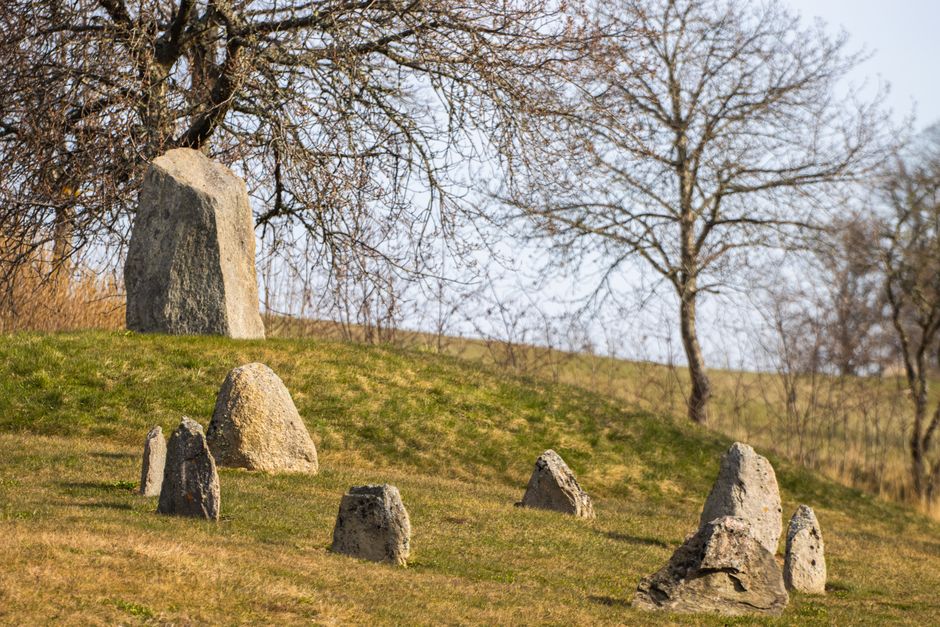
5. Calgary's Ancient Glacial Park
Nose Hill Park, Calgary, Canada
One of North America's largest urban parks, Nose Hill is home to glacial erratics and artifacts from human habitation dating back 8,000 years.
Rising prominently above the city, Nose Hill Park is a natural grassland environment defined by its rolling topography and erratics – large rocks deposited by retreating glaciers. This area has been a sacred site and hunting ground for Indigenous peoples for millennia, with archaeological evidence of tipi rings and medicine wheels. It offers panoramic views of the city skyline and the Rocky Mountains, providing a wild, untamed contrast to Calgary's modern core.
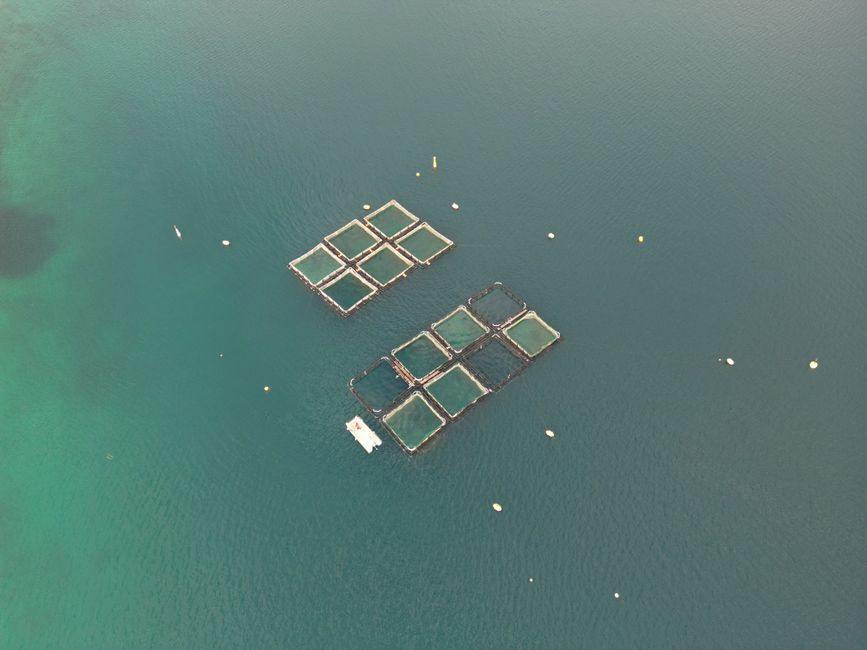
6. Calgary's River Ecosystem Hub
Bow Habitat Station, Calgary, Canada
More than just a fish hatchery, this facility is a vibrant educational center dedicated to the Bow River's ecosystem and Alberta's aquatic wildlife.
Nestled along the scenic Bow River, the Bow Habitat Station is where millions of trout are raised annually to stock Alberta's lakes and rivers. But its mission extends beyond fish farming; it offers interactive exhibits that delve into river ecology, water conservation, and the diverse species that call the Bow River home. It provides a fascinating, hands-on insight into the intricate balance of the local environment and the importance of clean water to the region.
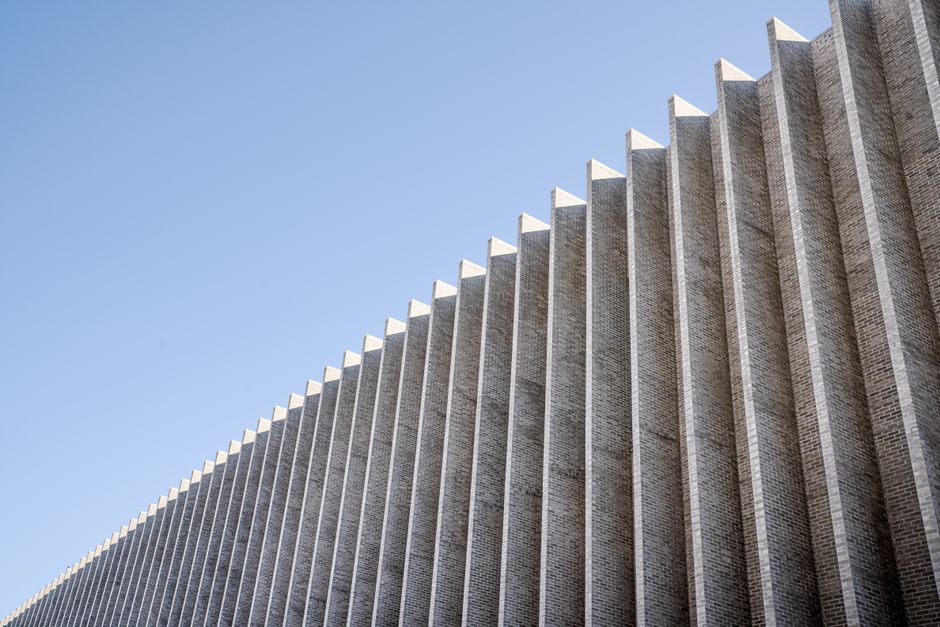
7. Evergreen's Brick Revitalization
Evergreen Brick Works, Toronto, Canada
Once a derelict brick factory that built much of Toronto, this site is now a vibrant community hub focused on sustainability and urban nature.
The Don Valley Brick Works operated for nearly a century, producing the bricks that shaped Toronto's iconic Victorian and Edwardian architecture. After its closure, the sprawling industrial site lay abandoned until its ambitious transformation into Evergreen Brick Works. Today, it's a dynamic public space featuring farmers' markets, art installations, a wetland restoration project, and walking trails, showcasing how industrial heritage can be repurposed for environmental and community benefit.
Frequently asked questions
Which Canadian city gets the most rain between Toronto, Calgary, and Montreal?
Montreal and Toronto generally experience more annual precipitation and rain days than Calgary. While Calgary has its share of wet weather, particularly during summer thunderstorms, the eastern cities tend to have a higher frequency of rainy days throughout the year, fitting the preference for a rain-lover.
Are Canadian cities generally clean and well-maintained?
Yes, Canada is renowned for its clean cities. Toronto, Montreal, and Calgary all consistently rank high in global surveys for cleanliness, public safety, and livability. They maintain extensive public services for waste management, street cleaning, and park maintenance, contributing to a pleasant urban experience.
Which of these cities has the most tall buildings and impressive skyline?
Toronto is often considered Canada's skyscraper capital, boasting the largest number of high-rises and the most visually impactful skyline, including the iconic CN Tower. Calgary also has a dense and modern downtown core with many tall buildings, while Montreal, despite its historical charm, has height restrictions that keep its buildings generally lower than Toronto's.
How does the AllTours.ai app help me explore these unique Canadian places?
The AllTours.ai app enhances your exploration by providing instant audio narratives about any landmark or landscape you point your phone camera at. For places like the R.C. Harris Water Treatment Plant, Habitat 67, or Nose Hill Park, the app can offer deep historical, geological, or cultural insights in your language, making your visit more immersive and informative without needing a traditional guide.
Photography via Pexels. AllTours.ai is an AI audio tour guide — point your camera at any landscape and hear its story.