June 24, 2026 · 4 min read
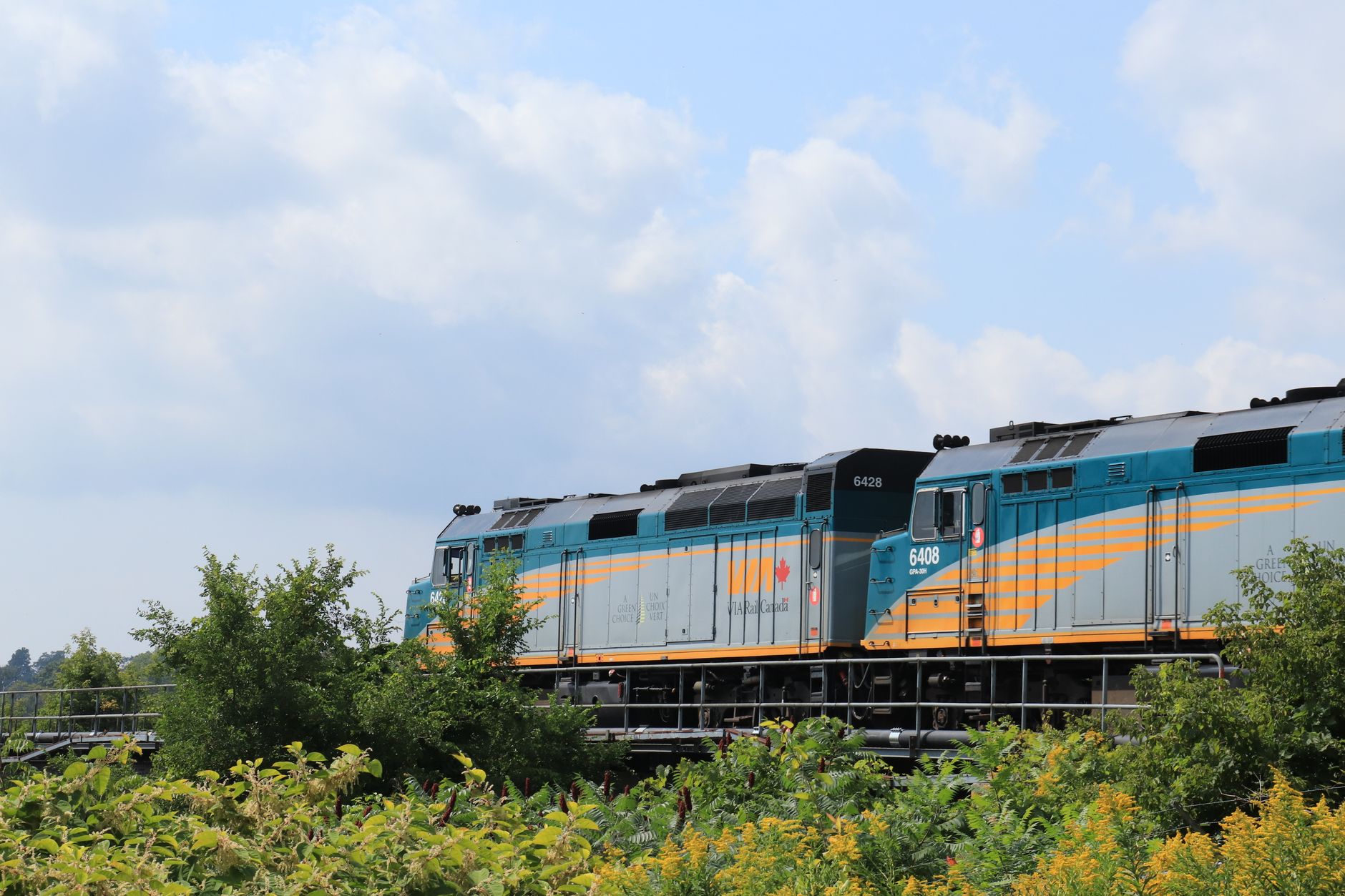
The journey between Toronto and Montréal is one of Canada’s most traveled routes, and for many, the default choice is to drive. But what if there was a way to travel that offered not only relaxation but also a window into hidden histories and natural wonders often missed from the highway?
Choosing the train over driving offers unique benefits, from stress-free travel to a chance to slow down and truly observe the landscape. Beyond just the logistics of travel time and cost, the train opens up a corridor of fascinating, lesser-known sites that tell compelling stories of Canadian ingenuity, resilience, and natural beauty.
1. Canada’s First Railway Tunnel
Brockville, Canada
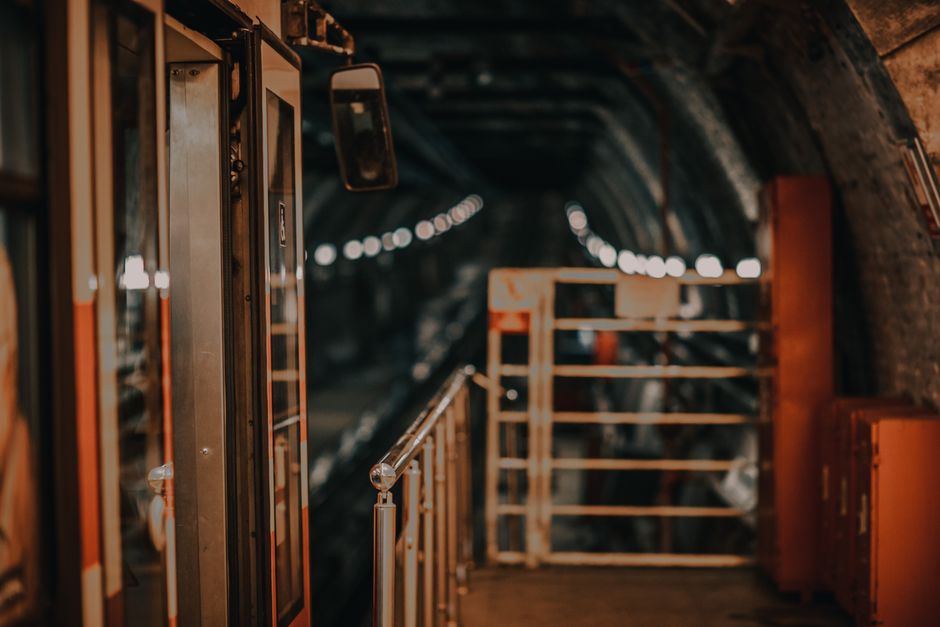
Built in the 1860s, this marvel of engineering was Canada's first railway tunnel, now an illuminated walk-through experience.
The Brockville Railway Tunnel, completed in 1860, was a pioneering feat for the Brockville and Ottawa Railway. It cut through solid rock to connect the St. Lawrence River to the Ottawa Valley, crucial for early Canadian trade and industry. After extensive restoration, the tunnel now welcomes pedestrians, its rugged stone arches and underground springs illuminated, offering a unique glimpse into mid-19th century industrial ambition.

2. The Villages That Vanished
Long Sault, Canada
Entire communities disappeared beneath the St. Lawrence River in 1958, their stories now preserved in a poignant open-air museum.
When the St. Lawrence Seaway and Power Project reshaped the river in 1958, ten Ontario villages were permanently flooded. The Lost Villages Museum at Ault Park meticulously relocated and restored several buildings, including homes, a church, and a schoolhouse, offering a powerful, tangible link to communities that vanished. It stands as a unique testament to the human cost of progress and a window into mid-20th century rural life.
3. An Unassaulted War of 1812 Fort
Prescott, Canada
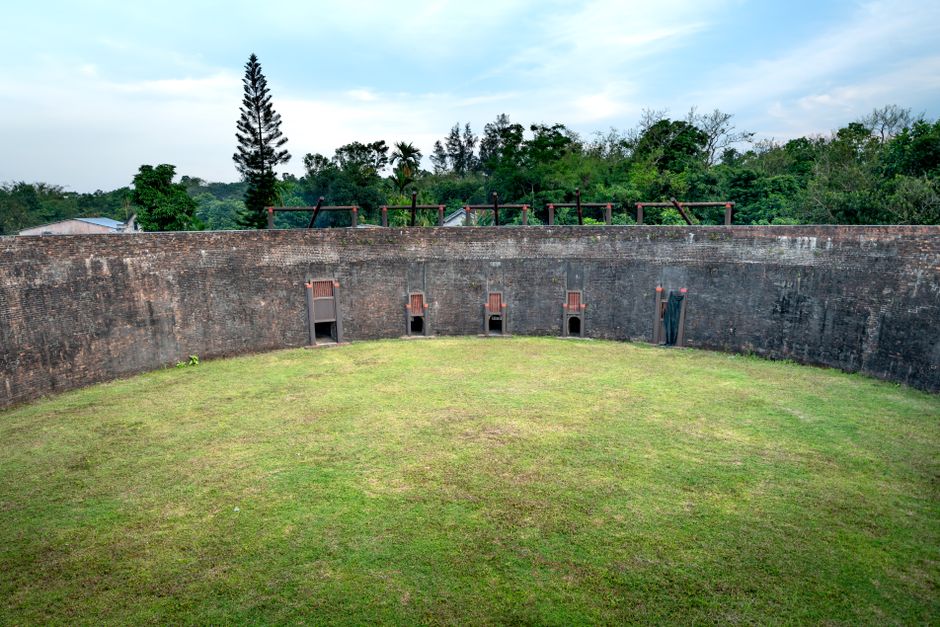
A vital frontier fort from the War of 1812, this small outpost guarded the St. Lawrence and was never attacked directly.
Overlooking the St. Lawrence River, Fort Wellington was constructed in 1813 to protect crucial communication and supply lines during the War of 1812. Despite its strategic importance, it never experienced direct combat, serving instead as a critical staging point and deterrent. Its well-preserved blockhouse, barracks, and defensive earthworks offer an authentic look at military life on the early Canadian frontier, far from the era's grander battlefields.
4. North America's First Multi-Lock Canal
Coteau-du-Lac, Canada
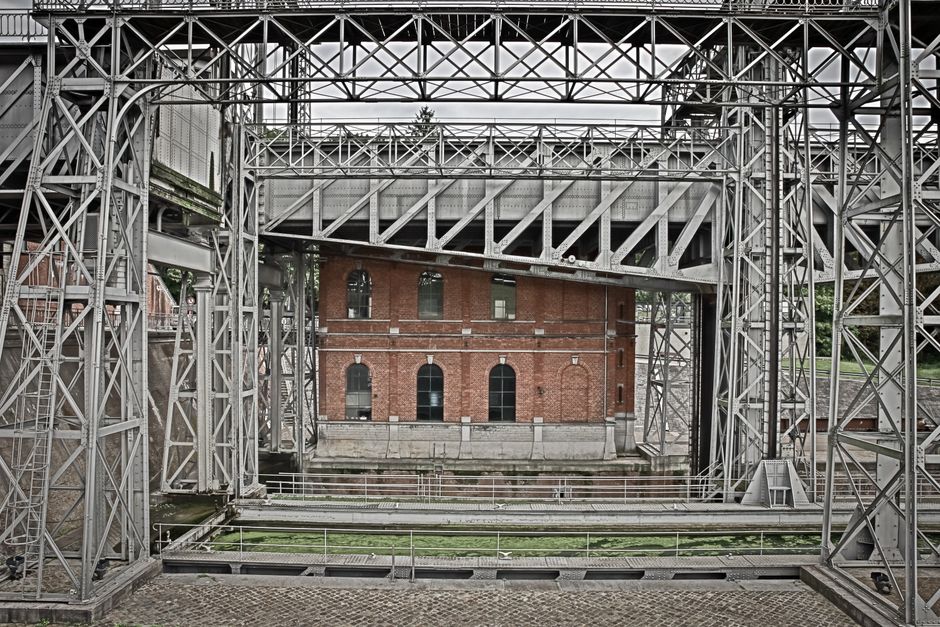
Before the Lachine Canal, this site featured North America's first multi-lock canal, an engineering marvel of the 18th century.
Coteau-du-Lac was a crucial military and commercial transit point during the late 18th century. It features the archaeological remains of North America's first multi-lock canal, completed in 1780 by British engineers to bypass treacherous rapids on the St. Lawrence. Visitors can explore the remnants of the locks, a fortified mill, and a blockhouse, revealing an ambitious early Canadian infrastructure project that profoundly shaped trade and defense.
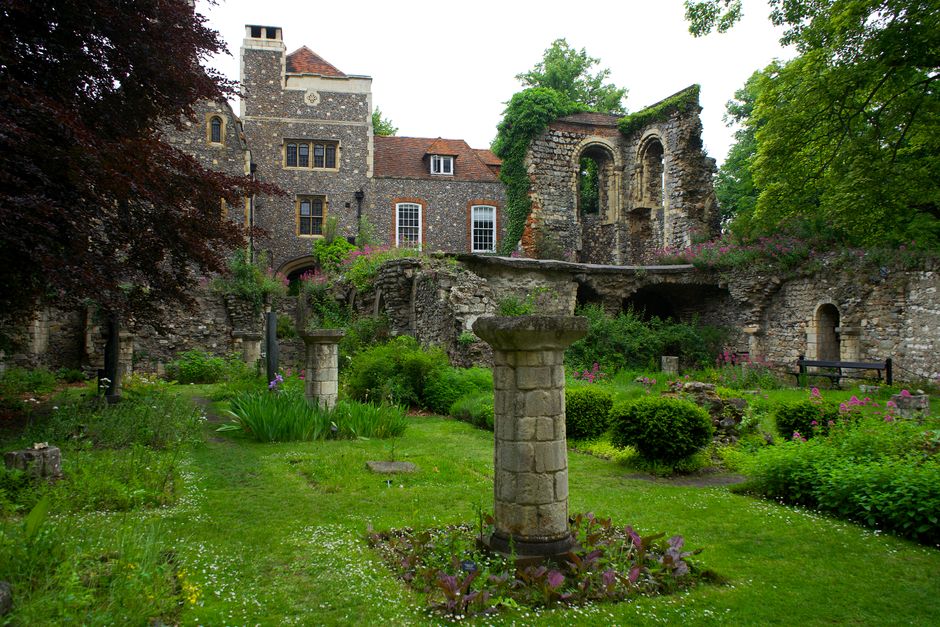
5. Sir John A. Macdonald's Formative Farm
Glenburnie, Canada
The humble farm where Canada's first Prime Minister, Sir John A. Macdonald, spent his formative years remains a quiet, often-missed piece of Canadian history.
While Kingston remembers Macdonald prominently, few realize that his family’s farm, where he lived from age 5 to 13, is just outside the city in Glenburnie. This modest property, now part of a park, provided the backdrop to his early life before he became a lawyer and politician. It offers a stark contrast to the grand narratives of Confederation, reminding us of the humble beginnings of one of Canada's most influential figures, a place rarely visited by the usual tourist.
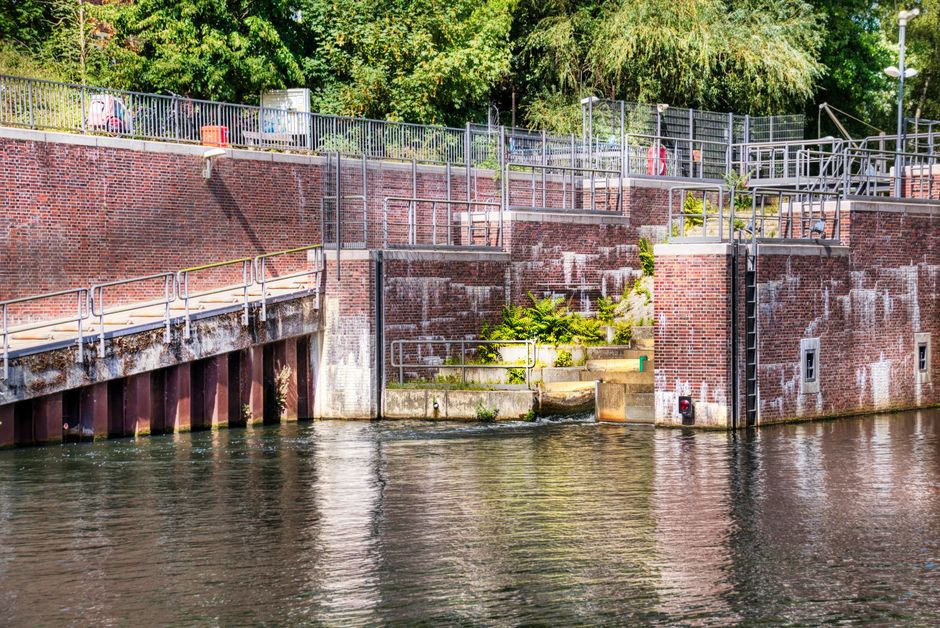
6. Kingston Mills' Historic Locks
Kingston, Canada
See 19th-century engineering ingenuity at work at Kingston Mills, where four interconnected locks raise and lower boats on the Rideau Canal, a UNESCO World Heritage Site.
Kingston Mills is a crucial and picturesque part of the Rideau Canal, a UNESCO World Heritage Site. Here, four locks operate in sequence, a testament to 19th-century engineering designed to bypass rapids and connect Lake Ontario with the Ottawa River. Beyond the working locks, visitors can explore the ruins of an old blockhouse, a defensible stone building from the canal's construction era, offering a glimpse into the strategic importance and the labor involved in creating this monumental waterway.

7. A Sanctuary for Migrating Birds
Morrisburg, Canada
Beyond the lost villages, this vast sanctuary offers a critical haven for thousands of migratory birds, a testament to conservation efforts along the St. Lawrence.
Created in 1961 as a direct result of the St. Lawrence Seaway project, which altered much of the river's shoreline, the Upper Canada Migratory Bird Sanctuary spans thousands of acres. It provides crucial resting and nesting grounds for over 200 species of birds, including waterfowl, raptors, and songbirds. Visitors can explore extensive trails, observation blinds, and learn about the delicate balance of ecosystems shaped by human intervention and natural cycles, a peaceful contrast to the industrial history nearby.

8. Eastern Ontario's Celtic Heart
Williamstown, Canada
Discover the vibrant Scottish heritage deeply rooted in Eastern Ontario, celebrated in a hall of fame dedicated to Celtic music.
Williamstown, a small community in Glengarry County, proudly showcases its rich Scottish legacy, a testament to the early settlers who brought their culture across the Atlantic. The Glengarry Celtic Music Hall of Fame honors musicians, dancers, and storytellers who have kept the traditions alive, particularly through the famous Glengarry Highland Games. It's a surprising pocket of vibrant Celtic culture, offering a unique insight into a less-explored facet of Ontario’s diverse history.
Frequently asked questions
How long does the train ride take from Toronto to Montréal?
The VIA Rail journey from Toronto Union Station to Montréal Central Station typically takes between 4.5 and 5.5 hours, depending on the specific train and any stops. This is generally comparable to driving time, without the need for fuel stops or rest breaks.
Is taking the train more expensive than driving from Toronto to Montréal?
The cost comparison varies significantly. Train tickets can range from budget-friendly "Escape" fares (especially if booked in advance) to more premium options. Driving costs include gas, potential highway tolls, and parking, which can add up. For solo travelers, the train is often competitive, while for groups, driving might seem cheaper upfront but hides wear-and-tear costs.
What are the main advantages of taking the train over driving for this route?
Beyond the potential cost savings and similar travel times, the train offers significant benefits: you can relax, work, or enjoy the scenery without the stress of driving, traffic, or navigation. It's also generally considered a more environmentally friendly travel option. Plus, you arrive directly in downtown Montréal, often avoiding city parking hassles.
How can AllTours.ai enhance my train journey between Toronto and Montréal?
AllTours.ai transforms your train window into a dynamic guide. As you pass through the landscapes and past the hidden gems mentioned, simply point your phone camera. The app uses AI to identify your surroundings and narrates its history, geology, and culture in your language, making every stretch of the journey an immersive discovery.
Photography via Pexels. AllTours.ai is an AI audio tour guide — point your camera at any landscape and hear its story.