
June 30, 2026 · 4 min read
The question of how the job markets in Toronto and Montreal differ, and whether it's harder to find work in Montreal, often comes down to more than just statistics. Toronto, Canada's largest city, is frequently seen as a bustling financial and tech hub, while Montreal, with its distinct culture, is known for aerospace, gaming, and creative industries. But beneath these broad strokes lie complex histories and economic evolutions that shape today's opportunities.
To truly understand these urban economies, we need to look beyond the downtown cores and explore the lesser-known corners of each city. These places, often overlooked by tourists, hold vivid stories of industry, immigration, and innovation—narratives that directly influenced the rise and fall of job sectors, the challenges faced by workers, and the enduring spirit of entrepreneurship that continues to define these Canadian metropolises.
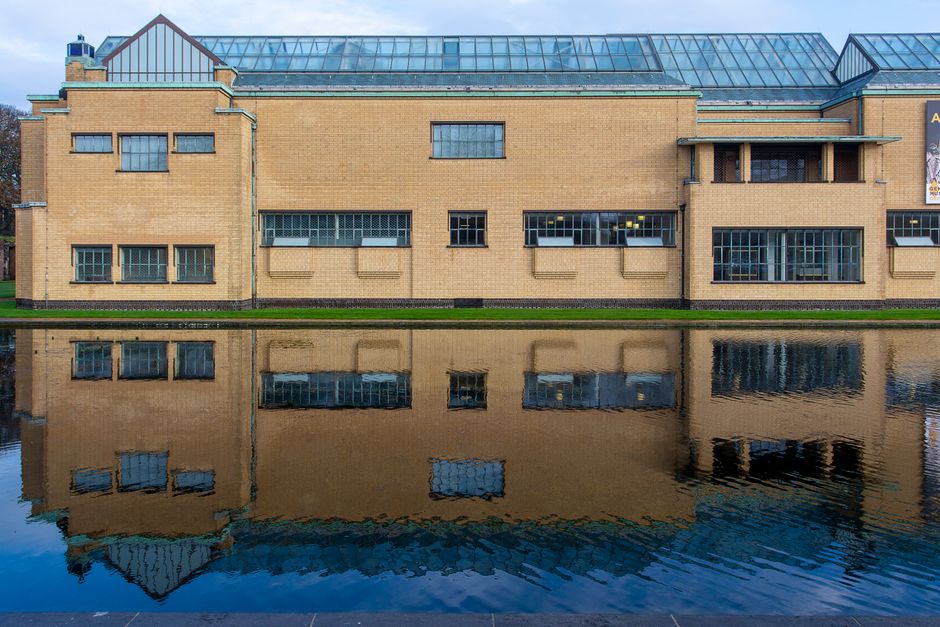
1. Toronto's 'Palace of Purification'
Toronto, Ontario, Canada
This Art Deco masterpiece provided vital employment during the Great Depression while solving a major public health crisis.
Built between 1932 and 1941, the R.C. Harris Water Treatment Plant was an ambitious municipal project. Its construction offered thousands of jobs to skilled and unskilled laborers during a period of widespread unemployment. The plant's stunning architecture, earning it the nickname 'The Palace of Purification,' reflects a civic pride in public works, a stark contrast to the economic despair outside its gates.
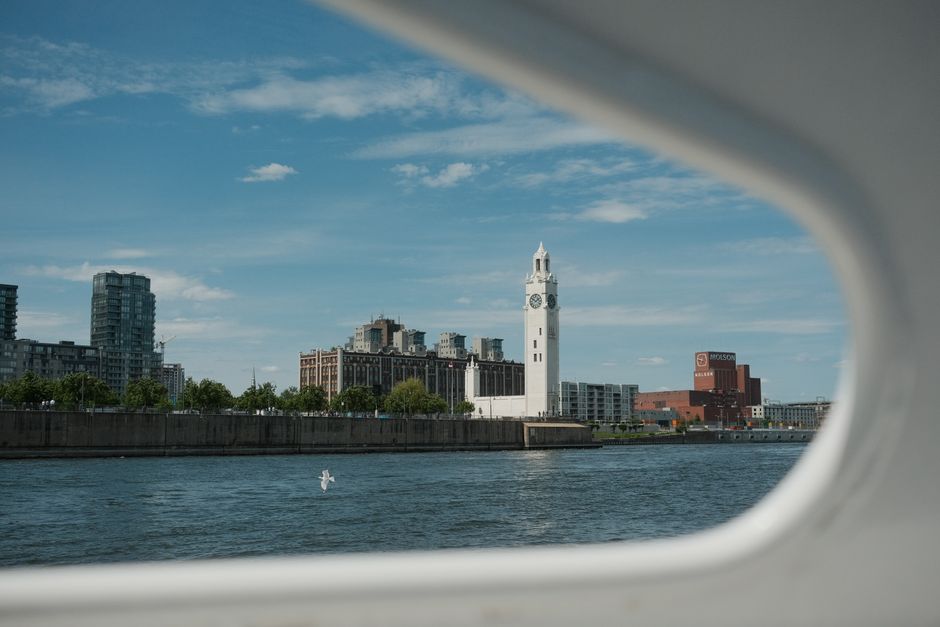
2. The Cradle of Canadian Industry
Montreal, Quebec, Canada
Once a bustling artery of industry, this canal sparked Montreal's rise as a manufacturing powerhouse, reshaping its workforce.
Opened in 1825, the Lachine Canal bypassed the treacherous Lachine Rapids, allowing ships to navigate directly into Montreal's Old Port. Its banks quickly became home to textile mills, ironworks, and flour factories, attracting waves of immigrants seeking work. This industrial boom shaped Montreal's working-class identity and established it as a major economic centre, laying foundations for today's diverse economy.
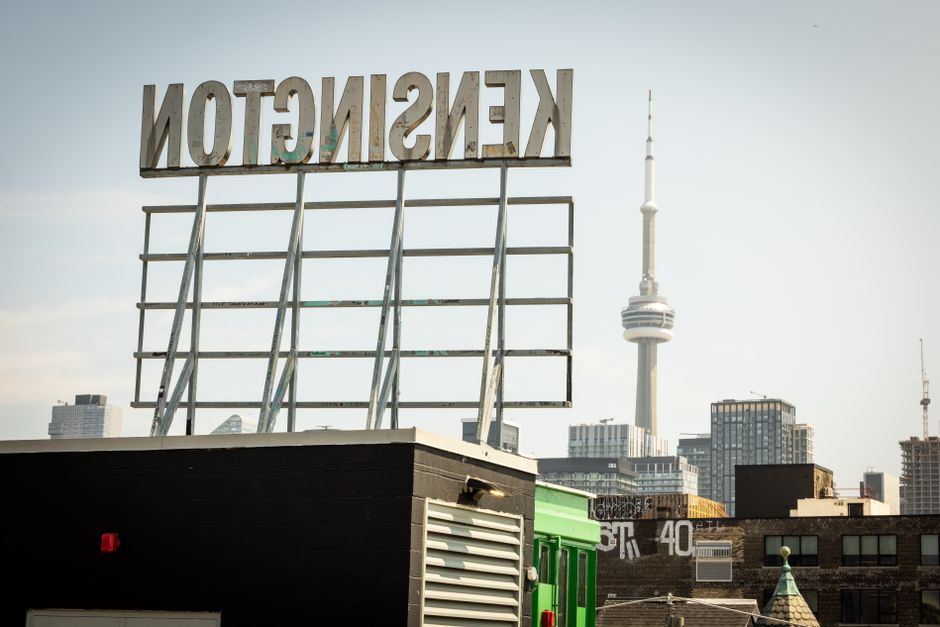
3. A Market of Migrations
Toronto, Ontario, Canada
This vibrant Toronto neighbourhood transformed from a Jewish immigrant shtetl into a bohemian hub, reflecting shifts in entrepreneurship and community.
In the early 20th century, Kensington Market was predominantly a Jewish immigrant neighbourhood, where families ran small shops and street vendors thrived. Its open-air market tradition fostered a unique entrepreneurial spirit, allowing newcomers to establish livelihoods. Over decades, it has continuously reinvented itself, welcoming Portuguese, Caribbean, and now diverse communities, each adding layers to its distinct blend of independent businesses and artistic ventures.
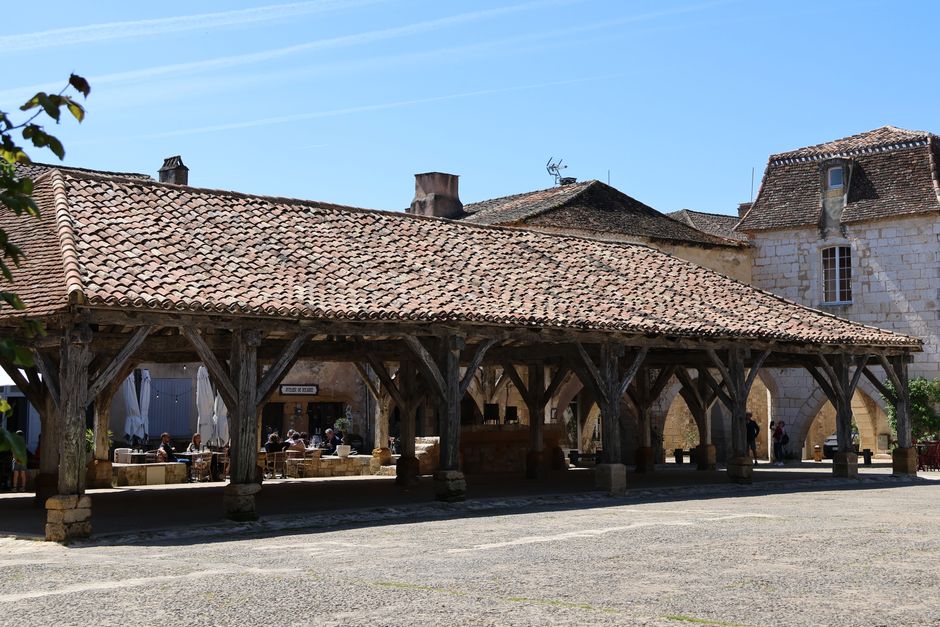
4. Montreal's Enduring Market Heart
Montreal, Quebec, Canada
Surviving economic downturns and urban sprawl, this vibrant public market has been a consistent source of local livelihoods for nearly a century.
Established in 1933, Marché Jean-Talon was originally known as the Marché du Nord, serving Montreal's working-class neighbourhoods. It rapidly became a crucial hub for local farmers and vendors, providing fresh produce and jobs through the lean years of the Depression. Today, it remains one of North America's largest public markets, a testament to Montreal's enduring appreciation for local commerce and the resilience of small-scale agriculture and food entrepreneurship.
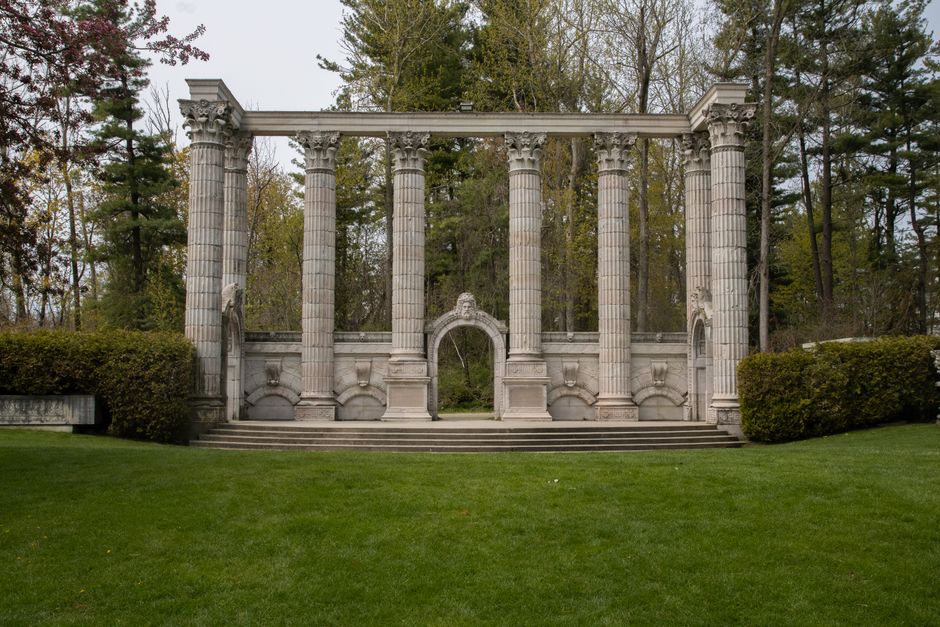
5. A Sanctuary for Lost Toronto Architecture
Scarborough, Ontario, Canada
This unique park became a Depression-era artists' colony and a haven for architectural fragments salvaged from demolished Toronto landmarks.
During the Great Depression, Rosa and Spencer Clark transformed their estate into the Guild of All Arts, offering refuge and work to artists. As Toronto's downtown underwent modernization in the mid-20th century, the Clarks began collecting architectural remnants—facades, columns, and sculptures—from demolished buildings. These pieces now dot the serene gardens, creating a fascinating open-air museum that quietly narrates Toronto's architectural and economic evolution, and the jobs lost and gained through urban renewal.

6. An Experimental Vision for Urban Living
Montreal, Quebec, Canada
Designed for Expo 67, this radical housing complex was an ambitious experiment in modular architecture, pushing boundaries of design and construction jobs.
Moshe Safdie's visionary Habitat 67 was conceived as a master's thesis and brought to life for Expo 67, aiming to reinvent urban housing. Comprising 354 prefabricated concrete modules stacked to create 158 residences, it offered residents private gardens and a sense of community. The ambitious project showcased innovative building techniques and provided a blueprint for future urban development, creating a temporary boom in specialized construction and design jobs.

7. Beyond the Beach: Toronto's First Airport
Toronto Islands, Ontario, Canada
This popular beach was once the site of Toronto's first airport and a historically significant gathering place for the LGBTQ+ community.
Long before Billy Bishop Airport, Hanlan's Point was home to an airfield where daredevil aviator Johnny J. Hammond performed Toronto's first controlled flight in 1909. Beyond its aviation history, the area developed a reputation as a welcoming, discreet gathering spot for the LGBTQ+ community from the 1950s onwards, long before formal Pride movements. This dual history reflects a city constantly evolving, creating space for new industries and diverse social landscapes, each with its own job opportunities and community support systems.
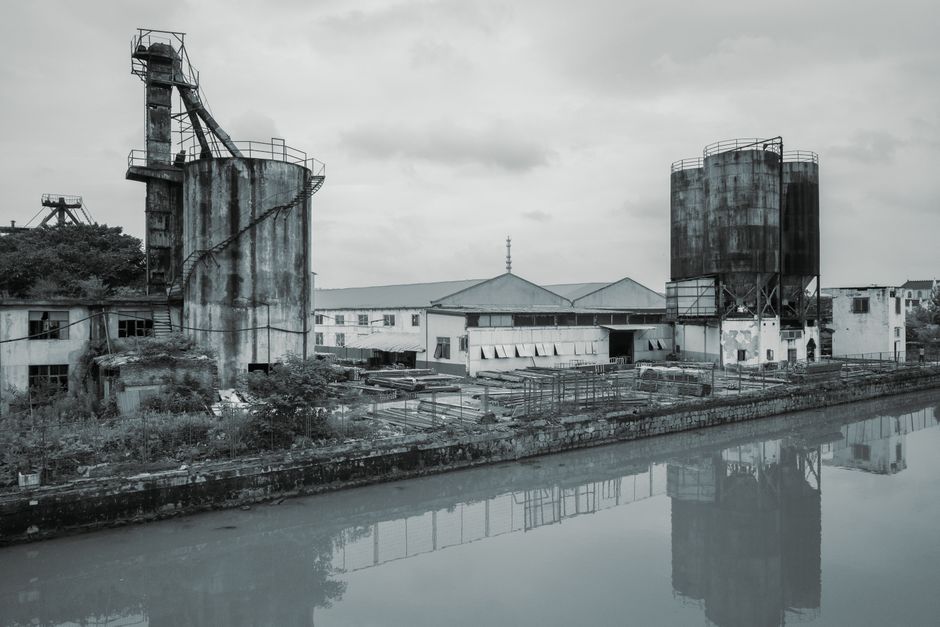
8. A Colossus of Grain and Commerce
Montreal, Quebec, Canada
This colossal, abandoned grain elevator stands as a stark monument to Montreal's past as a global shipping hub and its shift away from heavy industry.
Silo No. 5, constructed in phases from 1903 to 1958, was once a vital cog in Montreal's port operations, storing millions of bushels of grain destined for international markets. Its sheer scale underscores the city's immense importance in the global commodities trade, creating thousands of jobs for longshoremen, engineers, and railway workers. Now a striking ruin, it symbolizes the decline of traditional heavy industry in favour of a more service- and knowledge-based economy, mirroring Montreal's evolving job market.
Frequently asked questions
What are the main industry differences between Toronto and Montreal's job markets?
Toronto's job market is largely driven by finance, technology, and media, offering competitive salaries in these sectors. Montreal, in contrast, excels in aerospace, gaming, artificial intelligence, life sciences, and creative industries, often with a strong emphasis on research and development.
Is it really harder to find a job in Montreal if I don't speak French?
While Montreal is a significantly bilingual city, proficiency in French is a considerable asset, and often a requirement, for many roles, particularly in public-facing positions or government. Many international and tech companies operate in English, but a wider range of opportunities and daily integration are greatly enhanced by speaking French.
How does cost of living impact job opportunities in Toronto vs. Montreal?
Toronto generally boasts higher average salaries, but these are often offset by a significantly higher cost of living, especially for housing. Montreal offers a comparatively lower cost of living, meaning that a similar or even slightly lower salary can often provide a higher quality of life, which can make job opportunities there quite attractive.
How can the AllTours.ai app help me explore these cities?
AllTours.ai transforms your phone into an AI audio tour guide. Simply point your camera at any landmark, landscape, or even a local street, and the app will instantly narrate its unique history, geology, and cultural significance in your preferred language, bringing these stories to life.
Photography via Pexels. AllTours.ai is an AI audio tour guide — point your camera at any landscape and hear its story.