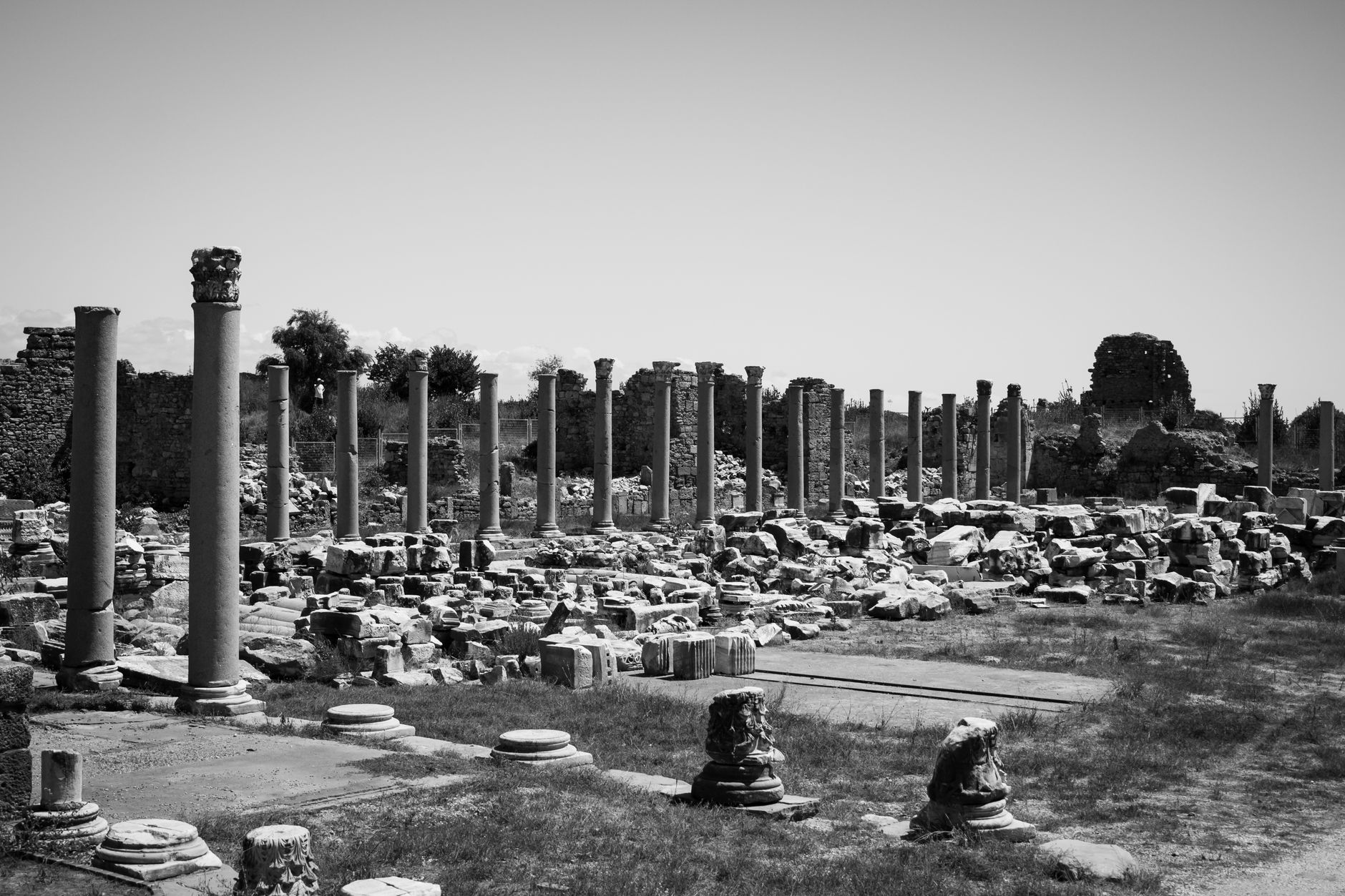
July 16, 2026 · 4 min read
Turkey is a country that consistently redefines expectations. While iconic sites like Istanbul's Hagia Sophia or the fairy chimneys of Cappadocia draw millions, the true depth of its history, geology, and culture often lies in its less-traveled corners. These are the places that leave an indelible mark, challenging preconceived notions and sparking a profound sense of wonder.
Having spent considerable time exploring the vastness of Anatolia, I’ve encountered countless moments that were genuinely surprising or deeply memorable. These weren't always grand spectacles, but often subtle revelations – a forgotten city, a geological anomaly, or a cultural tradition still thriving in isolation. They shaped my perception of Turkey as a land of endless layers, each waiting to be uncovered.
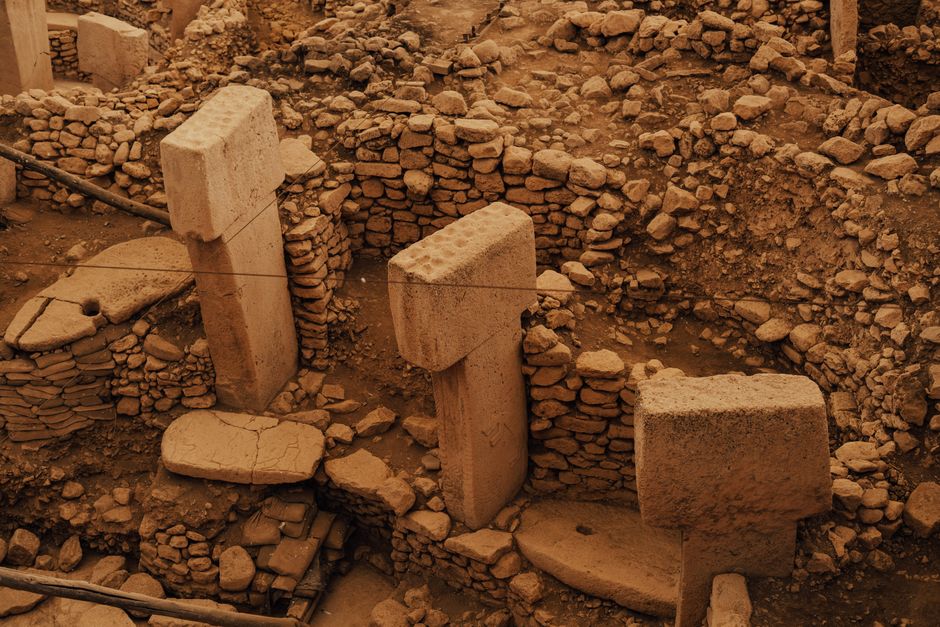
1. The World's First Temple
Göbeklitepe, Turkey
Long before agriculture or settled life, hunter-gatherers engineered massive stone circles here, rewriting the story of human civilization.
Discovered only a few decades ago, Göbeklitepe is a staggering archaeological site that predates Stonehenge by 6,000 years. Its T-shaped megaliths, intricately carved with animal totems, prove that complex ceremonial structures existed before the advent of farming. This site fundamentally shifts our understanding of early human society, suggesting that belief systems might have driven the formation of settlements, not the other way around.
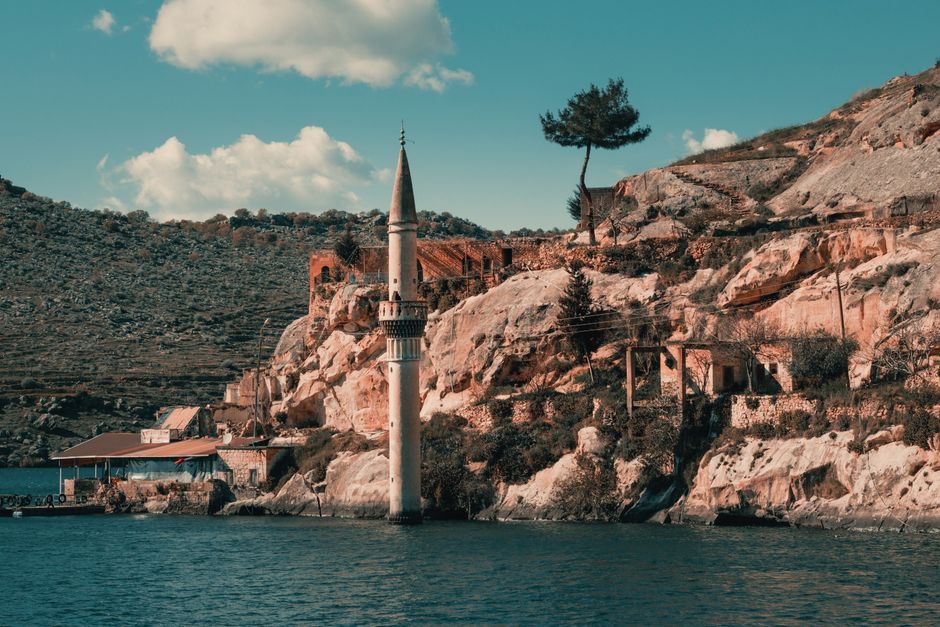
2. The Submerged Town
Halfeti, Turkey
This town was deliberately drowned by a dam, leaving a partially submerged minaret as a silent testament to a life now beneath the waters of the Euphrates.
Riding a boat across the emerald waters of the Euphrates, the sight of Halfeti's old town emerges eerily. The minaret of the mosque, half-submerged, pierces the surface, a stark reminder of the Birecik Dam's construction in the late 20th century. While a new Halfeti was built uphill, the ghostly remnants of the old town, including submerged houses and trees, offer a poignant reflection on progress, displacement, and the enduring power of nature.
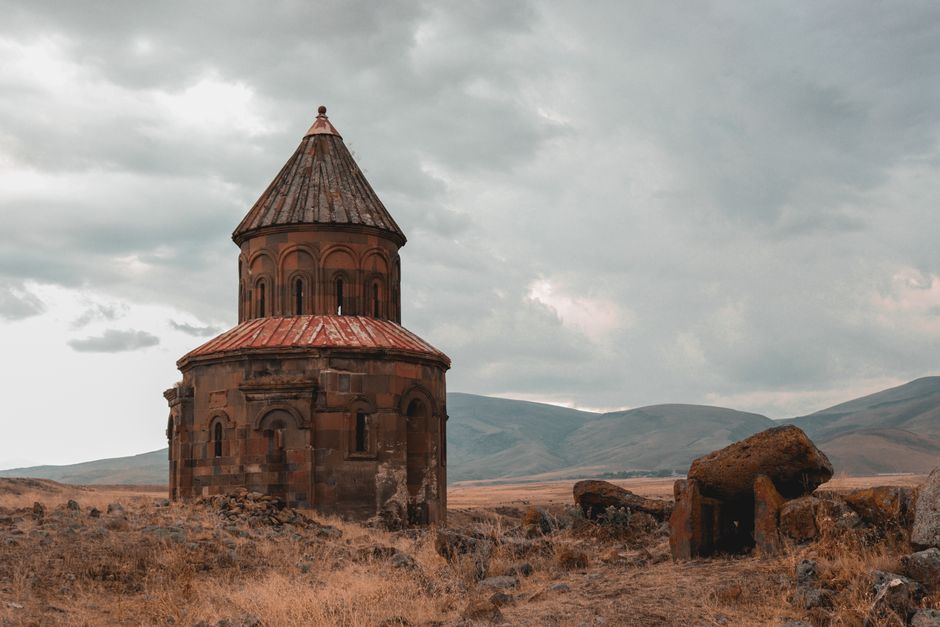
3. The Ghost City of 1001 Churches
Ani, Turkey
A medieval metropolis once called the "City of 1001 Churches" now stands eerily silent on the Turkish-Armenian border, whispering tales of forgotten empires.
Ani was once the magnificent capital of the medieval Armenian Bagratid kingdom, a city of immense wealth and influence rivaling Constantinople. Today, its vast, crumbling walls encompass numerous churches, mosques, and zoroastrian temples, each a testament to its multicultural past. Walking through its desolate streets, overlooking the Arpaçay River that forms the modern border, one can almost hear the echoes of its bustling marketplaces and the prayers from its diverse places of worship.
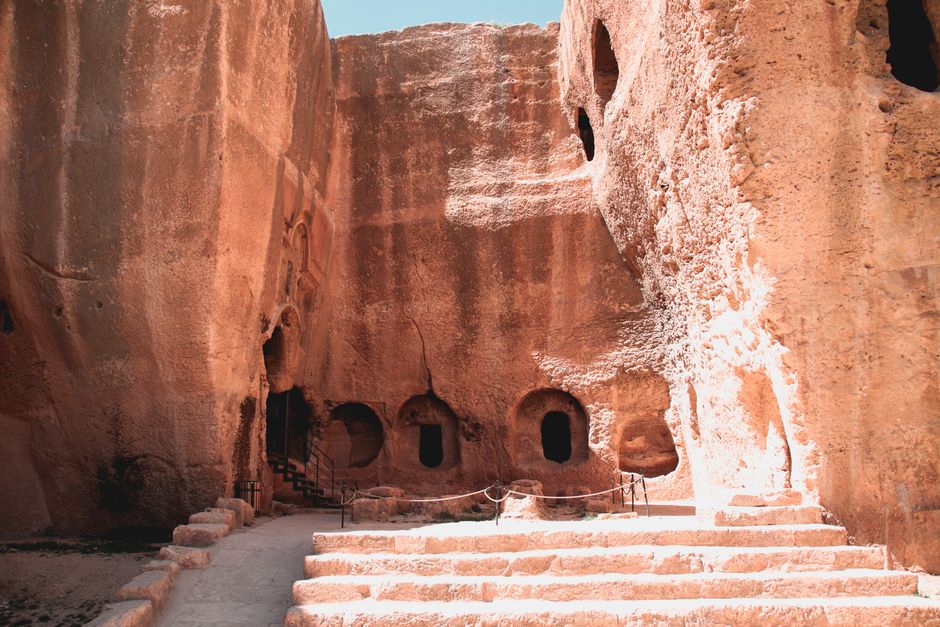
4. Rome's Underground Fortress
Dara Ancient City, Turkey
Beneath this ancient Roman frontier city lies a massive underground cistern, once providing water for thousands, now a haunting echo chamber.
Often called the "Mesopotamian Ephesus," Dara was a vital Roman stronghold against the Sasanian Empire. While its above-ground ruins are impressive, the most striking feature is its colossal underground cistern. This architectural marvel, resembling an inverted basilica with towering columns, was essential for the city's survival during sieges. Exploring its cool, dark depths evokes a profound sense of the ingenuity and sheer scale of Roman engineering in a hostile landscape.
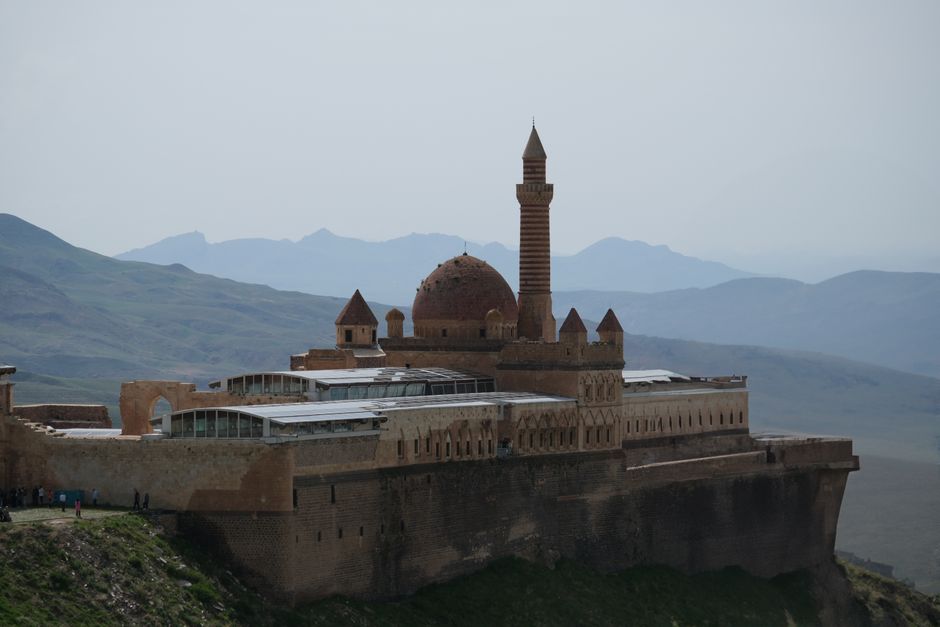
5. A Mountain Palace of Blended Styles
Ishak Pasha Palace, Turkey
High in the mountains, this Ottoman palace isn't just a royal residence, but a fortress, mosque, and tomb, blending three distinct architectural traditions.
Perched dramatically on a plateau overlooking the Doğubayazıt plain, Ishak Pasha Palace is a sprawling complex that defies simple categorization. Built over a century, it incorporates elements of Ottoman, Seljuk, and Armenian architecture, reflecting the region's rich cultural crossroads. Its intricate stone carvings, grand courtyards, and integrated mosque make it a unique example of 18th-century Anatolian design, a testament to the wealth and power of its semi-independent rulers.
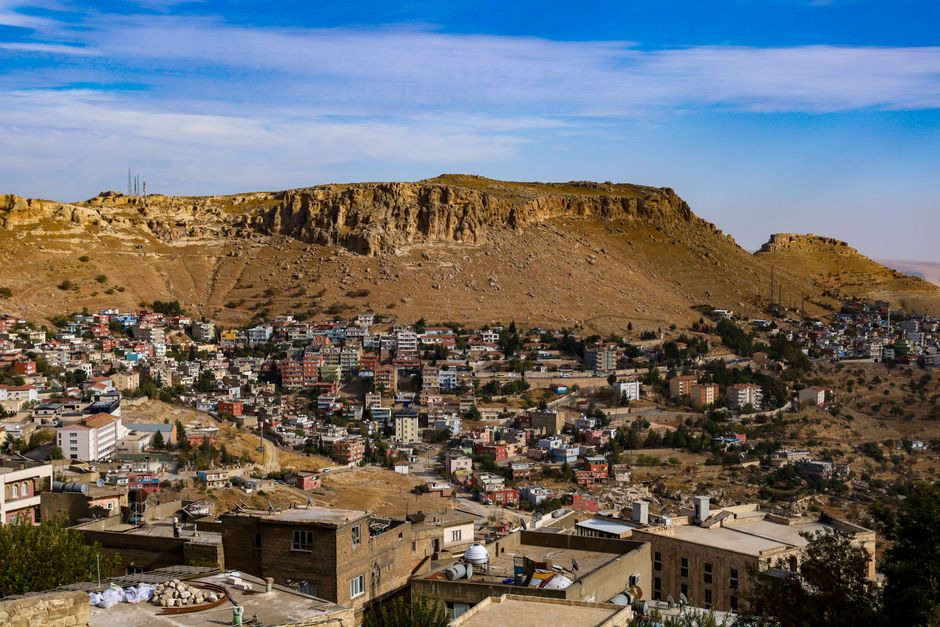
6. The Stone City of Mesopotamia
Mardin, Turkey
Carved from honey-colored stone, this ancient city cascades down a hillside, home to a living Syriac Orthodox community whose traditions predate Islam.
Mardin is a mesmerizing city built almost entirely of golden limestone, stepping down a hill with breathtaking views across the Mesopotamian plains. It's a place where time seems to slow, where ancient Syriac Orthodox monasteries like Deyrulzafaran still thrive, preserving a language and culture thousands of years old. Wandering its narrow, labyrinthine streets, past intricately carved doorways and bustling bazaars, is like stepping into a living museum of Anatolian history and diverse faiths.
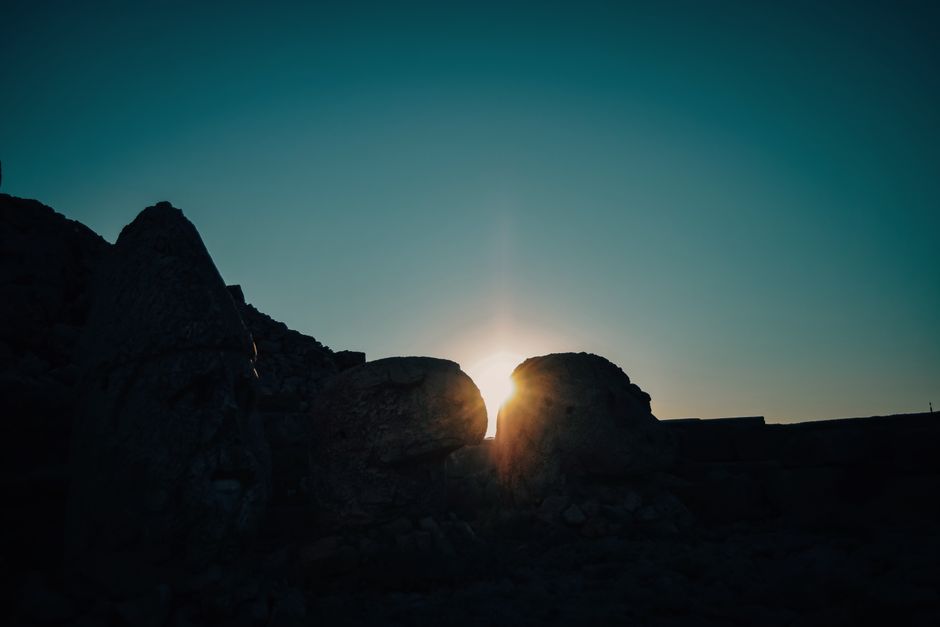
7. The Sunset of Giants
Mount Nemrut, Turkey
Colossal stone heads of ancient gods and kings lie scattered on a remote mountaintop, facing east and west as if watching the sun rise and set forever.
The summit of Mount Nemrut is home to one of the most bizarre and awe-inspiring archaeological sites in Turkey. Here, the ruins of a tomb-sanctuary for King Antiochus I of Commagene feature massive stone heads, originally part of seated statues of Greek and Persian deities, and the king himself. Experiencing sunrise or sunset among these silent, weather-beaten giants, with panoramic views over the Taurus mountains, is an intensely spiritual and unforgettable encounter with a forgotten Hellenistic kingdom.
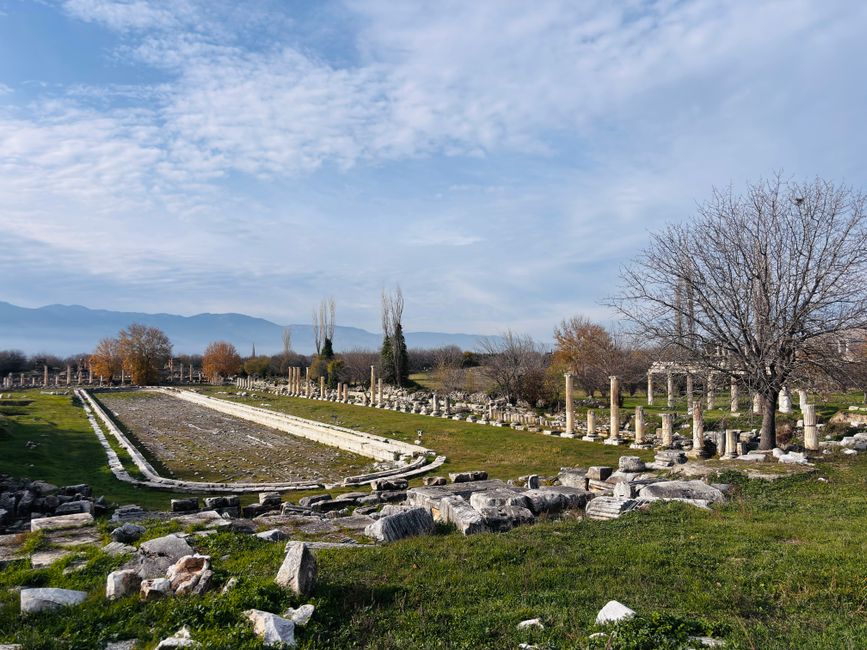
8. The City of Master Sculptors
Afrodisias, Turkey
This Roman city was famed throughout the empire for its sculptors, whose masterpieces still fill its remarkably preserved stadium and temples.
Afrodisias was not just a city; it was an artistic powerhouse, particularly renowned for its marble sculptors who utilized the quarries nearby. Its stadium, one of the best-preserved in the world, could seat 30,000 spectators and still feels alive with ancient echoes. The Odeon, Tetrapylon gate, and Temple of Aphrodite are adorned with exquisite carvings, showcasing the city's dedication to art and culture. It offers a vivid glimpse into the sophisticated urban life of Roman Asia Minor.
Frequently asked questions
Is Turkey safe for solo female travelers?
Turkey is generally safe for solo female travelers, especially in major tourist areas. Common sense precautions apply, such as being aware of your surroundings, dressing modestly in religious areas, and avoiding walking alone in unlit areas at night. Many women travel through Turkey independently and have positive experiences.
What's the best way to get around these lesser-known spots?
For many off-the-beaten-path locations, renting a car offers the most flexibility, especially in Eastern Anatolia. Alternatively, a combination of intercity buses (which are excellent in Turkey) to nearby towns, followed by local taxis or shared minibuses (dolmuş), can work. Some sites might require hiring a private driver for the day.
What cultural etiquette should I be aware of in Turkey?
Politeness and respect are highly valued. Greet people with "Merhaba" (hello) and "Teşekkür ederim" (thank you). When visiting mosques, women should cover their heads and shoulders, and everyone should remove their shoes. It's also customary to accept offers of tea, as hospitality is a cornerstone of Turkish culture.
How can AllTours.ai enhance my visit to these hidden gems?
AllTours.ai acts as your personal AI audio guide, enriching your experience at these historical and natural sites. Simply point your phone camera at a landmark or landscape, and the app will instantly narrate its unique history, geology, and cultural significance in your preferred language, bringing these surprising stories to life as you explore.
Photography via Pexels. AllTours.ai is an AI audio tour guide — point your camera at any landscape and hear its story.