July 25, 2026 · 4 min read
Koshary, with its harmonious layers of rice, macaroni, lentils, chickpeas, and a fiery tomato sauce, is more than just Egypt's national dish—it's a culinary hug, a staple that fuels daily life. While many visitors seek out the famous koshary chains, the true heart of this beloved dish often beats in the unpretentious corners of local neighborhoods, where history and flavor intertwine.
Forget the well-trodden tourist paths for a moment. To truly taste authentic koshary without breaking the bank, you need to venture into the vibrant, lesser-known streets of Egypt. We've curated a list of spots where a simple bowl of koshary comes with a side of unexpected history, geology, or culture, making your culinary journey a deeper exploration of Egypt's soul.
1. Shadow of the Mamluk Gate
Bab Zuweila, Cairo, Egypt
This imposing Mamluk gate once served as a grim public display for the severed heads of executed criminals.
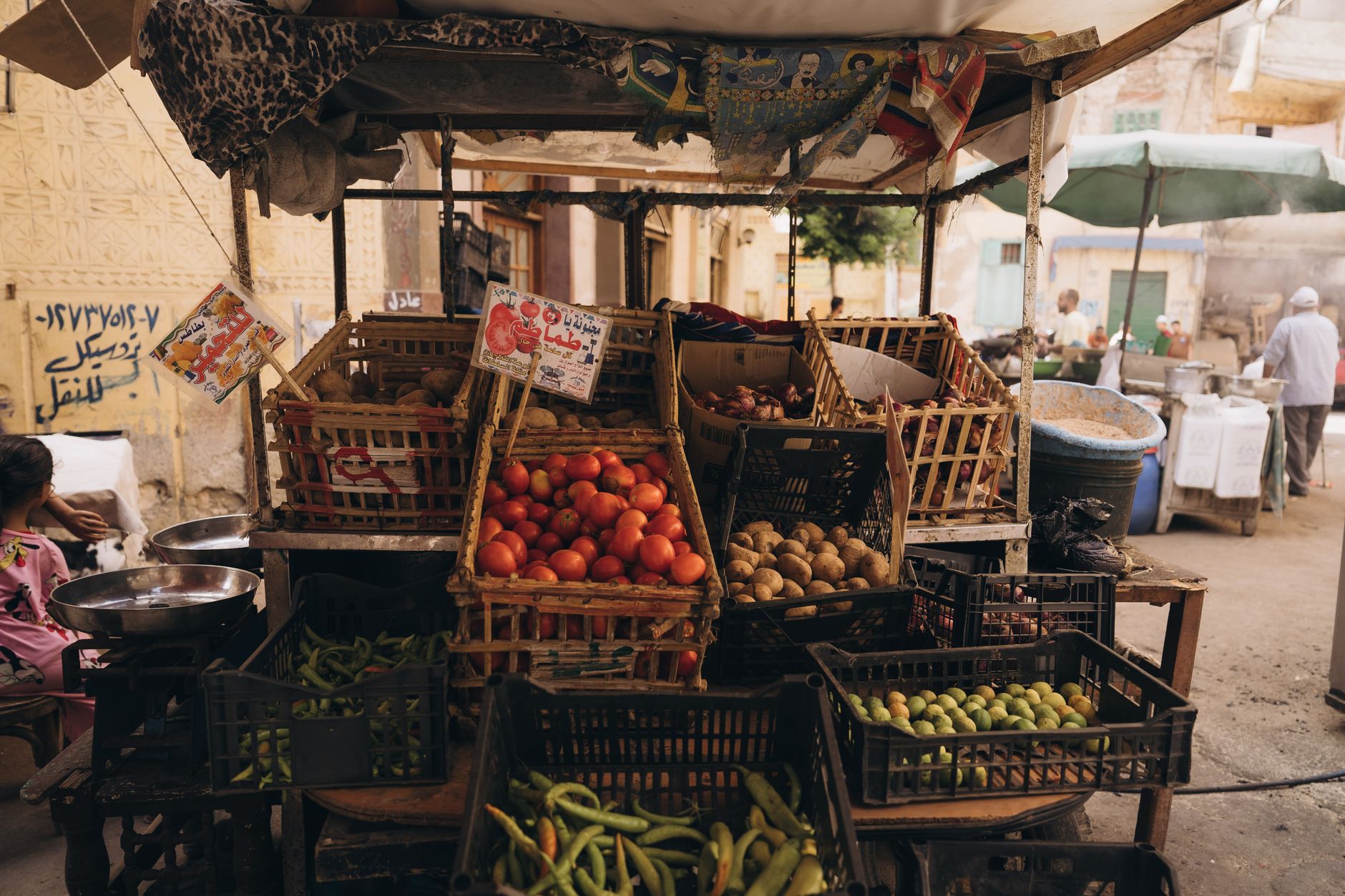
Around the formidable Bab Zuweila, a gate that has witnessed centuries of Cairo's tumultuous history, you'll find humble koshary vendors. Imagine savoring your bowl just steps from where sultans and commoners alike passed, where public squares once buzzed with proclamations and grim warnings. The everyday act of eating here connects you directly to the city's enduring pulse, a stark contrast to the historical drama of the gate itself.

2. The Philanthropist's Corner
El-Gamaleya, Cairo, Egypt
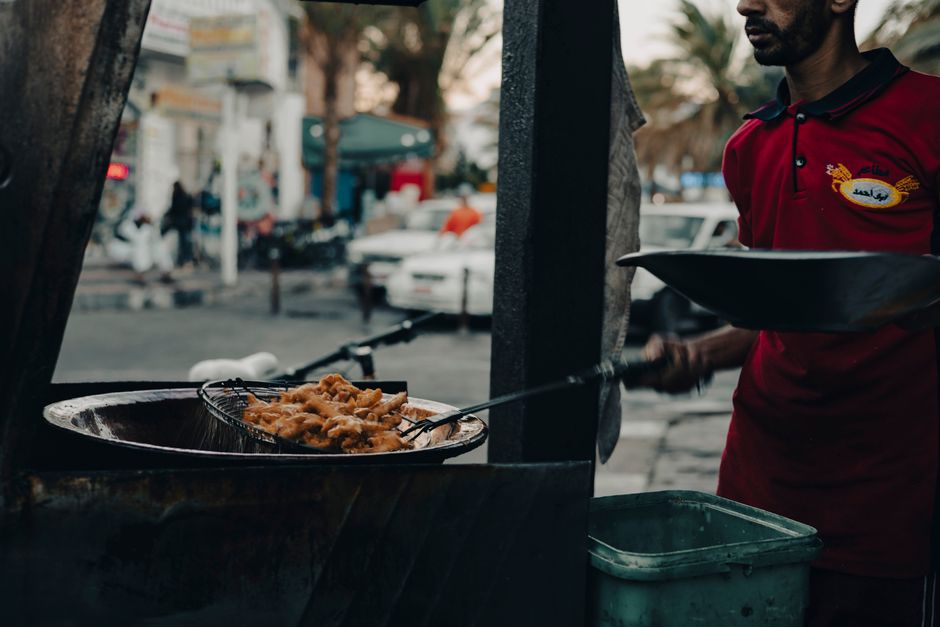
Nearby, the exquisite Sabil-Kuttab of Abd el-Rahman Katkhuda provided free water and education in an era before public schools.
In the labyrinthine alleys of El-Gamaleya, where artisans have plied their trades for centuries, a small koshary shop thrives near the ornate Sabil-Kuttab. This beautiful structure wasn't just for show; it was a testament to historical philanthropy. Eating koshary here, you're participating in a continuous tradition of community sustenance, surrounded by the echoes of a past where public good was sculpted into stone.
3. Echoes of a Vanished Community
Haret el Yahood, Cairo, Egypt
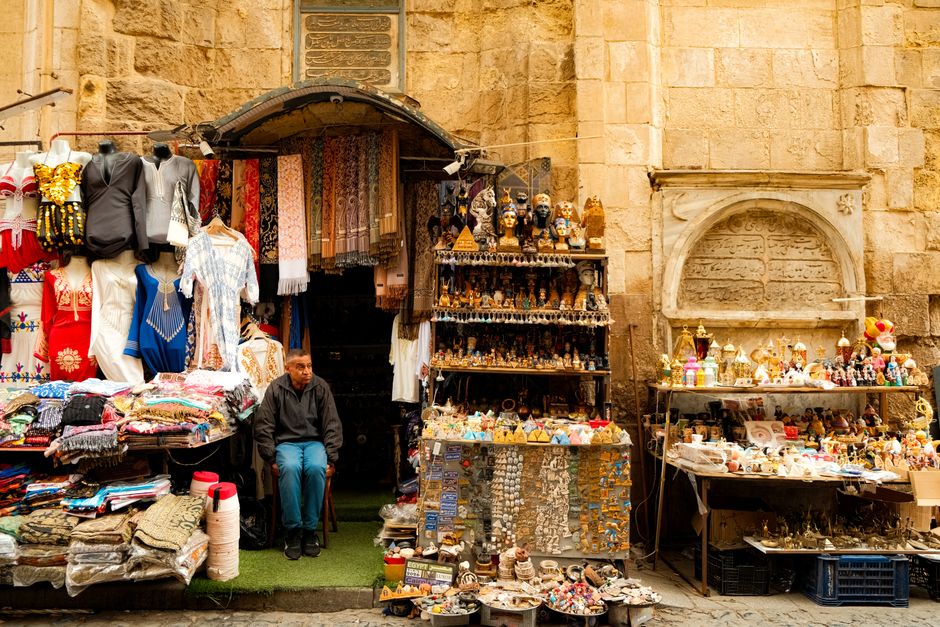
This quarter once housed a thriving Jewish community for over a thousand years, leaving behind unique architectural traces.
Venture into Haret el Yahood, the historic Jewish Quarter within Islamic Cairo, and you'll uncover a distinct architectural style and a palpable sense of history. Amidst the renovated homes and quiet streets, a local koshary spot offers a taste of Cairo's enduring diversity. Your meal becomes a quiet contemplation of the many cultures and communities that have shaped this city's rich tapestry, each adding a layer to its vibrant life.
4. Where the Holy Family Rested
Coptic Cairo, Cairo, Egypt
The crypt of St. Sergius Church is traditionally believed to be a place where the Holy Family rested during their flight to Egypt.
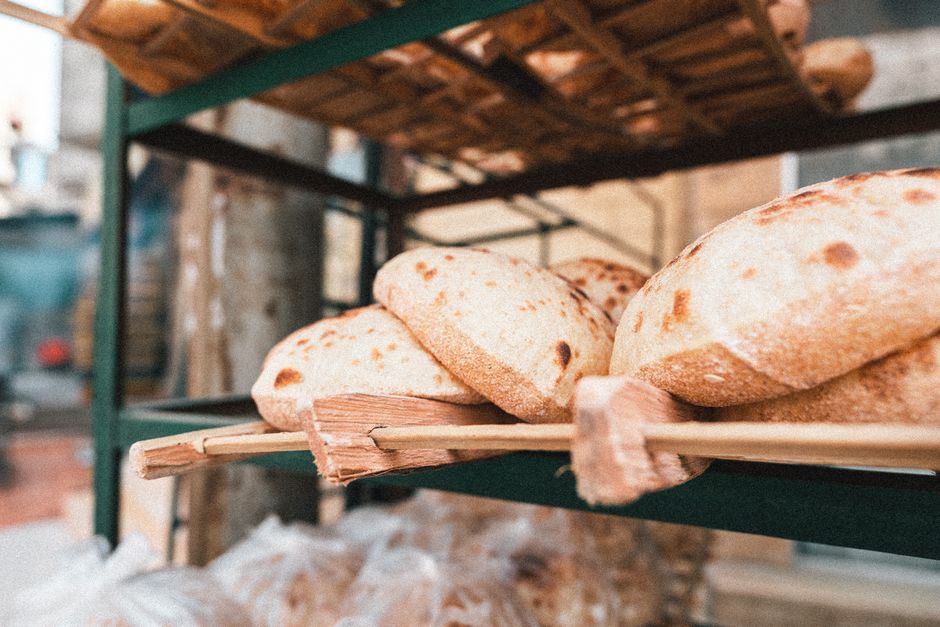
Coptic Cairo is a sacred enclave, a place of profound Christian history and pilgrimage. After exploring ancient churches and the Roman Babylon fortress remnants, a humble koshary shop offers sustenance. Imagine enjoying this simple, hearty meal in an area believed to have sheltered the Holy Family. The food here nourishes not just the body, but connects you to the deep spiritual roots that underpin this historic corner of the city.
5. Beneath the First Pyramid
Saqqara Village, Giza, Egypt
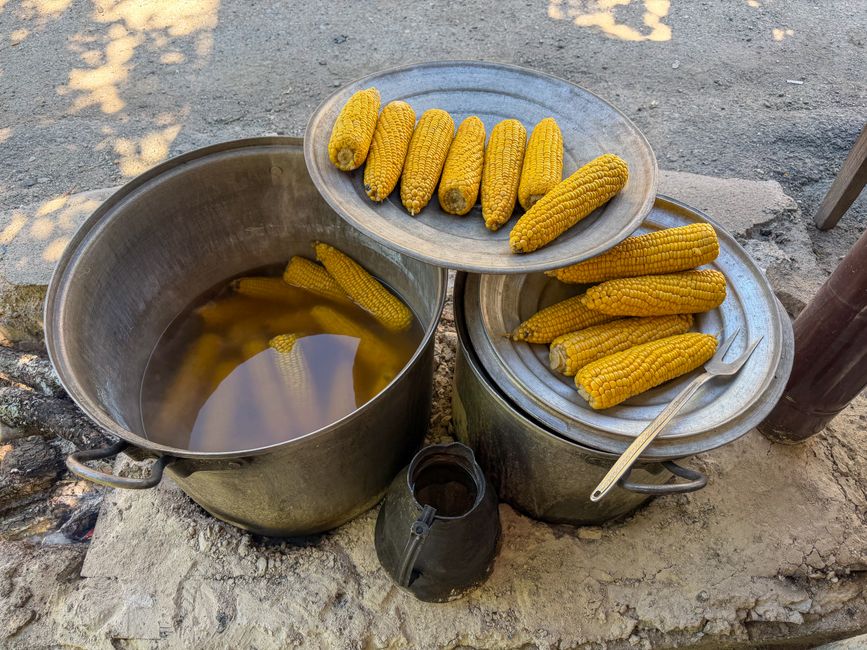
Saqqara is where the world's oldest stone building, the Step Pyramid, stands, yet life continues normally in its shadow.
Away from the main archaeological site, the modern Saqqara village offers a glimpse into local Egyptian life. Here, simple koshary vendors serve workers and residents, oblivious to the monumental history towering just beyond their homes. Eating koshary in this context highlights the beautiful contrast between Egypt's ancient, awe-inspiring past and the resilient, vibrant rhythm of its present-day communities, where everyday life thrives alongside millennia of history.
6. Beyond the Rosetta Stone
Rosetta (Rashid), Beheira Governorate, Egypt
Rosetta is famous for the discovery of the Rosetta Stone, which unlocked ancient Egyptian hieroglyphs, but its story runs deeper.
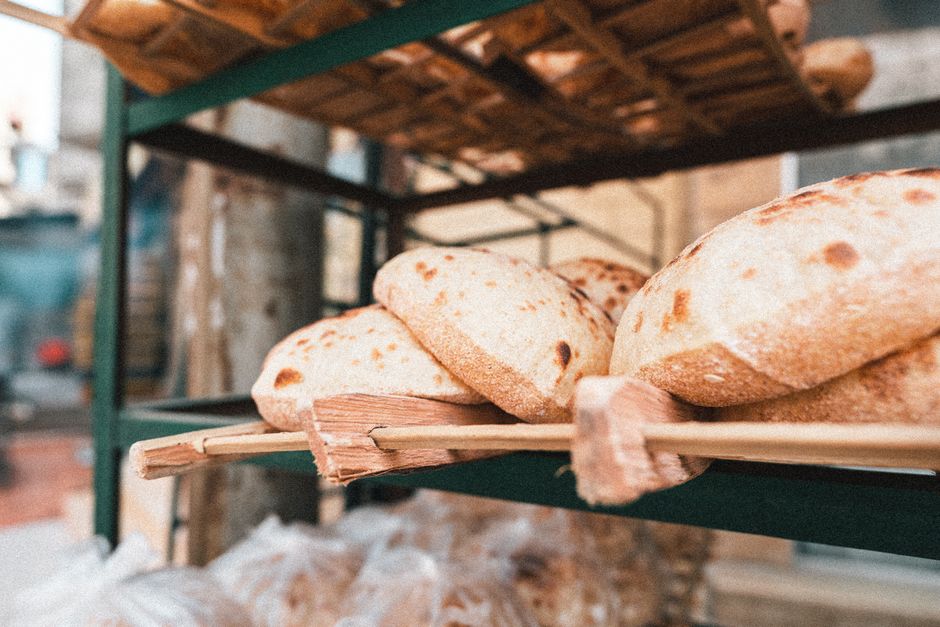
While the name Rosetta immediately brings to mind the famous stone, the city of Rashid itself is a treasure trove of unique Ottoman-era houses and a rich history as a crucial port city. Far from Cairo's bustle, a local koshary shop here might offer a slightly different regional flair. Your meal becomes a connection to a city that shaped world history, yet today offers a quieter, authentic Egyptian experience, far from the capital's crowds.
7. Oasis of Ancient Roads
Al-Fayoum Oasis, Fayoum Governorate, Egypt
Fayoum is home to the world's oldest paved road, the ancient Lake Moeris quarry road, dating back 4,500 years.
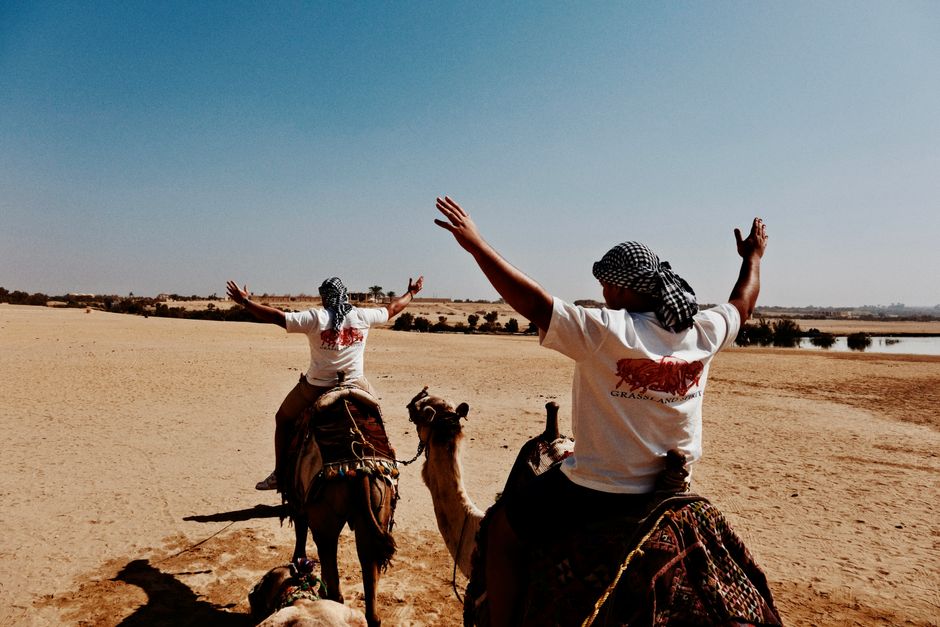
The Al-Fayoum Oasis, a lush agricultural haven distinct from the desert, boasts unique geological features and ancient wonders, including an astonishingly old paved road. Here, a koshary experience is infused with the oasis's agricultural richness, possibly featuring locally sourced ingredients. Enjoying this staple connects you to an area that has sustained life and innovation for millennia, a green heart beating in the desert's embrace, far from the typical tourist itinerary.
Frequently asked questions
What is koshary made of?
Koshary is a hearty Egyptian dish made from a base of rice, macaroni, and lentils, topped with chickpeas, a savory tomato sauce, garlic vinegar, and crispy fried onions. Some variations might also include a spicy chili sauce (shatta) or a garlicky white sauce.
Is koshary vegetarian?
Yes, koshary is naturally a vegetarian and vegan dish, as it primarily consists of grains, legumes, and vegetables. It's a popular and fulfilling option for those seeking plant-based meals in Egypt.
How much does koshary cost in Egypt?
Koshary is very affordable. In local, lesser-known spots, a generous bowl can cost anywhere from 20 to 50 Egyptian Pounds (EGP), making it an excellent budget-friendly meal. Prices may vary slightly based on size and location.
How can I learn more about the history of places while trying koshary?
To dive deeper into the history, geology, and culture of the places you're exploring, try the AllTours.ai app. Simply point your phone camera at any landmark, landscape, or even the street around your koshary spot, and the app will instantly narrate its fascinating story in your preferred language.
Photography via Pexels. AllTours.ai is an AI audio tour guide — point your camera at any landscape and hear its story.