June 20, 2026 · 4 min read
Banff National Park in summer is a fleeting, spectacular season. As the snow recedes, the Canadian Rockies burst into a vibrant palette of emerald forests, wildflower-filled meadows, and the famously turquoise lakes fed by ancient glaciers. It's a time of crisp mountain air, endless daylight, and unparalleled natural beauty that draws adventurers from around the globe.
Beyond the postcard-perfect vistas, each corner of Banff holds a deeper narrative—stories etched in ancient rock, whispered by indigenous peoples, or built by early pioneers. From the geological forces that carved the landscape to the human history that shaped its discovery, understanding these tales transforms a beautiful view into an unforgettable experience. Here are some incredible things to do in Banff in summer, each with a surprising story behind the sight.
1. The Turquoise Mirror of the Ten Peaks
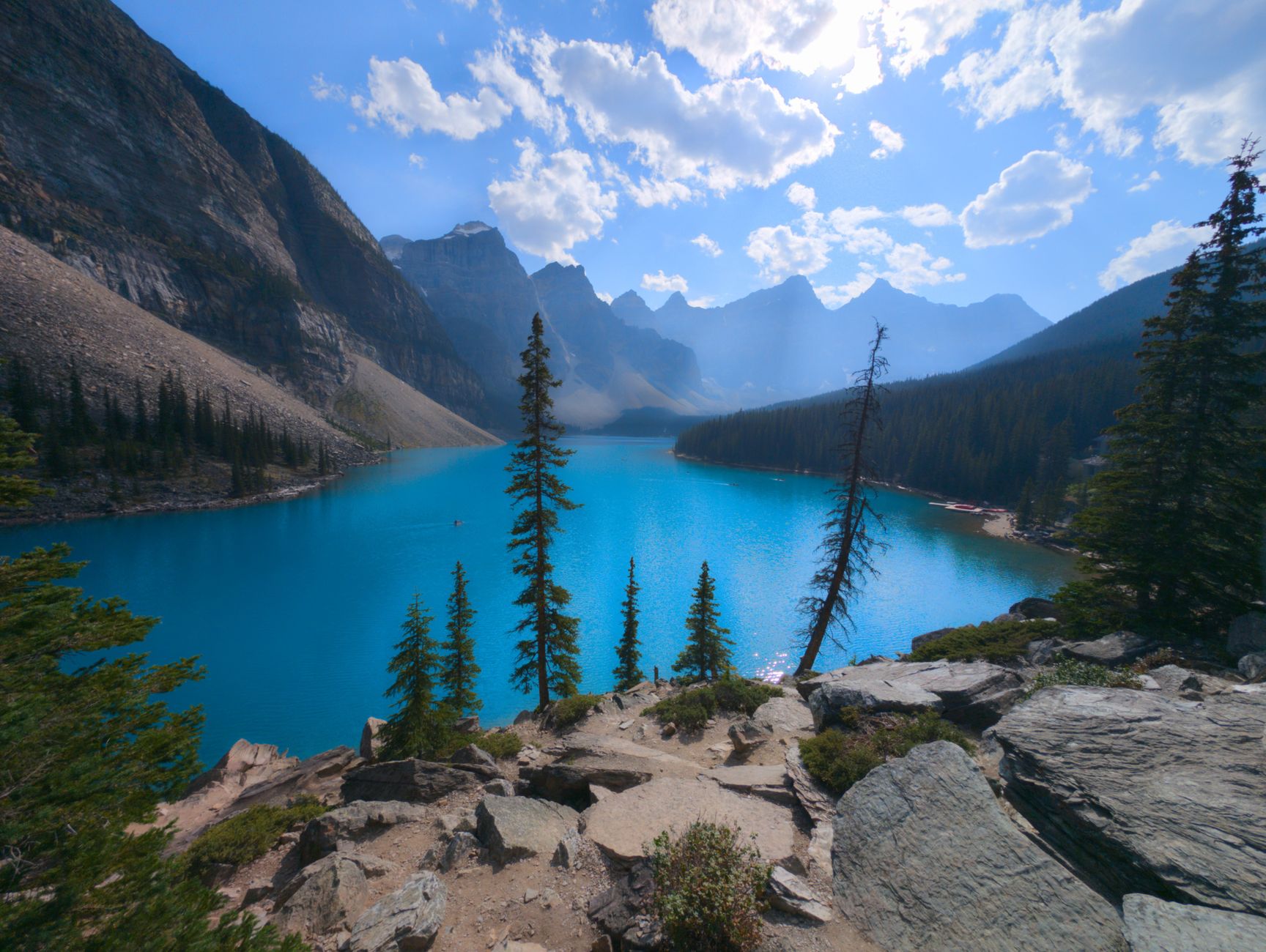
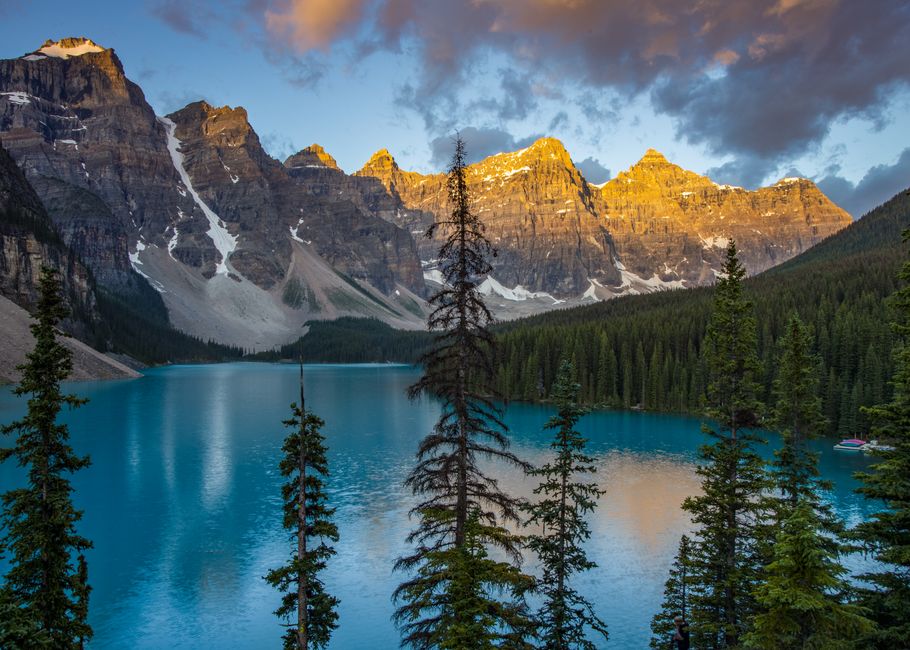
Moraine Lake, Banff National Park, Canada
Moraine Lake's iconic turquoise color is not due to a special pigment, but to finely ground rock suspended in its waters.
The stunning hue of Moraine Lake comes from 'rock flour'—silt created by the grinding action of glaciers. This fine powder reflects sunlight in a unique way, giving the lake its vibrant, otherworldly blue. Nestled in the Valley of the Ten Peaks, the lake is only accessible for a brief window each summer, making its appearance even more precious after the winter melt.

2. A Rustic Refill Above the Clouds
Lake Agnes, Banff National Park, Canada
This historic teahouse, built in 1905, operates without electricity or running water, with all supplies hiked in by staff.
Perched above Lake Louise, the Lake Agnes Teahouse offers a step back in time. Originally built by the Canadian Pacific Railway to serve hikers, it has maintained its rustic charm. Staff members trek daily, carrying everything from flour to propane up the 3.6 km trail, ensuring a fresh cup of tea and a scone with an unmatched view. It's a testament to enduring tradition amidst the wilderness.
3. Catwalks Through a Carved Chasm
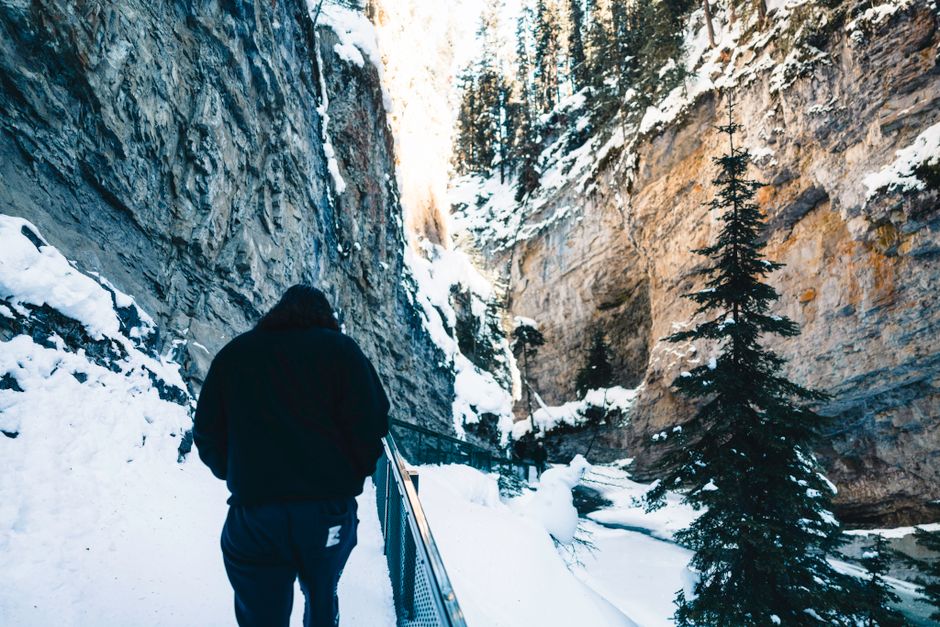
Johnston Canyon, Banff National Park, Canada
The canyon's famous suspended catwalks were constructed by early 20th-century pioneers to make its dramatic waterfalls accessible to all.
Johnston Canyon is a marvel of natural erosion, where the Johnston Creek has carved a deep gorge into ancient limestone. Its most remarkable feature is the series of suspended catwalks and bridges, bolted into the canyon walls. These ingenious structures, built to open the canyon's beauty to visitors, allow you to walk directly alongside and over roaring waterfalls and brilliant turquoise pools.
4. The Wolf's Head of the Icefields
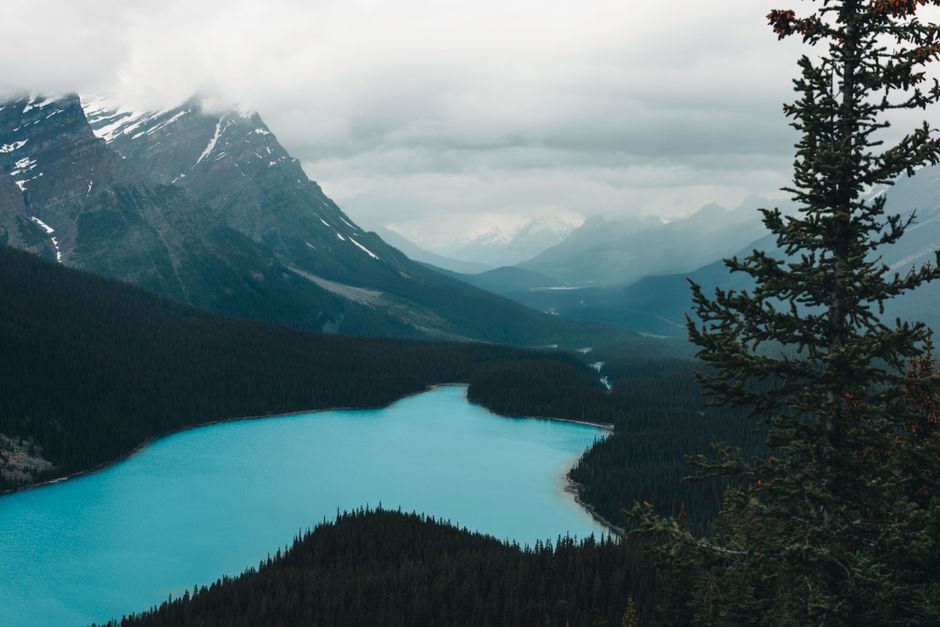
Peyto Lake, Banff National Park, Canada
Peyto Lake's distinctive wolf-head shape, best viewed from above, is naturally formed by its glacial basin and surrounding peaks.
Named after Bill Peyto, an early Banff park warden and outfitter, this stunning lake is renowned for its vibrant, milky-blue color, another result of glacial rock flour. Its unique shape, resembling a wolf's head, is a geological quirk formed by the surrounding landscape. The Bow Summit viewpoint offers the most iconic perspective of this natural masterpiece along the Icefields Parkway.
5. A Glacier's Emerald Gem
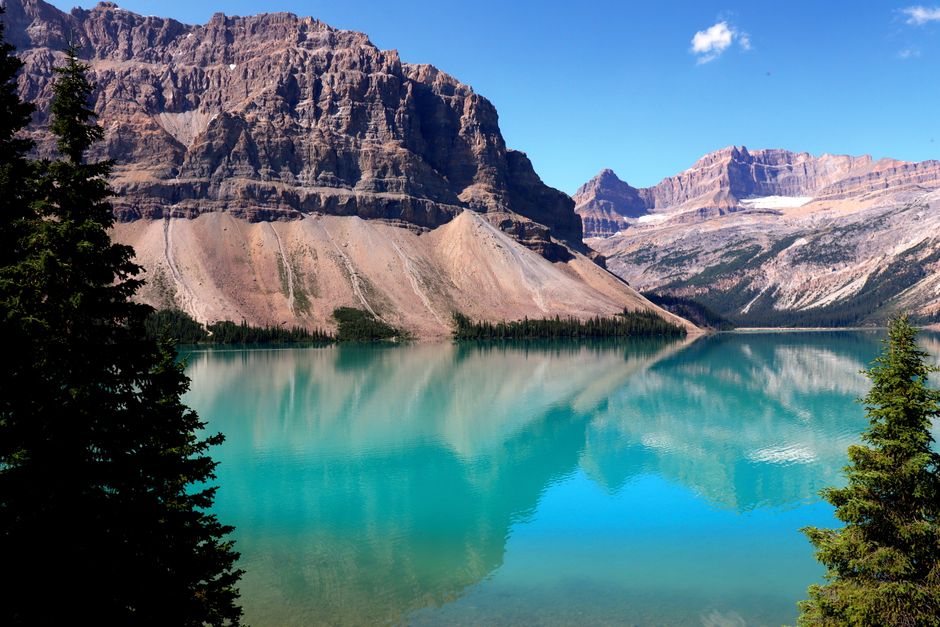
Bow Lake, Banff National Park, Canada
Bow Lake is not only one of the largest lakes in Banff but also the headwater of the mighty Bow River, a crucial artery for the region.
Sitting at the foot of the Bow Glacier, this stunning emerald-hued lake marks the origin of the Bow River, which flows all the way through Calgary. Its striking color is due to the glacial meltwater feeding it. The historic Num-Ti-Jah Lodge, built by legendary outfitter Jimmy Simpson, sits on its shores, offering a glimpse into the early days of exploration and mountaineering in the Rockies.
6. Consolation's Quiet Waters
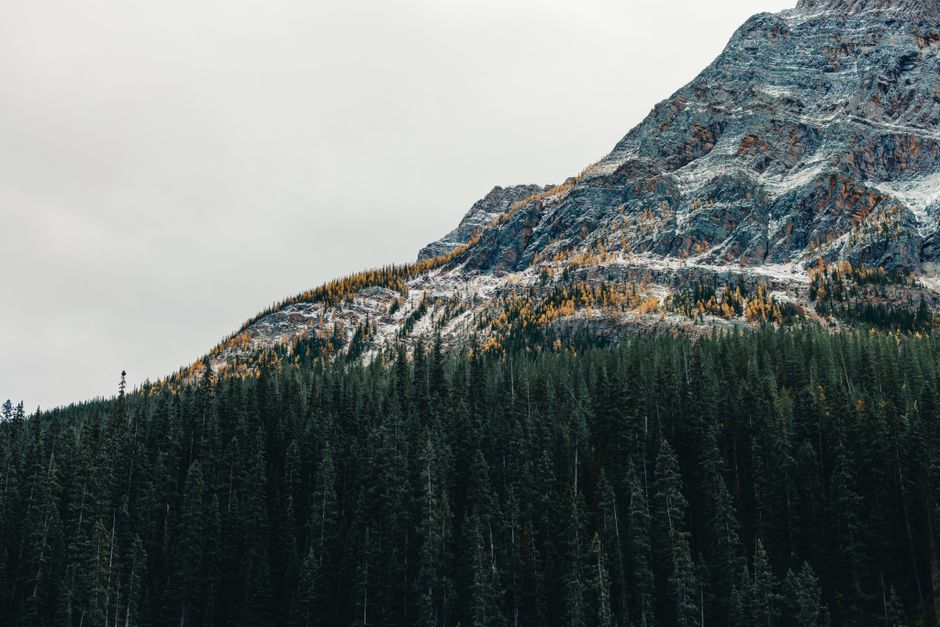
Consolation Lakes, Banff National Park, Canada
These serene lakes offer a less crowded reflection of the Valley of the Ten Peaks, hidden just a short hike from bustling Moraine Lake.
While Moraine Lake draws the crowds, a relatively easy hike from its shore leads to the tranquil Consolation Lakes. Fed by the Quadra Glacier, these four small lakes provide a peaceful escape and stunning, often mirror-like, reflections of the surrounding peaks, including Mount Bident and Mount Quadra. It's a perfect spot for those seeking solitude and breathtaking beauty away from the main thoroughfares.
7. The Spirit Lake's Submerged Secrets
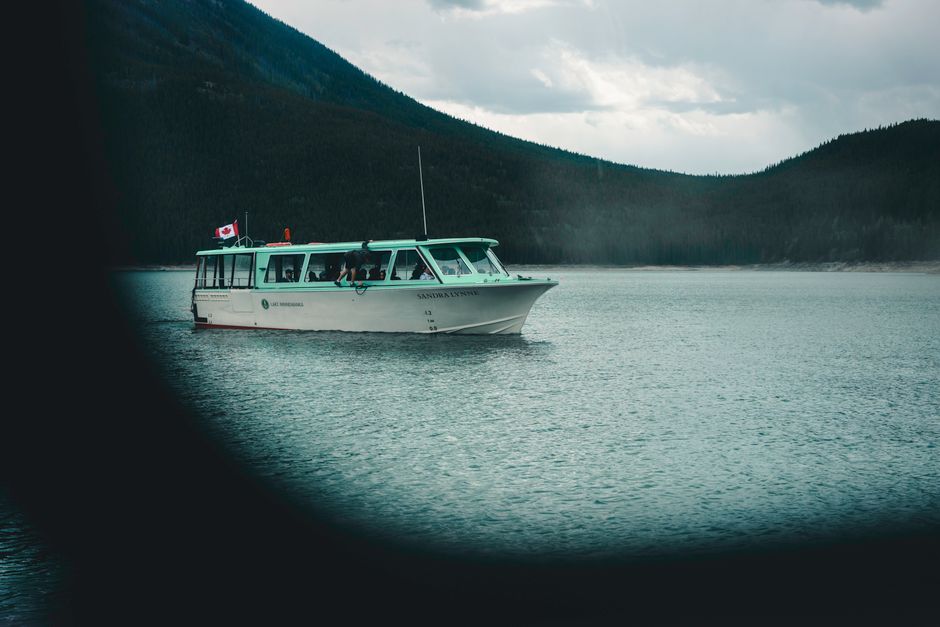
Lake Minnewanka, Banff National Park, Canada
Beneath the waters of Lake Minnewanka lies a submerged resort village and dam, remnants of a forgotten era.
Known as 'Minnewanka' or 'Lake of the Spirits' by the Stoney Nakoda people, this long, narrow lake holds secrets beneath its surface. Successive damming projects, particularly in the 1940s for hydroelectric power, raised the lake level by 30 meters, submerging the historic Minnewanka Landing resort and an earlier dam. Divers can still explore these underwater ruins, while boat tours reveal the lake's surface beauty and its rich indigenous and settler history.
8. Alpine Wildflower Wonders
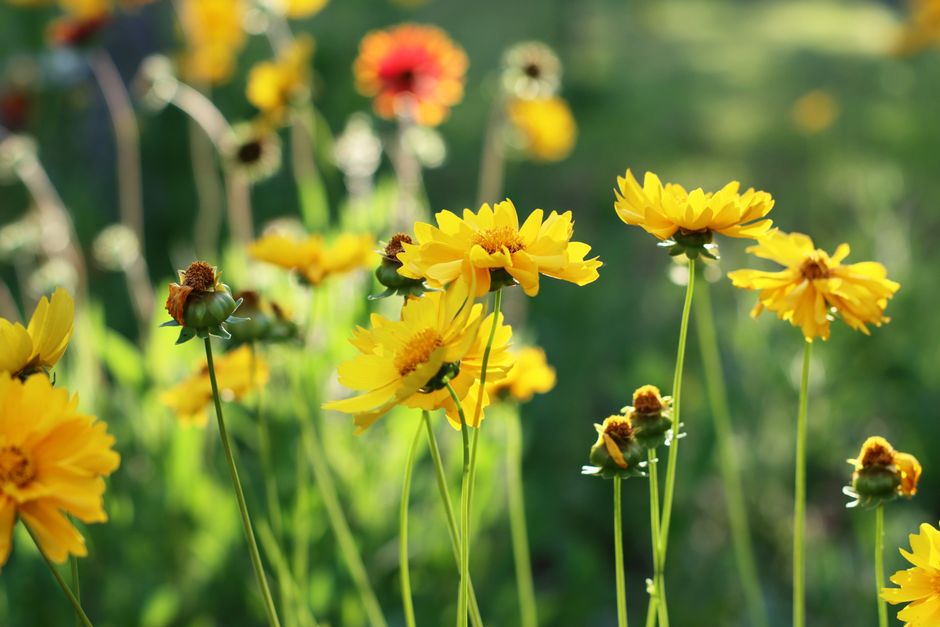
Sunshine Meadows, Banff National Park, Canada
Often called the 'Best Alpine Meadow in the Canadian Rockies', Sunshine Meadows bursts into a vibrant carpet of wildflowers each summer.
Accessed via a scenic gondola ride from the Sunshine Village ski resort, these high-alpine meadows transform in summer into a kaleidoscope of colors. Hundreds of species of wildflowers bloom against a dramatic backdrop of towering peaks, including the iconic Mount Assiniboine. It's a hiker's paradise, offering panoramic views and a chance to witness the fragile beauty of the alpine ecosystem up close.
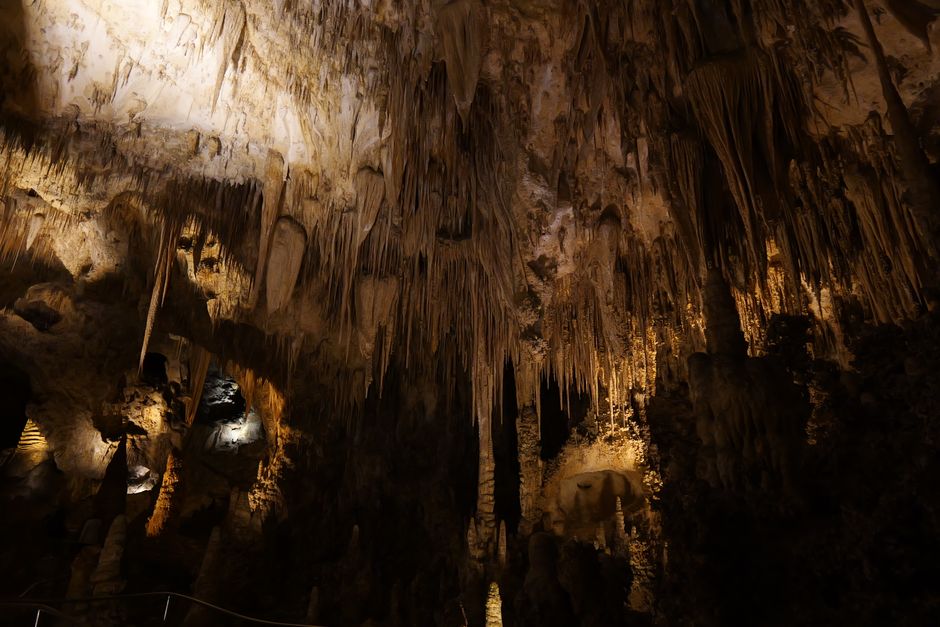
9. Where Canada's Parks Began
Cave and Basin National Historic Site, Banff, Canada
This modest cave and its thermal waters are considered the birthplace of Canada's entire national park system.
In 1883, three railway workers stumbled upon a natural hot spring bubbling from a cave. This discovery sparked a dispute over ownership, ultimately leading to the Canadian government setting aside 26 square kilometers as a public park in 1885—the beginning of Banff National Park and the wider Parks Canada system. Today, visitors can explore the historic cave and basin, learn about its unique ecosystem, and understand the origins of park conservation in Canada.
Frequently asked questions
What is the best time to visit Banff in summer?
The best time to visit Banff in summer is typically from mid-June to early September. July and August offer the warmest weather and full access to all trails and lakes, though this is also peak season with larger crowds. Visiting in late June or early September can offer a good balance of pleasant weather and fewer people.
How do I get around Banff National Park in summer?
Banff National Park offers several transportation options in summer. Parks Canada operates shuttle services to popular destinations like Lake Louise and Moraine Lake, which often have restricted vehicle access. The town of Banff also has public transit. For wider exploration, a personal vehicle is ideal, but be prepared for limited parking at popular trailheads; always check Parks Canada for current access details.
What wildlife might I see in Banff, and how do I stay safe?
Banff is home to diverse wildlife, including elk, deer, bighorn sheep, and occasionally bears (grizzly and black), wolves, and coyotes. To stay safe, always maintain a safe distance from animals, never feed them, and secure your food. When hiking, make noise, travel in groups, and carry bear spray, knowing how to use it. Check Parks Canada for current wildlife warnings and advisories.
How can AllTours.ai enhance my Banff visit?
AllTours.ai acts as your personal AI audio tour guide, bringing the stories of Banff to life. Simply point your phone camera at any landmark or landscape—be it a glacial lake, a towering peak, or a historic site—and the app will narrate its fascinating history, geology, and cultural significance in your preferred language, offering a deeper understanding of the incredible views around you.
Photography via Pexels. AllTours.ai is an AI audio tour guide — point your camera at any landscape and hear its story.