October 10, 2026 · 4 min read
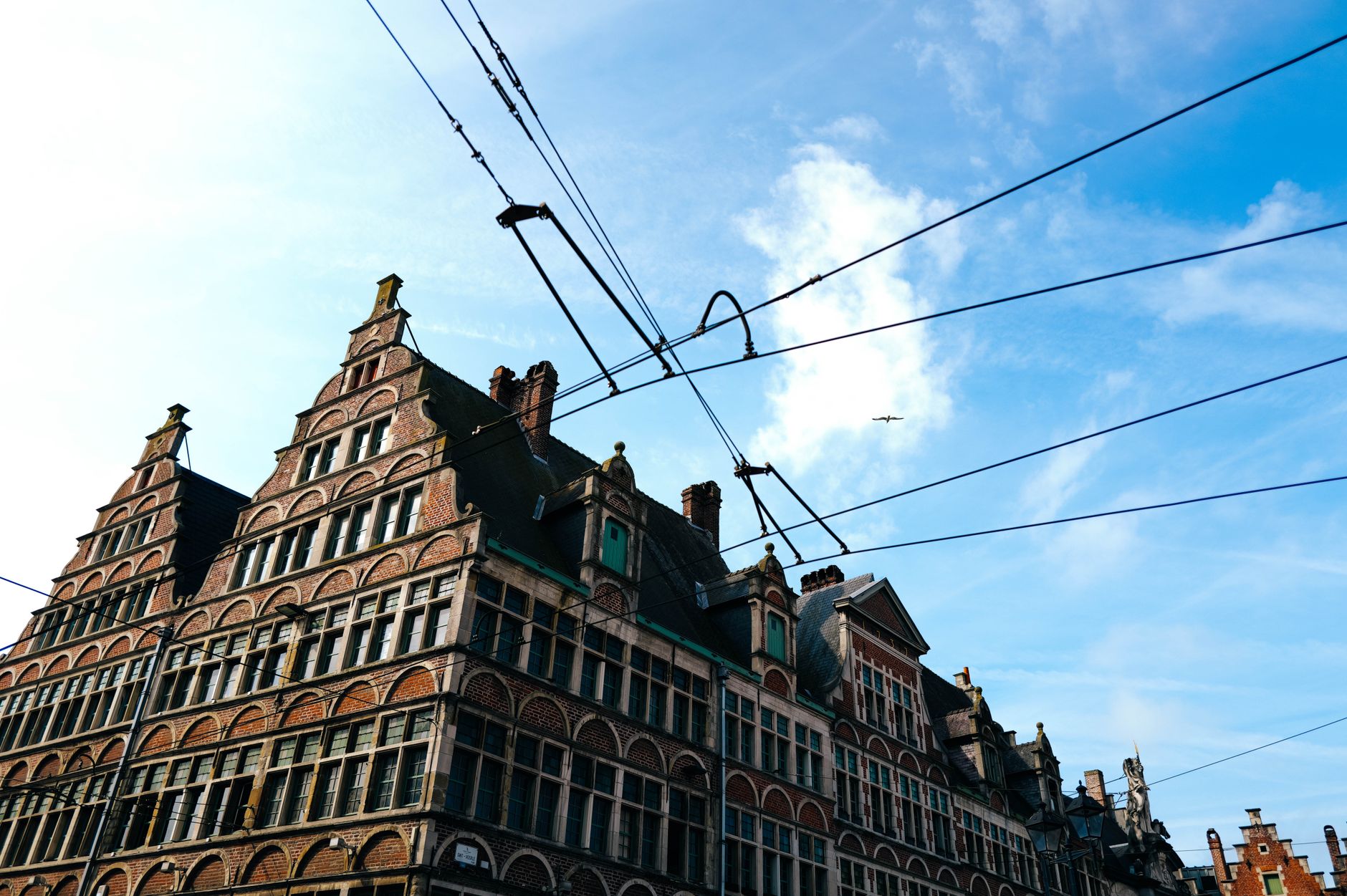
Ghent, often overshadowed by its more polished neighbor Bruges, holds a raw, authentic beauty that speaks volumes of its powerful medieval past. Beyond the famous castle and cathedral, a labyrinth of cobblestone streets, tranquil waterways, and ancient buildings whisper stories of emperors, rebels, and everyday life.
To truly experience Ghent's enduring medieval charm, one must venture off the well-trodden paths. This guide will lead you to the city’s most underrated places—sites where history isn't just displayed, but felt, offering glimpses into the genuine character of this Flemish masterpiece.
1. The Emperor's Forgotten Birthplace
Prinsenhof, Ghent, Belgium
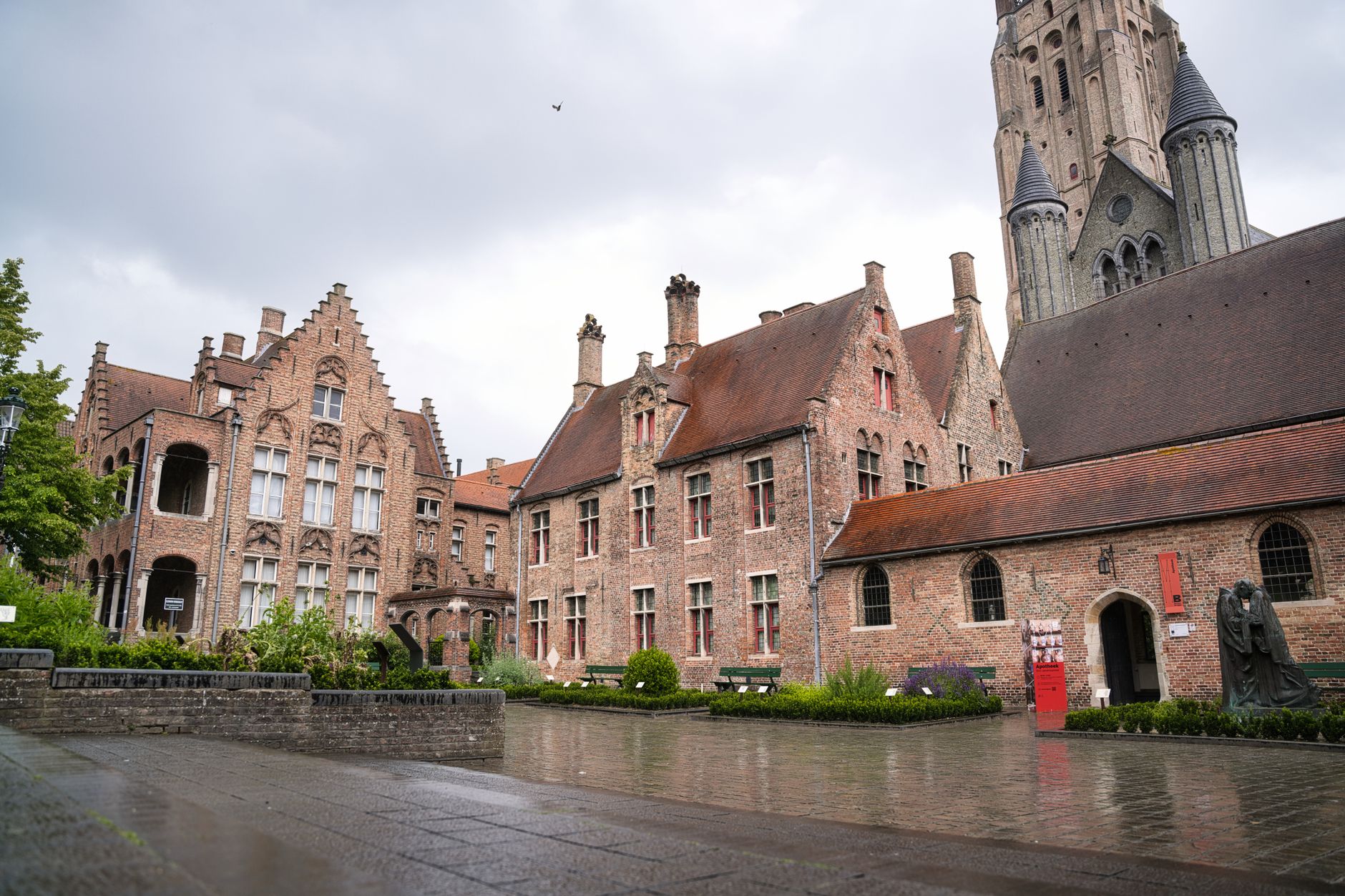
The quiet residential streets of Prinsenhof conceal the former palace where Charles V, Holy Roman Emperor, was born in 1500.
Today, little remains of the grand Prinsenhof, the 'Court of the Princes,' save for a few fragments of wall and the name itself. Once a formidable ducal palace rivaling any in Europe, it was here that the most powerful man of his era first drew breath. Wander these peaceful alleys and imagine the bustling court, the political intrigue, and the vast power that once emanated from this now unassuming neighborhood, a testament to how even imperial grandeur can fade into local memory.
2. A Living Medieval Community
Klein Begijnhof Onze-Lieve-Vrouw ter Hoye, Ghent, Belgium
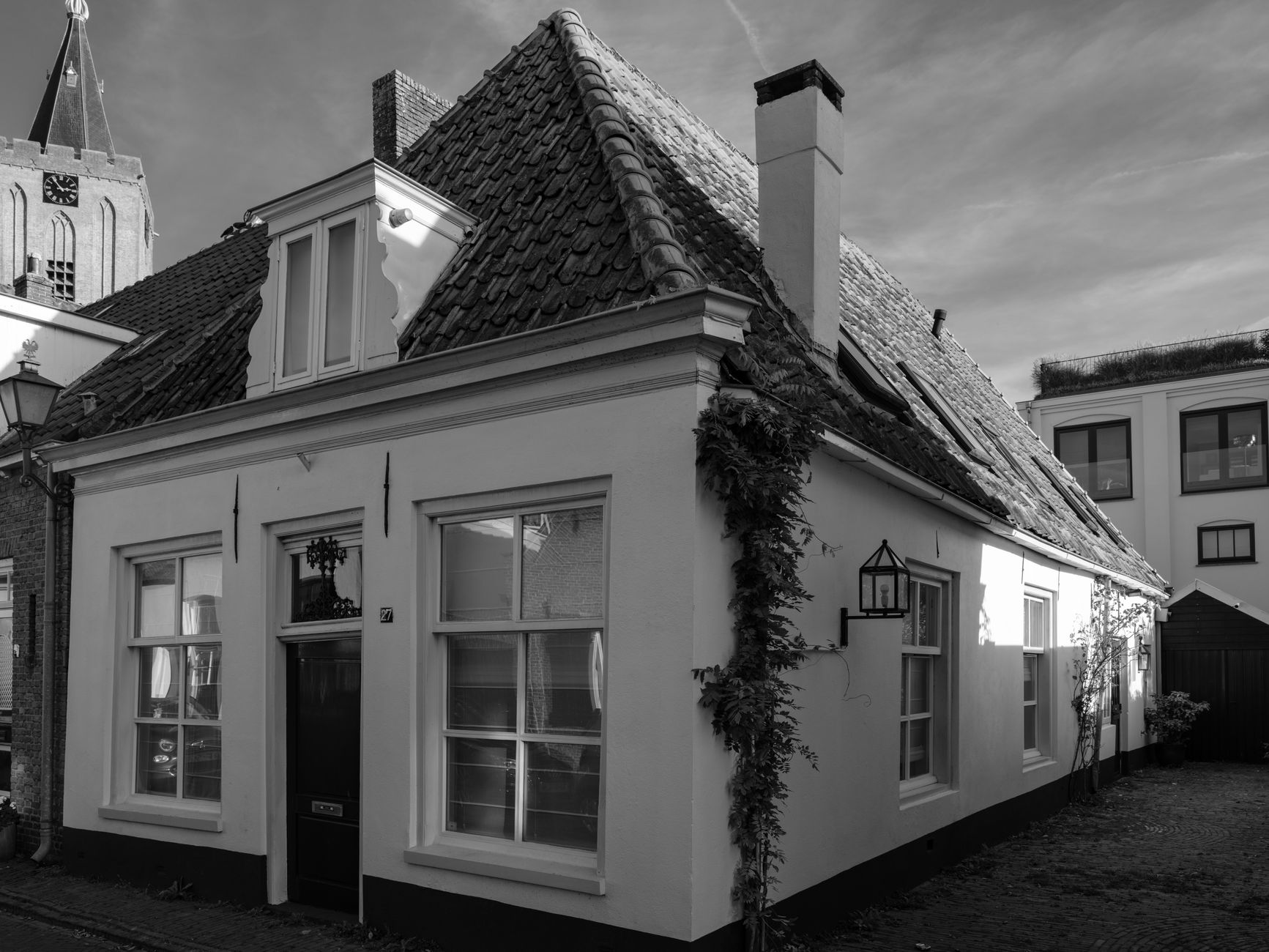
This 'Small Beguinage' is a UNESCO World Heritage site where time seems to stand still, preserving a unique medieval way of life.
Tucked away from the city's core, the Klein Begijnhof is a tranquil oasis of small, whitewashed houses, a church, and a peaceful garden, all encircled by walls. It was founded in 1234 for beguines, religious women who lived communally without taking monastic vows. Unlike its larger counterparts, this beguinage feels remarkably preserved and less visited, offering a rare opportunity to step into a living historical community that has maintained its serene atmosphere for centuries.

3. The Belgian Père Lachaise
Oud Begraafpark Campo Santo, Ghent, Belgium
Perched on a hill, this historic cemetery is a breathtaking open-air museum filled with elaborate tombs and the graves of Ghent’s most prominent figures.
More than just a burial ground, Campo Santo is a verdant park offering panoramic views over Ghent, dotted with magnificent sculptures and architectural monuments. It gained its nickname for its artistic and historical significance, mirroring Paris's famous cemetery. Wander among the ornate mausoleums and discover the final resting places of artists, writers, and politicians, each telling a silent story of Ghent's cultural and social history through their enduring stone memorials.
4. Revolt's Hidden Courtyard
Hof van Ryhove, Ghent, Belgium
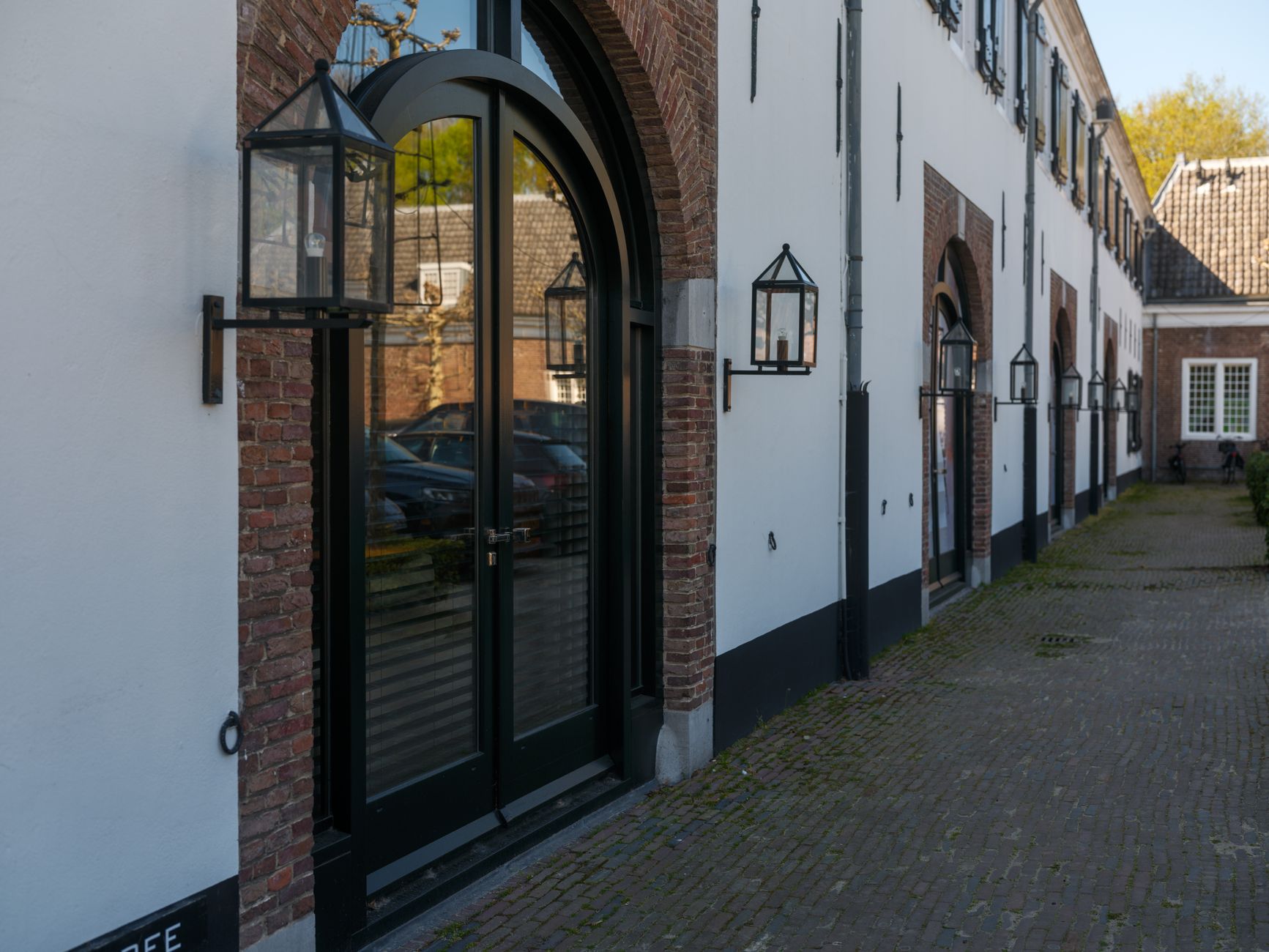
This discreet courtyard was the headquarters of Jan van Hembyze, a radical Calvinist leader during the Ghent Revolt against Spanish rule in the late 16th century.
Hidden behind a modest façade near the Patershol district, the Hof van Ryhove played a pivotal role in Ghent's tumultuous religious and political history. It was from this very spot that van Hembyze orchestrated the city's resistance, leading to the 'Calvinist Republic of Ghent.' Today, the restored courtyard offers a serene escape, but the echoes of rebellion and the struggle for freedom are palpable for those who know its dramatic past, a truly underrated corner of Ghent's medieval narrative.
5. The Great Butcher's Legacy
Groot Vleeshuis, Ghent, Belgium
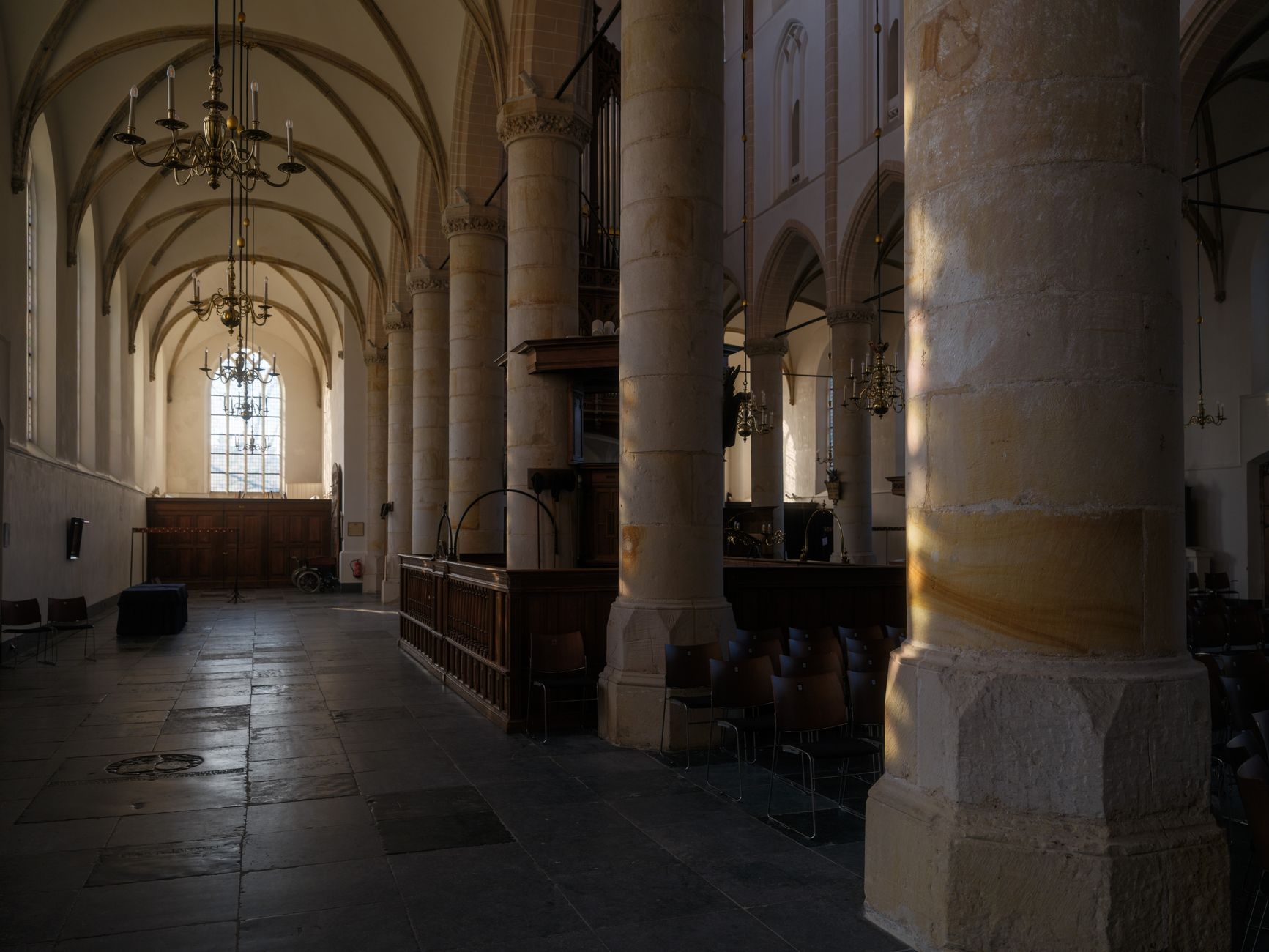
The magnificent Groot Vleeshuis, a colossal medieval meat market, once enforced strict quality control and played a central role in Ghent's commerce.
Built in 1407, this impressive hall with its towering roof structure was where all the meat sold in Ghent had to pass inspection by the guild of butchers. It highlights the city's meticulous approach to trade and public health even in medieval times. Today, it hosts a market for East Flemish regional products, allowing visitors to appreciate its grand architecture while sampling local delicacies, a delicious link connecting Ghent's past mercantile might to its present-day culinary heritage.
6. Europe's Oldest Hotel
Sint-Jorishof (Hotel Cour St-Georges), Ghent, Belgium
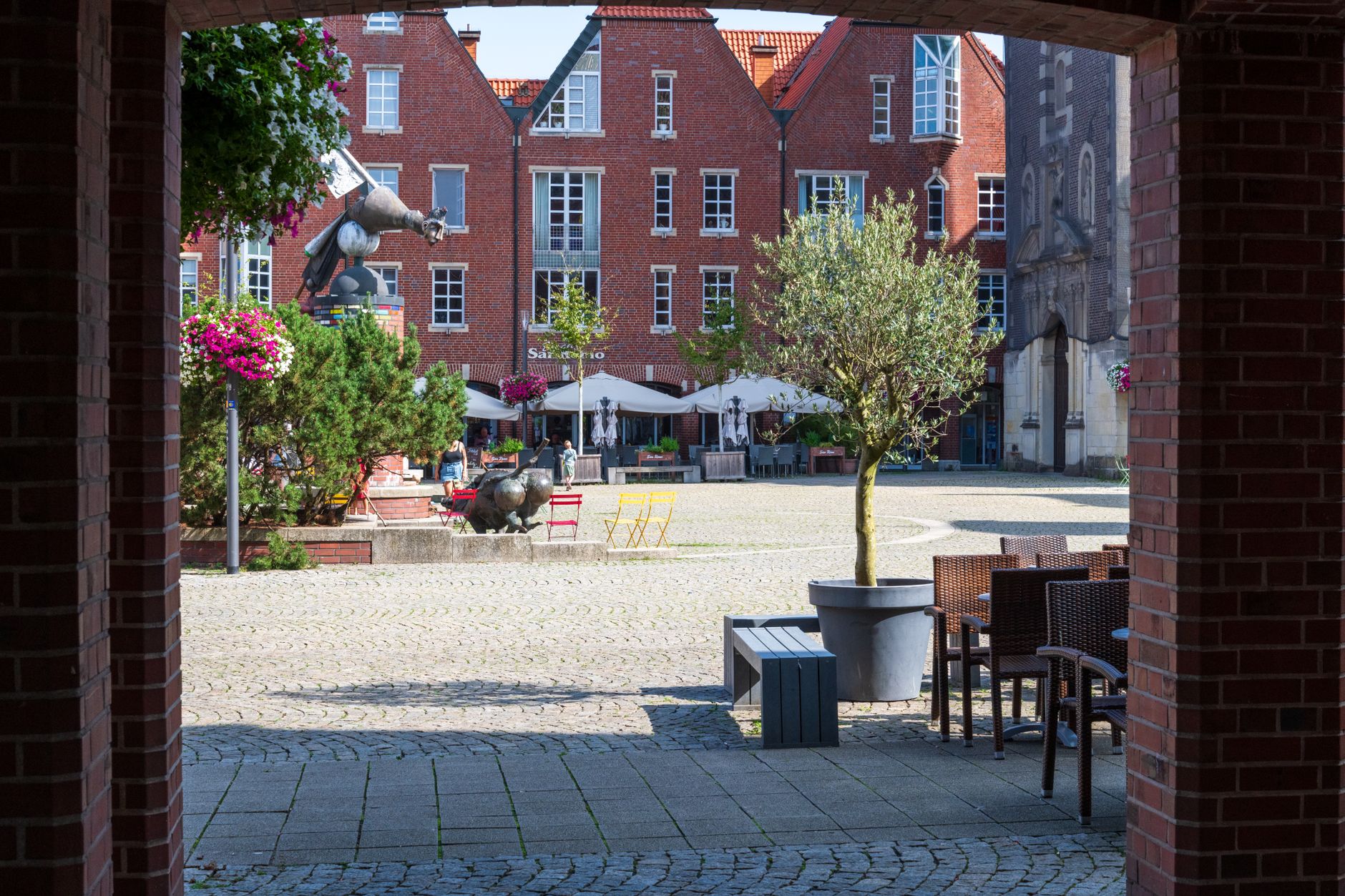
Serving guests since 1228, Sint-Jorishof is reputedly Europe's oldest functioning hotel, hosting kings, emperors, and knights within its ancient walls.
While many know Ghent's main attractions, few realize they can stay or dine in a building that has welcomed travelers for nearly eight centuries. This historic inn, originally established as a guesthouse for the Knights of Saint George, witnessed countless historical events and hosted figures like Charles V himself. Its stunning courtyard and preserved medieval features offer an unparalleled connection to Ghent's past, providing a vivid sense of the city's enduring role as a crossroads of European history and hospitality.
7. Beyond the Mind's Veil
Museum Dr. Guislain, Ghent, Belgium
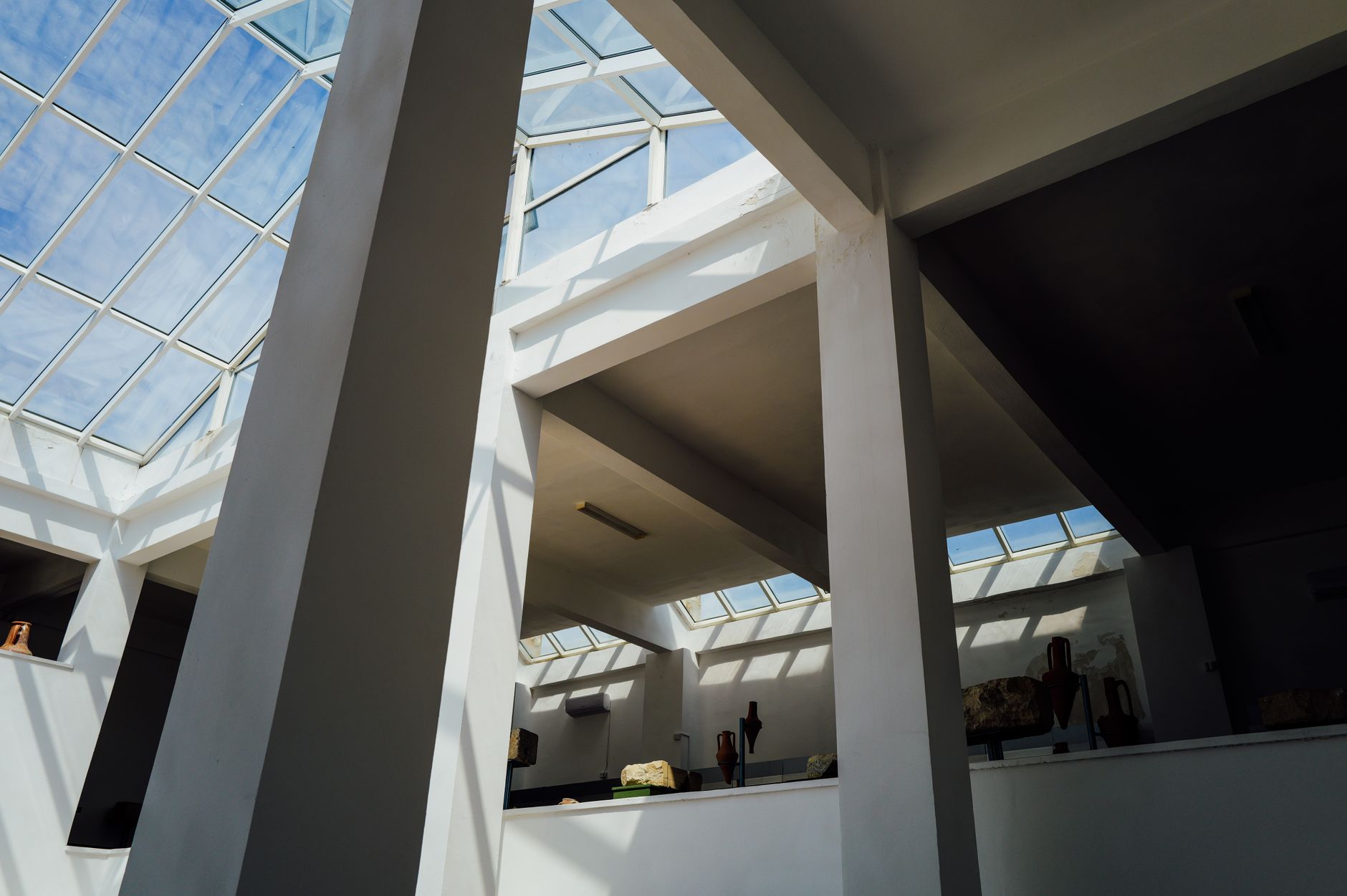
Housed in Belgium’s first psychiatric hospital, this museum offers a poignant and eye-opening journey through the history of mental healthcare and the human mind.
Far from the typical medieval tour, the Museum Dr. Guislain provides a unique and often challenging perspective on societal attitudes towards mental illness and deviance throughout history. The building itself, with its stark architecture and former institutional spaces, adds to the evocative experience. Exploring its exhibits reveals not only the evolution of treatment but also profound insights into humanity's attempts to understand and care for its most vulnerable members, a deeply moving and truly underrated historical experience.
8. The Abbey's Grand Gardens
Sint-Pietersabdij (St. Peter's Abbey), Ghent, Belgium
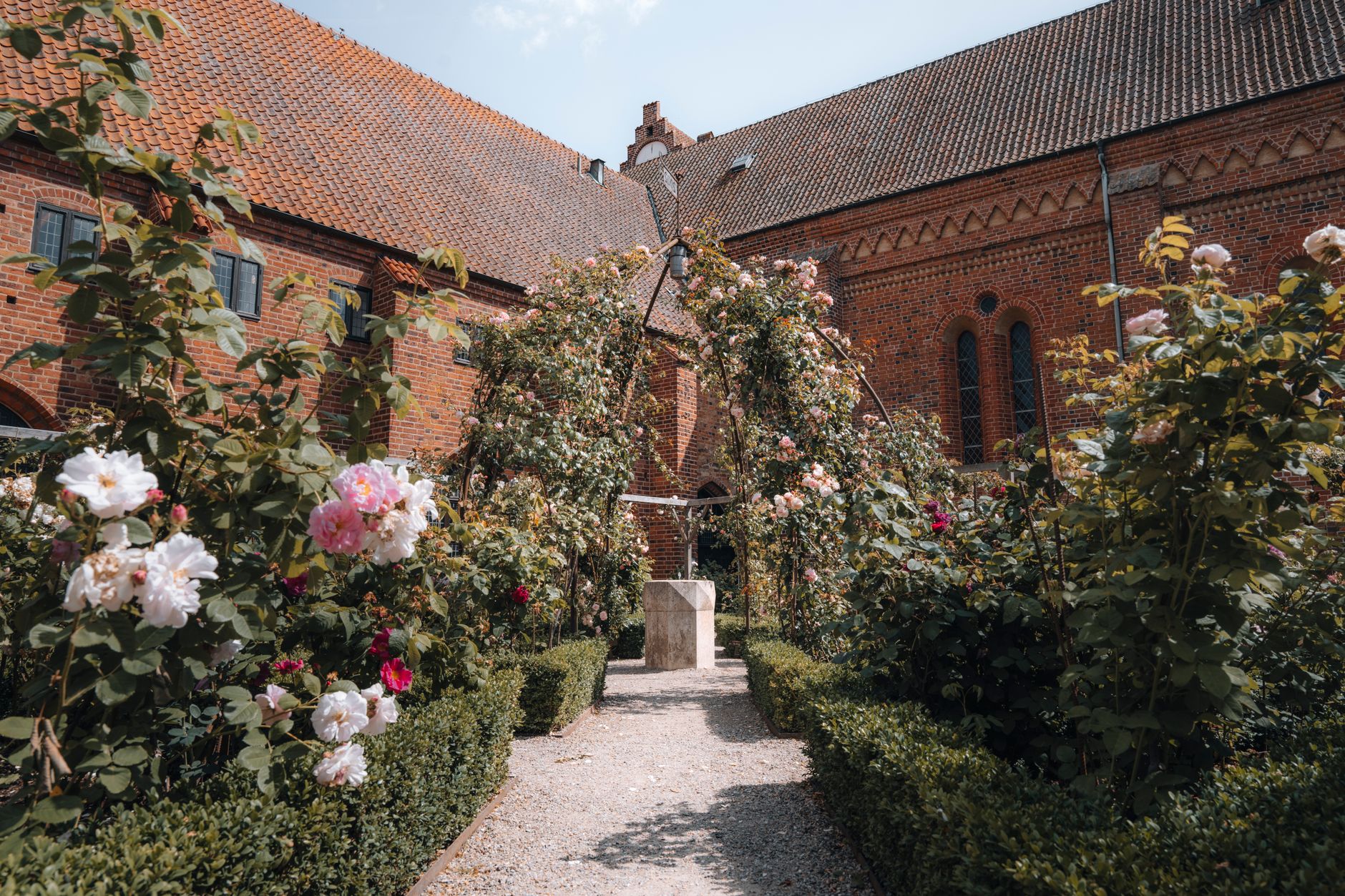
Once one of Europe's most powerful abbeys, Sint-Pietersabdij now offers expansive gardens, ancient crypts, and a vineyard, revealing its forgotten grandeur.
While its imposing church is well-known, many overlook the vast scale and rich history of the entire abbey complex. Founded in the 7th century, the Sint-Pietersabdij controlled extensive lands and wielded significant influence throughout the Low Countries. Today, visitors can explore its Romanesque crypt, climb the tower for city views, and wander through its reconstructed medieval herb garden and even a small vineyard, offering a peaceful and profound connection to Ghent's monastic past, away from the bustling city center.
Frequently asked questions
What is Ghent famous for besides its main tourist attractions?
Beyond the Gravensteen Castle and the Ghent Altarpiece, Ghent is renowned for its vibrant student life, innovative gastronomy, and its unique blend of preserved medieval architecture with a modern, artistic edge. It's also known for its car-free city center and its commitment to sustainability.
Are there any quiet, hidden gardens or courtyards in Ghent?
Absolutely. Ghent is dotted with numerous hidden courtyards, often within beguinages or behind grand houses, offering serene escapes. The Klein Begijnhof Onze-Lieve-Vrouw ter Hoye, the gardens of Sint-Pietersabdij, and various inner courtyards like Hof van Ryhove are perfect examples of these tranquil, often overlooked green spaces.
How can AllTours.ai help me discover these underrated places in Ghent?
AllTours.ai transforms your phone into an AI audio tour guide. Simply point your camera at any landmark or landscape, and the app will instantly narrate its history, geology, and culture in your language. It’s perfect for uncovering the stories behind Ghent’s underrated places, providing context and fascinating facts you might otherwise miss, all while you explore at your own pace.
Photography via Pexels. AllTours.ai is an AI audio tour guide — point your camera at any landscape and hear its story.