June 18, 2026 · 4 min read
Machu Picchu rightly holds its place as one of the world's most iconic archaeological sites, a breathtaking testament to Inca ingenuity. But to limit Peru to just the Inca Trail is to miss centuries of rich history, astonishing geology, and diverse cultures that thrived long before the Inca Empire rose to prominence.
Beyond the well-trodden paths lie hidden fortresses, colossal mud cities, and natural wonders painted by time itself. These are the places that tell Peru's deeper stories, revealing the diverse civilizations and geological forces that shaped this incredible land.
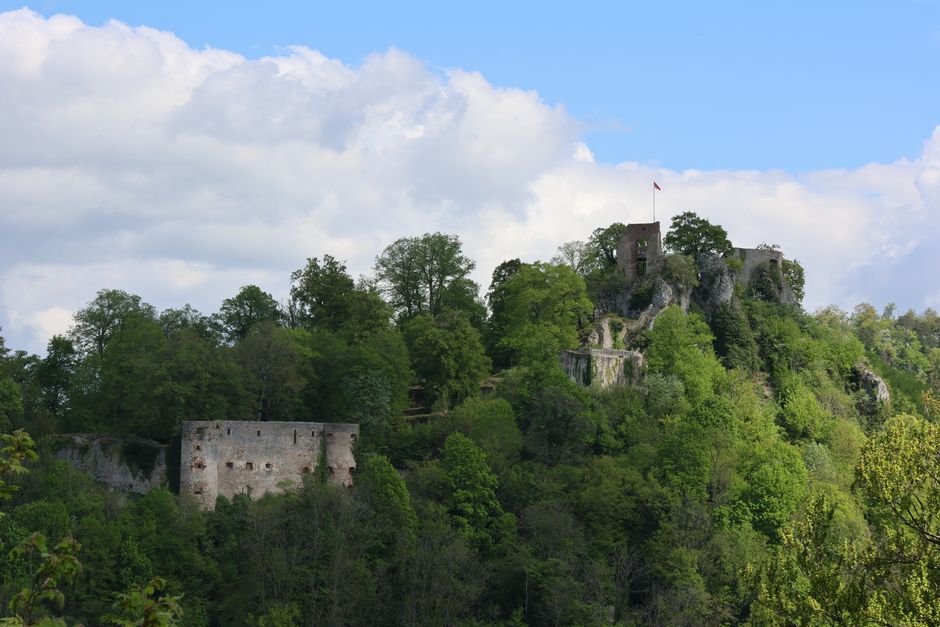
1. The Cloud Warrior Fortress
Kuélap, Peru
The Chachapoya people, 'Warriors of the Clouds,' built this massive stone fortress long before the Inca, perched high in the Amazonas cloud forest.
Unlike Inca stonework, Kuélap's circular stone houses and towering walls showcase the distinct architecture of the Chachapoya civilization. This formidable citadel, often shrouded in mist, stood as a strategic stronghold against rivals and later, the encroaching Inca Empire. Its intricate labyrinth of structures and defensive position reveal a highly organized society that thrived in a challenging environment.
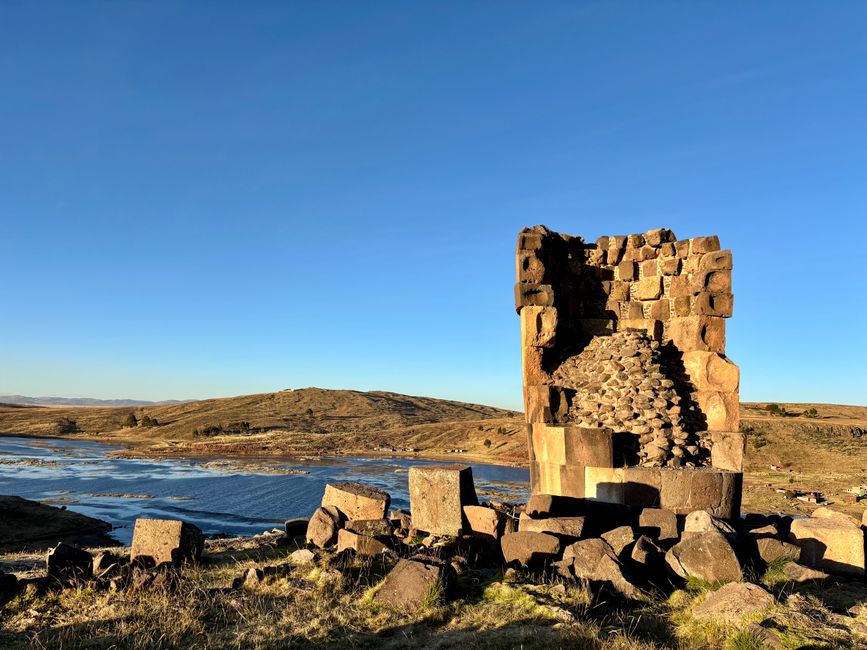
2. Towers of the Andean Dead
Sillustani, Peru
Overlooking Lake Umayo, the Chullpas of Sillustani are towering burial structures built by the Colla and Inca, some predating Inca influence by centuries.
These cylindrical stone towers, or chullpas, served as tombs for Pucara, Colla, and later Inca nobility. Their unique inverted-cone shape, defying gravity, suggests advanced engineering knowledge. Each chullpa housed entire families, often mummified, along with their possessions for the afterlife, offering a fascinating glimpse into ancient Andean spiritual beliefs and funerary practices.
3. The Moche Sorcerer's Pyramid
El Brujo Archaeological Complex, Peru
This ancient Moche site in the Sechura Desert revealed the tomb of the Lady of Cao, a powerful female ruler whose discovery challenged perceptions of ancient Peruvian power structures.
Dominated by the Huaca Cao Viejo, a stepped pyramid adorned with vibrant murals, El Brujo offers a window into the sophisticated Moche civilization. The discovery of the Lady of Cao's elaborate tomb, complete with valuable artifacts and weapons, indicated that women held significant political and religious power, rather than just men as previously thought. Her well-preserved mummy provides invaluable insights into Moche rituals and social hierarchy.
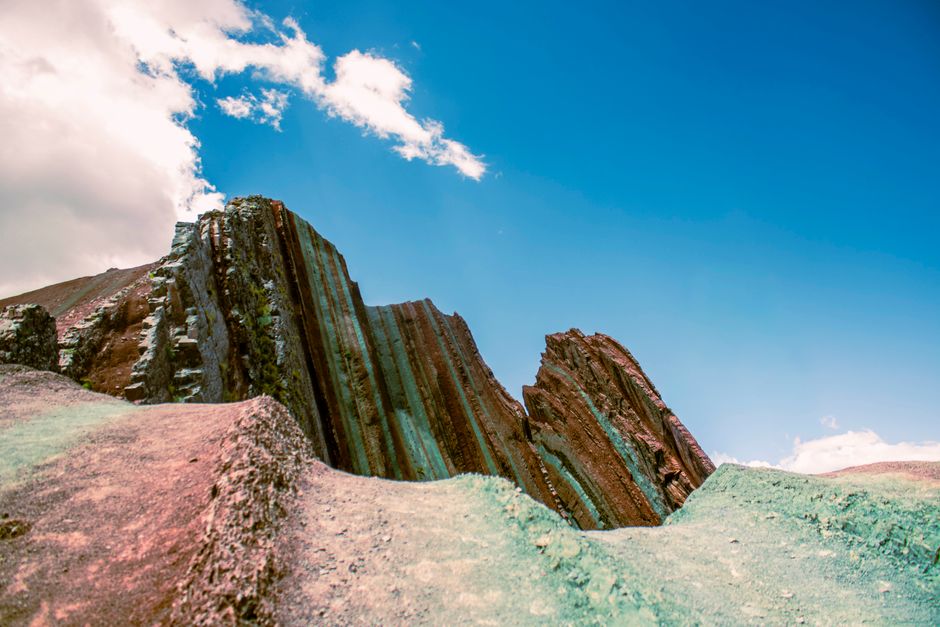
4. The Painted Peaks of Vinicunca
Vinicunca (Rainbow Mountain), Peru
The vibrant stripes of Rainbow Mountain are not painted, but a natural phenomenon caused by layers of distinct mineral sediments exposed over millions of years.
Located in the Peruvian Andes, Vinicunca's striking colors—reds, yellows, greens, and purples—result from the oxidation of various minerals like iron, sulfur, and copper. This geological marvel was only fully revealed in recent decades as snow and ice receded due to climate change, transforming it from a hidden wonder to a breathtaking testament to Earth's ancient geological processes.
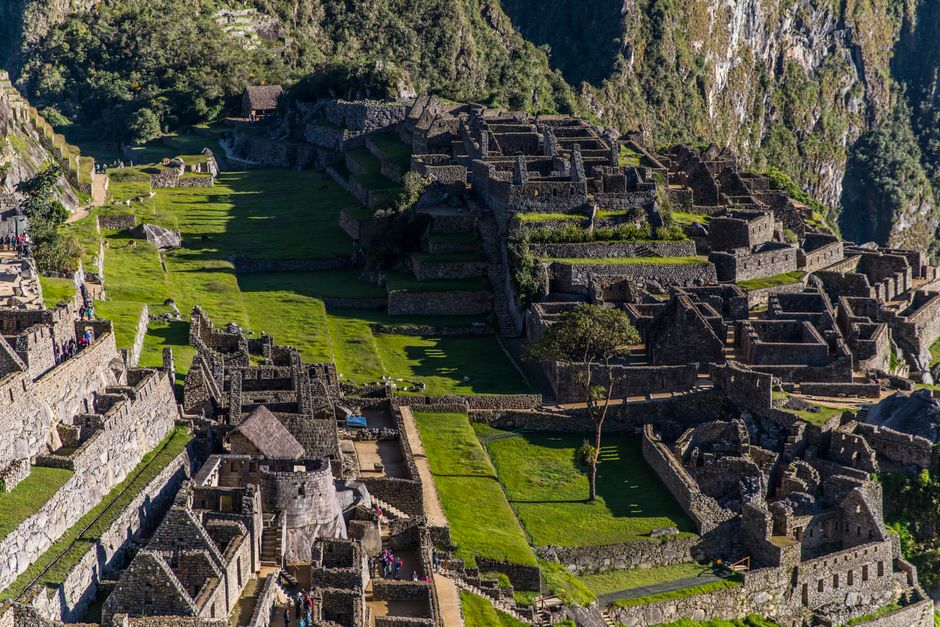
5. Machu Picchu's Sacred Sister
Choquequirao, Peru
Perched high above the Apurímac River canyon, Choquequirao is a vast Inca city, larger than Machu Picchu, that served as a last refuge for the Inca before their final defeat.
Often called the 'sister city' to Machu Picchu due to its similar architectural style and remote mountain setting, Choquequirao remains far less visited due to its challenging multi-day trek. Its terraces, temples, and residential areas are meticulously crafted, featuring unique llama figures made of white stone embedded in the agricultural terraces. This sprawling complex offers a profound sense of discovery, revealing the strategic brilliance and resilience of the Inca.
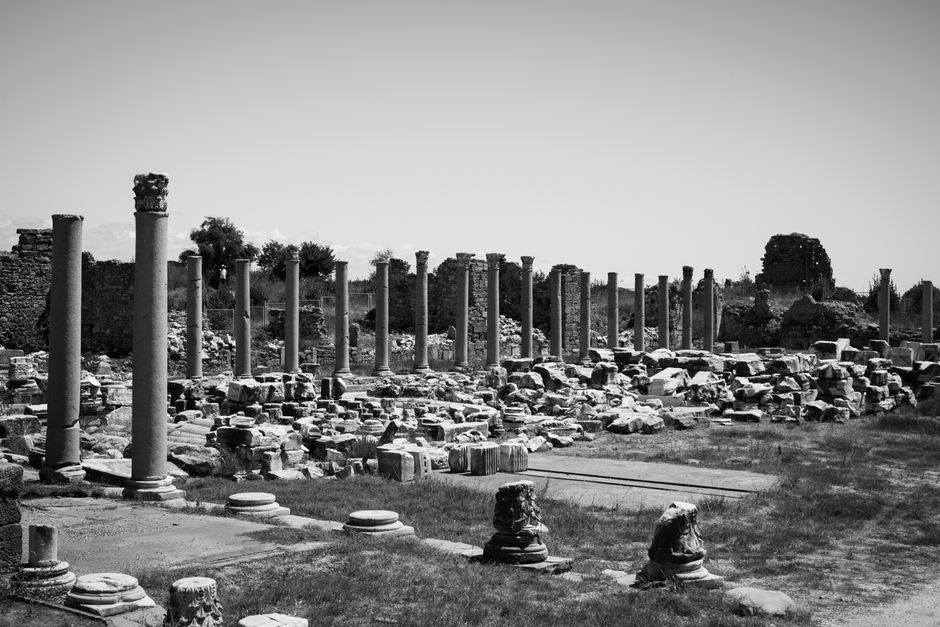
6. The Cradle of American Civilization
Caral-Supe, Peru
Over 5,000 years old, Caral is the oldest known city in the Americas, predating even the Egyptian pyramids and revealing a complex society without warfare.
Situated in the Supe Valley, Caral's monumental architecture includes six large platform mounds, circular plazas, and residential complexes. What makes Caral remarkable is the evidence suggesting a peaceful society that flourished through trade and sophisticated astronomical knowledge, rather than military conquest. The absence of fortifications or weapons points to a unique model of early urban development in the ancient world.
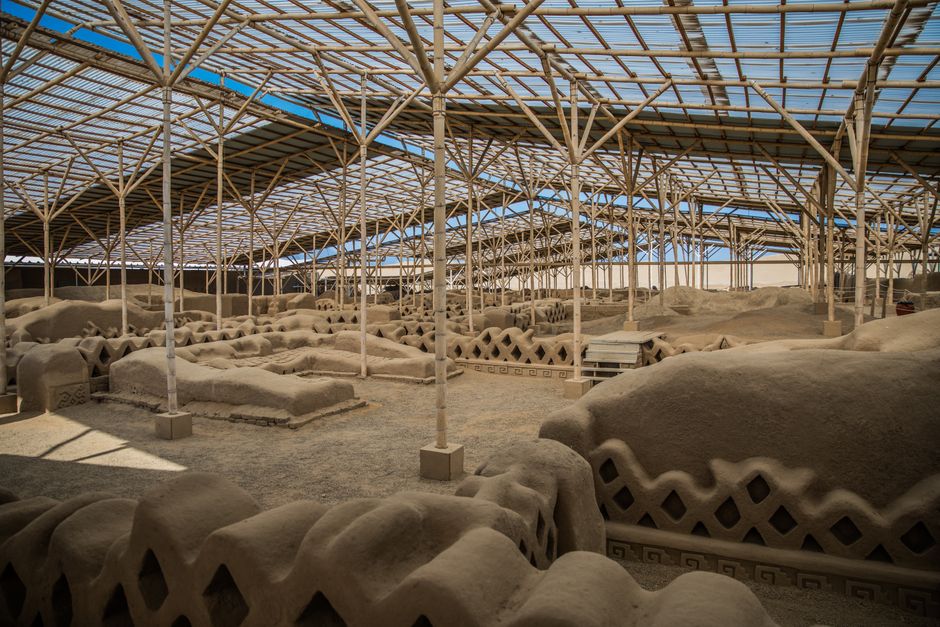
7. The Great Mud City
Chan Chan, Peru
Once the largest mud-brick city in the pre-Columbian Americas, Chan Chan was the capital of the Chimú kingdom, sprawling across 20 square kilometers.
This UNESCO World Heritage site is an astounding example of adobe architecture, featuring immense walls adorned with intricate friezes depicting fish, birds, and mythological creatures. The city was organized into distinct 'ciudadelas' or royal compounds, each serving as a palace, administrative center, and burial ground for a succession of Chimú kings. Its sheer scale and artistic detail reflect a powerful and highly organized society that mastered desert living and water management.
Frequently asked questions
Is Peru safe for tourists?
Peru is generally safe for tourists, especially in popular destinations. Common precautions like being aware of your surroundings, safeguarding valuables, and using reputable transport are advisable. Many travelers explore Peru independently or with guided tours.
What's the best time to visit Peru?
The dry season, from May to October, is generally considered the best time to visit Peru, particularly for trekking and exploring the Andes. However, the coast can be visited year-round, and the Amazon experiences its own distinct seasons.
Do I need to speak Spanish to travel in Peru?
While Spanish is the official language, many people in tourist areas speak English, especially in hotels, restaurants, and tour companies. Learning a few basic Spanish phrases can greatly enhance your experience and interactions with locals.
How can AllTours.ai help me explore these sites?
AllTours.ai transforms your phone into an AI-powered audio tour guide. Simply point your camera at any landmark or landscape mentioned in this post, and the app will narrate its fascinating history, geology, and culture in your preferred language, providing rich context as you explore.
Photography via Pexels. AllTours.ai is an AI audio tour guide — point your camera at any landscape and hear its story.