September 30, 2026 · 4 min read
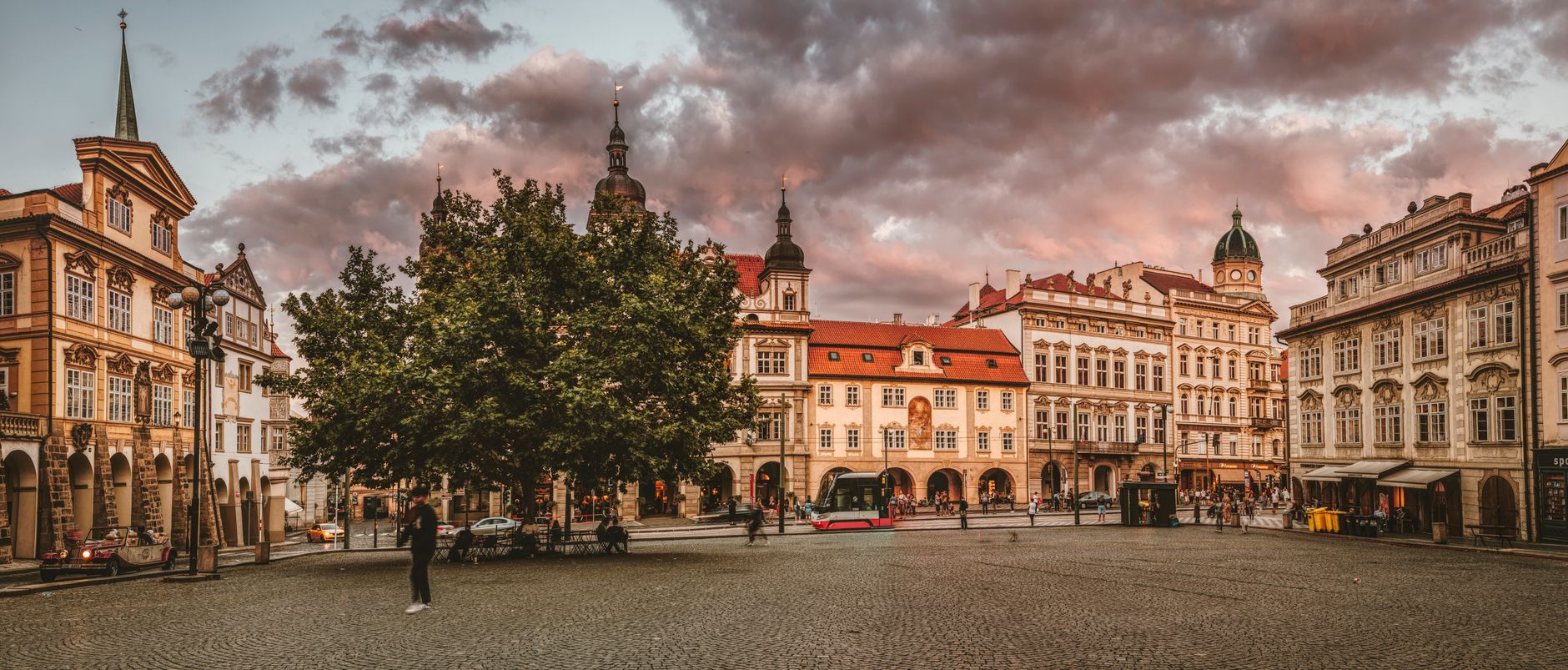
While many travelers flock to Kraków or Warsaw, Poland's lesser-known cities hold equally compelling narratives. Poznań, a city rich in history and vibrant culture, often remains a delightful surprise. Its iconic Old Market Square, with the playful mechanical goats, draws the eye, but dig a little deeper, and you'll find a tapestry of stories waiting to be unraveled.
Poznań is more than just a pretty facade; it's a place where imperial grandeur meets everyday charm, where ancient traditions blend with modern innovation. From the birthplace of the Polish state to the secret rooms of WWII code-breakers, this captivating city is brimming with genuinely underrated places, each with a unique tale to tell. Get ready to explore a side of Poznań few truly discover.
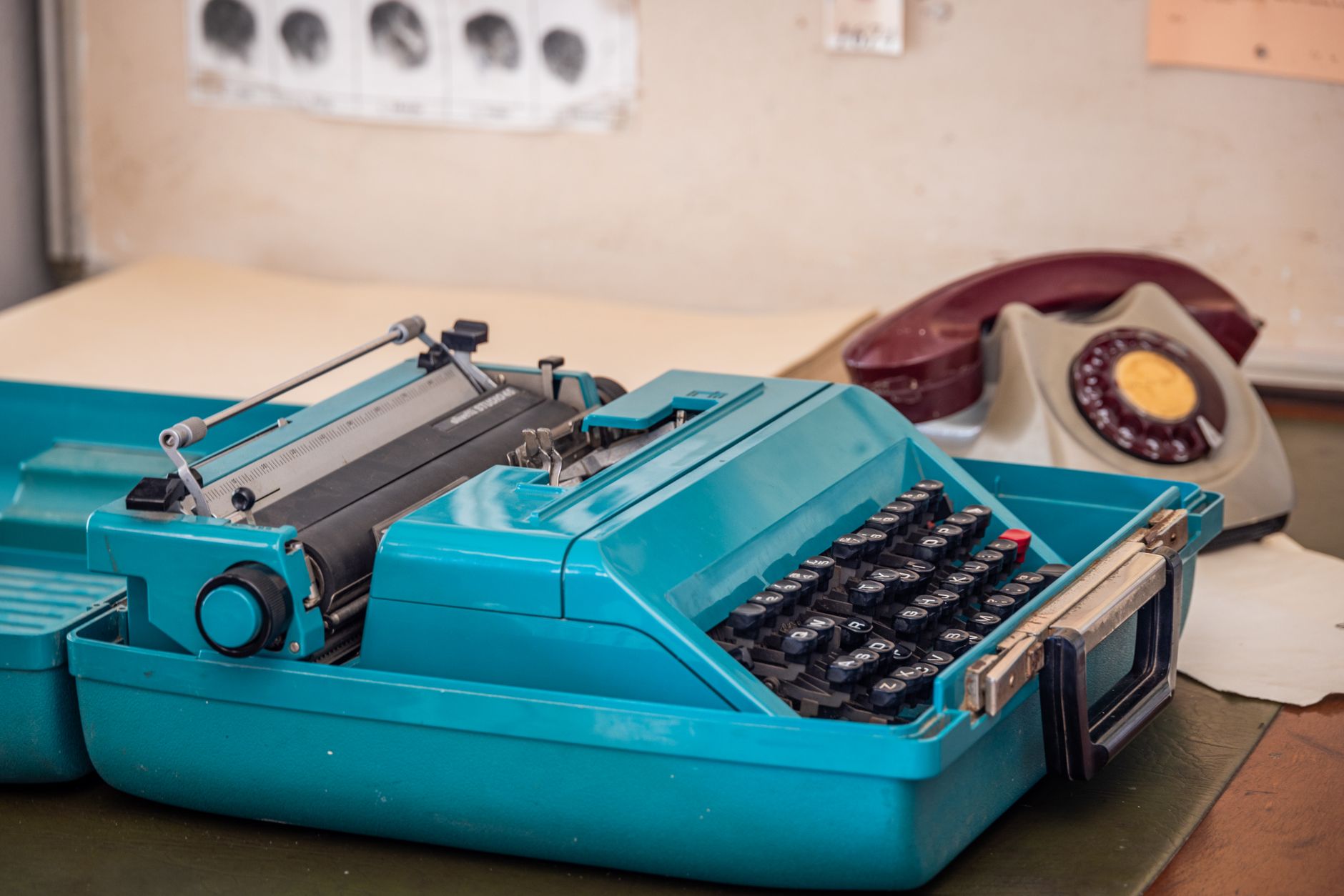
1. The Secret History of Enigma Code-Breakers
Enigma Cipher Centre, Poznań, Poland
Before Alan Turing, it was Polish mathematicians in Poznań who first cracked the Enigma code, a crucial breakthrough in World War II.
Long before the Bletchley Park team, Marian Rejewski, Henryk Zygalski, and Jerzy Różycki, working for Polish intelligence, successfully broke the Enigma cipher in the early 1930s. Their groundbreaking work provided vital insights into German communications, which they later shared with British and French allies. The Enigma Cipher Centre in Poznań tells this overlooked story, allowing visitors to delve into the mathematics and ingenuity behind one of history's most significant code-breaking achievements.
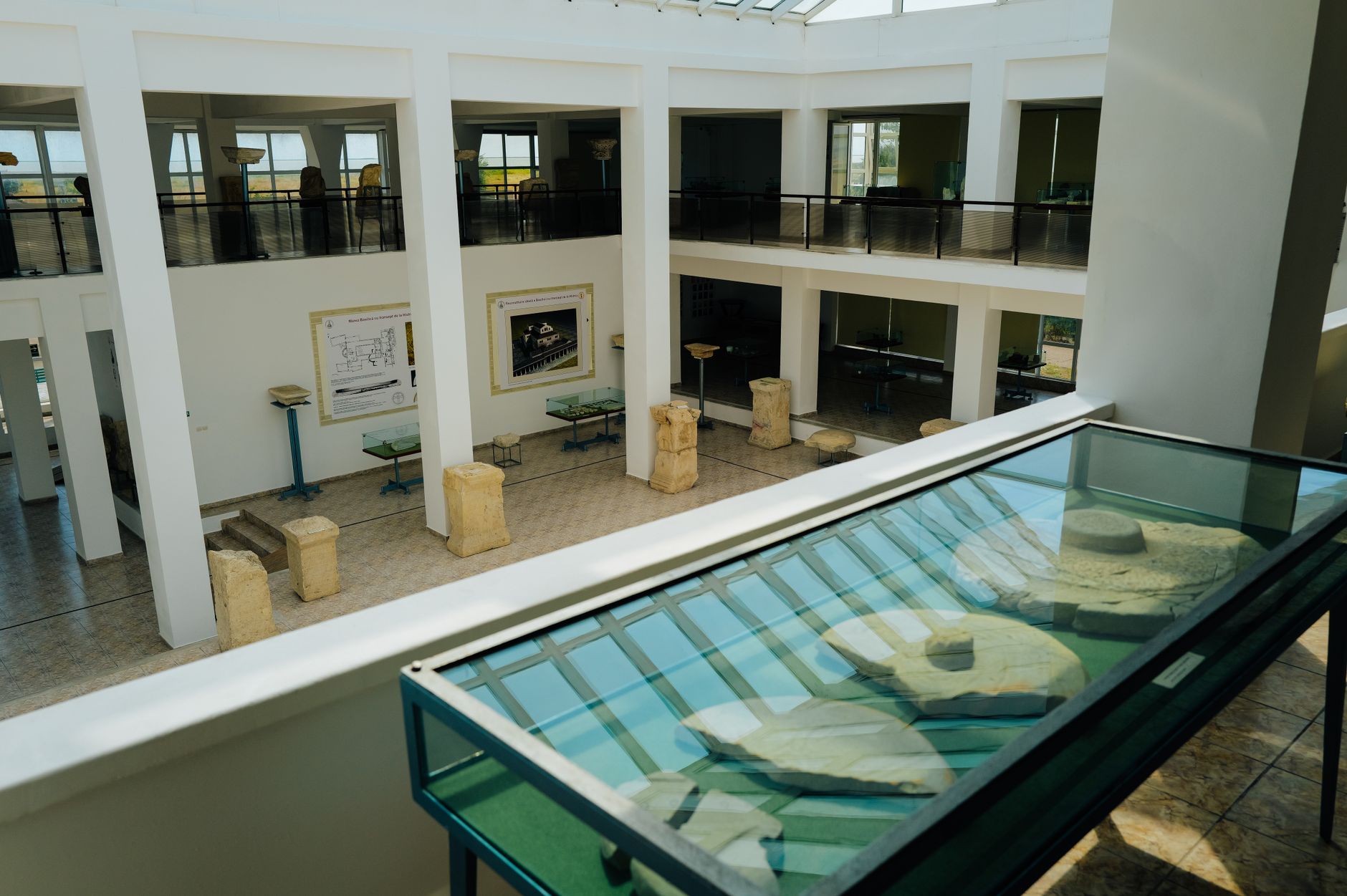
2. The Legend of the St. Martin's Croissant
Rogalowe Museum of Poznań, Poznań, Poland
Poznań is home to a unique, horseshoe-shaped croissant with a protected geographic status, steeped in local legend and tradition.
The Rogal Świętomarciński, or St. Martin's Croissant, is far from an ordinary pastry. Made with a rich, semi-puff pastry and a white poppy seed filling, it's a regional specialty recognized by the European Union. Legend has it that the croissant's distinctive shape was inspired by St. Martin's horse losing a horseshoe. At the Rogalowe Museum, you can learn about its history, traditional preparation, and even try your hand at making this sweet symbol of Poznań.
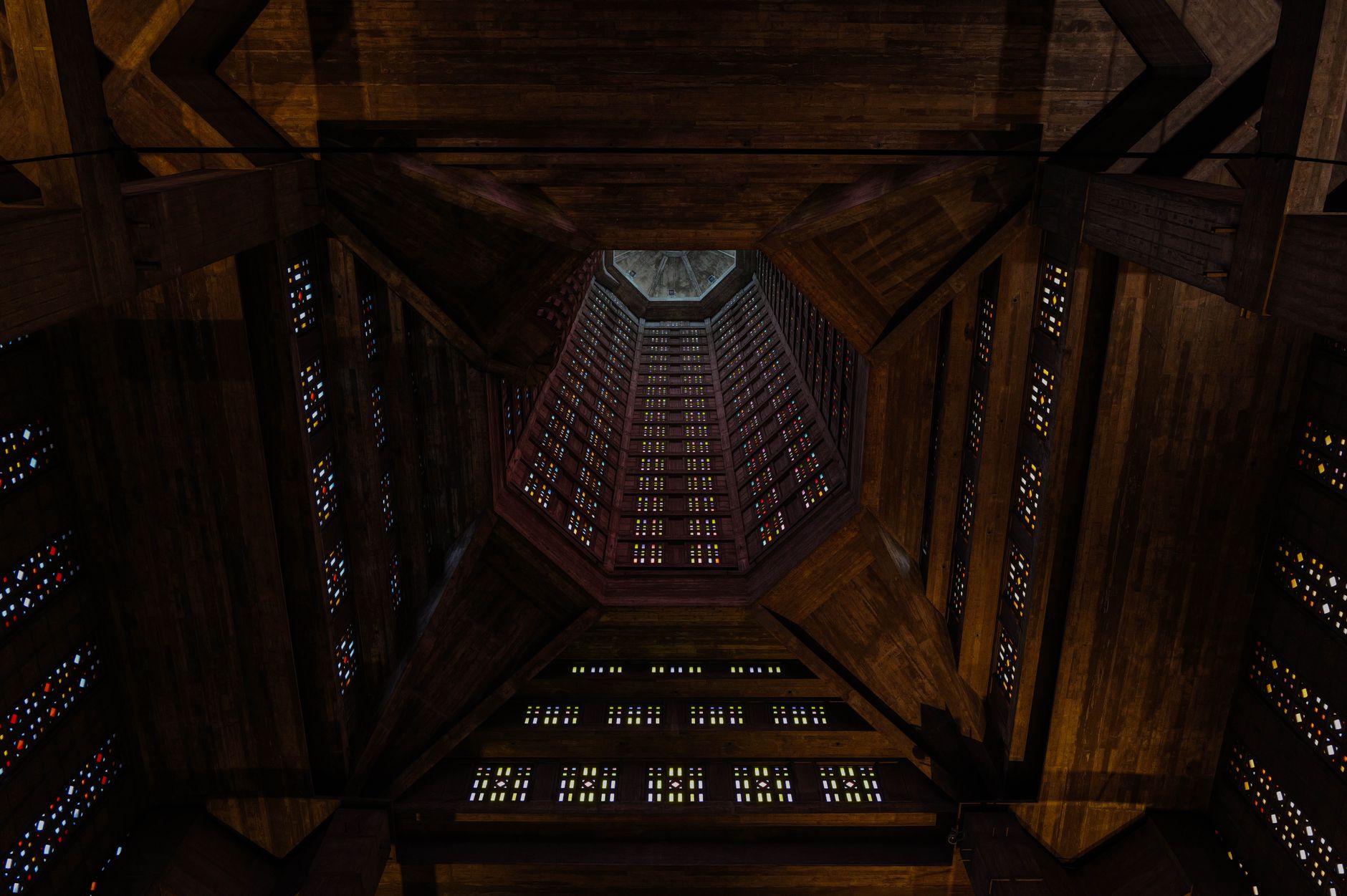
3. Gateway to Poland's Cradle
Brama Poznania ICHOT, Poznań, Poland
This modern interactive center reveals how Ostrów Tumski, an island in Poznań, became the symbolic birthplace of the Polish state.
While Ostrów Tumski (Cathedral Island) is visible, Brama Poznania offers a truly immersive journey into its profound historical significance. This state-of-the-art interpretive center uses multimedia and interactive exhibits to tell the story of the first Polish rulers, the Christianization of Poland, and the shaping of the nation on this very island. It connects visitors to the ancient foundations of Poland in a dynamic and engaging way, moving beyond traditional museum displays.
4. A Tropical Oasis in Poland
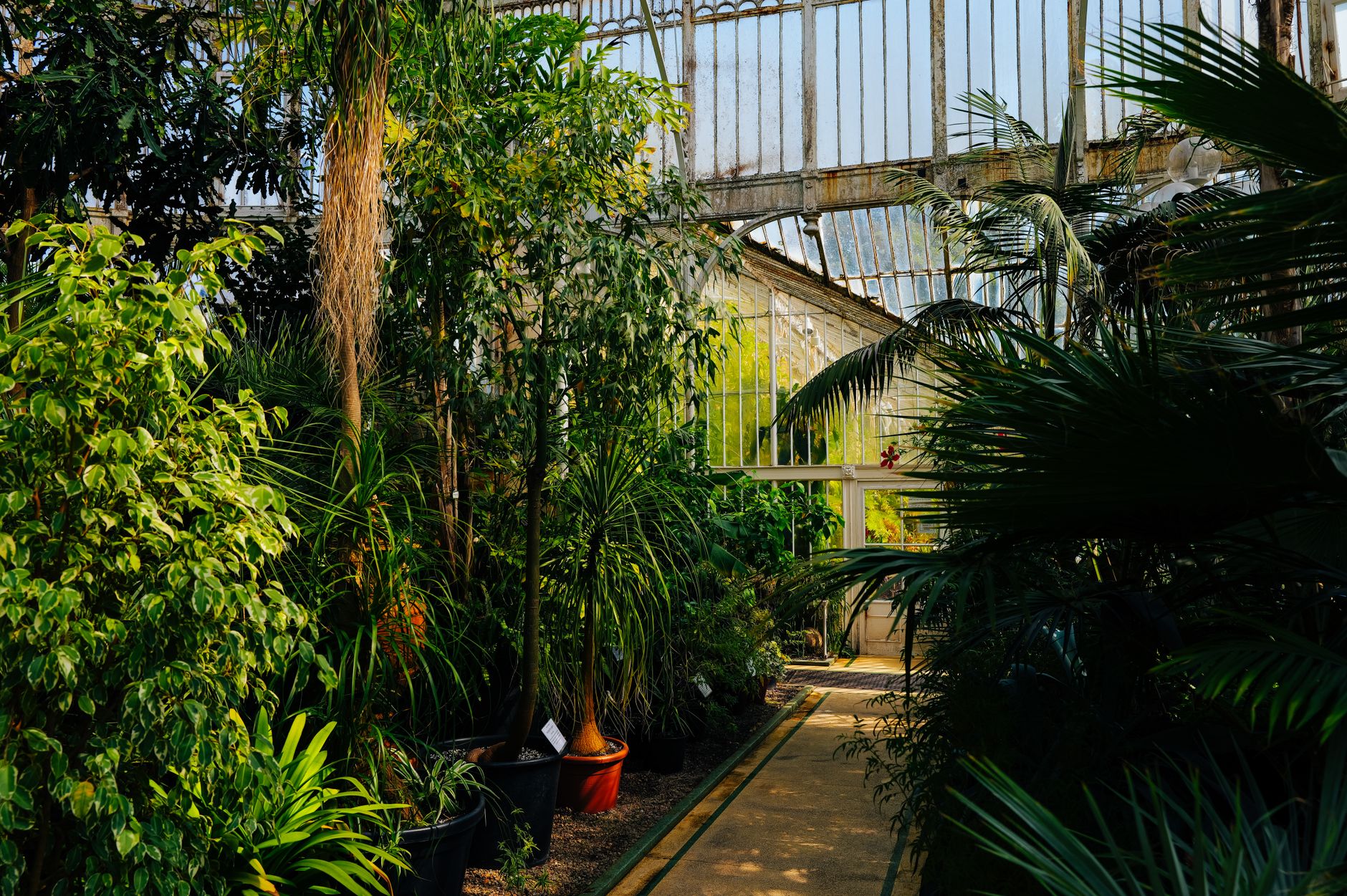
Poznań Palm House, Poznań, Poland
One of Europe's largest and oldest palm houses brings tropical and subtropical climates to the heart of Wielkopolska.
Escape the Polish weather and step into a lush, vibrant world at the Poznań Palm House. Spanning several pavilions, this botanical marvel is home to around 17,000 plants from 1,100 species, representing diverse climate zones from deserts to rainforests. Established in the late 19th century, it's a testament to botanical ambition, offering a breathtaking sensory experience with towering palms, exotic flowers, and diverse aquatic life, all under one historic roof.
5. Fortress Turned Tranquil Park
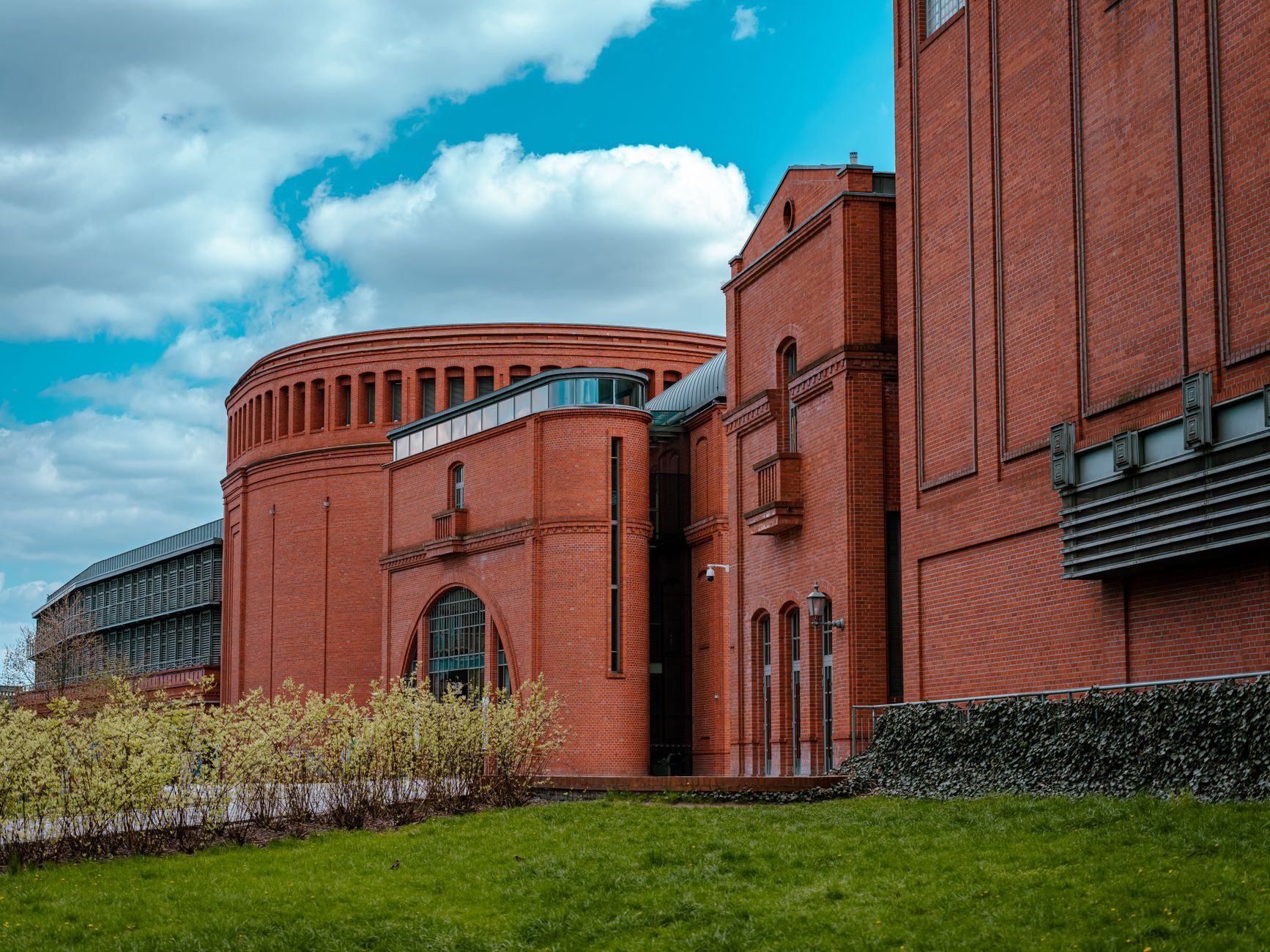
Park Cytadela, Poznań, Poland
What is now Poznań's largest park was once a formidable Prussian fortress and the site of intense WWII battles.
Park Cytadela stands as a peaceful green lung in the city today, but its past tells a different story. It was built as Fort Winiary, a key defensive structure of the Poznań Fortress, and later became the last point of German resistance during the Battle of Poznań in 1945. Today, remnants of the fortress, military cemeteries, and several museums (including the Armament Museum and the Museum of Poznań Army) are integrated into the park, offering a poignant blend of nature and history.
6. Art and Commerce in an Old Brewery
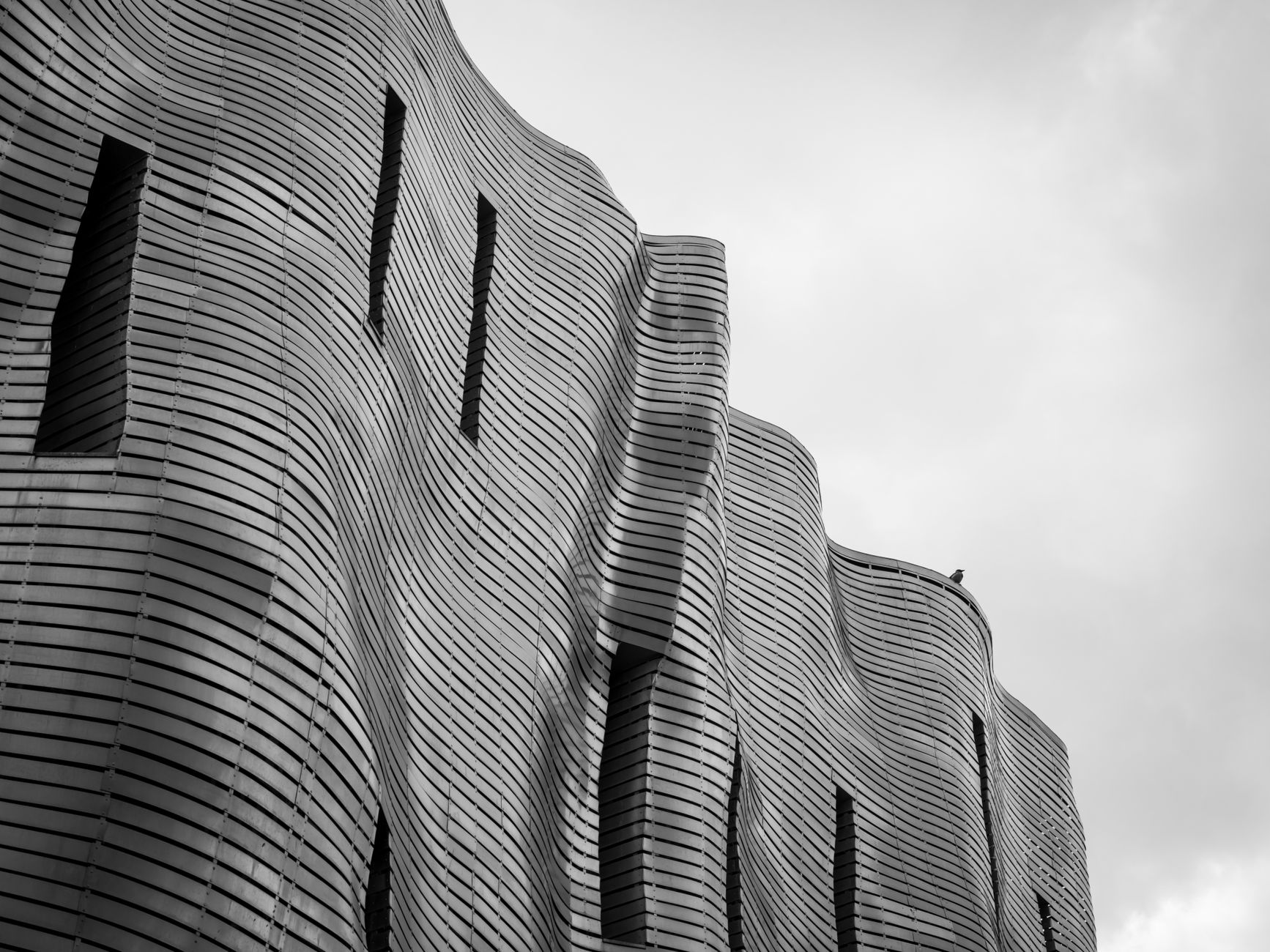
Stary Browar, Poznań, Poland
A former 19th-century brewery has been transformed into an award-winning architectural marvel that seamlessly blends shopping with contemporary art.
Stary Browar, meaning 'Old Brewery,' is far more than just a shopping center. Housed within the beautifully restored and expanded buildings of the former Hugger Brewery, it's a unique example of adaptive reuse architecture. Its design, which has garnered international accolades, integrates exposed brick, industrial elements, and modern glass with a vast collection of contemporary art. Visitors can explore galleries, enjoy cafes, and shop, all within a space that celebrates both its industrial past and artistic present.
7. A Whimsical Ride by Malta Lake
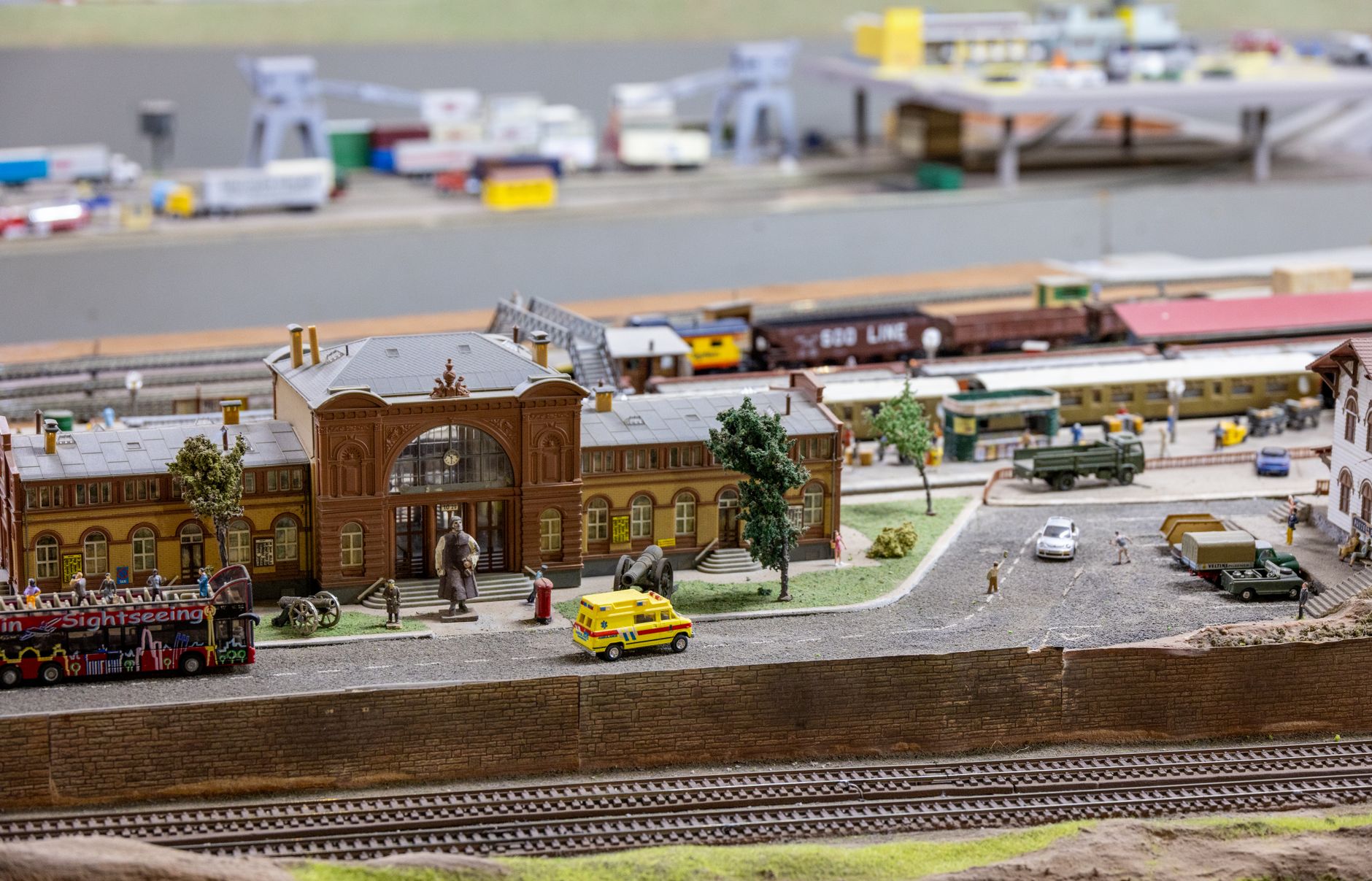
Maltanka Miniature Railway, Poznań, Poland
This historic narrow-gauge railway offers a charming journey along the shores of Malta Lake, connecting popular recreational spots.
For a delightful and nostalgic experience, hop aboard the Maltanka Miniature Railway. Operating since 1956, this narrow-gauge train winds its way along the northern bank of Malta Lake, linking various attractions like the Poznań Zoo and the Malta Ski complex. It's not just a means of transport but an attraction in itself, especially popular with families. The train's vintage carriages and scenic route provide a unique perspective on the recreational heart of Poznań.
8. Egyptian Secrets in a Renaissance Palace
Archaeological Museum in Poznań (Górka Palace), Poznań, Poland
Housed within a beautiful Renaissance palace, this museum boasts an unexpected collection, including genuine Egyptian mummies.
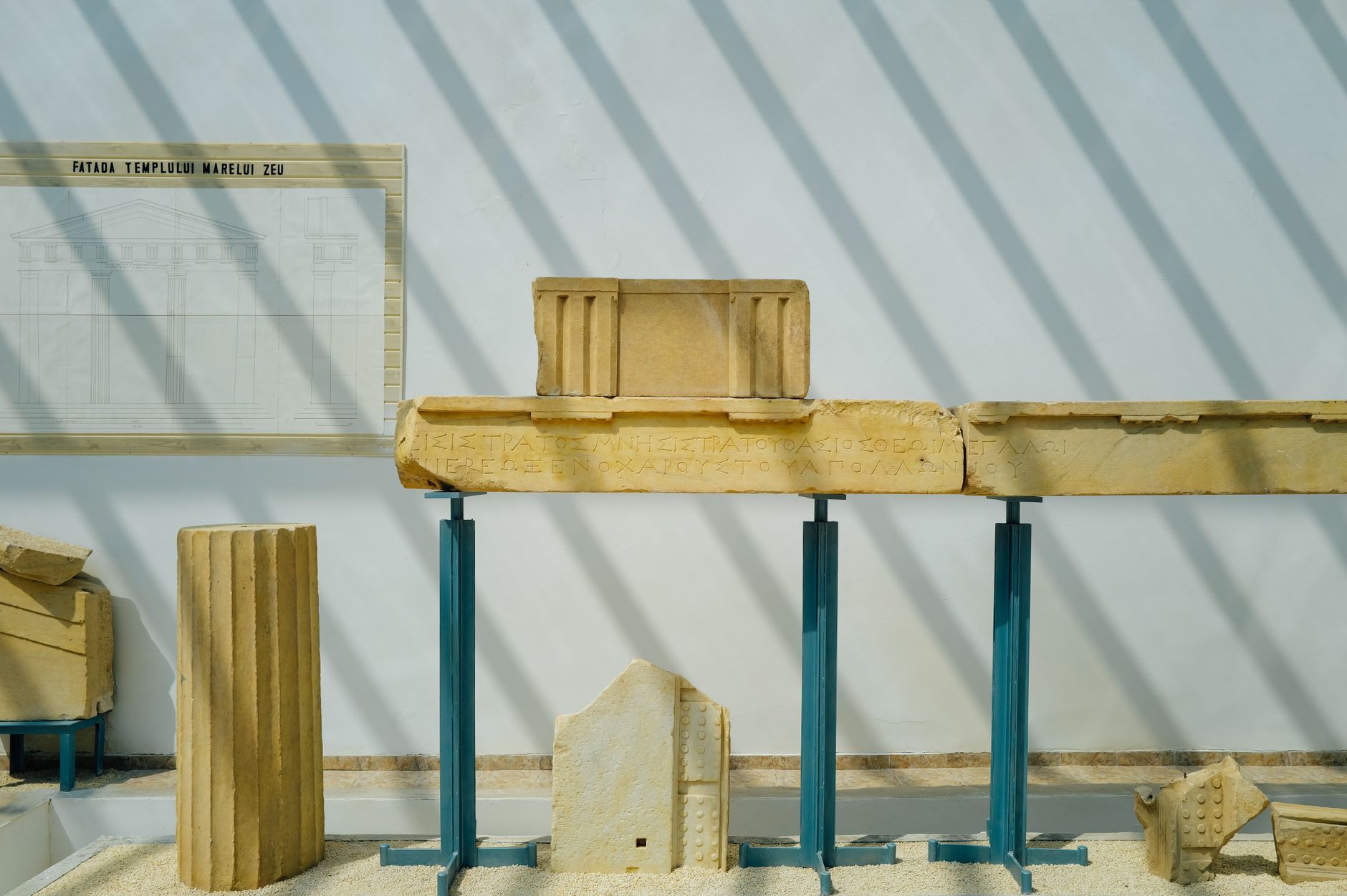
The Archaeological Museum in Poznań is a treasure trove of artifacts, from the prehistoric finds of Wielkopolska to relics of ancient civilizations. What truly surprises many visitors is its significant Egyptian collection, featuring authentic mummies, sarcophagi, and funerary objects, offering a glimpse into the Nile's ancient mysteries right in Poland. The museum itself is located in the historic Górka Palace, a stunning Renaissance building that adds another layer of architectural beauty to the exhibits.
Frequently asked questions
What is the best time of year to visit Poznań?
The best time to visit Poznań is typically during the late spring (May-June) or early autumn (September-October). The weather is pleasant, ideal for exploring on foot, and the city hosts various cultural events and festivals without the peak summer crowds.
Is Poznań walkable for tourists?
Yes, Poznań's city center, including the Old Market Square, Ostrów Tumski, and many of the listed attractions, is very walkable. Public transport (trams and buses) is efficient and covers areas further afield like Malta Lake or Park Cytadela, making it easy to navigate the entire city.
What food specialties should I try in Poznań?
Beyond the famous Rogal Świętomarciński (St. Martin's Croissant), try 'pyry z gzikiem' (potatoes with cottage cheese spread), 'kaczka po poznańsku' (Poznań-style duck), and 'golonka' (pork knuckle). The city also has a vibrant modern culinary scene with many excellent restaurants.
How can AllTours.ai enhance my visit to Poznań?
AllTours.ai transforms your smartphone into a personal AI audio tour guide. Simply point your camera at any landmark or landscape in Poznań – from ancient fortifications to architectural wonders – and the app will instantly narrate its history, geology, and cultural significance in your preferred language, bringing the city's hidden stories to life.
Photography via Pexels. AllTours.ai is an AI audio tour guide — point your camera at any landscape and hear its story.