July 11, 2026 · 4 min read
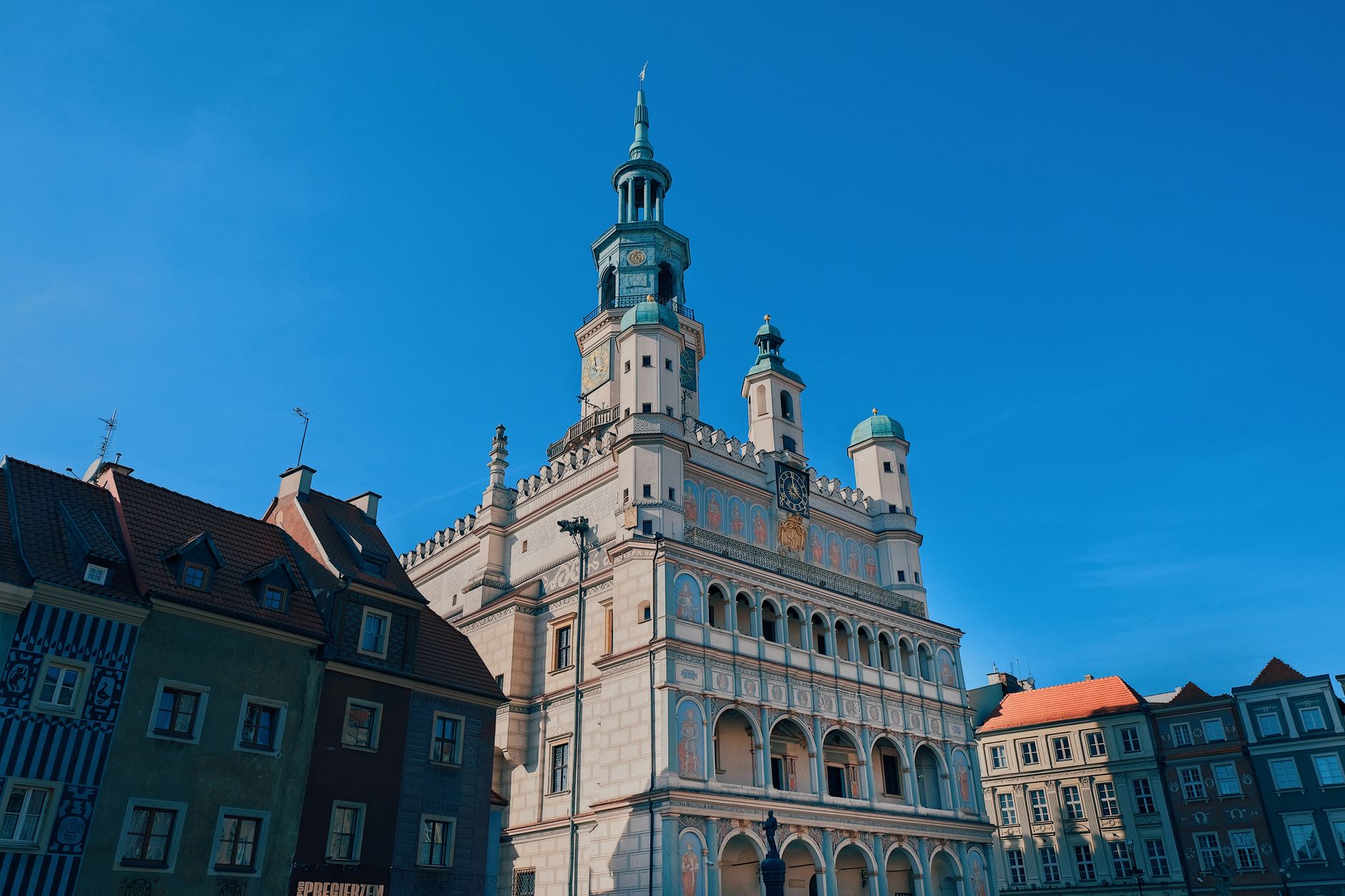
Poznan, a city steeped in history and vibrant culture, is often celebrated for its colorful Old Market Square and iconic goat show. But peel back the layers, and you'll find a wealth of lesser-known treasures, each with a compelling story waiting to be told. This ancient capital of Wielkopolska holds secrets in its quiet corners, offering profound insights into Poland’s complex past and resilient spirit.
Forget the guidebooks that stick to the well-trodden path. We've curated a list of genuinely captivating spots that offer a deeper, more nuanced understanding of Poznan. From haunting historical sites to architectural marvels and serene natural retreats, prepare to have your curiosity sparked by the unexpected.
1. Jezioro Rusałka – The Lake of Shadows
Poznan, Poland
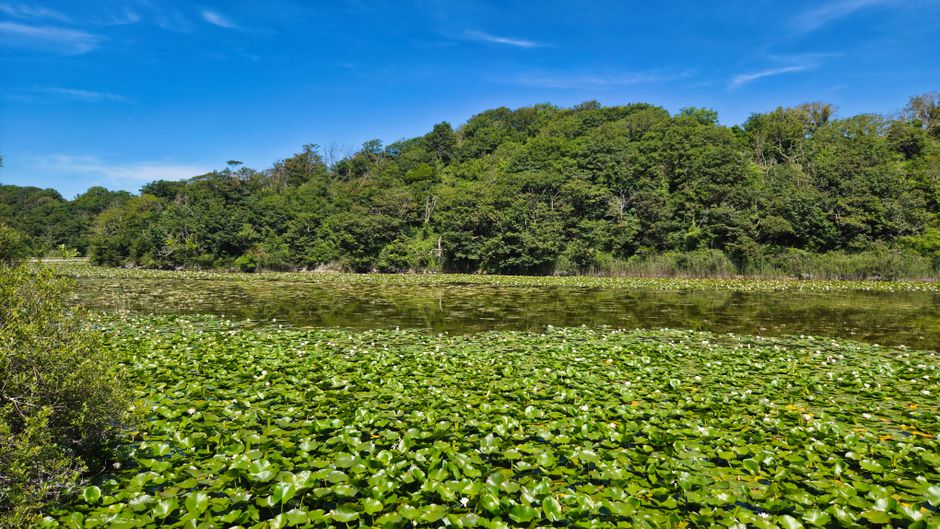
This serene lake, popular for recreation, hides a dark past, having been created by forced labor during WWII over demolished Jewish cemeteries.
Jezioro Rusałka, or Rusałka Lake, appears as a peaceful retreat today, but its origins are deeply unsettling. During World War II, German occupying forces used forced labor, including prisoners of war and Jews, to construct this artificial reservoir. The lake bed was formed, in part, from the rubble of Jewish cemeteries and synagogues that were deliberately destroyed by the Nazis, a chilling testament to the city's wartime suffering.
2. Śródka District – Poznan's Colorful Storybook
Poznan, Poland
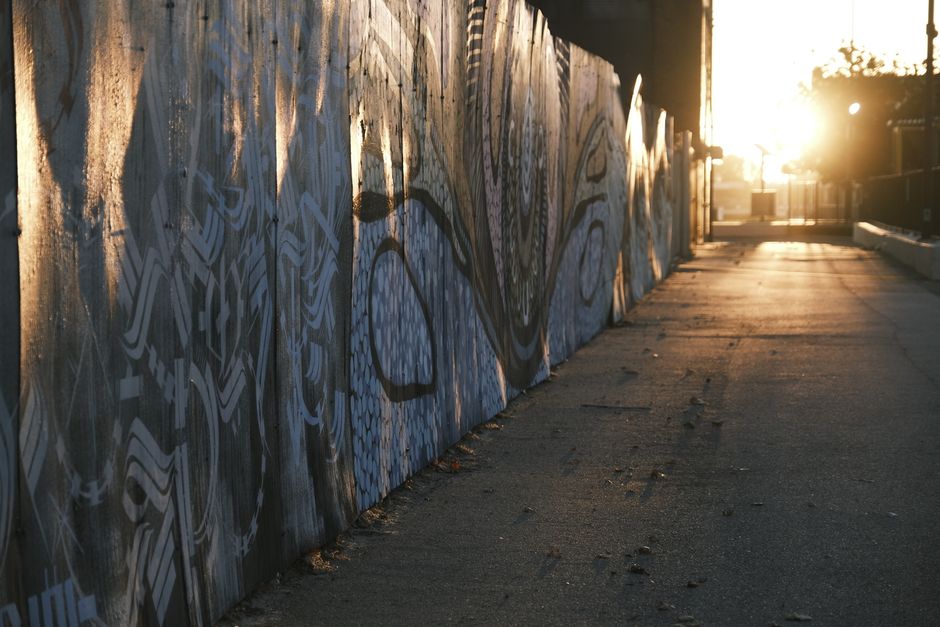
Once a separate medieval town, Śródka now captivates visitors with its vibrant street art and a unique "bridge of the gates" connecting it to ancient Ostrów Tumski.
Cross the Cybina River and step into Śródka, a district that feels like a village within the city. Its narrow streets are adorned with stunning murals depicting Poznan's history, most famously the "Śródka Legend" mural. The modern Brama Poznania bridge, an architectural marvel, links Śródka to Ostrów Tumski, the cathedral island, symbolizing the district's historical independence and its eventual integration into Poznan.
3. Former Great Synagogue – A Sacred Space Transformed
Poznan, Poland
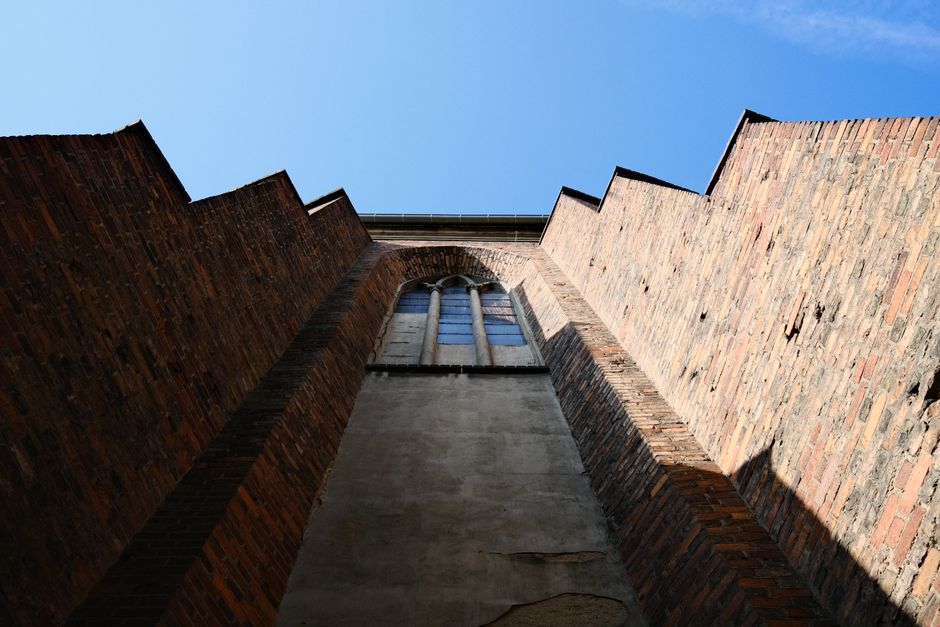
Poznan's grand synagogue, a symbol of Jewish life before the war, was desecrated and converted into a public swimming pool by the Nazis.
Built in the early 20th century, the New Synagogue (Nowa Synagoga) was once the heart of Poznan's thriving Jewish community. Tragically, during World War II, the German occupation forces stripped the synagogue of its religious symbols, remodeled its interior, and repurposed it as a public swimming pool for Wehrmacht soldiers. Today, the building still stands, serving as an aquatic center, a silent and poignant reminder of a lost community and unimaginable cultural destruction.
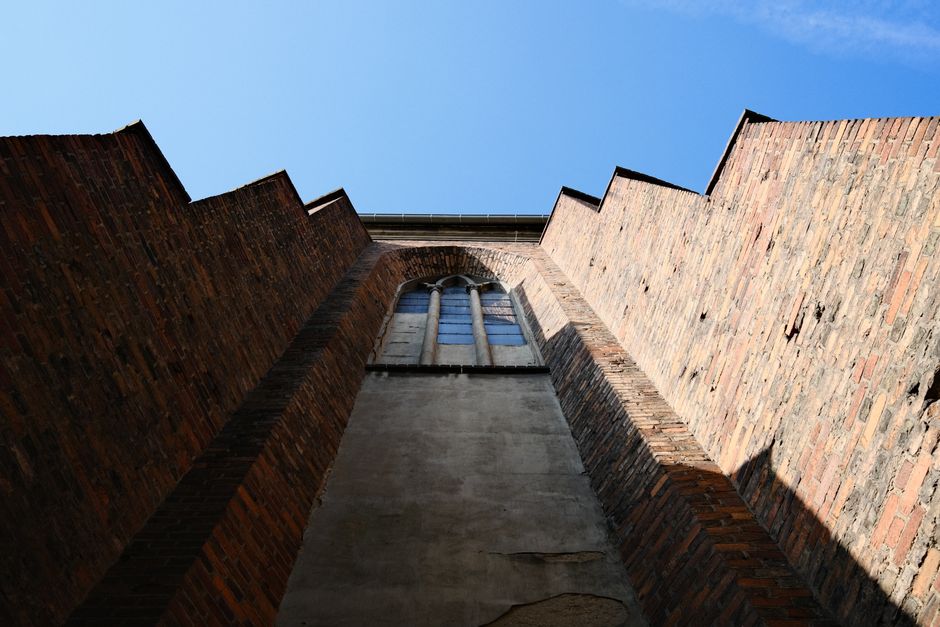
4. Fort VII – The Silent Sentinel of Suffering
Poznan, Poland
This 19th-century Prussian fortress holds a dark and significant history as the first Nazi concentration camp established on Polish soil.
Part of Poznan's ring of Prussian fortifications, Fort VII, also known as Fort Colomb, became a place of immense suffering immediately after the German invasion of Poland in 1939. It served as the first concentration camp in occupied Poland, where Polish intellectuals, resistance fighters, and Jews were imprisoned, tortured, and murdered. It was also the site of early gas chamber experiments, making it a crucial, albeit grim, historical landmark often overlooked by casual visitors.
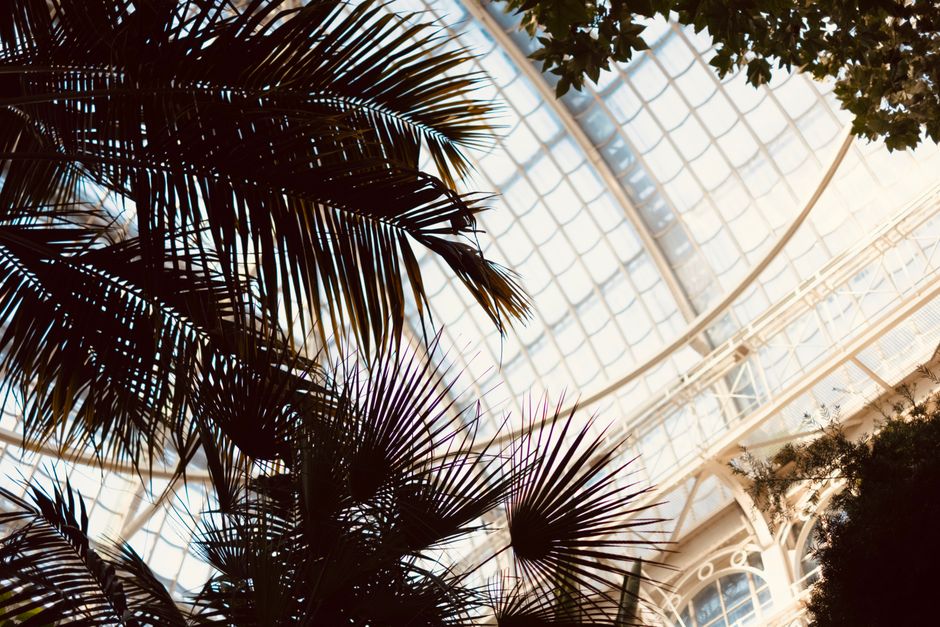
5. Poznań Palm House (Palmiarnia Poznańska) – Oasis of Resilience
Poznan, Poland
One of Europe's largest palm houses, this botanical wonder survived two world wars to continue showcasing diverse plant life from across the globe.
The Poznań Palm House is an impressive horticultural complex, home to thousands of plant species from various climate zones, including majestic palms and exotic orchids. Established in 1911, it endured significant damage during both World Wars but was meticulously rebuilt and expanded each time. Its glasshouses offer a warm, humid escape, demonstrating a remarkable resilience and a commitment to botanical preservation through turbulent times.
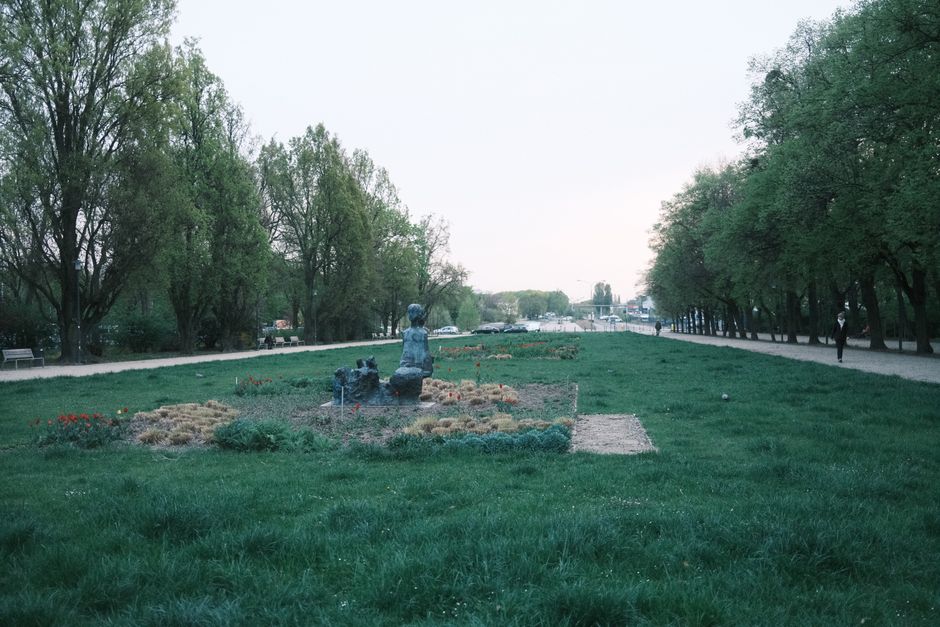
6. Cytadela Park – Art Amidst Ancient Walls
Poznan, Poland
Beyond its serene green spaces, this park hides remnants of a massive Prussian fortress and features thought-provoking abstract sculptures by a renowned Polish artist.
Cytadela Park, Poznan's largest green area, was once a formidable Prussian fort. While its military past is evident in surviving bunkers and ramparts, the park is also home to a unique outdoor gallery. Among its most striking features are the "Nierozpoznani" (Unrecognized) sculptures by Magdalena Abakanowicz, a world-renowned Polish artist. These monumental, headless figures invite contemplation on humanity and anonymity, offering a poignant contrast to the park's martial history.
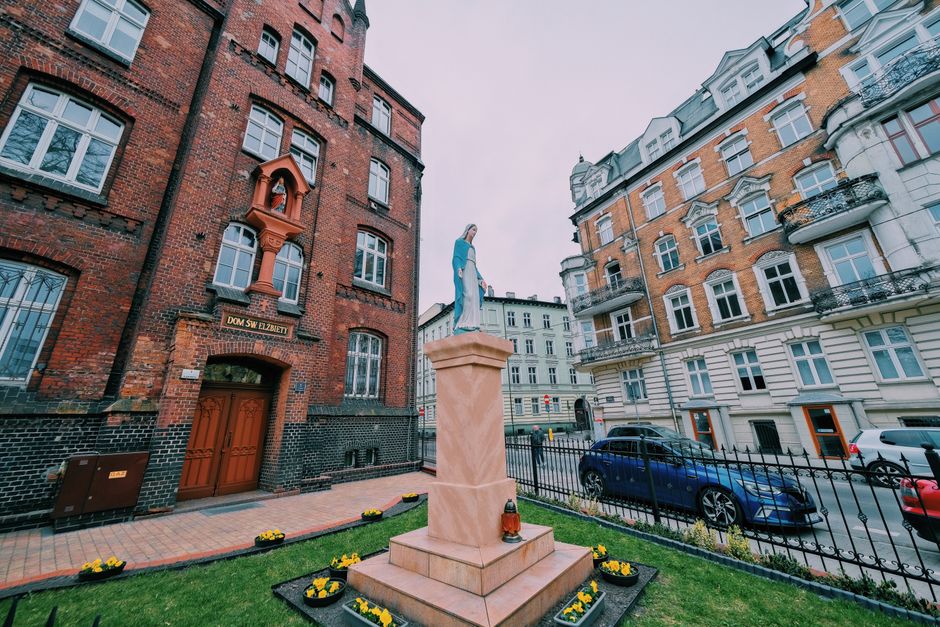
7. Church of St. John of Jerusalem Outside the Walls (Kościół św. Jana Jerozolimskiego za Murami)
Poznan, Poland
This ancient church, founded by the Knights Hospitaller, stands as one of Poznan's oldest, with a defensive, almost fortress-like architectural character.
Dating back to the 12th century, the Church of St. John of Jerusalem is one of Poznan's truly historic gems, established by the Knights Hospitaller. Its name "outside the walls" refers to its original location beyond the city's medieval fortifications. The church's sturdy, Romanesque-Gothic structure, with thick walls and small windows, reflects its dual role as both a sacred place and a defensive stronghold in turbulent times, offering a glimpse into early medieval Poznan.
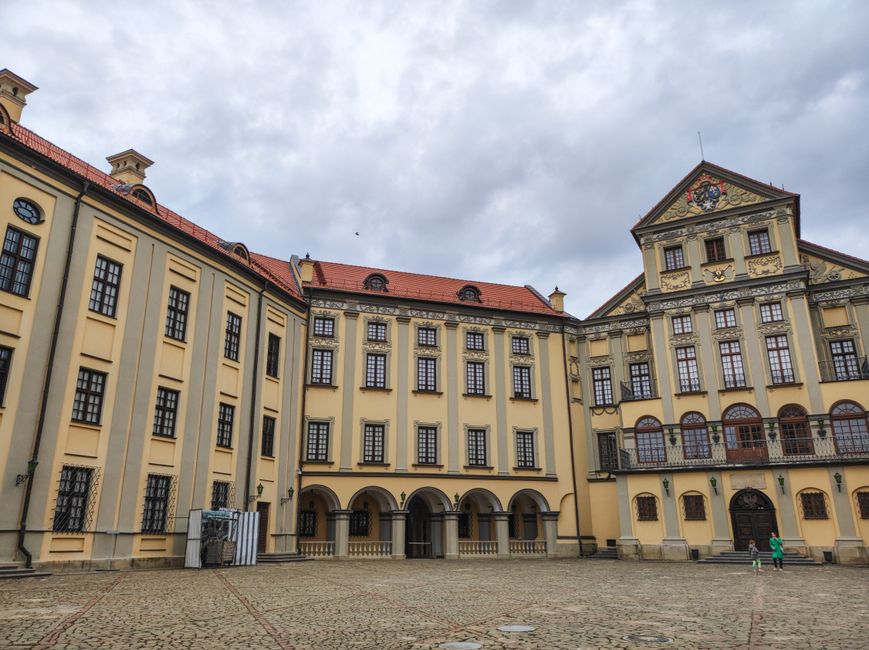
8. Górka Palace (Archaeological Museum) – A Renaissance Secret
Poznan, Poland
The city's Archaeological Museum is housed in a stunning former Renaissance palace with a hidden inner courtyard and an ancient, intricate sundial.
The Górka Palace, built in the 16th century for one of Poznan's most influential noble families, is an architectural marvel often overshadowed by the larger Old Market Square. Its Renaissance facade conceals a beautiful, arcaded inner courtyard, a testament to the family's wealth and taste. The palace also features an intriguing sundial, a precise instrument that once marked the hours for its noble inhabitants, offering a quiet moment of reflection on the passage of time.
Frequently asked questions
Is Poznan a walkable city?
Yes, Poznan's city center, including the Old Market Square, Ostrów Tumski, and many of the listed attractions, is very walkable. Public transport is efficient for longer distances, but exploring on foot reveals many hidden details.
What is Poznan famous for, besides the goats?
Beyond the iconic mechanical goats, Poznan is known as the birthplace of the Polish state, its vibrant academic scene, the historical Imperial Castle, and its delicious Rogal Świętomarciński (St. Martin's Croissant), a protected regional pastry.
What's the best time of year to visit Poznan?
Late spring (May-June) and early autumn (September-October) offer pleasant weather for sightseeing, with fewer crowds than peak summer. The city also hosts various festivals and events during these shoulder seasons.
How can AllTours.ai help me explore Poznan's hidden stories?
AllTours.ai is an AI audio tour guide app that brings places to life. Simply point your phone camera at any landmark or landscape, and the app will narrate its history, geology, and culture in your preferred language, revealing the hidden stories of Poznan as you explore.
Photography via Pexels. AllTours.ai is an AI audio tour guide — point your camera at any landscape and hear its story.