August 2, 2026 · 4 min read
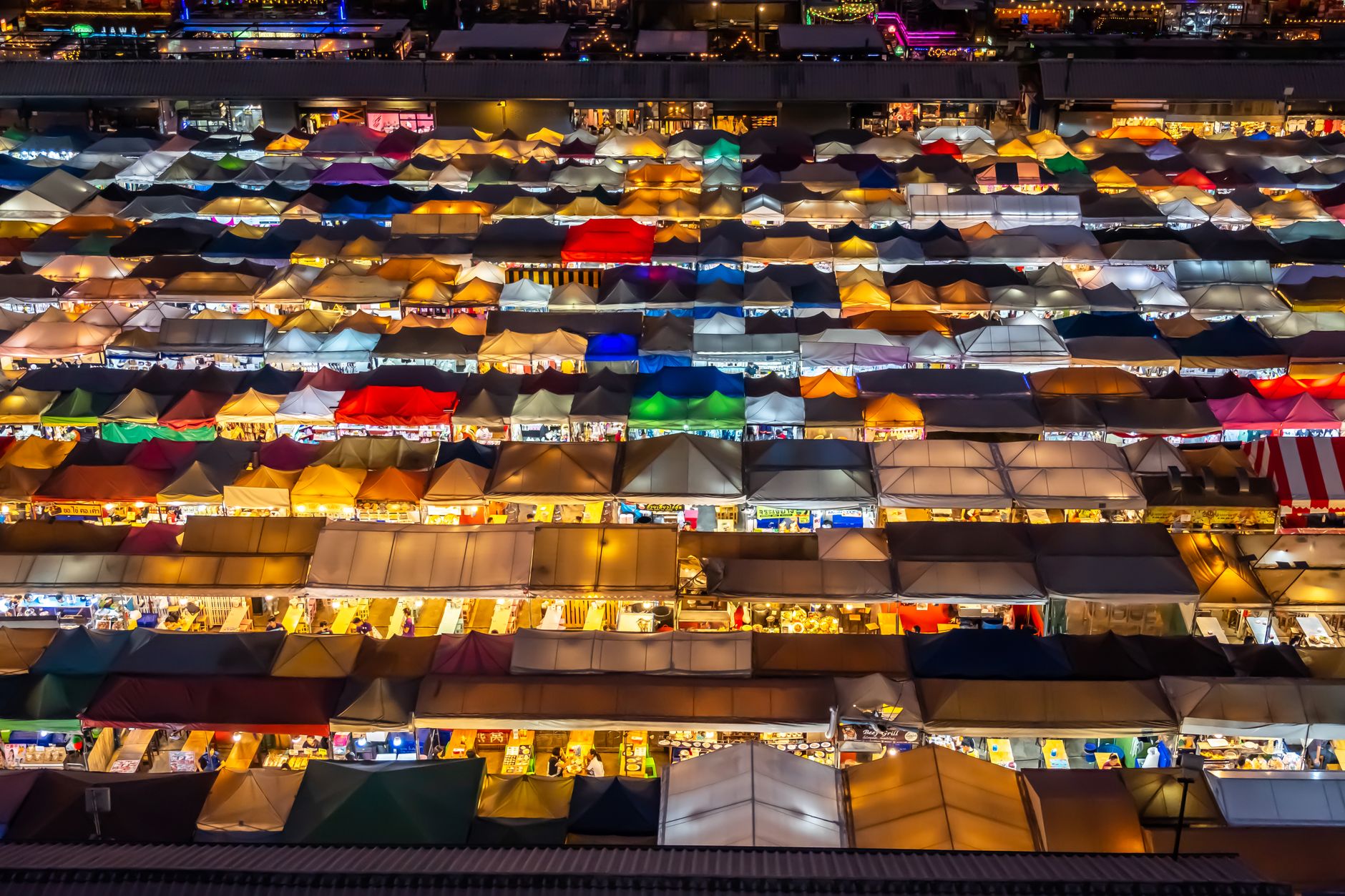
Bangkok and Singapore are legendary for their street food, sprawling culinary landscapes where every corner offers a new adventure for the palate. While the famous spots draw crowds, the true magic often lies in the lesser-known stalls and hidden hawker gems, each with a profound story woven into the fabric of its city's culture and history.
This guide dives beyond the usual tourist trails to reveal authentic, often surprising, culinary traditions. Prepare to uncover the unique flavors and the fascinating tales behind them, from ancient cooking methods to ingenious adaptations, providing a richer context for every delicious bite.
1. The 'Over-the-Counter' Curry Rice
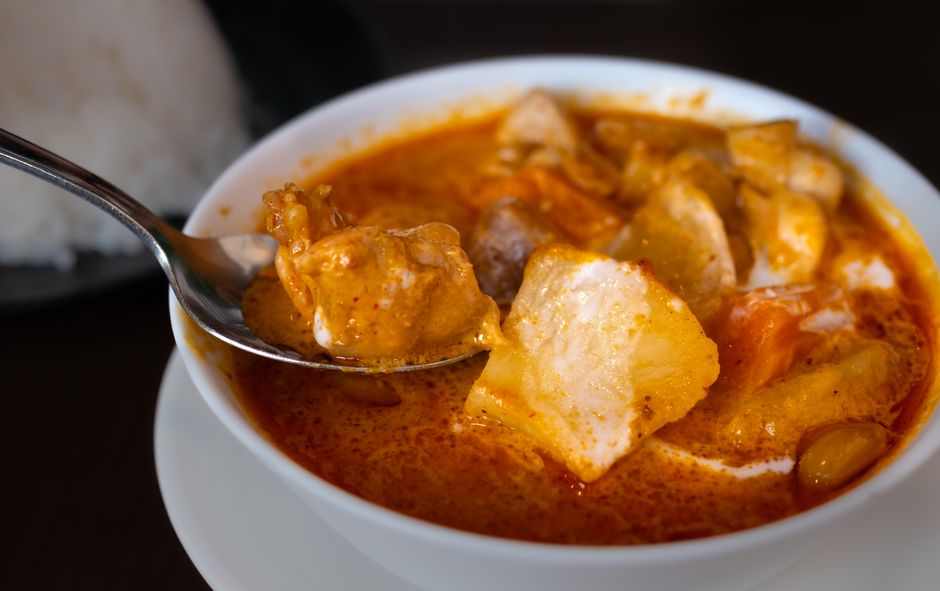
Khao Gaeng Jek Pui, Mangkon Road, Yaowarat, Bangkok, Thailand
Patrons pass dishes over a low counter, a unique tradition born from the stall's tiny footprint and communal spirit, a true reflection of old Bangkok's adaptable street life.
This no-frills institution, easily spotted by its simple setup of plastic stools and a long counter, has been serving hearty curry rice for decades. The 'over-the-counter' dish passing isn't just quirky; it's a practical solution to limited space, fostering an unspoken camaraderie among diners. Each spoonful of rich, aromatic curry tells a story of generations perfecting traditional Thai flavors, a taste of history in every bite.
2. Charcoal-Fired 'Wok Hei' Noodles
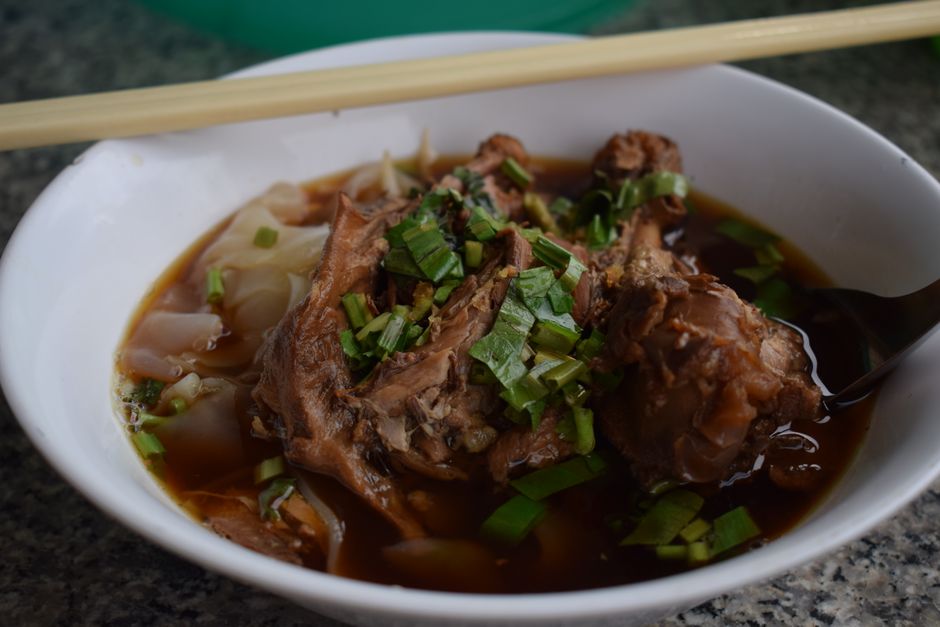
Guay Tiew Kua Gai Suanmali, Charoenkrung 49, Bangkok, Thailand
The 'kua gai' technique here, using charcoal fire, isn't just about flavor; it's a vanishing art form, perfected over decades to achieve the elusive 'wok hei' and smoky char.
Tucked away near the riverside, this unassuming stall specializes in Guay Tiew Kua Gai, a dry fried noodle dish that might seem simple but is anything but. The magic lies in the charcoal-fired wok, a traditional method that imparts an unparalleled smoky aroma and char to the wide rice noodles, chicken, and squid. This painstaking process, passed down through generations, represents a culinary heritage slowly fading in Bangkok's modern kitchens, offering a rare taste of authenticity.
3. Mythological Chinese Doughnuts
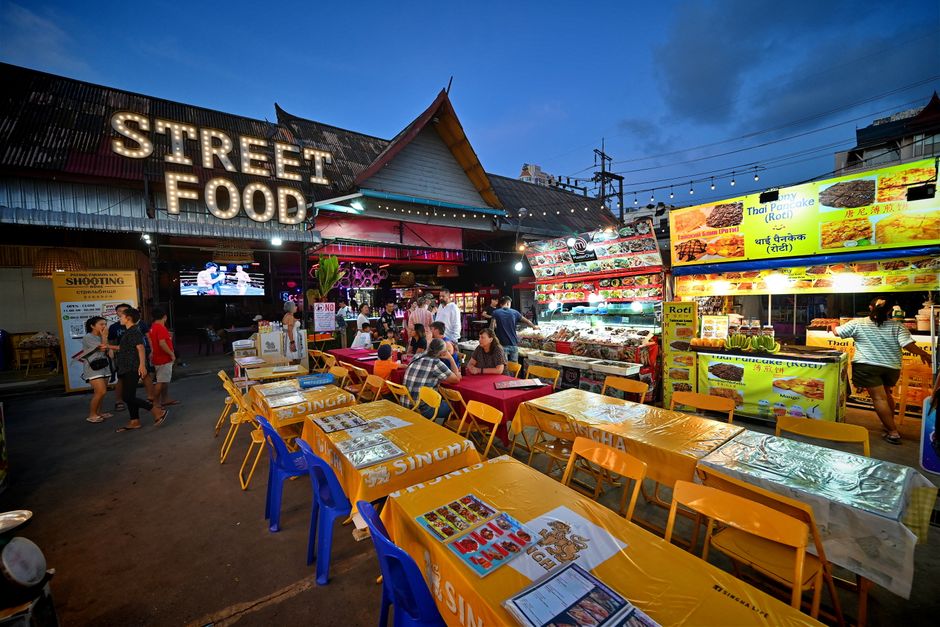
Pa Tong Go Savoey, Yaowarat Road, Bangkok, Thailand
Their unique 'dragon and phoenix' shaped doughnuts, often paired with soy milk, are not just breakfast; they symbolize good fortune and marital bliss in a tradition rooted in ancient Chinese mythology.
On the bustling Yaowarat Road, amidst the neon glow, lies a venerable stall dedicated to Pa Tong Go, Thai-Chinese deep-fried dough sticks. What sets Savoey apart are their distinctively shaped doughnuts, resembling intertwining dragons and phoenixes. This symbolism, borrowed from ancient Chinese culture, makes a simple breakfast item a bearer of wishes for prosperity and harmony. Dipped in pandan custard or soy milk, these crispy, fluffy delights offer a sweet, historical start to the day.
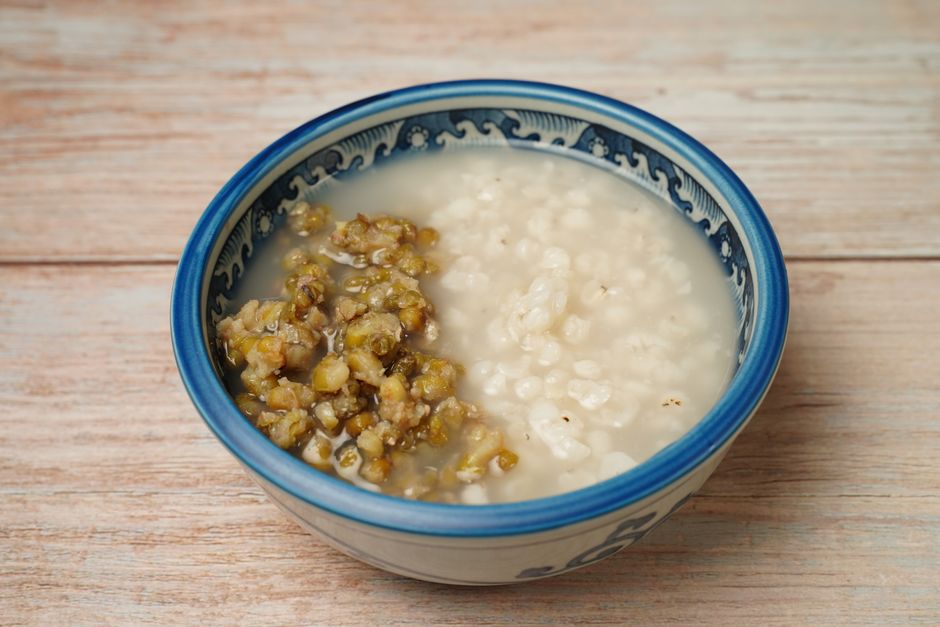
4. The Smoky Clay Pot Congee
Jok Prince, Charoenkrung Road (near Prince Theatre), Bangkok, Thailand
This legendary congee stall uses a specific ancient charcoal furnace and clay pot method, creating a unique smoky aroma that distinguishes it from all others.
Tucked into a narrow alleyway, Jok Prince is famous for its velvety smooth rice porridge, a comforting staple. The secret to its distinct flavor lies in the traditional preparation: a charcoal-fired furnace slowly cooking the congee in large clay pots. This meticulous method infuses the porridge with a subtle smoky fragrance that can't be replicated by modern means. It's a taste of Bangkok's bygone era, a humble dish elevated to an art form through generations of dedicated practice.
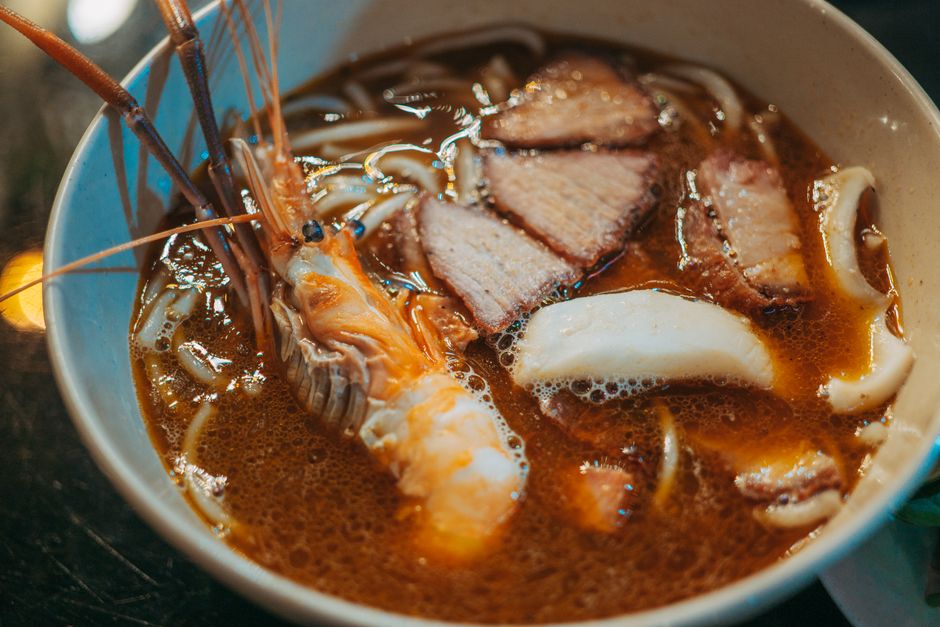
5. 12-Hour Braised Noodle Gravy
Xin Mei Xiang Lor Mee, Old Airport Road Food Centre, Singapore
The gravy's distinct viscosity comes from a painstaking 12-hour pig bone and five-spice simmer, a culinary dedication almost lost in today's fast-paced hawker scene.
At the lively Old Airport Road Food Centre, Xin Mei Xiang stands out for its Lor Mee, a Hokkien dish of flat yellow noodles swimming in a thick, dark gravy. The depth of flavor and unique consistency of their gravy are legendary, achieved through a laborious process of simmering pig bones and a secret blend of five-spice powders for half a day. This commitment to traditional, time-consuming methods showcases a hawker's unwavering dedication to preserving authentic flavors, a rare find in modern Singapore.
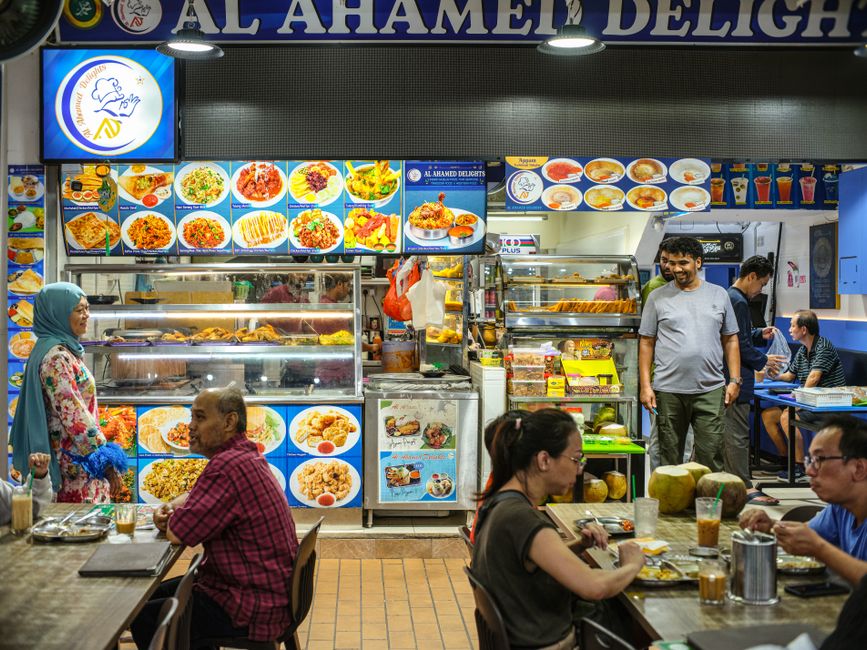
6. Post-War Immigrant Briyani
Allauddin's Briyani, Tekka Centre, Little India, Singapore
Operating since the 1950s, this stall represents Singapore's post-war immigrant culinary scene, adapting South Indian flavors to become a beloved national dish.
Within the vibrant Tekka Centre in Little India, Allauddin's Briyani offers a taste of Singapore's rich multicultural tapestry. Established in the early post-war years, this stall has been perfecting its fragrant biryani for generations, a staple for both the local Indian community and beyond. The dish, with its tender meat and aromatic basmati rice, reflects the ingenious adaptation of South Indian cooking techniques to suit local palates, embodying the fusion of cultures that defines Singaporean identity.
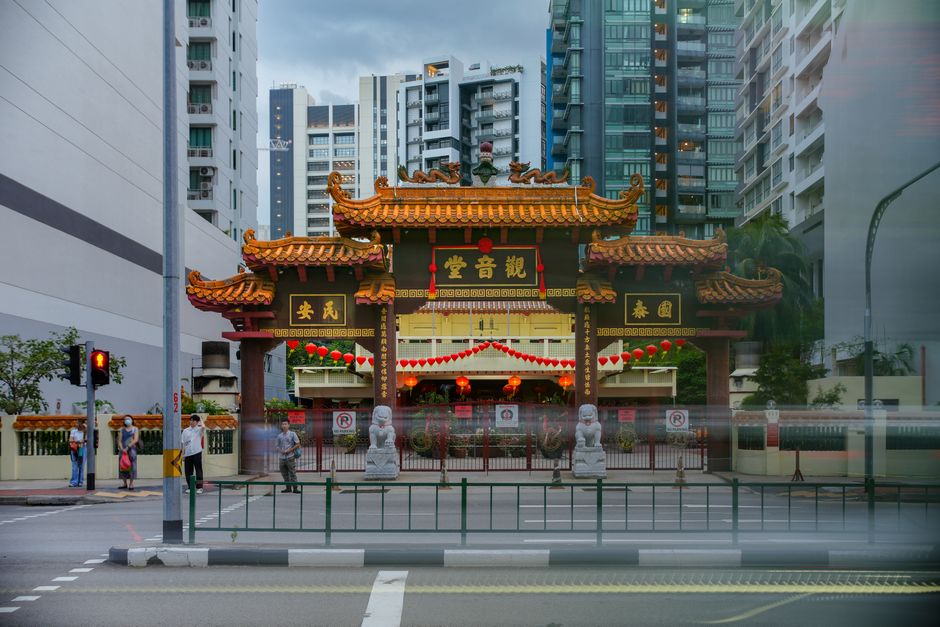
7. Fujianese Prawn & Pork Noodle Legacy
Ah Hock Fried Hokkien Mee, Chomp Chomp Food Centre, Singapore
The complex broth, the secret to its deep umami, uses a precise blend of prawn and pork stock, a technique honed over decades by Fujianese immigrants adapting their cuisine.
Chomp Chomp Food Centre, a beloved haunt for locals, is home to Ah Hock Fried Hokkien Mee. This isn't just fried noodles; it's a symphony of flavors created by soaking yellow and rice noodles in a rich, savory broth made from slow-cooked prawn and pork bones. The 'wok hei' is palpable, with each strand of noodle absorbing the intense umami. This dish traces its lineage to Fujianese immigrants who brought their culinary traditions to Singapore, evolving it into a uniquely local favorite, perfect for late-night cravings.
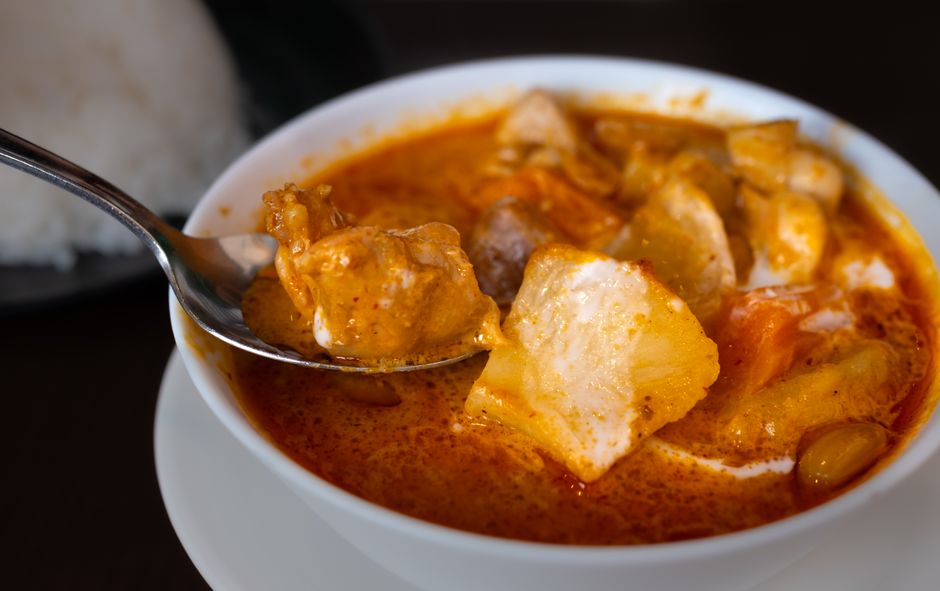
8. The Iconic 'Scissor-Cut' Curry Rice
Beach Road Scissor-Cut Curry Rice, 229 Jalan Besar, Singapore
The iconic 'scissor-cut' method isn't just for speed; it’s a practical evolution of Hainanese culinary tradition, allowing for swift, precise serving of diverse dishes over rice.
While seemingly simple, Hainanese Curry Rice is a culinary institution, and the Beach Road Scissor-Cut Curry Rice stall is a prime example. Here, a variety of dishes—from crispy pork cutlets to braised cabbage—are swiftly 'scissor-cut' directly onto your plate of rice. This distinctive serving method, born out of efficiency and practicality in the bustling hawker environment, ensures every bite has a mix of textures and flavors. It's a testament to Hainanese resourcefulness, transforming humble ingredients into a comforting, customizable meal.
Frequently asked questions
What's the best time to visit street food markets in Bangkok and Singapore?
Generally, evenings are best when markets truly come alive with bustling crowds and a wider array of stalls. Some breakfast spots, like congee or dough stick vendors, open early morning.
How can I find these lesser-known street food spots?
Beyond online guides, locals are your best resource. Don't be afraid to ask hawkers or fellow diners for recommendations. Many hidden gems are found by simply wandering off the main thoroughfares.
Is street food safe to eat in Bangkok and Singapore?
Both cities have high food safety standards, especially in hawker centres. Look for stalls with long queues, high turnover, and visible hygiene practices. Freshly cooked food is always a good sign.
How does the AllTours.ai app enhance my street food adventure?
While enjoying a dish, point your phone camera at a landmark or even the market around you. AllTours.ai will narrate its history, geology, or cultural significance, giving you deeper context to your culinary discoveries.
Photography via Pexels. AllTours.ai is an AI audio tour guide — point your camera at any landscape and hear its story.