May 21, 2026 · 4 min read
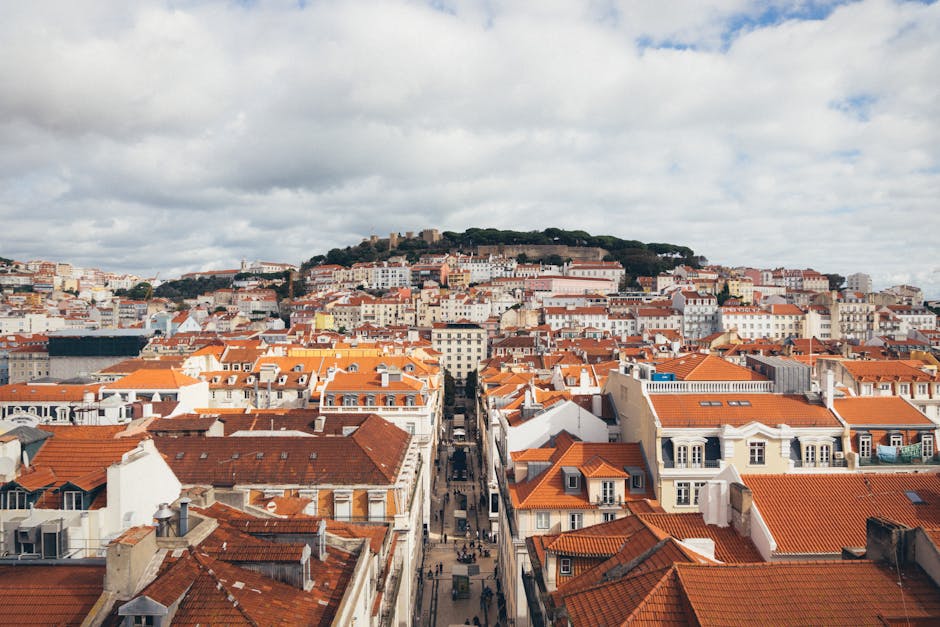
Lisbon's charm is undeniable, drawing millions with its Fado-filled alleys and iconic trams. Yet, beneath the surface of its well-trodden paths lies another Lisbon, one brimming with quiet beauty, dramatic history, and local life that most visitors never encounter. This is the city of untold tales, waiting to be discovered beyond the postcard views.
If you’re eager to peel back the layers and truly understand the soul of this ancient city, to find viewpoints where only locals gather, or to trace the footsteps of seismic events that reshaped its very fabric, then prepare to step off the beaten track. These hidden gems in Lisbon offer a deeper connection to its past and present.
1. The Silent City of Prazeres
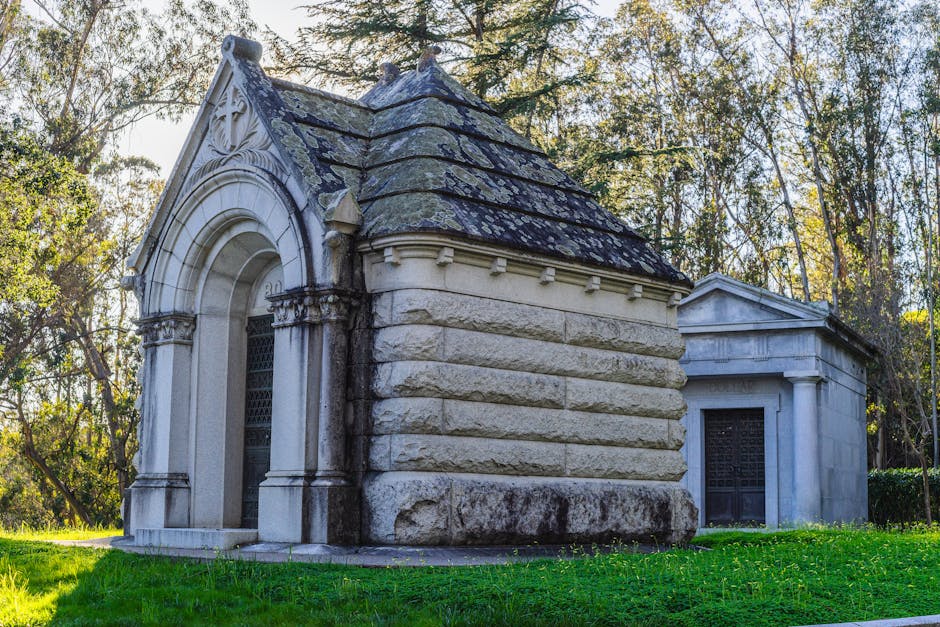
Cemitério dos Prazeres, Lisbon, Portugal
This elaborate "city of the dead" offers some of Lisbon's most unexpected panoramic views and houses the eternal rest of many of Portugal's most influential figures.
Established after the 1755 earthquake to address sanitation, Cemitério dos Prazeres is less a graveyard and more an open-air museum. Its grid-like streets are lined with ornate mausoleums, some resembling miniature palaces, reflecting the wealth and status of families like the Palmela Dukes. Beyond the intricate sculptures and stained glass, the cemetery’s western edge provides breathtaking vistas over the Tagus River and the 25 de Abril Bridge, a serene contrast to its solemn purpose.
2. The Haunted Echoes of São Domingos
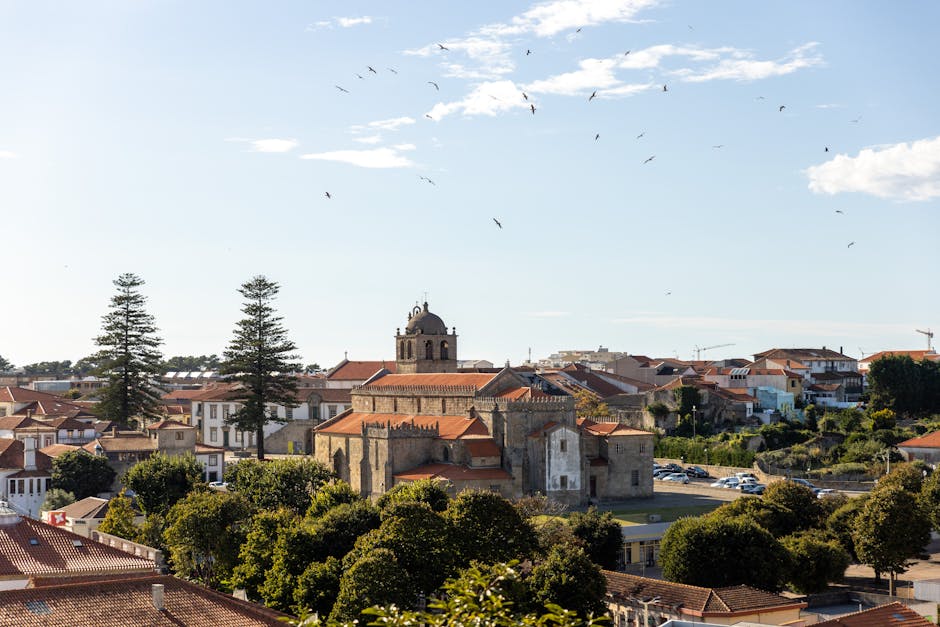
Igreja de São Domingos, Lisbon, Portugal
This church miraculously survived the devastating 1755 earthquake, only to be ravaged by a catastrophic fire centuries later, leaving a hauntingly beautiful and scarred interior.
Walk into Igreja de São Domingos and you are immediately struck by its raw, unadorned interior. While the main structure withstood the Great Earthquake, a devastating fire in 1959 gutted the church, melting candles and charring the stone. Instead of restoration to its former grandeur, the decision was made to preserve its burnt walls and cracked pillars, creating an eerily powerful space that whispers tales of resilience and catastrophe. It’s a profound reminder of Lisbon's enduring spirit.
3. Fronteira Palace's Tile Gardens
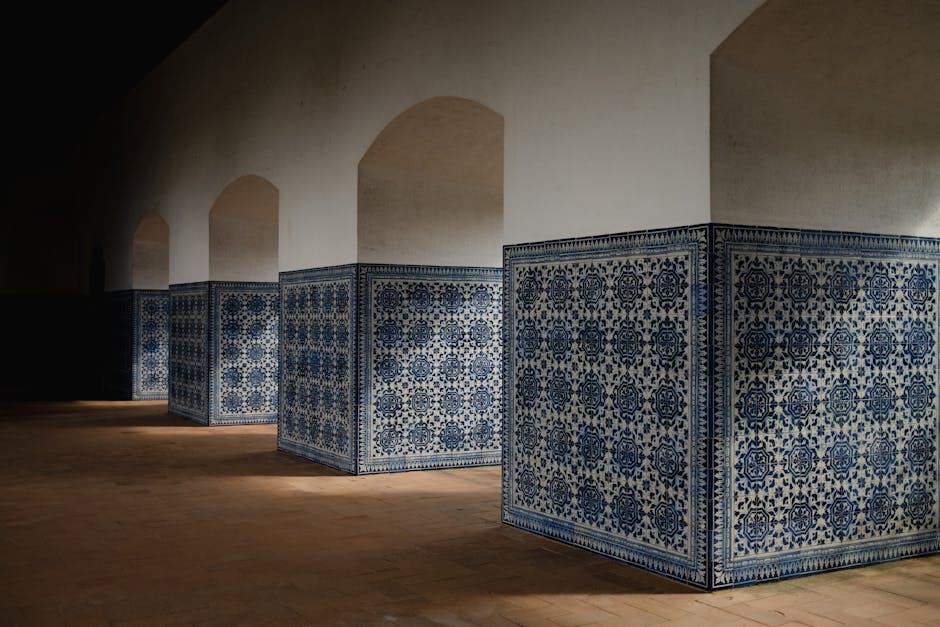
Palácio dos Marqueses de Fronteira, Lisbon, Portugal
Escape the city bustle to discover a 17th-century palace where gardens are not just green, but an explosion of vibrant azulejo artistry depicting mythological scenes and battles.
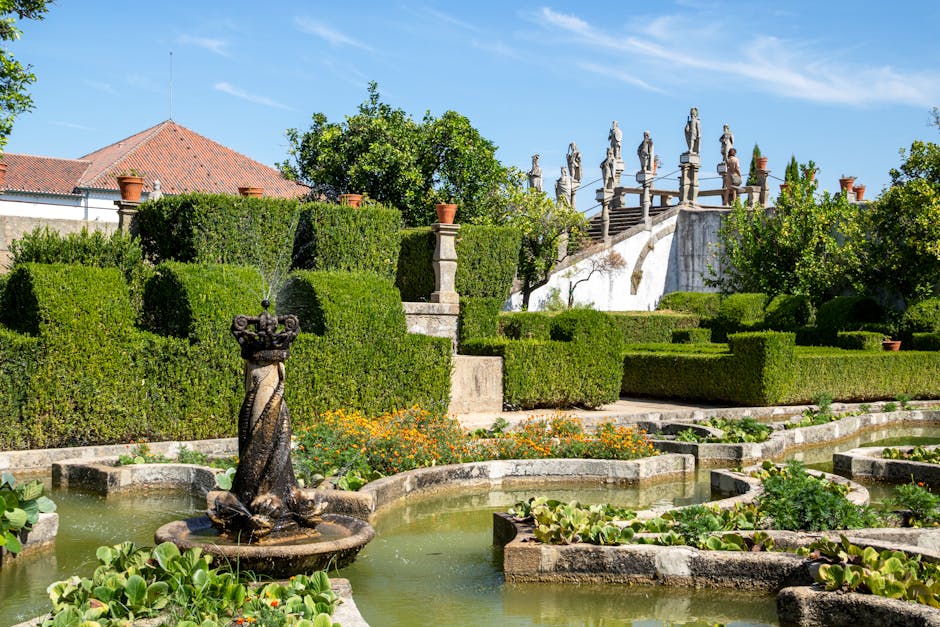
Tucked away in the Benfica district, the Palácio dos Marqueses de Fronteira is a hidden baroque gem. While the palace itself holds historical charm, its true marvel lies in the "Garden of Venus" and "Gallery of Kings," where walls, benches, and even fountains are adorned with magnificent azulejos. These intricate tile panels narrate epic battles, allegorical tales, and royal portraits, creating a stunning outdoor gallery that feels like stepping into a living painting. It's a testament to Portuguese tile mastery.
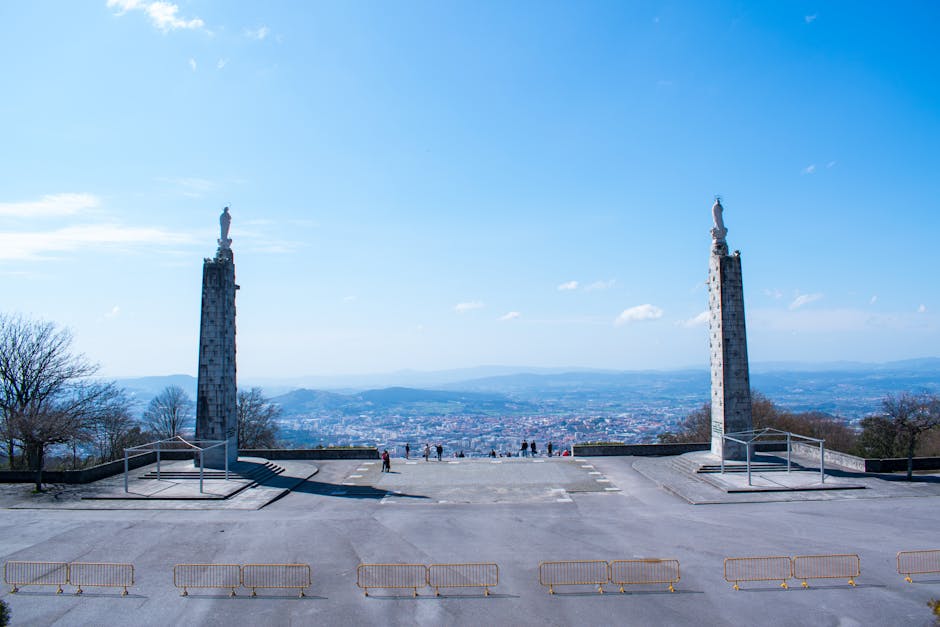
4. Monte Agudo's Local Panorama
Miradouro do Monte Agudo, Lisbon, Portugal
Far from the popular tourist viewpoints, this small, unassuming miradouro offers truly local vibes and expansive vistas over Lisbon's northern districts.
Perched discreetly in a residential area, Miradouro do Monte Agudo is a secret known mostly to locals. It lacks the cafes and crowds of its more famous counterparts, offering instead a quiet bench and an uninterrupted panorama stretching across the city, from the distant hills to the Tagus River. This is a place to catch your breath, watch the city unfold beneath you, and feel the pulse of authentic Lisbon without the tourist bustle, especially beautiful at sunset.
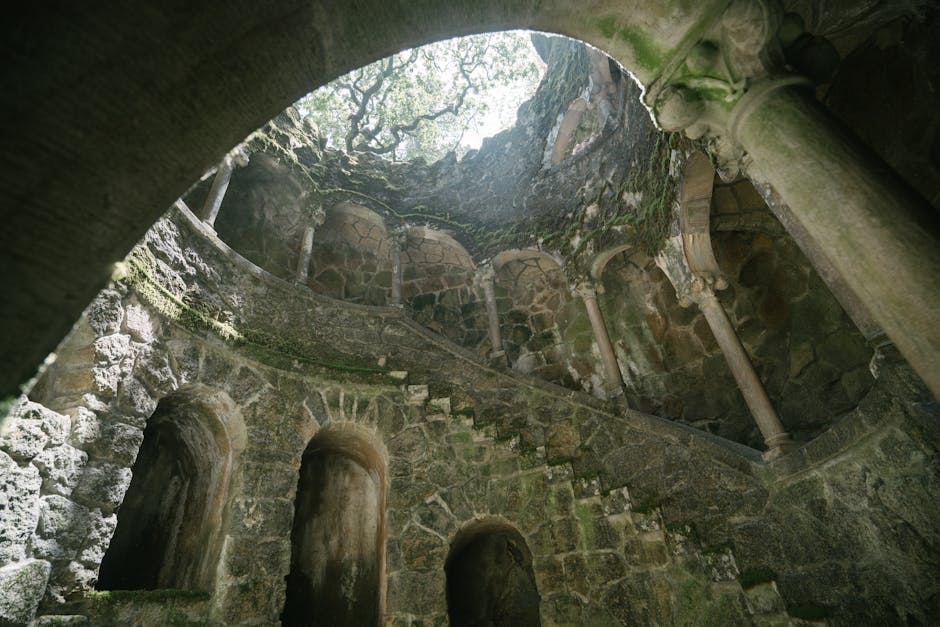
5. The Amoreiras Water Cathedral
Reservatório da Mãe d'Água das Amoreiras, Lisbon, Portugal
Descend into an awe-inspiring 18th-century underground reservoir, a monumental engineering marvel that once supplied Lisbon with fresh water.
Part of the Águas Livres Aqueduct system, the Reservatório da Mãe d'Água das Amoreiras is an extraordinary feat of hydraulic engineering. This cavernous stone chamber, with its forest of arches and pillars, was designed to store the city's water supply. Today, it’s an atmospheric museum space, where visitors can walk across elevated walkways and even climb to the rooftop for unique views over the aqueduct and Lisbon. The sheer scale and historical significance are breathtaking.
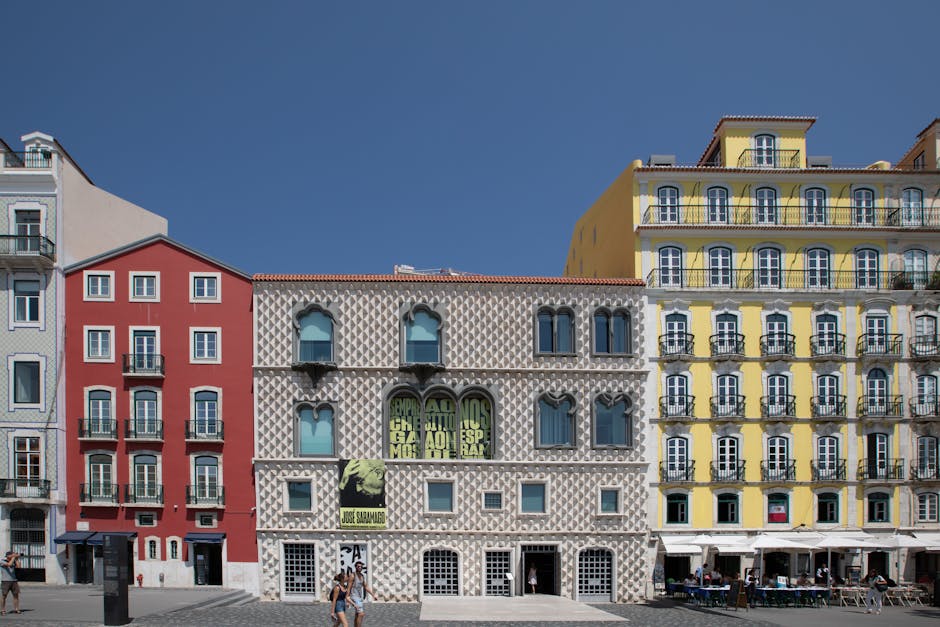
6. The Resilient Tiles of Ferreira das Tabuletas
Casa do Ferreira das Tabuletas, Lisbon, Portugal
This remarkable building boasts an original 18th-century azulejo facade that miraculously survived the 1755 earthquake, a vibrant piece of pre-quake Lisbon history.
Standing proudly in the rebuilt Baixa district, the Casa do Ferreira das Tabuletas is a striking anomaly. While much of downtown Lisbon was leveled by the earthquake and subsequent tsunami and fire, this building, located near Praça do Comércio, retained its exquisite azulejo facade. The tiles depict allegorical figures and mythological scenes, a rare surviving example of pre-earthquake decorative art. It serves as a colorful, tangible link to the city's past, contrasting sharply with the Pombaline rationalism surrounding it.
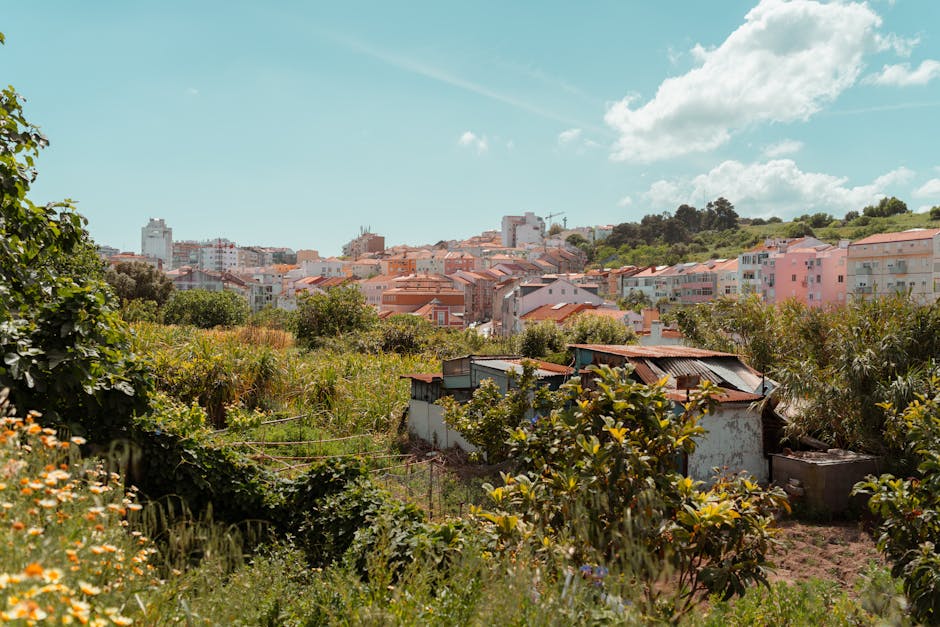
7. Arroios: Lisbon's Multicultural Canvas
Arroios, Lisbon, Portugal
Wander through Arroios, a vibrant, multicultural neighborhood showcasing impressive Art Nouveau architecture and a true melting pot of local life, far from tourist paths.
Arroios, once a working-class district, has transformed into one of Lisbon's most dynamic and diverse neighborhoods. It's a captivating blend of historic architecture, particularly stunning Art Nouveau and Art Deco buildings, and a bustling, international community. Explore its quieter streets to discover independent shops, authentic global eateries, and lively local markets. This is where modern Lisbon lives, offering a glimpse into the city’s evolving identity beyond its traditional charms.
8. Royal Views at Ajuda Botanical Garden
Jardim Botânico da Ajuda, Lisbon, Portugal
Discover Lisbon's first botanical garden, commissioned by royalty, offering not only a serene escape but also unique views over the Tagus River and Belém.
Established in 1768, the Jardim Botânico da Ajuda was the first botanical garden in Portugal, created for the education of the royal princes. While less grand than some, its historical significance and quiet beauty are undeniable. Terraced and meticulously maintained, it features a diverse collection of plant species and ornate fountains. Its elevated position also provides lovely, often overlooked, vistas of the Tagus River, the Belém Tower, and the surrounding area, a perfect spot for peaceful contemplation.
Frequently asked questions
What are some truly non-touristy things to do in Lisbon?
Beyond the well-known sites, seek out experiences like visiting the Cemitério dos Prazeres for its unique history and views, exploring the residential charm of Campo de Ourique, or delving into the vibrant, multicultural streets of Arroios. These spots offer a glimpse into local life.
Is Lisbon a walkable city?
Lisbon is famously built on seven hills, making it quite hilly but very walkable within its neighborhoods. Be prepared for steep ascents and descents. Public transport, including trams, funiculars, and the metro, is excellent for longer distances or saving your legs.
What's the best way to understand the history of Lisbon's old buildings?
Many historic buildings in Lisbon have plaques, but a deeper understanding often requires local insight. Look for guided walking tours focused on specific neighborhoods or themes, or visit museums dedicated to Lisbon's history. Pay attention to architectural styles, like the Pombaline reconstruction after the 1755 earthquake.
How can AllTours.ai help me explore Lisbon's hidden gems?
AllTours.ai transforms your phone into an AI audio tour guide. Simply point your camera at a landmark, a tile-covered building, or a panoramic view, and the app will narrate its history, geology, and cultural significance in your language, bringing Lisbon's hidden stories to life as you explore.
Photography via Pexels. AllTours.ai is an AI audio tour guide — point your camera at any landscape and hear its story.