
July 4, 2026 · 4 min read
Canada's identity is inextricably woven from the threads of its two founding European cultures: French and English. This dual heritage, forged through centuries of conflict, cooperation, and distinct development, continues to echo across the nation, shaping its language, laws, and landscape.
But beyond the well-trodden paths of Quebec City or the Plains of Abraham, countless lesser-known places hold vivid, often surprising stories of how these historical tensions continue to manifest. Join us as we explore sites where the French and English legacies clashed, intertwined, and ultimately forged the unique cultural mosaic of modern Canada.
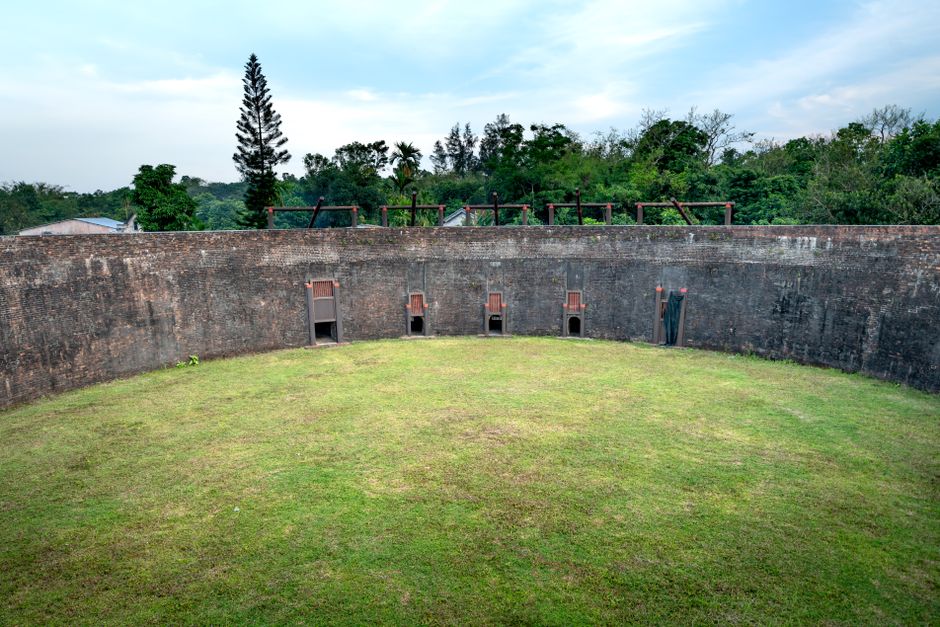
1. Fort Beauséjour – A Shifting Allegiance
Aulac, New Brunswick, Canada
This seemingly quiet fort near the New Brunswick-Nova Scotia border changed hands repeatedly between French and British forces.
Built by the French in 1751, Fort Beauséjour was a strategic stronghold guarding the Isthmus of Chignecto. Its capture by the British in 1755, renaming it Fort Cumberland, marked a turning point in the Acadian Expulsion, directly impacting French-speaking communities in the Maritimes. Today, its ruins whisper tales of constant struggle, loyalty, and betrayal that defined early Canadian identity. It stands as a stark reminder of the violent clash for control over Atlantic Canada.

2. St. Boniface – Riel's Legacy and Language Rights
Winnipeg, Manitoba, Canada
At the heart of Winnipeg lies a vibrant French quarter, a testament to Métis resistance and a battle for language equality in the prairies.
St. Boniface, once the capital of the Métis Nation and home to Louis Riel, became a focal point for French language rights in the late 19th century. The Manitoba Schools Question, which abolished public funding for Catholic (and thus largely French-speaking) schools, ignited a national debate. The majestic St. Boniface Cathedral Basilica, rebuilt after a fire, stands as a symbol of this community's enduring Franco-Manitoban identity, a legacy fought for against overwhelming English-speaking pressure.
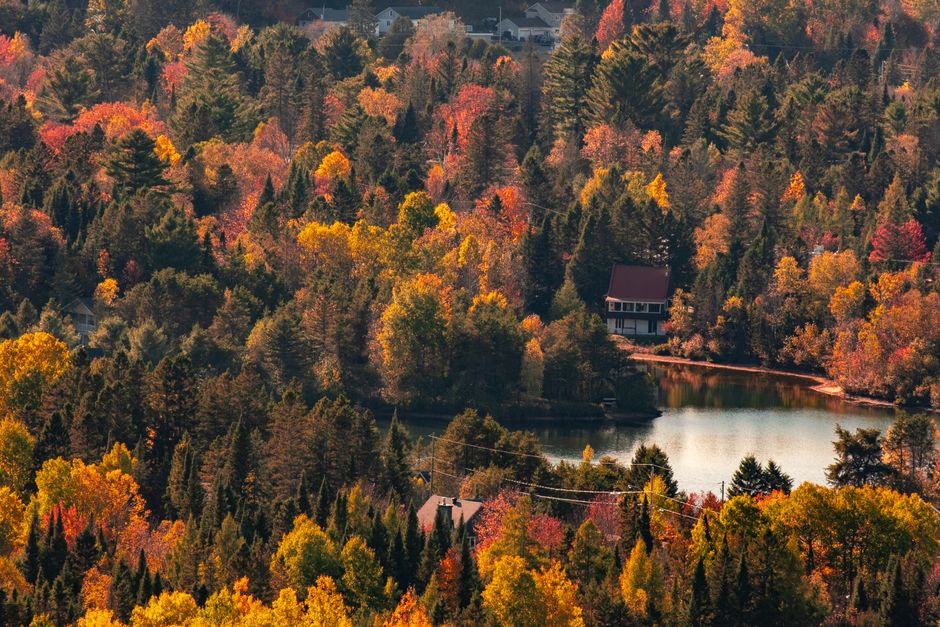
3. The Eastern Townships – Loyalist Enclaves
Quebec, Canada (specifically Sherbrooke area)
Tucked away in Quebec, this region tells the story of American Loyalists who fled revolution, establishing English-speaking towns in a predominantly French land.
Following the American Revolution, thousands of Loyalists, staunchly loyal to the British Crown, settled in what became the Eastern Townships of Quebec. These English-speaking communities, like Lennoxville and Knowlton, established their own institutions, schools, and cultural norms, forming distinct enclaves within the French-speaking province. Their presence created a unique bilingual landscape, where two distinct cultures developed side-by-side, influencing everything from architecture to local governance.

4. Placentia – France's Lost Outpost
Placentia, Newfoundland and Labrador, Canada
Before St. John's, this remote Newfoundland town was once the bustling capital of French North America, a pivotal site in the struggle for the New World.
Known as Plaisance under French rule, this strategic harbour was New France's capital and primary naval base in Newfoundland for over a century, beginning in the late 1600s. Its formidable fortifications, like Castle Hill, defended French fishing rights against frequent English attacks. The Treaty of Utrecht in 1713 ceded Plaisance to the British, marking a significant loss for France and a turning point in the imperial rivalry that defined the island's future as an English-speaking dominion.
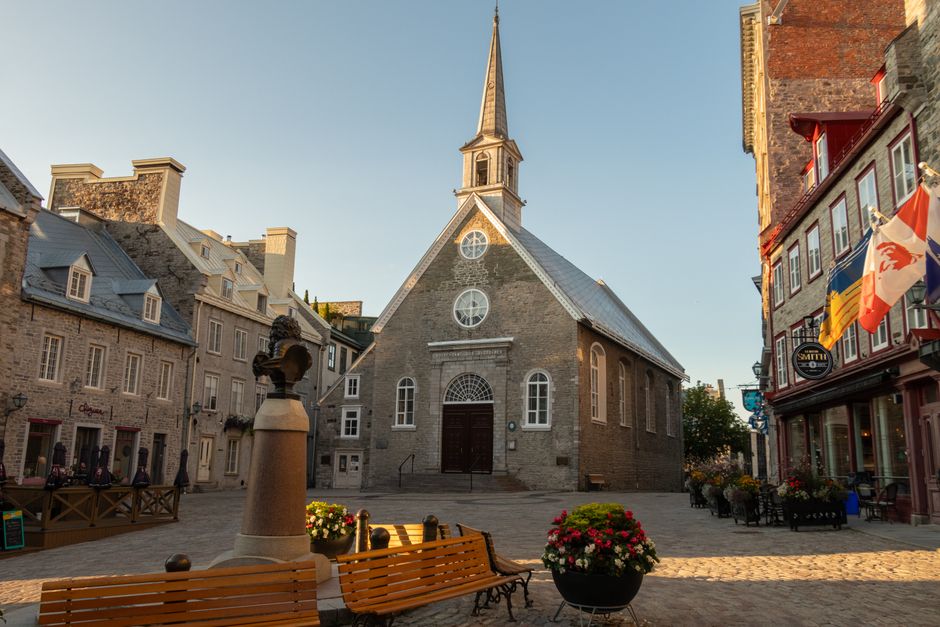
5. Sudbury – Franco-Ontarian Resilience
Sudbury, Ontario, Canada
In the heart of Ontario's nickel belt, Sudbury stands as a beacon of Franco-Ontarian culture, a testament to French language survival outside Quebec.
Sudbury boasts one of the largest and most vibrant Franco-Ontarian communities in Canada, a legacy of French-Canadian workers drawn to the mining industry. Despite historical pressures to assimilate, the city has fiercely preserved its French identity, establishing institutions like Laurentian University's French programs and the Place des Arts. This cultural resilience highlights the ongoing struggle for linguistic recognition and the unique challenges faced by French speakers in English-majority provinces, shaping a distinct 'Franco-Ontarian' identity.
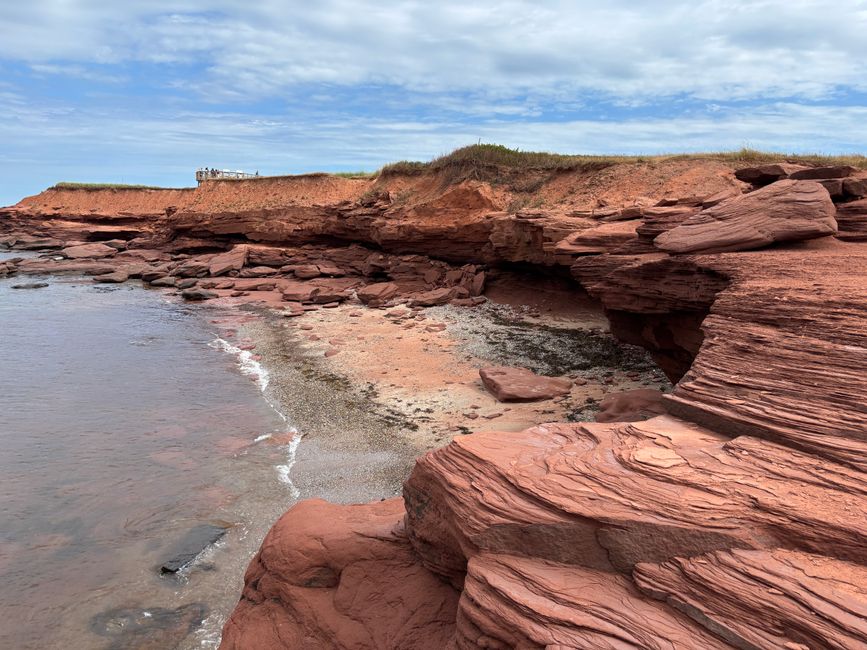
6. The Magdalen Islands – Acadian Echoes in the Gulf
Îles de la Madeleine, Quebec, Canada
This isolated archipelago in the Gulf of St. Lawrence preserves a unique Acadian heritage, distinct from mainland Quebec, a direct echo of the Expulsion.
While part of Quebec, the Magdalen Islands' population is largely descended from Acadians who returned to the Maritimes after the Grand Dérangement or sought refuge from British rule. Their distinct French dialect, maritime culture, and strong sense of community set them apart. This isolation fostered a unique cultural evolution, a living example of how the upheaval of the French-English conflict led to unexpected pockets of cultural preservation and adaptation, shaping a resilient identity.
7. Upper Canada Village – Loyalists' New Home
Morrisburg, Ontario, Canada
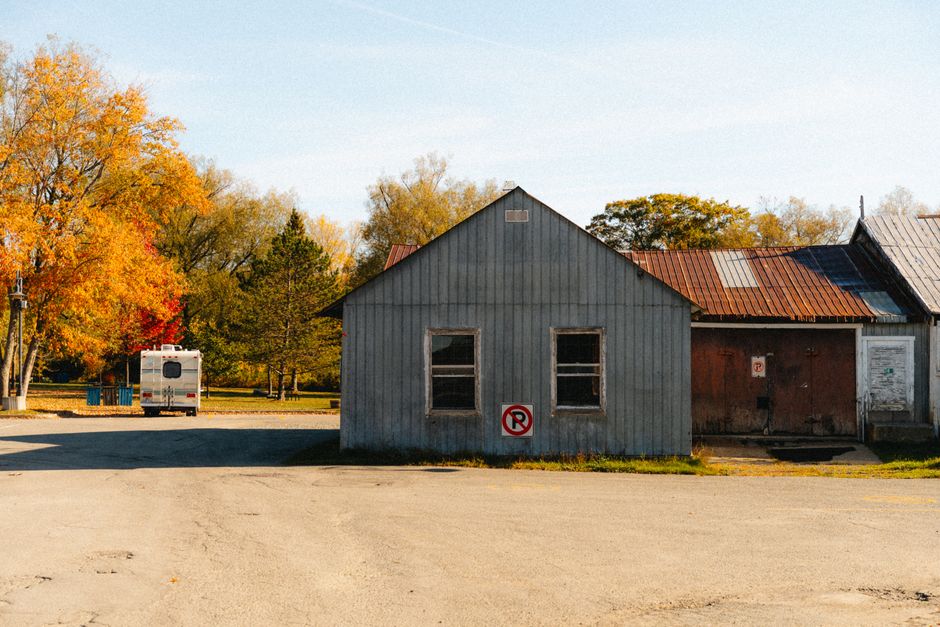
Step back in time to a meticulously preserved 1860s Loyalist village, showcasing the English-speaking culture established to counterbalance French Canada.
After the American Revolution, thousands of Loyalists settled along the St. Lawrence River, forming what would become Upper Canada (present-day Ontario). Upper Canada Village recreates this era, illustrating the distinctly English-Protestant culture these settlers brought. This influx was a deliberate British strategy to create a strong English-speaking presence adjacent to French-speaking Quebec, profoundly shaping the demographic and cultural landscape of central Canada and setting the stage for future linguistic and political dynamics.
8. Saint-Louis-du-Ha! Ha! – A Village of Enduring Spirit
Saint-Louis-du-Ha! Ha!, Quebec, Canada
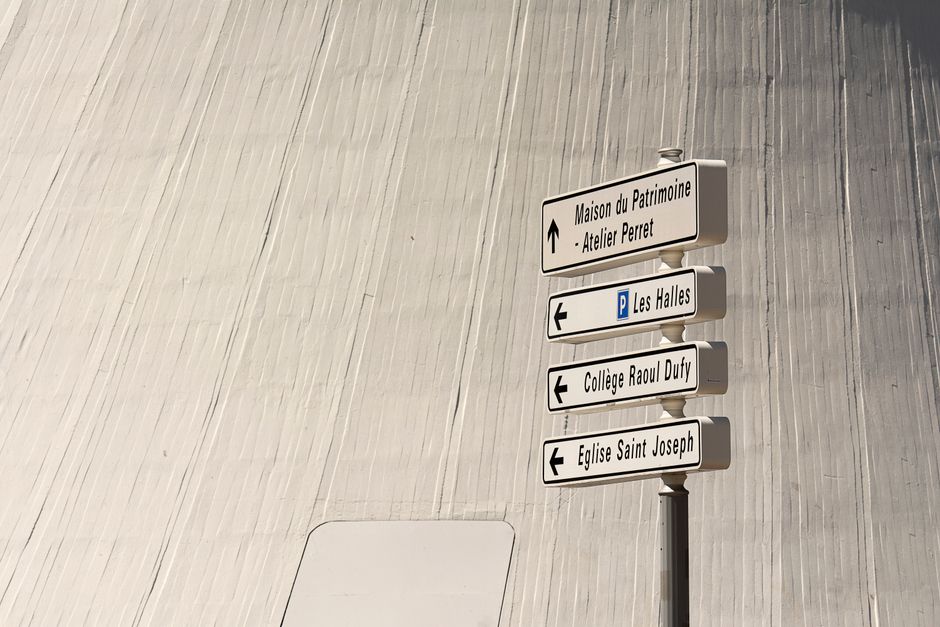
This uniquely named Quebec village, the only one in the world with two exclamation marks, embodies a defiant and whimsical French-Canadian spirit.
Located in the Témiscouata RCM, Saint-Louis-du-Ha! Ha! represents the enduring and distinct cultural identity of rural Quebec. While not a site of direct conflict, its very existence and unusual name (believed to derive from an archaic French term for a dead end or obstacle in a path) symbolize a community that has maintained its unique character and language amidst broader continental pressures. It's a subtle but powerful reminder of how French speakers have shaped their own spaces and narratives within Canada.
Frequently asked questions
How did the French and English first come to Canada?
French explorers, most notably Jacques Cartier, arrived in the 16th century, establishing New France. English explorers, like John Cabot, also arrived around the same time, claiming territories for the British Crown, setting the stage for centuries of rivalry and settlement.
Is French widely spoken outside of Quebec in Canada?
While Quebec is predominantly French-speaking, significant Franco-Canadian communities exist across Canada, particularly in Ontario, New Brunswick (which is officially bilingual), and Manitoba. These communities often have their own French-language schools, cultural centers, and media.
How do French and English cultural differences show up in daily Canadian life?
Differences manifest in various ways, from cuisine and local festivals to legal systems (civil law in Quebec vs. common law elsewhere) and political discourse. Even seemingly minor things like road signs or product packaging often reflect Canada's dual linguistic reality, a constant reminder of its unique cultural tapestry.
How can the AllTours.ai app help me explore these historical tensions?
The AllTours.ai app allows you to simply point your phone camera at any landmark or landscape mentioned in this article, or any other site you encounter. The app then instantly narrates its history, geology, and culture in your preferred language, bringing these complex French-English stories to life as you explore.
Photography via Pexels. AllTours.ai is an AI audio tour guide — point your camera at any landscape and hear its story.