
Italy · AllTours Blog
Unearthing Hidden Renaissance Art in Florence's Secret Chapels
November 24, 2026 · 5 min read
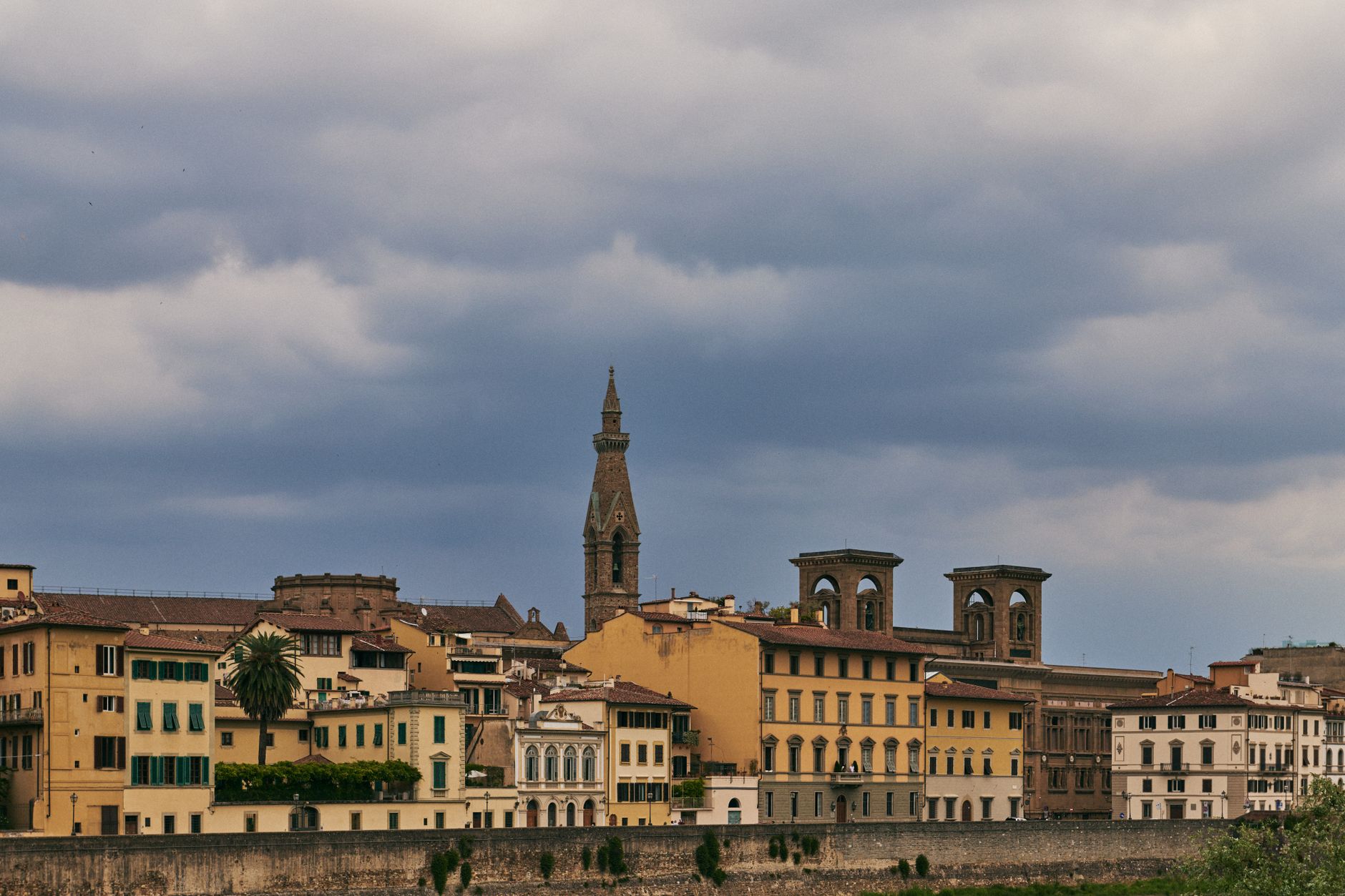
Florence, the birthplace of the Renaissance, often conjures images of the Uffizi Gallery's masterpieces, the grandeur of the Duomo, or Michelangelo's David. While these iconic sites are undeniably breathtaking, the city's artistic legacy runs far deeper, woven into the fabric of its less-frequented churches, chapels, and former monastic complexes.
Beyond the bustling queues and well-trodden paths lie countless stunning, often overlooked Renaissance artworks, each with a compelling history, a surprising artistic choice, or an intriguing cultural context. These are the places where a quiet moment can reveal a revolutionary fresco, a serene sculpture, or a masterpiece that defies easy categorization, inviting a deeper connection with Florence's creative spirit.
1. Pontormo's Unsettling Vision
Chiesa di Santa Felicita, Florence, Italy
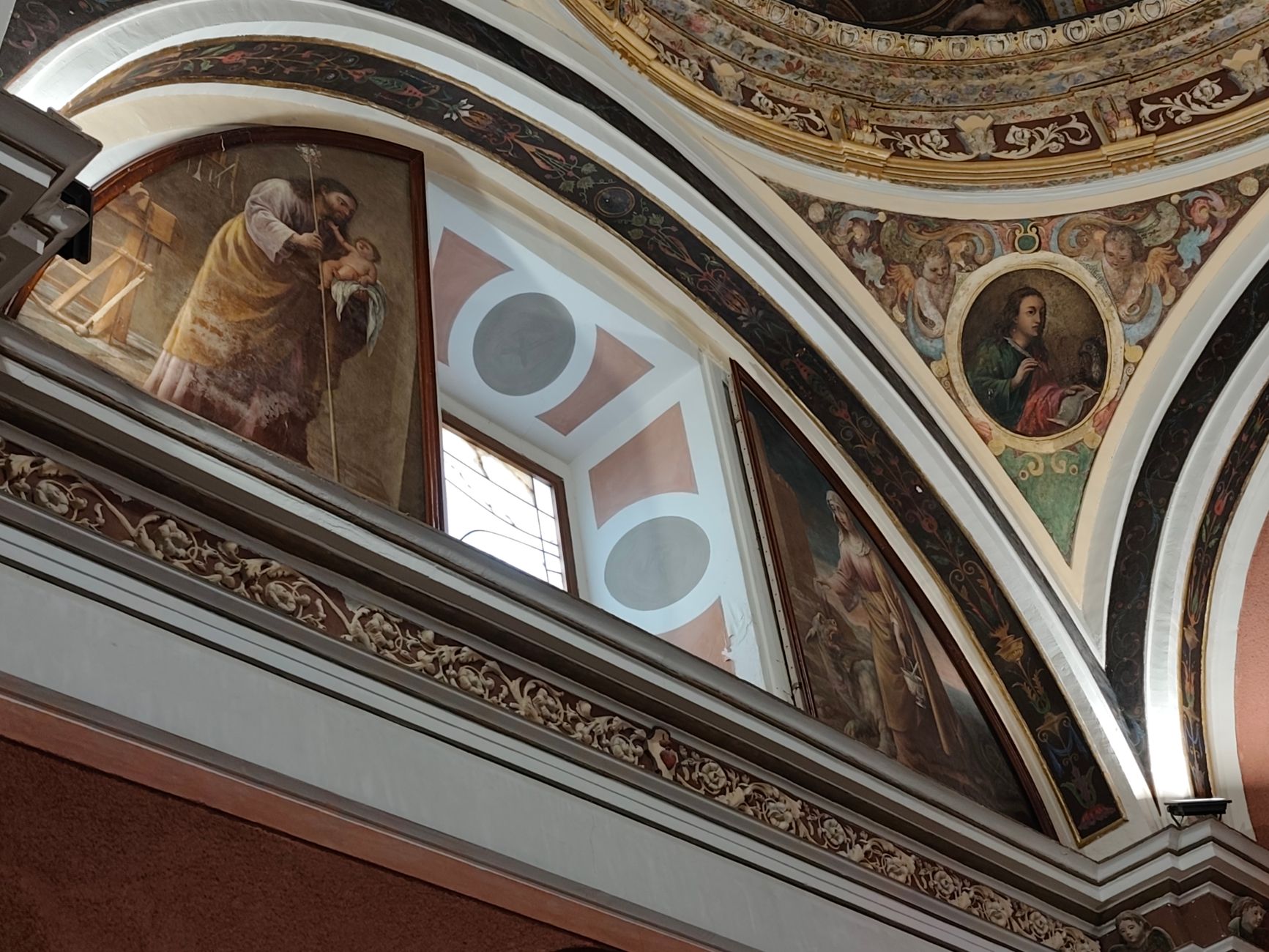
Within a small, ancient parish church, Pontormo's "Deposition" challenges traditional Renaissance beauty with its vibrant, almost unsettling colors and figures, signaling a radical shift in art.
Tucked away near the Ponte Vecchio, the Capponi Chapel inside Santa Felicita holds one of the most enigmatic works of the High Renaissance. Pontormo’s "Deposition from the Cross" (c. 1525-1528) uses a palette of jarring pastels and elongated figures to convey intense emotional distress, creating a sense of weightlessness and psychological depth that anticipates the Mannerist style. Its bold departure from conventional composition and realism made it both revolutionary and controversial, often leaving viewers intrigued by its raw intensity.
2. The Isolated Judas
Cenacolo di Sant'Apollonia, Florence, Italy
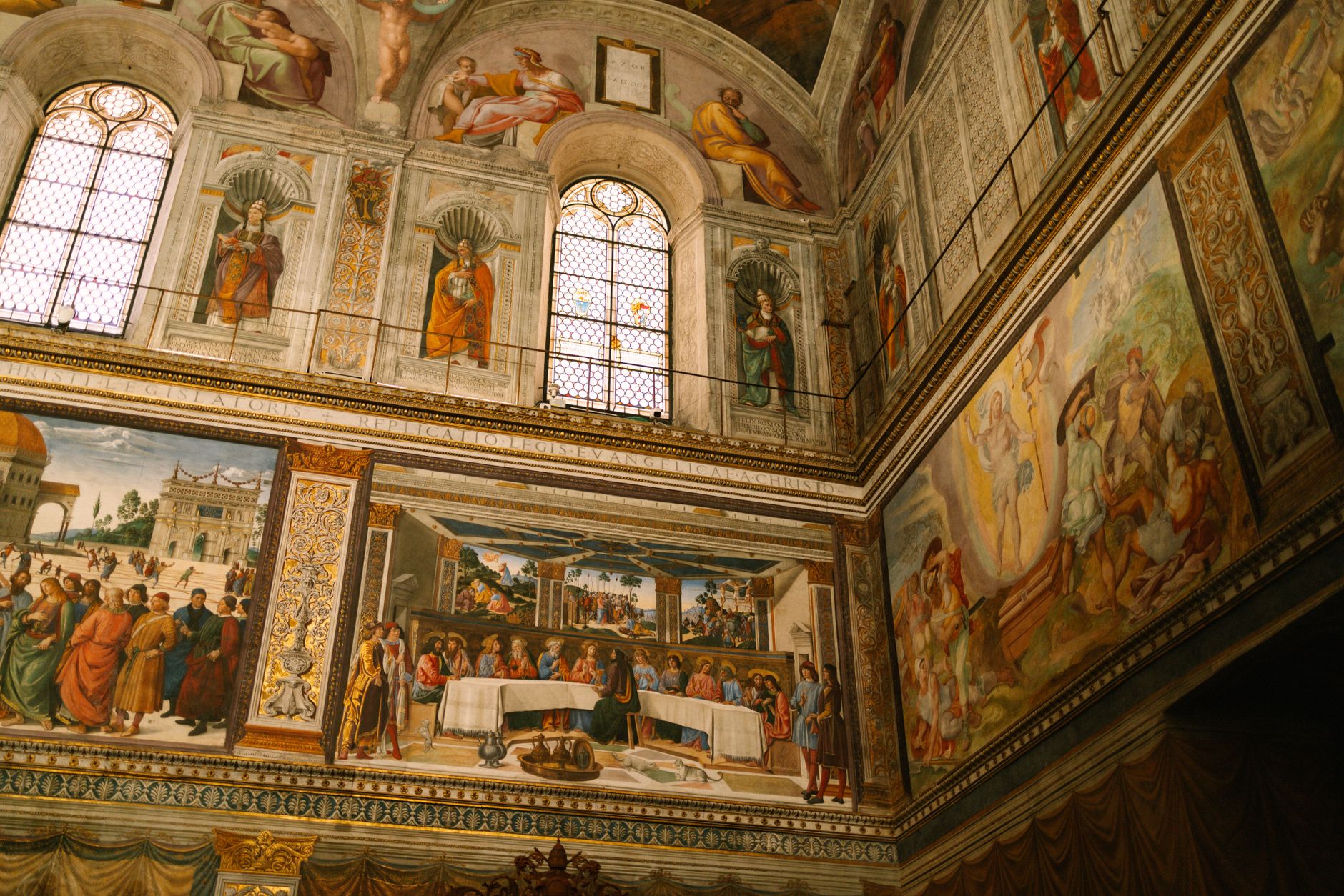
Andrea del Castagno's "Last Supper" fresco, hidden in a former convent refectory, dramatically isolates Judas not just across the table, but *within* the sacred space, emphasizing his treachery with stark psychological intensity.
This monumental fresco (c. 1447) by Andrea del Castagno, once a mealtime backdrop for nuns, offers a powerful and raw depiction of the biblical scene. Unlike many predecessors, Castagno places Judas directly in front of the table, facing the viewer, his dark figure contrasted by the vibrant apostles. The details, from the marble-like panels that seem to recede into the wall to the expressive faces, reveal a master at the height of his powers, depicting the moment of betrayal with an almost brutal realism.

3. Rival Masters, Opposite Walls
Chiesa di Ognissanti, Florence, Italy
On opposing walls of this Franciscan church, Botticelli's "Saint Augustine in His Study" and Ghirlandaio's "Saint Jerome in His Study" stand as a testament to friendly rivalry and distinct artistic approaches among contemporaries.
The Chiesa di Ognissanti, often overlooked for grander basilicas, houses two significant frescoes (both 1480) that showcase the talent of two great Renaissance artists. Botticelli's "St. Augustine" is a masterpiece of intellectual introspection, while Ghirlandaio's "St. Jerome" displays meticulous detail and a more naturalistic approach. Commissioned by the Vespucci and humbler members of the community respectively, these works offer a fascinating comparison of artistic styles and patronage, inviting close examination of their subtle differences.
4. Lippi's Luminous Vision
Badia Fiorentina, Florence, Italy
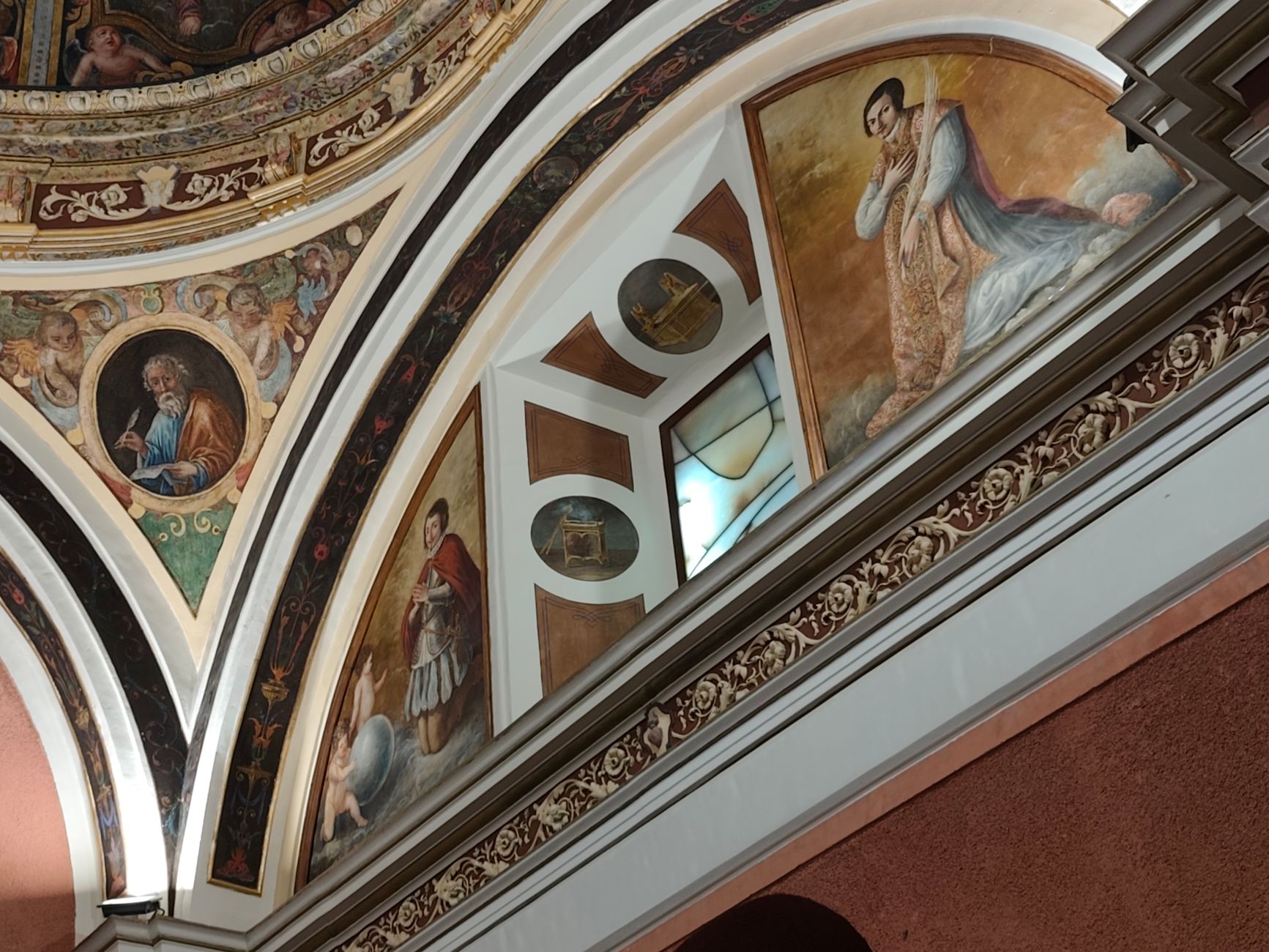
Tucked into one of Florence's oldest and most atmospheric churches, Filippino Lippi's "The Vision of St. Bernard" captivates with its ethereal light and deeply personal spiritual narrative.
The Badia Fiorentina, a monastic complex with roots in the 10th century, is a haven of quiet contemplation. Here, Filippino Lippi, son of the renowned Fra Filippo Lippi, created "The Vision of St. Bernard" (c. 1485). The painting is celebrated for its exquisite rendering of light, the delicate interaction between the saint and the Virgin Mary, and its serene devotional quality. Its placement within the church, near the tomb of the artist's patron, adds to its poignant charm, offering a glimpse into late 15th-century Florentine piety and artistic mastery.
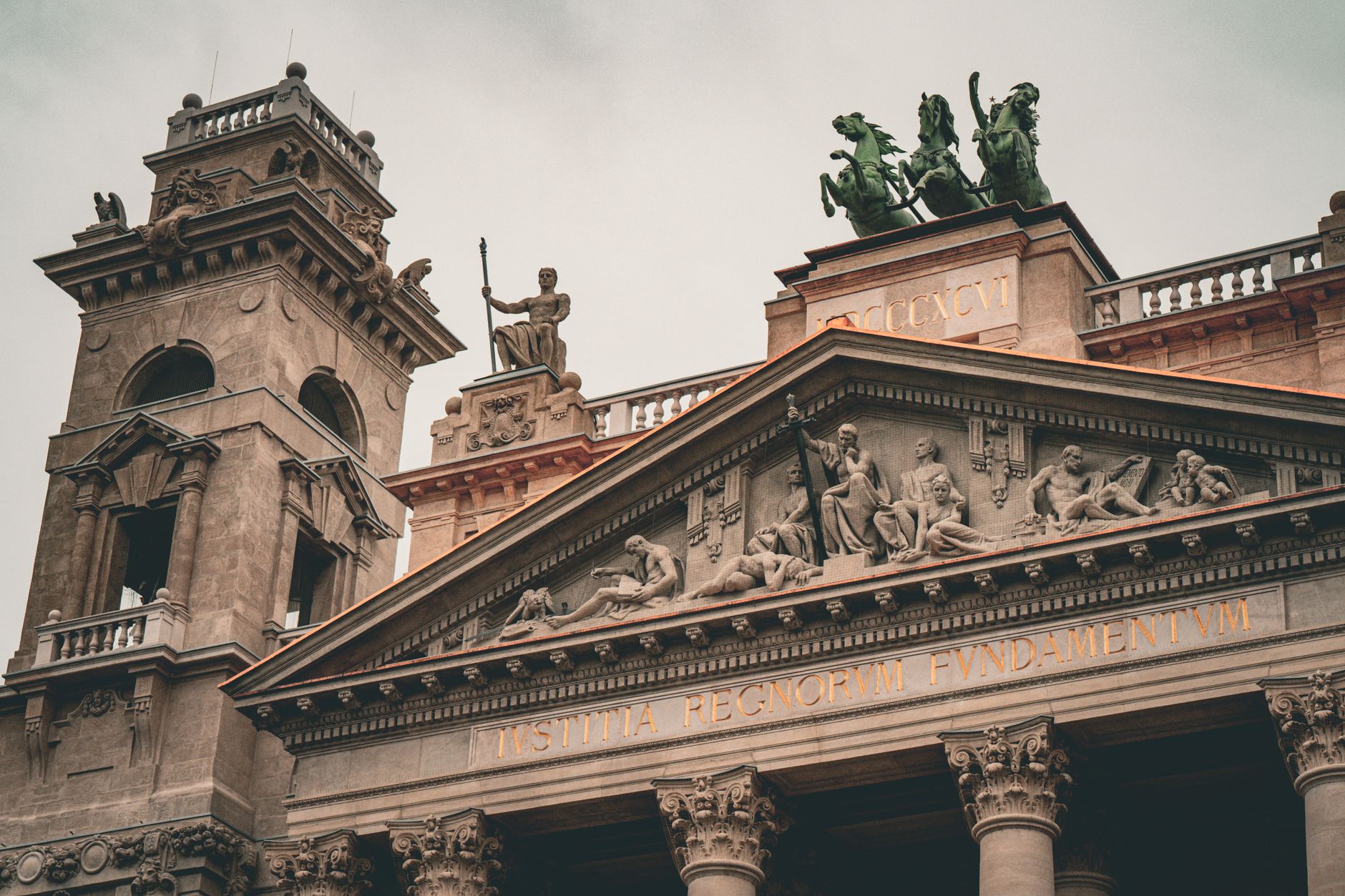
5. A Guild Hall's Sacred Sculptures
Orsanmichele, Florence, Italy
This unique building, originally a grain market and then a church for powerful guilds, features exterior niches housing a revolutionary collection of patron saint sculptures by masters like Donatello and Ghiberti, each a testament to civic pride and artistic competition.
Orsanmichele stands as a unique testament to Florence's medieval and Renaissance civic life. What began as a grain loggia transformed into a church for the city’s powerful guilds, each commissioning a statue of their patron saint for the exterior niches. While many originals are now in museums (like Donatello's St. George in the Bargello), the replicas still convey the groundbreaking artistry. These sculptures, including works by Donatello, Ghiberti, and Verrocchio, pushed the boundaries of naturalism and emotional expression, turning the building into an open-air gallery of Renaissance innovation.
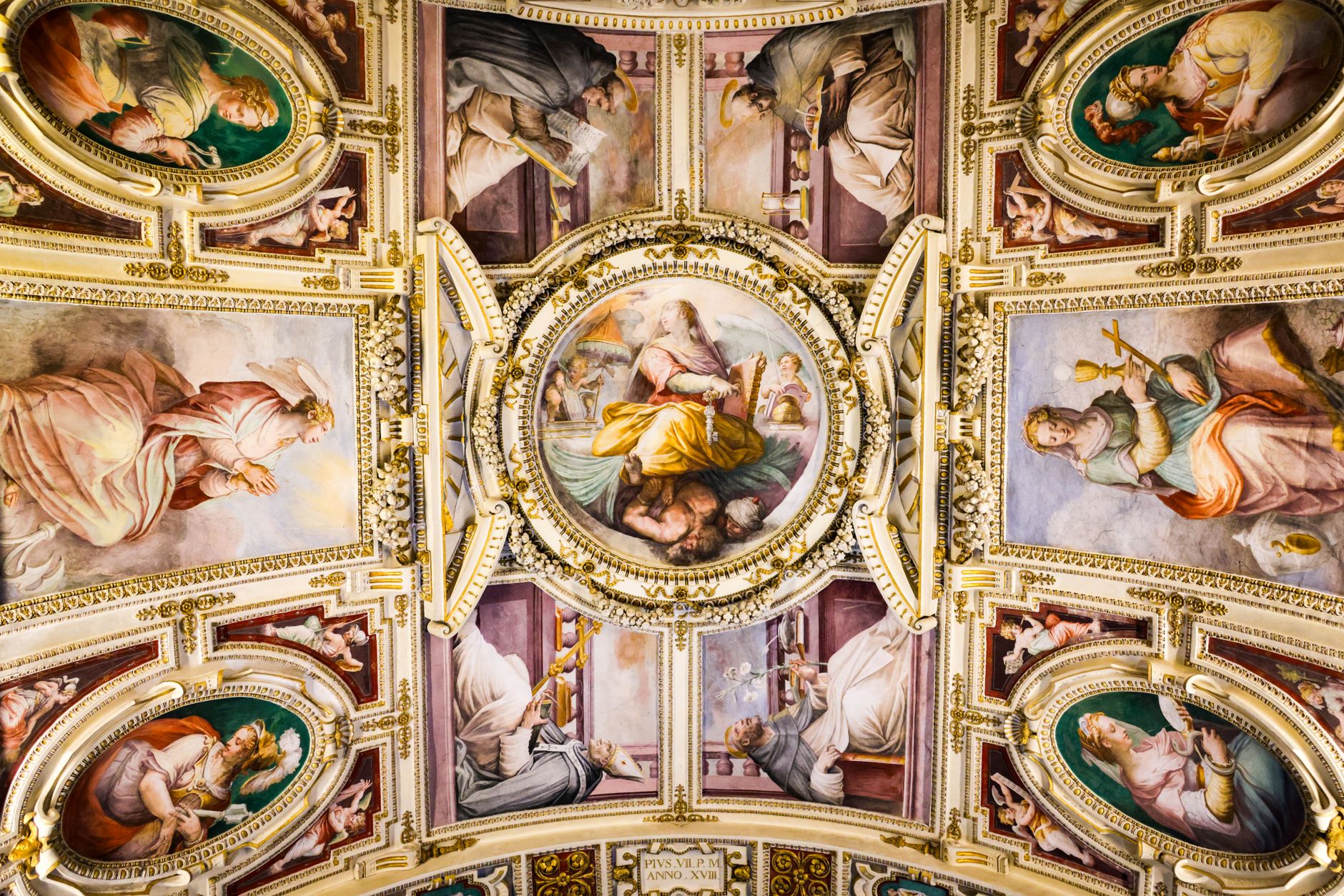
6. The Last Supper That War Spared
Cenacolo di San Salvi, Florence, Italy
Andrea del Sarto's "Last Supper" fresco, renowned for its masterful perspective and serene beauty, was famously spared destruction during the 1529 Siege of Florence when soldiers deemed it too exquisite to demolish.
Housed in the tranquil refectory of the former Vallombrosan convent of San Salvi, Andrea del Sarto's "Last Supper" (1520-1527) is a triumph of High Renaissance painting. Del Sarto's skill in creating a sense of depth and naturalism, particularly with the "trompe l'oeil" window revealing a celestial sky, makes the scene feel immediate and accessible. The legend of its preservation during the siege, when surrounding buildings were razed, speaks volumes about its profound impact and the sheer beauty that even wartime destruction could not overcome.
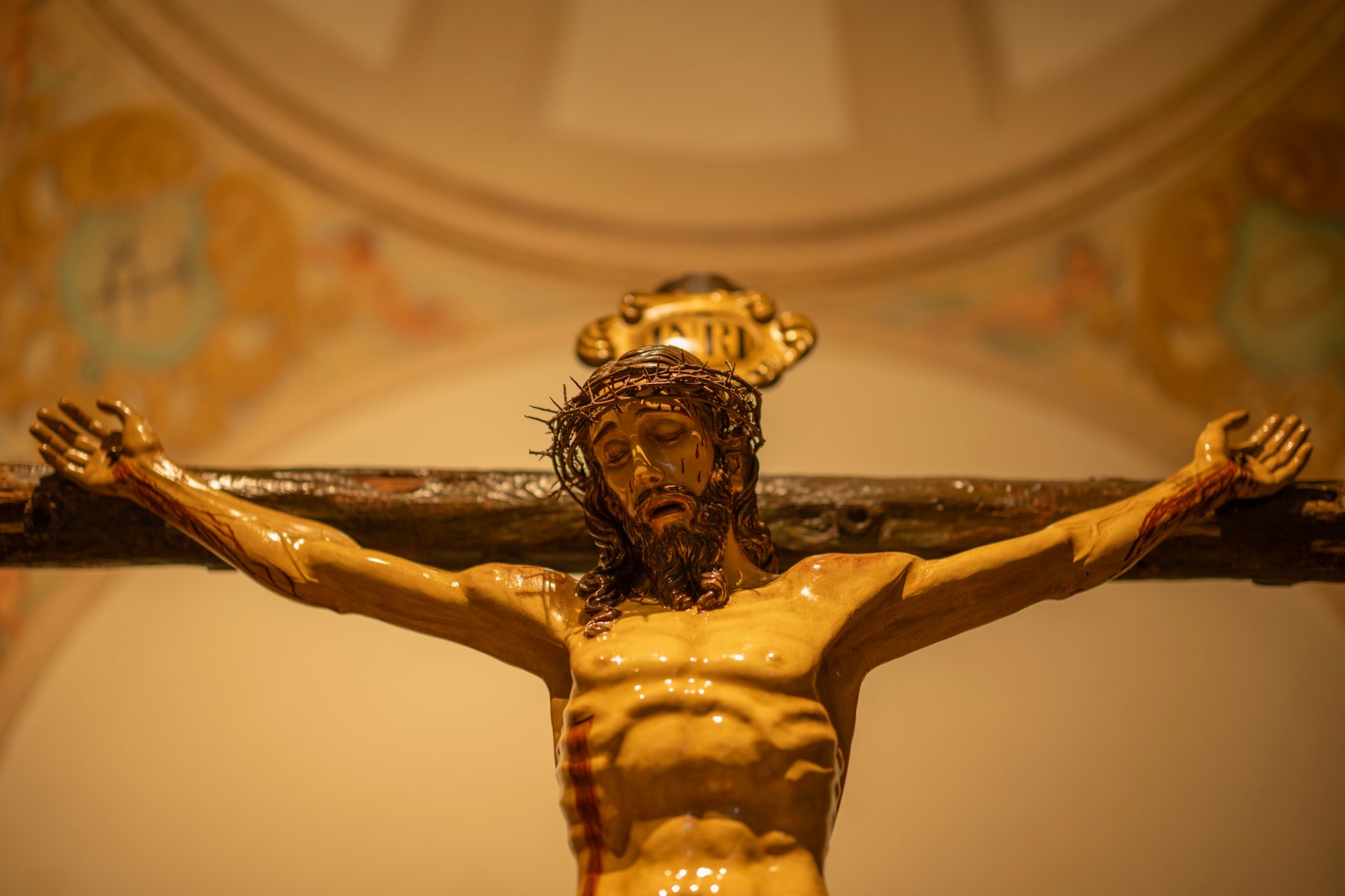
7. Perugino's Peaceful Piety
Chiesa di Santa Maria Maddalena de' Pazzi, Florence, Italy
In a serene cloister, Raphael's teacher, Pietro Perugino, created a breathtaking "Crucifixion" fresco, a masterpiece of calm and expansive beauty that contrasts sharply with the dramatic works of his Florentine contemporaries.
The former Cistercian convent of Santa Maria Maddalena de' Pazzi offers a moment of quiet reflection away from the city's hustle. Within its Chapter House, Perugino's monumental "Crucifixion" (1493-1496) unfolds across three walls. The fresco is celebrated for its harmonious composition, delicate colors, and the serene, almost melancholic expressions of its figures, which include Mary Magdalene, St. Bernard, and St. Benedict. It exemplifies Perugino's signature style of tranquil piety, providing a stark yet beautiful contrast to the dynamic, often turbulent, art emerging from Florence at the time.
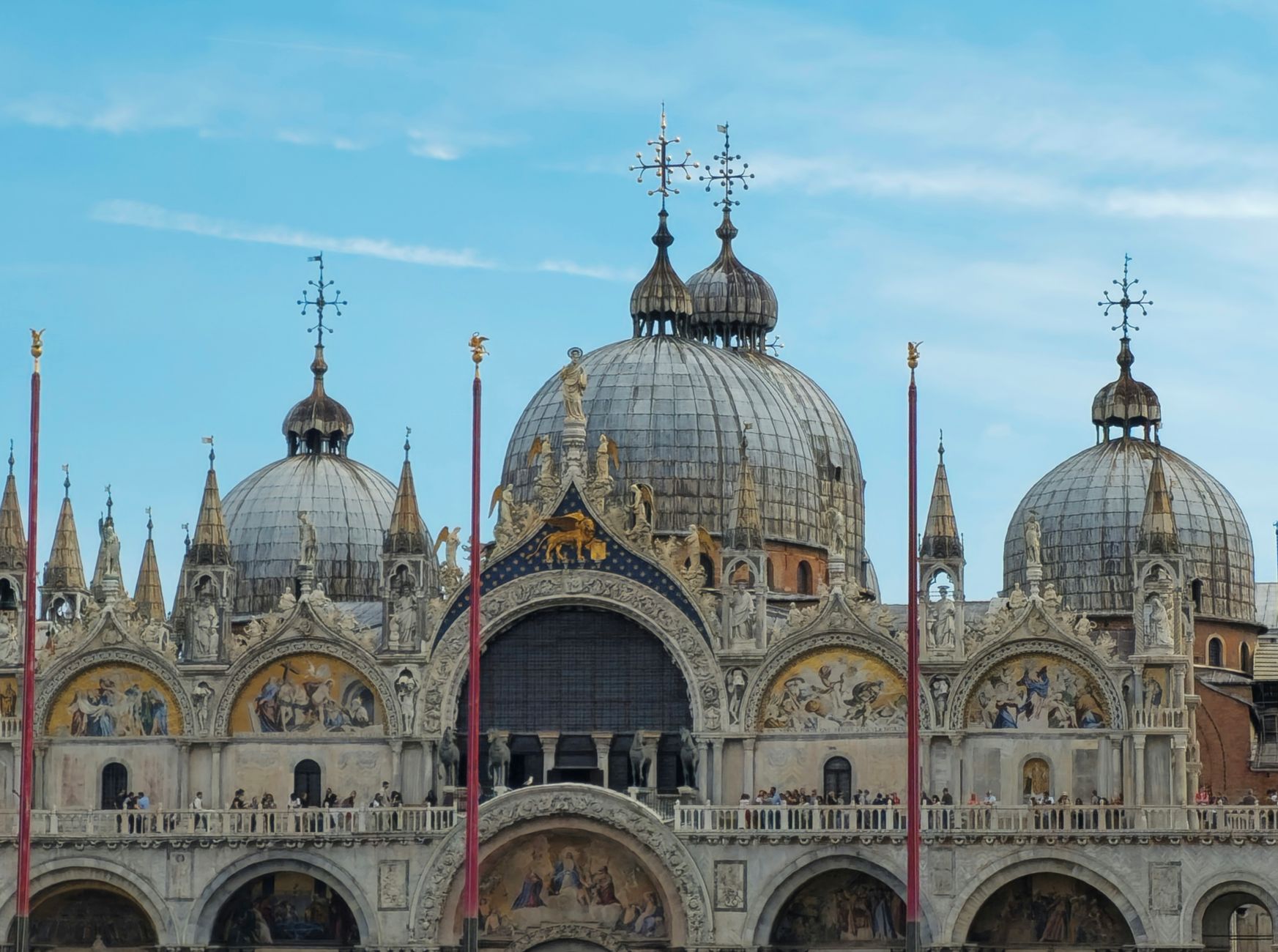
8. Fra Angelico's Devotional Cells
Museo di San Marco, Florence, Italy
This former Dominican convent, transformed into a museum, holds the largest collection of Fra Angelico's frescoes, including the ethereal "Annunciation" and individual cell frescoes designed for the quiet contemplation of friars, each a personal devotional masterpiece.
Stepping into the Museo di San Marco is like entering a time capsule of spiritual devotion. Fra Angelico, a Dominican friar himself, adorned the convent's walls and the cells of his brethren with profound frescoes (c. 1438-1445). His iconic "Annunciation" on the upper floor is a vision of grace and humility, while the smaller, intimate frescoes in each friar's cell provided a focal point for prayer and meditation. These works, less about public display and more about personal spiritual journey, offer a unique insight into early Renaissance monastic life and the delicate beauty of Fra Angelico's art.
Frequently asked questions
What is the best time to visit Florence to avoid crowds at these lesser-known art sites?
To experience these hidden gems with fewer crowds, consider visiting during the shoulder seasons (April-May or September-October) or in the quieter winter months (November-March), excluding holiday periods. Weekday mornings, especially right after opening, are generally the calmest times for individual sites.
Are these hidden churches and chapels free to enter?
While many active churches in Italy allow free entry, some of these sites, particularly those that are now museums or have significant restoration costs, may require an entrance fee. It's always advisable to check their official websites for current hours and admission prices before your visit.
What's the best way to get around Florence to see these lesser-known art spots?
Florence's historic center is very walkable, making it ideal for exploring these sites on foot. Many are within a reasonable distance of each other. For those slightly further afield, local buses or taxis are readily available and can help you maximize your time without losing the charm of discovery.
How can AllTours.ai enhance my visit to these hidden art gems?
AllTours.ai transforms your exploration by providing instant, in-depth audio narratives. Simply point your phone camera at any artwork, architectural detail, or landscape, and the app will narrate its history, geology, and culture in your preferred language, revealing stories and insights you might otherwise miss, even in the most overlooked corners of Florence.
Related guides
More from Italy
The app · free
Hear the story of every place on this list
AllTours turns any landscape into a narrated experience. Point your camera, and hear the history most travelers walk right past — free to try.


Photography via Pexels. AllTours.ai is an AI audio tour guide — point your camera at any landscape and hear its story.