June 28, 2026 · 4 min read
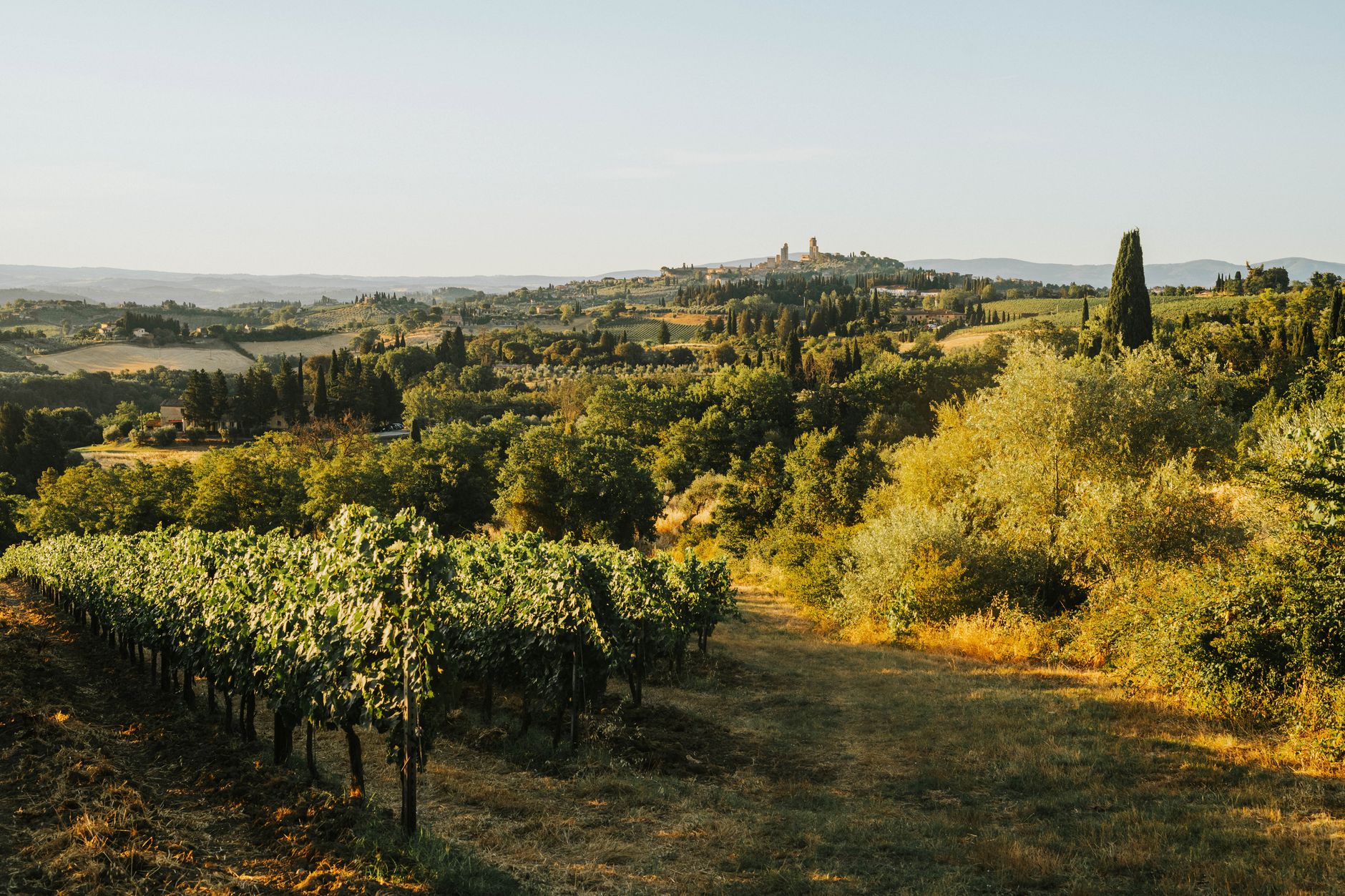
The journey from Piedmont to Florence takes you through some of Italy's most captivating landscapes and historic regions. While the destination, Florence, rightfully draws millions with its iconic Duomo and Uffizi Gallery, the true magic often lies just beyond the well-trodden path. This trip isn't just about getting there; it's about uncovering the unexpected stories along the way.
This guide invites you to pause at fascinating, lesser-known stops, from hidden Florentine treasures to unique villages and dramatic natural wonders that bridge your journey. Each offers a vivid glimpse into Italy's rich tapestry of history, art, and culture, revealing secrets that many travelers miss.
1. The Ancient Apothecary's Secret
Florence, Italy
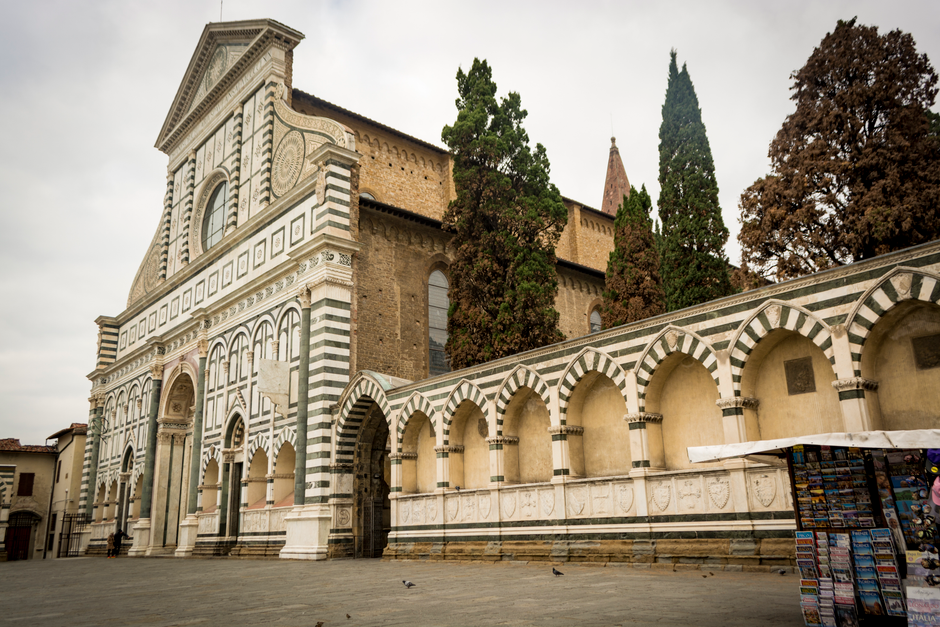
This active pharmacy in Florence is the oldest continually operating one in the world, founded by Dominican friars cultivating medicinal herbs.
Step into the Officina Profumo-Farmaceutica di Santa Maria Novella, an institution founded in 1221. Originally, Dominican friars grew herbs in their garden to make balms and remedies for their infirmary. Today, it remains a breathtaking example of Renaissance architecture, selling historical perfumes, soaps, and elixirs in rooms adorned with frescoes and gilded details, a true sensory journey through centuries of craft.
2. Eerie Anatomies of La Specola
Florence, Italy
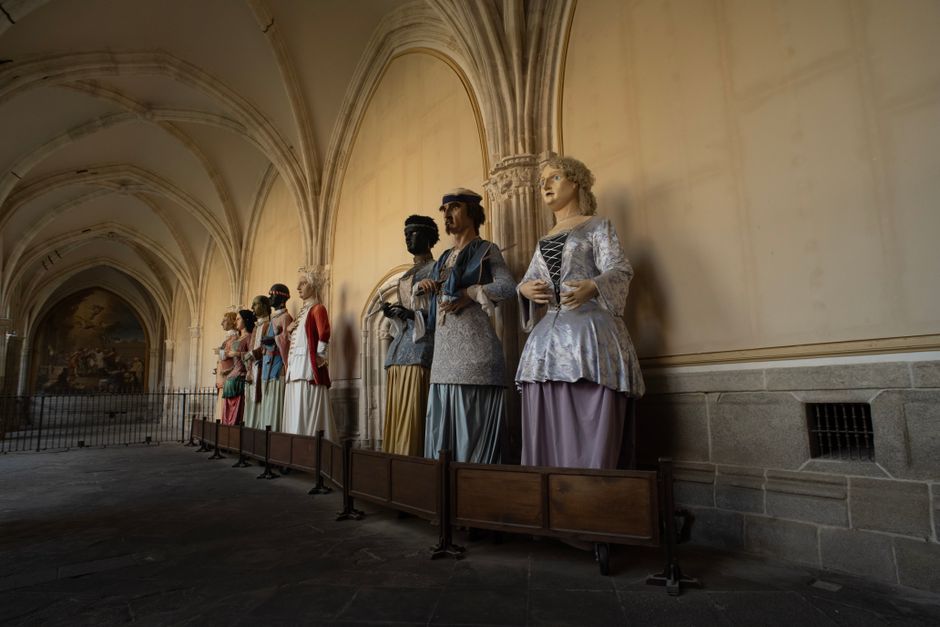
Florence hosts one of the world's most extensive collections of 18th-century anatomical wax models, unsettlingly lifelike and historically significant.
The Museo di Storia Naturale di Firenze, Sezione di Zoologia "La Specola," is home to a unique and somewhat macabre collection. Created from the late 1700s, these incredibly detailed wax models of human anatomy were revolutionary teaching tools, allowing medical students to study the body without the need for constant dissection. The museum also houses an impressive collection of zoological specimens, but it's the anatomical waxes that truly capture a bygone era of scientific exploration.
3. Stibbert's Eccentric Menagerie
Florence, Italy
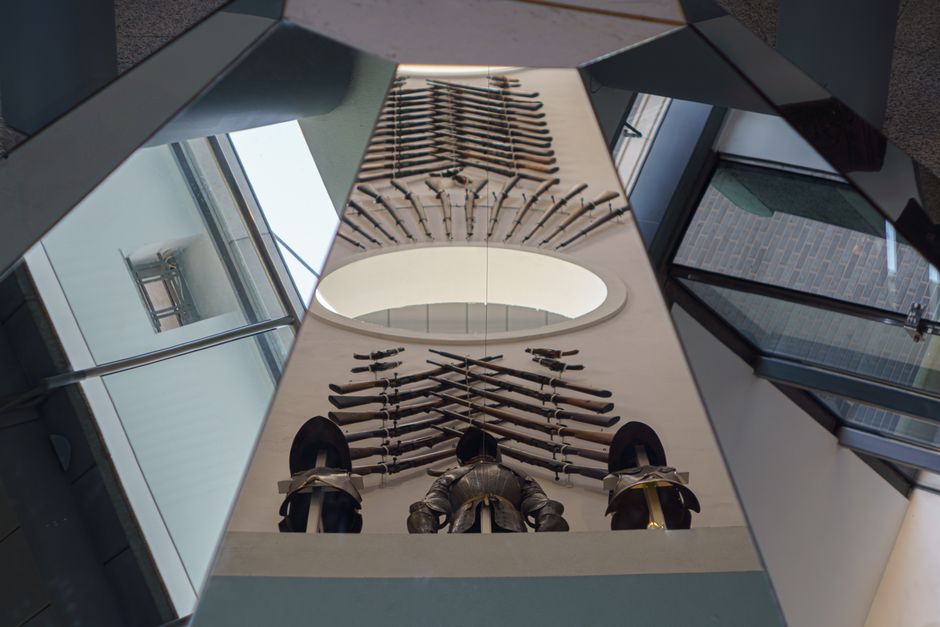
Discover a whimsical 19th-century villa in Florence bursting with over 50,000 artifacts, from samurai armor to Napoleon's uniform, collected by an Anglo-Florentine eccentric.
The Stibbert Museum is the legacy of Frederick Stibbert, a wealthy collector who transformed his family villa into a personal museum. Each of its 50 rooms is a treasure trove, featuring vast collections of arms and armor from across Europe and Asia, including a magnificent cavalcade of knights on horseback. Beyond the military displays, you'll find period costumes, paintings, and porcelain, all presented in a wonderfully cluttered and personal style, offering a unique glimpse into a collector's passion.
4. Bardini Gardens' Secret Vistas
Florence, Italy
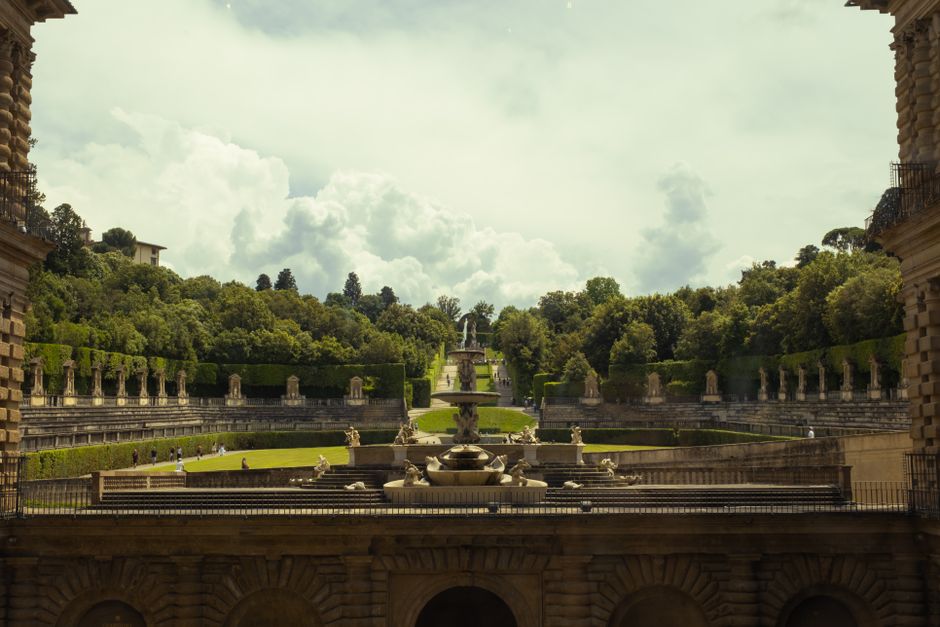
Escape the crowds at Florence's lesser-known Bardini Gardens, offering unparalleled panoramic views of the city's skyline, including the Duomo and Ponte Vecchio.
While many flock to the Boboli Gardens, the Giardino Bardini offers a more intimate and equally stunning experience. This terraced garden, spanning a hillside from Costa San Giorgio to the Arno, features a magnificent Baroque staircase, an English-style woodland, and even an agricultural park with olive groves. Its elevated position provides breathtaking, often uncrowded, vistas of Florence, making it an ideal spot for quiet contemplation and photography.
5. The Birth of Renaissance Painting at Brancacci
Florence, Italy
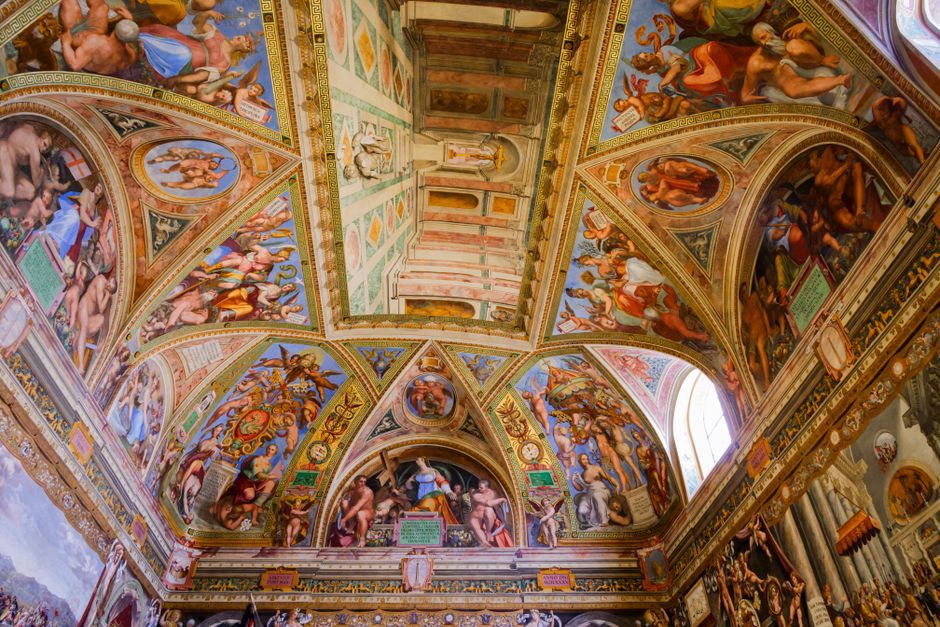
Witness the groundbreaking frescoes in the Brancacci Chapel, where Masaccio introduced revolutionary perspective and realism that redefined painting and launched the Renaissance.
Tucked away within the Church of Santa Maria del Carmine, the Brancacci Chapel holds a pivotal place in art history. Here, Masaccio created frescoes like "The Tribute Money" in the early 15th century, masterpieces that broke from Gothic traditions. His innovative use of linear perspective, naturalistic figures, and dramatic light and shadow profoundly influenced subsequent generations of Renaissance artists, making this small chapel a mandatory pilgrimage for art lovers.
6. Dozza's Painted Walls
Dozza, Italy
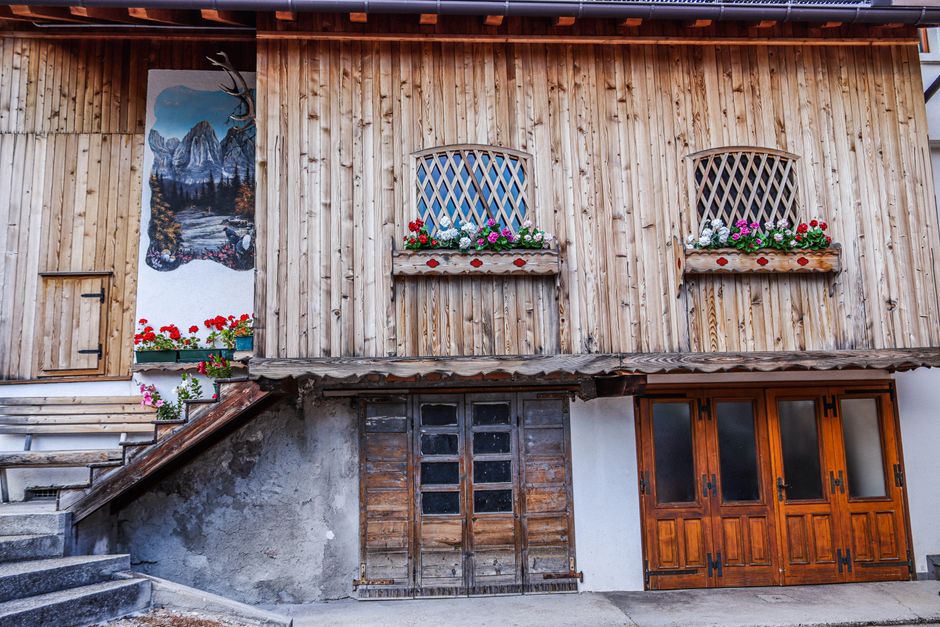
On your way to Florence, visit Dozza, a charming medieval village in Emilia-Romagna where every building facade is a canvas for vibrant, contemporary murals.
Just south of Bologna, the enchanting village of Dozza transforms its ancient walls into an open-air art gallery. Since 1960, the Biennial of the Painted Wall has invited artists to adorn the houses with stunning frescoes and murals, blending contemporary art with medieval architecture. Stroll through its narrow streets to discover a different artistic surprise around every corner, culminating in the impressive Sforza Castle at the village's highest point.
7. Carrara's Marble Mountains
Carrara, Italy
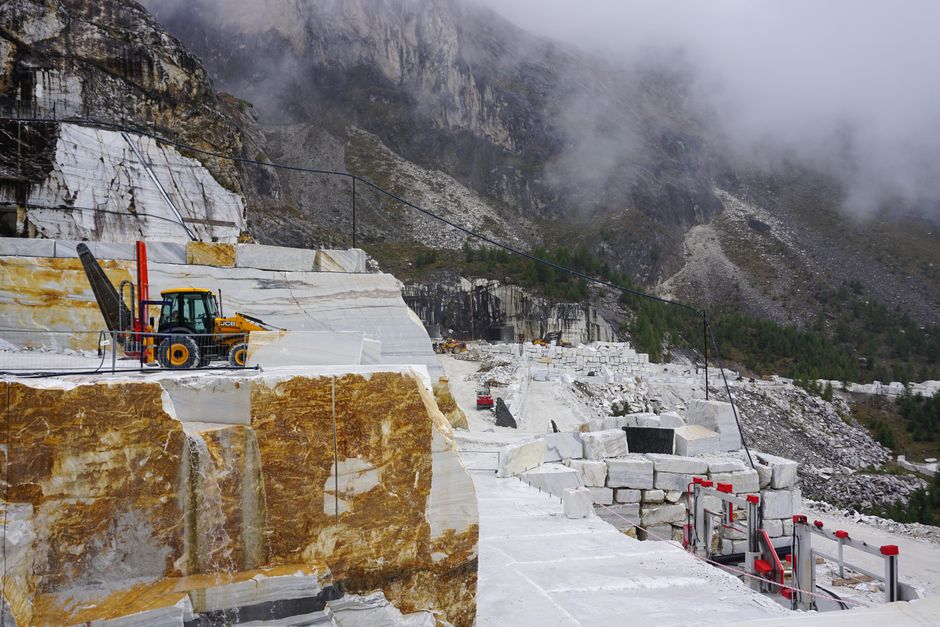
Explore the dramatic white marble quarries of Carrara, the ancient source of stone for masterpieces like Michelangelo's David, sculpting both the earth and art history.
A detour through the Apuan Alps reveals the awe-inspiring Carrara marble quarries, a landscape transformed by millennia of human endeavor. This is where the ancient Romans sourced their white gold, and where Renaissance masters like Michelangelo personally selected blocks for their sculptures. The sheer scale of the open-air quarries, with their towering white cliffs and carved valleys, offers a stark, beautiful contrast to the lush Tuscan hills and provides a profound connection to artistic heritage.
8. Fra Angelico's Serene Cells
Florence, Italy
In a quiet Florentine monastery, discover the deeply spiritual frescoes Fra Angelico painted in each monk's cell, designed to inspire contemplation.
The Museo di San Marco, housed within a former Dominican monastery, offers a tranquil escape from the bustling city. Its most remarkable feature is the series of frescoes by Fra Angelico, a devout Dominican friar and master painter. He adorned the walls of the friars' cells and the communal spaces with serene, vibrant scenes from the life of Christ, each intended to aid the monks in prayer and meditation. It’s a unique opportunity to experience art in its original, sacred context.
Frequently asked questions
What are some non-touristy things to do in Florence?
Beyond the Duomo and Uffizi, consider visiting the Stibbert Museum for its eccentric collections, wandering the serene Bardini Gardens for unique city views, or exploring the ancient Officina Profumo-Farmaceutica di Santa Maria Novella. These spots offer a deeper dive into Florentine culture and history without the usual crowds.
Is it worth visiting Florence for a day?
While Florence truly deserves more than a day to appreciate its depth, even a single day allows for a focused experience of some key highlights. Prioritize a few specific sites that truly interest you, perhaps one major landmark and a lesser-known gem like the Brancacci Chapel, to avoid rushing and savor the atmosphere.
What's a good stop between Bologna and Florence?
For a unique experience between Bologna and Florence, consider a detour to Dozza. This medieval village is famous for its "Painted Wall" biennial, where artists adorn the town's facades with vibrant murals, transforming the entire village into an open-air art gallery. It's a charming and artistic break from the highway.
How does AllTours.ai enhance my exploration of these hidden gems?
AllTours.ai transforms your phone into an AI audio tour guide. Simply point your camera at any landmark, landscape, or even a specific fresco in the Brancacci Chapel, and the app will narrate its history, geology, and cultural significance in your language, bringing these hidden stories vividly to life as you explore.
Related guides
Photography via Pexels. AllTours.ai is an AI audio tour guide — point your camera at any landscape and hear its story.