June 9, 2026 · 4 min read
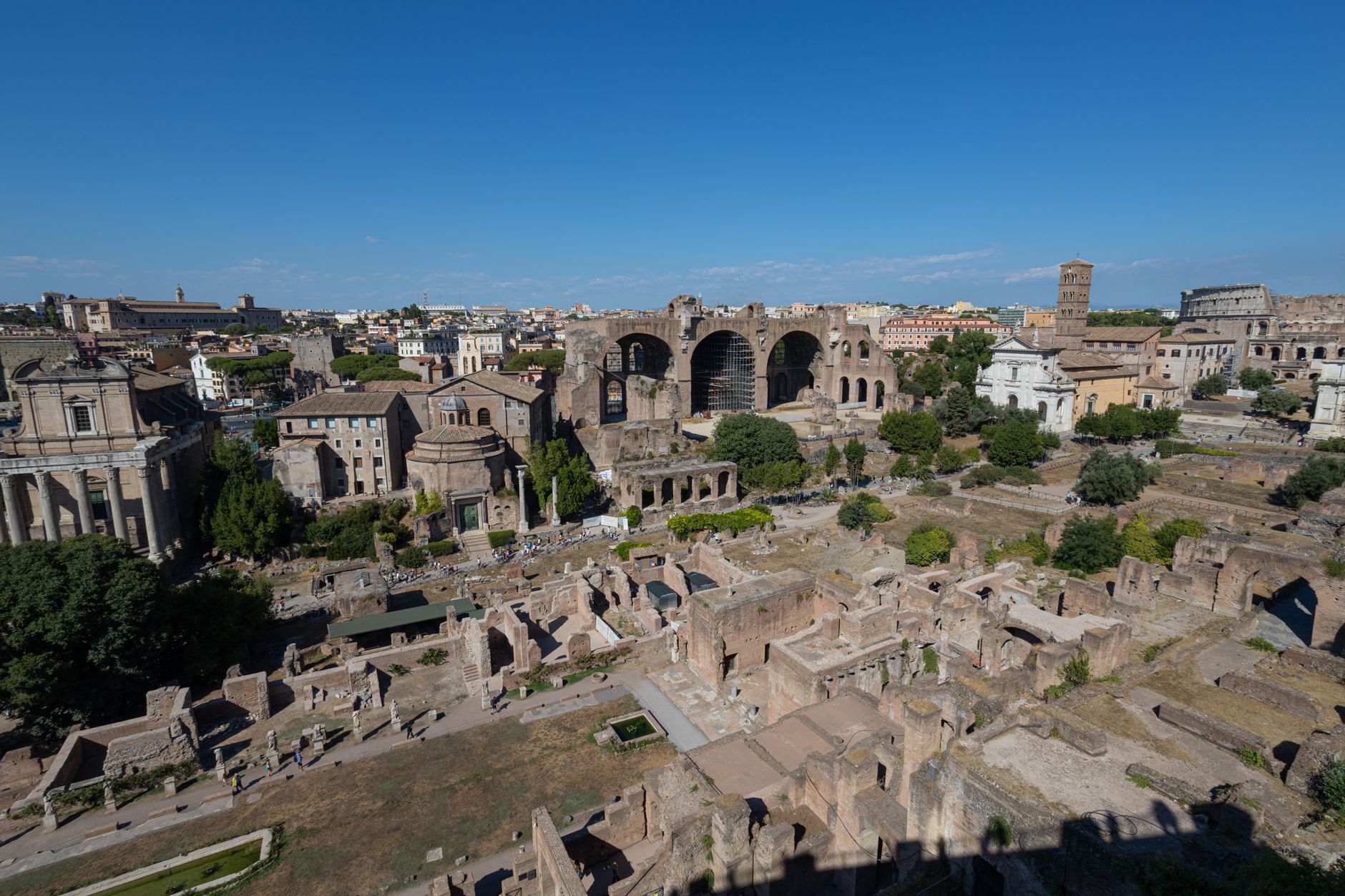
Rome’s culinary scene is as layered as its history, but navigating it can feel like a gauntlet of tourist traps. Every corner seems to promise 'authentic Roman cuisine,' often delivering a diluted version of the real thing. To truly experience the city's gastronomic heart, you need to step off the well-trodden path and into the neighborhoods where tradition thrives.
This isn't just about finding good food; it’s about uncovering the stories behind the dishes, the families who’ve perfected them for generations, and the very ground on which these culinary traditions were born. Prepare to tantalize your taste buds and spark your curiosity about Rome's lesser-known food havens.
1. The Surprise in a Fried Ball
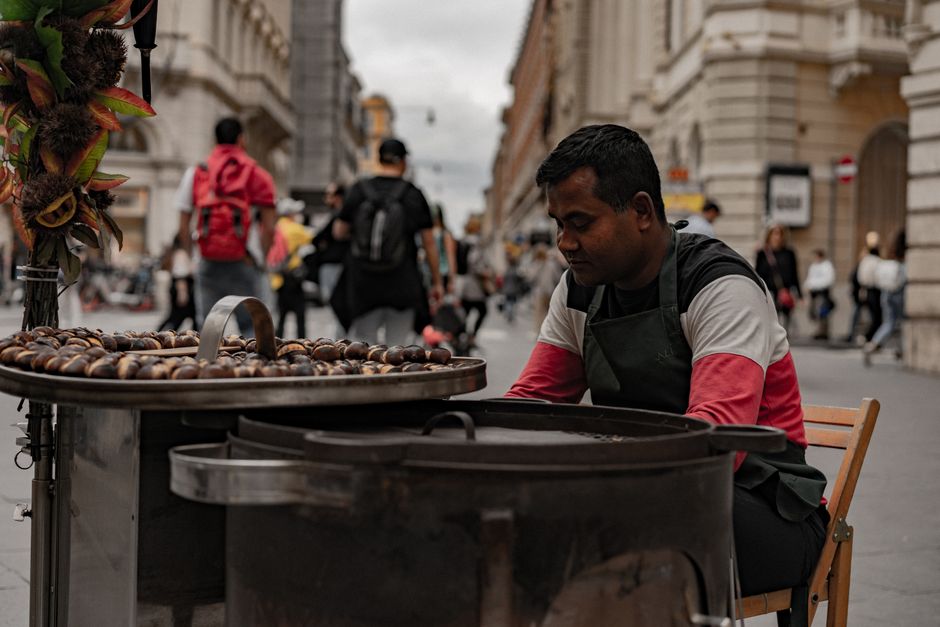
Supplì Roma, Rome, Italy
The humble supplì, a Roman street food staple, gets its name from a French word for 'surprise' due to its melting mozzarella core.
Supplì, often overshadowed by arancini, are Rome's quintessential fried rice balls. Legend says their name, 'supplì al telefono,' came from French soldiers who, upon seeing the melted mozzarella stretch like a telephone cord, exclaimed 'surprise!' Seek out a dedicated supplì spot for the true experience: a crispy exterior giving way to creamy risotto, rich ragu, and that delightful, stringy cheese 'telephone.'
2. A Modern Pocket of Roman History
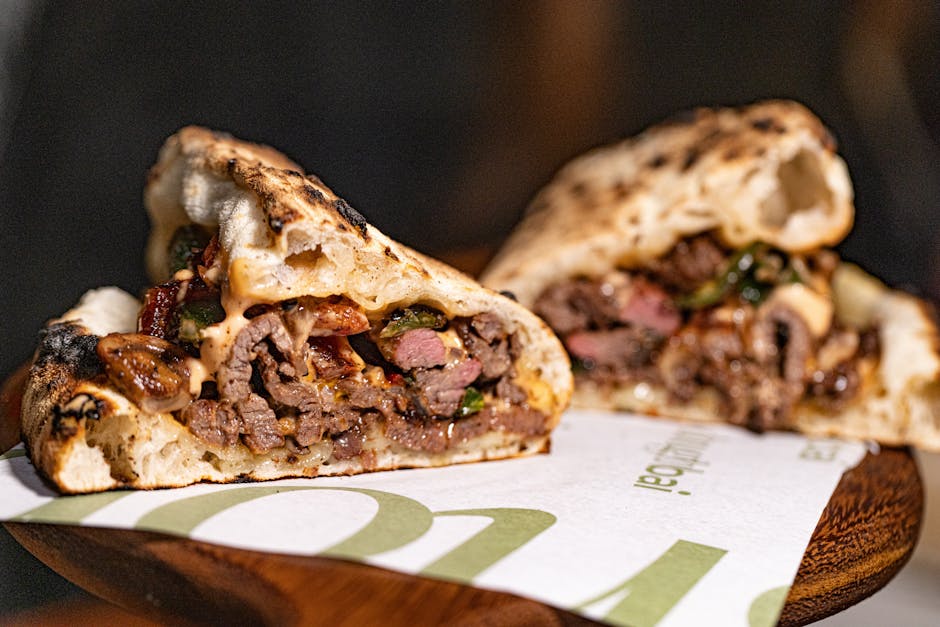
Trapizzino, Rome, Italy (Testaccio original)
The Trapizzino, a seemingly modern street food, cleverly combines ancient Roman pizza bianca with classic, slow-cooked Roman stews.
Invented by Stefano Callegari in 2009, the Trapizzino is a triangular pocket of crispy pizza bianca filled with traditional Roman fare like coda alla vaccinara or pollo alla cacciatora. It's a testament to Roman ingenuity, taking two beloved elements – the city's distinctive bread and its rich, home-style stews – and merging them into a portable, delicious meal. The Testaccio location is the original, but you’ll find them across the city.
3. Market Above Ancient Warehouses
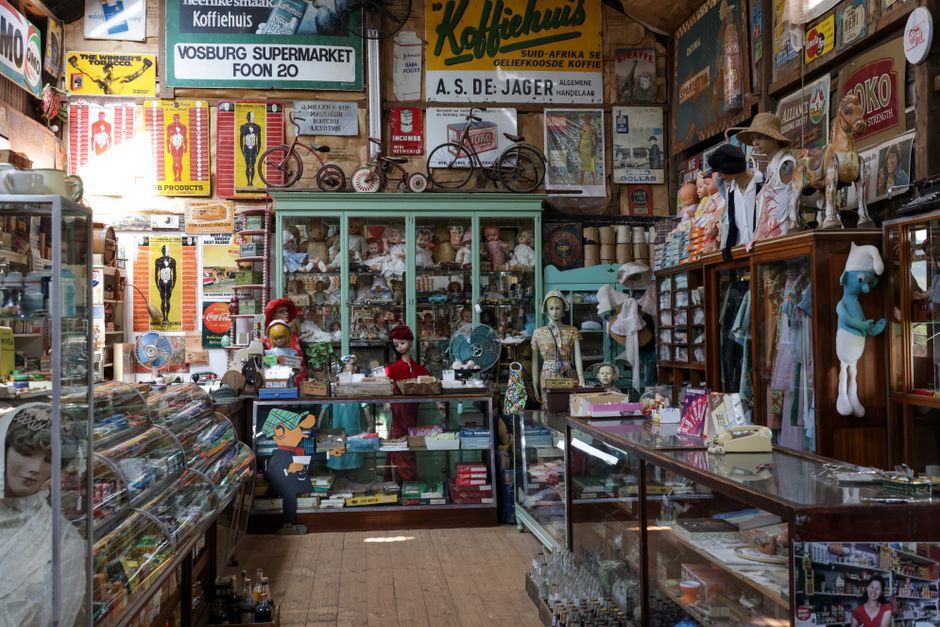
Nuovo Mercato Testaccio, Rome, Italy
This vibrant modern market literally stands on the ruins of ancient Roman horrea, or warehouses, where goods from across the empire were once stored.
While not 'hidden,' Mercato Testaccio offers a genuine local experience beyond the tourist gaze. This contemporary market is built directly over archaeological remains, giving it a unique historical foundation. Here, you can sample everything from fresh produce and artisanal cheeses to gourmet street food, all while standing above the very ground where Roman commerce thrived millennia ago. It's a living link to Rome's enduring mercantile spirit.
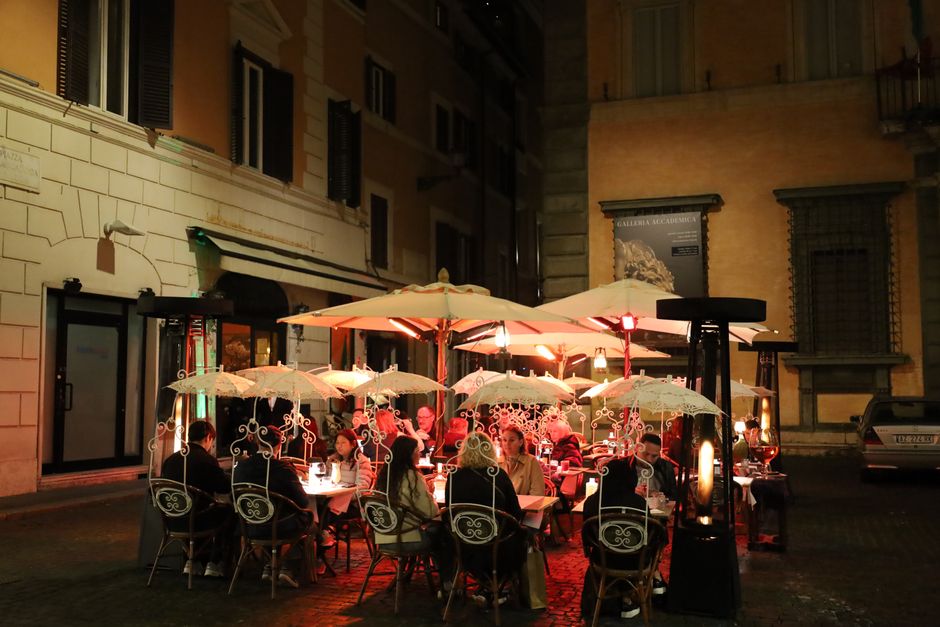
4. Trastevere's Timeless Trattoria
Da Enzo al 29, Rome, Italy
Da Enzo al 29 preserves the 'cucina povera' tradition, using humble ingredients to create Rome's most beloved and historically rich dishes.
In the heart of Trastevere, Da Enzo al 29 remains a small, family-run trattoria dedicated to classic Roman cooking. They famously adhere to strict traditional methods, focusing on simple, high-quality ingredients to craft perfect Cacio e Pepe, Carbonara, and Amatriciana. It's a place where you'll often queue with locals, a testament to its unwavering commitment to the authentic flavors and unpretentious spirit of Roman 'cucina povera' (poor kitchen).
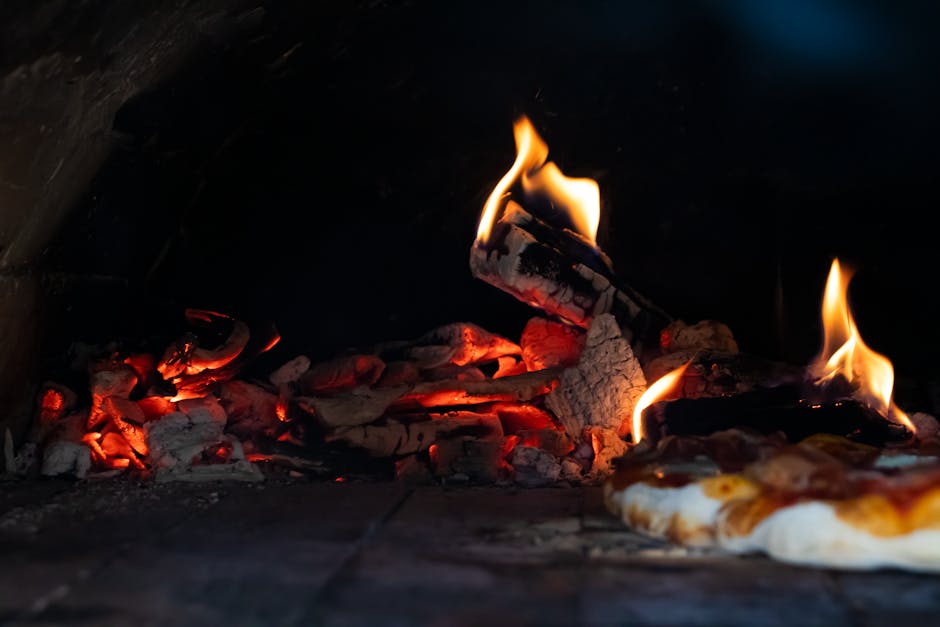
5. The Baker's Ancient Lineage
Antico Forno Roscioli, Rome, Italy
The Roscioli family has been baking in Rome for generations, continuing a bread-making legacy that stretches back to ancient Roman times.
More than just a bakery, Antico Forno Roscioli is a Roman institution. Nestled near Campo de' Fiori, this historic spot is revered for its incredible pizza bianca, a simple yet perfect flatbread. Their dedication to traditional baking methods, passed down through the Roscioli family, connects you directly to Rome's ancient past, when bread was the staple of life and skilled bakers were highly valued. Don't miss their rustic bread and pastries either.
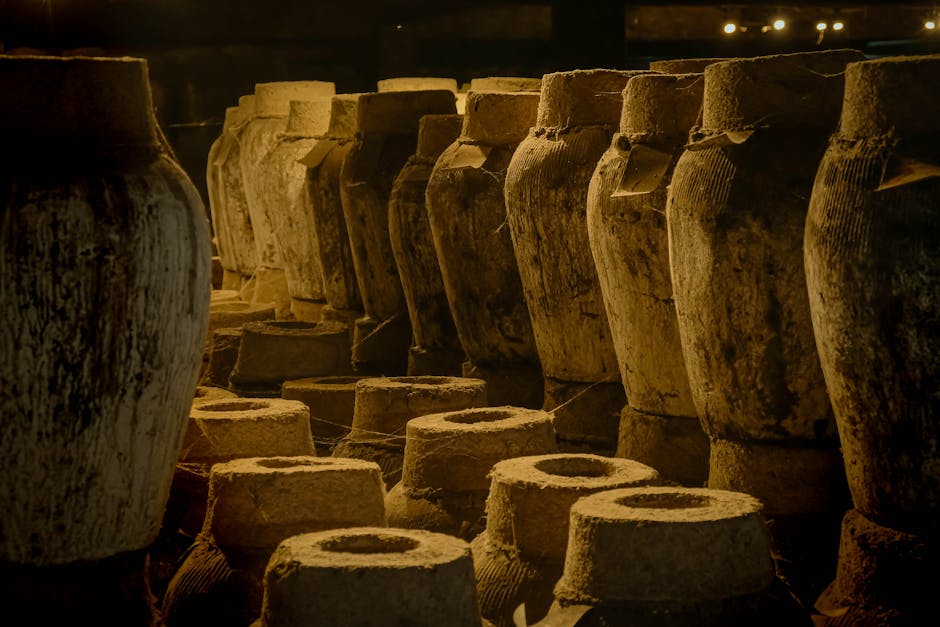
6. Dining Inside a Hill of History
Flavio al Velavevodetto, Rome, Italy
This restaurant is built directly into Monte Testaccio, an artificial hill composed entirely of broken amphorae from ancient Roman times.
Eating at Flavio al Velavevodetto is a truly unique experience. Located in Testaccio, the restaurant’s walls are literally carved into Monte Testaccio, the enormous mound of pottery shards that accumulated from centuries of Roman trade. As you savor classic Roman pasta like cacio e pepe, you're dining inside a tangible piece of ancient Roman waste management and commerce, surrounded by fragments of history that once held olive oil and wine.
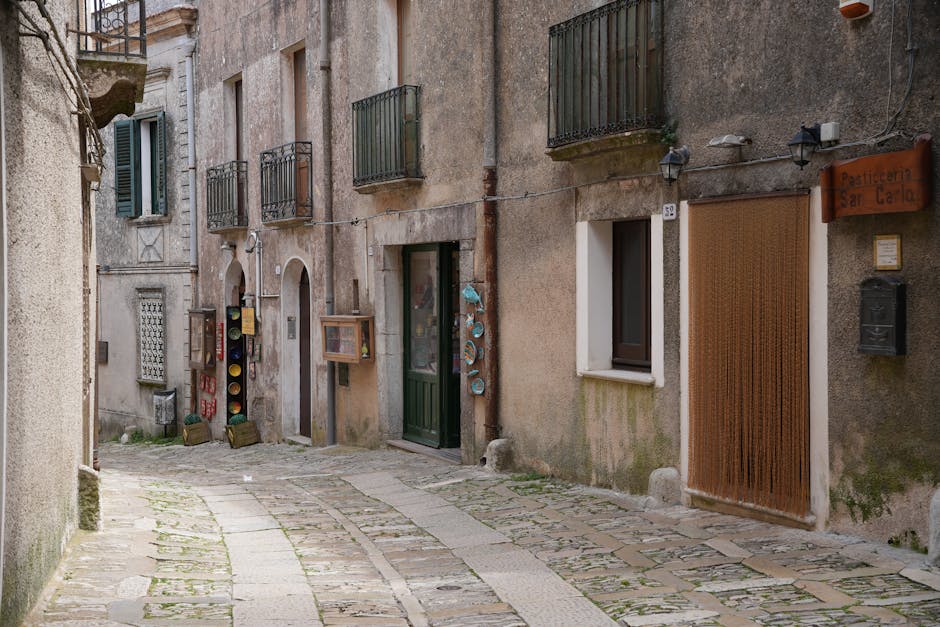
7. The Sweet Creamy Morning Tradition
Pasticceria Regoli, Rome, Italy
Pasticceria Regoli, one of Rome's oldest pastry shops, is famous for maritozzi con la panna, a sweet bun whose origins trace back to Lenten traditions in ancient Rome.
Stepping into Pasticceria Regoli, founded in 1916 near Piazza Vittorio Emanuele II, is like traveling back in time. This beloved pastry shop is a must-visit for its maritozzi con la panna – light, sweet buns sliced open and generously filled with fresh whipped cream. Historically, maritozzi were a Lenten food, often containing dried fruit and pine nuts, making them a significant part of Roman culinary heritage. Enjoying one here is savoring a piece of living history.
8. Offal's Royal Legacy
Checchino dal 1887, Rome, Italy
Located in the historic Testaccio slaughterhouse district, Checchino dal 1887 perfected 'quinto quarto' (fifth quarter) dishes, transforming humble offal into Roman culinary art.
For over a century, Checchino dal 1887 has been an icon of Roman cuisine, specializing in the 'quinto quarto,' the less noble cuts of meat like oxtail, tripe, and sweetbreads. Born from the necessity of utilizing every part of the animal in the former slaughterhouse district, this restaurant elevated these ingredients to gourmet status. Their Coda alla Vaccinara (oxtail stew) is legendary, offering a deep dive into Rome's resourceful and flavorful culinary past.
Frequently asked questions
What is a typical Roman breakfast?
A traditional Roman breakfast is often light and sweet. It commonly consists of a cappuccino or espresso paired with a freshly baked cornetto (a croissant-like pastry) or, famously, a maritozzo con la panna, a sweet bun generously filled with whipped cream.
Do locals eat dinner late in Rome?
Yes, Romans typically dine much later than in many other countries. Dinner usually starts around 8:00 PM or 8:30 PM, and it's not uncommon for restaurants to be bustling well past 10:00 PM, especially on weekends. Eating earlier might mean you're dining mostly with tourists.
What are 'cucina povera' dishes in Rome?
Cucina povera, or 'poor kitchen' cuisine, refers to dishes developed by common people using simple, often humble and inexpensive ingredients. In Rome, this includes iconic pasta dishes like Cacio e Pepe (cheese and pepper) and Amatriciana, as well as 'quinto quarto' (fifth quarter) offal dishes like Coda alla Vaccinara (oxtail stew), all transformed into incredibly flavorful meals.
How can the AllTours.ai app enhance my food tour in Rome?
The AllTours.ai app brings the history and culture of Rome's food scene to life. By simply pointing your phone camera at a historic trattoria, a bustling market stall, or even a specific dish, the app will narrate its fascinating background, local lore, and culinary significance in your preferred language, making every bite an informed discovery.
Related guides
Photography via Pexels. AllTours.ai is an AI audio tour guide — point your camera at any landscape and hear its story.