May 29, 2026 · 4 min read
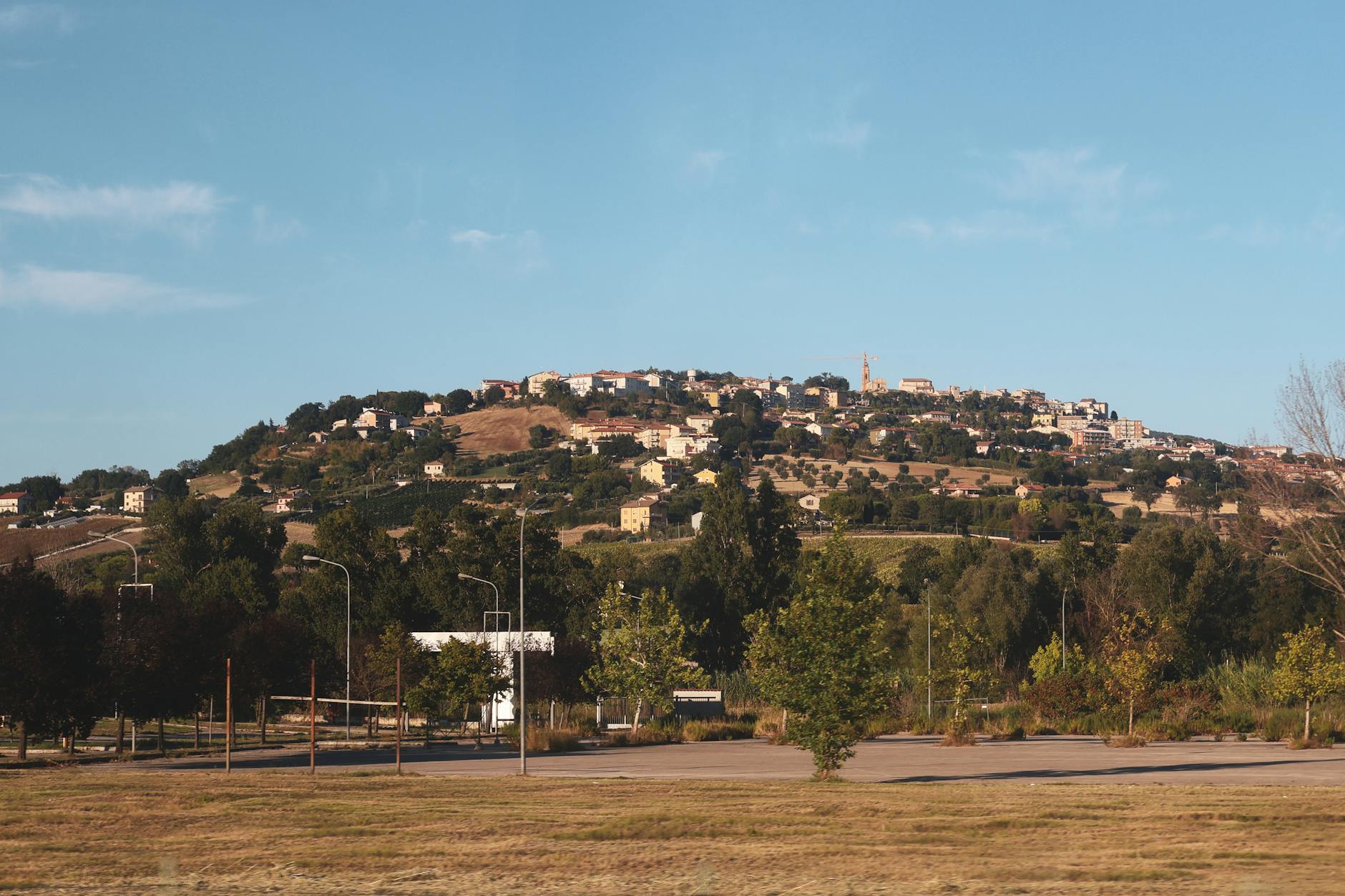
Italy's famous cities—Rome, Florence, Venice—draw millions, yet the true soul of the country often lies in its smaller, lesser-known settlements: the borghi. These historic villages, usually fortified and perched atop hills or carved into dramatic landscapes, hold centuries of untold stories, preserved traditions, and architectural marvels.
Beyond the well-trodden paths, these are the places where time seems to slow, where ancient stones whisper tales of resilience, unexpected geology, and unique cultural legacies. Prepare to be surprised by the true depth and variety of Italy's most beautiful villages, each with a distinct character and a compelling secret waiting to be discovered.
1. The Dying City That Refused To Fall
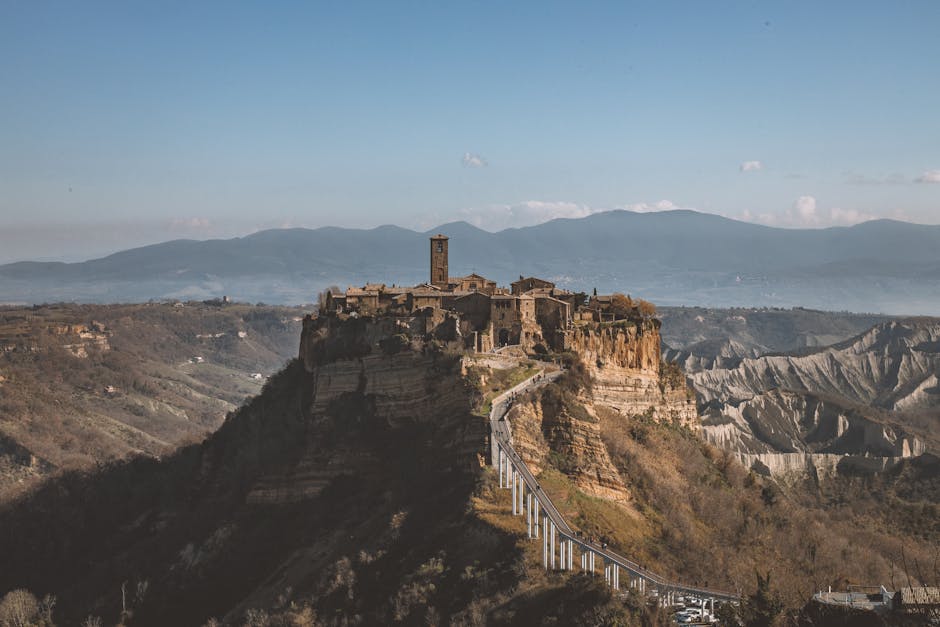
Civita di Bagnoregio, Italy
This ancient village is slowly crumbling into the valley, yet it remains stubbornly alive, accessible only by a dramatic pedestrian bridge.
Perched atop a volcanic tufa rock, Civita di Bagnoregio is a geological marvel. Its dramatic erosion has earned it the moniker "the dying city," as its edges slowly give way to the valley below. Despite its precarious existence, a resilient community and a steady stream of curious visitors keep its ancient heart beating, preserving its medieval architecture and unique atmosphere.
2. Tuscany's City of Tufa and Ancient Roots
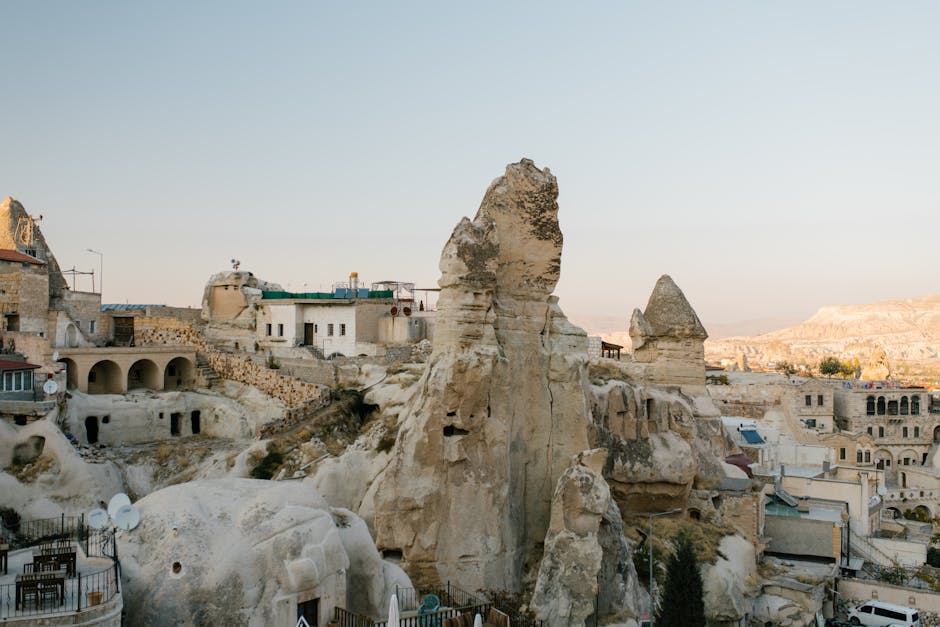
Pitigliano, Italy
Often called "Little Jerusalem," this Tuscan village is carved directly into volcanic tufa rock, revealing layers of Etruscan, Roman, and Jewish history.
Pitigliano dramatically rises from a cliff face, its buildings seeming to emerge organically from the golden-brown tufa. Beneath its medieval streets lies a labyrinth of Etruscan caves and tunnels, offering a glimpse into its deep past. The village also hosts a poignant Jewish Quarter, a testament to centuries of coexistence and earning it its unique nickname.
3. The Reclaimed Village of Artists and Ancient Cults
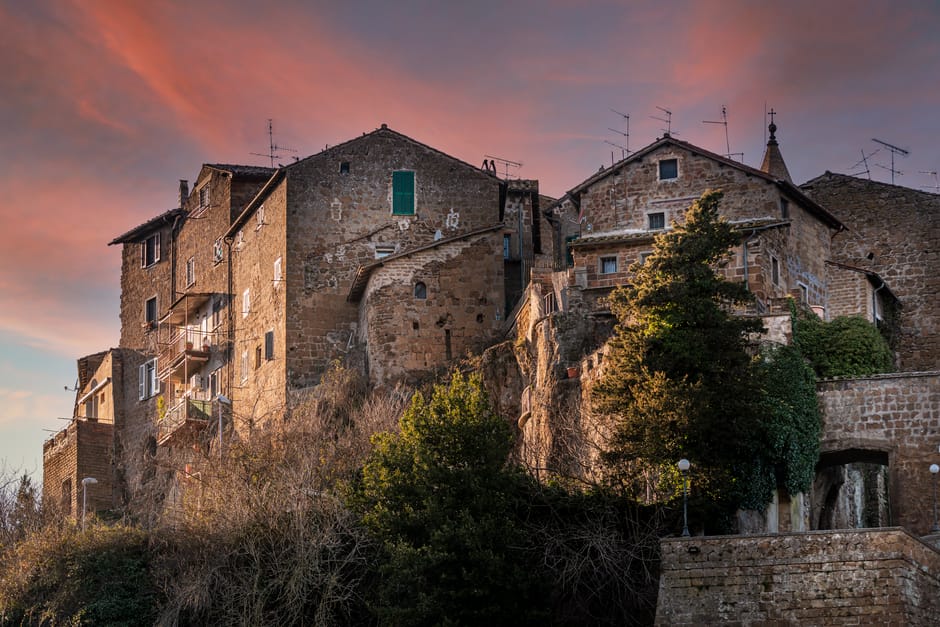
Calcata Vecchia, Italy
Once abandoned due to fears of collapse, this medieval hamlet was rediscovered by artists and bohemians, preserving its unique pagan past and transforming it into a vibrant cultural hub.
Perched on a volcanic rock spur north of Rome, Calcata Vecchia was officially condemned in 1935, its inhabitants moved to a new town. For decades, it lay deserted until the 1960s, when a community of artists and spiritual seekers moved in, reclaiming its crumbling stone houses. This influx revived the village, which legend says was once a site of ancient Faliscan and Etruscan rituals, blending its pagan echoes with modern artistic expression.
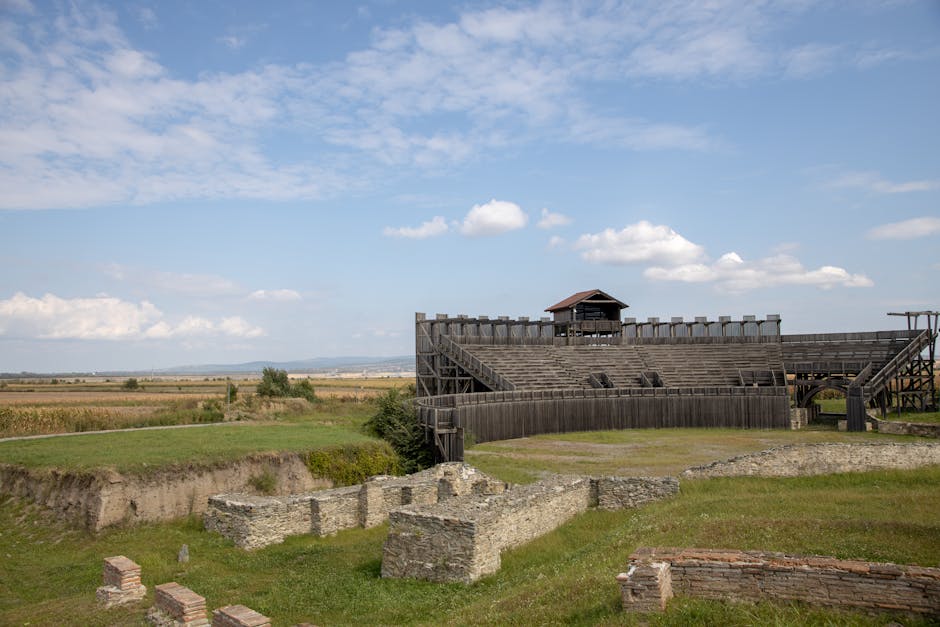
4. The Mummified Town Reborn from Rubble
Venzone, Italy
This entire medieval village was meticulously rebuilt stone by stone after a devastating earthquake, and is famously home to naturally preserved mummies.
In 1976, a catastrophic earthquake leveled Venzone, reducing its historic structures to rubble. An unprecedented effort saw the entire village, including its magnificent Duomo, painstakingly reconstructed using original stones and techniques. This remarkable act of resilience complements another unique aspect: its crypt holds several naturally mummified bodies, preserved by a rare fungus, silently witnessing the village's rebirth.
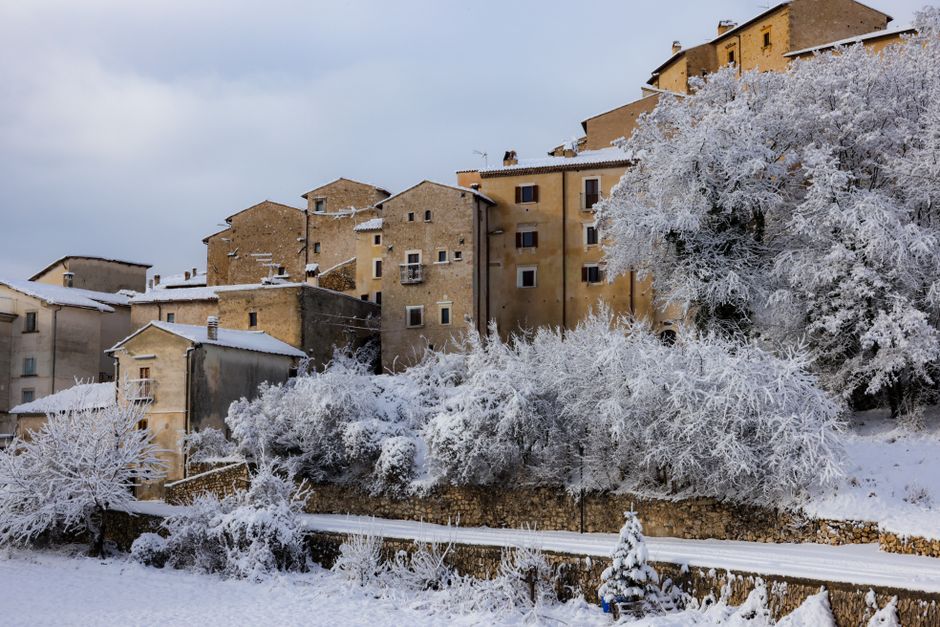
5. Abruzzo's Medici Legacy and Revival
Santo Stefano di Sessanio, Italy
This stunning fortified village, once owned by the powerful Medici family, faced depopulation but has been meticulously restored as a unique "scattered hotel."
Tucked away in the Gran Sasso e Monti della Laga National Park, Santo Stefano di Sessanio is a pristine example of medieval Abruzzese architecture. It flourished under the Medici family, who controlled its lucrative wool trade. After centuries of decline and emigration, a visionary project transformed its historic buildings into an 'albergo diffuso' or scattered hotel, breathing new life into its ancient stones while preserving its authentic character.
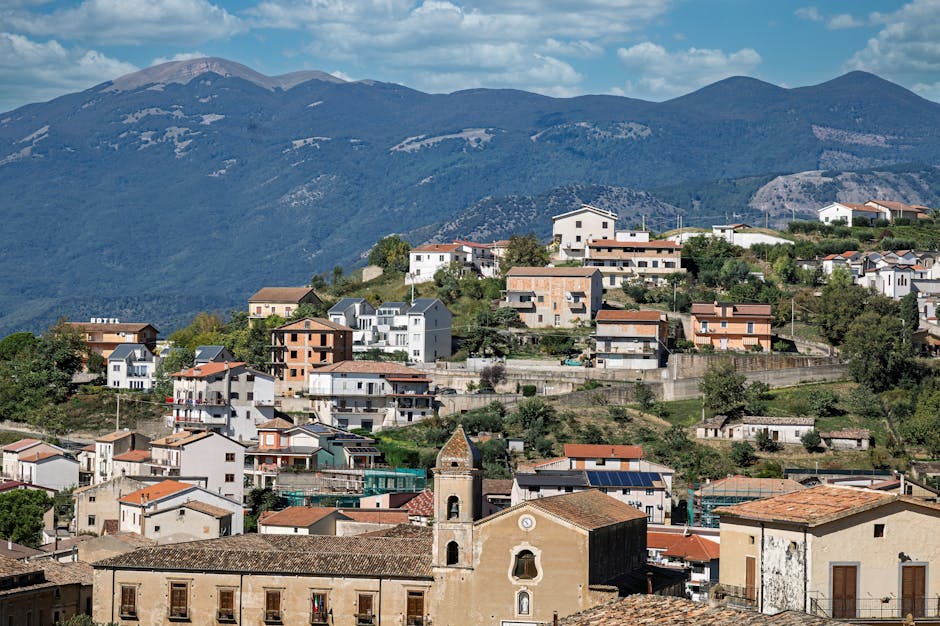
6. Calabria's City of a Hundred Churches
Gerace, Italy
Perched on a dramatic rock, this Calabrian village boasts a stunning Norman cathedral and a labyrinth of streets hinting at its Byzantine and Saracen past.
Gerace overlooks the Ionian Sea from a rocky outcrop, a strategic location that shaped its diverse history. Its name is thought to derive from the Greek 'ierax' (hawk), referring to its lofty position. The village is famed for its countless churches, including a magnificent 11th-century Norman cathedral, one of Calabria's largest. Its narrow alleys and hidden courtyards whisper tales of Byzantine monks, Saracen raids, and Norman conquerors.
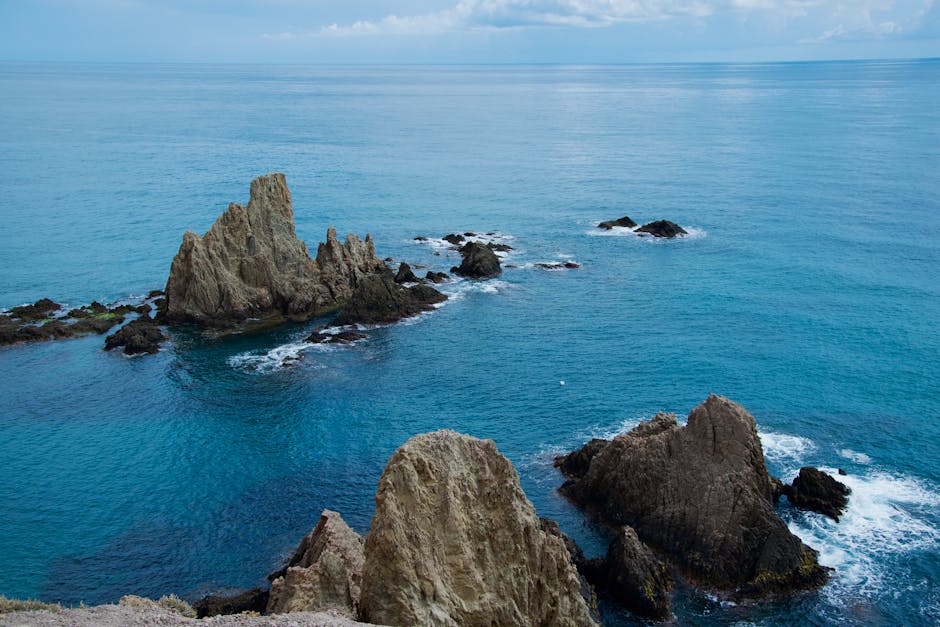
7. The Ghost Village Under the "Finger of God"
Pentedattilo, Italy
Clinging to a colossal rock formation resembling a five-fingered hand, this abandoned village holds a haunting legend of a bloody noble massacre.
Pentedattilo, whose name means "five fingers" in Greek, is dominated by its extraordinary rock formation. Once a thriving agricultural center, the village was gradually abandoned due to earthquakes and emigration, becoming a true ghost town. Its eerie silence is broken only by the wind, carrying echoes of the legend of the Alberti massacre in the 17th century, a tragic tale of revenge that adds to its dramatic allure.
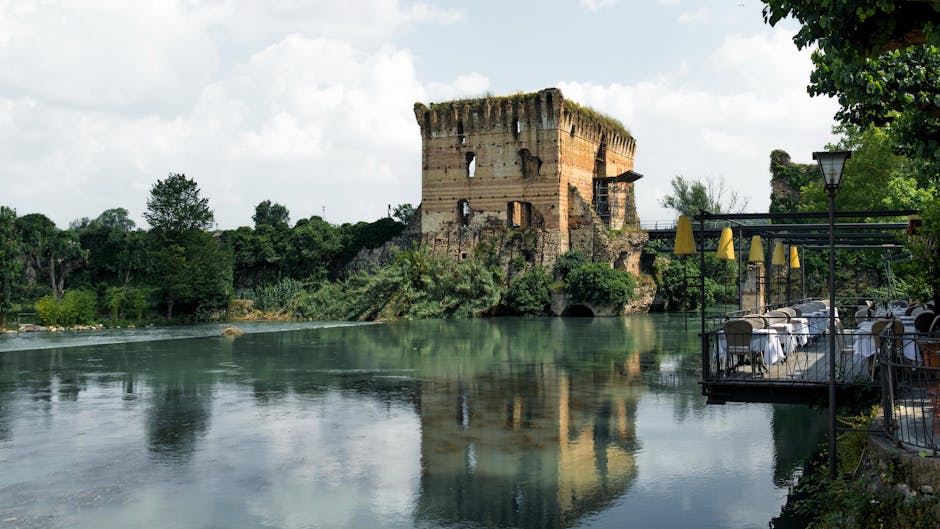
8. The Watermill Hamlet and the Kissing Knot
Borghetto sul Mincio, Italy
This idyllic medieval hamlet, famous for its historic watermills and a romantic pasta legend, appears frozen in time along the Mincio River.
Borghetto sul Mincio is a picture-perfect village of ancient watermills and stone houses, straddling the tranquil Mincio River. Part of the larger Valeggio sul Mincio municipality, its charm lies in its preserved medieval character and the gentle rush of its waterways. The village is also the birthplace of "Tortellino di Valeggio," a delicate pasta tied to a romantic legend involving a nymph and a soldier, celebrated annually with a grand feast on the Visconti Bridge.
Frequently asked questions
What is the best time of year to visit Italy's smaller villages?
The shoulder seasons (April-May and September-October) are ideal. The weather is pleasant, crowds are thinner than in summer, and the natural scenery is at its most beautiful, making for comfortable exploration.
Are these lesser-known Italian villages difficult to access without a car?
Many of Italy's most beautiful smaller villages are indeed more easily reached by car, offering flexibility to explore their often remote locations. Public transport options can be limited or require multiple connections, though some popular borghi might have better bus or train links.
What defines a 'borgo' in Italy?
A 'borgo' typically refers to a small, ancient fortified village or hamlet, often with medieval origins, rich history, and well-preserved architecture. These charming settlements are distinct from larger towns or cities and represent a significant part of Italy's cultural heritage.
How does the AllTours.ai app enhance a visit to these villages?
The AllTours.ai app acts as your personal AI audio tour guide. Simply point your phone camera at a landmark, a building, or even a natural landscape, and the app will instantly narrate its history, geological significance, and cultural stories in your preferred language, bringing these hidden gems to life.
Self-guided audio tours
Walk these places stop by stop — free five-stop story tours you can take at your own pace:
Photography via Pexels. AllTours.ai is an AI audio tour guide — point your camera at any landscape and hear its story.