May 20, 2026 · 4 min read
Rome is a city of unparalleled history, where every corner seems to whisper tales of emperors, artists, and saints. Yet, for all its iconic grandeur – the Colosseum, the Vatican, the Trevi Fountain – there’s an entire Rome that often remains unseen, tucked away from the main tourist paths. This is the Rome locals cherish, where history feels more personal, and discovery is around every corner.
If you're eager to peel back the layers and uncover the true soul of the Eternal City, beyond the well-trodden routes, you’re in for a treat. We’ve curated a list of genuine hidden gems in Rome: quiet churches with dazzling secrets, ancient ruins that reveal everyday life, and neighborhoods that surprise with their unique charm. Each spot comes with a story hook that will spark your curiosity and deepen your appreciation for this magnificent city.
1. Rome's Layered History Revealed
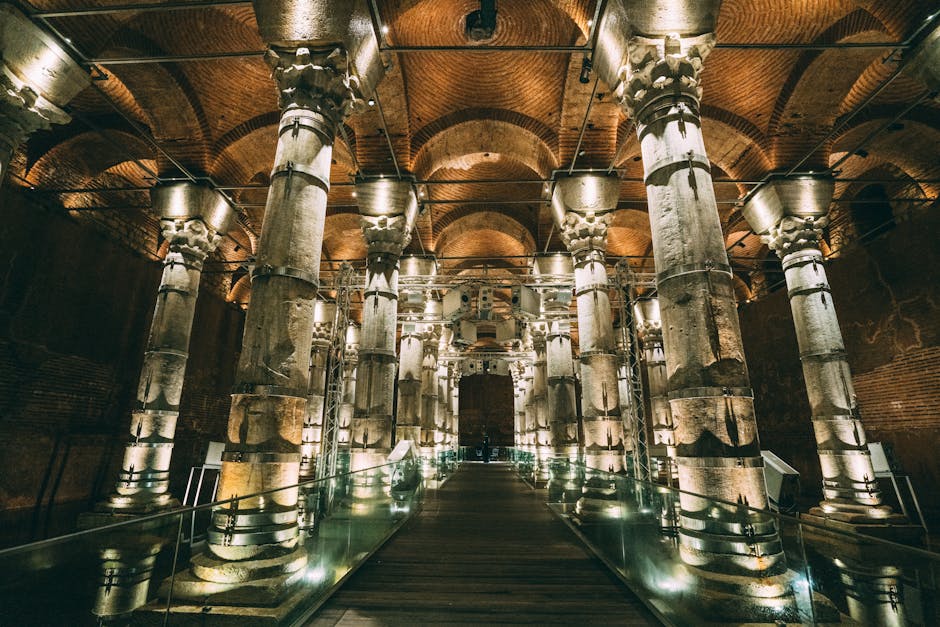
Basilica di San Clemente, Rome, Italy
Beneath this tranquil basilica lies a hidden pagan temple and an ancient Roman street, revealing millennia of continuous occupation.
Descend through time at San Clemente, where each level unearths a different epoch. The current 12th-century church sits atop a 4th-century basilica, which itself was built over a 1st-century Roman house and a Mithraic temple. Explore the dark, damp passages to witness ancient frescoes, a functioning underground spring, and the very foundations of Rome's enduring past.
2. The Fairytale District of Rome
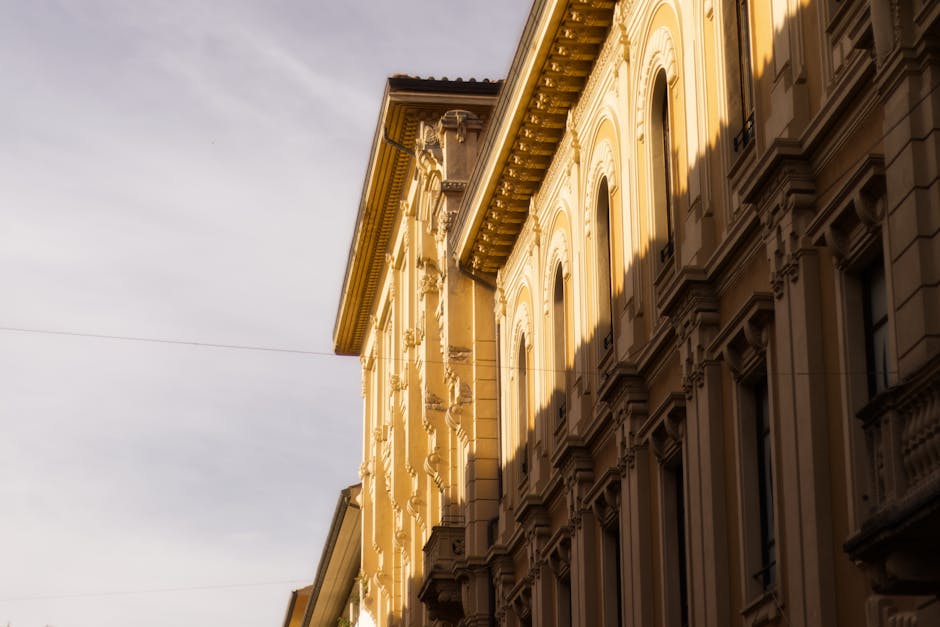
Quartiere Coppedè, Rome, Italy
Discover an enchanting, whimsical architectural complex in Rome that looks more like a fantastical movie set than a typical Roman neighborhood.
Tucked away near Villa Borghese, Quartiere Coppedè is an early 20th-century architectural marvel, a collection of palaces and villas designed by Gino Coppedè. Its unique style blends Art Nouveau, Baroque, and Gothic elements, creating a dreamlike atmosphere with intricate carvings, arches, and allegorical figures. Walk through the Arch of the Frogs and marvel at the Fountain of the Frogs, feeling transported to a storybook realm far from Rome's classical grandeur.
3. Ancient Gods in a Power Plant
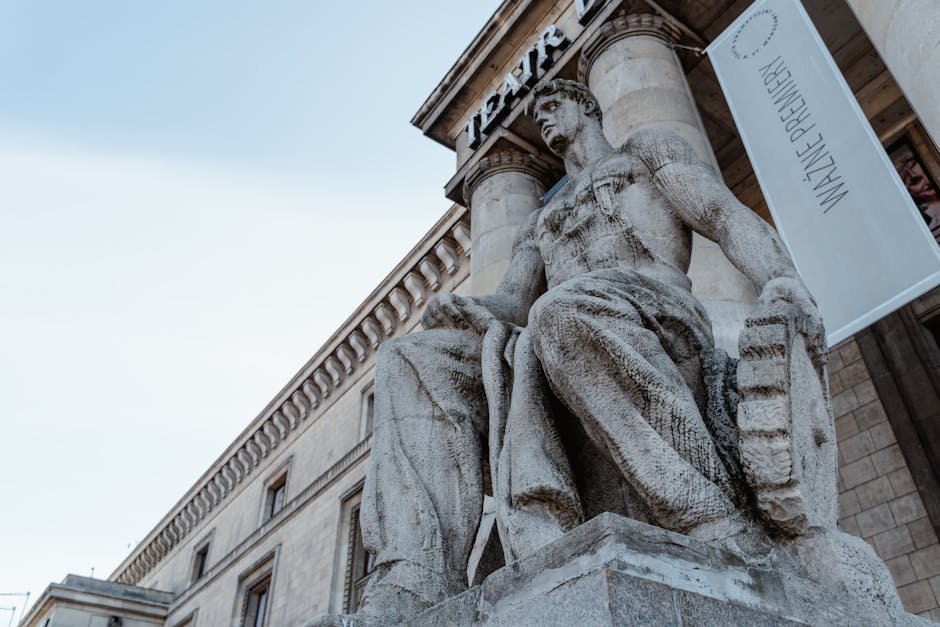
Centrale Montemartini, Rome, Italy
Witness a striking contrast as classical Roman statues stand proudly amidst the colossal machinery of Rome's first public power plant.
This extraordinary museum offers a unique dialogue between antiquity and industrial archaeology. Masterpieces of ancient Roman sculpture, rescued from excavations across the city, are displayed alongside the enormous turbines and generators of the former Giovanni Montemartini thermoelectric power station. The interplay of cold steel and warm marble creates a surprisingly harmonious and thought-provoking experience, offering a fresh perspective on Rome's artistic legacy.
4. Poets' Rest in Rome's Quiet Garden
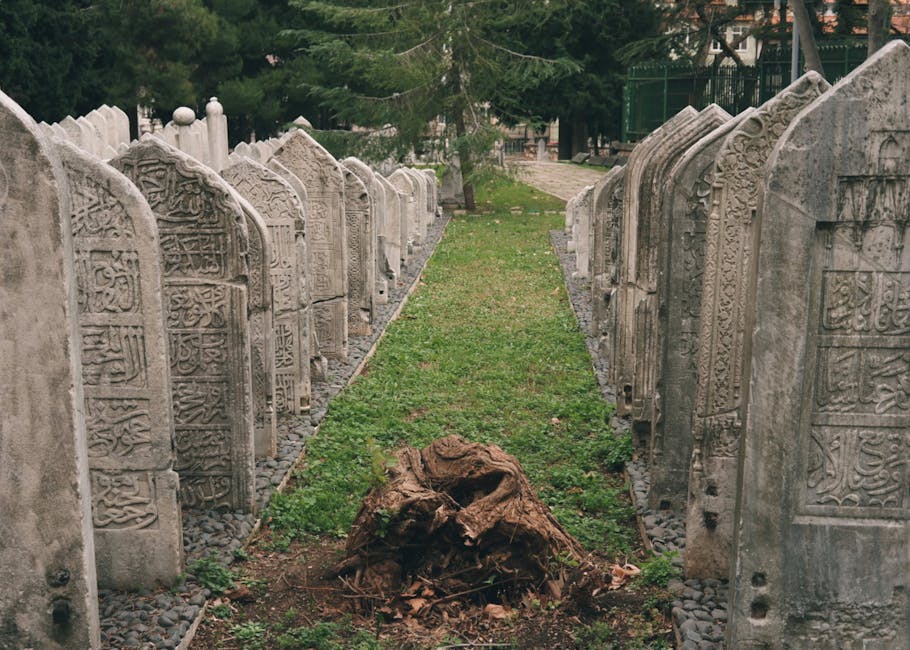
Cimitero Acattolico, Rome, Italy
This serene non-Catholic cemetery holds the graves of renowned poets John Keats and Percy Bysshe Shelley, alongside countless other foreign residents, beneath ancient cypress trees.
A tranquil oasis near the Pyramid of Cestius, the Cimitero Acattolico offers a peaceful respite from the city's bustle. Known as the "Protestant Cemetery," it's the final resting place for numerous artists, writers, and diplomats who found their home in Rome. The poignant epitaphs and the lush, green surroundings invite contemplation, making it a place of quiet beauty and profound historical resonance.
5. Hidden Roman Homes Beneath a Church
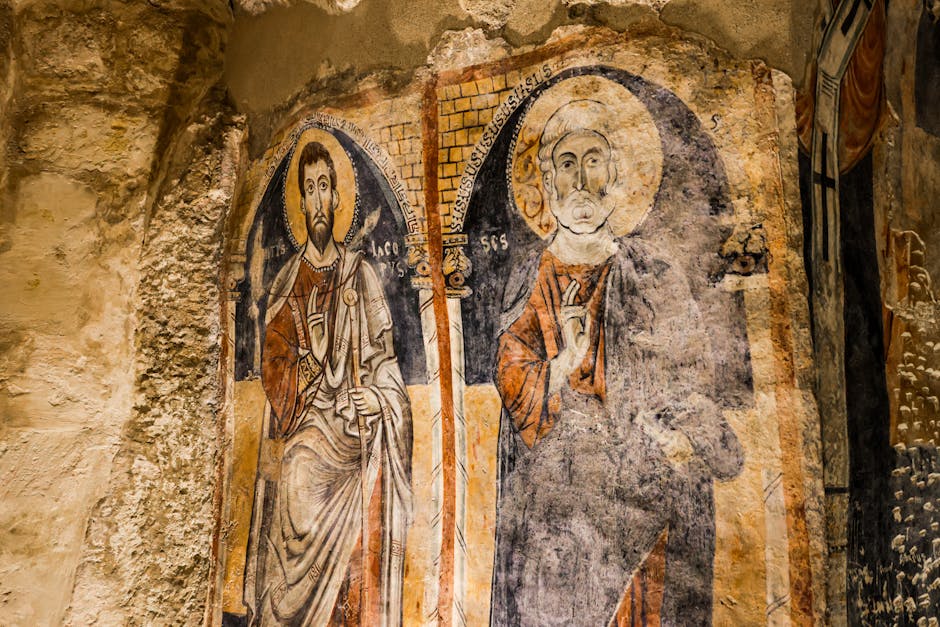
Case Romane del Celio, Rome, Italy
Descend beneath a basilica to discover a remarkably preserved complex of ancient Roman houses, complete with vibrant frescoes and intricate mosaics.
Beneath the Basilica of Saints John and Paul on the Caelian Hill lies a fascinating archaeological site known as the Roman Houses of the Caelian. These multi-level dwellings, some dating back to the 2nd century AD, offer an intimate glimpse into daily life in ancient Rome. Explore rooms adorned with pagan and early Christian frescoes, intricate floor mosaics, and discover the hidden secrets of one of Rome's most elegant ancient neighborhoods.
6. The Aqueduct Beneath the Trevi Fountain
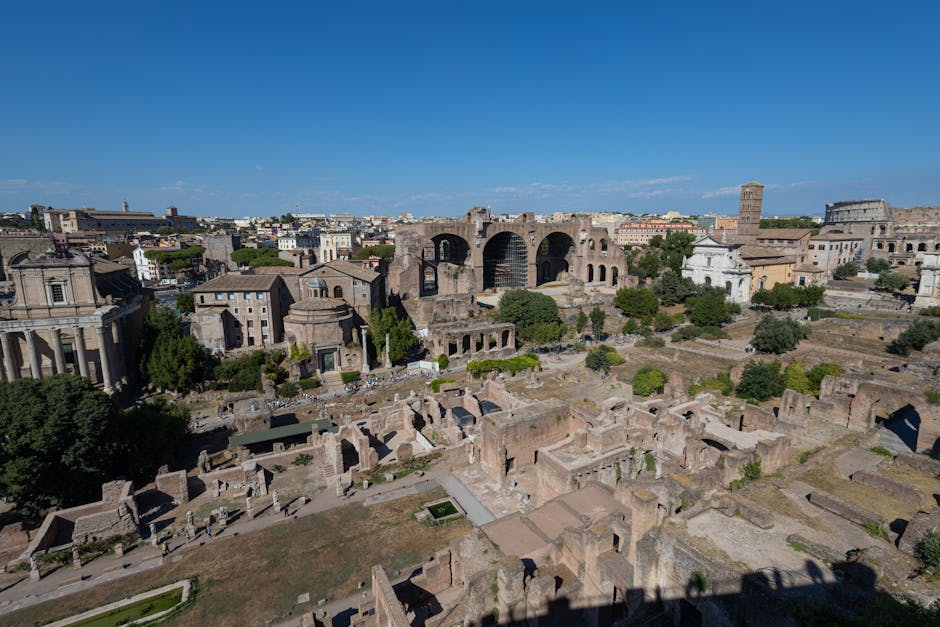
Vicus Caprarius, Rome, Italy
Explore a true "City of Water" underground, revealing an ancient Roman apartment block and the very aqueduct that feeds the iconic Trevi Fountain.
Just steps from the Trevi Fountain's crowds, this archaeological gem offers a unique subterranean journey. Descend into the remains of an Imperial-era insula (apartment block) and discover a water storage reservoir, part of the Aqua Virgo aqueduct system, still functioning after two millennia. Witness the intricate engineering that brought water to ancient Rome and continues to supply one of the city's most famous landmarks.
7. Byzantine Splendor in a Roman Basilica
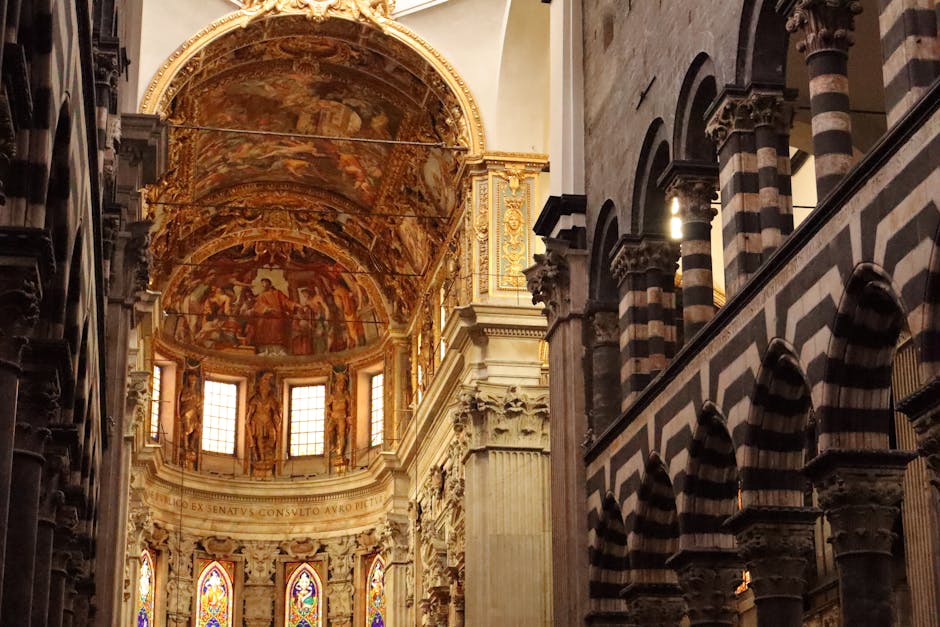
Basilica di Santa Prassede, Rome, Italy
Step into a surprisingly quiet basilica to discover one of Rome's most dazzling collections of 9th-century Byzantine mosaics, rivaling those found in Ravenna.
Often overlooked, the Basilica di Santa Prassede is a treasure trove of early medieval art, particularly within the Chapel of San Zeno, also known as the "Garden of Paradise." Its walls and ceiling are entirely adorned with glittering gold and vibrant glass mosaics, depicting Christ, saints, and celestial scenes with remarkable detail. This hidden gem offers an unparalleled immersion into the artistic and spiritual world of the Carolingian renaissance in Rome.
Frequently asked questions
What are some truly unique things to see in Rome?
Beyond the famous landmarks, Rome offers unique experiences like the multi-layered Basilica di San Clemente, the industrial-meets-classical art museum Centrale Montemartini, and the whimsical architecture of Quartiere Coppedè. These sites provide a deeper, more intimate glimpse into the city's diverse history and culture.
How can I find less crowded historical sites in Rome?
To avoid crowds, seek out sites slightly off the beaten path or visit popular ones during off-peak hours, early mornings, or late afternoons. Exploring less-known areas like the Cimitero Acattolico or the underground Roman Houses of the Caelian can offer profound historical experiences without the throngs.
Is it safe to explore Rome's hidden areas alone?
Rome is generally a safe city for exploration. However, like any major urban area, it's wise to stay aware of your surroundings, especially in less frequented areas or at night. Stick to well-lit paths and trust your instincts. Public transportation is reliable for reaching many hidden gems.
How can AllTours.ai help me discover Rome's hidden stories?
AllTours.ai transforms your phone into an AI-powered audio tour guide. Simply point your camera at any landscape, ruin, or landmark, and the app will instantly narrate its history, geology, and cultural significance in your preferred language. It's like having an expert local guide in your pocket, ready to reveal the hidden narratives of Rome's most fascinating places, whether famous or secret.
Self-guided audio tours
Walk these places stop by stop — free five-stop story tours you can take at your own pace:
Photography via Pexels. AllTours.ai is an AI audio tour guide — point your camera at any landscape and hear its story.