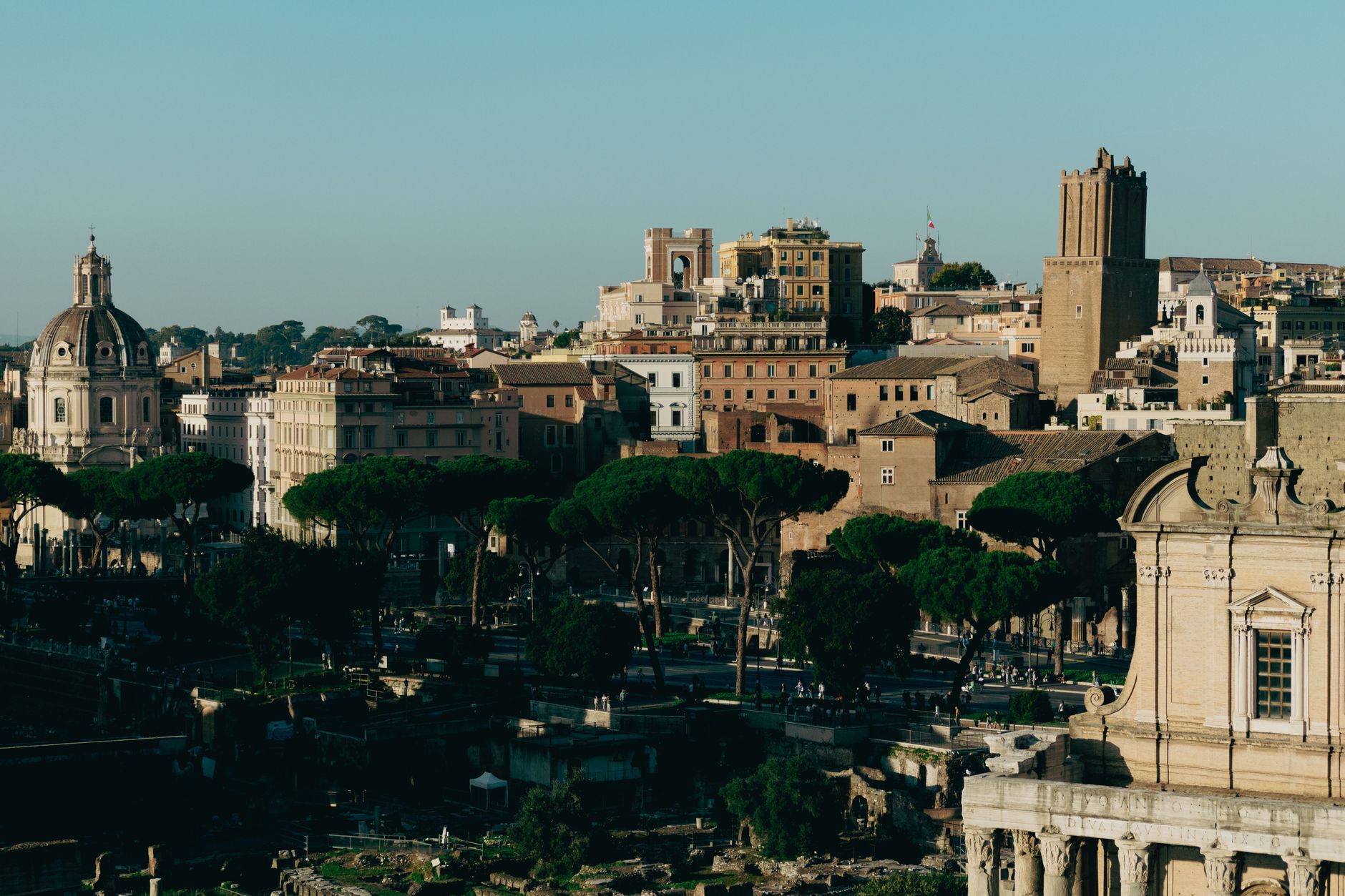
June 7, 2026 · 4 min read
Rome is an overwhelming city, a layered tapestry of empires, art, and daily life stretching back millennia. Trying to see it all in a single day is impossible, but experiencing its unique pulse and uncovering its hidden gems is absolutely within reach. Forget the rush; this itinerary is designed for a focused, walkable journey.
This isn't about ticking off every major landmark. Instead, we'll explore surprising corners and reveal the lesser-known, vivid stories that bring Rome to life. From optical illusions to ancient healing sanctuaries, prepare to see the Eternal City through a new, curious lens.
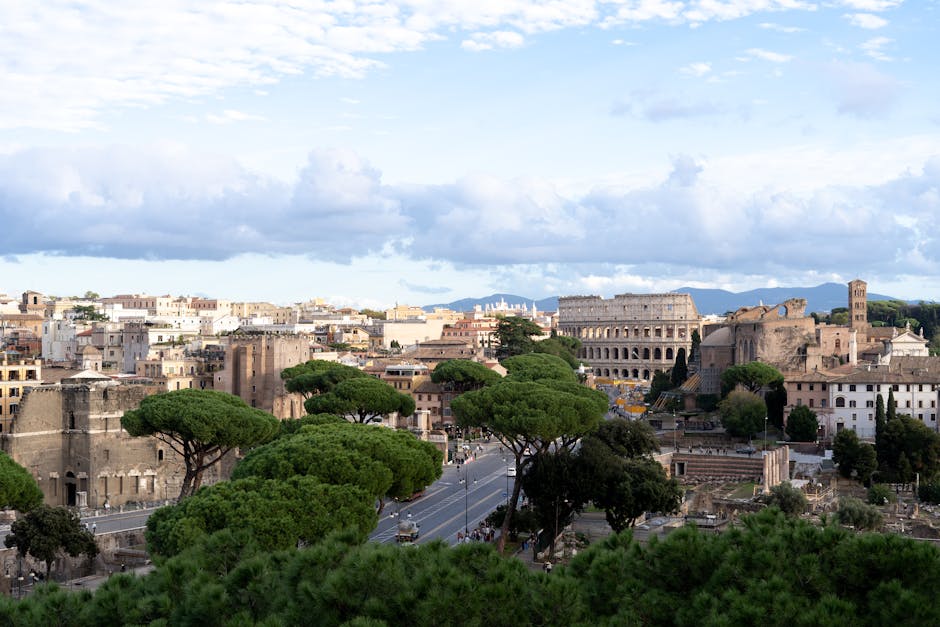
1. Chariots and Whispers at Circus Maximus
Circus Maximus, Rome, Italy
The Circus Maximus once hosted races so popular, their results often dictated political alliances and public mood.
Imagine 150,000 roaring fans, not just for sport, but for political sway. Chariot racing was Rome’s most popular spectacle, often tied to imperial propaganda. The vast open space, now largely a park, still evokes the scale of an arena where emperors themselves often sponsored games, their fortunes sometimes rising or falling with the favored charioteer's success.
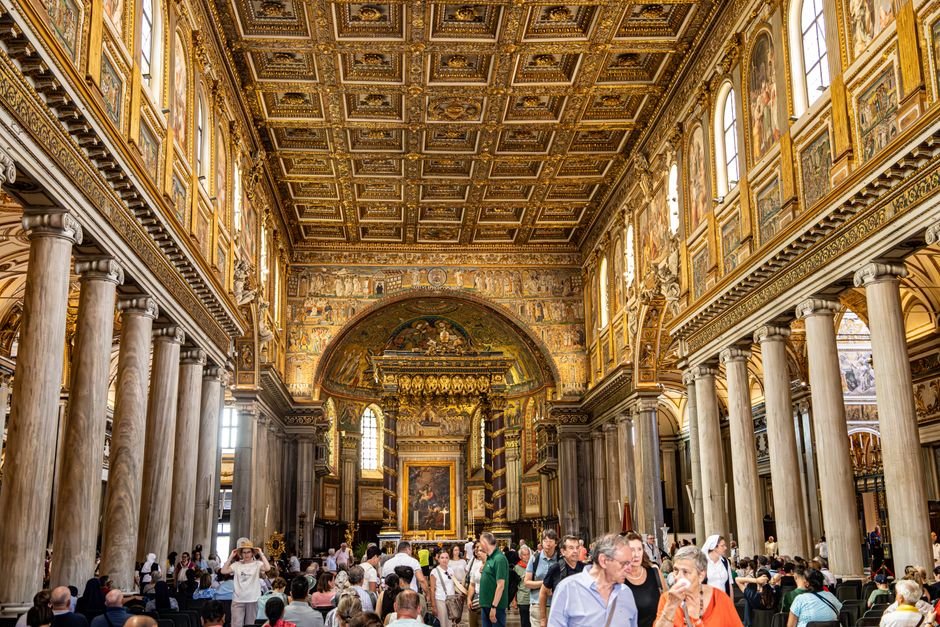
2. Bones and Belief at Santa Maria in Cosmedin
Santa Maria in Cosmedin, Rome, Italy
This medieval church holds a glass coffin displaying the skeletal remains of Saint Valentine himself.
Beyond the famous Mouth of Truth, Santa Maria in Cosmedin holds a macabre secret: the preserved skeleton of Saint Valentine, displayed in a glass reliquary. Built on the ruins of an ancient temple, the church itself is a fascinating palimpsest of Roman history, with its beautiful mosaic floor and the distinct campanile, telling tales from pagan worship to Christian relics.
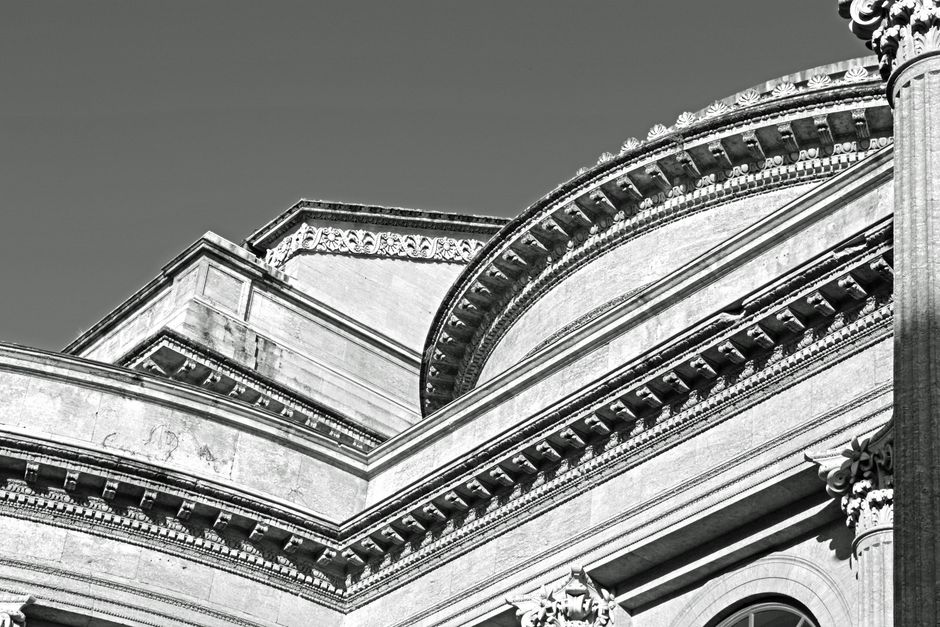
3. The Theatre That Became a Home
Teatro di Marcello, Rome, Italy
This ancient Roman theatre was transformed into an impenetrable medieval fortress and later, a Renaissance palace.
Often mistaken for a smaller Colosseum, the Theatre of Marcellus has a unique story of survival. Commissioned by Augustus, it was Rome's largest open-air theatre. After its theatrical life, the powerful Savelli family converted it into a fortified palace in the Middle Ages, adding a residential layer that still exists today, making it a living piece of ancient and medieval Rome.
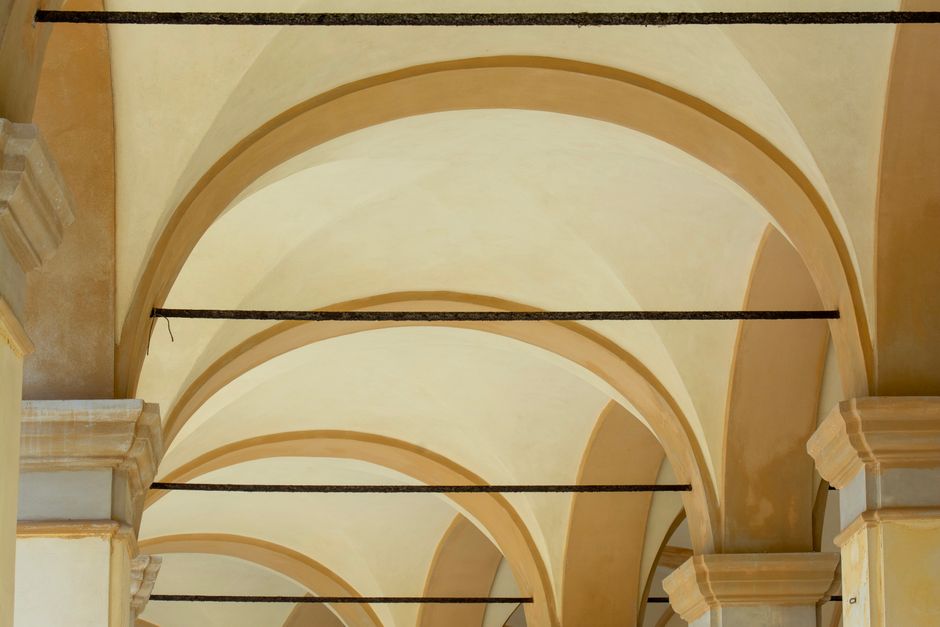
4. Gateway to the Ghetto: Portico d'Ottavia
Portico d'Ottavia, Rome, Italy
The columns of this ancient Roman portico once framed Rome's bustling fish market for over a thousand years.
What began as a grand portico dedicated by Augustus to his sister Octavia, later became the epicentre of Rome's fish market, serving the city for centuries. This structure forms the gateway to the historic Jewish Ghetto, a neighborhood with a poignant history and distinctive culinary traditions. Its ancient stones tell tales of both imperial grandeur and resilient community life.
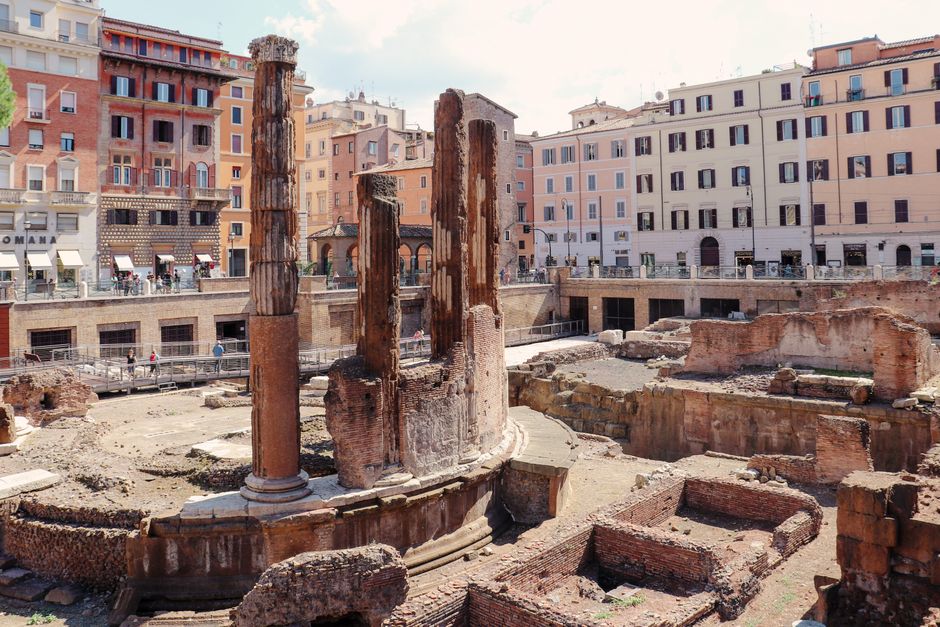
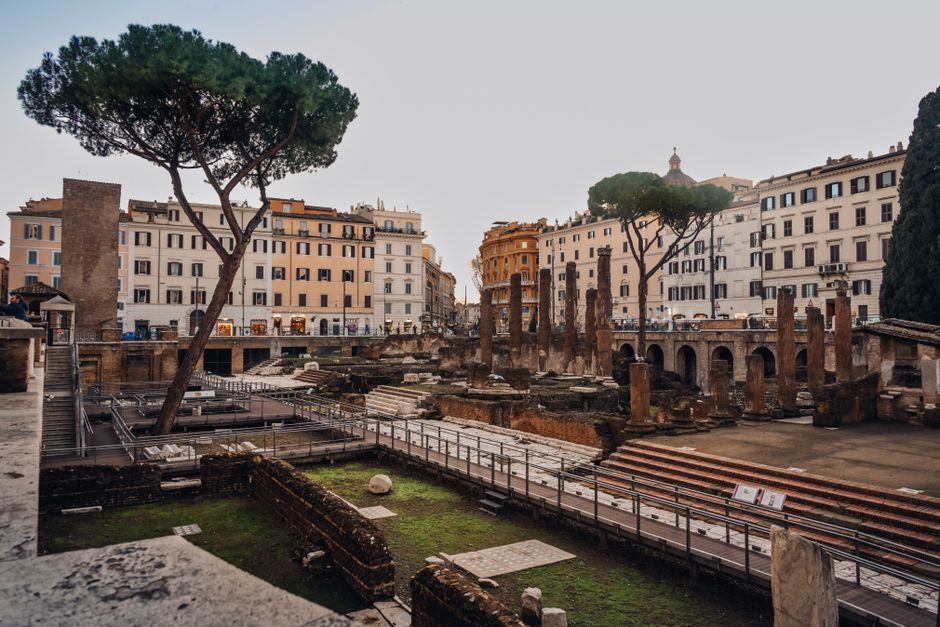
5. Caesar's Last Stand (and Rome's Cat Sanctuary)
Largo di Torre Argentina, Rome, Italy
Julius Caesar met his end not in the Forum, but just steps from this very spot, now a sanctuary for hundreds of stray cats.
Beneath the modern street level of Largo di Torre Argentina lie the ruins of four Republican-era temples and the Curia of Pompey, where Julius Caesar was famously assassinated on the Ides of March. Today, the ancient stones serve a different purpose: they are home to a beloved cat sanctuary, where hundreds of felines roam freely among the ancient history, oblivious to their momentous surroundings.
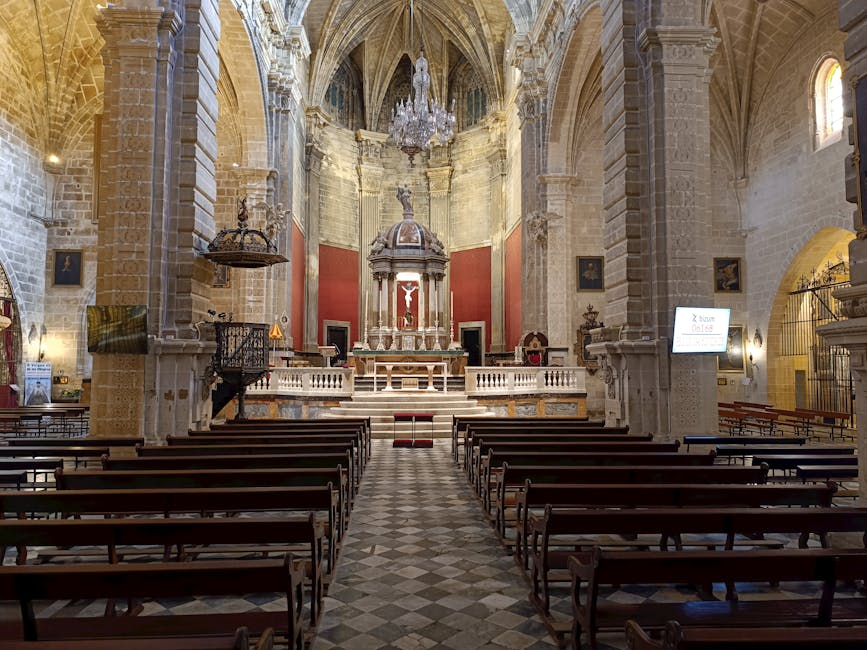
6. Rome's Only Gothic Gem: Santa Maria sopra Minerva
Santa Maria sopra Minerva, Rome, Italy
This is Rome's only surviving Gothic church, strikingly different from the city's Baroque and Renaissance styles.
Tucked away near the Pantheon, Santa Maria sopra Minerva stands out as Rome's only Gothic church, a rare sight amidst the city's predominantly Baroque and Renaissance architecture. Inside, it houses significant art by Michelangelo and Bernini, including an elephant carrying an Egyptian obelisk in the piazza outside—a playful Bernini design that blends ancient and sacred.
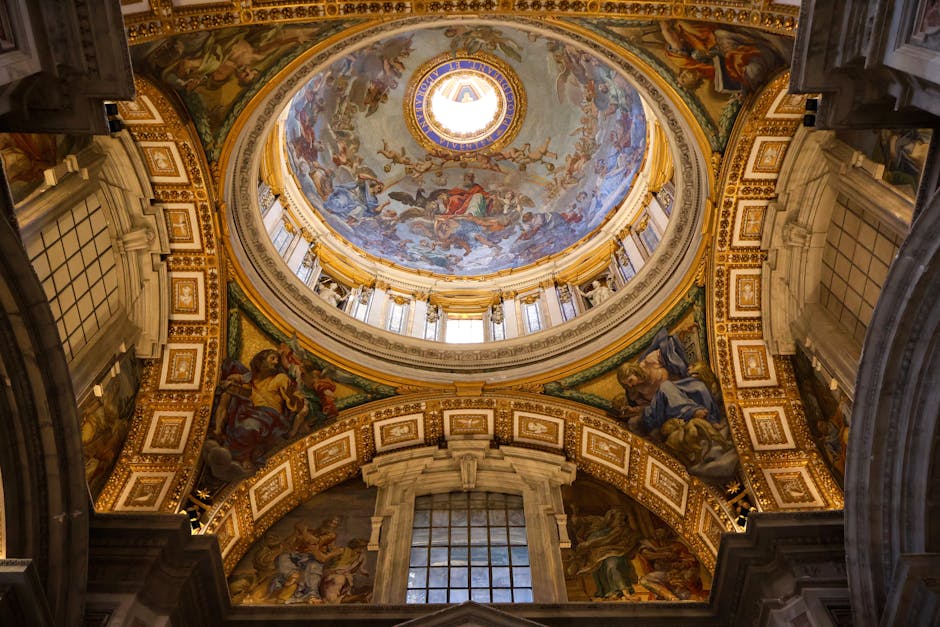
7. The Dome That Isn't There: Sant'Ignazio
Chiesa di Sant'Ignazio di Loyola, Rome, Italy
Step inside and look up: the magnificent dome you see is not a real dome, but an optical illusion painted on a flat ceiling.
The Church of St. Ignatius of Loyola is a masterpiece of Baroque illusion. Its most astounding feature is a 'dome' that appears to soar above, yet it's entirely flat, a brilliant trompe l'oeil painting by Andrea Pozzo. This architectural trick was devised due to a lack of funds for a real dome, creating one of Rome's most breathtaking visual deceptions and a true testament to artistic ingenuity.
8. Temple Integrated: Piazza di Pietra
Piazza di Pietra, Rome, Italy
The eleven massive Corinthian columns standing here are not a ruin, but an integral part of a working 17th-century building.
In Piazza di Pietra, the imposing remains of the Temple of Hadrian are not merely archaeological fragments; they form the very facade of the Borsa di Roma (Rome Stock Exchange), a 17th-century palace. This remarkable integration showcases Rome's unique approach to history, where ancient structures are often repurposed and built upon, becoming living parts of the city's continuous evolution.
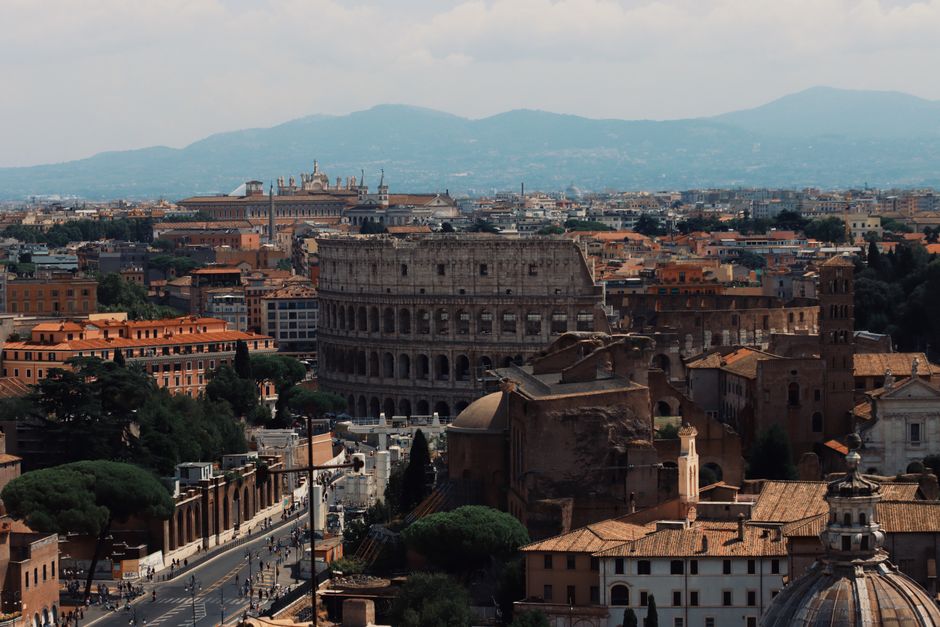
9. Rome's Healing Island: Isola Tiberina
Isola Tiberina, Rome, Italy
Rome's only island was once believed to be the landing site of a serpent god, leading to its dedication as a healing sanctuary.
Isola Tiberina, the small, boat-shaped island in the Tiber River, has a fascinating origin story tied to a serpent god. Legend says a snake from Epidauros, sacred to Aesculapius, the god of medicine, landed here, leading to the island's transformation into a healing sanctuary. Today, it still houses a hospital, continuing its ancient legacy of care, alongside its picturesque bridges that connect it to both sides of the city.
Frequently asked questions
How to get around Rome in one day?
For a tight one-day itinerary like this, walking is the best way to experience Rome. The city center is surprisingly compact, and you'll discover many hidden details and charming streets between stops. Wear comfortable shoes and be prepared for cobblestones.
What should I prioritize if I only have one day in Rome?
With just one day, it's best to focus on a specific district or theme rather than trying to see everything. This itinerary focuses on a walkable route through the historic center, uncovering unique stories. Prioritize experiencing the atmosphere and a few key sites over a rushed tour of all major attractions.
Is Rome very walkable?
Rome is incredibly walkable, especially within its historic center. Many of its most famous sites are within a reasonable distance of each other. Be prepared for uneven cobblestone streets and occasional hills, but walking offers the most immersive experience of the city's layered history and vibrant street life.
How does AllTours.ai enhance my Rome visit?
AllTours.ai transforms your exploration by providing instant, context-aware audio narration. Simply point your phone camera at any landmark, ruin, or interesting landscape, and the app will tell you its history, geology, or cultural significance in your preferred language. It's like having a personal historian in your pocket, revealing the deep stories behind everything you see.
Related guides
Self-guided audio tours
Walk these places stop by stop — free five-stop story tours you can take at your own pace:
Photography via Pexels. AllTours.ai is an AI audio tour guide — point your camera at any landscape and hear its story.