June 19, 2026 · 5 min read
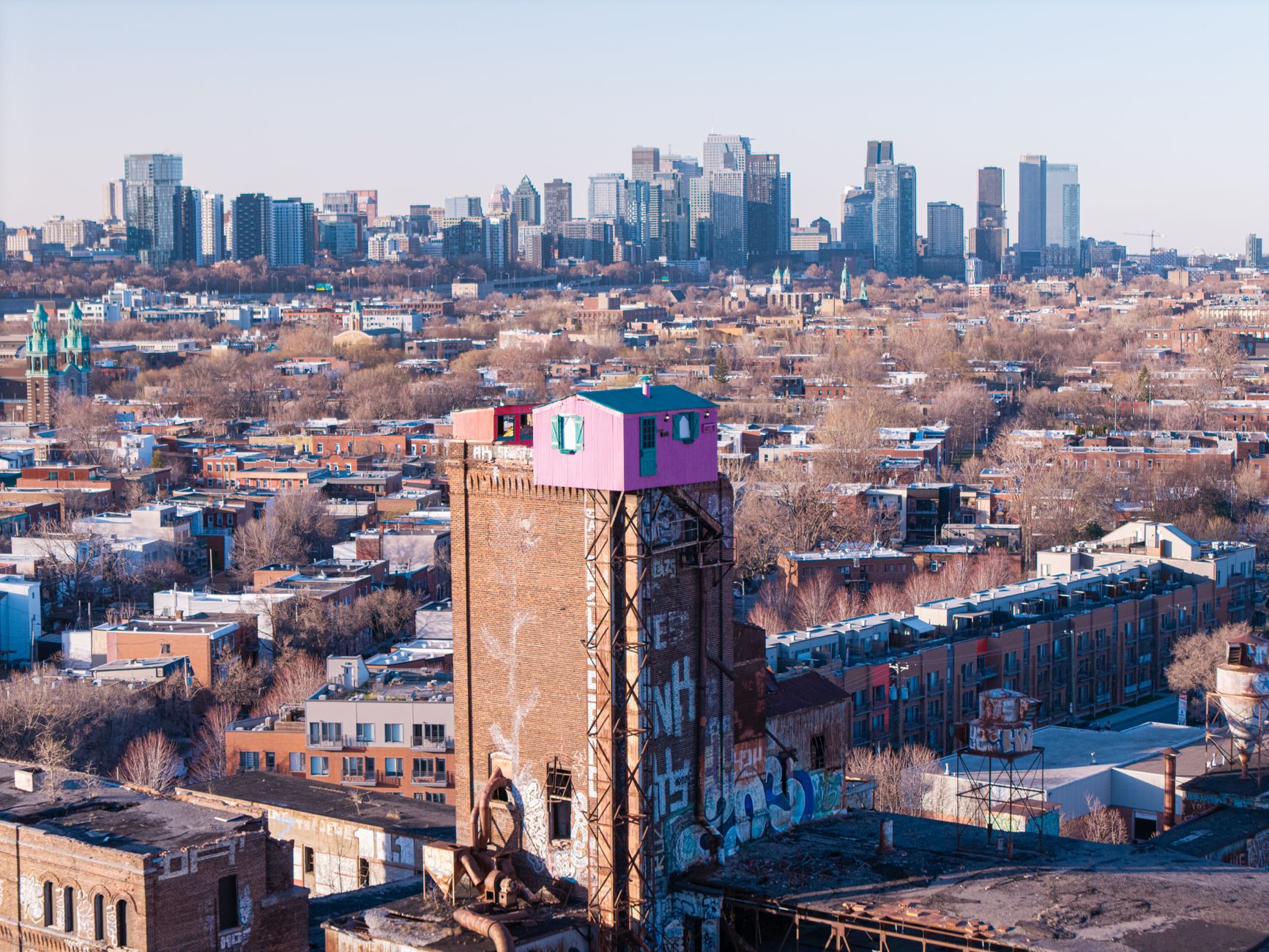
Montreal often conjures images of charming French cobblestone streets and bustling English financial districts. While these two official languages form the city's backbone, they tell only part of its vibrant linguistic story. Dig a little deeper, and you'll uncover a fascinating mosaic of cultures, each speaking its own tongue and contributing to the city's unique character.
Beyond the well-trodden tourist paths, Montreal is a living library of global voices. From the rhythmic lilt of Haitian Creole echoing in northern parks to the comforting cadences of Yiddish preserved in historic institutions, the city's neighborhoods pulse with the languages of its immigrant communities. These linguistic pockets are not just about words; they're about shared histories, resilient traditions, and the surprising stories etched into Montreal's lesser-known corners.
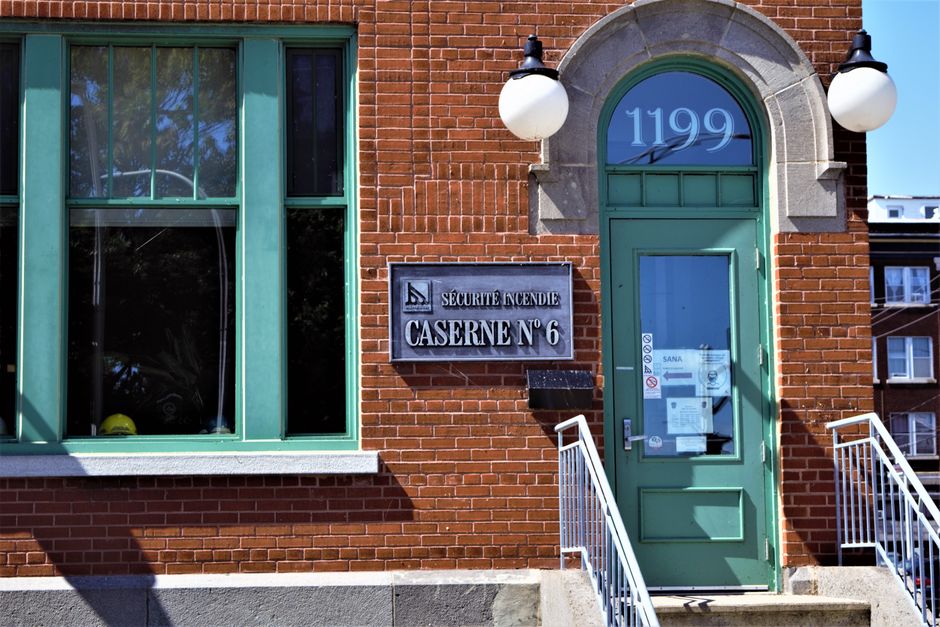
1. The Fascist Building that Forged Italian Identity
Casa d'Italia, Villeray–Saint-Michel–Parc-Extension, Montreal, Canada
A fascist-era building designed for propaganda became a beacon for Italian-Canadian identity.
Erected in the 1930s under Benito Mussolini's influence, Casa d'Italia was initially conceived as a cultural center to promote Italian Fascism abroad. Yet, despite its controversial origins, the building quickly transformed. After World War II, it became an indispensable hub for Montreal's Italian community, offering language classes, cultural events, and social services. Today, it stands as a testament to resilience, a place where generations of Italian-Canadians have gathered to celebrate their heritage, far removed from its original political intent.
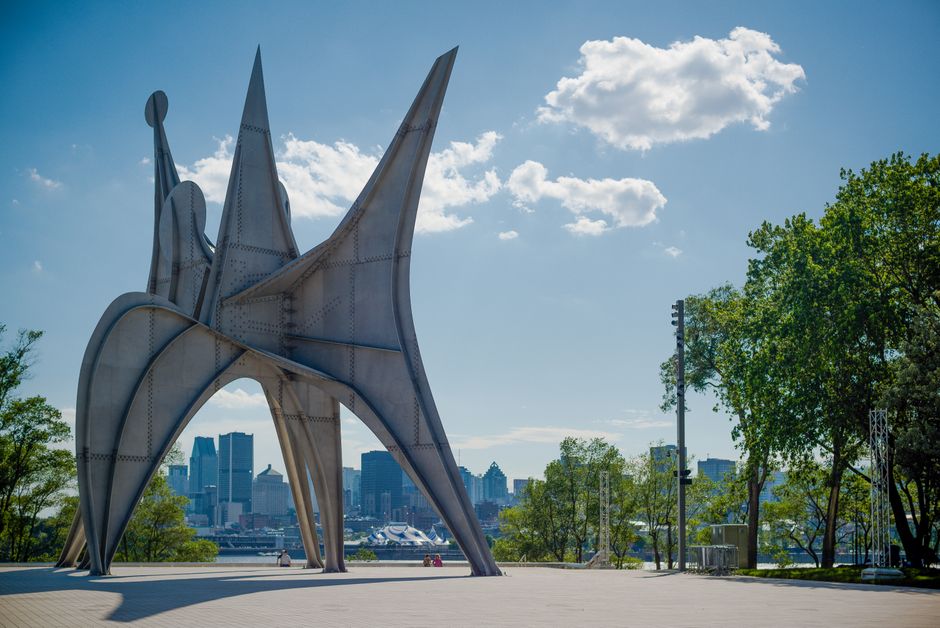
2. The Park Where Haitian Voices Converged
Parc des Hirondelles, Montréal-Nord, Montreal, Canada
This unassuming park in Montreal North was the rallying point for a community's fight for recognition.
Parc des Hirondelles, or "Swallows Park," holds deep significance for Montreal's Haitian community. It’s been a central gathering place for family picnics, community festivals, and public demonstrations. In 2008, the park became a focal point for protests following the police shooting of a young Haitian man, sparking city-wide discussions on racial profiling and community relations. Today, it remains a vital space where Haitian Creole is frequently heard, embodying the community's vibrant presence and its ongoing pursuit of justice and belonging in the city.
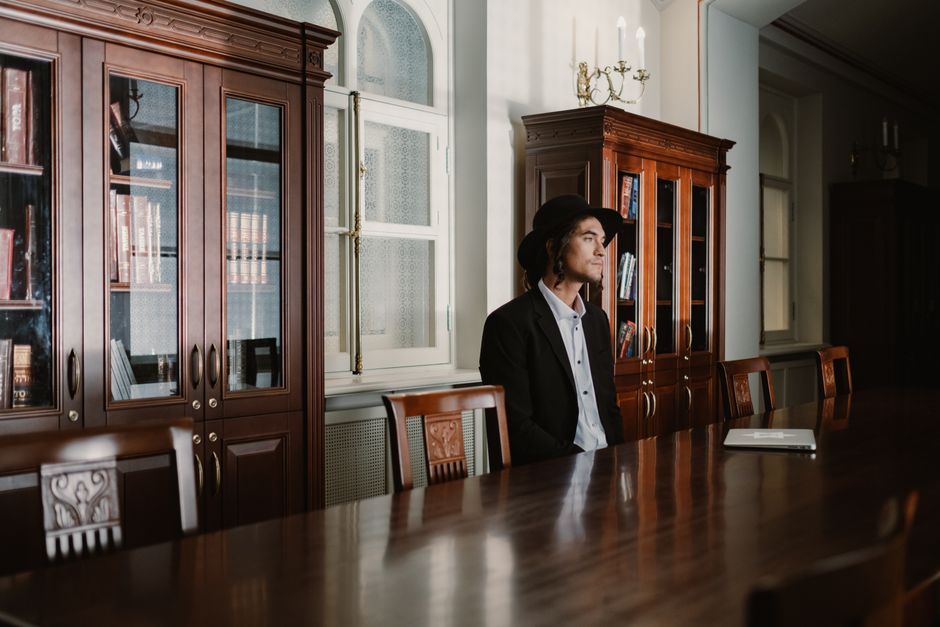
3. A Library's Living Yiddish Legacy
Jewish Public Library, Côte-des-Neiges, Montreal, Canada
Tucked away, this library holds one of the largest collections of Yiddish books outside Israel, a testament to Montreal's vibrant Jewish past.
Founded in 1914, the Jewish Public Library is more than just a repository of books; it's a cultural cornerstone. It boasts an extensive collection of Yiddish literature, preserving a language and heritage that faced immense challenges in the 20th century. Beyond its shelves, the library hosts lectures, readings, and cultural events, keeping Yiddish not just alive, but thriving, for new generations of Montrealers. It represents the enduring intellectual and cultural contributions of the city's Jewish community, especially those who spoke Yiddish.
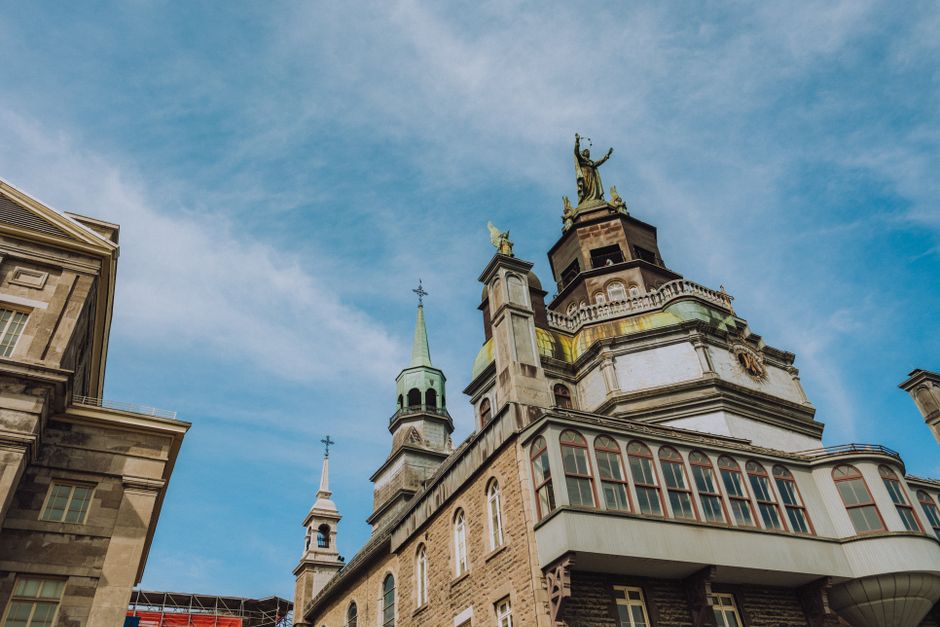
4. The Portuguese Church Embracing Vietnamese Souls
Église Notre-Dame-de-Fátima, Côte-des-Neiges, Montreal, Canada
A Portuguese church in Montreal adopted a new congregation, becoming a vital haven for Vietnamese refugees.
Originally built to serve Montreal's Portuguese community, Église Notre-Dame-de-Fátima underwent a profound transformation in the late 1970s. As thousands of Vietnamese refugees arrived in Montreal after the Vietnam War, this church opened its doors, becoming a spiritual and social anchor for the newcomers. Today, masses are held in both Portuguese and Vietnamese, reflecting its dual role. It stands as a powerful symbol of inter-community solidarity and how a physical space can adapt to serve evolving linguistic and cultural needs within a city.
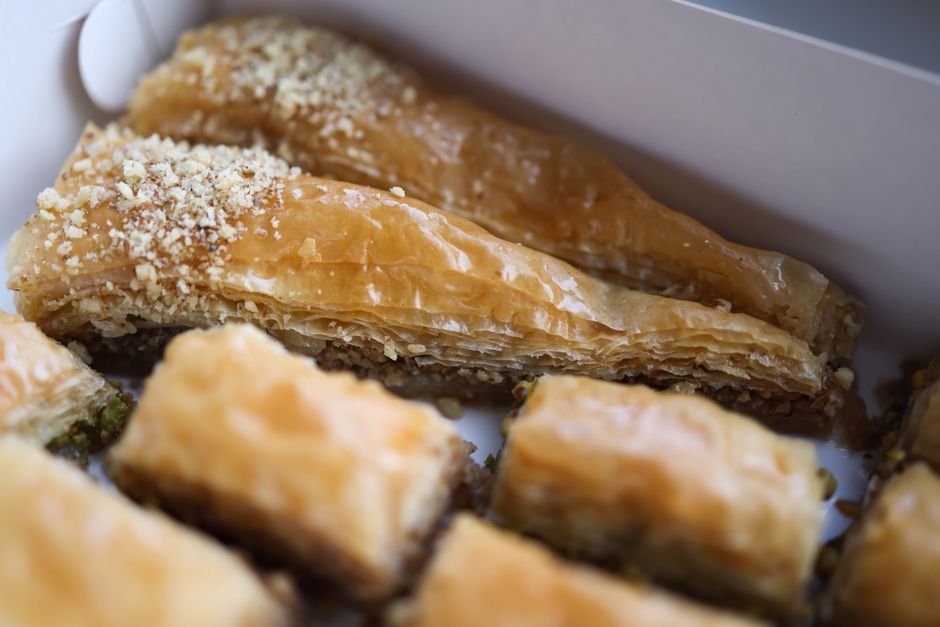
5. The Sweet Heart of Parc-Ex Greek Life
Patisserie Afroditi, Parc Extension, Montreal, Canada
Along a busy avenue, this specific Greek pastry shop has sweetened generations of Montrealers with tastes of home.
Patisserie Afroditi, located on the lively Parc Avenue in the heart of Montreal's Greek community, is far more than just a bakery. For decades, it has served as an unofficial community living room, where the aroma of baklava and strong Greek coffee fills the air. Generations of Greek-Canadians have gathered here to chat in Greek, catch up on news from home, and celebrate traditions. It's a place where the vibrant sounds of the Greek language mix with laughter, a testament to the enduring cultural hub that Parc Extension remains.
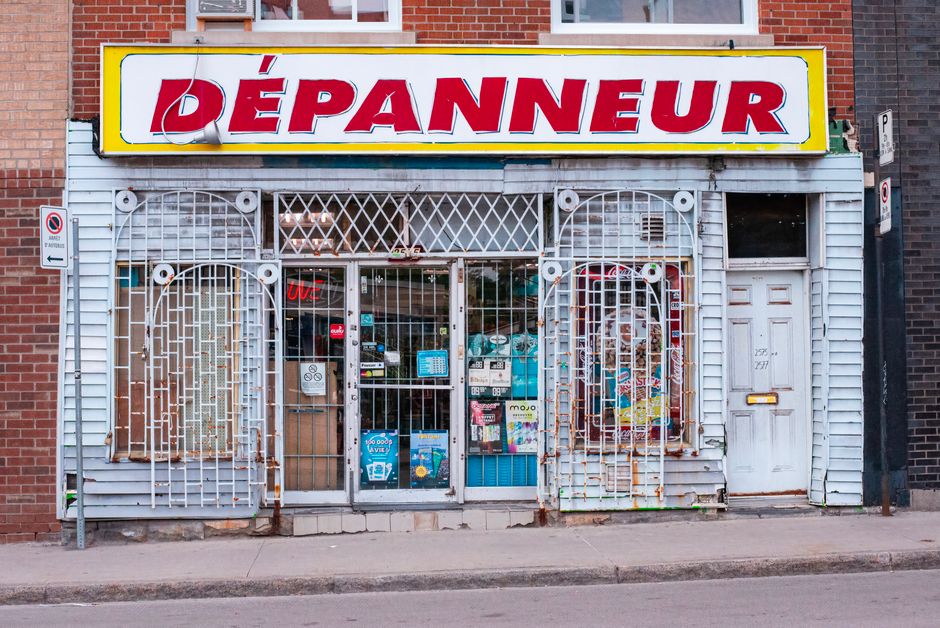
6. Latin American Flavors Near Jean-Talon Market
Épicerie Latina, Little Italy, Montreal, Canada
Beyond the famous market, a particular grocery store near Jean-Talon serves as a vibrant hub for Montreal's Spanish-speaking communities.
While Jean-Talon Market is renowned for its produce, the surrounding streets teem with specialized shops catering to Montreal’s diverse populations. Épicerie Latina, just a stone's throw away, is one such gem. For decades, it has been a crucial source of Latin American ingredients, from plantains to specialty cheeses and spices. Shoppers and staff converse in a lively mix of Spanish dialects, sharing recipes and news. This store is a testament to how specific businesses foster community and preserve linguistic traditions within Montreal’s bustling urban fabric.
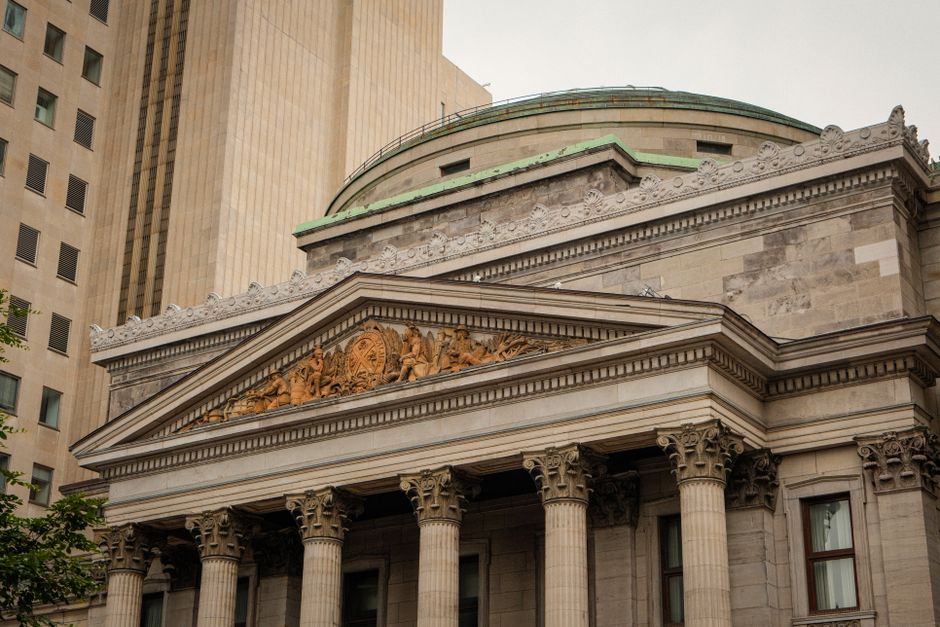
7. The Syrian Cultural Bridge
Centre Culturel Syrien (Syrian Cultural Centre), Villeray–Saint-Michel–Parc-Extension, Montreal, Canada
This quiet building holds the stories of Montreal's Syrian diaspora, a bridge between two worlds.
The Syrian Cultural Centre, an often-overlooked institution, plays a crucial role in preserving Syrian heritage and fostering community among Montreal's Syrian population. It offers Arabic language classes, cultural workshops, and social events that connect recent immigrants with long-established families. In its halls, the nuances of the Arabic language echo, from formal literary Arabic to various Syrian dialects. The centre acts as a vital link, ensuring that Syrian traditions, history, and language thrive, enriching Montreal's multicultural landscape with its distinct contributions.
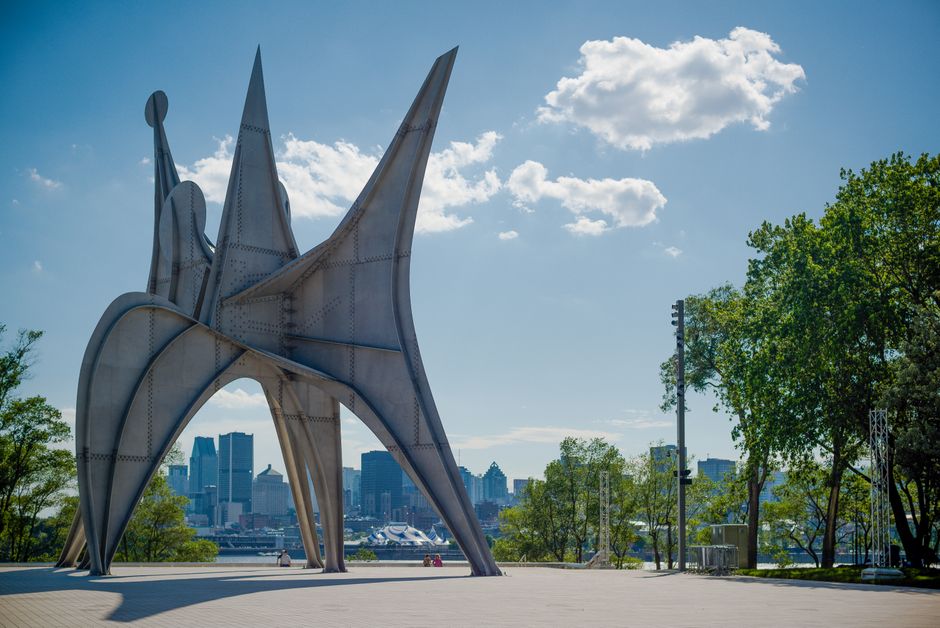
8. Portuguese Heritage in Jarry Park
Monument aux travailleurs portugais (Portuguese Workers Monument), Parc Jarry, Villeray–Saint-Michel–Parc-Extension, Montreal, Canada
In a popular park, a discrete monument tells the story of Montreal's enduring Portuguese community.
While Parc Jarry is famous for its green spaces and sports facilities, many visitors overlook a significant monument within its bounds: the Monument aux travailleurs portugais. Erected to honor the contributions of Portuguese immigrants, particularly their role in the city's construction and infrastructure development, it's a quiet but powerful marker. It reminds passersby of the hands that built parts of Montreal and the families who settled here, bringing with them the melodic cadences of the Portuguese language and culture that continue to thrive in surrounding neighborhoods.
Frequently asked questions
What is the most widely spoken language in Montreal?
French is the official language of Quebec and is the most widely spoken language in Montreal. While English is also very common, especially in business and tourism, daily life and government services predominantly operate in French.
Is it difficult to get around Montreal if I only speak English?
No, it's generally not difficult. Montreal is a highly bilingual city, especially in tourist areas, downtown, and service industries. Most signage is in French and English, and many residents are fluent in both languages, making navigation and communication straightforward for English speakers.
Are there specific neighborhoods where certain foreign languages are more prominent?
Absolutely. Montreal's immigrant communities have historically settled in specific areas, creating vibrant linguistic enclaves. For example, Parc Extension is known for its Greek and South Asian communities, while Villeray–Saint-Michel–Parc-Extension has strong Italian, Haitian, and Arabic-speaking populations.
How can I learn more about the lesser-known linguistic histories of Montreal while I'm there?
The AllTours.ai app is designed precisely for this. Simply point your phone camera at a landmark, street, or even a park bench mentioned in this post, and the app will narrate its hidden history, cultural significance, and the stories of the communities that shaped it, often in their own words or with relevant linguistic context.
Related guides
Photography via Pexels. AllTours.ai is an AI audio tour guide — point your camera at any landscape and hear its story.