November 20, 2026 · 4 min read
Florence, a city steeped in artistic legacy, is famous for its Renaissance masterpieces and iconic landmarks. But beyond the well-trodden paths lies a vibrant, living tradition of artisanal craftsmanship, particularly in leatherwork. While many visitors flock to the well-known brands, the city quietly nurtures a collection of truly underrated leather workshops, where history is not just displayed but actively created.
These hidden gems are where the true spirit of Florentine leather craft endures. They are often family-run, generations-deep operations, preserving ancient techniques and offering bespoke goods that tell a story. Venture into these studios, and you won't just find a souvenir; you'll discover a piece of Florence's soul, meticulously handcrafted and imbued with centuries of skill and passion.
1. The Seamless Art of Il Bussetto
Florence, Italy
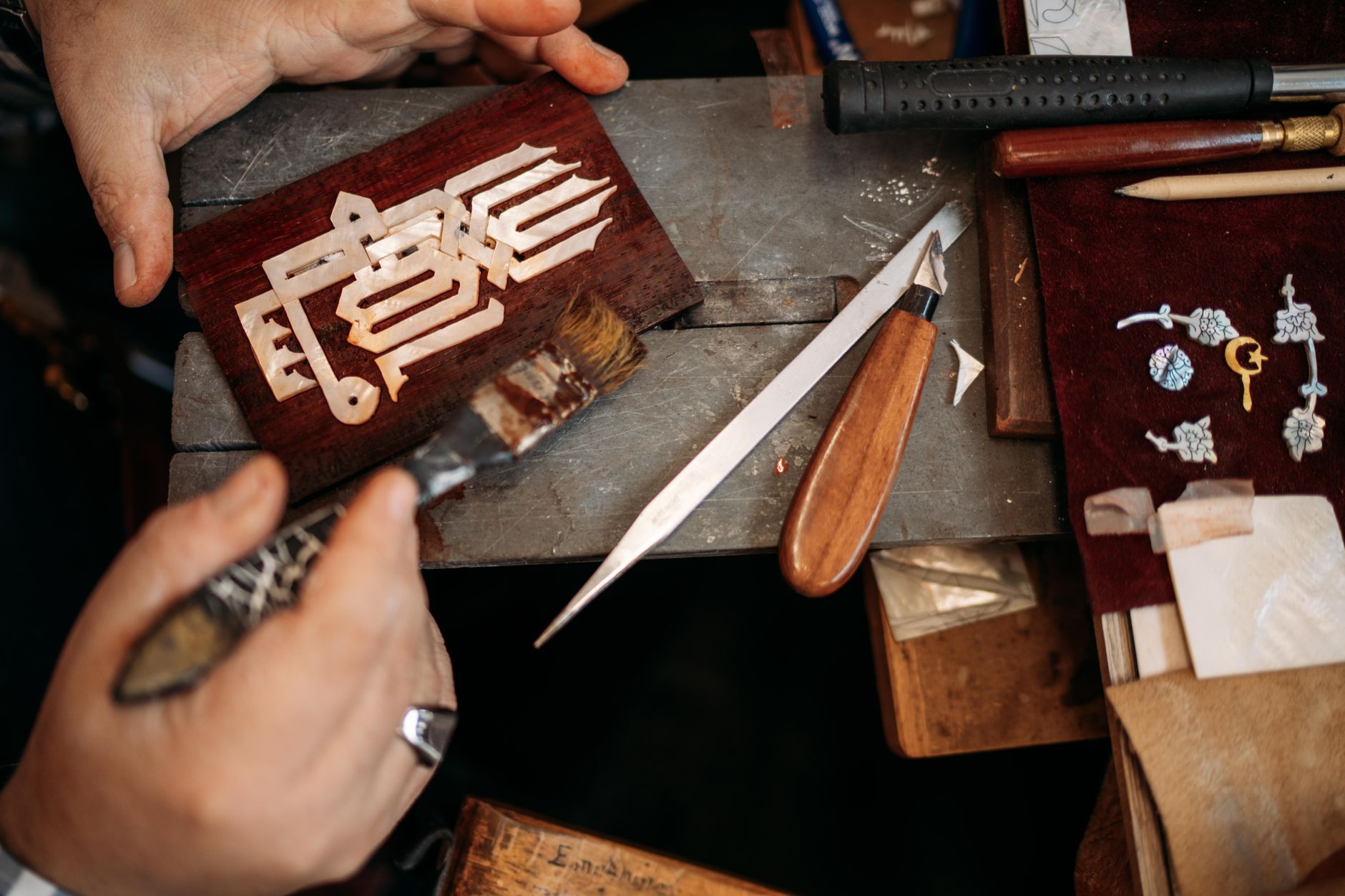
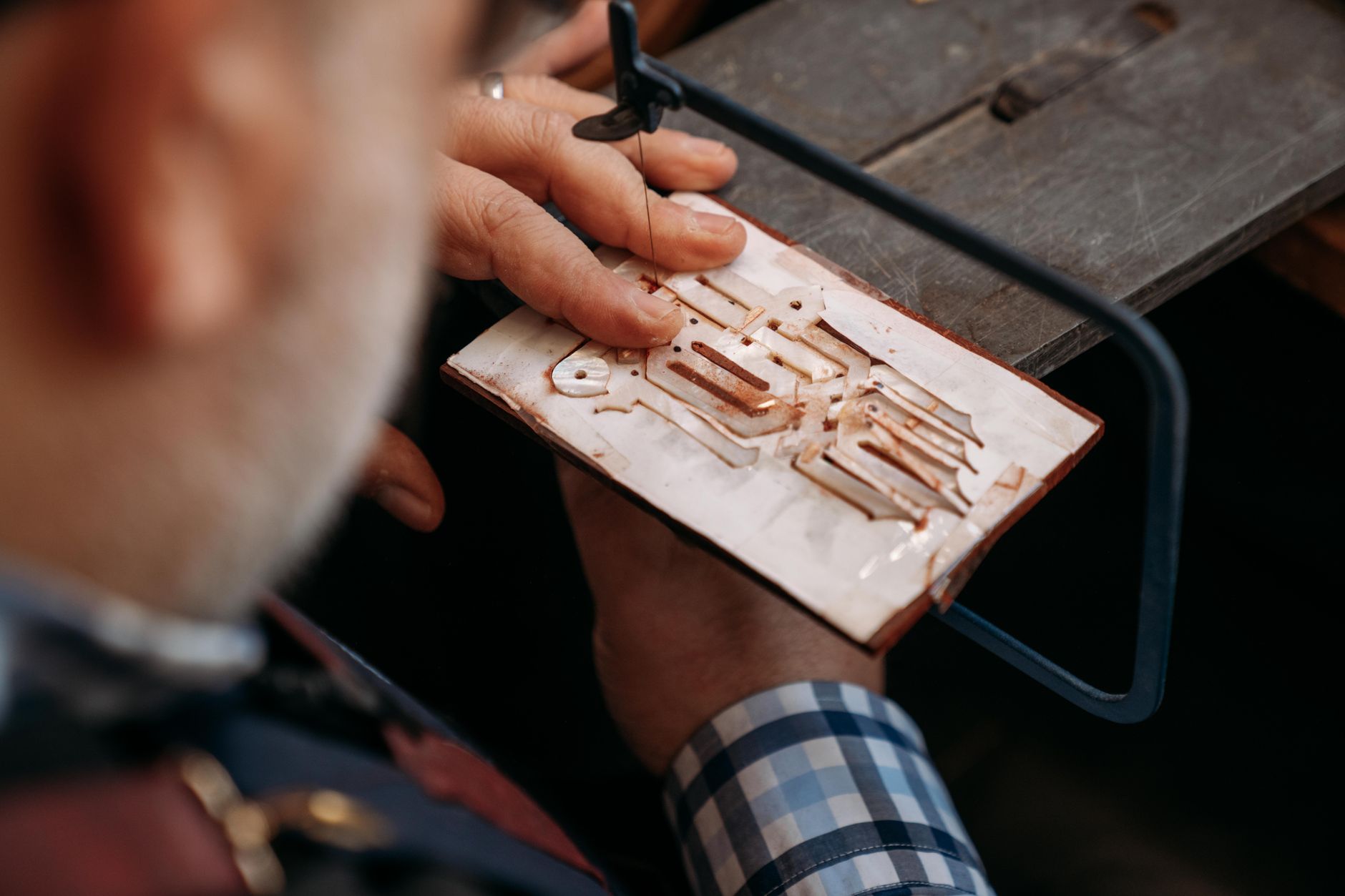
The workshop masters 'cuoietto artistico,' a technique where leather is molded and hardened like wood, without any stitching.
This ancient Florentine craft, once used for small boxes and cases, allows artisans to sculpt leather into intricate, seamless forms. It requires extreme precision and a deep understanding of leather's properties, a skill passed down through generations of masters who guarded its secrets closely. Each piece is a testament to patience and an almost sculptural approach to leatherwork.
2. Cuoiofficine: Echoes of Medieval Tanning
Florence, Italy
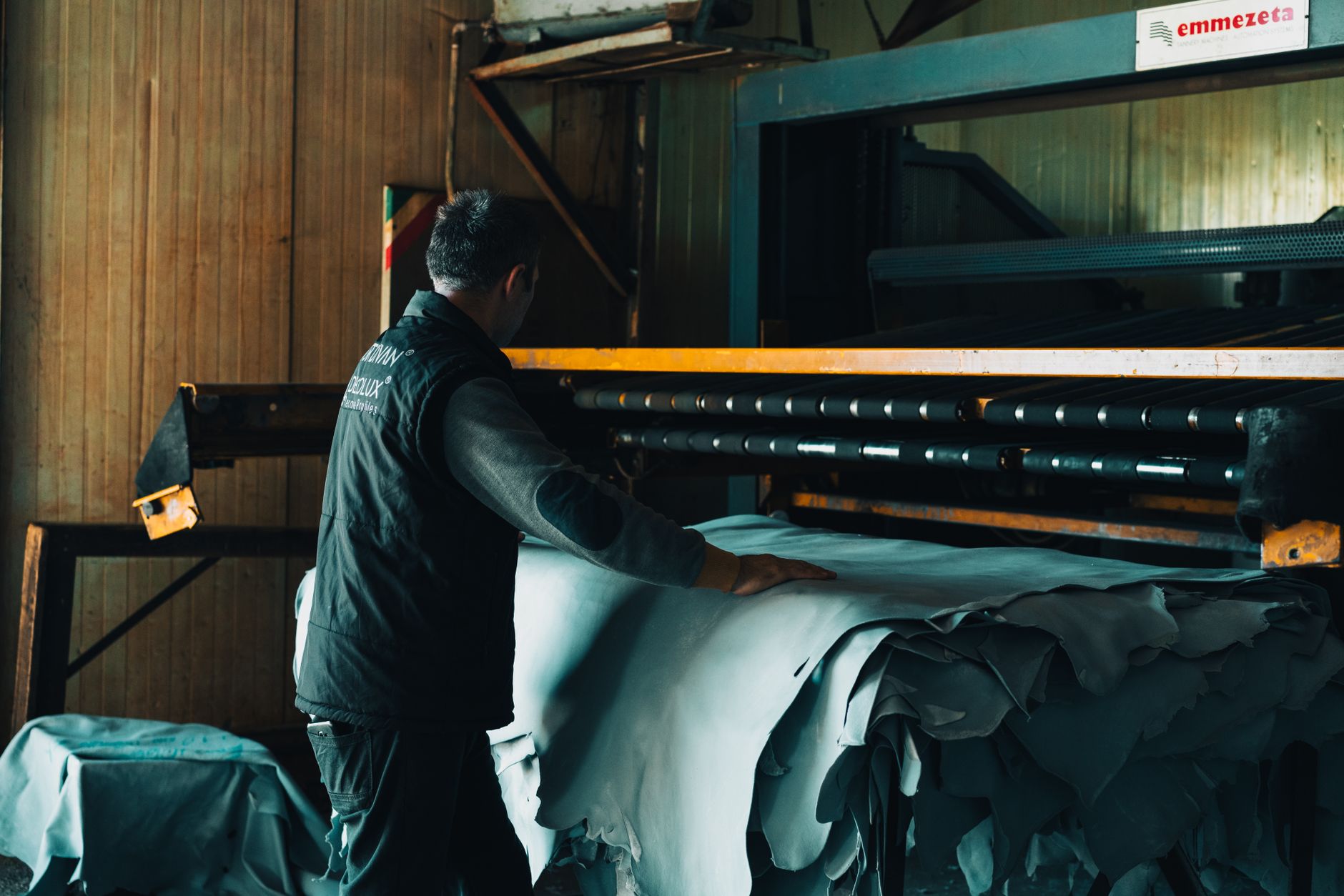
Located near the Arno, their tanning process harks back to medieval methods, utilizing local river water and specific Tuscan chestnut and mimosa barks.
Before modern industrialization, every tannery relied on natural, local resources. Cuoiofficine revives this approach, emphasizing vegetable tanning that imbues the leather with a rich, natural patina that deepens with age, a stark contrast to chemical tanning. This commitment to traditional, eco-conscious methods connects their work directly to Florence's historical relationship with its river and surrounding forests.
3. Dimitri Leather: The Essence of Cuoio Fiorentino
Florence, Italy
This family workshop is renowned for its specific 'cuoio fiorentino' treatment, a method that makes the leather exceptionally durable, water-resistant, and gives it a unique, subtle scent.
The 'cuoio fiorentino' tradition involves a meticulous slow-tanning and finishing process, often lasting months, where natural oils and waxes are hand-rubbed into the hides. This labor-intensive technique results in leather goods that are not only beautiful but also built to withstand generations of use, earning a reputation for unparalleled quality among connoisseurs.
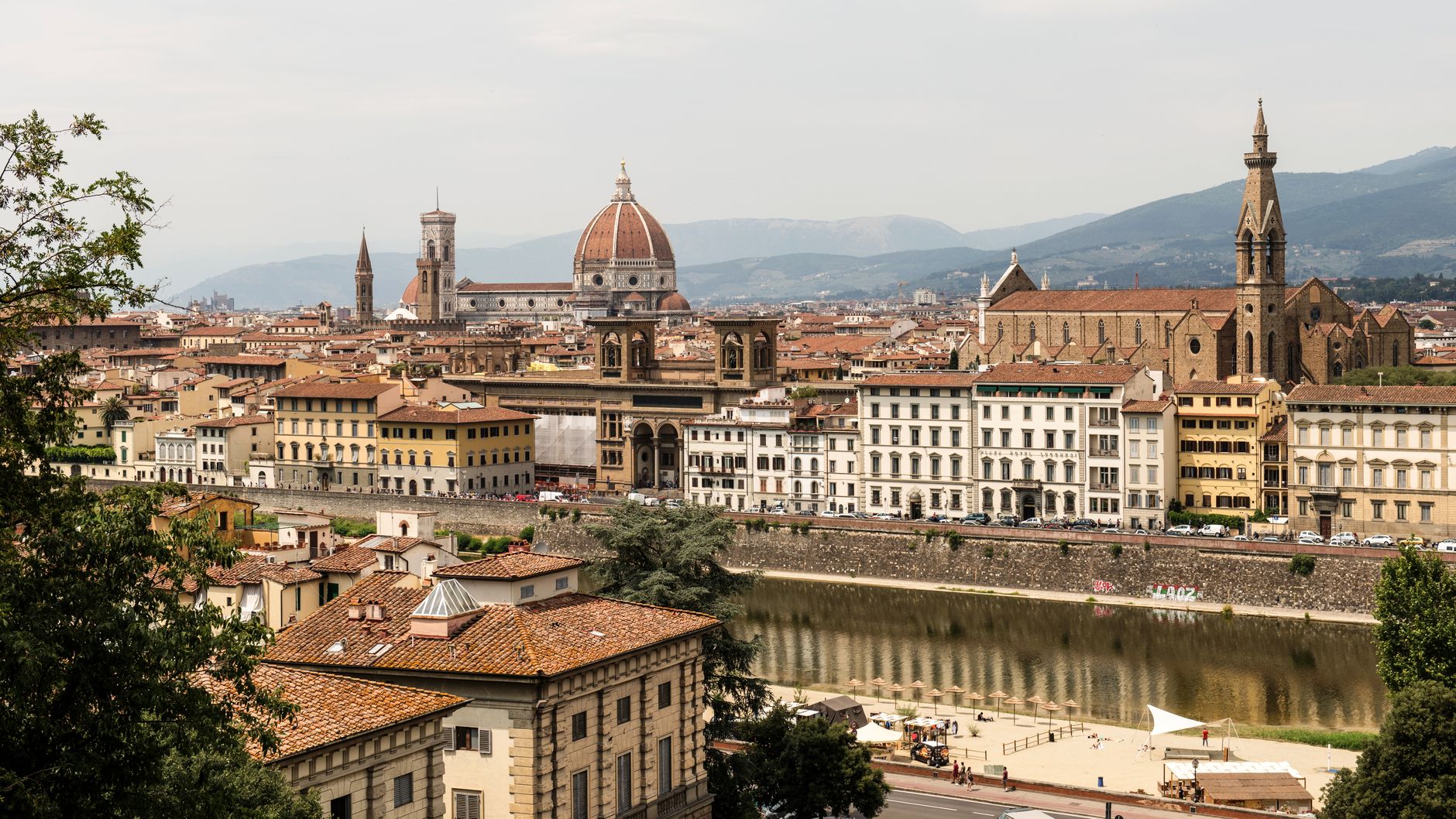
4. Pelletteria Viviani: The Art of Hand-Dyeing
Florence, Italy
One of Florence's few workshops still using the original, unmodernized hand-dyeing techniques, resulting in unique color variations impossible to replicate mechanically.
Instead of industrial vats, Viviani's artisans apply natural dyes by hand, layer by layer, allowing for subtle tonal shifts and depth in the leather. This method, a direct link to Renaissance-era dyeing, ensures each finished bag or wallet possesses an individual character, akin to a hand-painted artwork, reflecting the artisan's touch in every hue and shadow.
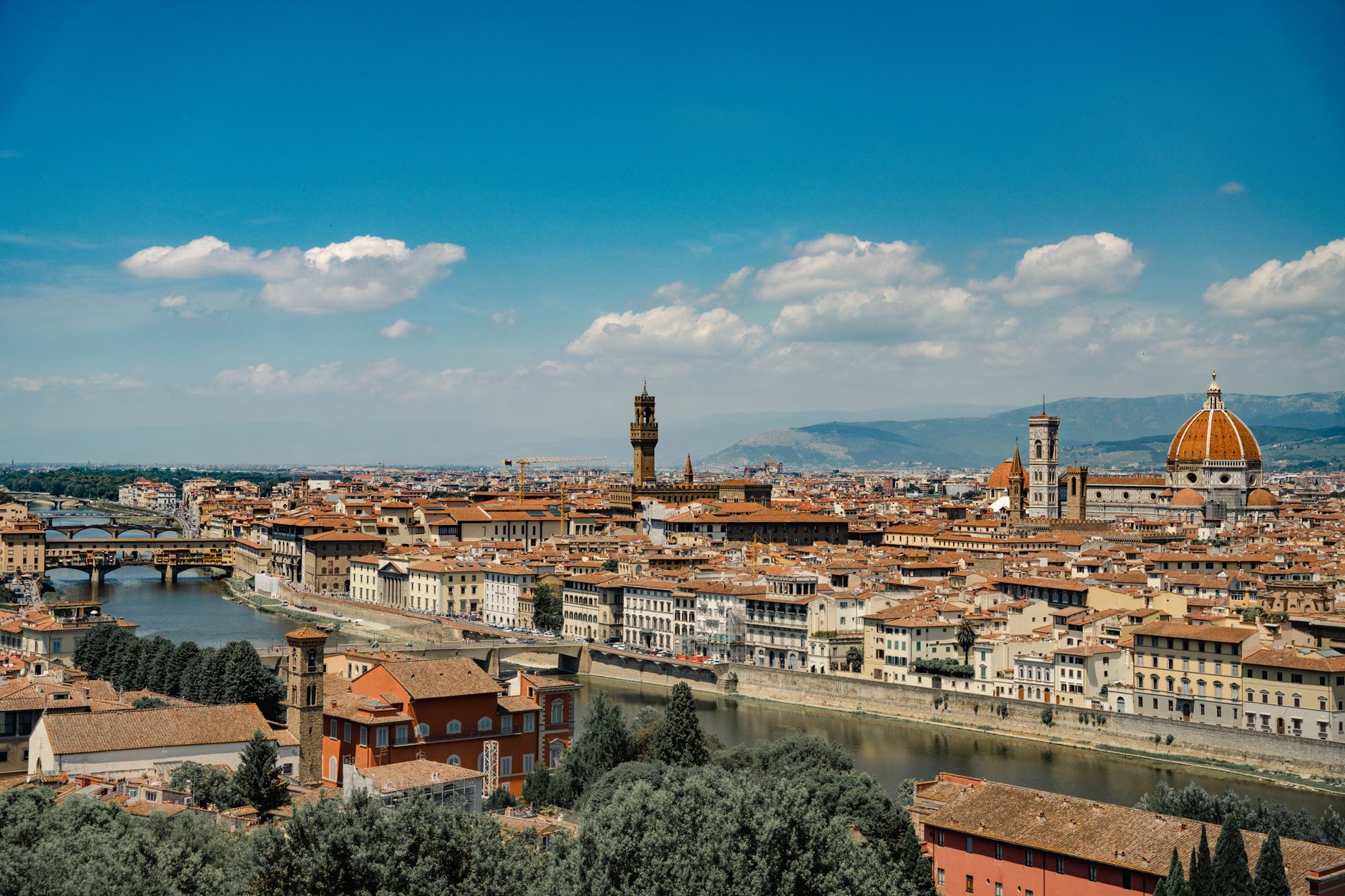
5. Francesco da Firenze: Guild Secrets Preserved
Florence, Italy
This workshop is said to possess original patterns and tooling stamps dating back to the 16th century, passed down from the city's powerful artisan guilds.
The guilds of Florence were once formidable institutions, safeguarding craft secrets and standards. Francesco da Firenze meticulously preserves these historical designs and tools, allowing them to recreate leather goods with authentic Renaissance-era aesthetics and construction, connecting wearers to centuries of Florentine sartorial history. Visiting feels like stepping into a living museum of craft.
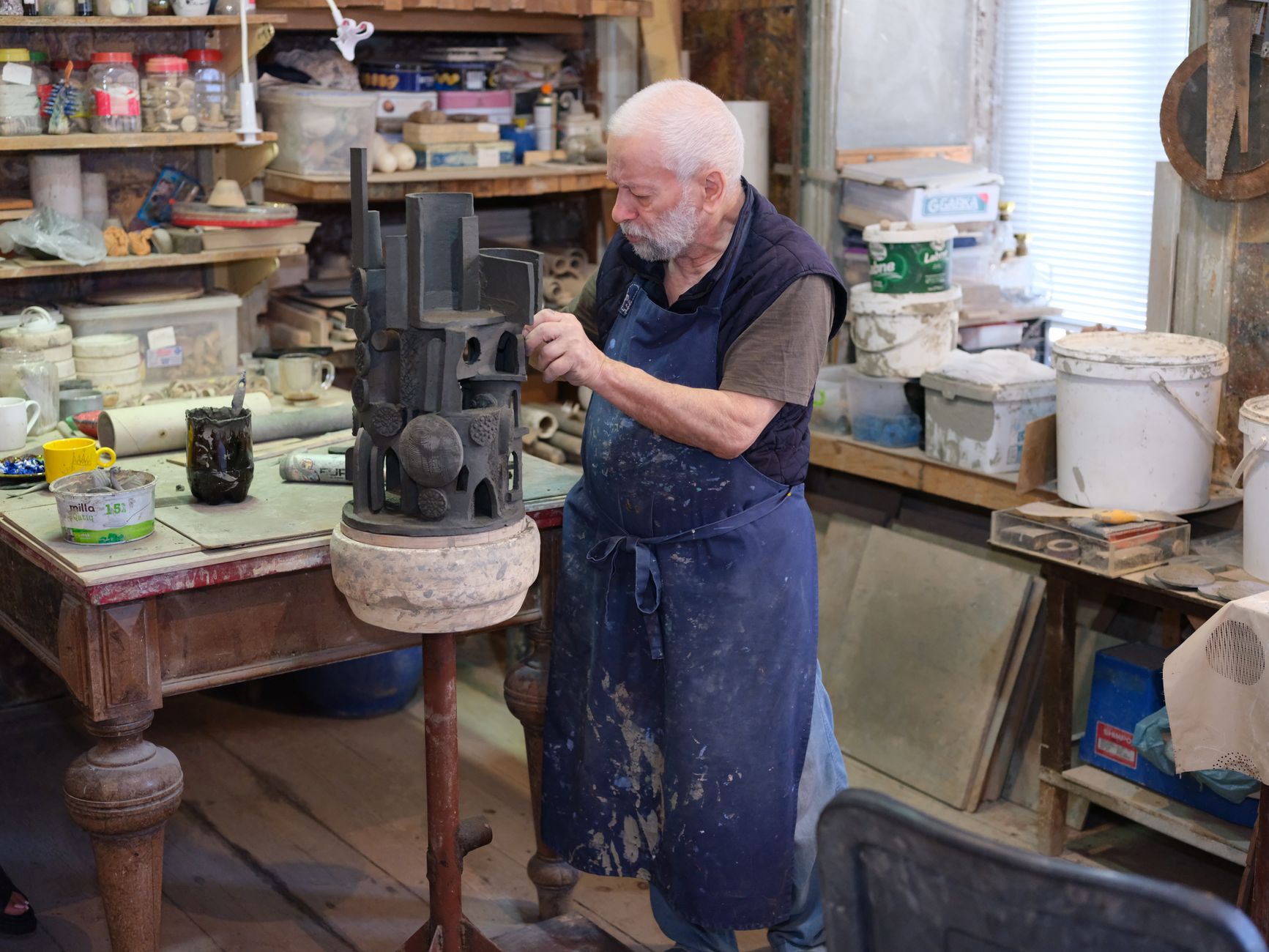
6. Artigiano del Cuoio by Maurizio Del Giudice: Rustic Tuscan Legacy
Florence, Italy
Maurizio's small studio in Oltrarno is celebrated for incorporating ancient Tuscan shepherd's leatherworking techniques, giving his pieces a distinct, rugged character.
Historically, Tuscan shepherds crafted durable, practical leather items for daily life in the rugged countryside. Maurizio draws inspiration from these often-overlooked traditions, employing thicker leathers, robust stitching, and designs that prioritize functionality and natural textures, a stark contrast to more refined urban Florentine styles. His work celebrates the raw beauty and resilience of traditional Tuscan life.
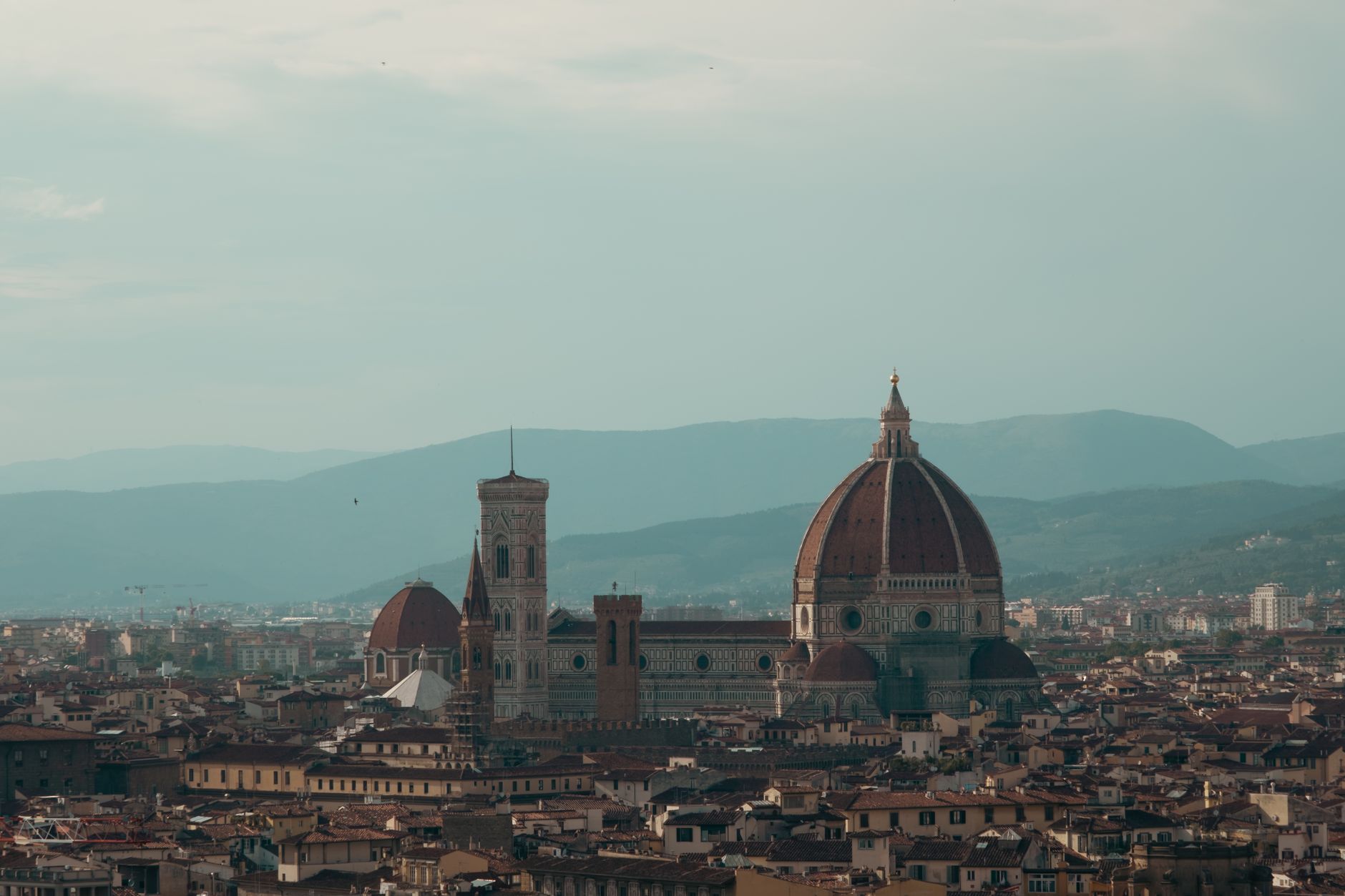
7. Peggy Firenze: A New Chapter in Craft
Florence, Italy
This workshop, managed by three sisters, is a rare example of a female-led enterprise upholding Florence's historically male-dominated leather craft.
For centuries, leather guilds and workshops were almost exclusively the domain of men. Peggy Firenze challenges this tradition, with the sisters bringing a fresh perspective while honoring time-honored techniques. Their approach combines classic Florentine elegance with contemporary design sensibilities, creating pieces that resonate with modern tastes and represent a vibrant evolution of the city's craft heritage.
Frequently asked questions
What makes Florentine leather unique?
Florentine leather is often known for its vegetable-tanning process, which uses natural tannins from tree barks like chestnut or mimosa. This method, passed down for centuries, produces durable leather that develops a beautiful patina over time, rather than deteriorating, and often carries a distinct natural scent.
How can I identify genuine handcrafted Florentine leather?
Look for imperfections inherent in natural materials and handwork, strong, often visible stitching, and the distinct scent of vegetable-tanned leather. Many authentic workshops will also have visible artisans at work, be willing to explain their process, or provide certificates of origin.
Is bespoke leather significantly more expensive?
Bespoke leather goods are typically more expensive than mass-produced items due to the personalized design, use of high-quality materials, and the extensive time and skill involved in handcrafting each unique piece. However, they offer unparalleled uniqueness, durability, and a story that mass-produced items cannot match.
How can AllTours.ai help me explore these workshops?
AllTours.ai enhances your exploration of Florence's artisanal districts. Point your phone camera at a workshop, a historic building nearby, or even a specific leather item, and the app will narrate its history, cultural significance, and connection to Florentine craft in your language, bringing the stories of these places to life.
Related guides
Photography via Pexels. AllTours.ai is an AI audio tour guide — point your camera at any landscape and hear its story.