September 5, 2026 · 4 min read
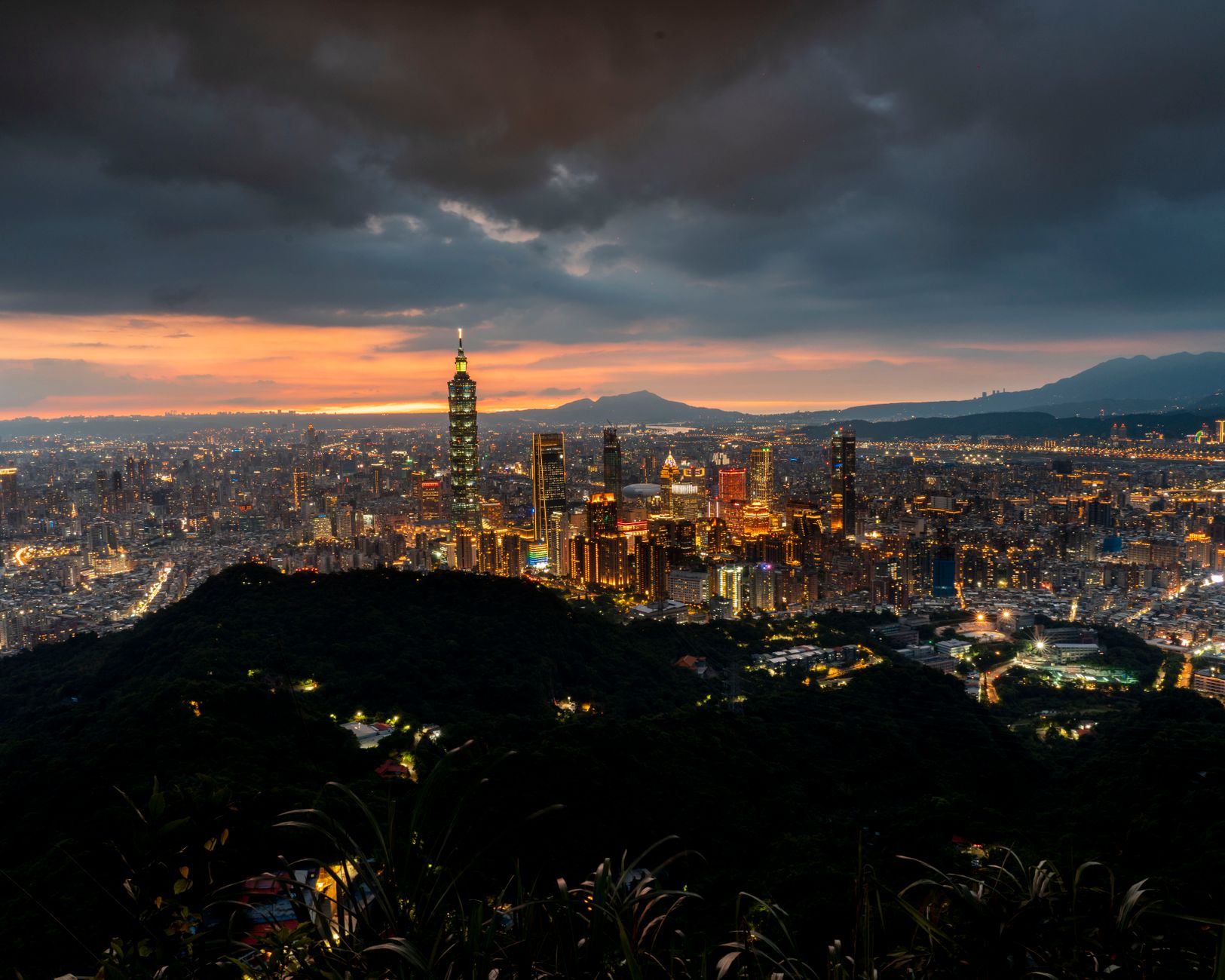
Taiwan often appears in global headlines, a small island nation at the nexus of complex geopolitical currents. Yet, beneath the political discourse lies a land teeming with ancient histories, vibrant cultures, and geological wonders that tell a far richer, more nuanced story than any single narrative.
To truly understand Taiwan, one must move beyond the well-trodden paths and engage in a form of 'healthy suspicion'—questioning surface appearances and digging deeper into the specific, often surprising, truths that define its unique identity. This guide takes you to lesser-known corners, each revealing a compelling facet of Taiwan's enduring spirit.
1. Green Island's Silent Witnesses
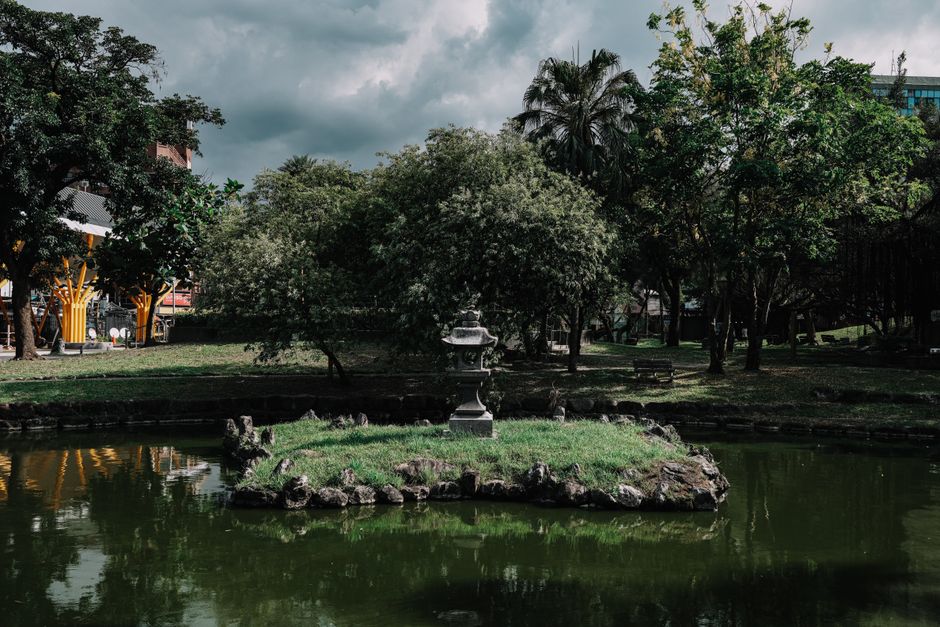
Green Island Human Rights Culture Park, Ludao, Taiwan
Green Island, now a scenic escape, was once Taiwan's most notorious political prison, a chilling reminder of authoritarian rule.
During Taiwan's White Terror period (1949-1987), thousands of dissidents were incarcerated here. The park preserves the cells, watchtowers, and interrogation rooms, offering a stark contrast to the island's natural beauty. Walking its grounds, visitors confront the human cost of political suppression and the resilience of those who sought freedom against overwhelming odds.
2. Orchid Island's Ancient Echoes
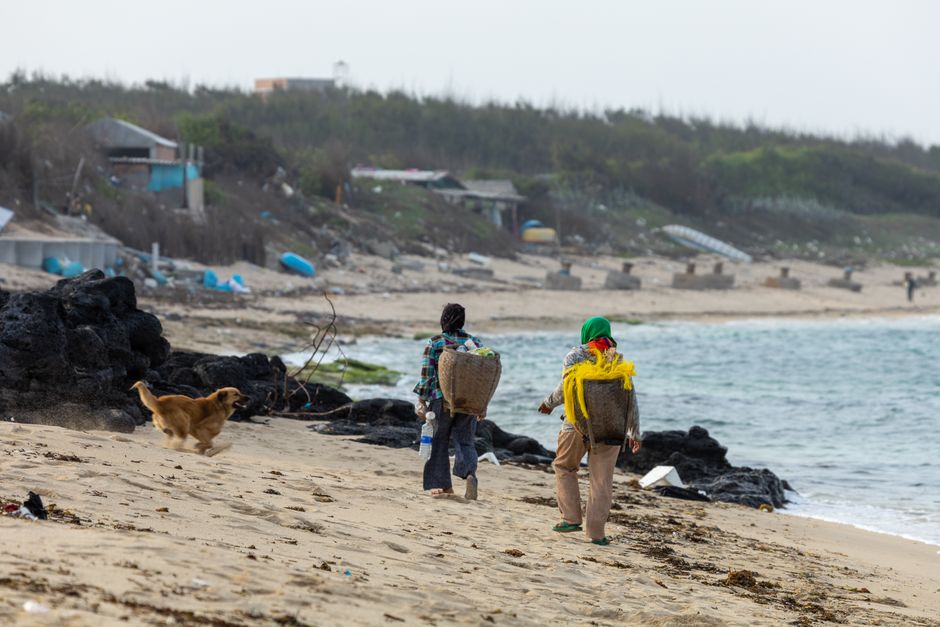
Orchid Island (Lanyu), Taitung County, Taiwan
Far removed from Taiwan's Han Chinese mainstream, Orchid Island is home to the Tao (Yami) people, whose Austronesian heritage predates Chinese influence.
The Tao people have maintained a distinct culture for millennia, characterized by their unique underground houses designed to withstand typhoons and their intricate ceremonial tatala boats built without nails. Their deep connection to the ocean and sustainable fishing practices offer a glimpse into a way of life that stands apart, rooted in a different history and worldview.
3. Kinmen's Whispering Propaganda
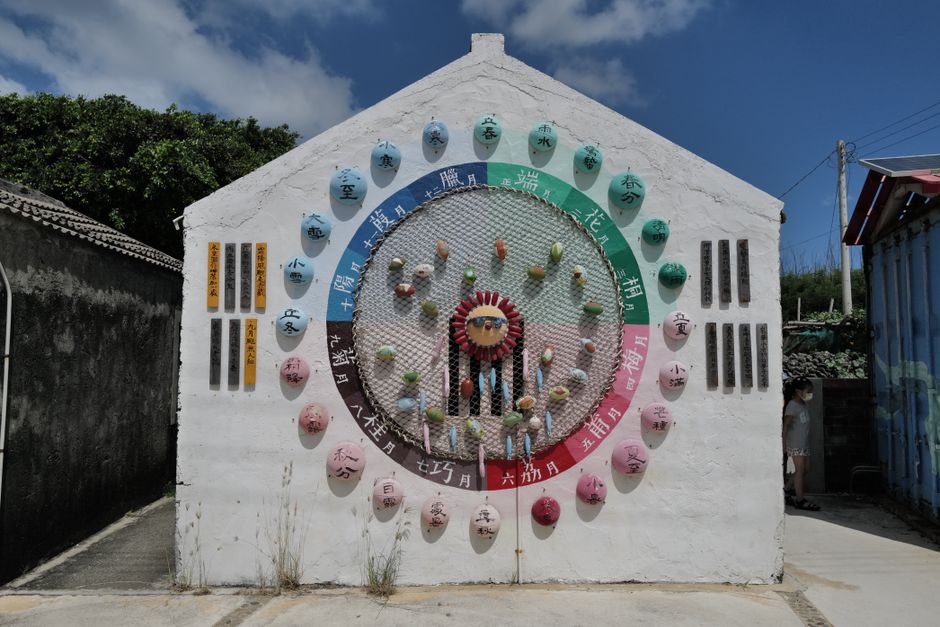
Beishan Broadcasting Station, Kinmen County, Taiwan
On Kinmen, mere kilometers from mainland China, the Beishan Broadcasting Station once blasted propaganda messages across the strait, a relic of intense Cold War psychological warfare.
This massive loudspeaker array, disguised within a traditional Fujianese-style house, was part of a decades-long acoustic battle. For years, it broadcast messages of defection and counter-propaganda, competing with similar stations from the mainland. Today, the station is a poignant museum, its silent loudspeakers a testament to the ideological divide that once defined this frontline archipelago.
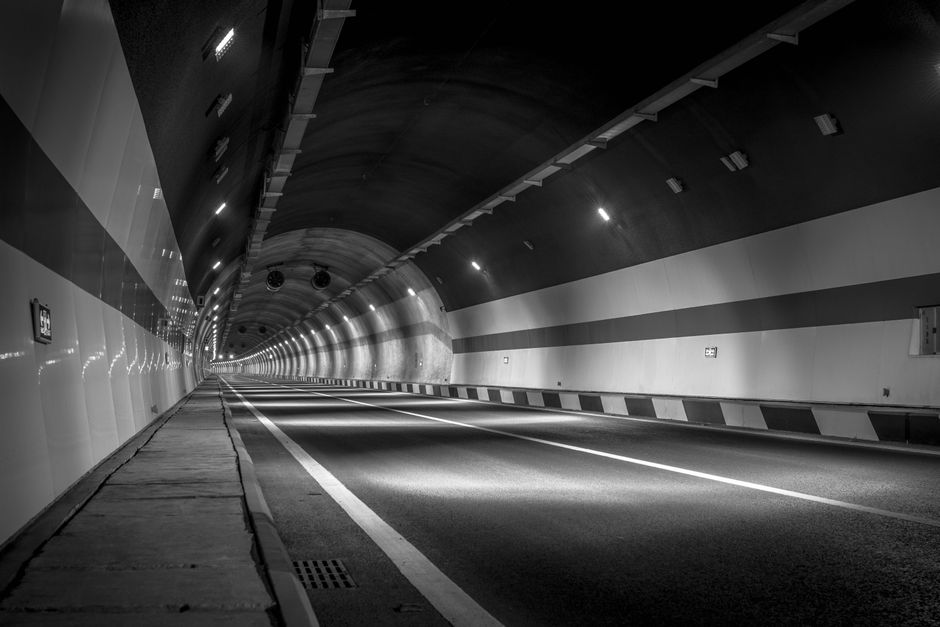
4. Matsu's Hand-Carved Defenses
Beihai Tunnel, Nangan, Matsu Islands, Taiwan
The colossal Beihai Tunnel on Matsu, a labyrinthine waterway carved entirely by hand, reveals the immense human effort behind Taiwan's defensive preparations.
Built in just over 1,000 days by Republic of China military personnel in the late 1960s, this U-shaped tunnel was designed to secretly shelter small naval vessels from mainland attacks. The sheer scale of the excavation, using only hand tools and explosives, is astounding, reflecting a period of intense military tension and Taiwan's determination to protect its offshore islands.
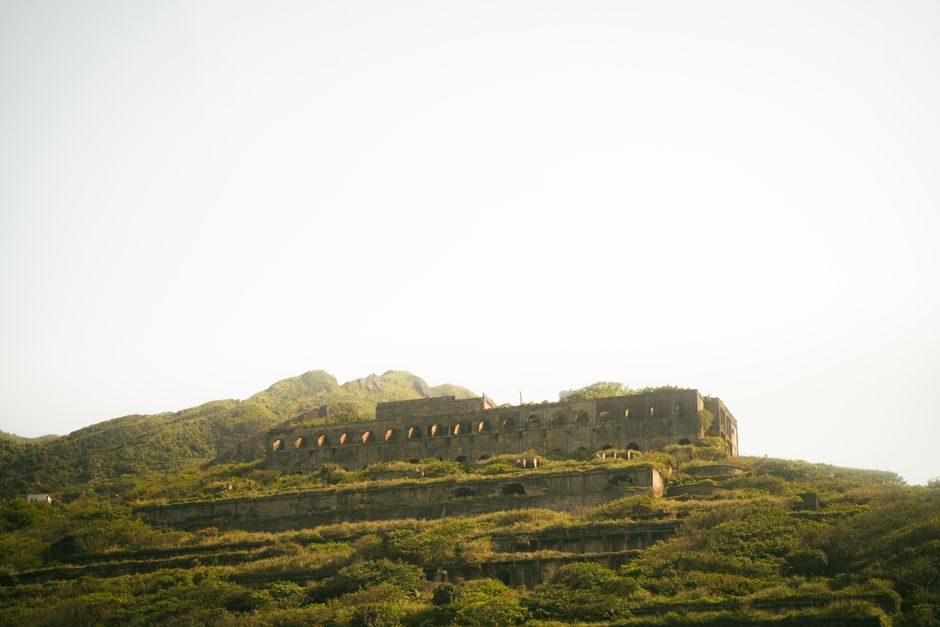
5. Jinguashi's 'Thirteen Levels' Ghost
Shuinandong Smelter (Ruins of the "Thirteen Levels"), Jinguashi, New Taipei City, Taiwan
The haunting ruins of the Shuinandong Smelter, known locally as the 'Thirteen Levels,' are a vast, decaying monument to Taiwan's forgotten gold and copper mining boom.
Cascading down a mountainside, these multi-story industrial ruins once processed ore from the nearby Jinguashi mines. The complex's sheer size and its gradual reclamation by nature evoke a sense of a grand past, but also the environmental legacy of resource extraction. Its silent, corroded structures prompt contemplation on industrial ambition and the transient nature of prosperity.
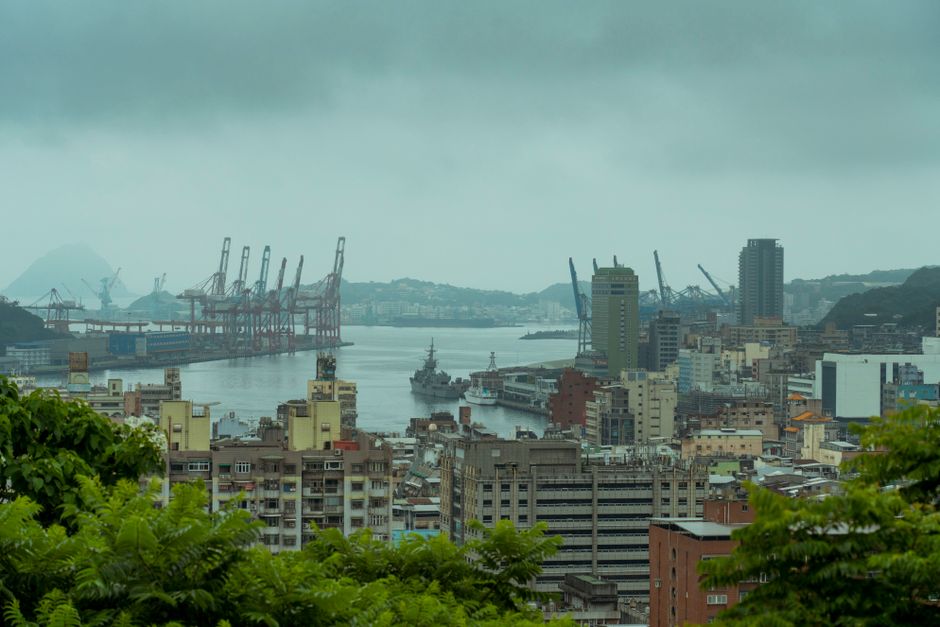
6. Keelung's Overlooked Sentinels
Ershawan Battery, Keelung City, Taiwan
Ershawan Battery in Keelung, a largely overlooked Qing Dynasty fort, silently testifies to Taiwan's long history as a contested strategic outpost.
Constructed in the late 19th century to defend Keelung Harbor, this well-preserved fort features hidden bunkers, cannon emplacements, and strategic viewpoints. It saw action during the Sino-French War and later under Japanese rule. Exploring its overgrown ramparts offers a tangible connection to the island's defensive past, reminding visitors of the continuous efforts to secure its shores against various powers.
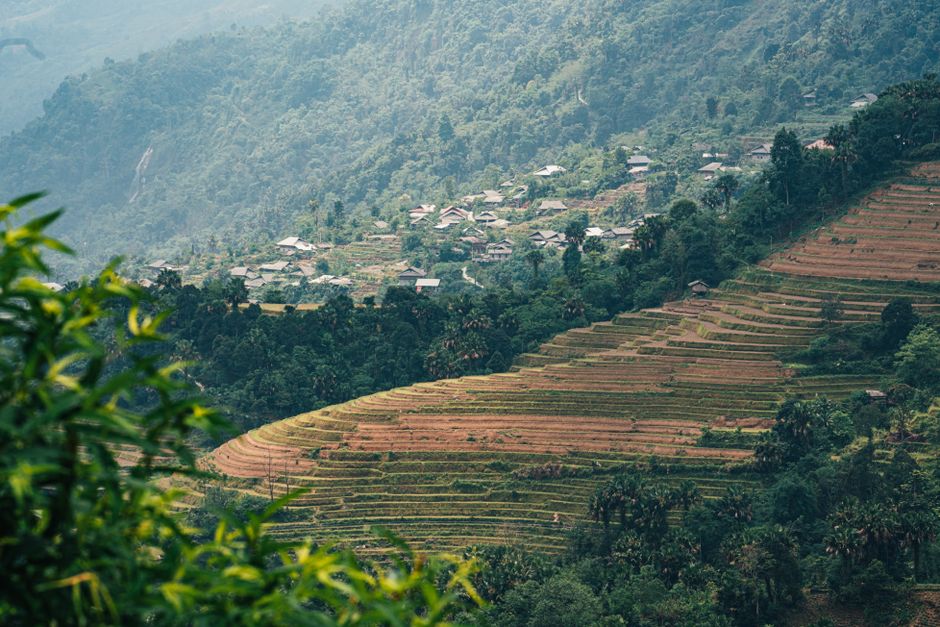
7. Wulai's Resilient Atayal Culture
Wulai Old Street & Atayal Museum, New Taipei City, Taiwan
Wulai is home to the Atayal people, whose intricate facial tattooing tradition, once suppressed, is now experiencing a quiet revival as a symbol of cultural resilience.
The Atayal are one of Taiwan's recognized indigenous groups, known for their weaving skills, hunting traditions, and unique language. Facial tattoos, or "patas," traditionally marked adulthood and beauty, and were a source of tribal pride. While banned during Japanese colonial rule, efforts are now underway to preserve and re-embrace this distinctive cultural practice, showcasing a vibrant identity distinct from the island's dominant Han culture.
8. Penghu's Basalt Giants
Columnar Basalt Nature Reserve, Penghu Islands, Taiwan
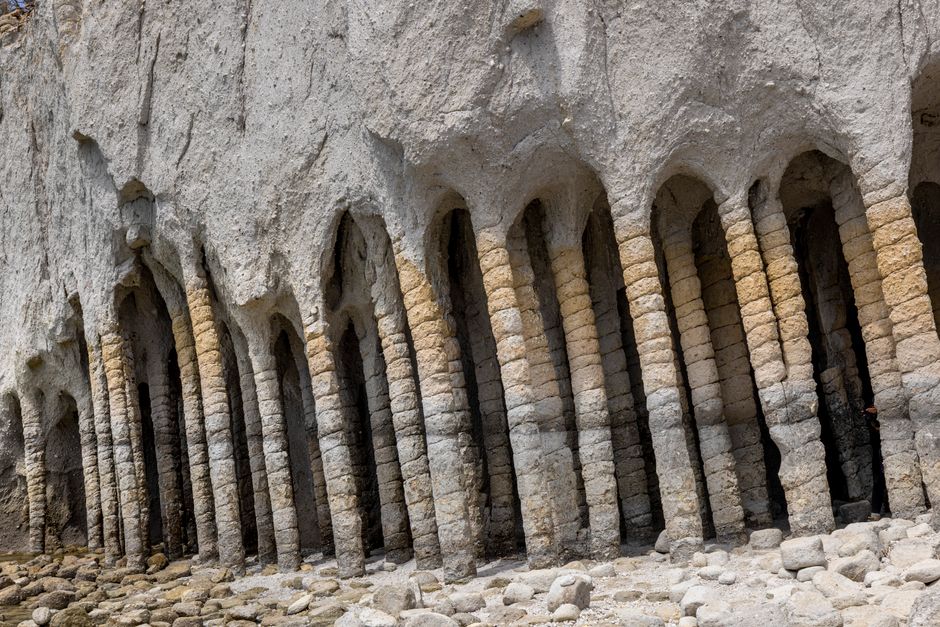
Penghu's dramatic columnar basalt formations are ancient volcanic remnants, telling a geological story that predates human influence and defines the archipelago's unique landscape.
These hexagonal rock pillars, formed by rapid cooling of lava flows millions of years ago, rise majestically from the sea. Sites like the Great Basalt Columns or Tongpan Island showcase these natural wonders, which are distinct from the geology of Taiwan's main island. They serve as a powerful reminder of the deep natural history that shapes these islands, independent of human narratives or political borders.
Frequently asked questions
Is Taiwan safe for travelers?
Taiwan is generally considered extremely safe for travelers, with low crime rates. Locals are known for their hospitality and helpfulness. As with any destination, exercising general caution and being aware of your surroundings is always advisable.
What is the "White Terror" mentioned on Green Island?
The White Terror refers to a period of political repression in Taiwan from 1949 to 1987, during which the Kuomintang (KMT) government arrested, imprisoned, and executed thousands of suspected dissidents. Green Island served as a primary detention center during this era.
How can I learn more about Taiwan's indigenous cultures?
Taiwan has 16 officially recognized indigenous tribes, each with unique languages, customs, and histories. Visiting cultural parks like the Taiwan Indigenous Culture Park, or engaging with communities in places like Wulai and Orchid Island, offers valuable insights into their rich heritage.
How does AllTours.ai help me explore these places?
AllTours.ai is an AI audio tour guide app. When you point your phone camera at a landmark or landscape, the app instantly narrates its history, geology, and culture in your language. It's like having a personal expert guide revealing the hidden stories of places like those mentioned in this post.
Photography via Pexels. AllTours.ai is an AI audio tour guide — point your camera at any landscape and hear its story.