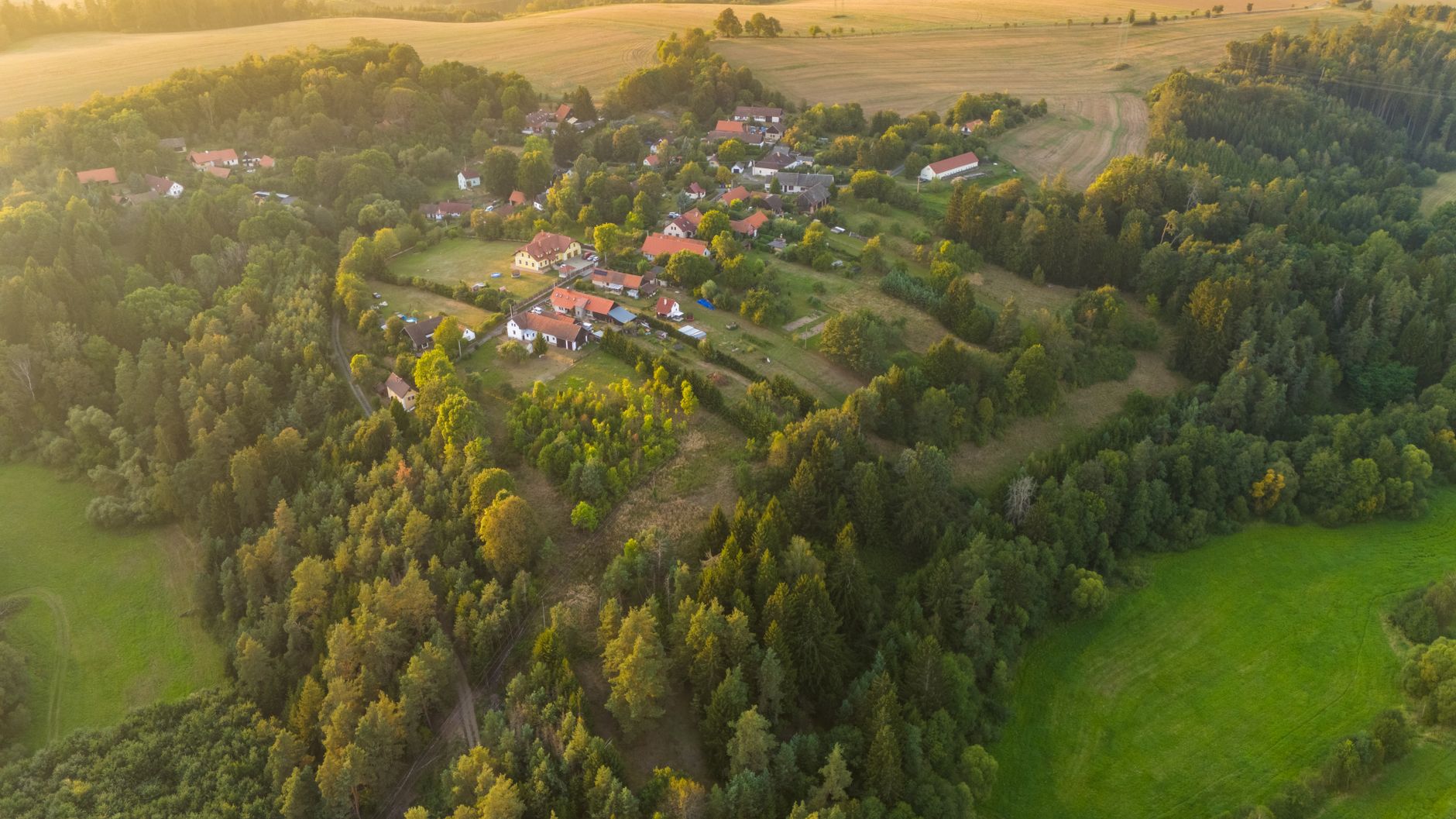
July 4, 2026 · 4 min read
Prague in summer is a vibrant city, but when the cobblestone streets shimmer with heat and the crowds swell, the call of the open road becomes irresistible. Luckily, Bohemia is dotted with countless treasures, from ancient castles clinging to rocky outcrops to towns steeped in forgotten tales and national parks sculpted by millennia of nature's artistry.
Forget the usual tourist trails and discover a different side of the Czech Republic. These summer day trips from Prague offer a perfect blend of history, culture, and natural beauty, all easily accessible and promising unique stories you won't find in every guidebook.
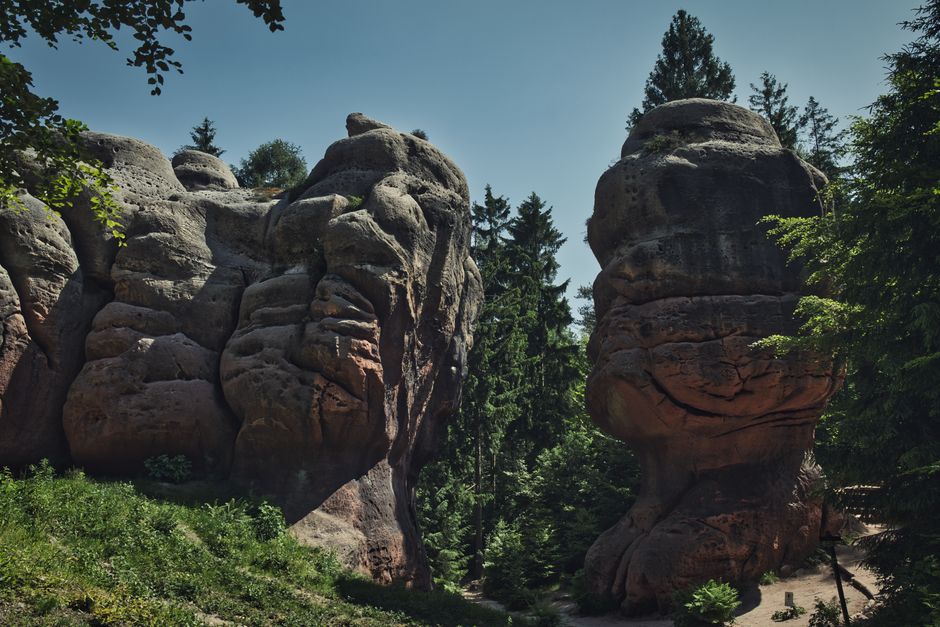
1. Kokořínsko: Land of Sandstone Fantasies
Kokořín, Czech Republic
This protected landscape is famous for its 'devil's heads' – massive faces carved into sandstone cliffs by a self-taught artist.
The Kokořínsko Protected Landscape Area is a geological wonderland, featuring deep valleys, bizarre sandstone towers, and thick forests. Hidden within these rocks are the dramatic 'Čertovy hlavy' or Devil's Heads, monumental faces carved directly into the sandstone by Václav Levý in the mid-19th century. The area also boasts the picturesque Kokořín Castle, perched high on a rock, adding to its fairytale allure.
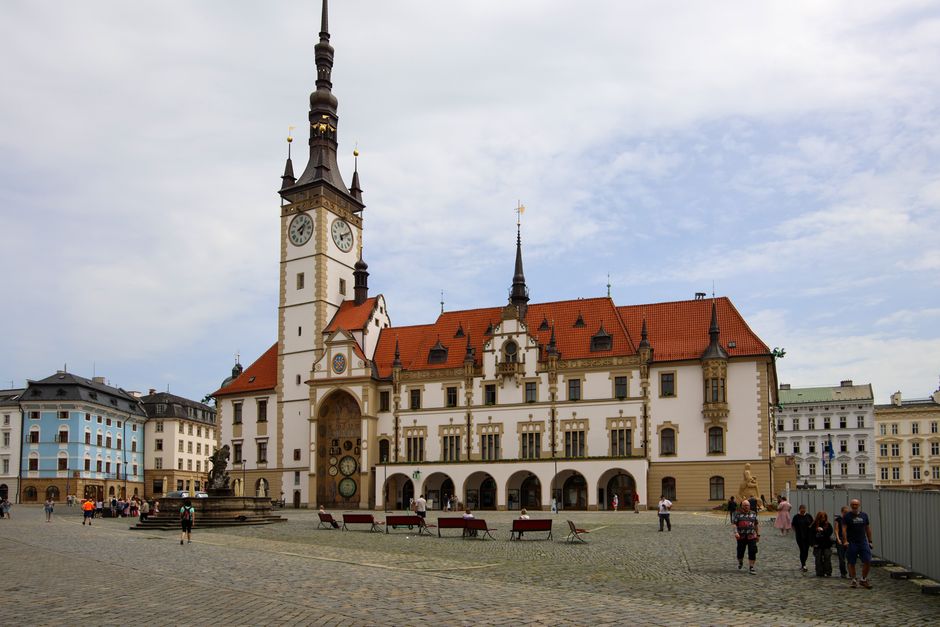
2. Litoměřice: A Volcanic History Underground
Litoměřice, Czech Republic
Beneath this charming royal town, an extensive network of cellars, some cut into volcanic bedrock, forms a fascinating underground labyrinth.
One of Bohemia's oldest royal towns, Litoměřice sits at the confluence of the Elbe and Ohře rivers, built on ancient volcanic foundations. Its colorful Renaissance and Baroque houses on the surface belie a vast, multi-layered underground system of cellars. These subterranean passages, dating back to the 13th century, were used for storage, brewing, and even defense, offering a cool escape and a glimpse into centuries of urban life.
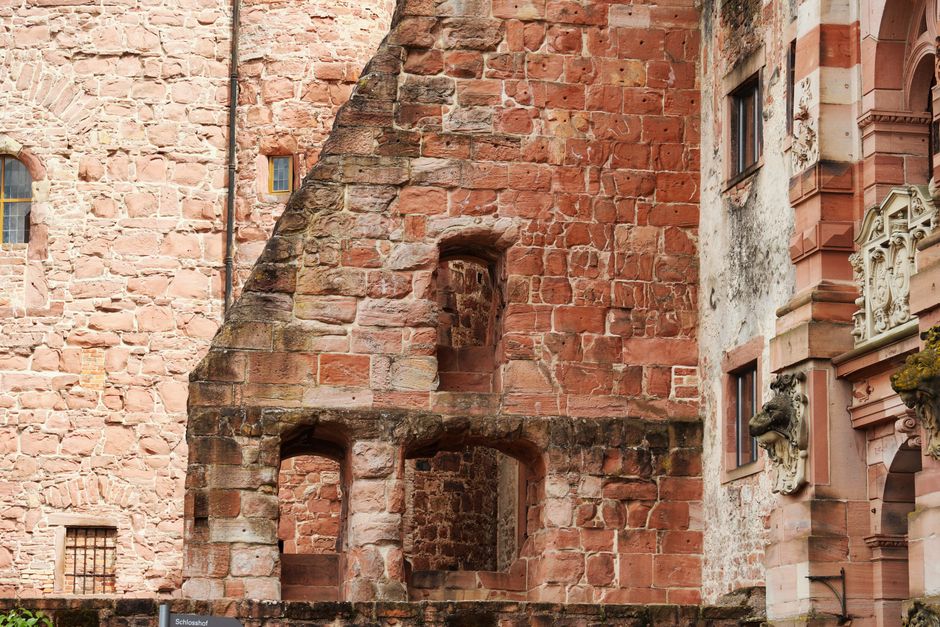
3. Hrubá Skála & Bohemian Paradise: Rock City Castle
Hrubá Skála, Czech Republic
Hrubá Skála Castle is literally built atop a towering sandstone rock formation, within a UNESCO Global Geopark of 'rock cities'.
Part of the Bohemian Paradise (Český ráj) region, Hrubá Skála is not just a castle; it's an extension of the dramatic landscape itself. Perched precariously on a sandstone plateau, the castle overlooks a surreal world of towering rock formations, ancient seabed sculpted by millennia of erosion. This unique blend of natural and man-made architecture creates a truly awe-inspiring vista, making it a prime example of the region's geological marvels.
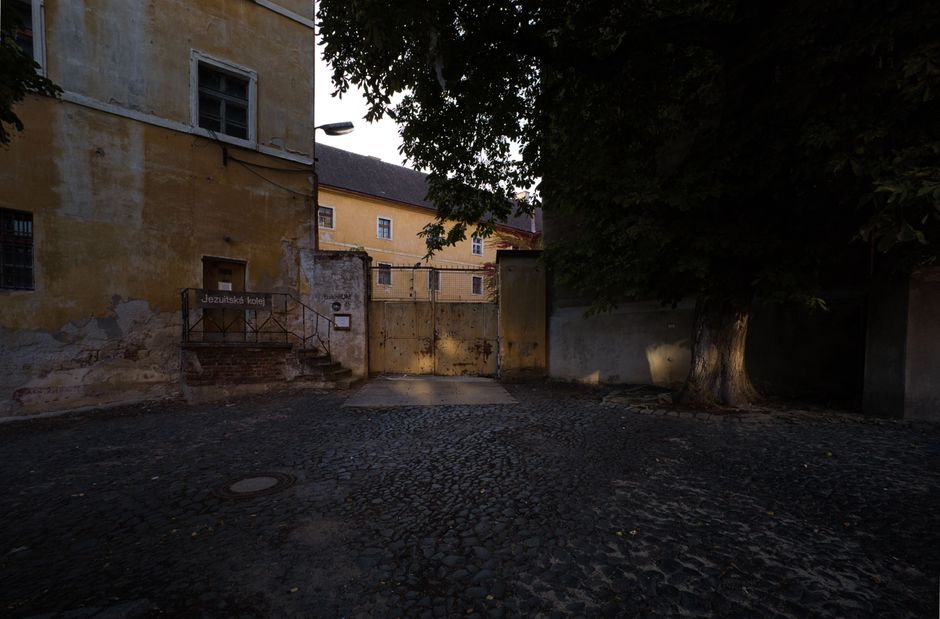
4. Tábor: The Hussite Underground Fortress
Tábor, Czech Republic
Founded by radical Hussites, Tábor was designed as an impregnable fortress with a confusing street layout and a hidden network of underground tunnels.
Tábor stands as a living monument to the Hussite Wars of the 15th century. Its founders deliberately created a maze of narrow, winding streets to confuse invaders. Beneath the surface, an intricate system of interconnected cellars and tunnels served as storage, escape routes, and a vital part of the city's defense. Exploring these cool, dark passages offers a chilling insight into the ingenuity and resilience of its early inhabitants.
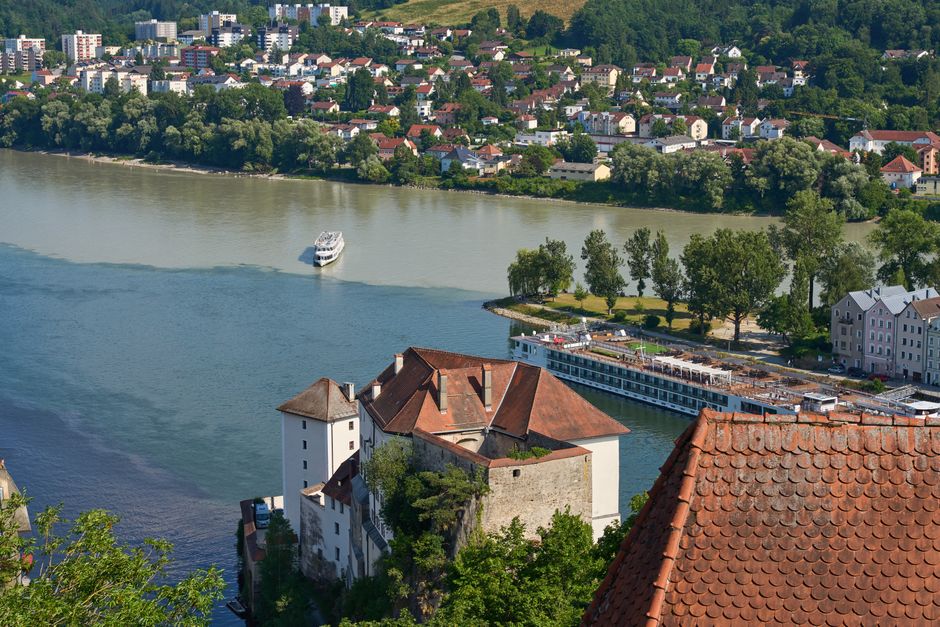
5. Mělník: Where Rivers and Wine Meet
Mělník, Czech Republic
This royal town is uniquely positioned above the confluence of the Vltava and Elbe rivers, and its wine-making tradition dates back to Emperor Charles IV.
Mělník Castle presides over the dramatic meeting point of the Czech Republic's two most significant rivers. Beyond its strategic location, Mělník is one of Bohemia's oldest wine regions. The first vineyards here were established in the 14th century by order of Emperor Charles IV, who imported vines from Burgundy. The castle also houses a macabre ossuary beneath the Church of St. Peter and Paul, adding another layer to its rich history.
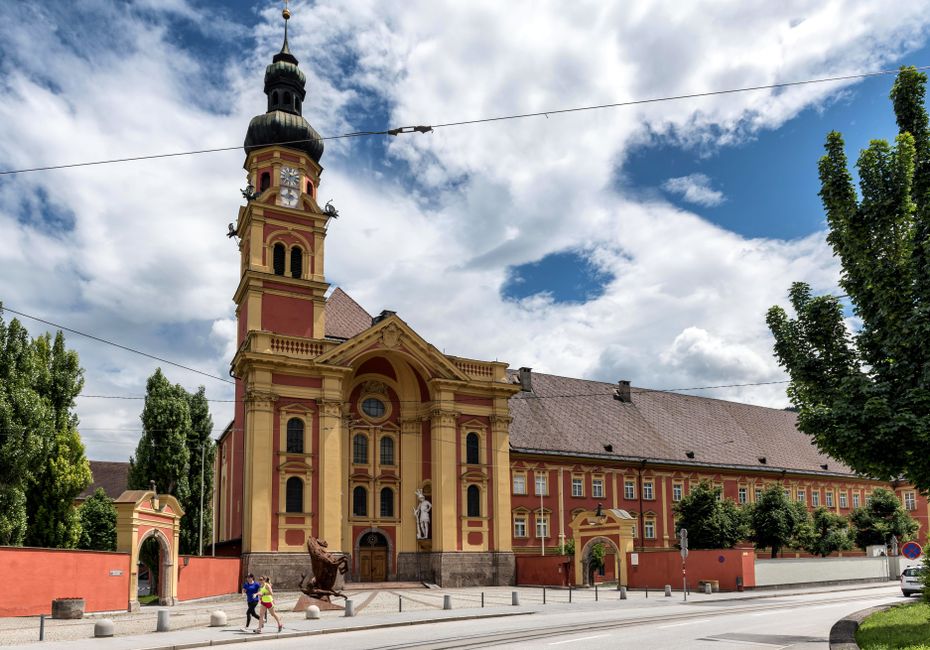
6. Sázava Monastery: A Slavic Sanctuary
Sázava, Czech Republic
This 11th-century Benedictine monastery was a rare center for Old Church Slavonic liturgy in a predominantly Latin-speaking Western Europe.
Founded by Saint Procopius and Prince Oldřich, Sázava Monastery holds a unique place in Czech history. For a significant period, it was the only monastery in Bohemia where the Old Church Slavonic liturgy was practiced, bridging Eastern and Western Christian traditions. Its architecture reflects centuries of change, from Romanesque to Gothic, and its serene riverside setting offers a peaceful contrast to its turbulent past, marked by both flourishing scholarship and destruction.
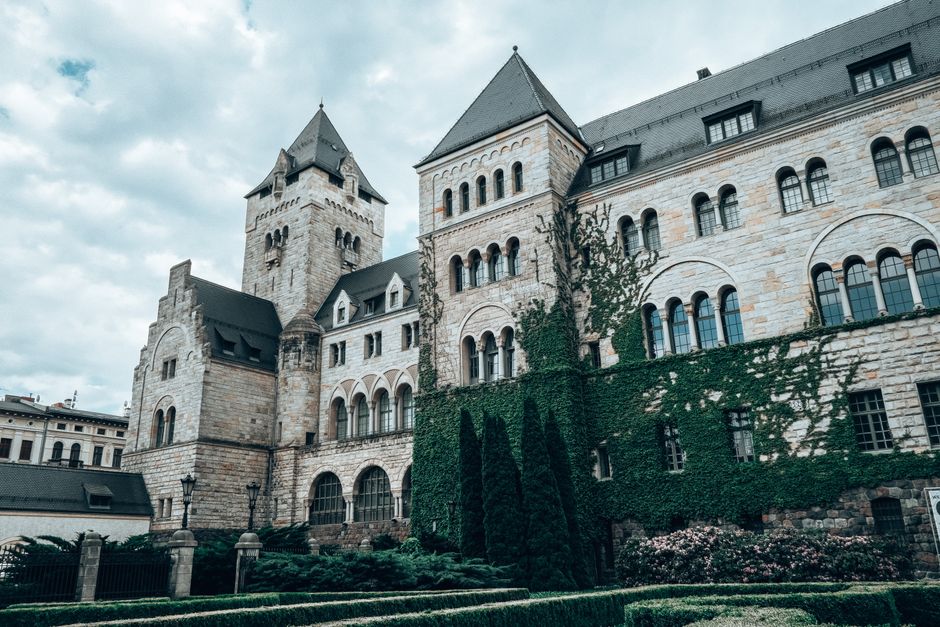
7. Konopiště Castle: Franz Ferdinand's Final Domain
Konopiště, Czech Republic
Konopiště was the last private residence of Archduke Franz Ferdinand, whose assassination sparked WWI, and houses his eccentric collection of over 300,000 hunting trophies.
While grand, Konopiště Castle's most striking feature is the sheer scale of Archduke Franz Ferdinand's hunting obsession. The castle is filled with an immense collection of taxidermied animals, antlers, and hunting paraphernalia, many arranged in surprisingly elaborate, almost theatrical displays. Beyond the trophies, the castle offers a poignant glimpse into the private life of a man whose death irrevocably altered the course of global history, frozen in time just before the calamity of the First World War.
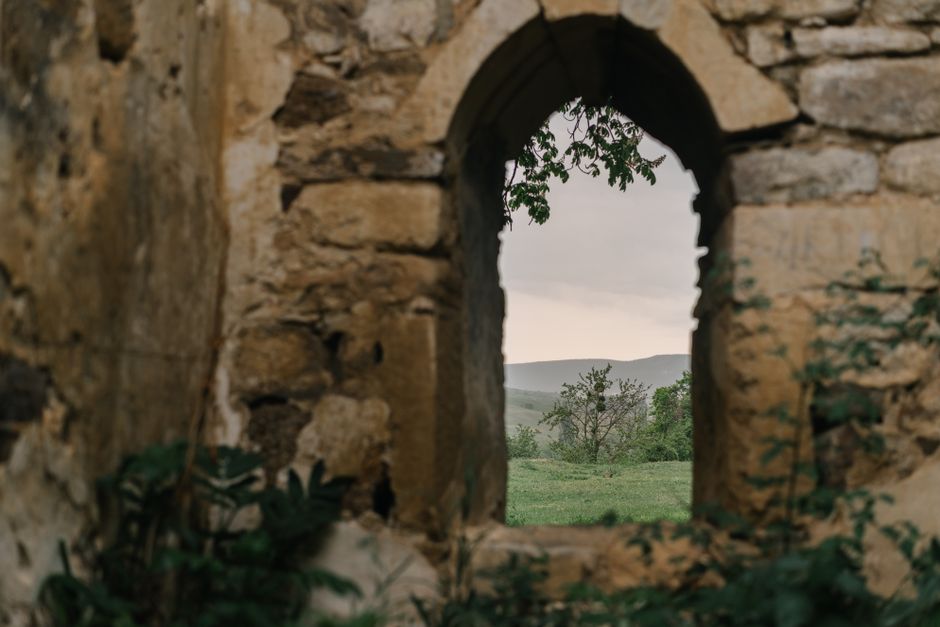
8. Pravčická Brána: Europe's Grand Sandstone Arch
Hřensko (Bohemian Switzerland), Czech Republic
This majestic natural sandstone arch is the largest in Europe, a geological marvel sculpted over millions of years by natural forces.
Nestled in the breathtaking Bohemian Switzerland National Park, Pravčická Brána is a testament to the power of nature. This monumental sandstone arch, with a span of 26.5 meters and a height of 16 meters, was formed by millennia of erosion from wind, water, and frost. Its delicate grandeur is such that direct access beneath the arch is now restricted, ensuring its preservation as a symbol of the park's unique geological heritage.
Frequently asked questions
What's the best way to get to these places from Prague?
Most of these destinations are easily reachable by train or bus from Prague's main stations (Hlavní nádraží or Florenc). For some, renting a car offers more flexibility, especially for exploring national parks like Kokořínsko or Bohemian Switzerland at your own pace. Always check schedules in advance, especially for weekend travel.
Are these day trips suitable for families?
Absolutely! Many of these locations offer something for everyone. Castles often have engaging tours, while natural areas provide opportunities for hiking and exploration. Tábor's underground tunnels and Kokořínsko's carved heads can be particularly exciting for children. Always check specific attraction websites for age recommendations or accessibility information.
What should I pack for a summer day trip in Bohemia?
Light, breathable clothing, comfortable walking shoes, and a hat are essential for summer. Don't forget sunscreen and a reusable water bottle to stay hydrated. If you plan to hike, a small backpack with snacks and a light jacket for cooler evenings or unexpected rain showers is also a good idea.
How can AllTours.ai enhance my day trip experience?
AllTours.ai transforms your phone into an AI audio tour guide. Simply point your camera at any landscape, landmark, or point of interest, and the app will narrate its history, geology, and cultural significance in your language. It’s like having a local expert with you, providing spontaneous, context-aware insights as you explore these fascinating Bohemian locations.
Related guides
Photography via Pexels. AllTours.ai is an AI audio tour guide — point your camera at any landscape and hear its story.