September 10, 2026 · 4 min read
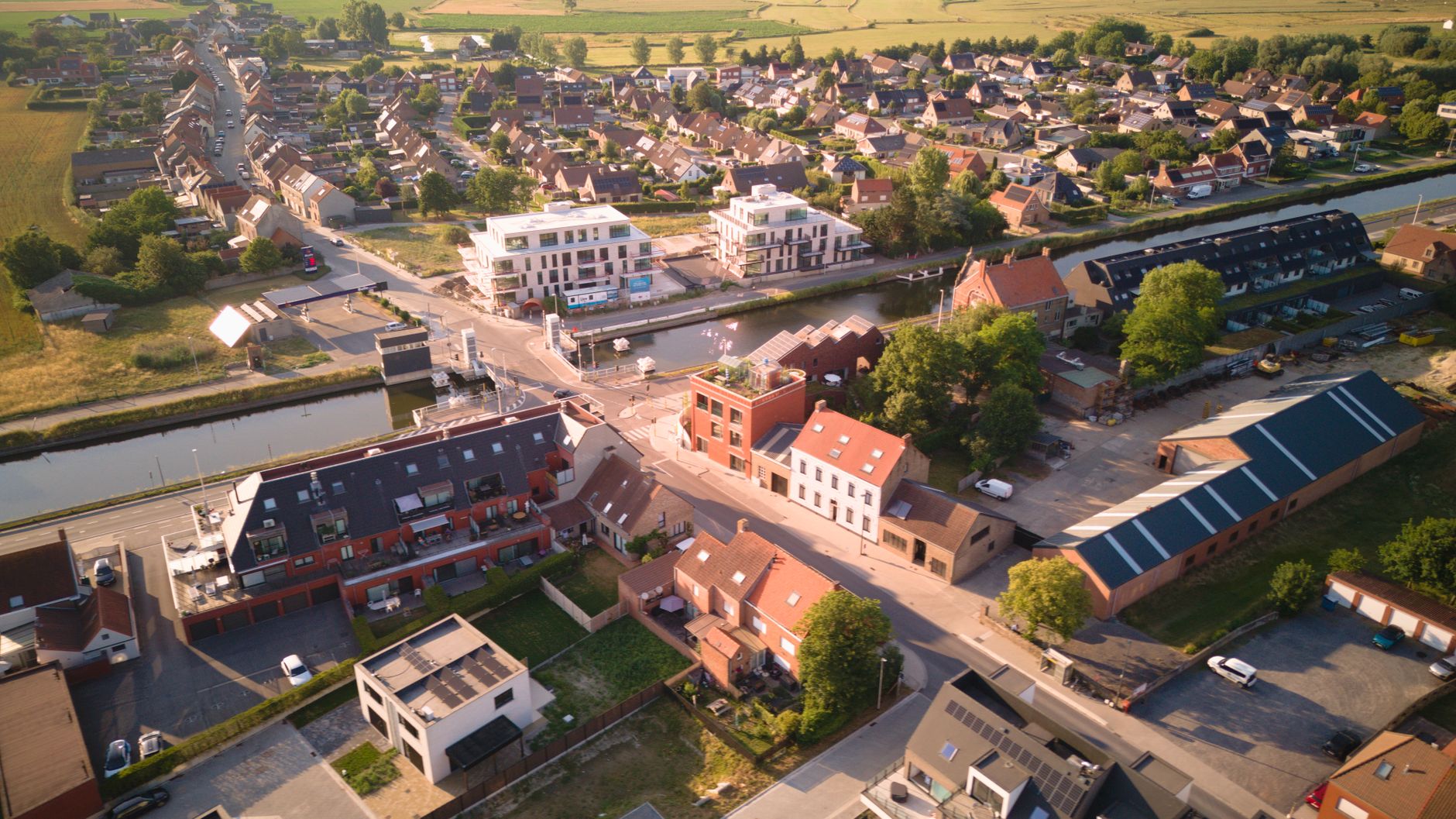
Belgium, a land of intricate history and diverse cultures, also boasts a unique linguistic blend. While French is spoken in Wallonia and Brussels, it's a French deeply enriched by its Flemish neighbor. Belgian French, or Walloon French, carries a distinct flavor, often incorporating words and expressions directly borrowed from Flemish.
Beyond the common distinctions, these linguistic gems often point to specific cultural practices, historical events, or even the very landscape of Belgium. Join us as we explore some fascinating Belgian French words of Flemish origin, uncovering the untold stories of the lesser-known places that inspired them.
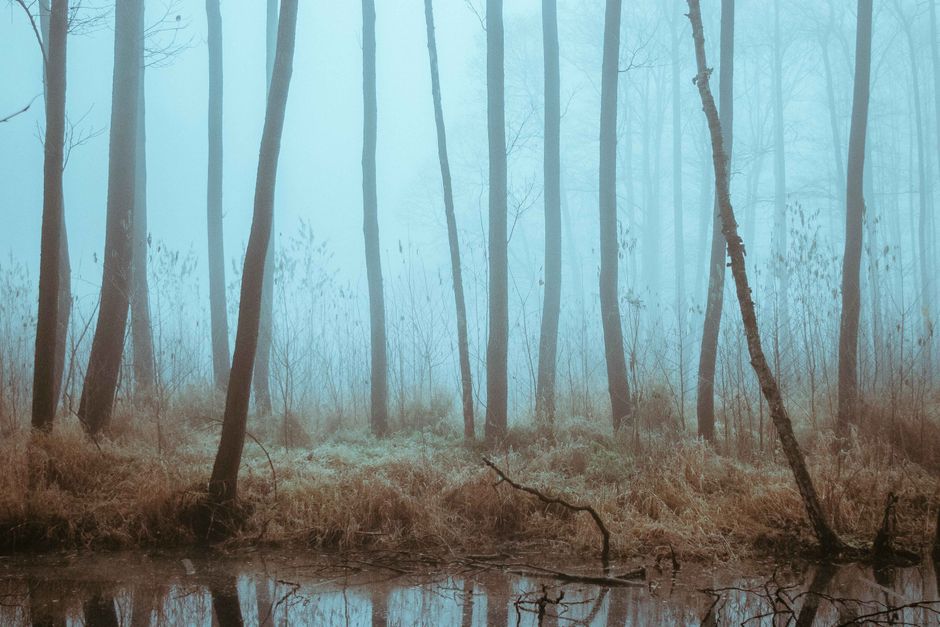
1. The High Fens' Misty 'Drache'
Hautes Fagnes, Wallonia
Europe's largest nature reserve, where the weather dictates the mood and shapes a unique ecosystem.
The word 'drache' (from Flemish 'dratsj') describes a sudden, heavy downpour, a common occurrence in the Hautes Fagnes. This vast, wild plateau, Belgium's highest point, is a mysterious landscape of peat bogs and heathland. The frequent 'drache' adds to its ancient, almost primeval atmosphere, shaping its unique flora and fauna, and historically making it a challenging, yet captivating, place to traverse.
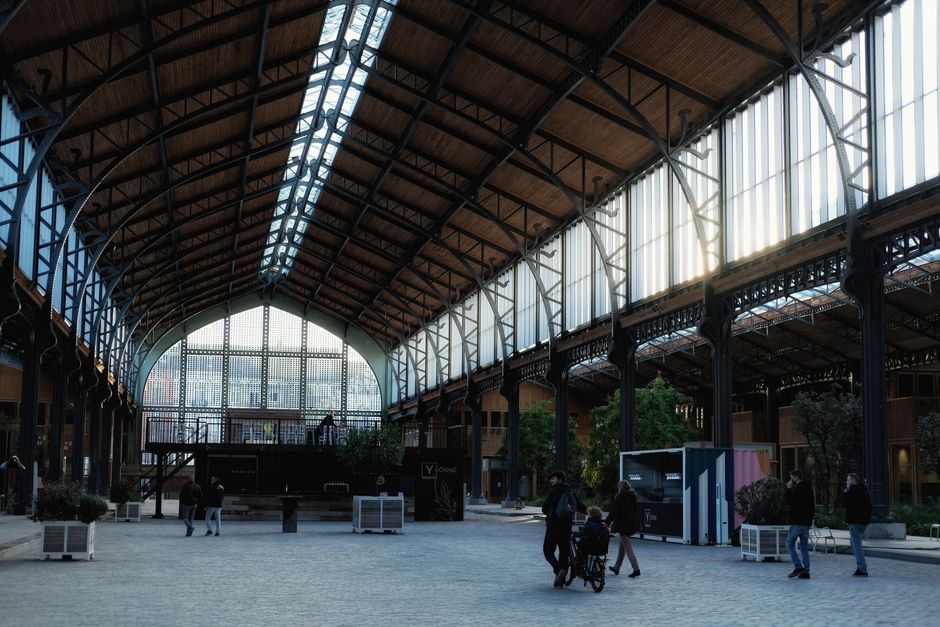
2. Marolles' Hearty 'Stoemp' Tradition
Marolles District, Brussels
The heart of Brussels' authentic culinary soul, where a simple dish tells tales of resilience and heritage.
'Stoemp' (from Flemish 'stoemp') is a beloved Belgian dish of mashed potatoes mixed with vegetables. In the Marolles, a historic working-class neighborhood in Brussels, 'stoemp' reflects the pragmatic and hearty spirit of its inhabitants. This economical yet flavorful dish is a cornerstone of local cuisine, passed down through generations in its bustling markets and traditional eateries, symbolizing the rich, earthy culture of the district.
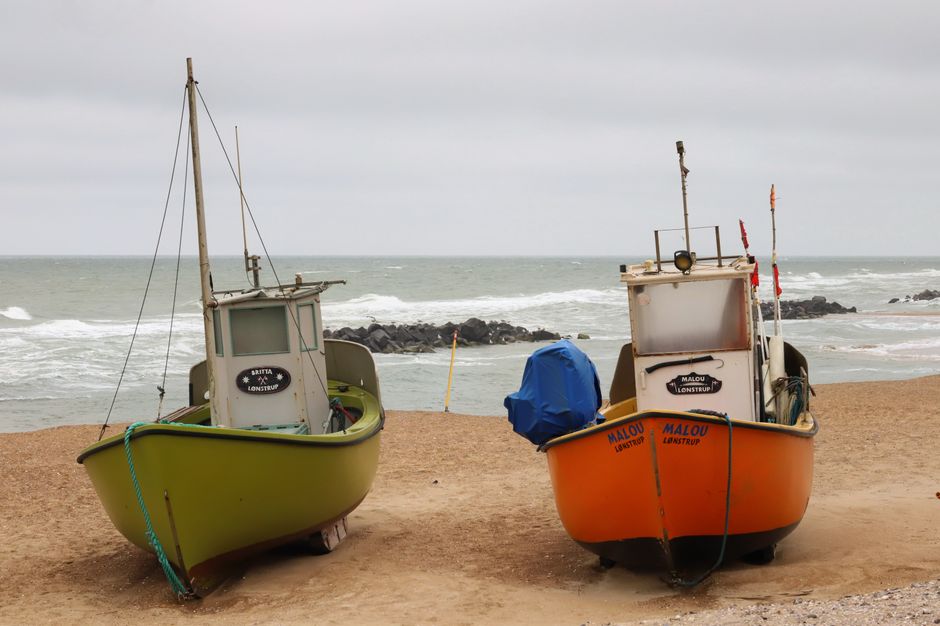
3. Nieuwpoort's Salty 'Pekel' Stories
Nieuwpoort, West Flanders
A historic fishing port where the very language reflects the struggle and bounty of the sea.
'Pekel' (from Flemish 'pekel') refers to brine, used for pickling, and also metaphorically to a difficult situation. In Nieuwpoort, a strategic port with a long fishing tradition, the word evokes the preservation of herring, a historical staple food. Its maritime museum and vibrant fish market still tell these 'briny' tales, connecting the town's identity to the sea, its hardships, and its sustenance.
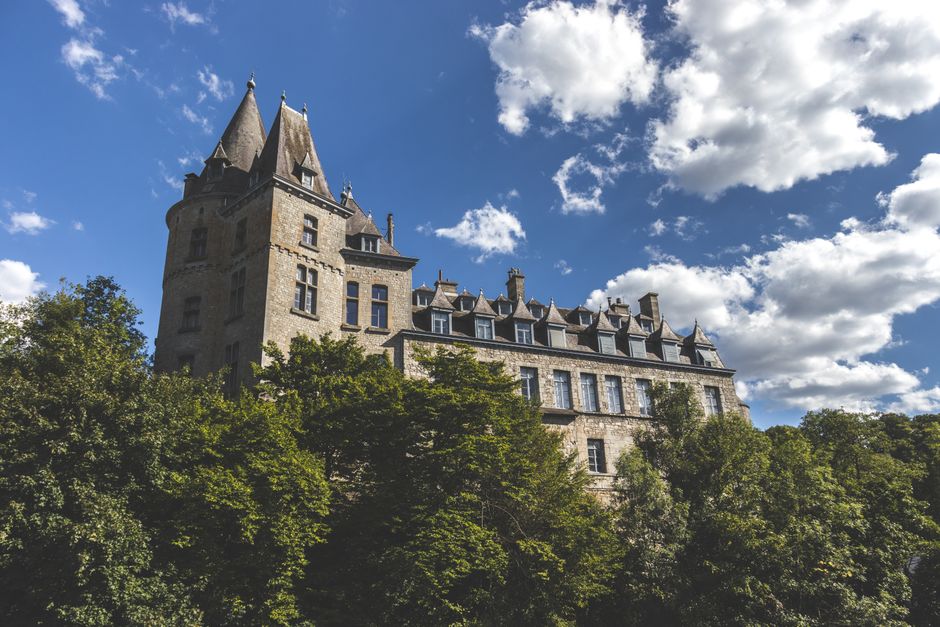
4. Durbuy's Delightfully 'Schievel' Charm
Durbuy, Luxembourg Province
The 'smallest city in the world,' where every cobblestone and timber frame seems delightfully off-kilter.
'Schievel' (from Flemish 'schievel') means crooked or askew. Durbuy, often called the 'smallest city in the world,' perfectly embodies this word. With its ancient stone houses, winding alleys, and irregular medieval layout, Durbuy's architecture is charmingly 'schievel.' This picturesque town, alongside the Ourthe river, has defied straight lines and urban planning for generations, creating a unique, fairytale-like appearance.

5. Louvain-la-Neuve's Student 'Kot' Life
Louvain-la-Neuve, Walloon Brabant
A purpose-built university city where student life revolves around the humble 'kot,' a symbol of independence.
'Kot' (from Flemish 'kot') refers to a student room, typically small and basic. Louvain-la-Neuve is unique: a car-free city built from scratch in the 1970s solely for its university. Here, the 'kot' isn't just a room; it's the heart of student autonomy and community. These compact living spaces define the city's vibrant, youthful atmosphere, fostering a distinct academic and social culture within its modern architecture.
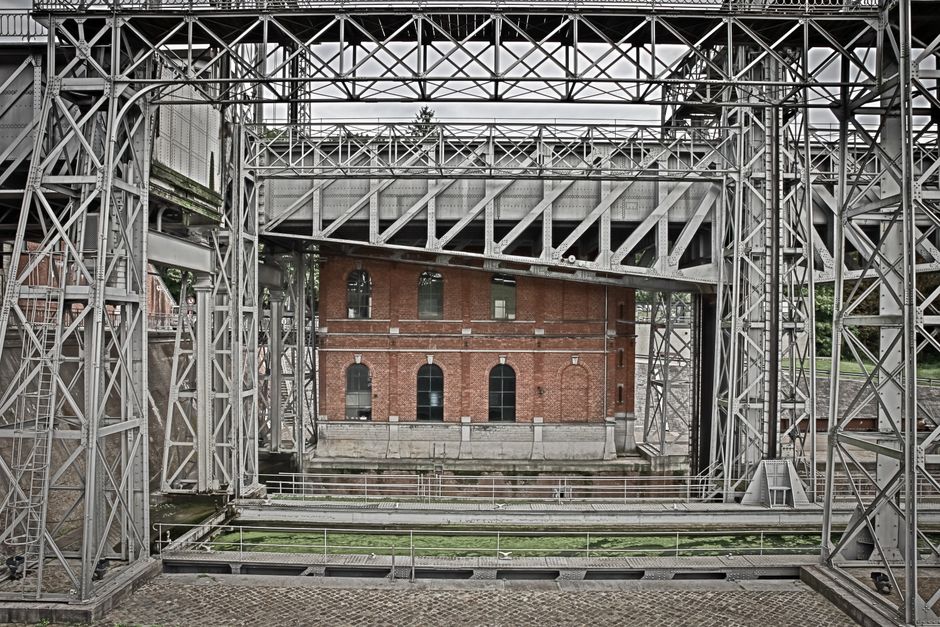
6. La Louvière's Industrial 'Blik' Legacy
La Louvière, Hainaut
A UNESCO World Heritage site where industrial ingenuity once transformed raw materials into essential 'blik' containers.
'Blik' (from Flemish 'blik') means tin or can. La Louvière's industrial past is etched into its landscape, especially around the historic boat lifts, a UNESCO site. The word 'blik' resonates with the region's legacy of metallurgy and canning factories, which once thrived, producing countless metal containers. These sites now stand as monuments to a bygone era of Belgian industrial prowess and innovation.
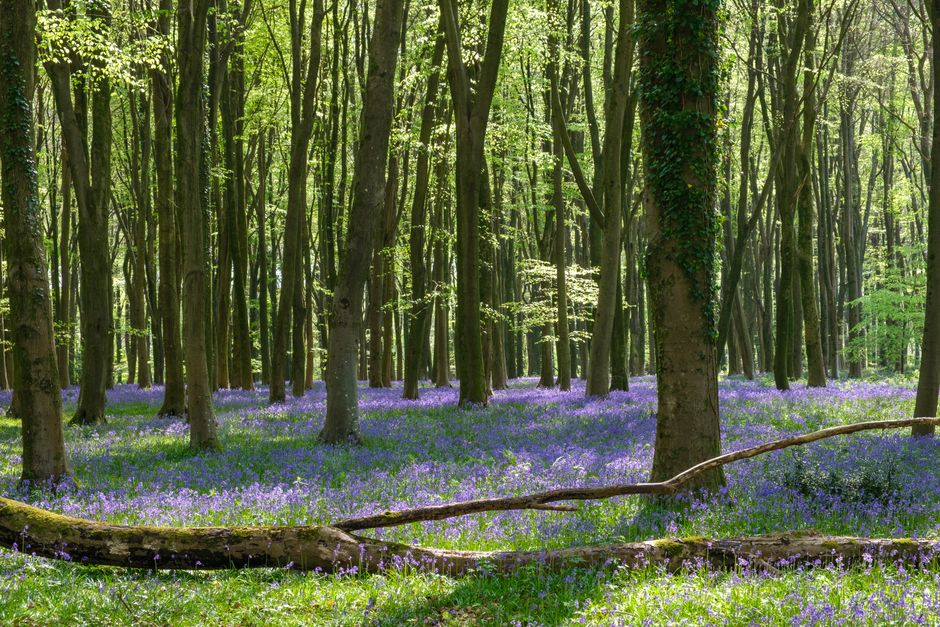
7. Hallerbos' Enchanting 'Drèves'
Hallerbos, Flemish Brabant
Walk through ancient 'drèves' in a magical forest, where spring transforms the ground into a carpet of violet.
'Drève' (from Flemish 'dreef') refers to a tree-lined avenue or driveway, often grand and historic. Hallerbos, the 'Blue Forest,' is renowned for its fleeting spring spectacle when millions of bluebells bloom. Its 'drèves'—historic tree-lined paths—become ethereal tunnels of purple, guiding visitors through a truly enchanting landscape. These ancient avenues, once part of ducal hunting grounds, now offer a serene escape.
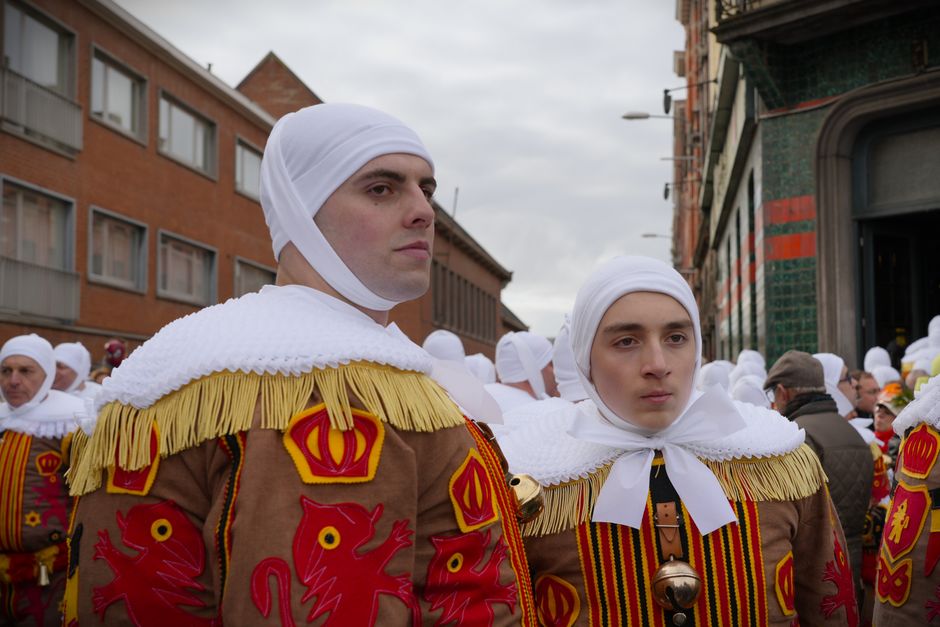
8. Binche's Traditional 'Pistolet' Culture
Binche, Hainaut
A UNESCO-recognized town where a simple 'pistolet' becomes a canvas for unique regional flavors and traditions.
'Pistolet' (from Flemish 'pistoleeke') refers to a small, round bread roll. Binche, famous for its elaborate carnival, is also home to a proud baking tradition. Here, the 'pistolet' is elevated, often enjoyed with local cheeses or charcuterie, especially during festive periods. Its crisp crust and soft interior are a daily pleasure, and during Carnival, it becomes an integral part of the town's vibrant culinary heritage.
Frequently asked questions
What's the main difference between Belgian French and French from France?
Belgian French distinguishes itself through unique vocabulary, particularly words borrowed from Flemish and Walloon dialects, as well as some minor pronunciation and grammatical variations. These differences make it a distinct, yet mutually intelligible, variant of the French language.
Are there many Flemish loanwords in everyday Belgian French?
Yes, Flemish loanwords are quite common, especially in informal speech and specific regional contexts. They reflect centuries of linguistic contact and cultural exchange between the French-speaking and Dutch-speaking parts of Belgium, enriching the local lexicon.
Is it easy for a French speaker from France to understand Belgian French?
Generally, yes. The core grammar and vocabulary are the same. However, some unique Belgian French words and expressions, like those highlighted in this post, might require context or a quick explanation, especially for someone unfamiliar with local nuances.
How can the AllTours.ai app help me explore these unique Belgian places?
AllTours.ai allows you to simply point your phone camera at any landscape or landmark. Our AI will then instantly narrate its history, geology, and culture in your preferred language, providing rich, context-aware insights, including fascinating linguistic details, as you explore.
Photography via Pexels. AllTours.ai is an AI audio tour guide — point your camera at any landscape and hear its story.