September 10, 2026 · 5 min read
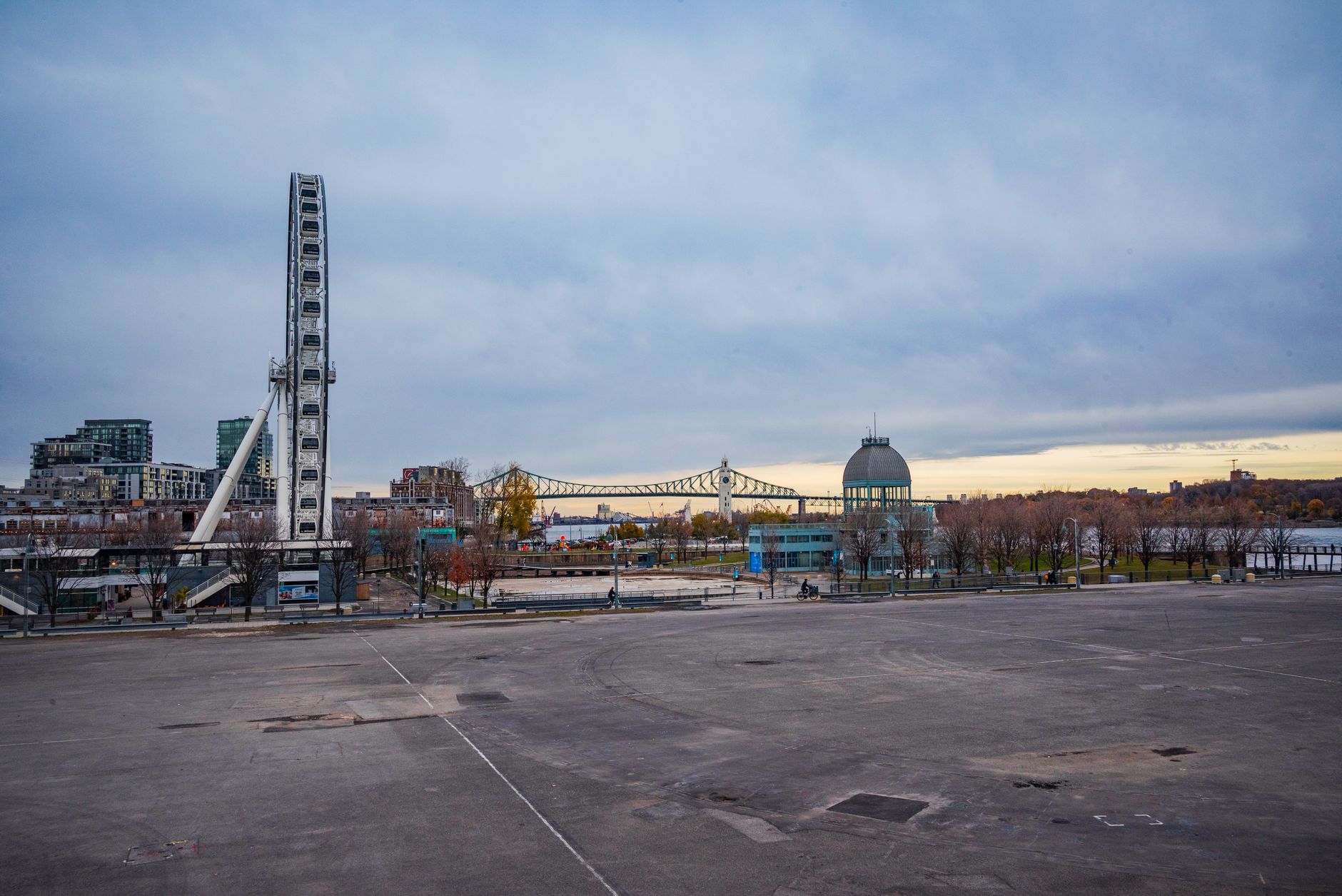
It's a common travel worry: you're exploring a new city, maybe rushing, and suddenly, there's a parking ticket. For American visitors in Montreal, the question often lingers: what happens if an American leaves without paying a parking ticket in Montreal, and then plans to revisit the city years later, perhaps even with a different car?
While we delve into the practicalities of those lingering fines, let's also use the opportunity to explore Montreal itself. Beyond the well-trodden paths, this city holds layers of history and surprising stories. Join us on a journey to uncover the hidden gems and overlooked narratives that truly define Montreal.
1. The River's Untamed Heart
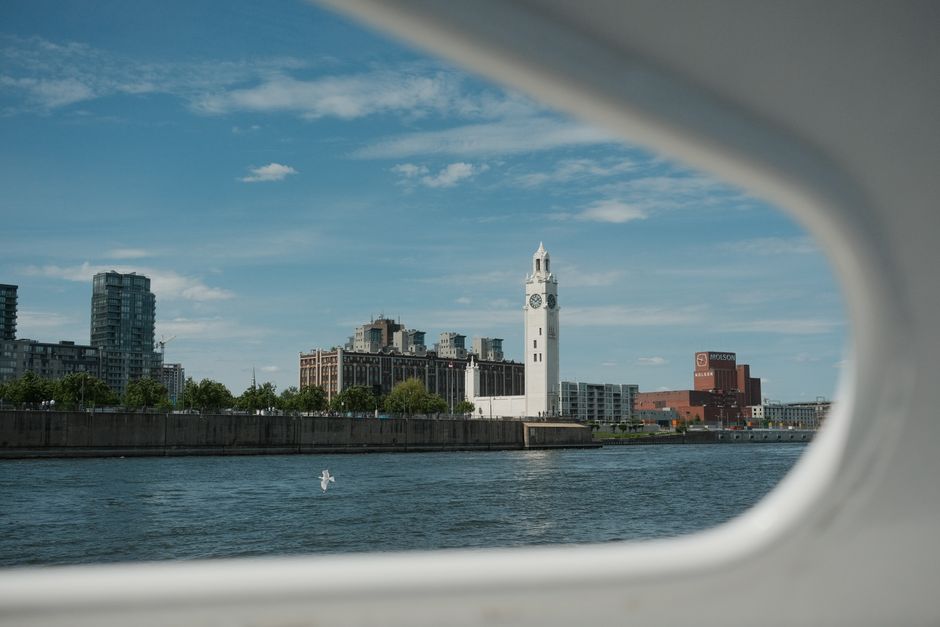
Lachine Rapids, Canada
Montreal's very existence was shaped by these perilous rapids, a natural barrier that redirected early colonial ambitions.
The powerful Lachine Rapids, though partially bypassed by canals today, once presented an impassable challenge to early European explorers navigating the St. Lawrence River. This natural barrier forced a stop and portage point, directly contributing to Montreal's strategic importance as a fur trading post and a hub for exchange with Indigenous nations. Today, you can still witness the raw power of the river, a stark reminder of the forces that dictated the city's early development.
2. The Canal's Secret Gateway
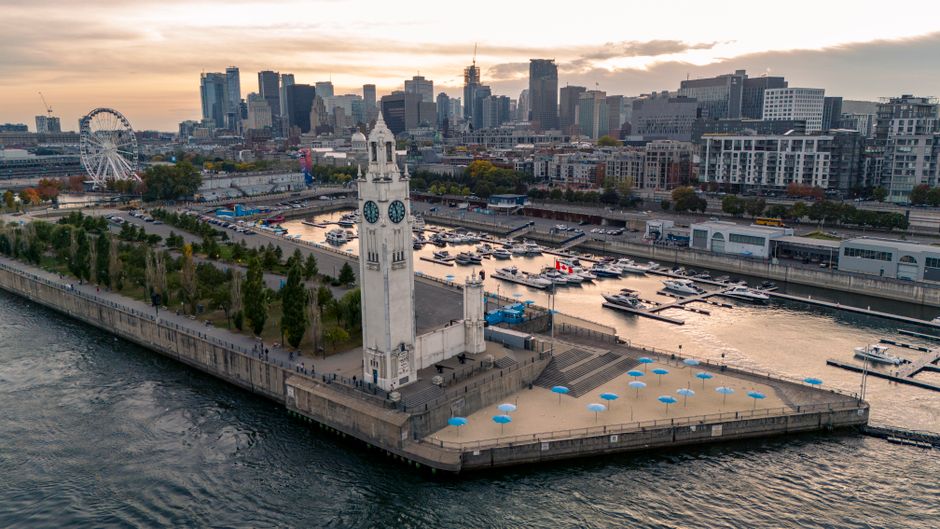
Lachine Canal Locks (Old Port), Canada
These specific locks in the Old Port were a forgotten engineering marvel that unlocked Montreal's maritime potential, bypassing the legendary Lachine Rapids.
Tucked discreetly within Montreal's Old Port, the Lachine Canal locks near the Pointe-à-Callière museum are more than just a waterway; they are a testament to 19th-century ingenuity. This system allowed ships to navigate around the treacherous Lachine Rapids, transforming Montreal into a vital inland port connecting to the Great Lakes. Today, pleasure boats pass through, a quiet echo of the industrial vessels that once carried goods, solidifying Montreal's role as a major economic hub.
3. A Reservoir's Bohemian Transformation
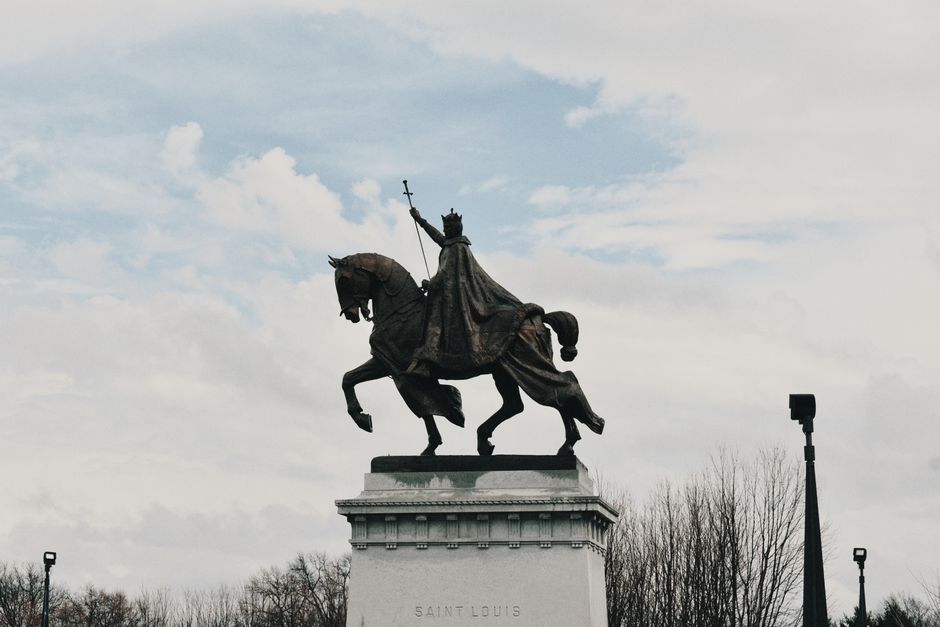
Carré Saint-Louis, Canada
This picturesque Victorian square was once Montreal's primary open-air reservoir, supplying the city's drinking water before becoming a haven for artists.
Carré Saint-Louis, with its charming Victorian architecture and central fountain, exudes European elegance. Yet, its tranquil pond actually sits on the site of Montreal's first major open-air reservoir, built in the 1850s to provide fresh water to a rapidly growing population. After the reservoir was covered, the area developed into a fashionable residential district, eventually attracting artists and intellectuals, cementing its reputation as a bohemian heartland.
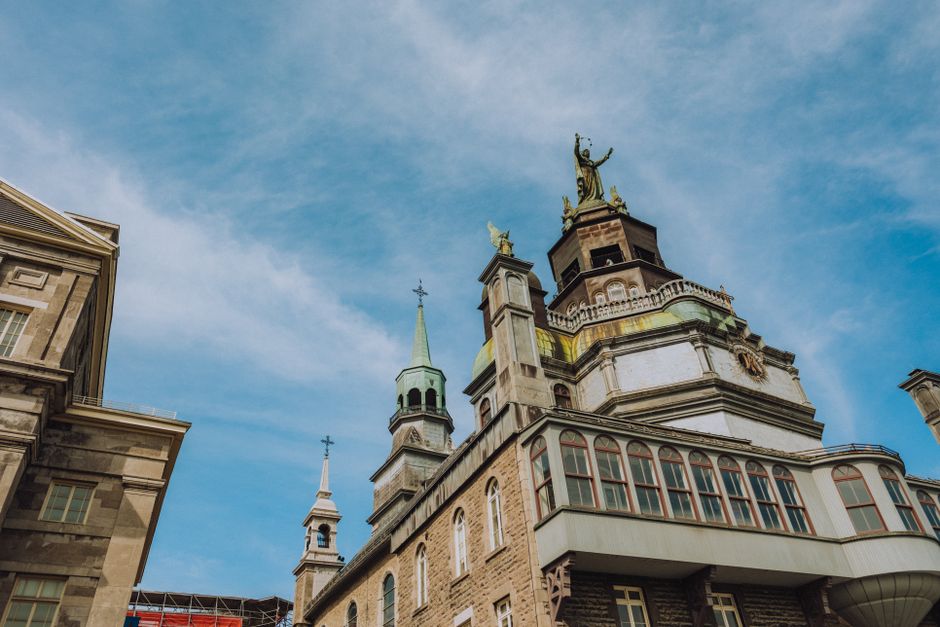
4. The Oldest Stone Witness
Église de la Visitation de la Bienheureuse Vierge Marie, Canada
This humble stone church is Montreal's oldest still standing on its original foundation, a silent observer of nearly three centuries of the city's growth.
Far from the bustling tourist circuits of Old Montreal, in the borough of Sault-au-Récollet, stands Église de la Visitation. Established in 1749, it holds the distinction of being the only surviving church from the French colonial era still on its original foundation in Montreal. Its simple, sturdy architecture has withstood the test of time, providing a tangible link to the earliest European settlers and the Indigenous communities who inhabited this land long before.
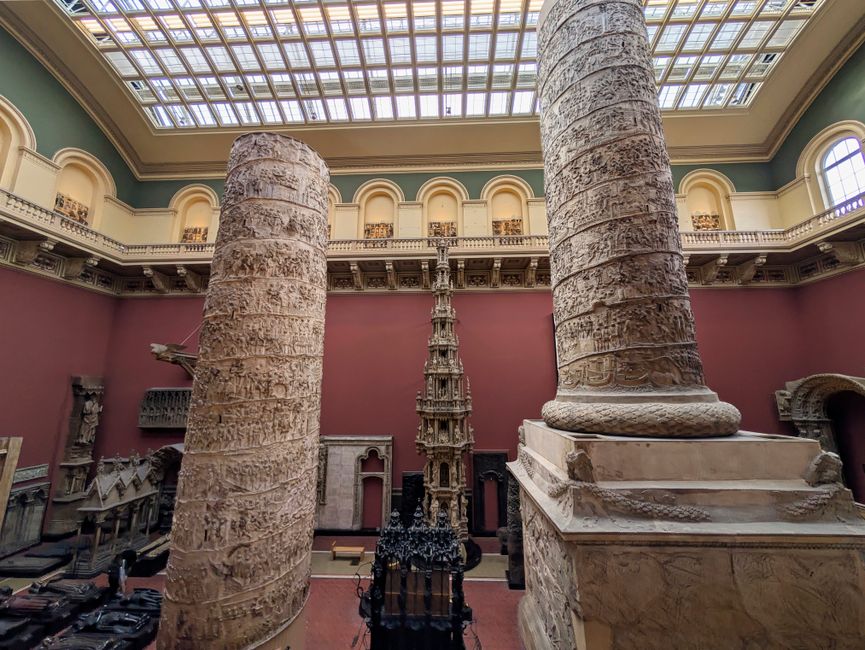
5. The Sugar Baron's Legacy of Wonder
Redpath Museum, McGill University, Canada
One of Canada's oldest purpose-built museums, its diverse collection was initiated by a Victorian sugar magnate with a passion for natural history.
Nestled within the McGill University campus, the Redpath Museum is a hidden gem often overlooked by visitors. Endowed by sugar baron Peter Redpath and opened in 1882, it was specifically designed to house natural history collections. Its grand Victorian interior and eclectic exhibits, spanning from Egyptian mummies and dinosaur skeletons to geological specimens, offer a captivating window into 19th-century scientific exploration and the benefactors who fueled it.
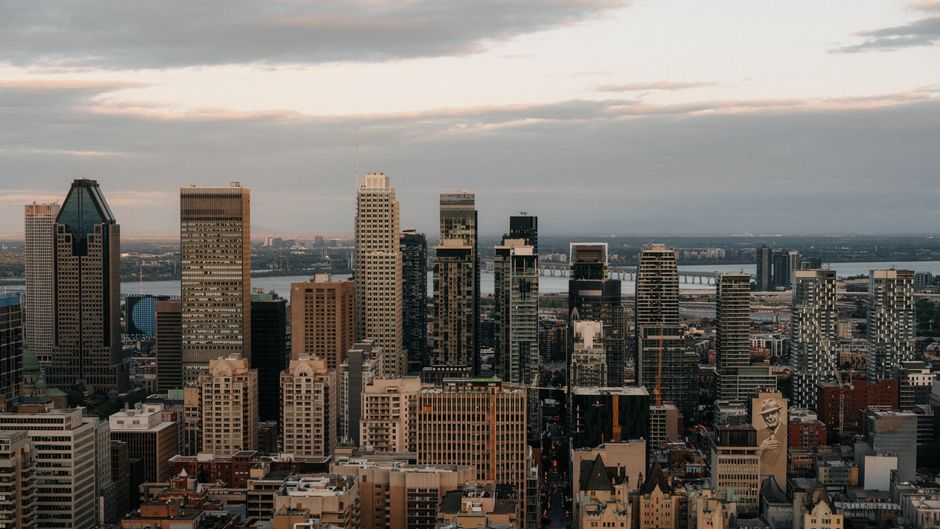
6. A Lived-In Architectural Dream
Habitat 67, Canada
A radical architectural experiment from Expo 67, designed to reimagine urban living, still stands today as a fully inhabited, visionary utopia.
Moshe Safdie's iconic Habitat 67, a distinctive complex of stacked concrete cubes on Cité du Havre, began as a pavilion for Expo 67. It aimed to revolutionize urban residential architecture by integrating private gardens and fresh air into high-density housing. Each unit is a prefabricated module, combined to create a unique village-like structure. Today, it remains a fully functioning, highly sought-after residential complex, a testament to its bold and unconventional design.
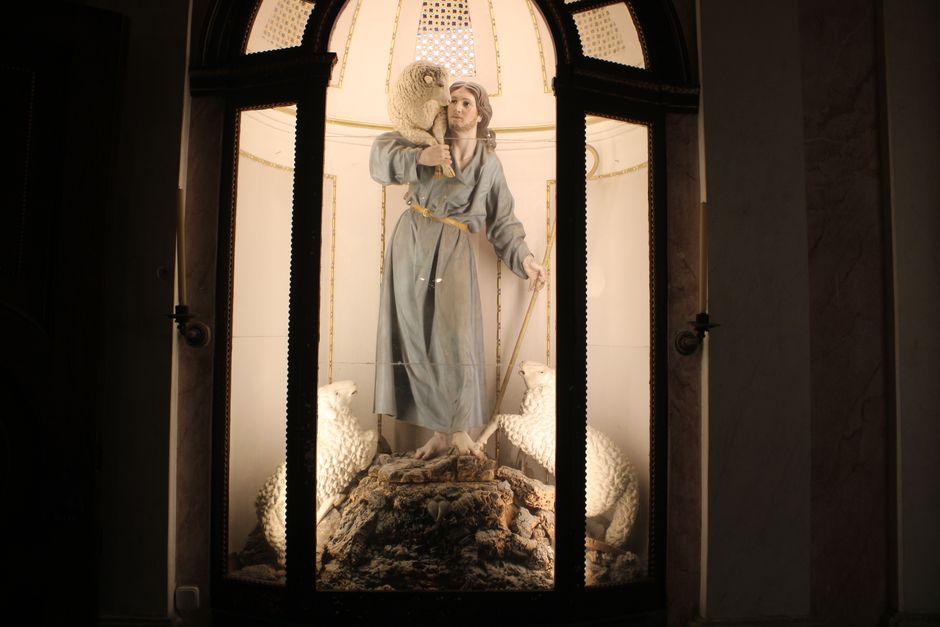
7. The Oratory's Humble Foundation
Saint-Joseph's Oratory Crypt Church, Canada
Beneath the monumental basilica lies a simpler, more intimate crypt church, holding the original tomb of Brother André and marking the true beginning of the Oratory's legacy.
While the grand dome of Saint-Joseph's Oratory dominates Montreal's skyline, many visitors rush past the Crypt Church beneath. This solemn, more intimate space was the first church built on the site by Brother André himself and houses his original tomb. It was here that his ministry truly began, long before the immense basilica was envisioned. The crypt offers a quieter, more personal connection to the Oratory's humble beginnings and the countless pilgrims who sought solace and healing in its early days.
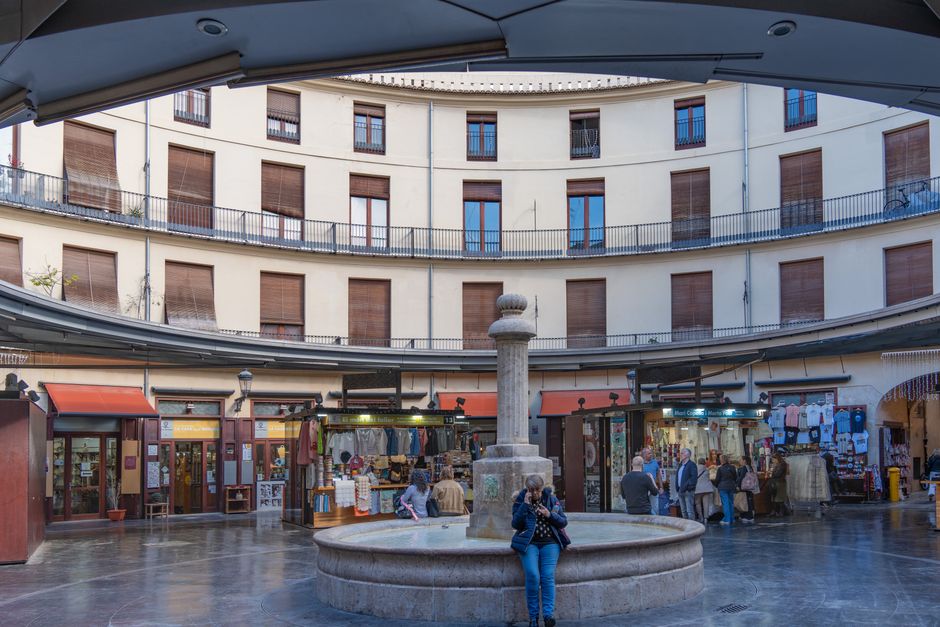
8. The Market's Original Spot
Parc du Marché du Nord (Jean-Talon Market), Canada
The unassuming fountain in Jean-Talon Market's central square marks the precise spot where farmers originally gathered their wagons, long before the permanent market buildings.
Jean-Talon Market is a vibrant culinary hub, but the fountain in its central square, Parc du Marché du Nord, holds a quiet historical significance. This spot marks the original location where farmers would gather their wagons to sell fresh produce directly to city dwellers, decades before the permanent market buildings were constructed in 1933. It's a subtle nod to the market's enduring role as a vital connection between rural agriculture and urban life in Montreal.
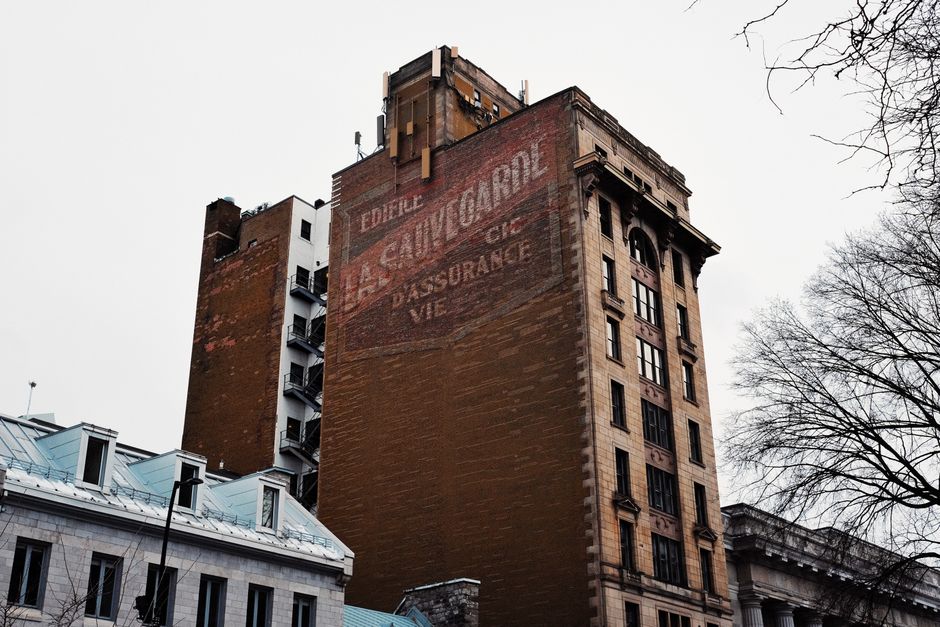
9. A Grand Square's Tumultuous Past
Viger Square, Canada
Once Montreal's most magnificent public park, this square became a symbol of urban neglect before its recent, slow revitalization efforts.
Viger Square, located near Old Montreal, boasts a tumultuous history. Conceived in the late 19th century as a grand public park adorned with ornate fountains and statues, it was once a prestigious urban oasis. However, its splendor waned dramatically with the construction of the Ville-Marie Expressway, which disconnected it from the city and led to decades of neglect. Recent revitalization efforts aim to reclaim parts of the square, reflecting Montreal's ongoing journey with urban planning and heritage preservation.
Frequently asked questions
What happens if an American leaves without paying a parking ticket in Montreal?
Unpaid parking tickets in Montreal are generally municipal infractions, not criminal offenses. While they don't typically lead to an arrest warrant at the border, Canada Border Services Agency (CBSA) systems are separate from municipal police records. However, if a ticket escalates to a court fine and remains unpaid, it could potentially involve collection agencies or create complications if you apply for a Canadian visa or permit in the future. For short tourist visits, it's unlikely to prevent border entry unless there's a serious history of unpaid fines or other legal issues.
Will an unpaid Montreal parking ticket affect my ability to enter Canada years later with a different car?
The specific car you drive is irrelevant to an unpaid parking ticket, as the issue is tied to the individual and their driver's license, not the vehicle itself. For a standard parking ticket, it's generally not an immediate barrier to re-entry years later. However, it's always recommended to resolve any outstanding fines to avoid potential, albeit rare, complications or unpleasant surprises during future visits.
Can I pay a Montreal parking ticket from the US?
Yes, Montreal parking tickets can typically be paid online through the city's official website, or by mail. Look for the specific payment instructions provided on the ticket itself. Resolving these issues remotely is often the easiest approach to ensure they don't linger.
How does AllTours.ai help me discover hidden stories in Montreal?
AllTours.ai is an AI audio tour guide designed to enrich your travels. Simply point your phone camera at any landmark, landscape, or even a subtle architectural detail, and the app instantly narrates its fascinating history, geology, and culture in your preferred language. It's like having a personal expert reveal the captivating, often hidden, stories of places like those mentioned in this guide, making your exploration of Montreal deeply personal and insightful.
Photography via Pexels. AllTours.ai is an AI audio tour guide — point your camera at any landscape and hear its story.