July 15, 2026 · 4 min read
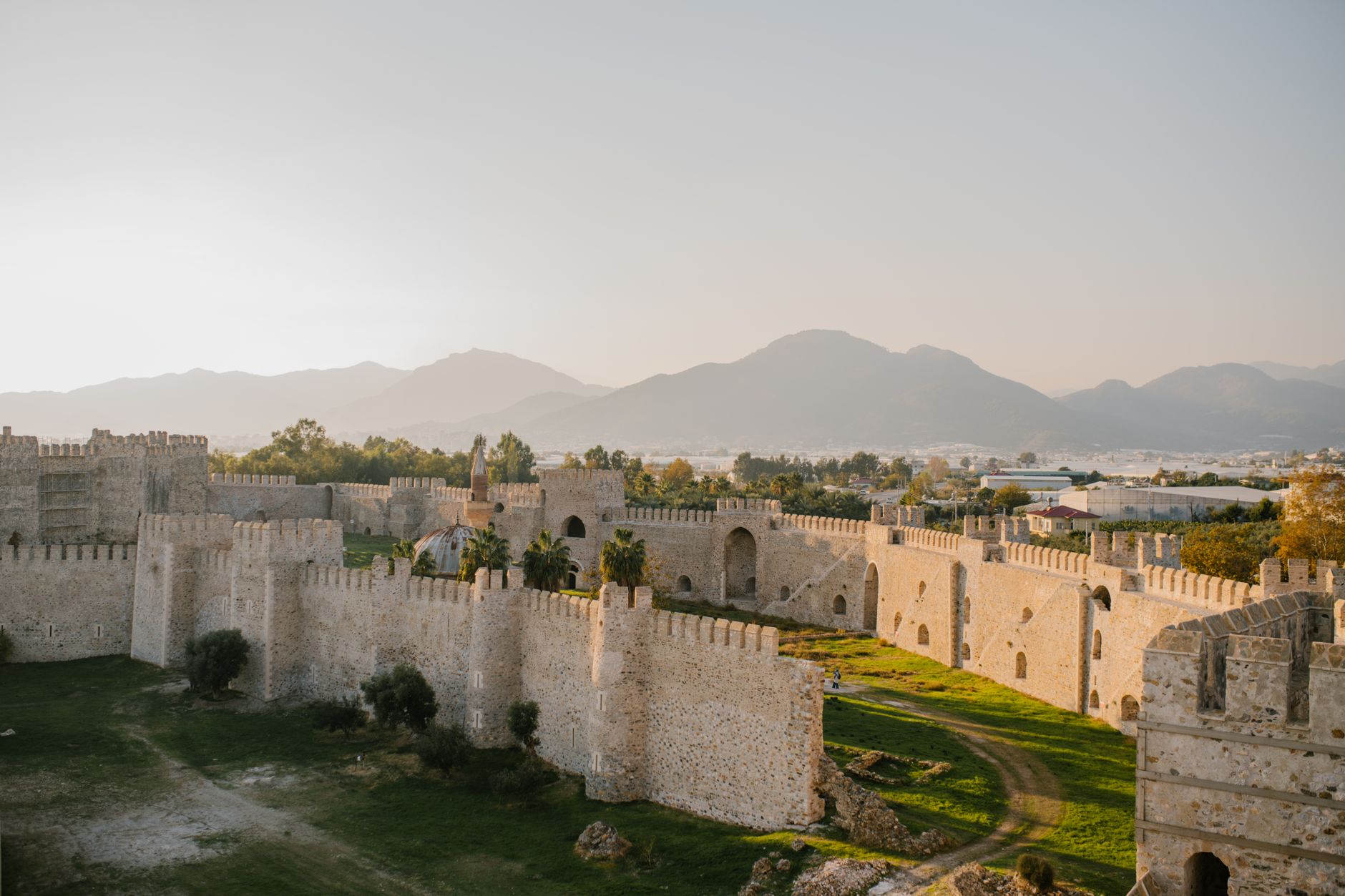
Planning your first trip to Turkey usually brings to mind iconic Istanbul, the fairy chimneys of Cappadocia, or the travertine terraces of Pamukkale. While these destinations are undeniably magnificent, Turkey's true magic often lies just off the well-trodden path, waiting to reveal deeper layers of history, culture, and natural wonder.
For the curious first-time traveler eager to discover something truly unique, this guide steps beyond the postcards. We've handpicked lesser-known, yet equally captivating, places across Turkey, each with a remarkable story. Prepare to uncover ancient secrets, witness geological marvels, and immerse yourself in narratives that will forever change your perception of this incredible country.
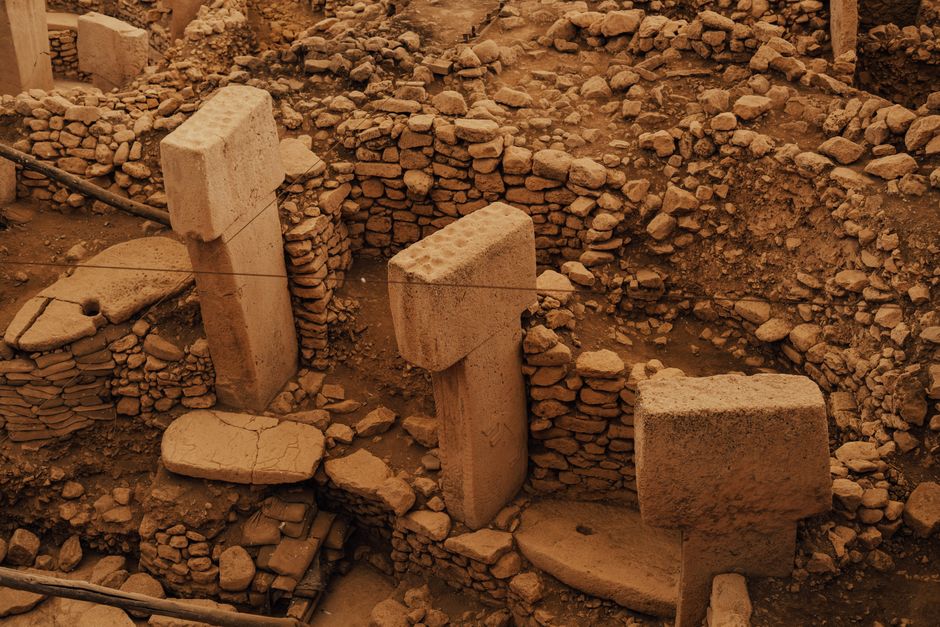
1. The World's First Temple
Şanlıurfa, Turkey
This ancient site rewrote history, revealing that monumental architecture and organized religion predated agriculture and settled civilization by thousands of years.
Discovered in southeastern Turkey, Göbeklitepe is an archaeological marvel dating back over 11,000 years, making it the oldest known temple complex. Its massive T-shaped pillars, intricately carved with animals like scorpions and boars, were erected by hunter-gatherers, challenging previous theories about the origins of civilization. The purpose of its concentric enclosures and the mystery of its deliberate burial remain subjects of intense archaeological study.
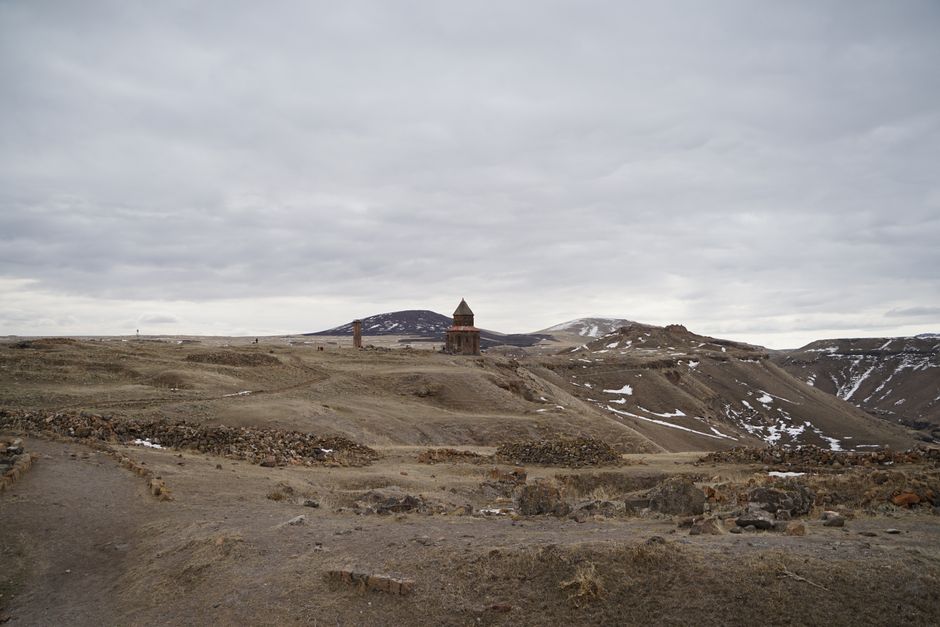
2. The Abandoned Medieval Metropolis
Kars, Turkey
Once a thriving medieval capital rivaling Constantinople, Ani is now a breathtaking ghost city of crumbling churches and fortifications on the remote Turkish-Armenian border.
Perched dramatically on a plateau overlooking a gorge, Ani was the capital of the Bagratid Armenian kingdom in the 10th and 11th centuries. Its strategic location on Silk Road trade routes led to immense wealth and a population of over 100,000, earning it the moniker "City of 1001 Churches." Abandoned after a devastating earthquake and Mongol invasions, its magnificent cathedrals, mosques, and palaces stand as poignant reminders of a lost empire.
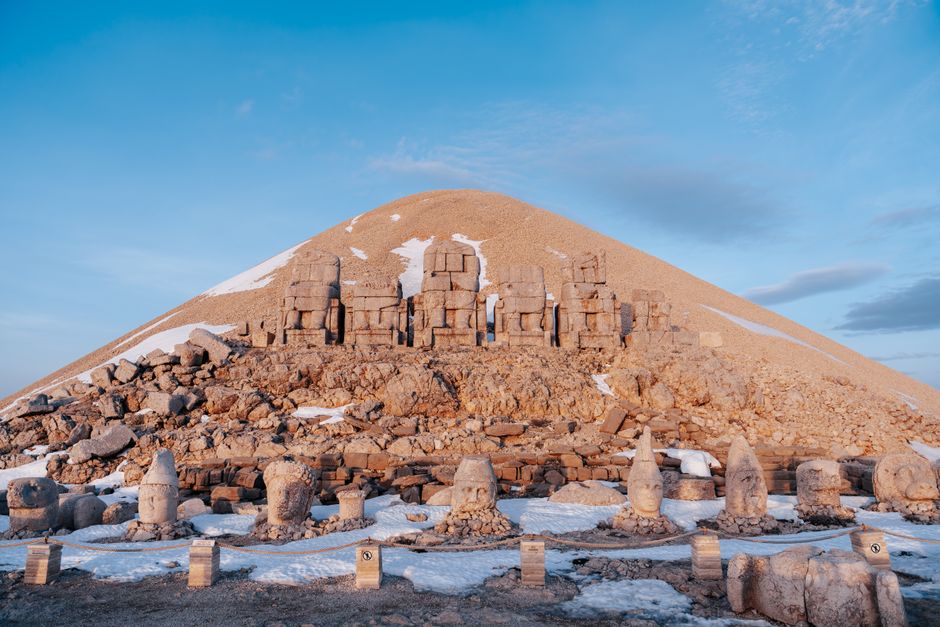
3. Colossal Heads of a Forgotten Kingdom
Adıyaman, Turkey
Ascend to a remote mountain peak to discover colossal stone heads of ancient gods and kings, left behind by a forgotten Hellenistic kingdom in a spectacular display of ambition.
At 2,134 meters, Mount Nemrut is home to the hierothesion (tomb-sanctuary) of Antiochus I Theos of Commagene, a king who ruled a small Hellenistic state. He commissioned massive statues of himself and various Greco-Persian deities, whose heads have toppled from their bodies over millennia. The site, especially at sunrise or sunset, offers an otherworldly experience, shrouded in mystery as the actual burial chamber has never been found.
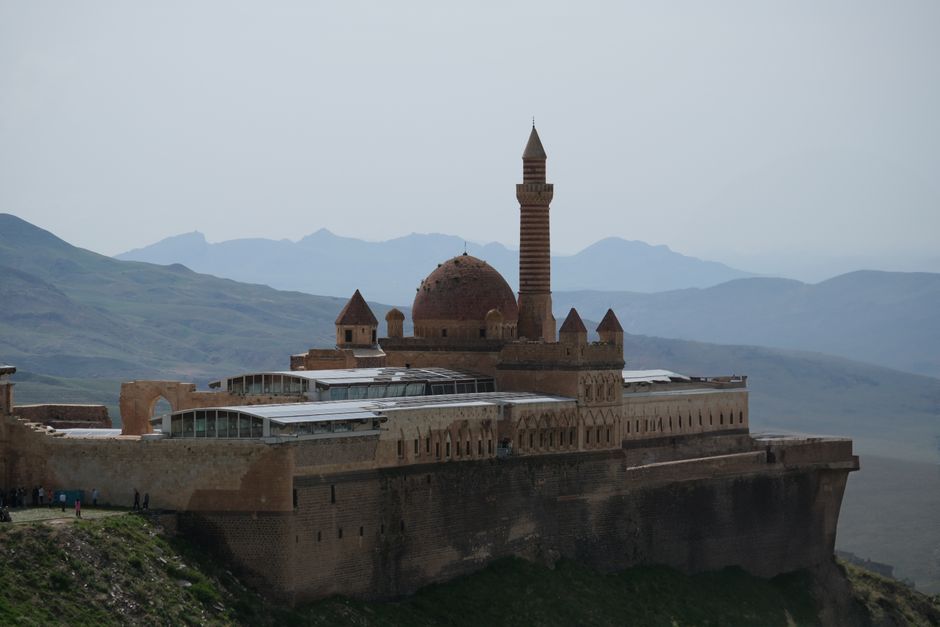
4. The Fortress Palace of the East
Doğubayazıt, Ağrı, Turkey
This majestic 18th-century palace, built into the side of a mountain, is a unique blend of Ottoman, Seljuk, and Armenian architectural styles, far from the imperial centers.
Ishak Pasha Palace is not just a palace but a complex fortress, mosque, and administrative center, spectacularly situated near the Iranian border. Commissioned by a local Ottoman governor, its construction took nearly a century and features intricate stone carvings, a grand courtyard, and unique central heating. It stands as a testament to the wealth and cultural fusion of the region, embodying a distinct regional Ottoman aesthetic rarely seen elsewhere.
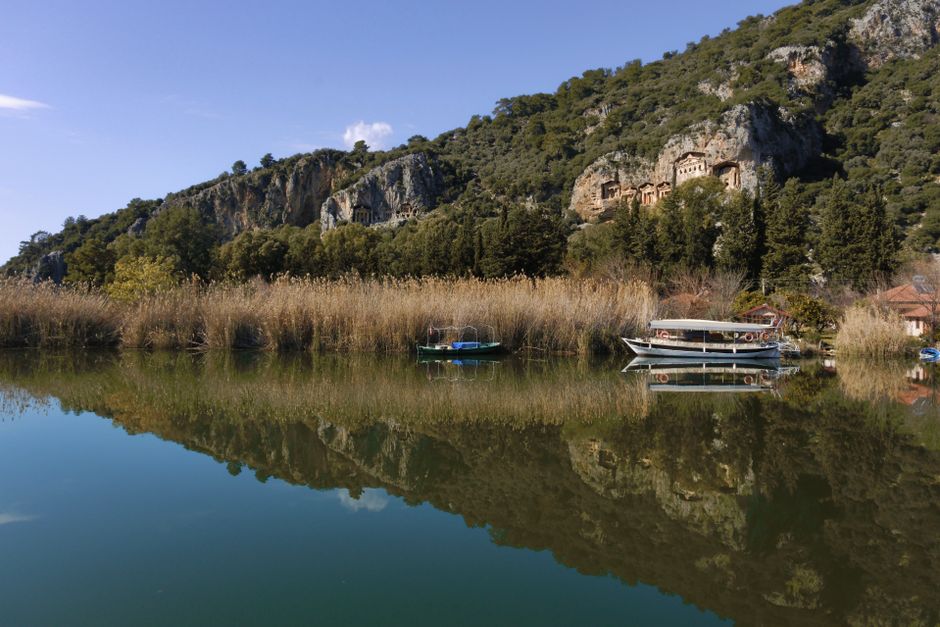
5. Royal Tombs Carved into Cliffs
Dalyan, Muğla, Turkey
Overlooking the tranquil Dalyan River, ancient Lycian kings carved elaborate, temple-fronted tombs high into the sheer cliff face, believing it brought them closer to the gods.
These magnificent 4th-century BC rock-cut tombs are the most striking feature of ancient Kaunos, visible from across the river. The Lycians were masters of stone carving, and these facades mimic the grand temples of their era, complete with intricate columns and pediments. They represent a unique funerary tradition, where the elite were interred in prominent, elevated positions, ensuring their eternal connection to the divine realm.
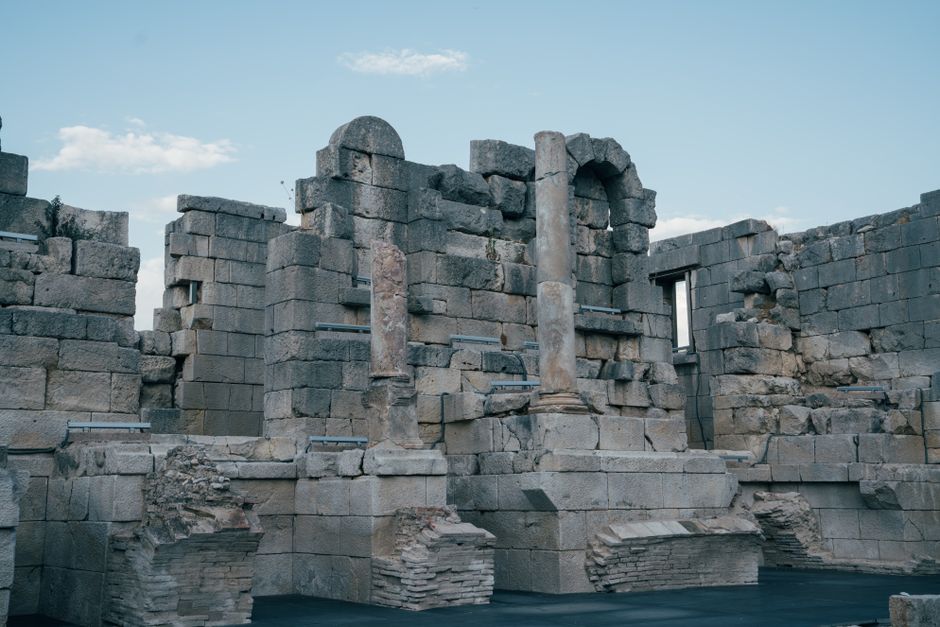
6. Santa's Birthplace and a Buried City
Kaş, Antalya, Turkey
Discover the birthplace of St. Nicholas (the original Santa Claus) and a once-mighty Lycian port city now partially swallowed by shifting coastal sands.
Patara was a significant naval and trading port of the Lycian League and a place of pilgrimage for the god Apollo. Its vast ruins include a well-preserved Roman theater, a monumental arch, and a rare ancient parliament building (bouleuterion). What makes Patara unique is its constant battle with nature; its ancient harbor has long silted up, and archaeological digs continually uncover structures from beneath the encroaching sand dunes, revealing new layers of history.
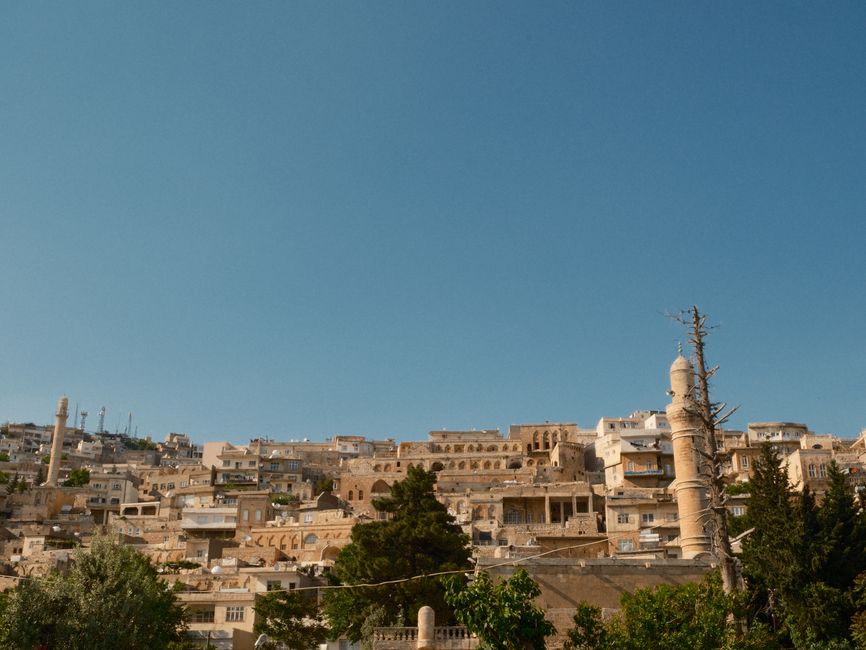
7. The Golden Stone City on the Hill
Mardin, Turkey
Mardin is a captivating city built entirely of golden-hued stone, terraced down a hillside, where Syriac Christian, Arab, and Ottoman cultures have coexisted for centuries.
This ancient Mesopotamian city offers a unique architectural experience, with its narrow, winding alleys, ornate stone houses, and historic mosques and churches. Dominating the skyline is the Deyrulzafaran Monastery, a Syriac Orthodox monastery dating back to the 5th century. Mardin's charm lies in its untouched historical fabric and its vibrant cultural mosaic, offering a glimpse into a Turkey that feels worlds away from the bustling coastal resorts.
Frequently asked questions
When is the best time to visit Turkey's historical sites?
Spring (April-May) and autumn (September-October) offer pleasant weather for exploring, avoiding the intense summer heat and winter cold. These shoulder seasons also see fewer crowds, making for a more comfortable experience at historical locations.
Is Turkey safe for first-time travelers venturing off the main tourist routes?
Yes, Turkey is generally safe for travelers, including those exploring lesser-known regions. Exercise standard travel precautions, be aware of your surroundings, and respect local customs. Many locals are welcoming and eager to assist visitors.
How challenging is it to travel between these lesser-known destinations?
Traveling between these sites often requires a mix of regional flights, intercity buses, or renting a car, which offers the most flexibility. While some locations are remote, local infrastructure is generally good, and domestic travel is efficient.
How can AllTours.ai enhance my visit to these unique places?
AllTours.ai transforms your phone into an AI-powered audio guide. Simply point your camera at any landmark, ruin, or landscape, and the app instantly narrates its history, geology, and cultural significance in your preferred language, bringing every hidden gem to life.
Photography via Pexels. AllTours.ai is an AI audio tour guide — point your camera at any landscape and hear its story.