September 14, 2026 · 5 min read
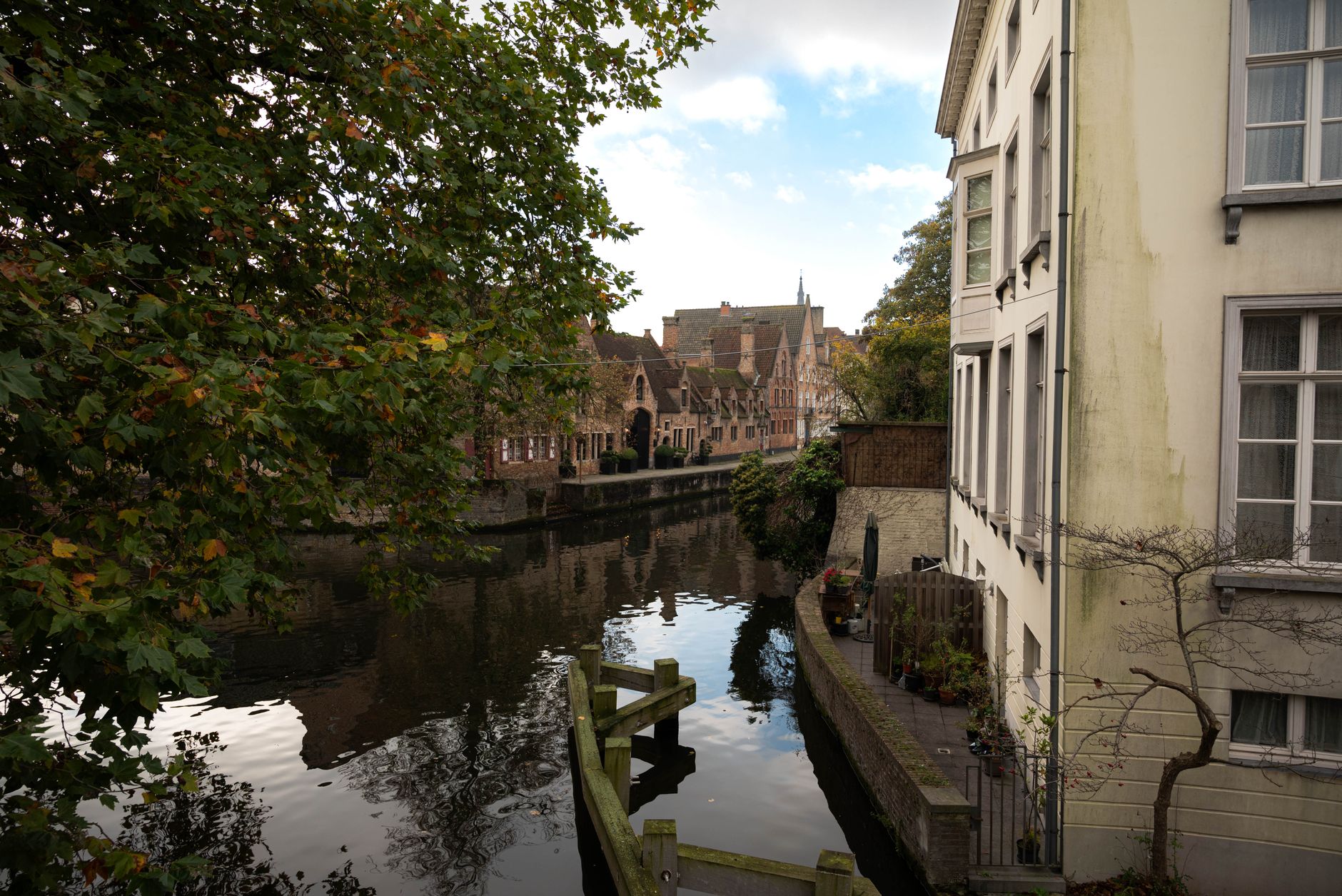
Bruges, with its iconic canals and stunning medieval architecture, often feels like a living postcard. Millions flock to its cobblestone streets, drawn by the undeniable charm of its main squares and famous churches. Yet, beyond the well-trodden paths lies a city brimming with quieter wonders, places where history whispers rather than shouts.
True discovery in Bruges means venturing just a few steps from the bustling crowds. It means peeking into unassuming doorways, following winding alleys, and seeking out the subtle markers of centuries-old life. These are the medieval courtyards, serene waterways, and artisan workshops that reveal the authentic heart of Bruges – its true hidden gems.
1. A Chapel's Jerusalem Dream
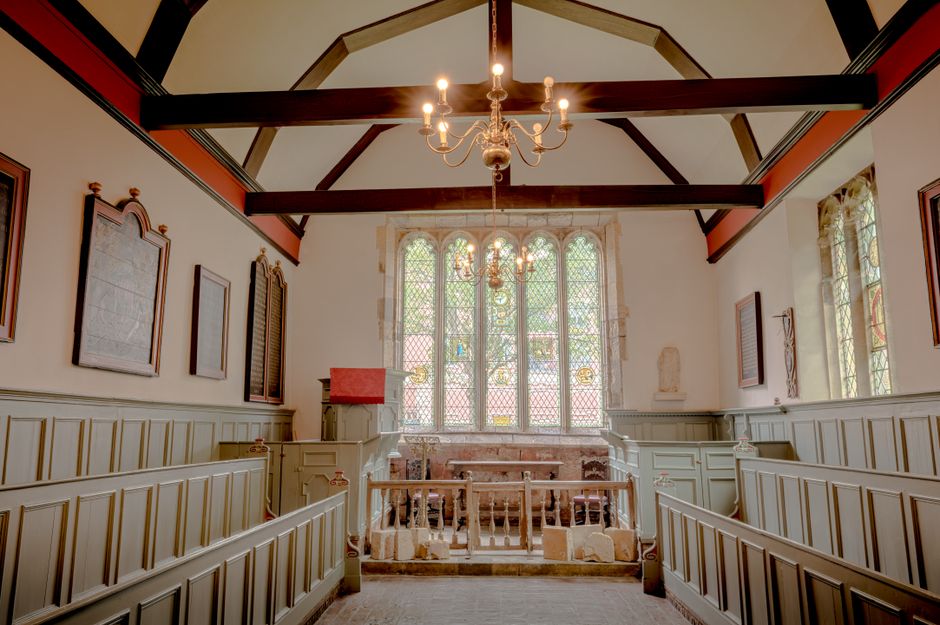
Adornesdomein, Bruges, Belgium
A wealthy Bruges family built this chapel as a precise replica of the Church of the Holy Sepulchre in Jerusalem, incorporating actual soil from the Holy Land.
The Adornes family, prominent merchants in the 15th century, embarked on a pilgrimage to Jerusalem. Deeply moved, they returned to Bruges and commissioned the Jerusalem Chapel, completed in 1429. Its unique architecture is a deliberate imitation of Jerusalem's holiest site, right down to the tomb of Anselm Adornes, designed to resemble Christ's tomb. The chapel remains privately owned by the Adornes descendants, offering a rare glimpse into a medieval family's profound devotion and enduring legacy.
2. The Serene Almshouse Courtyard
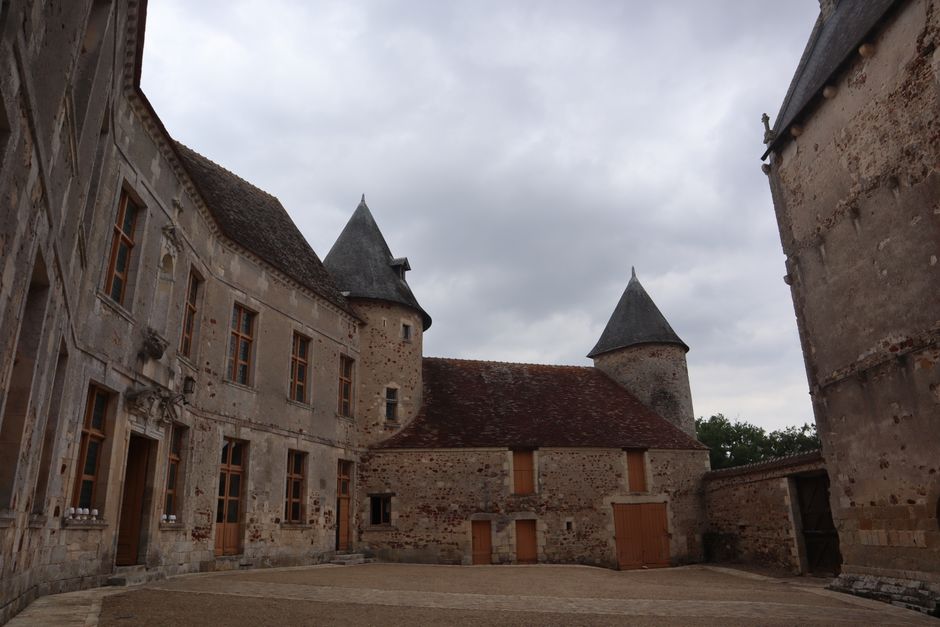
Godshuis de Meulenaere, Bruges, Belgium
Tucked away from the bustling streets, Bruges' 'Godshuizen' or almshouses, like De Meulenaere, were medieval social housing projects offering peaceful refuge for the city's elderly and poor.
Founded in 1613 by Jan de Meulenaere, this 'Godshuis' is one of several scattered throughout Bruges. These complexes were built by wealthy citizens or guilds, providing small, individual homes around a tranquil courtyard garden. Residents, often elderly women, lived here in exchange for prayers for their benefactors. Today, many still serve their original purpose, offering a unique window into Bruges' historical welfare system and a quiet retreat from the tourist crowds.
3. A Medici Connection in Stone
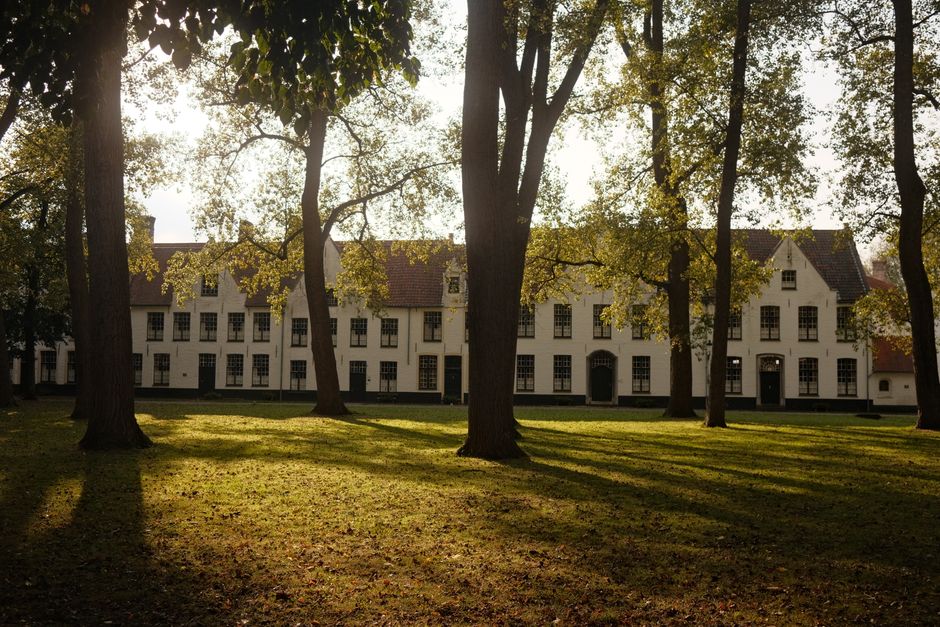
Hof Bladelin, Bruges, Belgium
This elegant courtyard house, built by a banker to the Duke of Burgundy, once served as the Bruges branch of the powerful Medici bank.
Pieter Bladelin, a financier and advisor to Philip the Good, Duke of Burgundy, commissioned this grand residence in 1472. Its impressive facade and quiet inner courtyard belie its significant historical role. For a period, it functioned as the Bruges outpost for the illustrious Medici banking family of Florence, a testament to Bruges' immense economic importance in the late Middle Ages. The building's Renaissance-inspired architecture subtly hints at these Italian ties, making it a unique piece of international history hidden in plain sight.
4. The Canal's Silent Gatekeeper
Sashuis, Bruges, Belgium
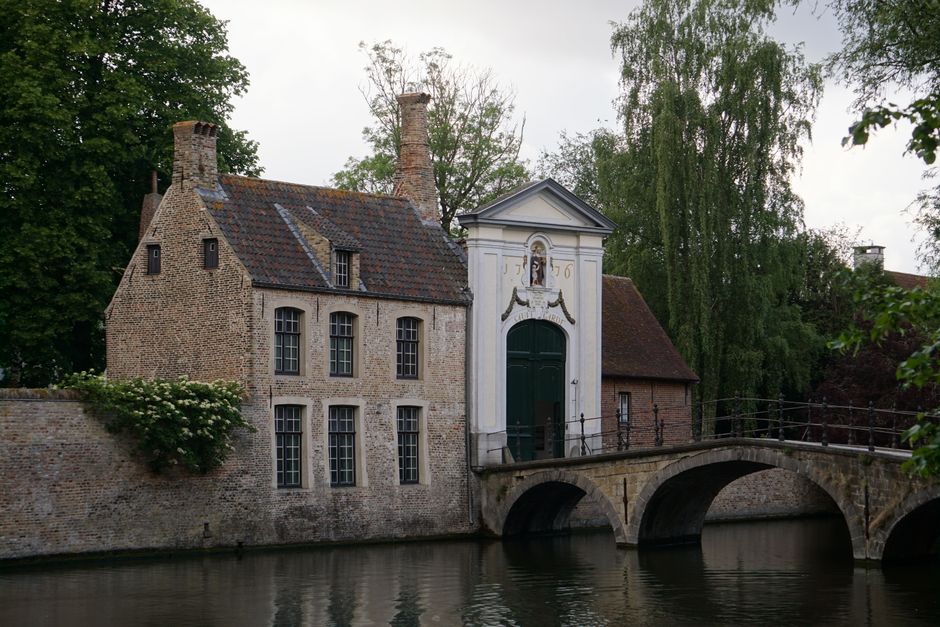
The Sashuis, a historic lock house, once controlled the crucial water levels and flow for Bruges' intricate canal system, essential for its medieval trade.
Situated near the Minnewater, the Sashuis, or 'sluice house,' was a vital piece of Bruges' infrastructure. For centuries, this lock system regulated the water levels, allowing boats to navigate the canals and protecting the city from floods. It was the gateway between the city's inner waterways and the outer channel leading to the sea, playing a critical role in Bruges' prosperity as a trading hub. Though no longer operational, it stands as a quiet monument to the sophisticated engineering that underpinned the city's golden age.
5. A Relic of Medieval Defense
Poertoren, Bruges, Belgium
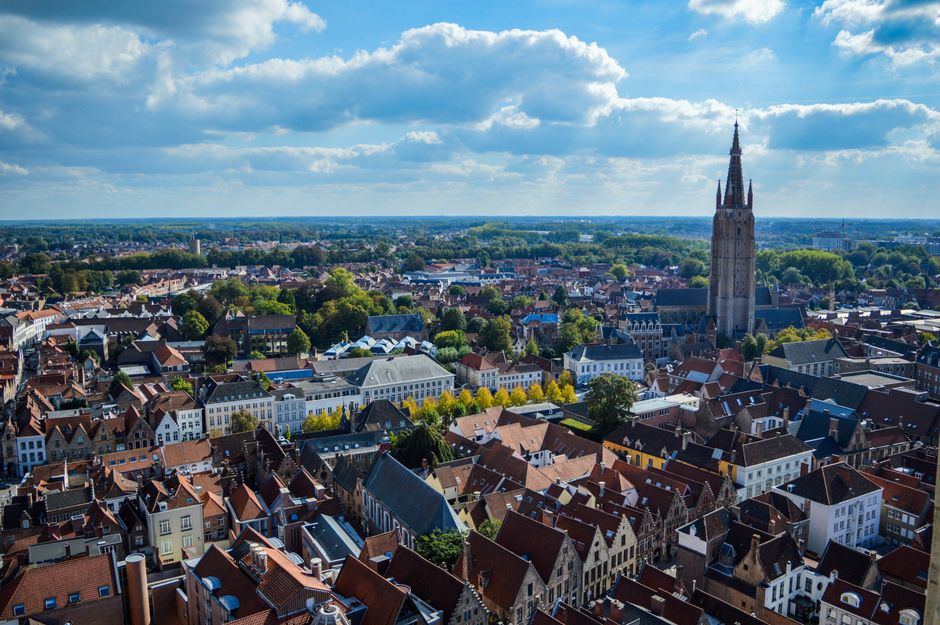
This imposing medieval tower, part of Bruges' original 13th-century city walls, was later repurposed to store gunpowder, earning it its ominous name.
Built around 1297, the Poertoren is one of only four remaining city gate towers from Bruges' first defensive ring. Its sturdy brick construction speaks to its original purpose as a military stronghold, guarding the city's southern approach. In the 17th century, it was converted into a gunpowder magazine, a crucial but dangerous role. Today, it stands as a powerful reminder of Bruges' fortified past, offering a tangible link to the city's medieval defenses often overlooked by those rushing to the more central sights.
6. Bruges' Smallest Street with a Secret Past
Stoofstraatje, Bruges, Belgium
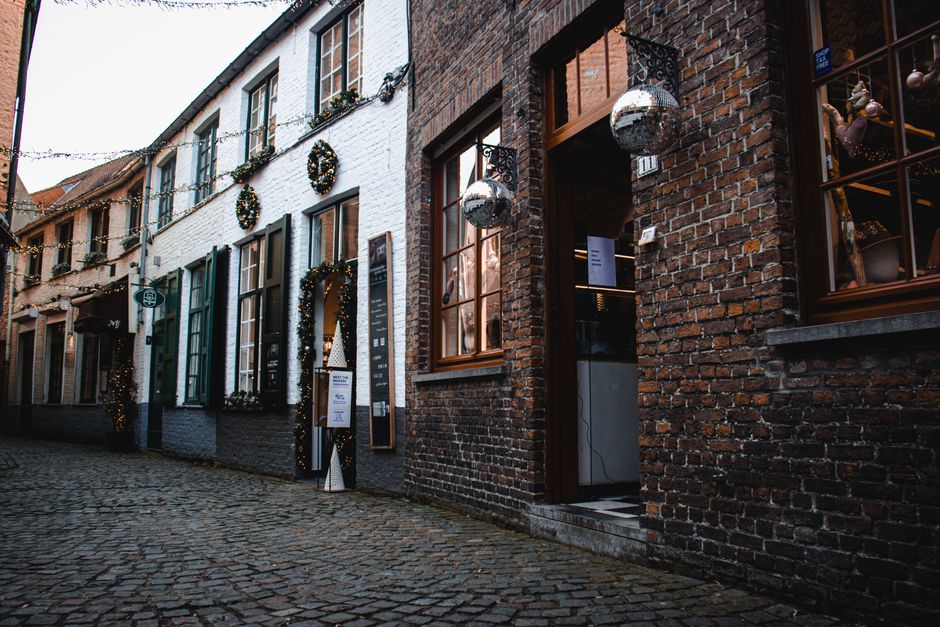
This impossibly narrow alley, barely wide enough for one person, was once part of Bruges' medieval red-light district, known for its public bathhouses and less savory activities.
The name "Stoofstraatje" literally translates to "stove street" or "bathhouse street," reflecting its history. In medieval times, public bathhouses were common, and some, including those along this lane, gained a reputation for offering more than just a wash. It was a bustling, albeit discreet, part of Bruges' social fabric, operating outside the strict moral codes of the church. Walking through this tiny passage today offers a tangible, if surprising, connection to a hidden aspect of medieval urban life and human nature.
7. The Rococo Pulpit's Grandeur
Sint-Annakerk, Bruges, Belgium
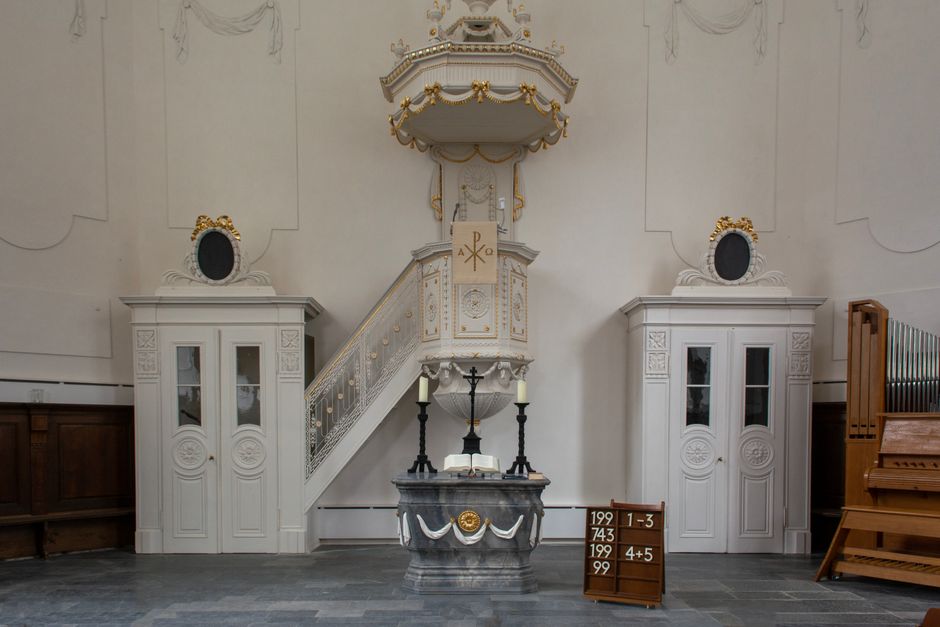
While modest from the outside, St. Anne's Church houses an extraordinary 18th-century Rococo pulpit, a sculptural masterpiece carved from wood.
Built in the late 17th century, Sint-Annakerk might not grab attention like the Basilica of the Holy Blood, but its interior holds a stunning surprise. The most striking feature is the dramatic Rococo pulpit, completed in 1770 by sculptor Jan Van Hoof. Depicting the 'Coronation of the Virgin' with intricate detail and dynamic figures, it's a vibrant explosion of Baroque and Rococo artistry. This hidden gem offers a quiet moment of awe, showcasing a different facet of Bruges' rich artistic heritage away from the main tourist circuit.
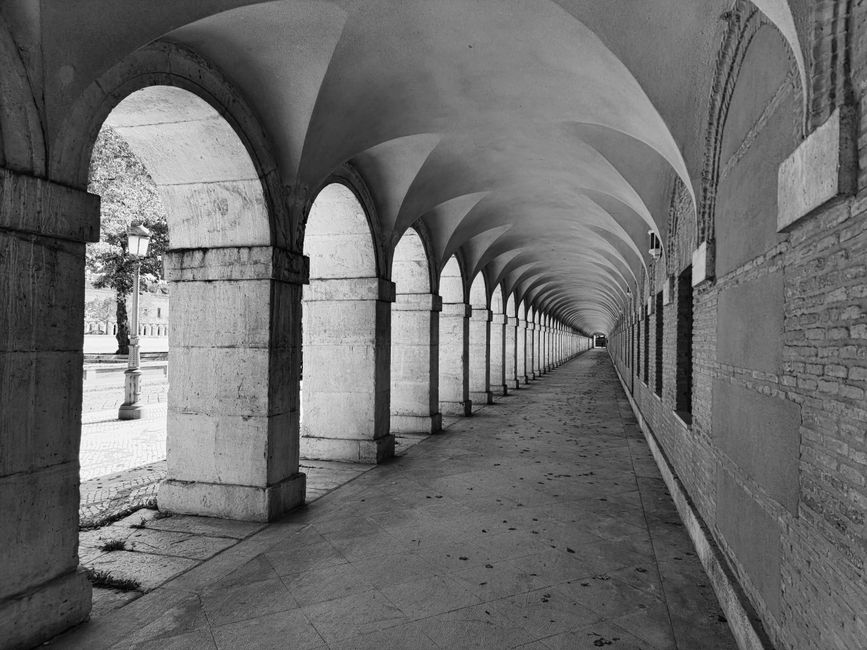
8. Echoes of Medieval Commerce
Vismarkt, Bruges, Belgium
Though still a market today, the Vismarkt’s colonnaded hall was purpose-built in 1821 to finally give fishmongers a dedicated, hygienic space after centuries of selling their wares directly on the street.
For centuries, fish was sold from open stalls on the nearby Dijver, leading to unsanitary conditions and complaints. The elegant, neo-classical colonnade of the Vismarkt was constructed to bring order and cleanliness to the trade. It was a significant urban planning effort, reflecting a shift in public health concerns. Today, locals still buy fresh fish here, and on weekends, it transforms into an artisan market, but its architectural design and history remain rooted in Bruges' enduring connection to its waterways and the commerce they sustained.
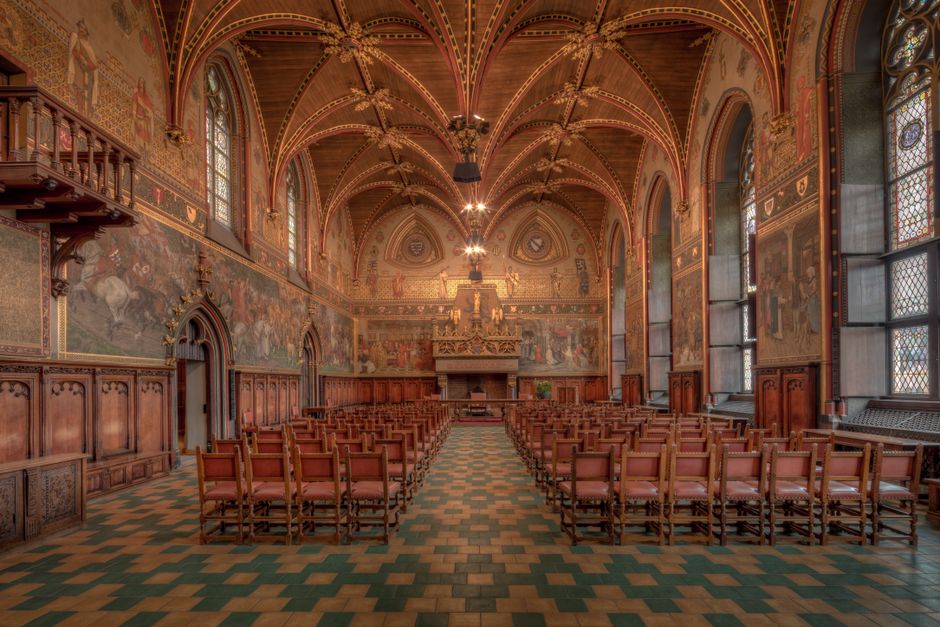
9. Everyday Lives from Bruges' Past
Volkskundemuseum, Bruges, Belgium
Housed in a collection of beautifully preserved almshouses, this museum offers a fascinating, intimate look into the daily lives and forgotten crafts of ordinary Bruges citizens from centuries past.
The Volkskundemuseum, or Museum of Folk Life, provides a refreshing counterpoint to Bruges' grand churches and palaces. It reconstructs authentic artisan workshops – a cooper, a tailor, a shoemaker – and domestic interiors, complete with period furniture and tools. Visitors can step into the past and imagine the smells and sounds of typical Bruges life, understanding the trades and traditions that built the city from the ground up. It’s a truly immersive experience that brings the human story of Bruges to life.
Frequently asked questions
Is Bruges walkable?
Yes, Bruges is very compact and largely pedestrian-friendly. Most major attractions and hidden gems are within walking distance of each other. Comfortable shoes are highly recommended to explore the cobblestone streets and enjoy the city at your own pace.
What is the best time of year to visit Bruges to avoid crowds?
The shoulder seasons (April-May and September-October) are generally best. The weather is pleasant, and while there are still tourists, it's less crowded than the peak summer months. Winter (November-March) can also be magical, especially around Christmas, but some attractions might have reduced hours.
Are there any local customs or etiquette I should be aware of in Bruges?
Belgians value politeness and punctuality. A simple "hello" (goedendag/bonjour) and "thank you" (dank u/merci) go a long way. Tipping is appreciated but not mandatory, as service charges are included. Always ask before taking photos of people, and respect private property, especially around the almshouses.
How can AllTours.ai help me discover these hidden gems in Bruges?
AllTours.ai transforms your phone into an AI audio guide. Simply point your camera at any landmark, canal, or building you find intriguing, and the app will instantly narrate its history, geology, and cultural significance in your preferred language. It’s like having a local expert whisper the untold stories of Bruges directly into your ear, helping you uncover every hidden detail.
Photography via Pexels. AllTours.ai is an AI audio tour guide — point your camera at any landscape and hear its story.