June 22, 2026 · 4 min read
Montreal's West Island, a collection of charming suburbs hugging the shores of Lac Saint-Louis and Lac des Deux Montagnes, is renowned for its distinctly Anglophone character and serene residential feel. When travelers ask, "What is the nicest Anglophone neighborhood in West Island, Montreal?" they're often seeking more than just pretty streets; they're looking for places steeped in local history, unique natural beauty, and a strong community spirit.
Beyond the well-trodden paths, the West Island hides a wealth of untold stories and fascinating details. We’ve curated a list of lesser-known spots, each with a surprising historical, geological, or cultural hook that reveals the true character of this beloved region, inviting you to look deeper into its hidden depths.
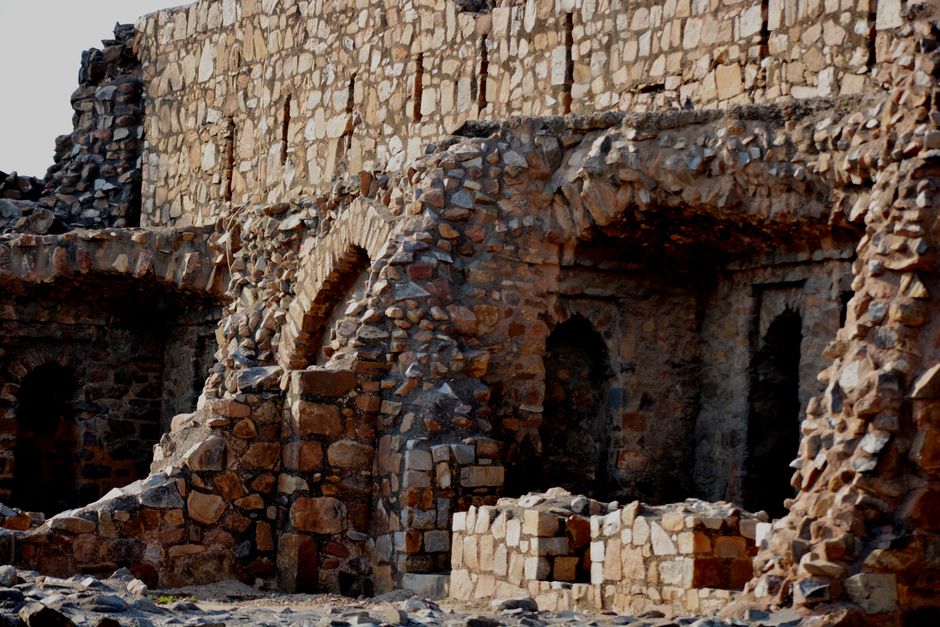
1. The Silent Sentinels of Senneville Fort
Senneville, Canada
Discover the haunting stone ruins of a 17th-century fur trade fort, once a linchpin of colonial defense and commerce.
Within the tranquil Senneville Park lie the remnants of Fort Senneville, built by Jacques Le Ber in the late 1600s. This strategic outpost was not only a crucial fur trading hub but also a vital defensive structure against Indigenous raids, guarding the gateway to the Ottawa River. Today, the weathered stone walls stand as a powerful, silent testament to the intense struggles and burgeoning trade that shaped early New France.
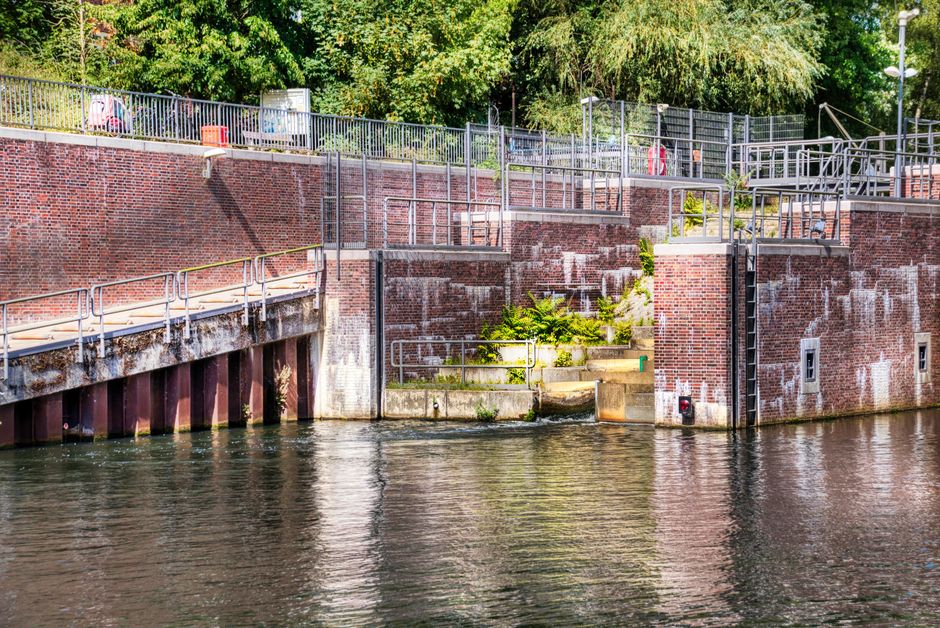
2. Sainte-Anne-de-Bellevue's Enduring Passage
Sainte-Anne-de-Bellevue, Canada
Witness a historic canal whose hand-operated locks still conquer rapids that once halted legendary voyageurs.
The Sainte-Anne-de-Bellevue Canal, completed in 1816, was an engineering marvel designed to bypass the formidable Sainte-Anne rapids, which had long posed a perilous barrier to fur traders and explorers heading west. Its original, hand-operated locks continue to function, allowing boats to transition between Lac Saint-Louis and Lac des Deux Montagnes, offering a living glimpse into 19th-century maritime ingenuity and the challenges of early Canadian travel.
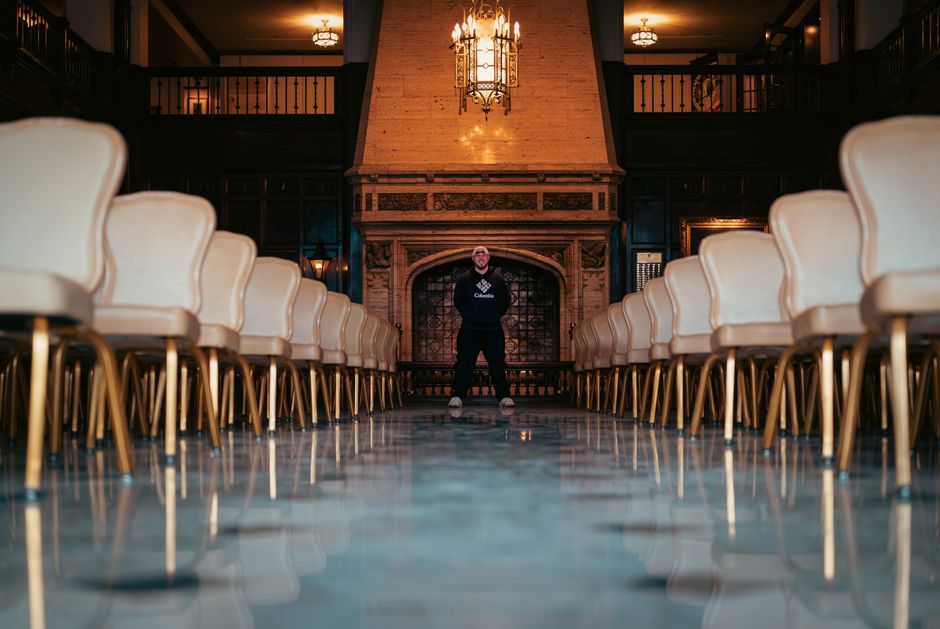
3. Stewart Hall: From Mansion to Masterpiece
Pointe-Claire, Canada
Explore a grand waterfront mansion built by a Scottish industrialist, now a vibrant public arts and culture center.
Stewart Hall, an imposing stone mansion overlooking Lac Saint-Louis, was constructed in 1916 for Charles W. Stewart, a prominent Scottish-Canadian industrialist. Initially a private estate symbolizing wealth and elegance, it was acquired by the City of Pointe-Claire in 1954 and transformed into a dynamic cultural hub. Today, it hosts art exhibitions, concerts, and community workshops, democratizing a piece of opulent history for all to enjoy.
4. The Living Laboratory of Morgan Arboretum
Sainte-Anne-de-Bellevue, Canada
Wander through a vast, protected forest that doubles as a university research site and a haven for rare birds.
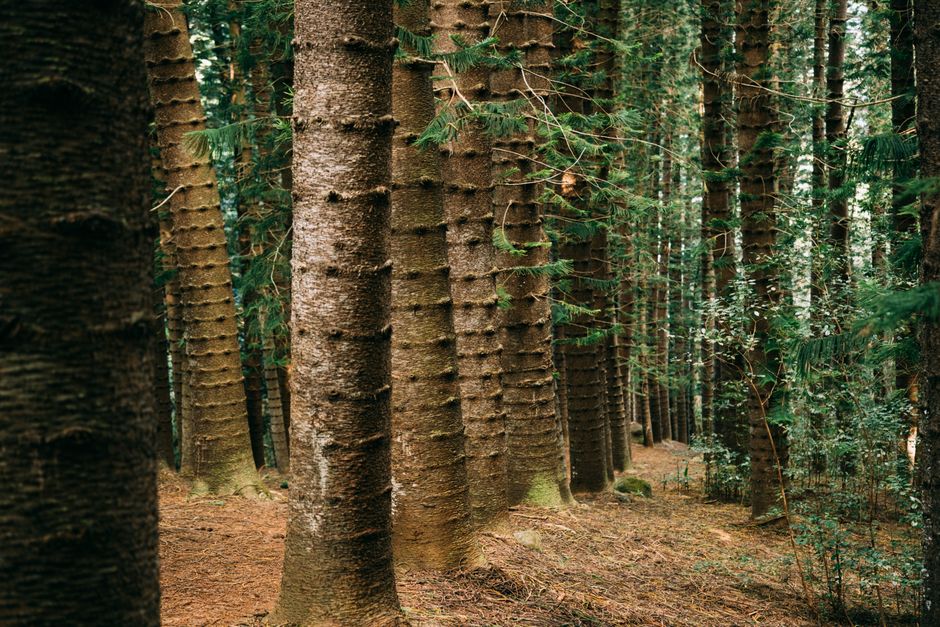
Part of McGill University's Macdonald Campus, the Morgan Arboretum is a 245-hectare forest reserve established in 1945. It functions as an active research laboratory for forestry students and a crucial green space for the West Island. This remarkable arboretum protects over 170 bird species and boasts an impressive collection of native and exotic trees, some standing for over a century, offering a tranquil escape and a window into ecological study.
5. Baie-D'Urfé's Echoes of the Old Wharf
Baie-D'Urfé, Canada
Relax at a serene waterfront park that was once a bustling steamboat hub connecting early Montreal to distant communities.
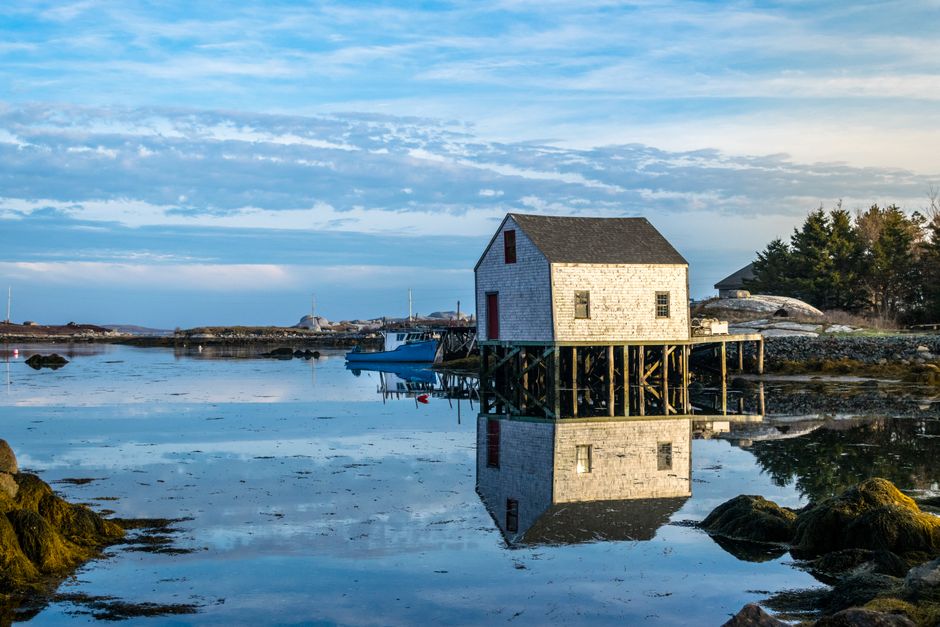
Baie-D'Urfé's Old Wharf Park, now a peaceful spot with picturesque views of Lac Saint-Louis, belies a past filled with activity. In the 19th century, this very location served as a vital steamboat landing, a bustling point of connection for residents to reach Montreal and other riverside towns before modern road networks existed. It was a crucial link for transporting goods and passengers, showcasing the community's early reliance on water travel.
6. Ancient Footprints in Parc-nature de l'Île-Bizard
L'Île-Bizard, Canada
Discover an island nature park where archaeological finds reveal thousands of years of Aboriginal presence.
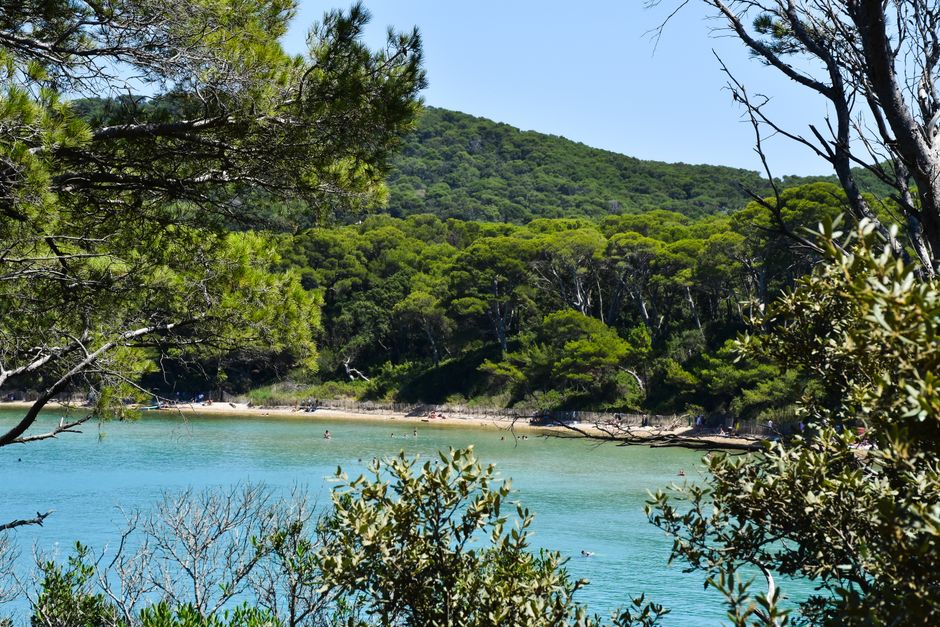
Parc-nature de l'Île-Bizard offers wild landscapes, diverse ecosystems, and sandy beaches, but its history runs far deeper than its natural beauty. Archaeological evidence confirms that this island served as a seasonal encampment for Aboriginal peoples for millennia, drawn by its rich fishing and hunting grounds. Today, visitors can walk trails that ancient footsteps once trod, exploring forests and wetlands that have witnessed countless generations.
7. Lakeshore Road's Layered Legacy
Pointe-Claire, Canada
Drive a scenic road that follows an ancient Iroquois trail and later became a primary colonial route.
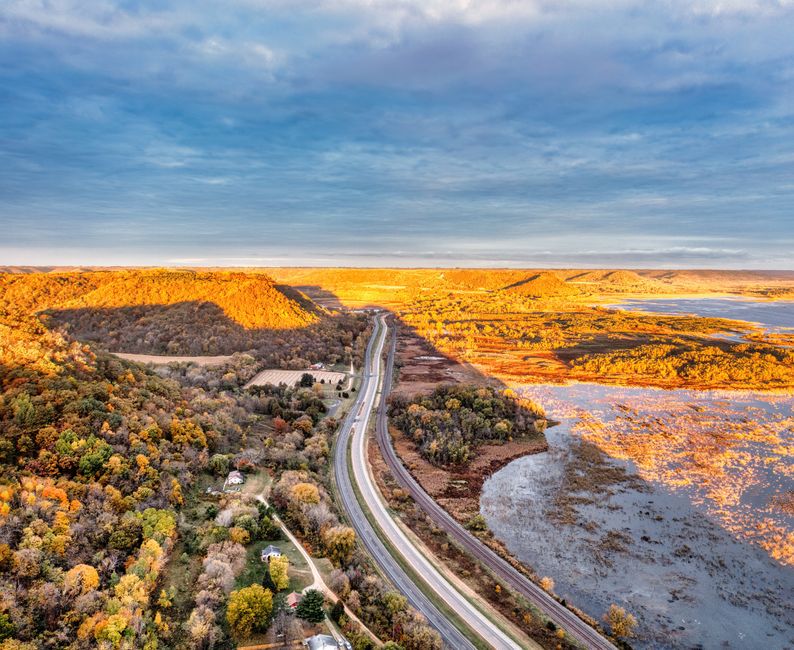
Lakeshore Road, particularly the picturesque stretch through Pointe-Claire and Dorval, is more than just a scenic drive along Lac Saint-Louis; it's a historical artery. This route largely overlays an ancient Iroquois trail that hugged the lake's shoreline, later evolving into a crucial colonial road connecting early French and British settlements. It has witnessed centuries of passage, serving as a silent witness to the region's continuous evolution and diverse inhabitants.
8. Beaconsfield's Centennial Lakefront
Beaconsfield, Canada
Visit a tranquil waterfront park commemorating the city's founding, revealing its journey from summer retreat to thriving community.
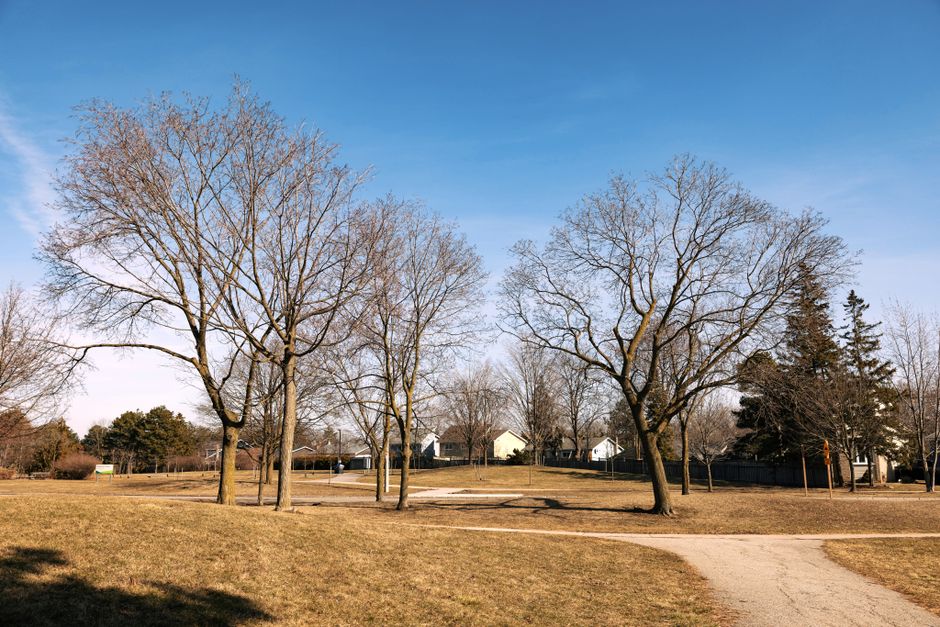
Centennial Park in Beaconsfield, established to mark the city's 100th anniversary, offers a peaceful retreat with stunning views of Lac Saint-Louis. This park embodies Beaconsfield's transformation from a collection of opulent summer homes for wealthy Montrealers into a highly sought-after suburban community. It beautifully showcases the city's enduring connection to the lake and its leisure-filled past, providing a serene public space for reflection and recreation.
Frequently asked questions
What makes the West Island of Montreal Anglophone?
Historically, many English-speaking families established summer homes and eventually permanent residences in the West Island, drawn by its scenic beauty and proximity to Montreal. This led to the development of a strong Anglophone community with English schools, cultural institutions, and businesses, distinguishing it from the predominantly French-speaking rest of Montreal.
Are there good public transportation options in the West Island?
While the West Island is more car-dependent than downtown Montreal, it is served by the Réseau de transport de Longueuil (RTL) and exo bus networks, connecting to metro stations like Lionel-Groulx and Angrignon. The REM light rail system is also expanding, promising faster and more efficient connections to downtown Montreal and other key areas.
What kind of activities can you do in the West Island?
The West Island offers a blend of natural beauty and suburban amenities. You can enjoy waterfront parks, nature reserves like the Morgan Arboretum, explore historic villages, visit local markets, or indulge in various outdoor activities like cycling, kayaking, and golf. Its many green spaces provide ample opportunities for relaxation and recreation.
How does AllTours.ai enhance exploration of places like the West Island?
AllTours.ai transforms your phone into an AI audio tour guide. Simply point your camera at any landmark, landscape, or point of interest in the West Island, and the app will instantly narrate its history, geology, and cultural significance in your preferred language. It's like having a local expert reveal hidden stories and facts in real-time, making every visit deeper and more personal.
Photography via Pexels. AllTours.ai is an AI audio tour guide — point your camera at any landscape and hear its story.