September 14, 2026 · 4 min read
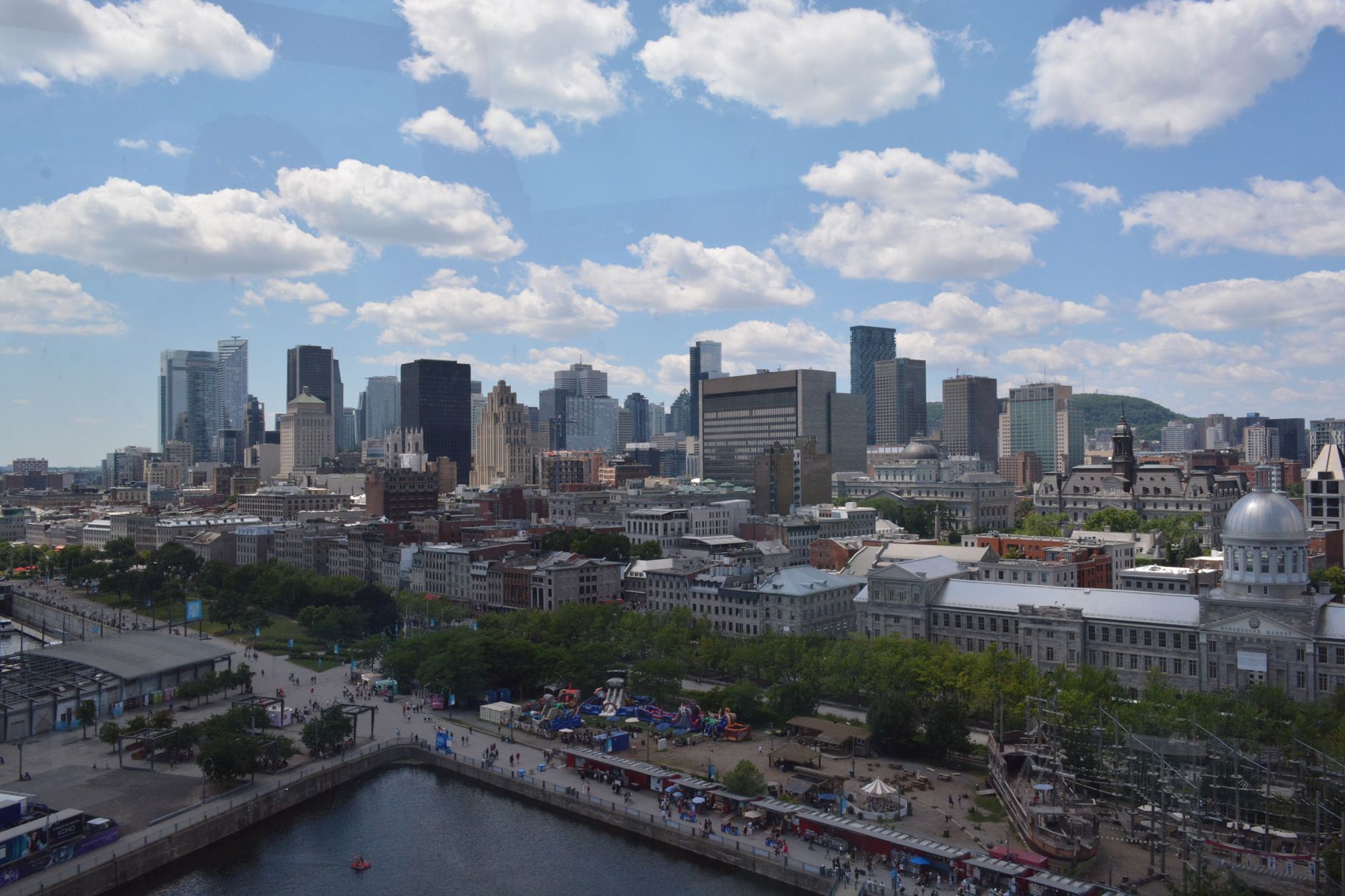
Canada's vastness means its cities, especially those on opposite coasts, develop distinct personalities. Vancouver, on the Pacific coast, often evokes images of glass towers and misty mountains, while Montreal, by the St. Lawrence, feels like a piece of old Europe on North American soil. But beyond the obvious, what are some big cultural differences between Vancouver and Montreal that truly surprise visitors?
The answer lies in the subtle nuances of daily life, the untold stories etched into their lesser-known corners, and the very ground they stand on. From unique architectural solutions born of necessity to forgotten industrial powerhouses and spiritual oases, these cities offer cultural contrasts far richer than surface-level observations.
1. A Garden Without Nails
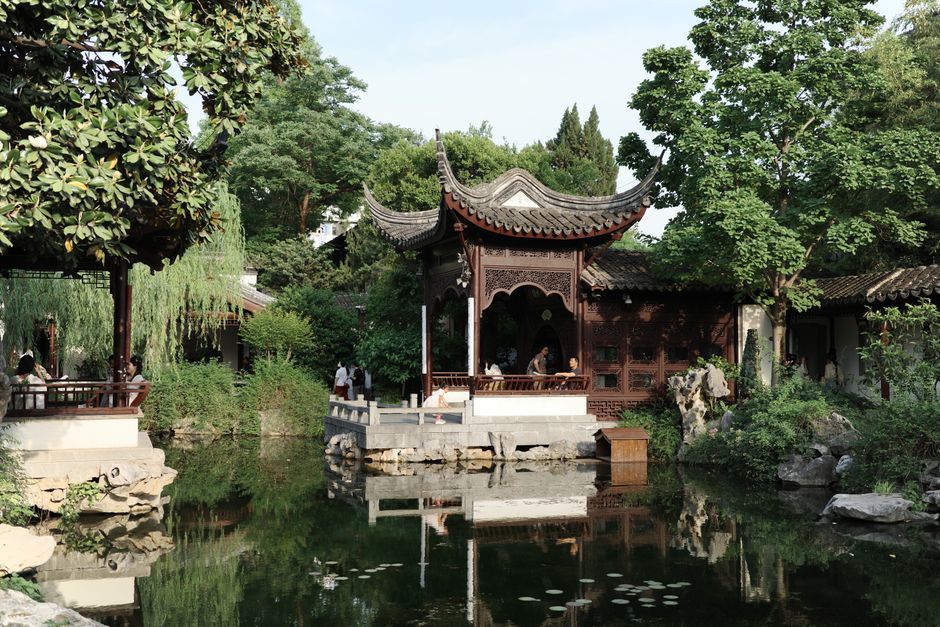
Dr. Sun Yat-Sen Classical Chinese Garden, Vancouver, Canada
This tranquil oasis was built using ancient Ming Dynasty techniques, meaning not a single nail or screw was used in its construction.
In Vancouver's vibrant Chinatown, this classical garden is a masterpiece of traditional Chinese landscape architecture. Its design principles, emphasizing harmony and balance, reflect the philosophy of a scholar's garden from 15th-century Suzhou. Every rock, plant, and water feature is meticulously placed to create a microcosm of nature and a space for contemplation, a stark contrast to Western garden design.
2. The Empire's Copper Heart
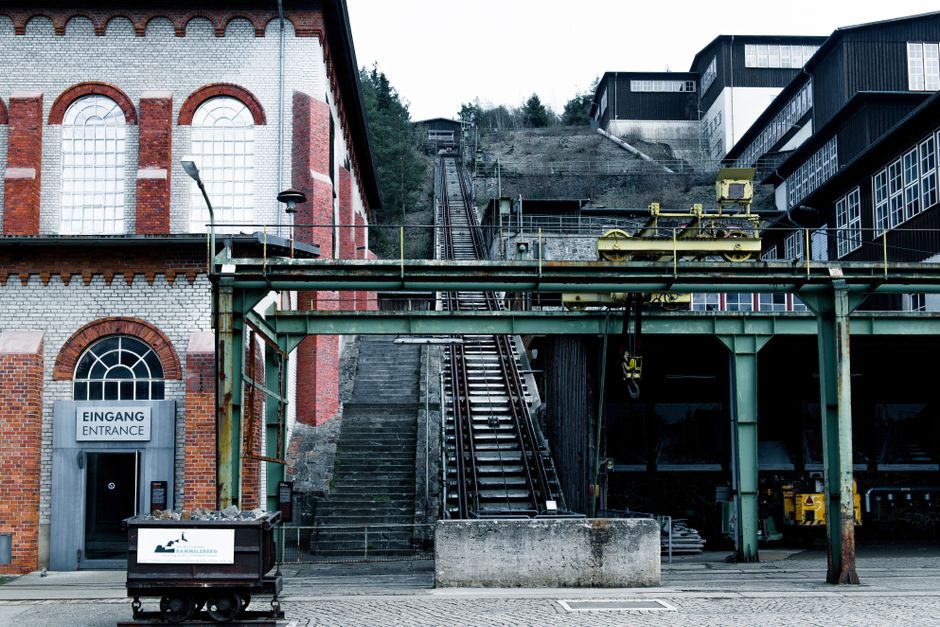
Britannia Mine Museum, Britannia Beach, Canada
Once the largest copper producer in the entire British Empire, this site's massive concentrator building is an engineering marvel that processed millions of tons of ore.
Just a short drive north of Vancouver along the Sea-to-Sky Highway, the Britannia Mine Museum reveals a significant piece of Canada's industrial past. The colossal 20-story concentrator building, nicknamed the "Mill," is a stunning example of early 20th-century industrial architecture and a National Historic Site. It tells a powerful story of resource extraction, technological innovation, and the lives of thousands of workers who shaped British Columbia's economy.
3. Vancouver's Counter-Culture Cradle
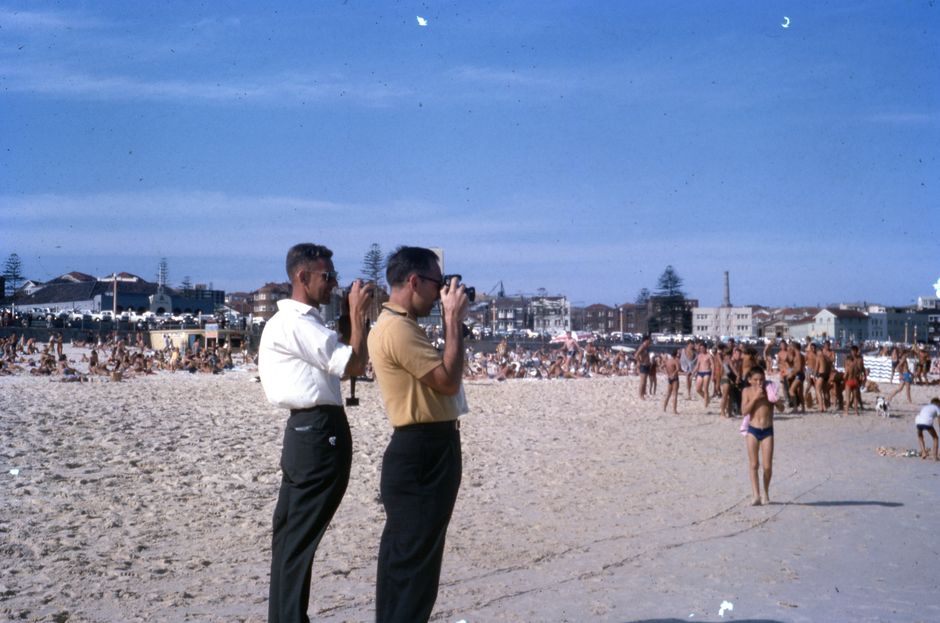
Kitsilano Beach, Vancouver, Canada
Beyond its sandy shores and mountain views, Kitsilano Beach was the epicenter of Vancouver's 1960s counter-culture movement, a hub for societal change.
While today it's a popular spot for sunbathers and volleyball players, "Kits Beach" holds a deeper cultural significance. In the 1960s and 70s, it became a focal point for the city's burgeoning hippie movement, attracting activists, artists, and musicians. This period saw the birth of many alternative lifestyles and social movements that profoundly influenced Vancouver's laid-back, progressive identity, shaping its unique cultural fabric for decades to come.
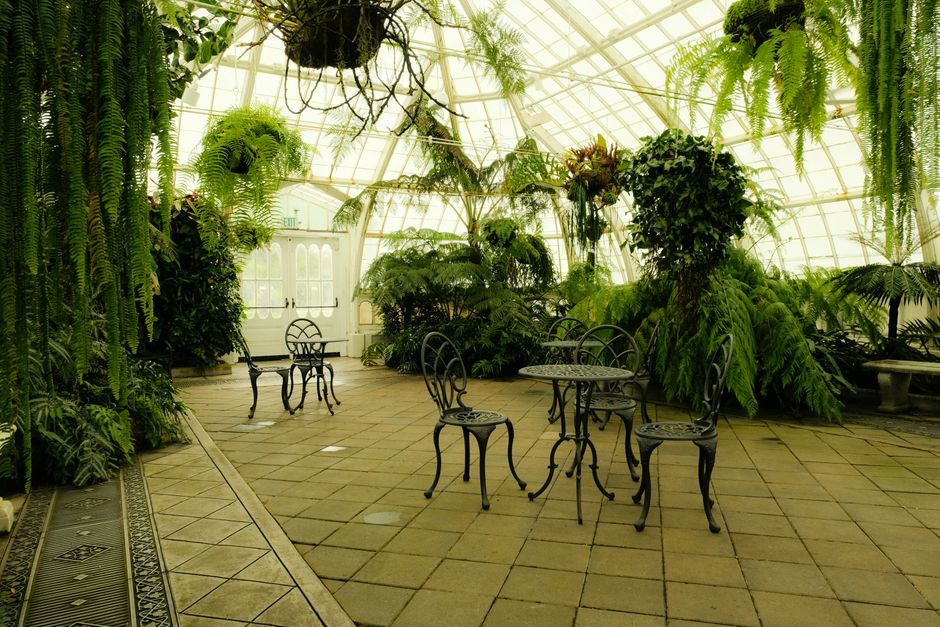
4. A Dome of Peace
Bloedel Conservatory, Queen Elizabeth Park, Vancouver, Canada
This iconic geodesic dome, a symbol of global understanding, houses a vibrant world of tropical birds and plants from deserts to rainforests.
Perched atop the highest point in Vancouver, the Bloedel Conservatory is more than just a botanical garden; it's an architectural statement. The distinctive triodetic dome, gifted by Prentice Bloedel, was designed to foster an appreciation for nature's diversity and promote peace. Inside, three distinct climatic zones allow hundreds of exotic plant species and free-flying tropical birds to thrive, offering a lush escape from the urban landscape.
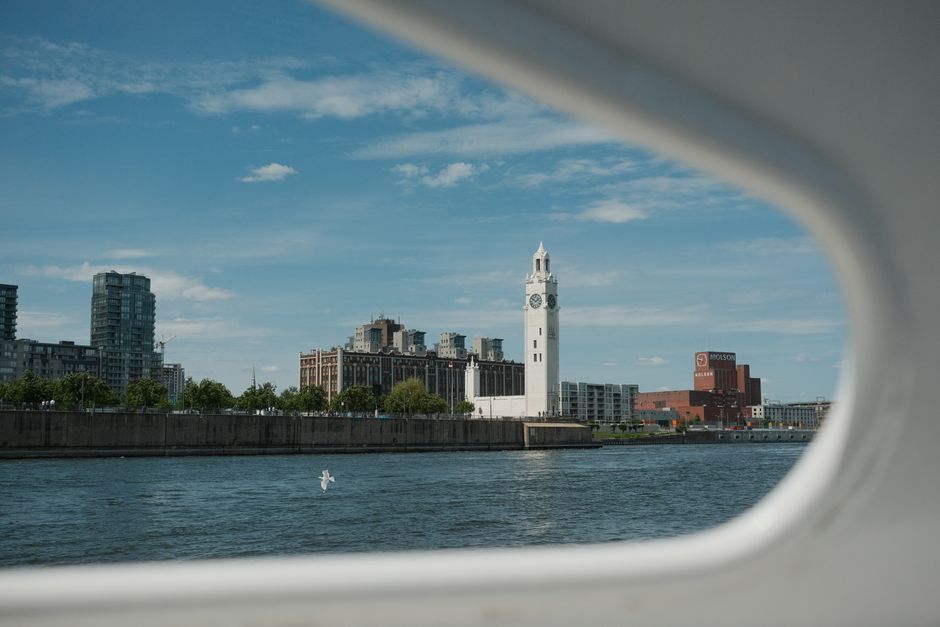
5. The Canal That Built a City
Lachine Canal National Historic Site, Montreal, Canada
This unassuming waterway was once the industrial powerhouse that fueled Montreal's rise as Canada's economic capital, connecting the Great Lakes to the Atlantic.
Today a tranquil urban park, the Lachine Canal was critical to Montreal's prosperity in the 19th and early 20th centuries. Its series of locks bypassed the Lachine Rapids, allowing ships to navigate between the Great Lakes and the St. Lawrence River. The canal's banks became lined with factories and mills, transforming Montreal into a major industrial center and shaping its working-class neighborhoods and distinct architectural heritage.
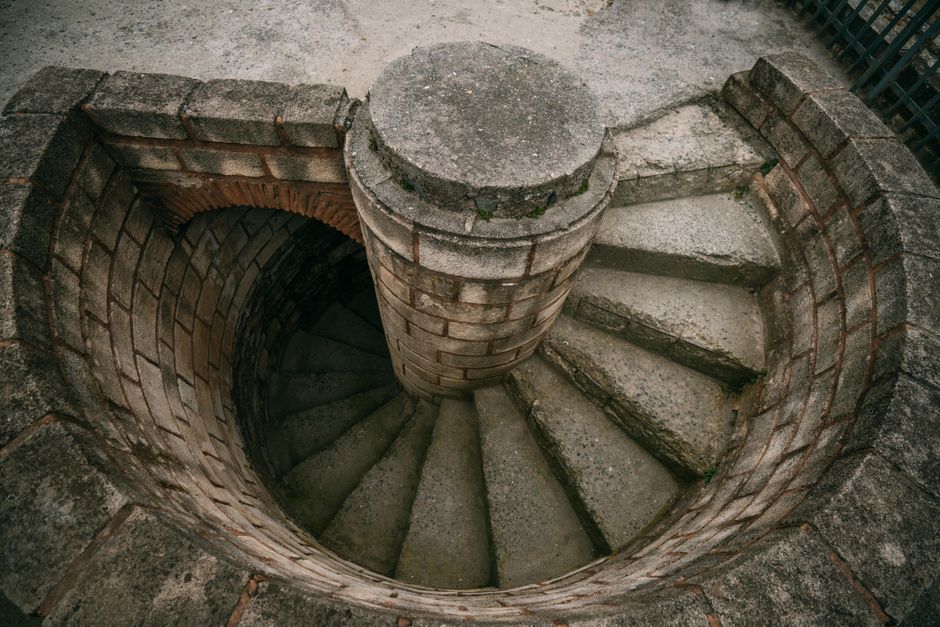
6. Montreal's Staircase Architecture
The Plateau Mont-Royal, Montreal, Canada
The Plateau's iconic external spiral staircases aren't just charming; they're a unique architectural response to maximize interior space and sunlight in dense urban living.
Wander through the charming streets of the Plateau, and you'll immediately notice the distinctive iron staircases spiraling up the facades of many residential buildings. These were a practical solution in the late 19th and early 20th centuries, allowing for larger interior living spaces by moving stairwells outside. They also fostered a unique street-level social culture, with residents often gathering on their stoops, contributing to the neighborhood's vibrant community feel.
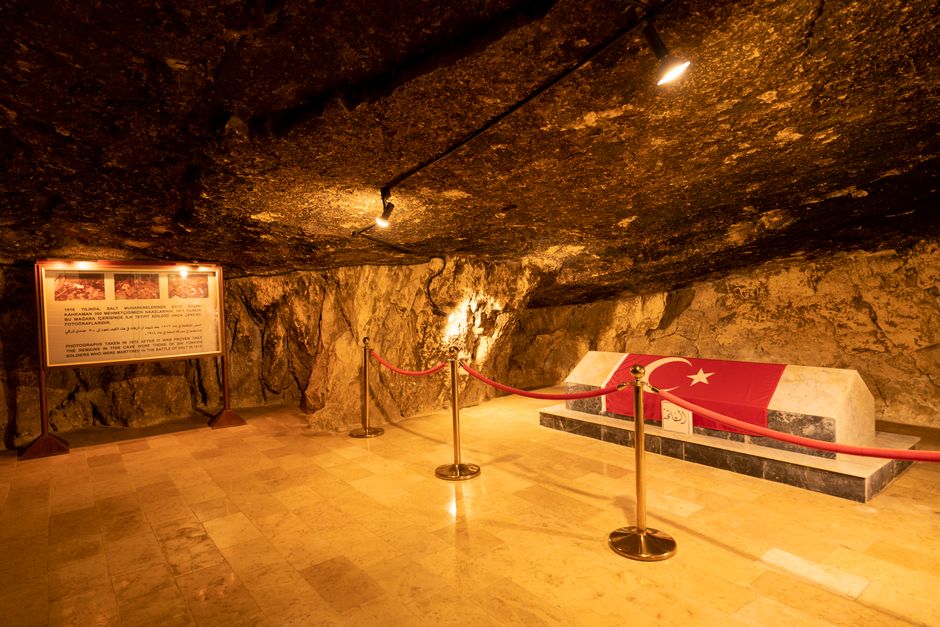
7. Walking Through Time at Birthplace
Pointe-à-Callière, Montréal Archaeology and History Complex, Montreal, Canada
This unique museum allows visitors to literally walk through centuries of unearthed ruins, from First Nations encampments to colonial foundations, at Montreal's very birthplace.
Built on the actual site where Montreal was founded in 1642, Pointe-à-Callière offers an unparalleled journey through time. Descend below street level to explore archaeological crypts revealing remnants of aboriginal settlements, the city's first fort, and the Royal Insurance Building's sewage collector. It's a vivid, tangible connection to the layers of history that built one of North America's oldest cities, showcasing its deep cultural roots.
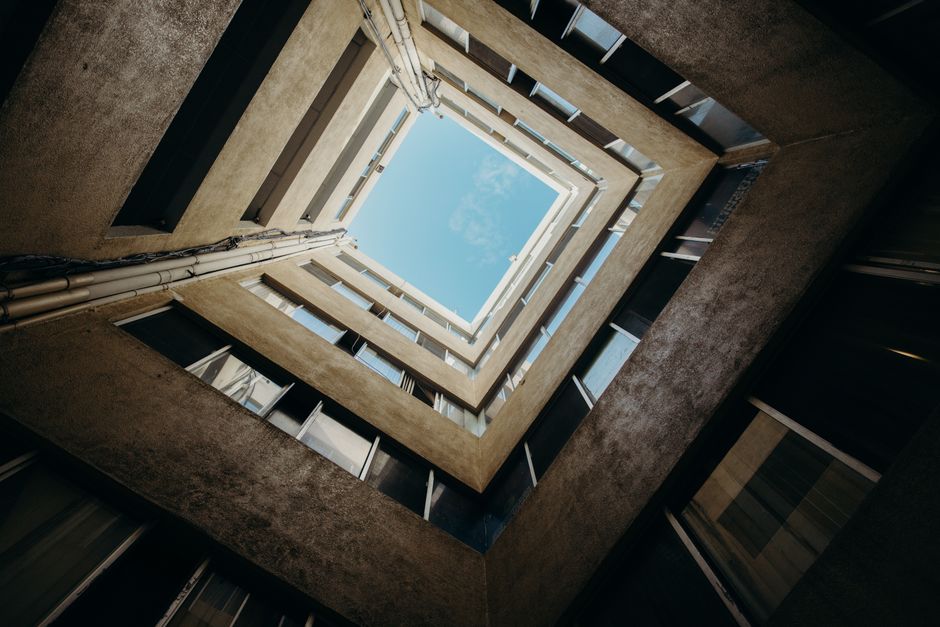
8. Housing of the Future, 1967
Habitat 67, Montreal, Canada
This radical modular housing complex, designed for Expo 67, was an audacious experiment to reimagine urban living, blending suburbia with high-density housing.
Habitat 67 stands as a bold architectural statement from Montreal's Expo 67, a world's fair focused on "Man and His World." Designed by then-young architect Moshe Safdie, it comprises 354 pre-fabricated concrete modules stacked in a seemingly random pattern. Each unit offers residents privacy, gardens, and light, aiming to merge the benefits of detached homes with the efficiency of apartment living, pushing boundaries of urban design and challenging conventional cultural norms.
Frequently asked questions
Is Vancouver or Montreal more expensive for travelers?
Generally, both cities are considered among Canada's most expensive. However, Montreal can often offer slightly more budget-friendly options for accommodation and dining, especially outside the peak summer season, compared to Vancouver's consistently high cost of living.
What are the main language differences between Vancouver and Montreal?
Vancouver is predominantly English-speaking, though it is highly multicultural with many languages spoken. Montreal is primarily French-speaking, being the largest French-speaking city outside of Paris. While most people in tourist areas are bilingual, making an effort to speak a few French phrases is appreciated in Montreal.
Which city has a better food scene: Vancouver or Montreal?
Both cities boast incredible food scenes, but with different flavors. Vancouver is renowned for its Asian cuisine, particularly Japanese and Chinese, and its emphasis on fresh, local, West Coast ingredients. Montreal is famous for its French-inspired gastronomy, classic Quebecois dishes like poutine and smoked meat, and vibrant European-style cafes and bakeries.
How can AllTours.ai help me explore these cultural differences?
AllTours.ai transforms your phone into an AI-powered audio tour guide. Simply point your camera at a landmark, building, or even a natural landscape, and the app will narrate its unique history, geological significance, and cultural stories in your language, bringing these hidden differences to life as you explore.
Photography via Pexels. AllTours.ai is an AI audio tour guide — point your camera at any landscape and hear its story.