September 20, 2026 · 4 min read
The GR20 in Corsica is famed for its brutal beauty and challenging terrain. Most trekkers focus on the physical feat or the postcard-perfect panoramas. But beyond the well-trodden paths and popular viewpoints, the refuges along the route hold surprising, lesser-known stories.
These mountain huts aren't just places to sleep; they are gateways to Corsica's deeper identity – its ancient history, unique geology, and vibrant folklore. If you’re wondering what are some good huts on the GR20 in Corsica that offer more than just a bed, read on for a journey into the island's hidden narratives.
1. The Moorish Stone in the Sky
Refuge de Ciottulu di i Mori, Corsica
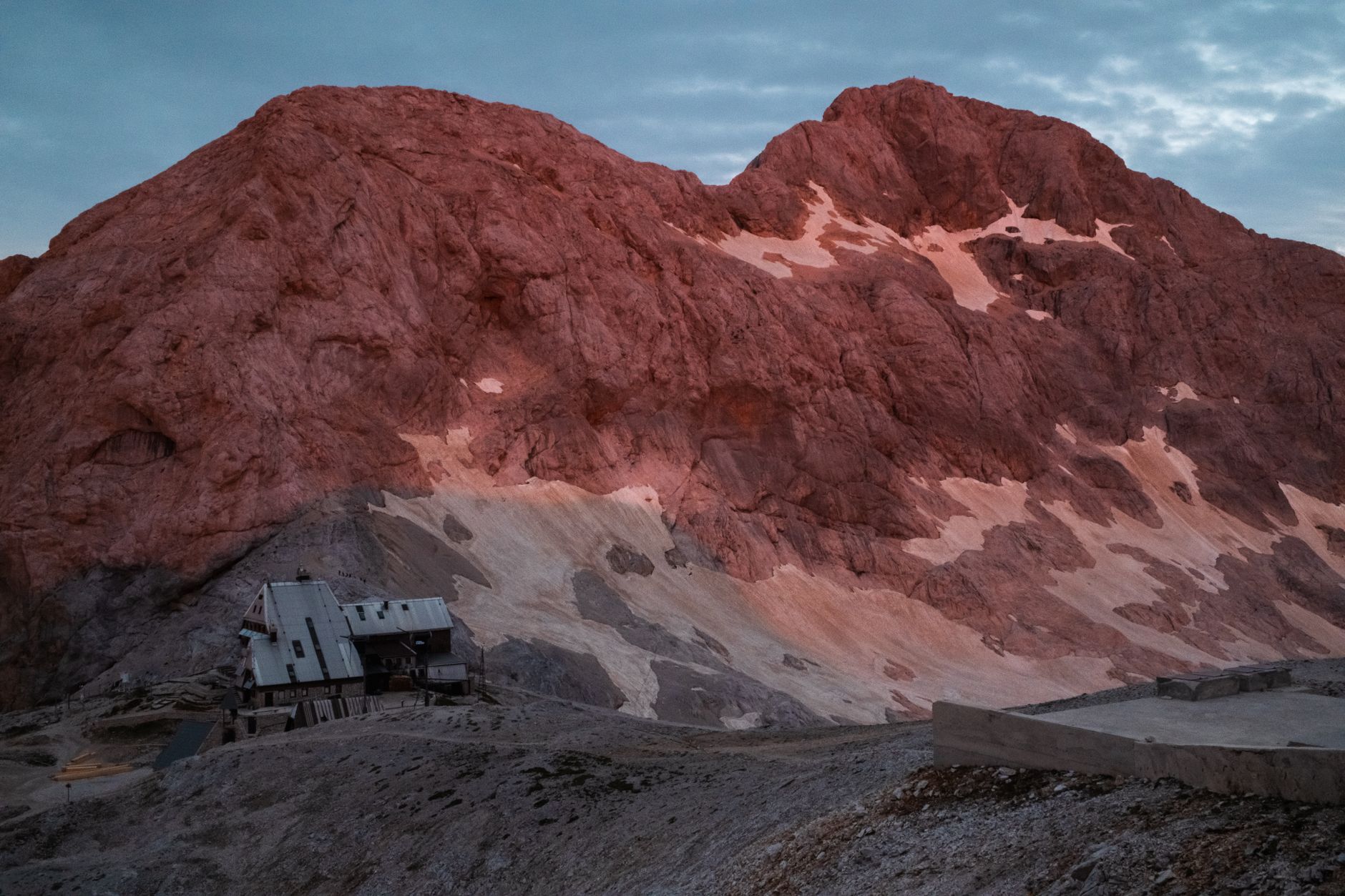
This hut's name, 'Stone of the Moors,' hints at a forgotten medieval history, far from any coastline.
Perched high in the Niolu region, 'Ciottulu di i Mori' literally translates to 'Moorish Pebble' or 'Stone of the Moors.' This name is a historical puzzle; why would a remote mountain refuge carry a name tied to North African invaders who rarely ventured so deep into the island's interior? It suggests lost tales of ancient skirmishes, hidden outposts, or perhaps a local legend about a lone Moorish presence, offering a glimpse into Corsica's long history of conquests and cultural melting pots.
2. The Spasimata Bridge's Legacy
Refuge de Carrozzu, Corsica
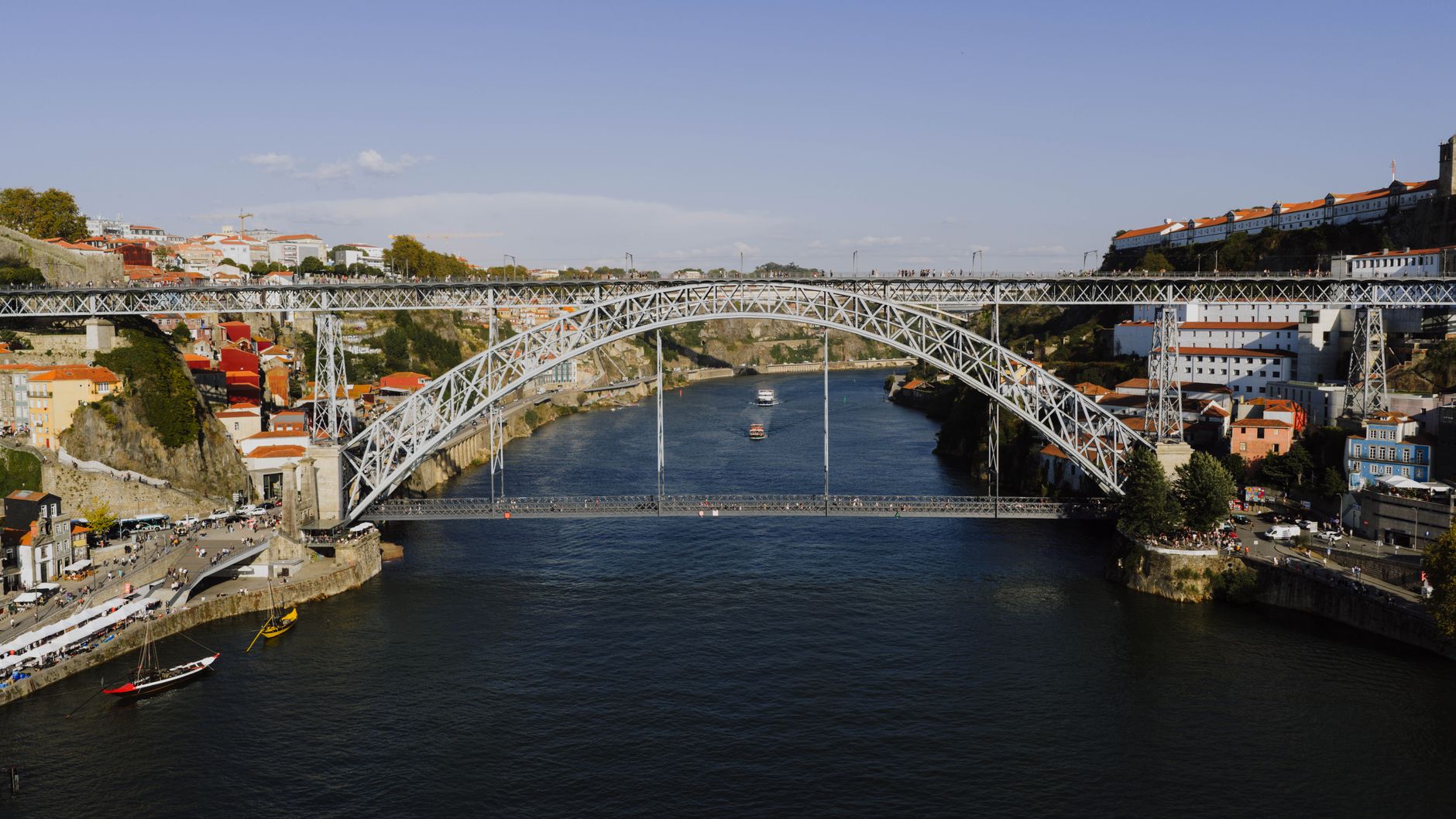
Near this hut, the Spasimata bridge, a dizzying suspension bridge, was built by local ingenuity, not just for passage but as a test of nerve.
Below Refuge de Carrozzu lies the infamous Passerelle de Spasimata, a narrow suspension bridge swaying over a deep gorge. While today it's a thrilling photo op, its construction was a feat of local engineering, designed to connect challenging sections of the trail in the rugged Asco valley. The bridge's name, 'Spasimata,' meaning 'fear' or 'dread,' perfectly captures the apprehension many feel crossing it, yet it stands as a testament to the Corsican spirit of adapting and conquering their formidable landscape.
3. The Ancient Pine Sentinels
Refuge d'Onda, Corsica
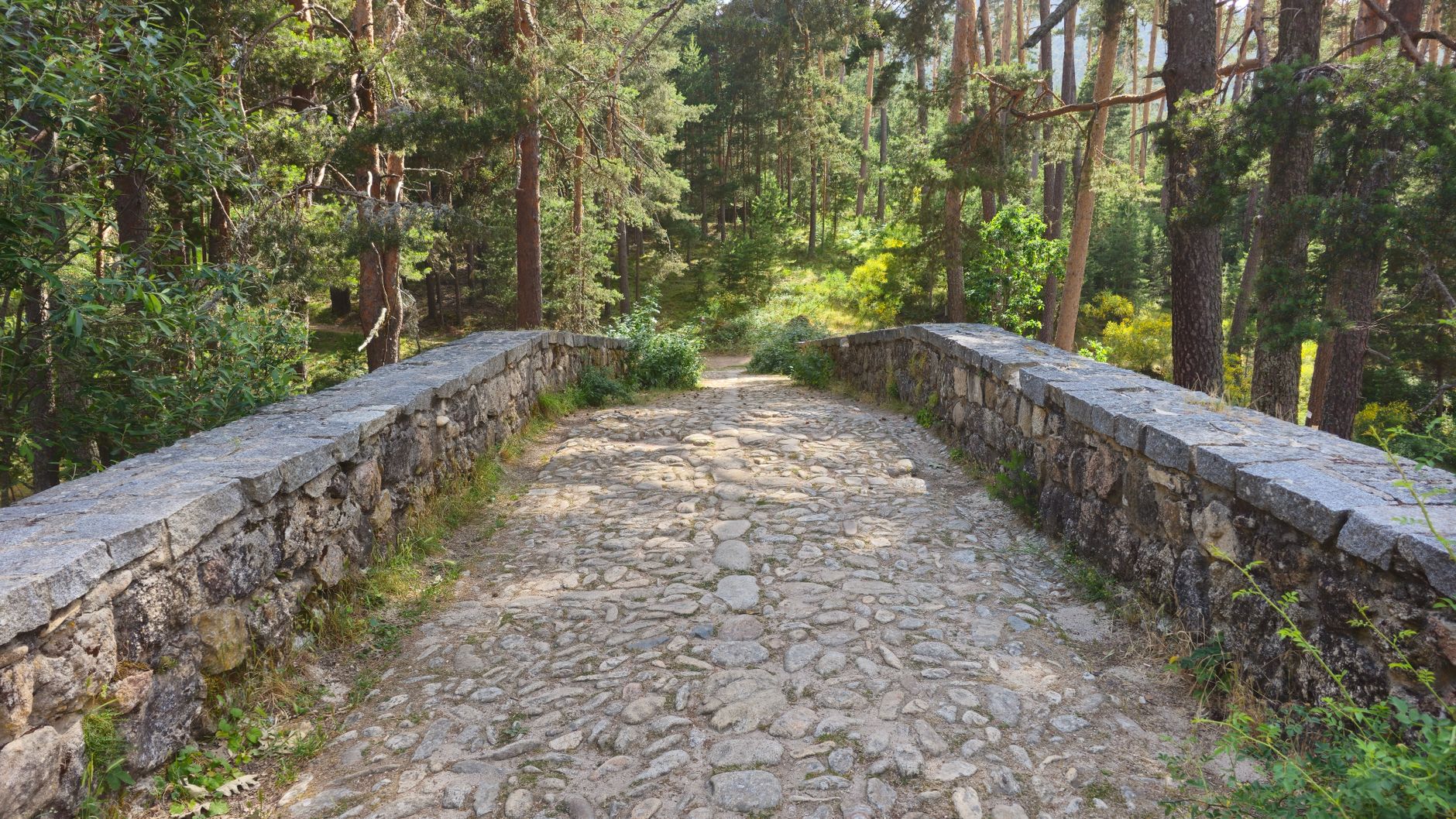
The valley surrounding Refuge d'Onda harbors some of Corsica's oldest endemic Laricio pine forests, remnants of a primeval landscape.
Tucked away in a verdant valley, Refuge d'Onda is encircled by magnificent forests of Laricio pines, some of which are centuries old. These ancient trees are a unique subspecies endemic to Corsica, known for their towering height and resilience. They represent a living link to the island's untouched, primeval environment, providing a vital habitat for diverse wildlife and offering hikers a rare chance to walk among silent, ecological giants that have witnessed millennia of Corsican history.
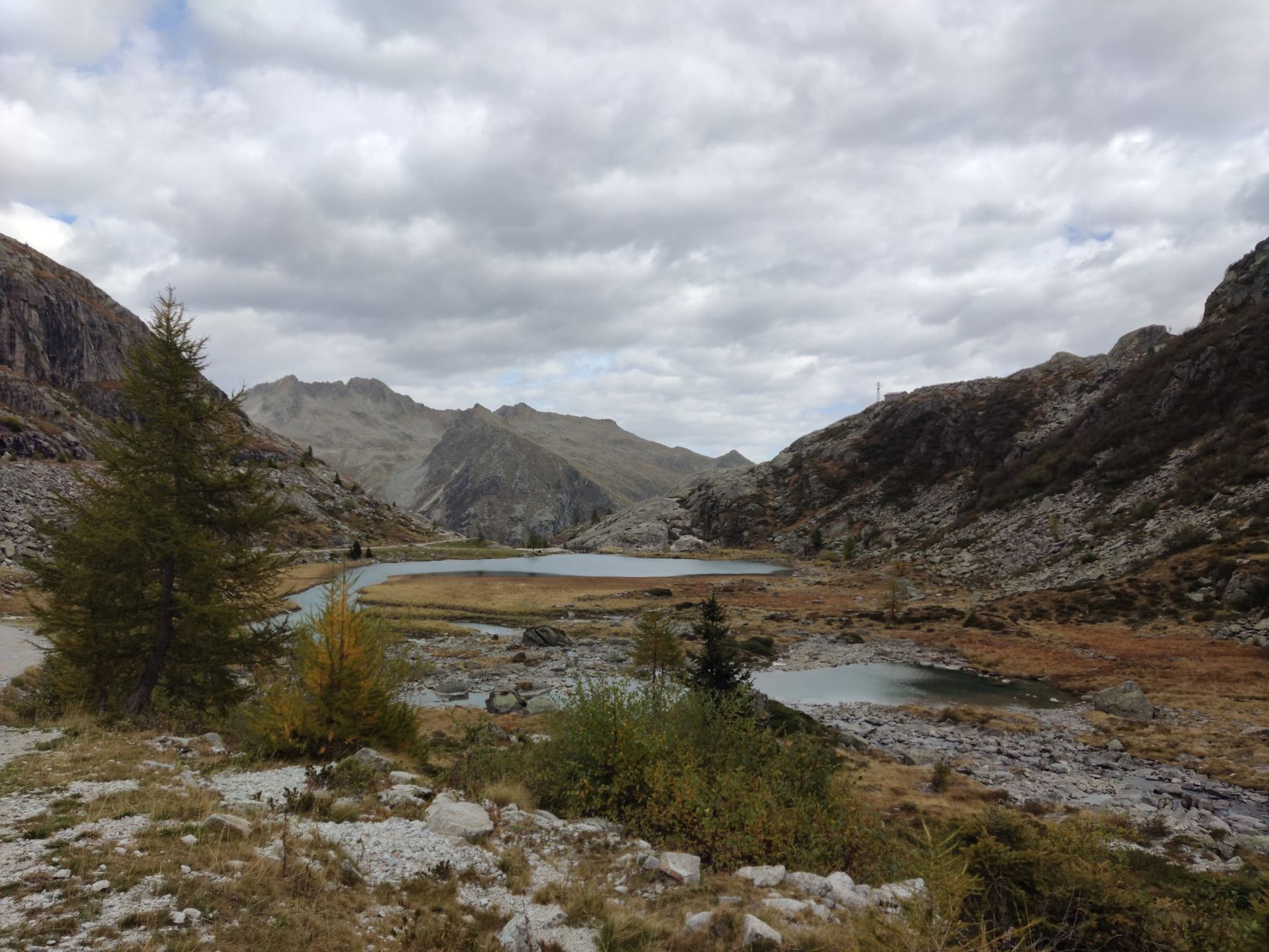
4. The Glacial Water Gardens
Refuge de Manganu, Corsica
Near Refuge de Manganu, the surreal 'pozzines' of Lac de Nino are not just meadows, but ancient glacial remnants that seem to defy Corsica's rugged terrain.
A short walk from Refuge de Manganu leads to the ethereal Lac de Nino and its surrounding 'pozzines.' These aren't typical meadows; they are unique, waterlogged peatlands dotted with natural pools, formed by past glaciation. This spongy, almost alien landscape is a fragile ecosystem, supporting specific flora and fauna found nowhere else on the island. The pozzines offer a stark contrast to the surrounding granite peaks, revealing an unexpected geological wonder in the heart of Corsica.
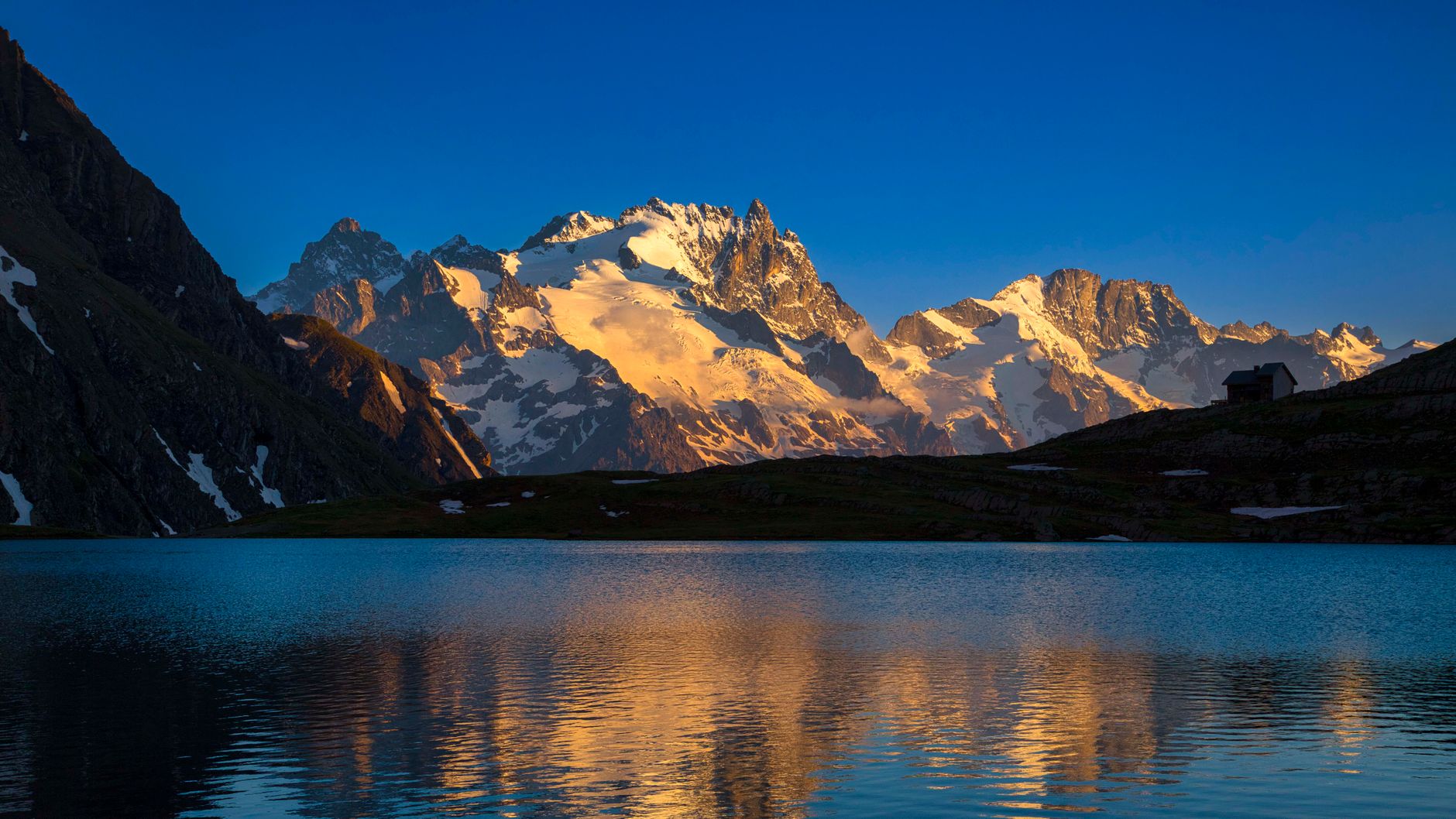
5. The Bandits' Lookout Point
Refuge d'Usciolu, Corsica
Perched on a dramatic ridge, Refuge d'Usciolu's strategic position was once rumored to be a lookout point for Corsican bandits evading authorities.
Refuge d'Usciolu commands breathtaking, panoramic views from its exposed ridge, making it one of the most memorable stops on the GR20. Historically, Corsica's inaccessible mountains were a haven for bandits, who often used high vantage points to spot approaching authorities. The hut's commanding position would have provided an ideal lookout, weaving a tale of defiance, survival, and a hidden history of lawlessness into the very fabric of these majestic peaks, offering a glimpse into a wilder Corsica.
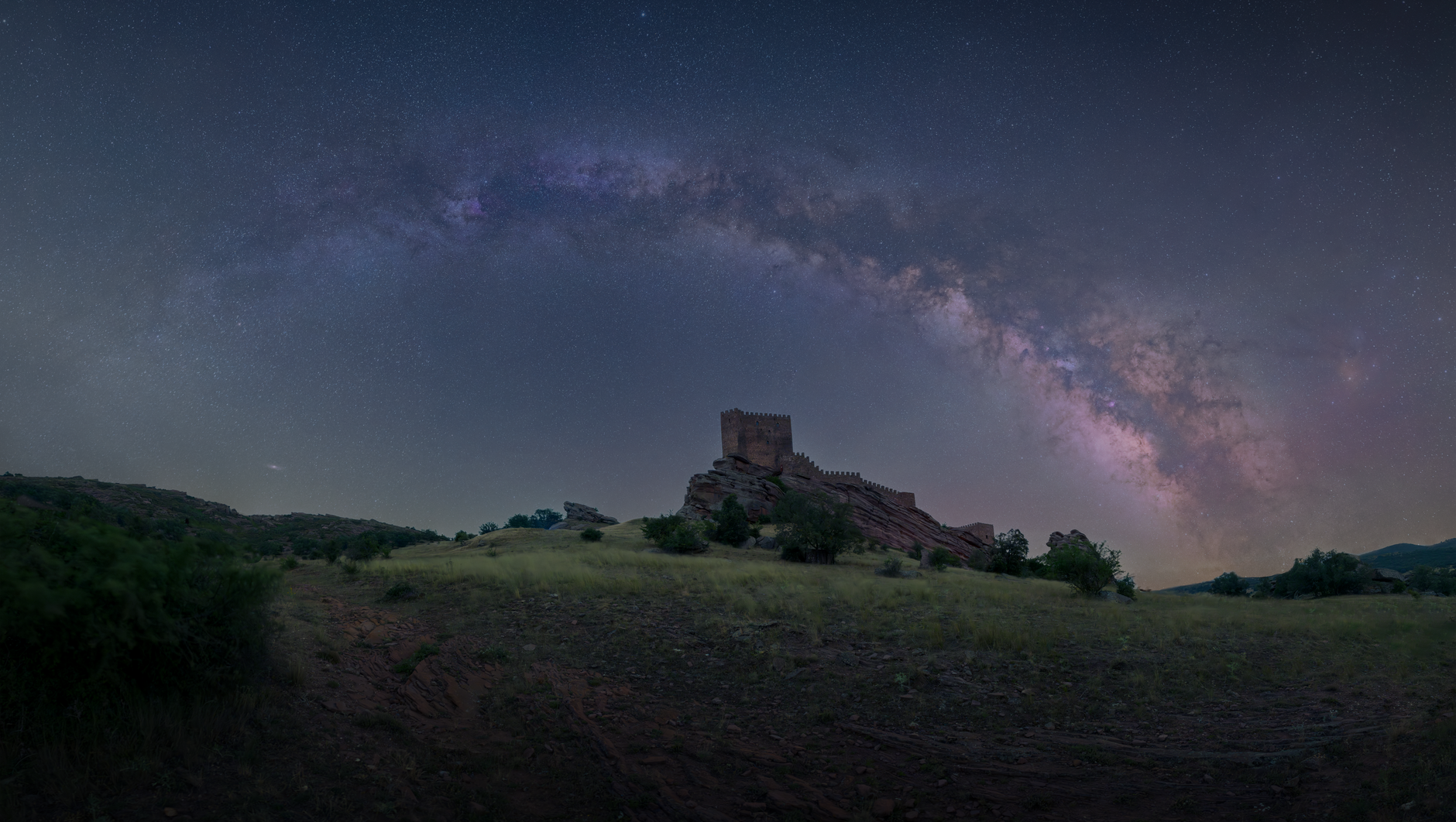
6. The Mountain Portal
Refuge de Petra Piana, Corsica
Above Refuge de Petra Piana, a unique rock formation called 'La Brèche de Capitellu' was once believed to be a portal for ancient spirits.
Refuge de Petra Piana, meaning 'flat stone,' is a stark, beautiful spot. Nearby, the dramatic 'Brèche de Capitellu' forms a natural notch in the ridgeline, a striking geological feature. Local folklore, passed down through generations, suggested this narrow pass was more than just a mountain gap; it was believed to be a gateway for ancient spirits or mystical beings. This adds a layer of enchantment to the already stunning landscape, reminding trekkers of the profound spiritual connection Corsicans have with their land.
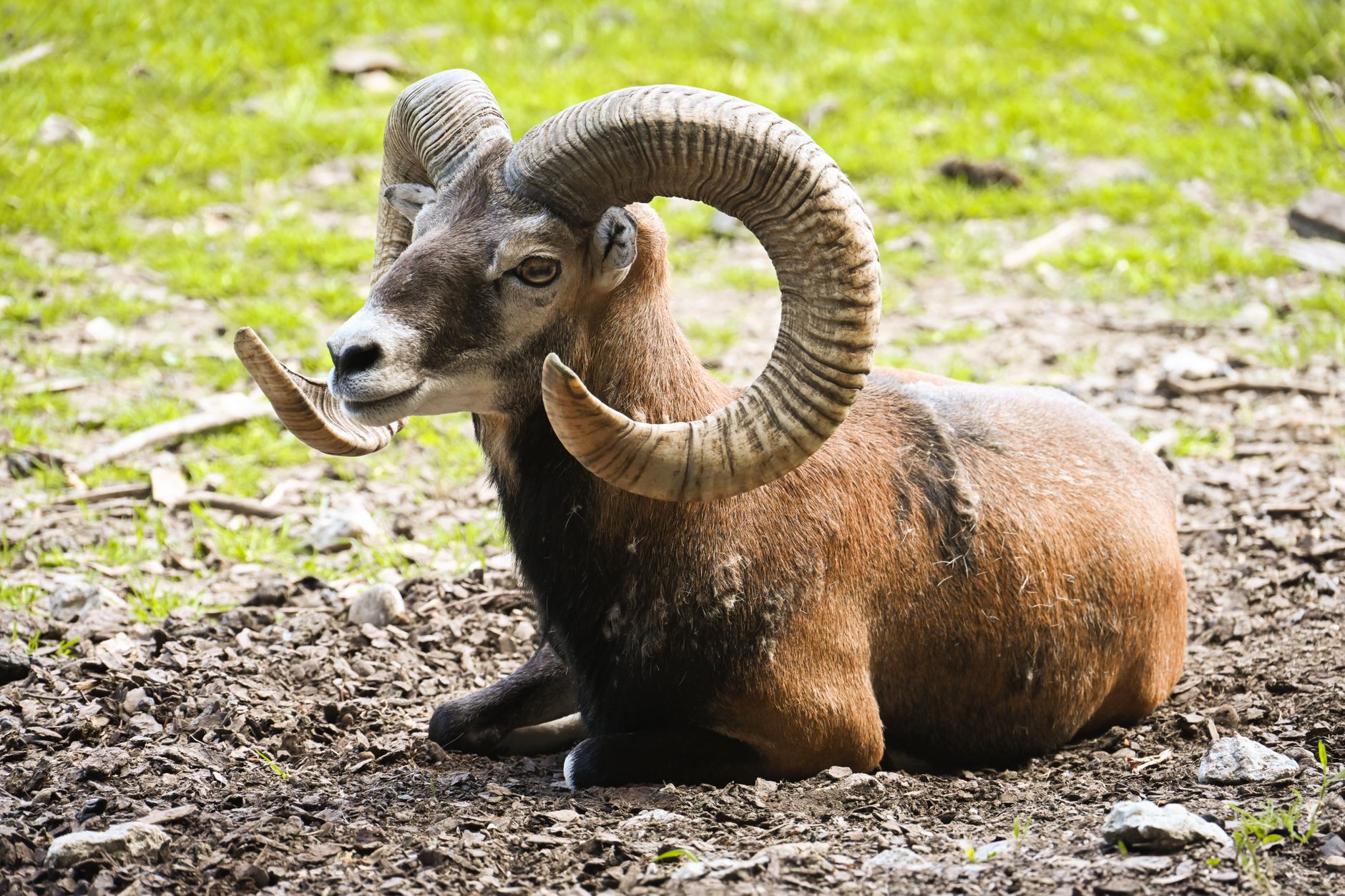
7. The Mouflon's High Kingdom
Refuge d'Asinao, Corsica
High above Refuge d'Asinao, the rare Corsican mouflon, a wild mountain sheep, lives as a protected symbol of the island's enduring wilderness.
Nestled at the base of Monte Incudine, Refuge d'Asinao is in prime territory for spotting the elusive Corsican mouflon. This wild mountain sheep is an endemic species, once hunted to near extinction, but now a protected emblem of Corsica's rugged peaks. Their presence in these high, inaccessible areas is a testament to successful conservation efforts. Catching a glimpse of these majestic animals in their natural habitat offers a rare and inspiring connection to the island's unique and untamed biodiversity.
Frequently asked questions
How hard is the GR20?
The GR20 is widely considered one of Europe's toughest long-distance treks. It involves steep ascents and descents, rocky terrain, and requires excellent physical fitness, navigation skills, and experience with mountain hiking. It's not suitable for beginners.
What's the best time of year to hike the GR20?
The best time to hike the GR20 is typically from mid-June to mid-September. June offers wildflowers and melting snow, while July and August are warmer but busier. Early September can be ideal with cooler temperatures and fewer crowds, though weather can be unpredictable.
Do I need to book GR20 huts in advance?
Yes, booking GR20 huts (refuges) is highly recommended, especially during peak season (July-August). Spaces are limited, and spontaneous arrivals risk not having a bed. Online booking systems are available through the Parc Naturel Régional de Corse website.
How can the AllTours.ai app enhance my GR20 experience?
The AllTours.ai app transforms your hike into an immersive journey. Simply point your phone camera at any landmark, mountain peak, or even a unique rock formation on the GR20, and the app will narrate its history, geology, and cultural significance in your language, revealing the hidden stories of Corsica as you walk.
Photography via Pexels. AllTours.ai is an AI audio tour guide — point your camera at any landscape and hear its story.