September 17, 2026 · 4 min read
For many, a 5-6 month backpacking trip isn't just an extended holiday; it's a profound journey of self-discovery, cultural immersion, and often, life-altering experiences. While iconic landmarks certainly hold their charm, the most transformative moments often occur far from the well-trodden tourist paths, in places where history whispers and nature reveals its deepest secrets.
These are the journeys that reshape perspectives, challenge assumptions, and leave an indelible mark. We've gathered stories of travelers who ventured beyond the usual, encountering places with surprising geological formations, ancient cultural tales, or natural phenomena that defy belief, proving that the world still holds countless wonders for the curious wanderer.
1. The White Desert's Ancient Sea
Farafra Oasis, Egypt
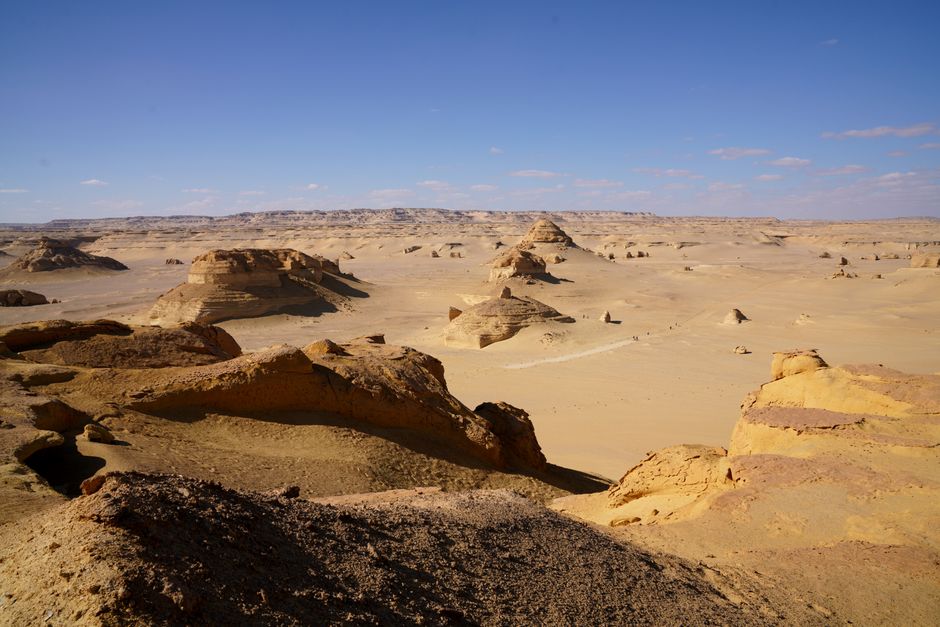
The surreal chalk formations of Egypt's White Desert are actually millions of years old fossilized marine life from an ancient seabed.
Imagine walking through a landscape that feels like another planet, yet its stark white 'sculptures' are the remains of microscopic marine organisms from an ocean that covered this area 80 million years ago. Wind and erosion have carved these chalk deposits into towering mushrooms, icebergs, and otherworldly shapes. Camping under a blanket of stars here, surrounded by this geological art, offers a humbling connection to Earth's deep past.
2. The Mermaid's Oasis
Huacachina, Peru
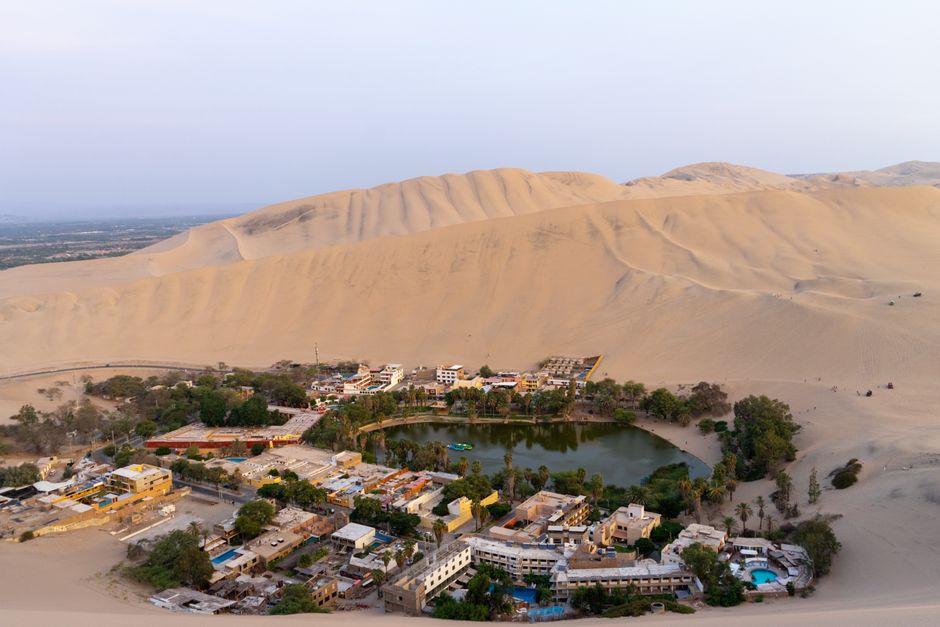
This lush natural oasis in the middle of a vast desert is, by local legend, formed from a mermaid's tears.
Nestled among colossal sand dunes in southwestern Peru, Huacachina is a genuine desert oasis, a vibrant splash of green against the golden expanse. Locals tell the tale of a beautiful mermaid, Yacumama, whose tears for a lost lover created the lagoon, and she herself transformed into a mermaid within its waters. The stark contrast of the vibrant palm trees and the placid lake against the towering, wind-sculpted dunes creates a truly unique and mystical experience.
3. The Shifting Salty Lake
Pangong Tso, Ladakh, India
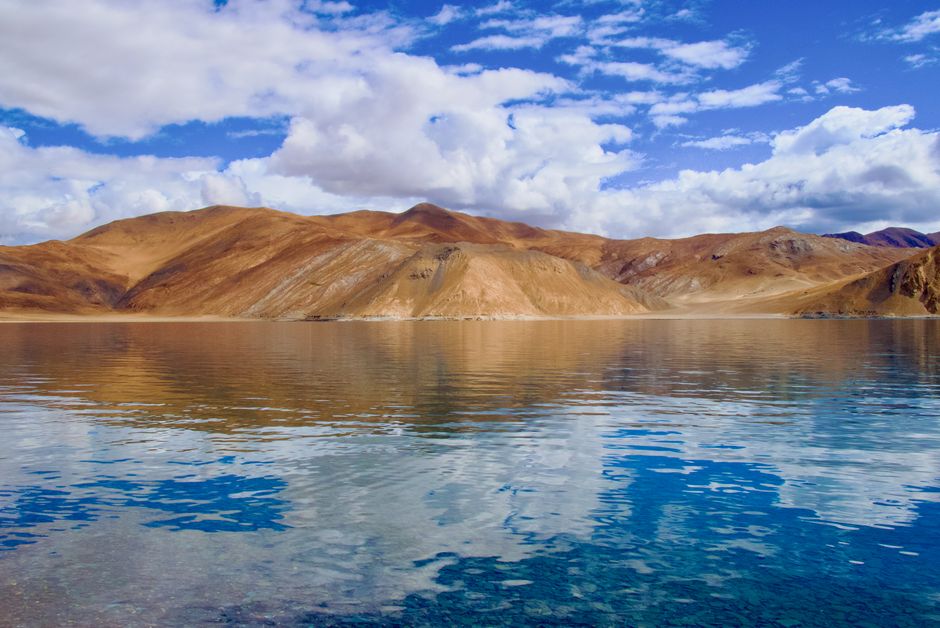
This stunning high-altitude lake, straddling two countries, is saltwater despite being landlocked, and astonishingly, freezes solid in winter without supporting aquatic life.
Pangong Tso, meaning 'high grassland lake,' is a breathtakingly beautiful endorheic lake in the Himalayas, over 4,300 meters above sea level. Its waters are saline, yet it has no outlet to the sea, and despite its vastness, no fish or aquatic life can survive in its depths, only migratory birds. The lake is known for its ever-changing hues, shifting from brilliant blue to emerald green to reddish-brown throughout the day, offering a mesmerizing spectacle of nature's artistry.
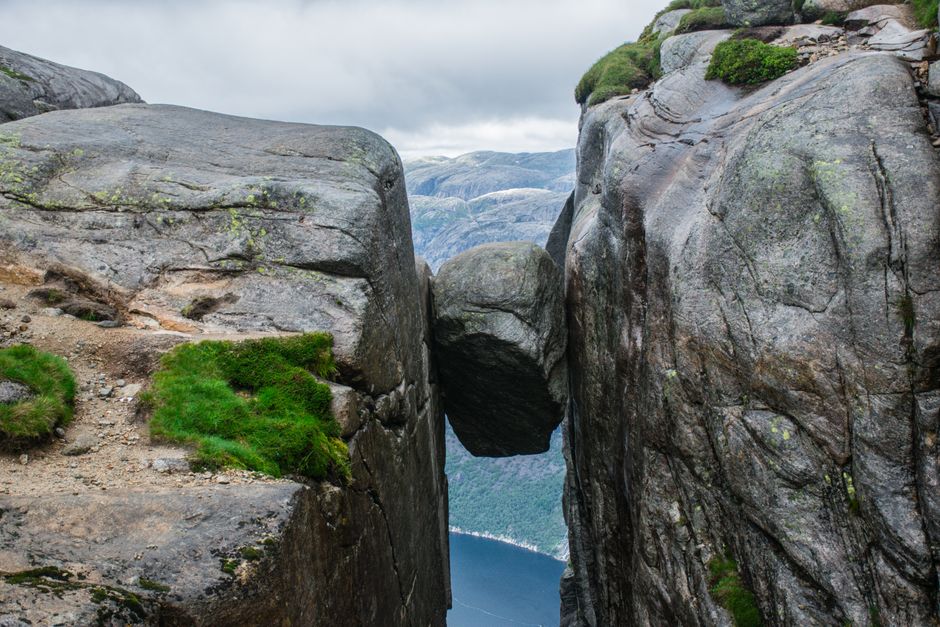
4. The Suspended Boulder
Kjeragbolten, Norway
A massive 5-cubic-meter boulder is precariously wedged in a mountain crevasse, suspended 1,000 meters above a fjord, a testament to glacial power.
Deep within Norway's Lysefjord region lies Kjeragbolten, a geological marvel that defies gravity. This large, rounded boulder is jammed firmly between two sheer rock faces, a dramatic result of the last ice age when glaciers carved the landscape. Reaching it involves a challenging hike, but standing on this impossibly balanced stone, gazing down into the fjord, offers an unparalleled sense of awe and adrenaline, connecting you directly to the immense forces of nature.
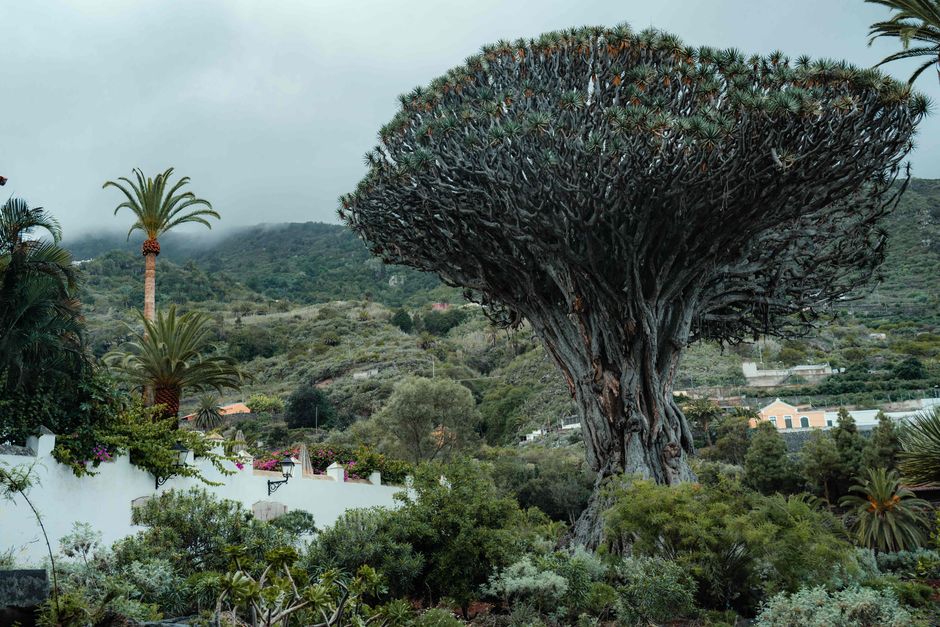
5. The Alien Island's Ancient Trees
Socotra Island, Yemen
Often called 'the most alien-looking place on Earth,' Socotra is home to Dragon's Blood Trees and other unique flora found nowhere else.
Socotra, an isolated island in the Indian Ocean, is a biodiversity hotspot with a landscape that feels pulled from a science fiction film. Around a third of its plant species are endemic, including the iconic Dragon's Blood Trees with their distinctive umbrella-shaped canopies and red sap, once believed to be actual dragon's blood. Its extreme isolation has allowed an ancient, unique ecosystem to flourish, offering a glimpse into a world unlike any other.
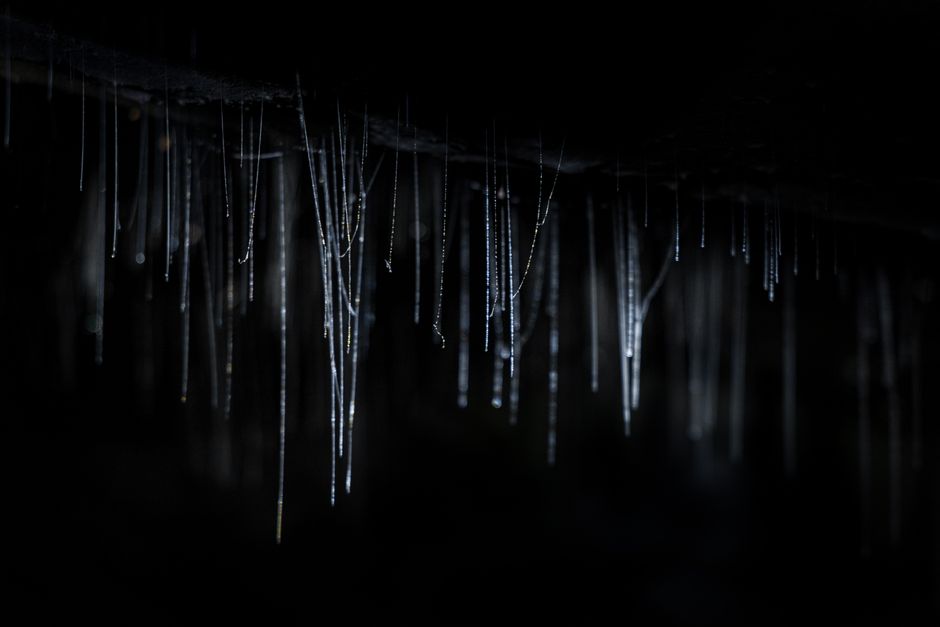
6. The Underground Galaxy
Waitomo Glowworm Caves, New Zealand
Beneath New Zealand's North Island, thousands of tiny glowworms illuminate a subterranean cave system, creating a mesmerizing 'starry night' effect.
Venture into the darkness of the Waitomo Caves, and you'll find yourself drifting silently beneath a living galaxy. The Arachnocampa luminosa glowworm, unique to New Zealand, emits a brilliant, phosphorescent light from its tiny body to attract insects. When viewed from a boat, the collective glow of thousands of these creatures creates an ethereal, shimmering canopy across the cave ceiling, an unforgettable experience that feels like floating through a constellation.
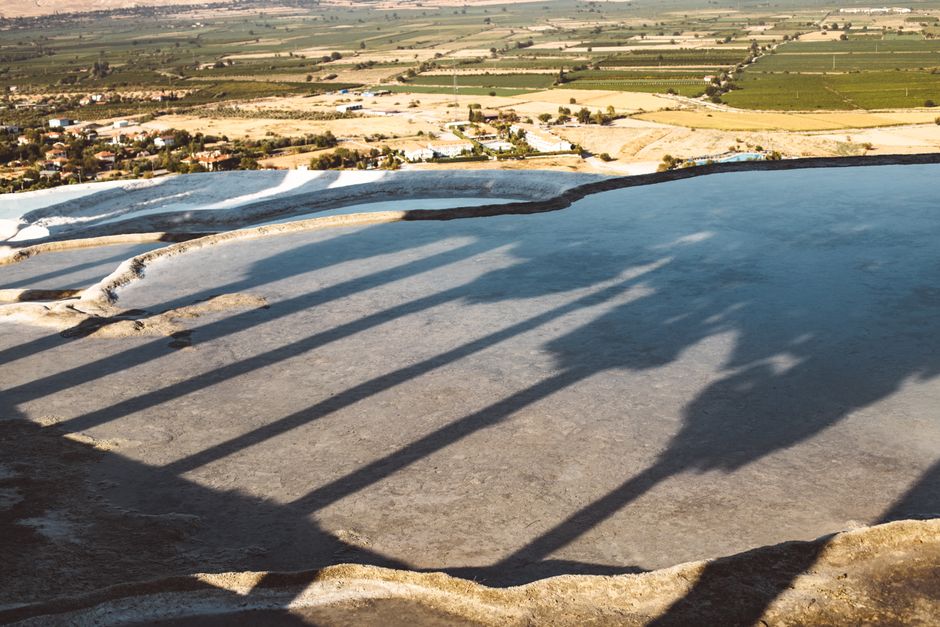
7. The Cotton Castles' Thermal Waters
Pamukkale, Turkey
For millennia, mineral-rich thermal waters have sculpted stunning white travertine terraces, earning this site the name 'cotton castle.'
Pamukkale, meaning 'cotton castle' in Turkish, is a natural wonder in Denizli Province. Over thousands of years, the flowing thermal waters, rich in calcium carbonate, have deposited brilliant white mineral formations, creating a series of dazzling terraces and pools. These 'cotton castles' have been a site of therapeutic bathing since ancient Roman times, with the impressive ruins of Hierapolis city situated directly above them, blending natural beauty with profound history.
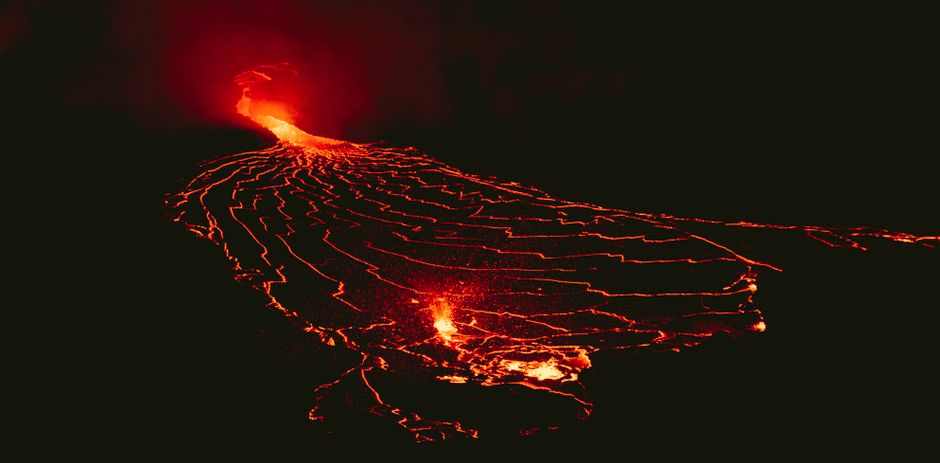
8. The Desert's Eternal Flame
Darvaza Gas Crater, Turkmenistan
A constantly burning natural gas crater in the Karakum Desert was accidentally ignited in 1971 and has been ablaze ever since.
Known locally as the 'Door to Hell,' the Darvaza gas crater is a fiery spectacle in the heart of Turkmenistan's Karakum Desert. In 1971, Soviet engineers drilling for natural gas caused a cavern to collapse, creating a large crater. To prevent the spread of poisonous methane gas, they decided to burn it off, expecting it to extinguish within weeks. Over fifty years later, the crater continues to burn, casting an eerie, perpetual glow across the desert night, a potent symbol of nature's power and human ingenuity.
Frequently asked questions
How long is ideal for a truly transformative backpacking trip?
While any length of travel can be enriching, many travelers report that trips lasting 3 months or more, especially 5-6 months, allow for deeper cultural immersion and personal growth. This extended period provides time to move beyond initial tourist impressions, adapt to new environments, and truly connect with places and people.
What's the biggest challenge of long-term backpacking, and how can I prepare?
One of the biggest challenges is often mental fatigue and navigating unexpected situations, like language barriers or logistical hurdles in remote areas. Preparation involves researching local customs, learning basic phrases, having a flexible itinerary, and cultivating a resilient, open mindset. Embracing the unknown is key.
How can I find truly unique, off-the-beaten-path places like those mentioned?
Beyond popular travel blogs, look for local tourism websites, academic papers on geology or anthropology, or forums dedicated to specific regions. Engage with local communities once you arrive; they often know the most hidden gems and their unique stories. Prioritize places with distinct natural phenomena or deep cultural significance.
How can AllTours.ai enhance my journey through these unique places?
AllTours.ai acts as your personal, knowledgeable guide. Instead of searching for information, simply point your phone camera at any landscape or landmark—whether it's a desert formation, an ancient ruin, or a unique tree—and the app will narrate its history, geology, and cultural significance in your language, bringing even the most remote and lesser-known spots to life.
Photography via Pexels. AllTours.ai is an AI audio tour guide — point your camera at any landscape and hear its story.