June 19, 2026 · 4 min read
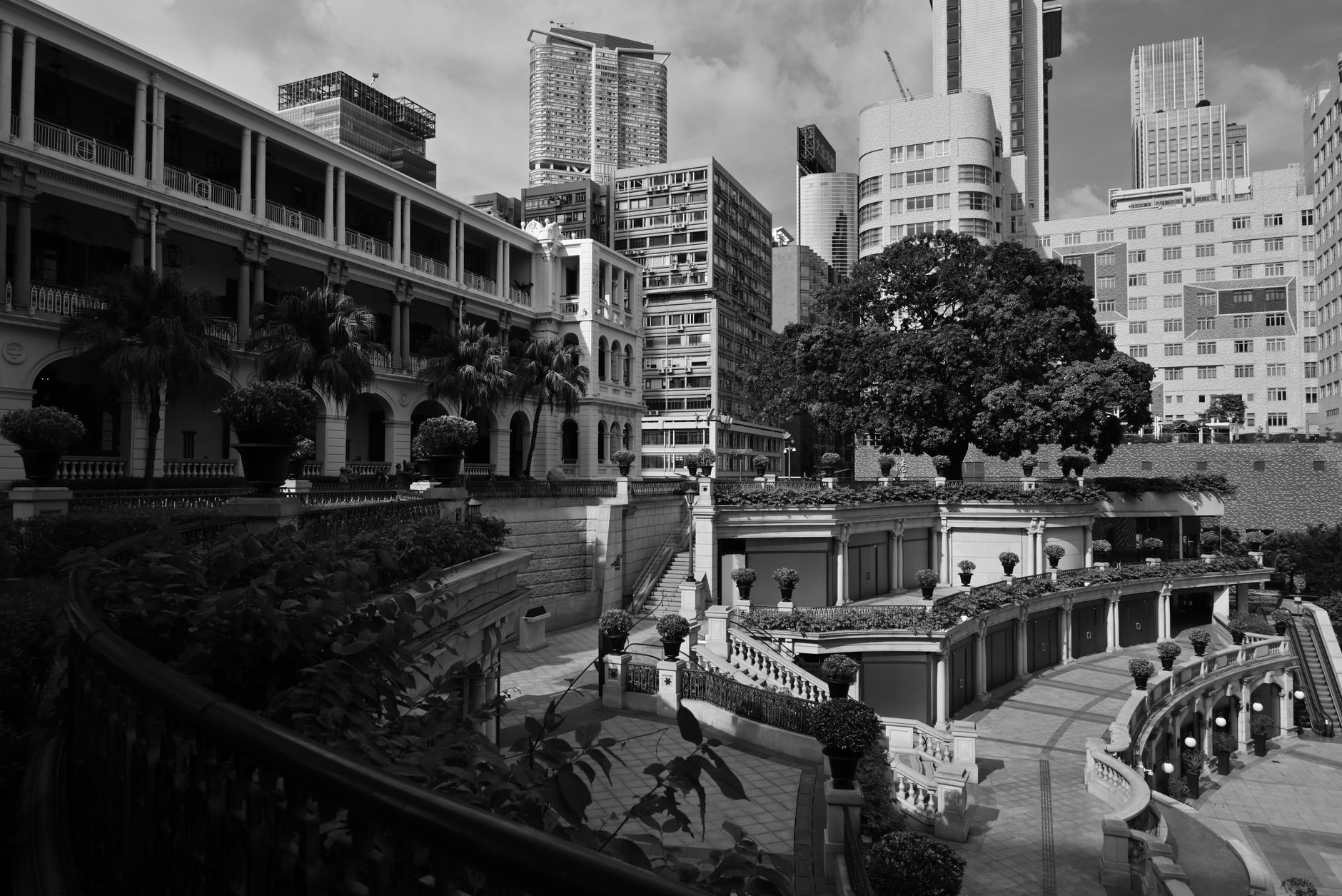
Hong Kong’s dazzling skyline and Macau’s glittering casinos are undeniable magnets, drawing millions with their energy and spectacle. Yet, to truly understand these vibrant territories, one must look beyond the familiar, past the tourist trails that often only scratch the surface of their rich tapestry.
What are some of the distinct experiences that Hong Kong and Macau offer when you venture off the beaten path? We’re diving into a world of ancient traditions, unique geological formations, profound historical moments, and a quiet charm that most visitors never encounter. Prepare to uncover the truly surprising stories woven into their landscapes.
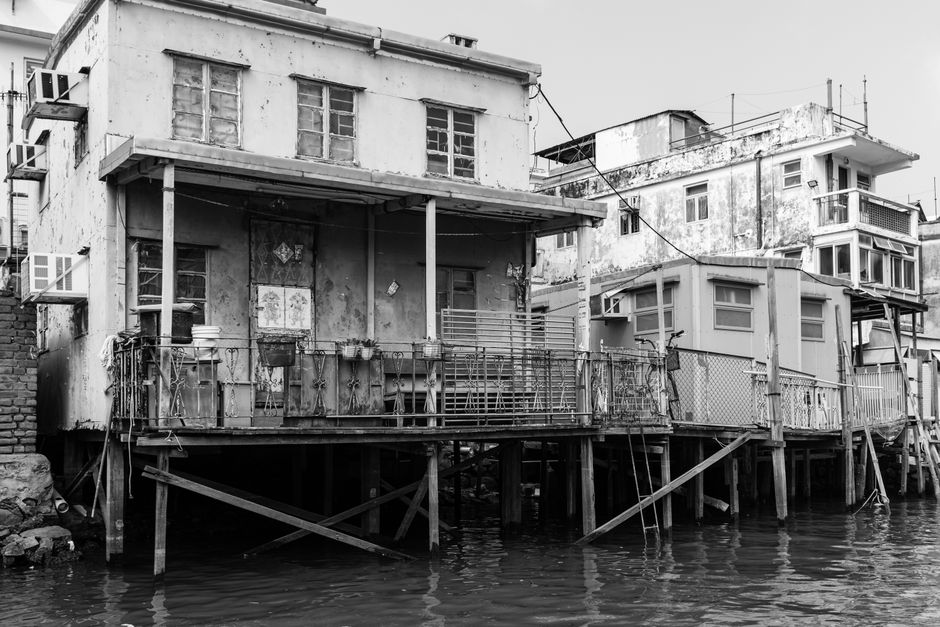
1. Tai O's Stilt House Heritage
Tai O, Hong Kong
This unique fishing village is home to the Tanka people, whose homes are built on stilts directly over the tidal flats, creating a 'Venice of Hong Kong.'
Tai O offers a rare glimpse into a vanishing way of life. The Tanka, a community of fisherfolk, constructed their houses on stilts above the water to adapt to the challenging coastal environment. Walking through its narrow lanes and across the iconic rope-drawn bridge reveals a vibrant community where seafood markets thrive, and the distinctive aroma of salted fish fills the air. It’s also one of the best places for a chance to spot the rare Chinese white dolphins.
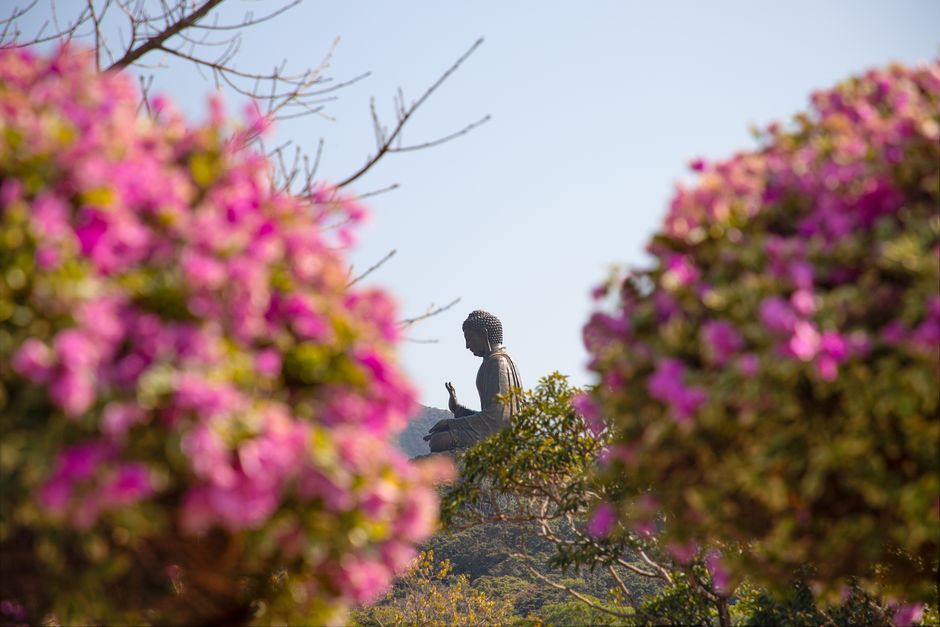
2. Ping Shan's Walled Villages
Yuen Long, Hong Kong
Explore Hong Kong's oldest and most extensive heritage trail, revealing ancient walled villages built by powerful clans centuries ago.
The Ping Shan Heritage Trail winds through a series of traditional Hakka walled villages, ancestral halls, and temples belonging to the Tang clan, one of the "Five Great Clans" of Hong Kong. The imposing Kun Ting Study Hall and the majestic Tang Ancestral Hall, with its intricate carvings and traditional architecture, offer a window into the rich history and feng shui principles that governed these communities for generations. It’s a profound contrast to modern Hong Kong, showcasing the deep roots of its indigenous population.
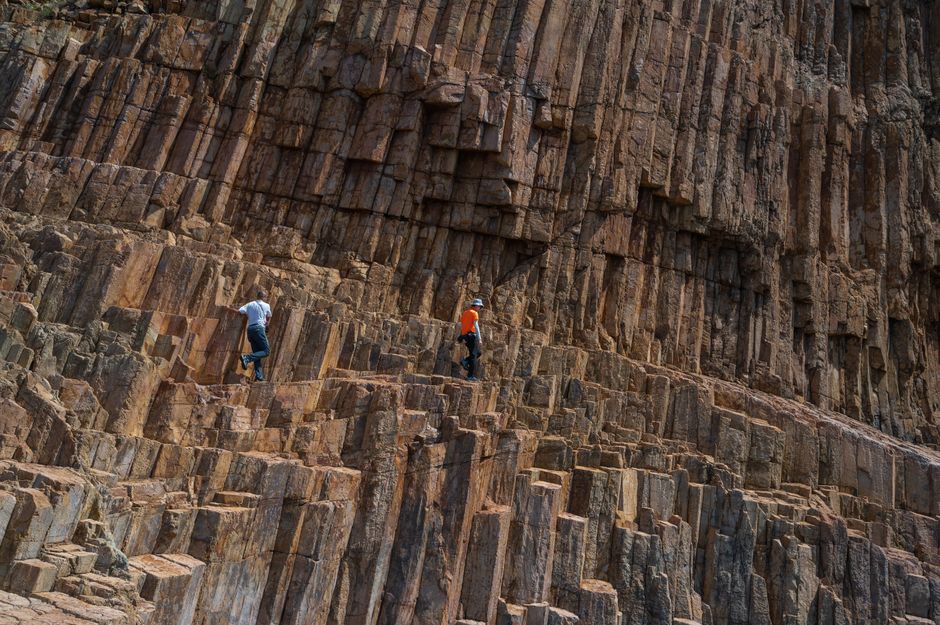
3. Tung Ping Chau's Geological Marvels
Tung Ping Chau, Hong Kong
This remote crescent-shaped island boasts Hong Kong's youngest sedimentary rocks, forming striking wave-cut platforms and unique geological formations.
Tung Ping Chau is a UNESCO Global Geopark site, a testament to Hong Kong's diverse natural beauty. Its "layered cake" rocks, formed over millions of years, tell a dramatic geological story. The island is famous for its distinct shale and siltstone formations, particularly the wave-cut platforms like Lung Lok Shui, which reveal intricate patterns carved by the sea. Beyond geology, it also features abandoned Hakka villages, adding a haunting human element to its rugged charm.
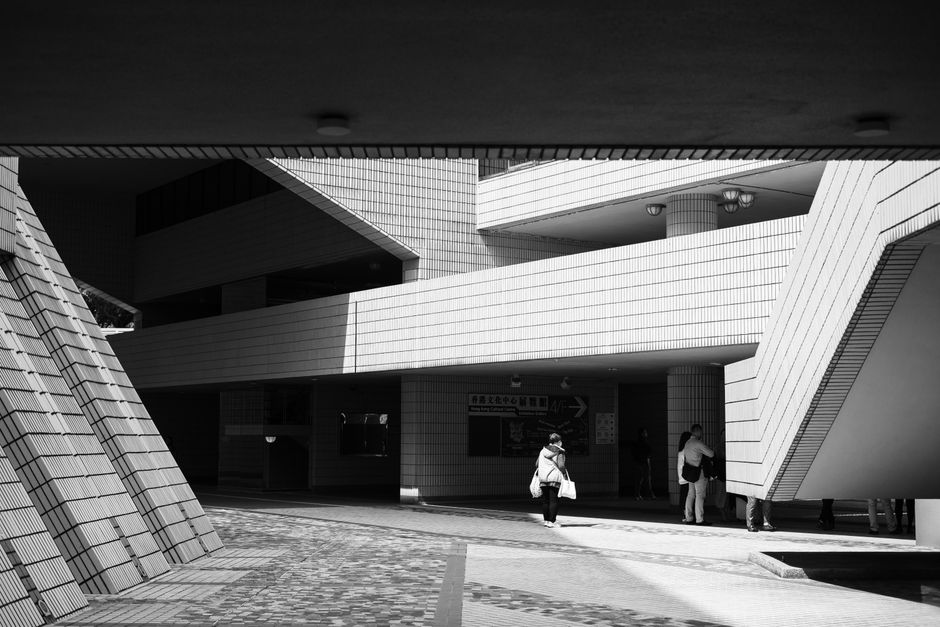
4. Law Uk's Hakka House Museum
Chai Wan, Hong Kong
Step inside Hong Kong's last surviving Hakka village house, offering an authentic glimpse into the daily life of a Hakka farming family from the 18th century.
Tucked away amidst modern high-rises, the Law Uk Folk Museum is a beautifully preserved 300-year-old Hakka dwelling. This humble yet historically rich structure was once home to a farming family and now serves as a museum, showcasing traditional furniture, tools, and everyday artifacts. It provides a poignant counterpoint to Hong Kong's urban sprawl, reminding visitors of the agricultural roots and resilient spirit of the Hakka people who once dominated this landscape.
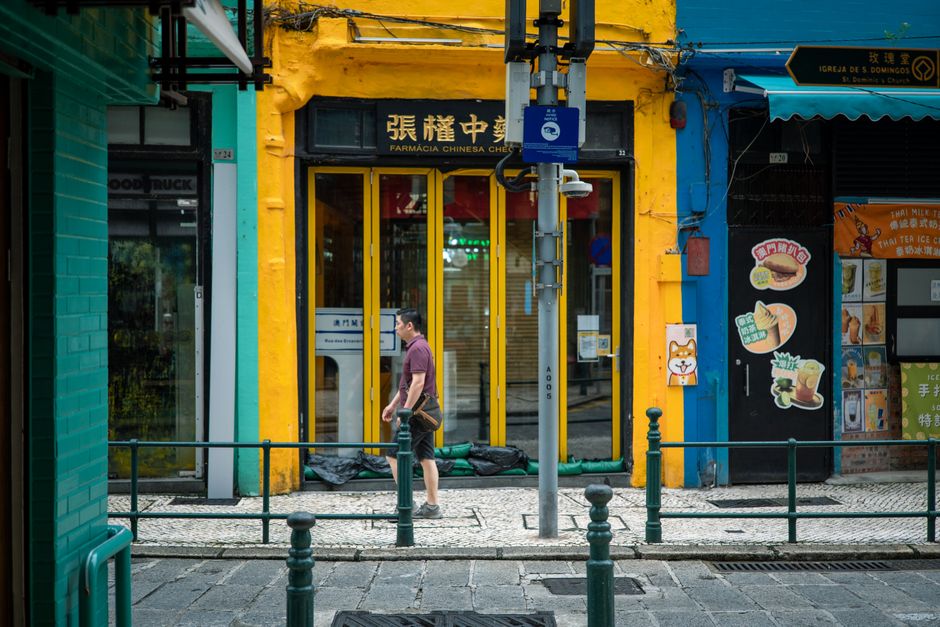
5. Coloane Village's Old-World Charm
Coloane, Macau
Escape Macau's casino glitz in this sleepy, colorful fishing village, where time seems to slow down around pastel-colored colonial buildings and a historic chapel.
Coloane Village, on the southern tip of Macau, is a serene antidote to the Cotai Strip's frenetic energy. Its narrow, winding streets are lined with vibrant pastel-colored Portuguese colonial houses, reminiscent of a bygone era. The village square, featuring the iconic Chapel of St. Francis Xavier, holds relics of Christian martyrs and offers a peaceful setting overlooking the sea. This tranquil enclave preserves Macau's often-overlooked Portuguese heritage and a slower pace of life.
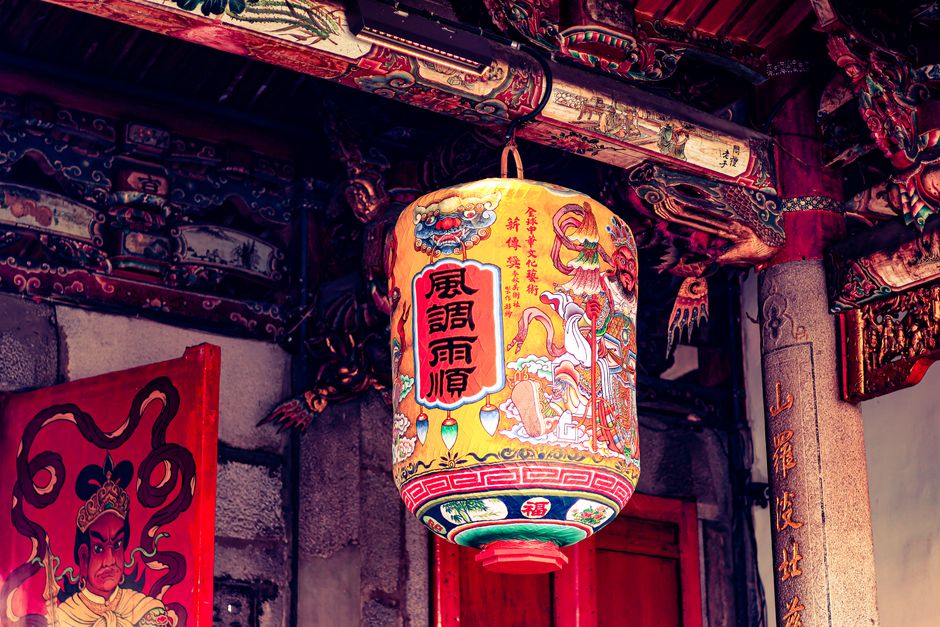
6. The Mandarin's House
Macau Peninsula, Macau
Discover a sprawling residential complex that beautifully blends traditional Chinese architectural styles with subtle Western influences, once home to a prominent Chinese reformist.
The Mandarin's House is an extraordinary example of a traditional Chinese compound, but with fascinating European design elements incorporated into its massive structure. It was the ancestral home of Zheng Guanying, a renowned late Qing dynasty reformist who penned influential works here. Exploring its numerous courtyards, halls, and intricately decorated rooms reveals a unique dialogue between East and West, reflecting Macau's historical role as a cultural crossroads. It's a UNESCO World Heritage site, yet often less crowded than other Macanese attractions.
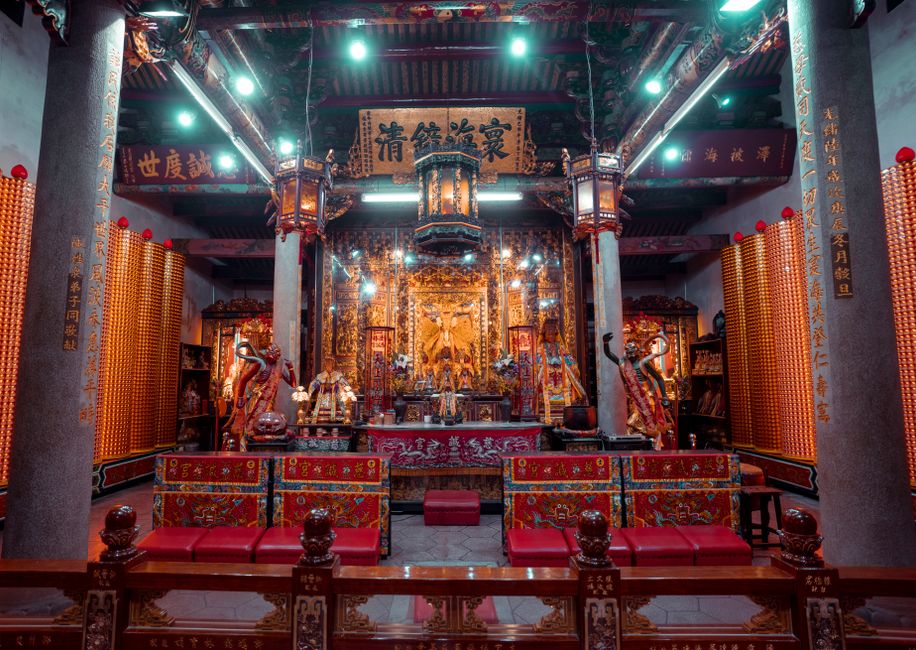
7. Kun Iam Temple's Historic Treaties
Macau Peninsula, Macau
This ancient Buddhist temple, one of Macau's three oldest, was the unexpected site of the first-ever Sino-American treaty in the mid-19th century.
Dedicated to the Goddess of Mercy, Kun Iam Temple is not only a spiritual sanctuary but also a place of significant historical importance. In 1844, the Treaty of Wanghia, the first formal treaty between China and the United States, was signed here. Visitors can see the stone table where the treaty was signed and admire the temple's intricate roof carvings, ancient banyan trees, and a collection of stunning Buddhist statues. It's a peaceful spot that holds a surprising piece of international history.
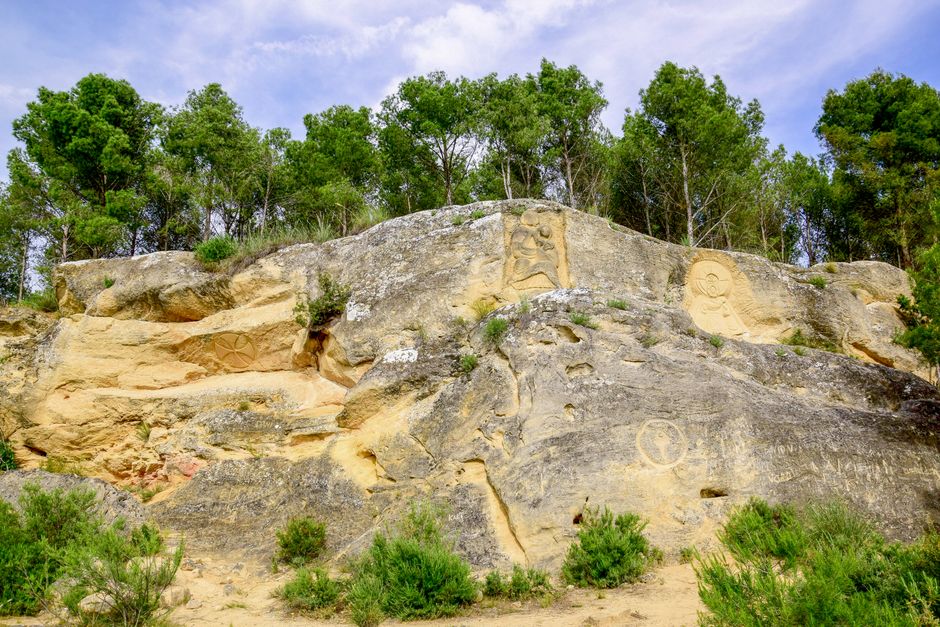
8. Po Toi Island's Ancient Carvings
Po Toi Island, Hong Kong
Venture to Hong Kong's southernmost island, known for its unique rock formations, dramatic coastal trails, and mysterious ancient rock carvings dating back thousands of years.
Po Toi Island offers a rugged escape with stunning sea views and geological curiosities. Its most famous landmark is the "Palm Cliff" (Lo So Hat), a distinctive rock formation resembling a human palm. However, the island's true hidden gems are its ancient rock carvings, etched into coastal rocks, whose exact purpose and origin remain a subject of archaeological debate. The island also features the eerie "Coffin Rock" and a tranquil lighthouse, making it a perfect spot for hiking and contemplation away from the city buzz.
Frequently asked questions
Is it easy to travel between Hong Kong and Macau?
Yes, very easy. High-speed ferries run frequently between Hong Kong and Macau, taking about an hour. The Hong Kong-Zhuhai-Macau Bridge also offers bus services, making the journey quick and efficient for tourists.
What is the best way to experience the cultural differences between Hong Kong and Macau?
To truly grasp their distinct cultures, venture beyond the main tourist hubs. In Hong Kong, explore heritage trails or island communities. For Macau, delve into its historic villages, colonial architecture, and lesser-known temples to appreciate its unique blend of Chinese and Portuguese influences.
Are there any specific etiquette tips for visiting temples or heritage sites in Hong Kong and Macau?
When visiting religious sites, dress respectfully, covering shoulders and knees. Remove hats indoors, speak softly, and avoid pointing with your feet. Always ask permission before taking photos of people, especially monks or worshippers, to show respect.
How can the AllTours.ai app enhance my visit to these hidden gems?
The AllTours.ai app transforms your phone into a personal AI audio tour guide. Simply point your camera at a landmark, a unique geological feature, or an ancient village, and the app will narrate its history, geology, and cultural significance in your preferred language, bringing these hidden stories vividly to life.
Photography via Pexels. AllTours.ai is an AI audio tour guide — point your camera at any landscape and hear its story.