August 28, 2026 · 4 min read
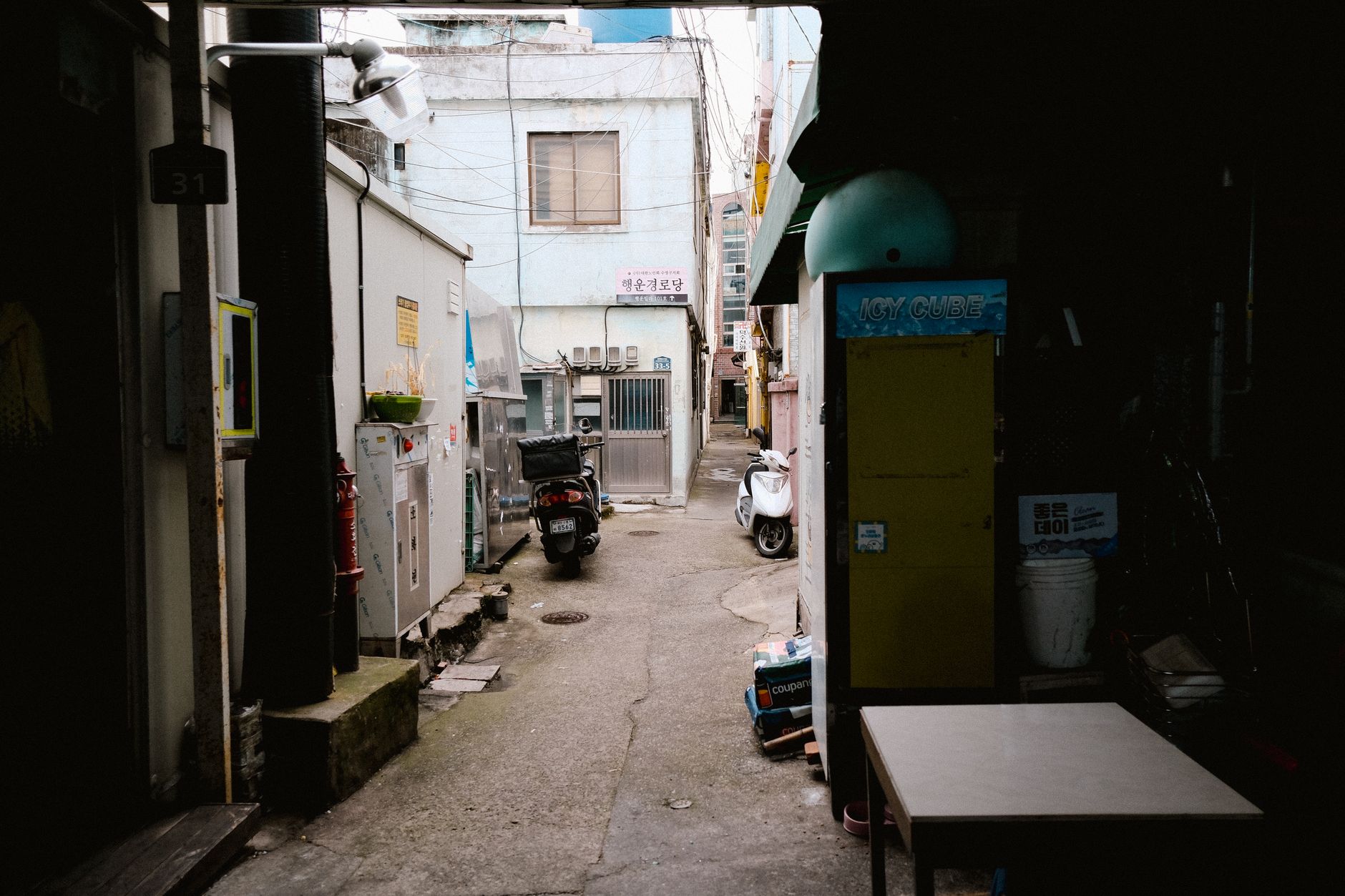
Seoul, a beacon of modernity and safety, rarely conjures images of danger for the modern traveler. Its low crime rates and efficient public services make it one of the safest major cities in the world. Yet, beneath the polished surface of its skyscrapers and bustling markets, Seoul holds layers of history, some marked by hardship, struggle, and profound social or political tension.
This isn't about current crime statistics, but about uncovering the 'dangerous' in a different light: places that carry the weight of difficult pasts, hidden struggles, or dramatic turning points. Join us as we explore the lesser-known corners and streets of Seoul, each with a unique, sometimes somber, story to tell.
1. Seoul's Last Moon Village
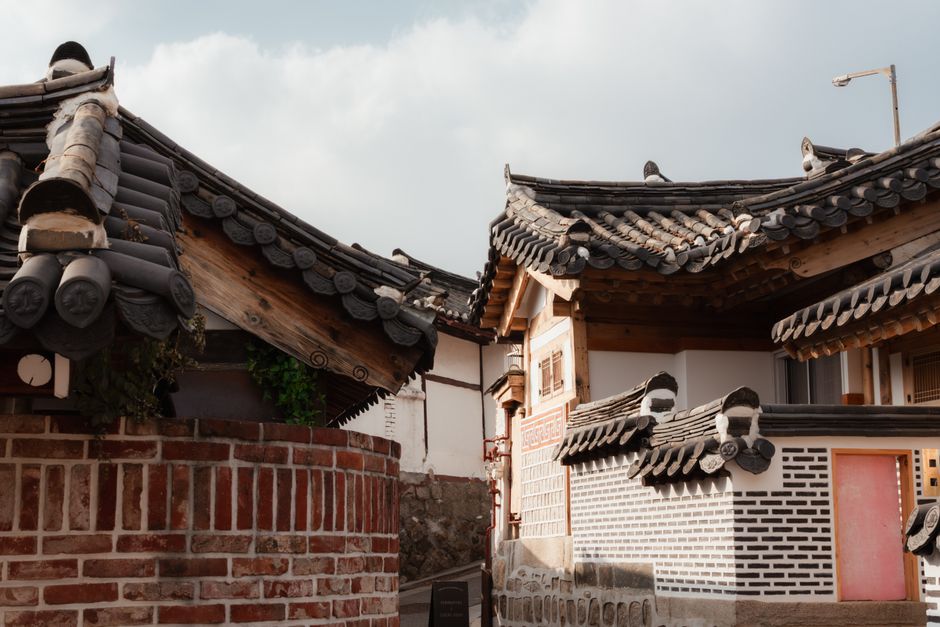
Baeksa Village, Nowon-gu, Seoul, South Korea
Tucked away in northern Seoul, this village is a living relic, a "moon village" where time seems to stand still amidst the city's relentless modernity.
Baeksa Village is one of Seoul's last *daldongne*, hillside communities built by internal migrants seeking work in the mid-20th century. Its narrow alleys and modest homes offer a glimpse into the challenging lives of past generations, a stark contrast to the gleaming skyscrapers below. For decades, residents here faced a precarious existence, often under threat of demolition, making it a poignant symbol of urban hardship.
2. The Ghost Market's Shadowy Origins
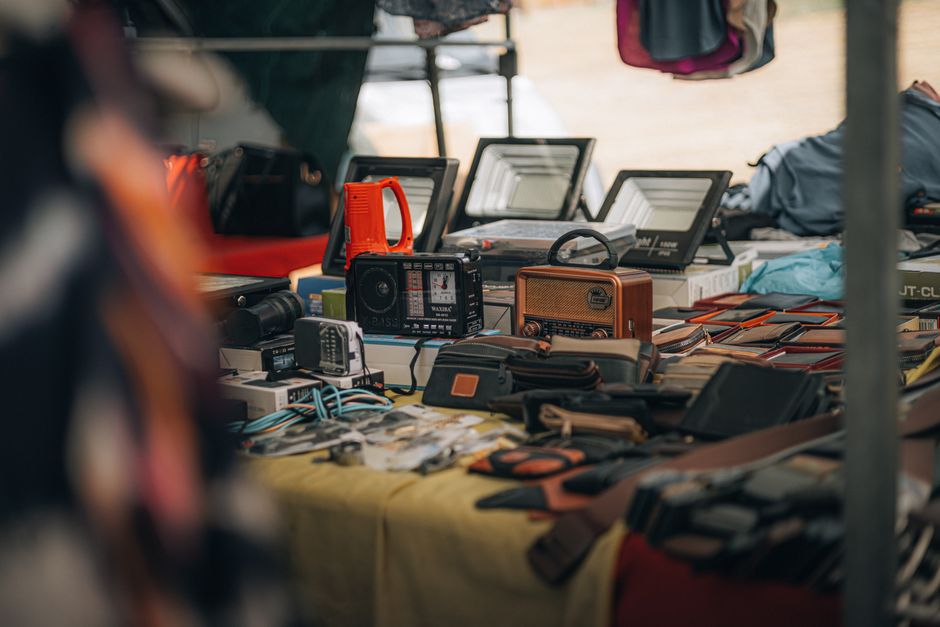
Hwanghak-dong Flea Market, Jung-gu, Seoul, South Korea
Today a treasure trove of antiques, the back alleys of Hwanghak-dong once formed the core of a thriving black market born from post-war desperation.
In the chaotic aftermath of the Korean War, Hwanghak-dong's "Dokkaebi Market" (Goblin Market) became notorious for selling anything and everything – from military surplus to goods of dubious origin. These labyrinthine alleys were a place where people bartered for survival, a testament to the resourcefulness and hardship of a nation rebuilding itself. The echoes of illicit trade and desperate transactions still linger, if you know where to look.
3. A Sanctuary of Defiance
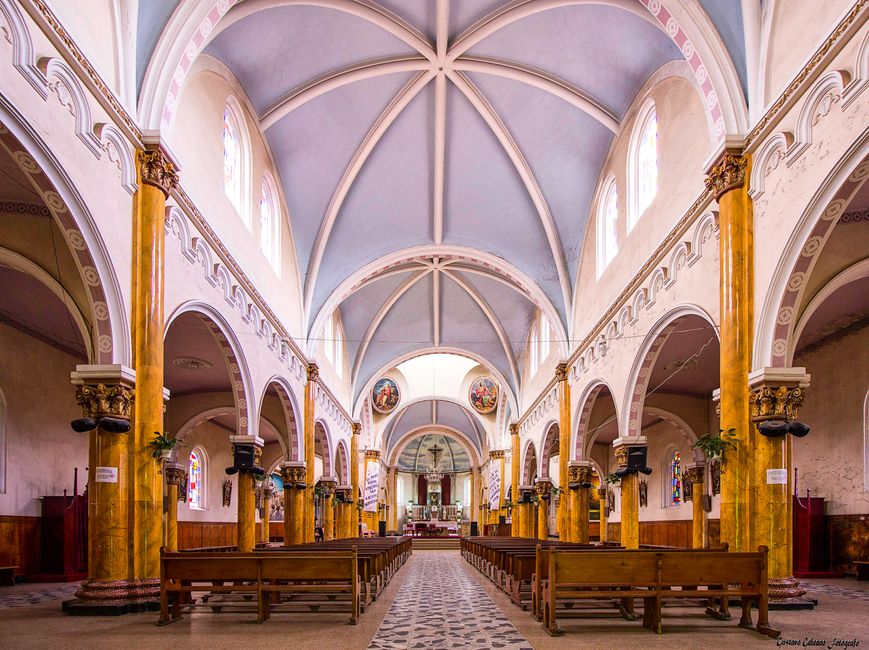
Myeongdong Cathedral, Jung-gu, Seoul, South Korea
Beneath the peaceful Myeongdong Cathedral lies a network of underground shelters that served as a dangerous last refuge for democracy activists during Korea's turbulent past.
While a spiritual landmark, Myeongdong Cathedral played a pivotal role in South Korea's democratization movement. Its grounds, and especially its underground spaces, became a haven for students and dissidents fleeing authoritarian regimes. Here, tense standoffs between activists and police often unfolded, making these hidden depths a site of profound courage and peril, where the fight for freedom was literally taken underground.
4. The Steep Path of Labor
Changsin-dong, Jongno-gu, Seoul, South Korea
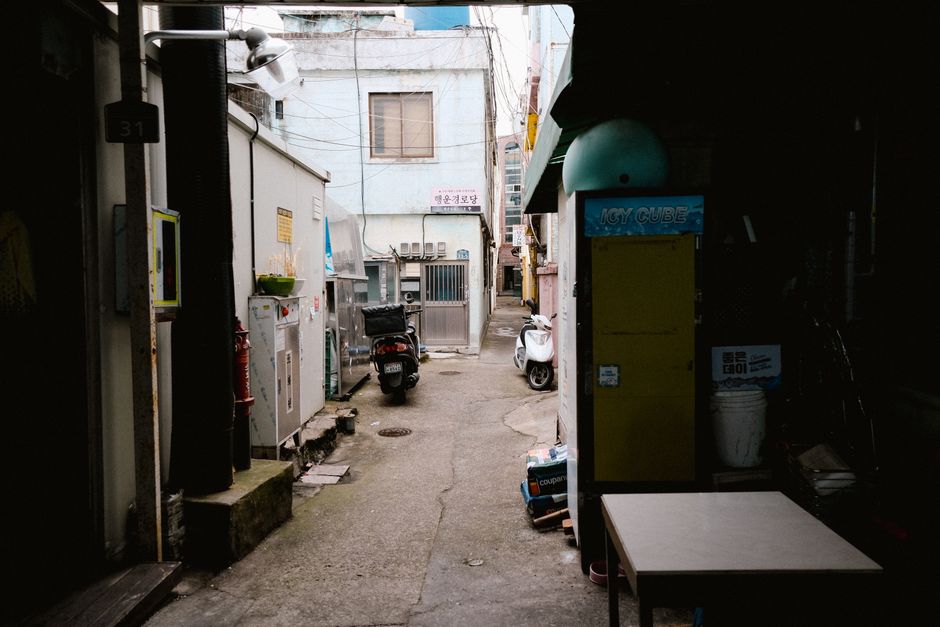
Tucked behind Dongdaemun, the steep, winding alleys of Changsin-dong tell the story of countless garment workers who powered Korea's industrial rise, often under grueling conditions.
Changsin-dong was the heart of Seoul's garment industry, a district where small workshops toiled day and night. The narrow, uphill paths were traversed daily by workers carrying heavy loads, a physical manifestation of their arduous lives. This neighborhood represents the often-overlooked human cost of Korea's rapid economic development, a place of relentless labor and community resilience that shaped modern Seoul.
5. Gangnam's Hidden Disparity
Guryong Village, Gangnam-gu, Seoul, South Korea
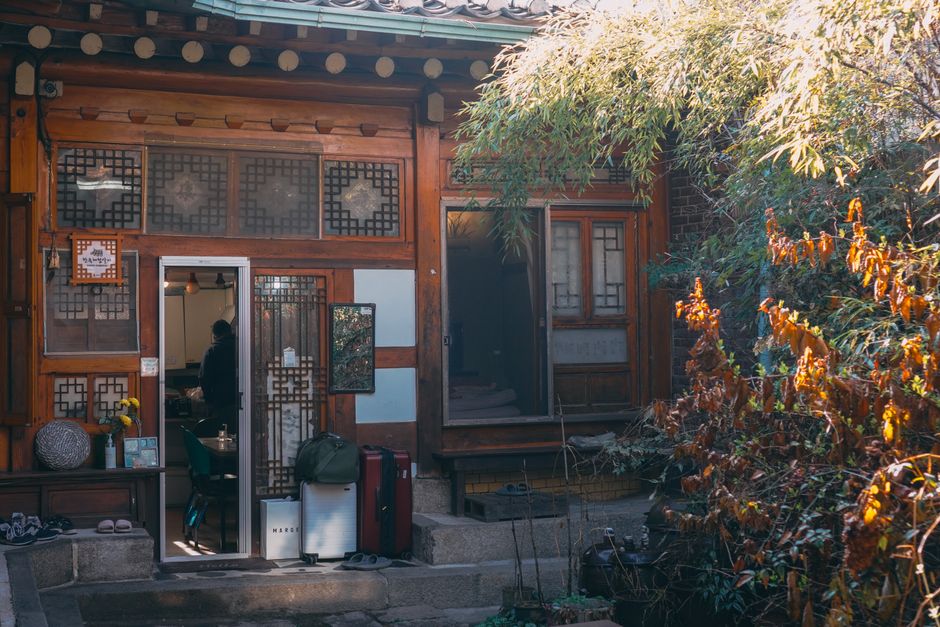
Just a stone's throw from Gangnam's glittering towers, Guryong Village is Seoul's last major informal settlement, a stark and precarious reminder of the city's wealth divide.
Guryong Village stands in jarring contrast to its ultra-affluent surroundings. Established by displaced persons in the 1980s, its makeshift homes and unpaved alleys represent a constant struggle for dignity and basic services. Residents live with the perpetual threat of eviction, making their daily existence a precarious dance on the edge of Seoul's economic boom, a poignant symbol of inequality.
6. Echoes of Resistance and Repression
Mapo Art Center (former Mapo Prison site), Mapo-gu, Seoul, South Korea
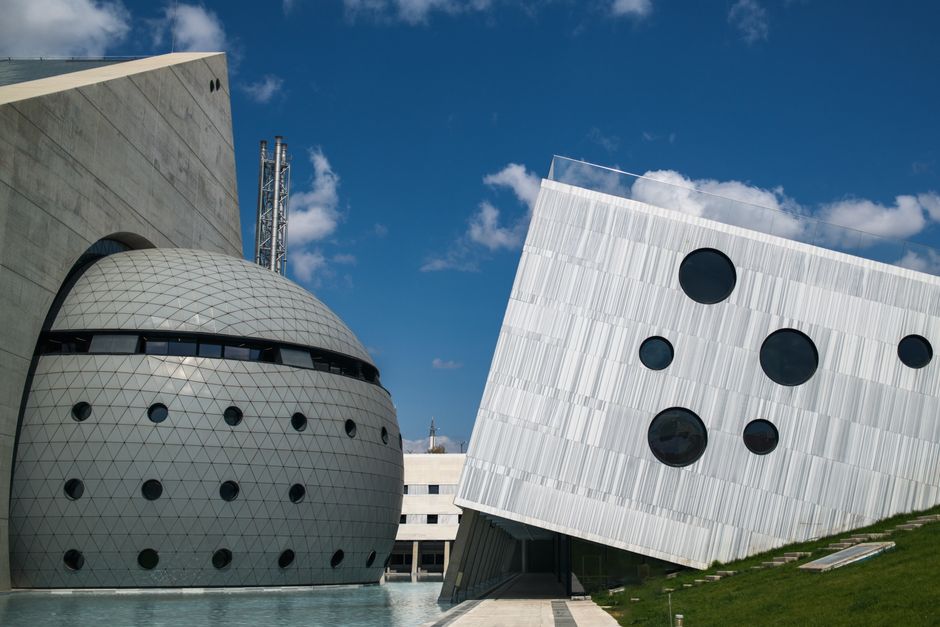
Now a cultural center, this site once housed Mapo Prison, a place of profound suffering for political prisoners during the Japanese colonial rule and later authoritarian regimes.
Less famous than Seodaemun Prison, Mapo Prison nonetheless played a significant, dark role in Korea's modern history. It confined independence activists, intellectuals, and political dissidents, many of whom faced brutal interrogation and harsh conditions. While the prison structures are gone, the ground beneath still whispers tales of resistance and repression, a somber reminder of the price of freedom.
7. Liberation's Steep Ascent
Haebangchon, Yongsan-gu, Seoul, South Korea
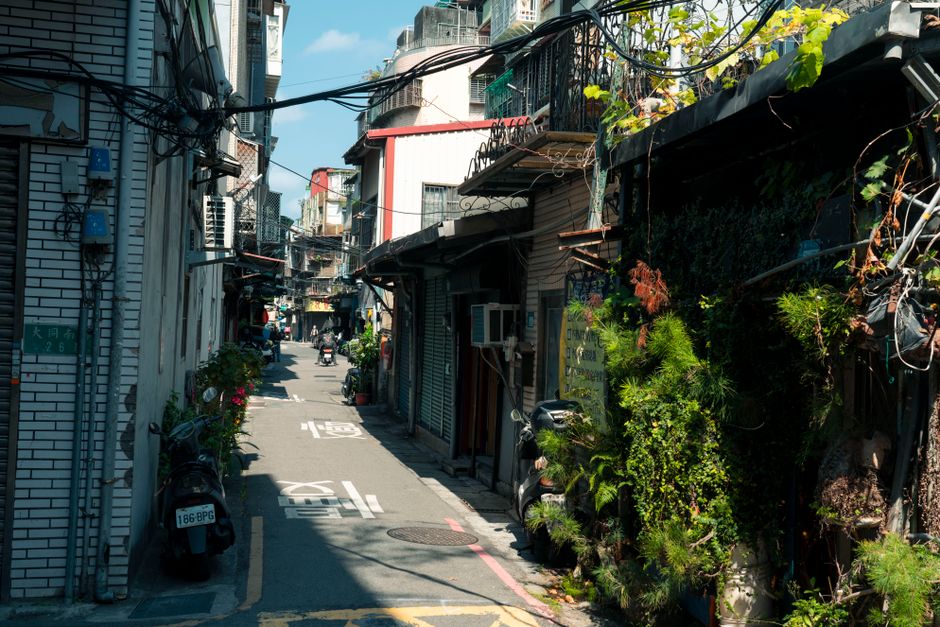
Known as "Liberation Village," Haebangchon's winding, steep streets were first settled by refugees and returnees after World War II and the Korean War, forging a community out of profound hardship.
Perched on a hillside overlooking Yongsan, Haebangchon became a haven for those seeking a new start after national liberation and the devastation of war. Its challenging topography mirrored the struggles of its early residents, who built homes from scrap materials. The narrow, often unpaved paths speak to a community forged in adversity, where every step upwards was a step towards rebuilding a life.
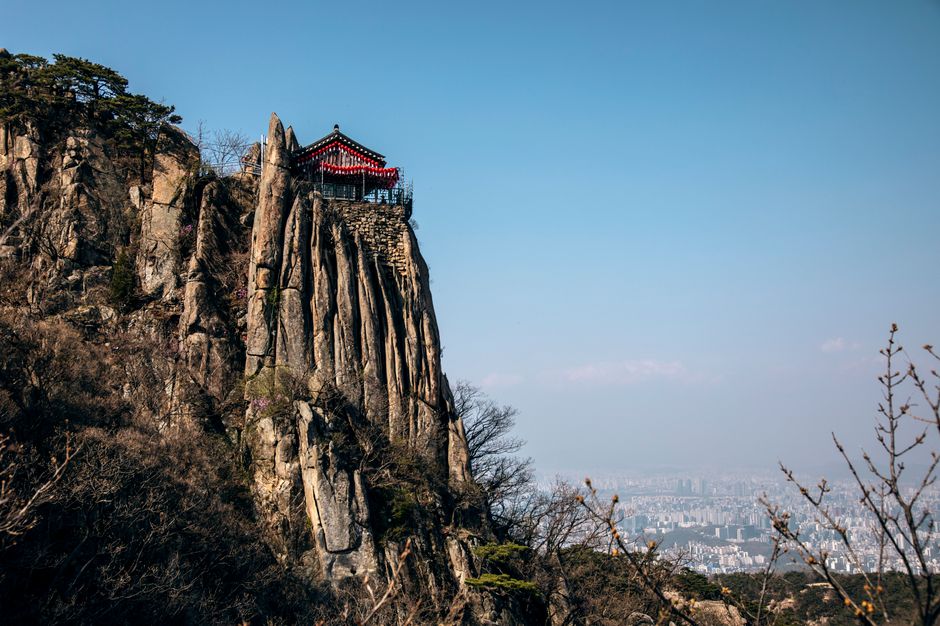
8. Inwangsan's Mystical Shadows
Inwangsan Mountain Trails (near Muak-dong), Jongno-gu, Seoul, South Korea
More than just a hiking spot, Inwangsan is Seoul's spiritual guardian mountain, with specific trails and rock formations steeped in shamanistic rituals and ancient, sometimes eerie, folklore.
Inwangsan has long been considered a sacred mountain, a powerful spiritual site for shamans and a place where ancient rituals are still performed. Its rugged trails, hidden valleys, and unusual rock formations are said to be imbued with spiritual energy, attracting those seeking connection to the unseen world. While not physically dangerous, the mountain evokes a sense of ancient mystery and the profound, sometimes unsettling, power of the natural world.
Frequently asked questions
Is Seoul generally safe for tourists?
Yes, Seoul is renowned as one of the safest major cities in the world. Violent crime is extremely rare, and tourists can generally feel secure exploring its vibrant neighborhoods, even at night.
What are the common scams to look out for in Seoul?
While rare, minor scams can occur. Be wary of inflated taxi fares (ensure meters are used), illicit massage parlors, or overly aggressive street vendors. Always verify prices and use official services.
How can I learn more about the hidden histories of Seoul's places?
Beyond guidebooks, engaging with local historians, visiting specialized museums, or exploring less-traveled neighborhoods can reveal deeper stories. Many historical sites have detailed plaques, but truly hidden narratives require a curious eye.
How does the AllTours.ai app work?
The AllTours.ai app is your personal AI audio tour guide. Simply point your phone camera at any landscape or landmark, and the app will instantly narrate its rich history, geology, and culture in your preferred language, bringing the stories of Seoul to life.
Photography via Pexels. AllTours.ai is an AI audio tour guide — point your camera at any landscape and hear its story.