September 10, 2026 · 4 min read
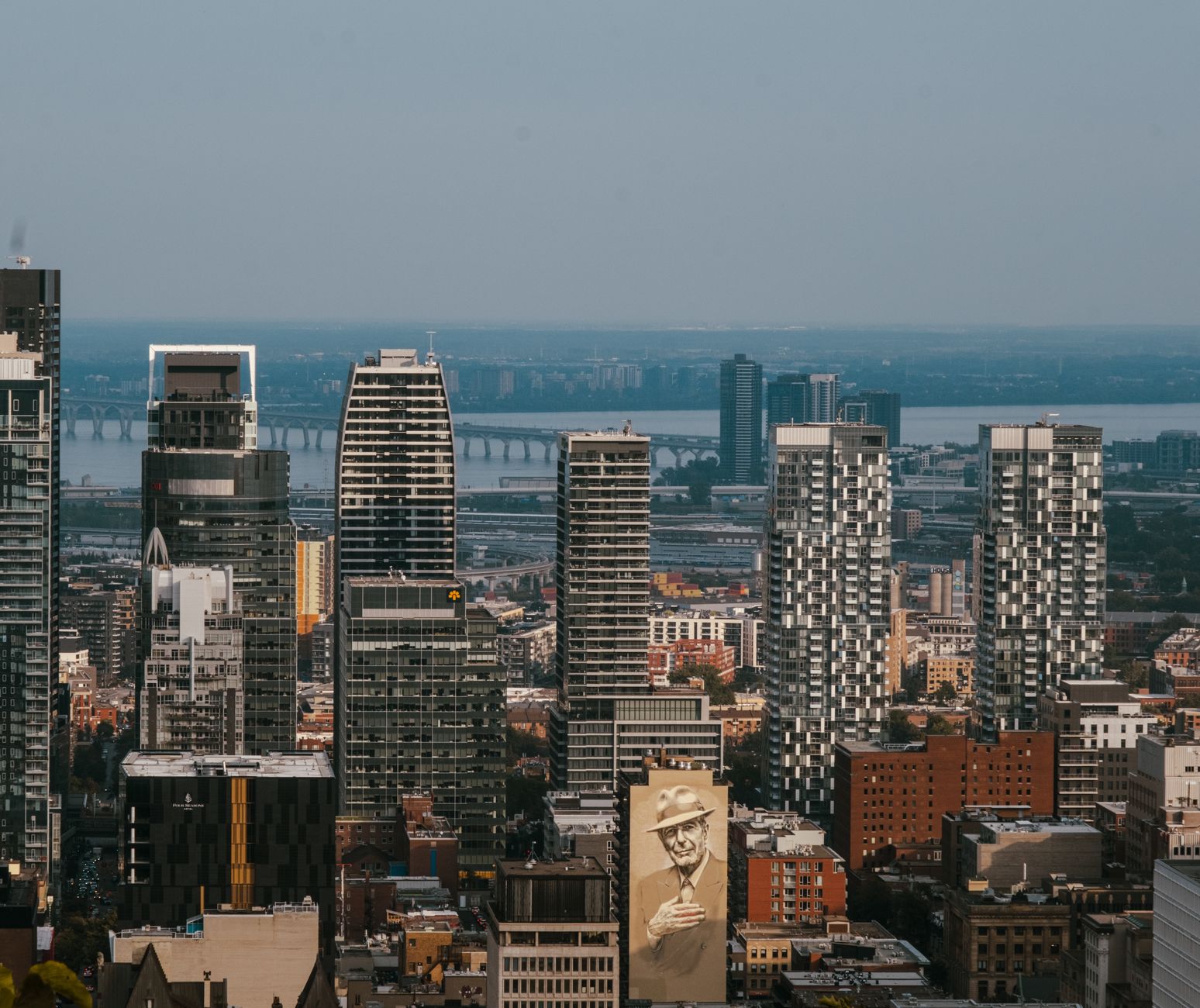
Montreal is a city that captivates with its European charm, vibrant culture, and delicious food. Millions flock to its iconic landmarks, stroll through Old Montreal, and climb Mount Royal. But what if we told you that beneath the well-trodden paths lies a trove of genuinely surprising stories, hidden histories, and lesser-known marvels?
The Island of Montreal is a tapestry woven with centuries of human endeavor, geological shifts, and cultural evolution. Beyond the usual tourist spots, there are specific places that hold extraordinary tales, waiting to be discovered. If you're wondering "What are some of the most interesting facts about the Island of Montreal?" then prepare to delve deeper than ever before.
1. The Lost Molasses Faubourg
Montreal, Canada
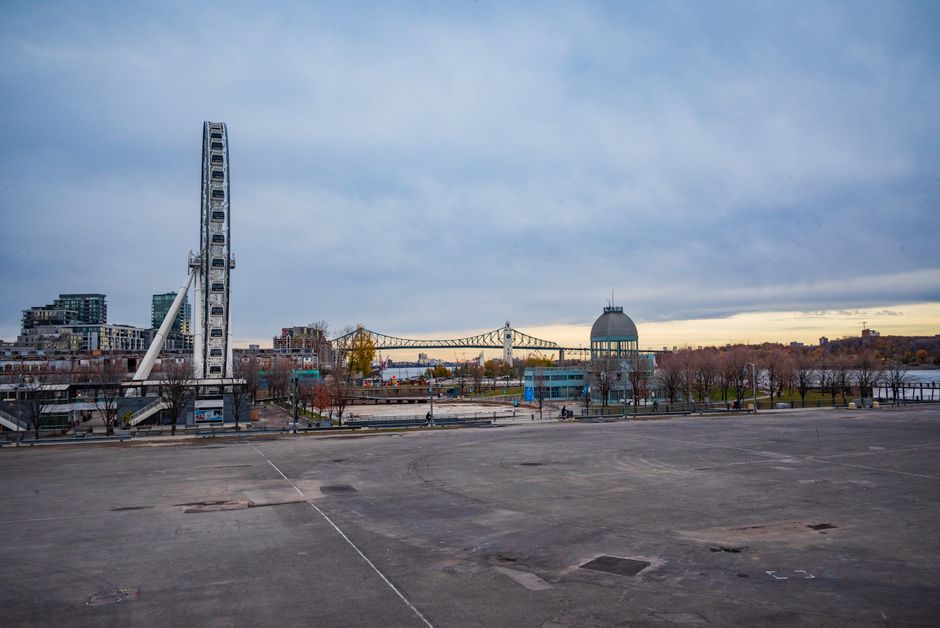
A vibrant working-class neighborhood once thrived near the Jacques Cartier Bridge, only to vanish entirely, its name a curious echo of a sticky accident.
Before the Jacques Cartier Bridge dominated the skyline, a bustling district known as the "Faubourg à m'lasse" (Molasses Faubourg) animated the city's east end. This working-class community earned its unusual moniker from a massive molasses spill that once coated its streets. Tragically, in the mid-20th century, the entire faubourg was razed during a controversial urban renewal project, erasing generations of homes and history, leaving only photographic memories and a haunting legend.
2. The Lachine Canal's Industrial Ghost
Lachine Canal National Historic Site, Montreal, Canada
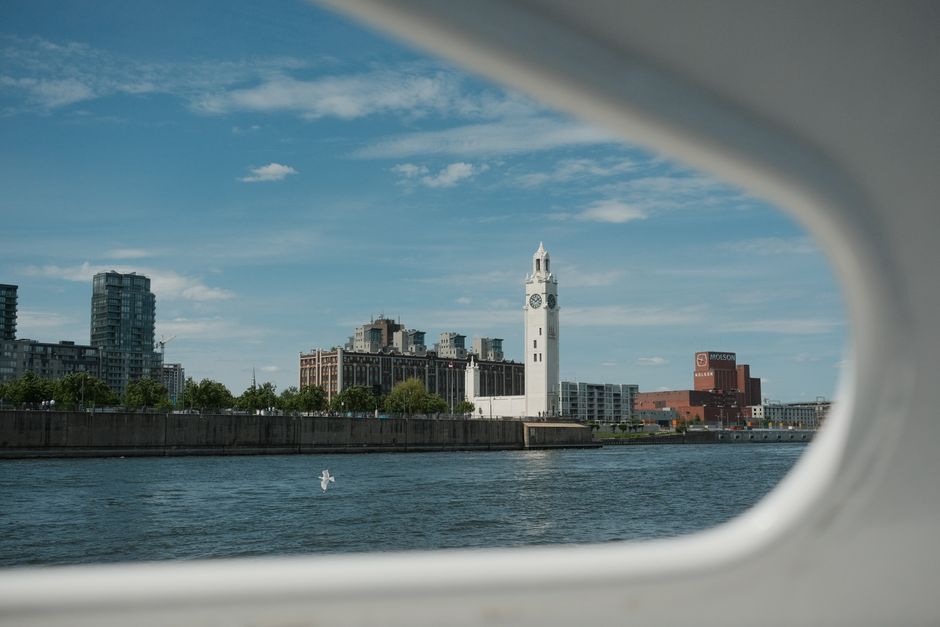
Beyond its scenic bike paths, the Lachine Canal was once the thumping heart of Canada's industrial revolution, fueling a forgotten economic boom.
Today, the Lachine Canal is a tranquil waterway perfect for cycling and strolls, but its past is far grittier. For over a century, this canal was the engine of Montreal's industrial might, linking the Great Lakes to the Atlantic. Mills, factories, and foundries lined its banks, transforming Montreal into a manufacturing powerhouse. Look closely at the surviving stone buildings and you can still sense the echoes of a bustling industrial era, a testament to the thousands of workers who shaped Canada's early economy here.
3. Montreal's Deepest Foundations
Pointe-à-Callière, Montreal, Canada
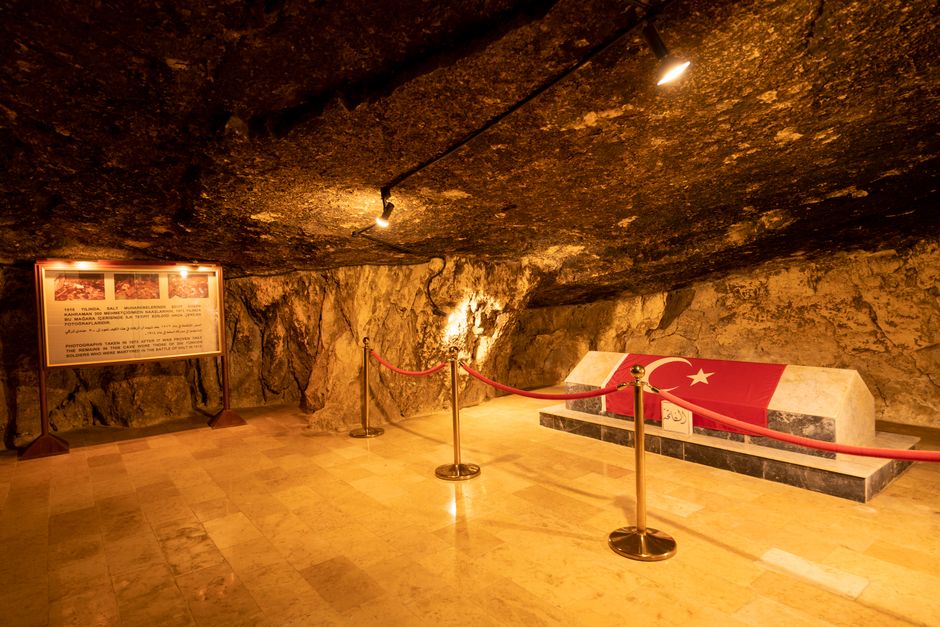
Beneath the modern city streets lies an extraordinary archaeological crypt, where visitors can walk through the very layers of Montreal's birth and evolution.
While Pointe-à-Callière is a renowned museum, its most captivating feature is arguably the archaeological crypt beneath the main pavilion. Here, visitors descend below ground to traverse the actual foundations of the city, from the remnants of its first permanent settlement, Fort Ville-Marie, to the original sewage system and the foundations of later buildings. It's a unique opportunity to witness the physical strata of centuries of urban development, revealing how Montreal literally rose from its own past.
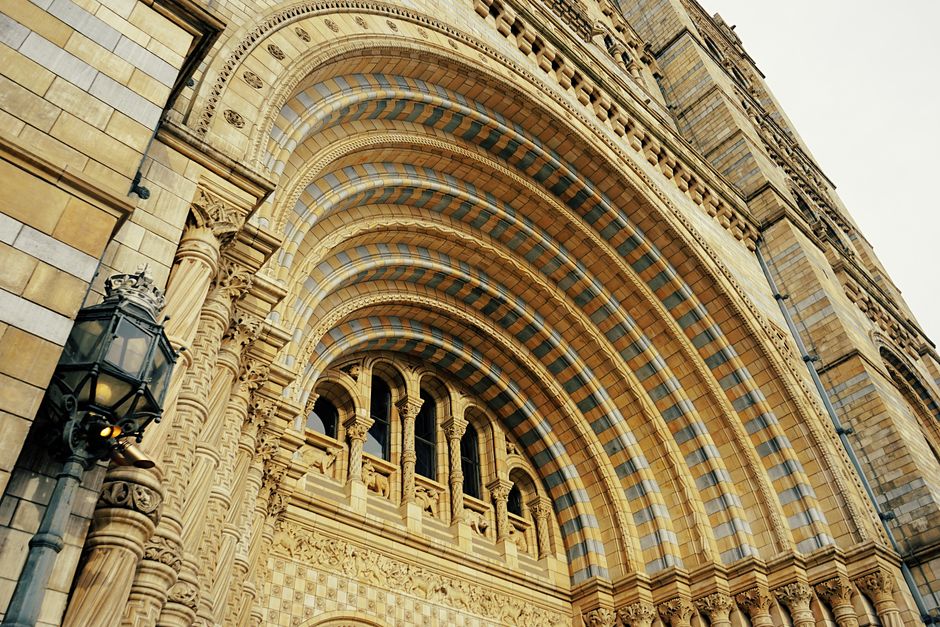
4. The Victorian Temple of Knowledge
Redpath Museum, Montreal, Canada
This grand McGill University museum isn't just a repository of artifacts; it was conceived as a public "temple of knowledge," designed to inspire awe and education in the Victorian era.
Tucked away on the McGill University campus, the Redpath Museum stands as a stunning example of Victorian architecture, blending Romanesque and Egyptian Revival styles. Opened in 1882, it was Canada's first purpose-built university museum, intended by its founder, Peter Redpath, as a gift to the public for scientific education. Its grand halls, filled with dinosaur skeletons, mummies, and geological wonders, reflect a 19th-century belief in the power of public institutions to enlighten and uplift, a true "temple of knowledge."

5. Mount Royal's Wild Design
Mount Royal Park, Montreal, Canada
The seemingly natural wilderness of Mount Royal Park was, in fact, a deliberate masterpiece of landscape architecture, designed by the visionary behind New York's Central Park.
While many see Mount Royal Park as a natural escape, its design is the deliberate genius of Frederick Law Olmsted, the same landscape architect behind New York's Central Park. Olmsted's vision, completed in the late 19th century, was to create a park that felt wild and untamed, a sharp contrast to the formal European gardens popular at the time. He carefully sculpted paths, planted specific flora, and preserved panoramic views, ensuring the mountain remained a rugged, accessible sanctuary for urban dwellers, a testament to thoughtful urban planning.
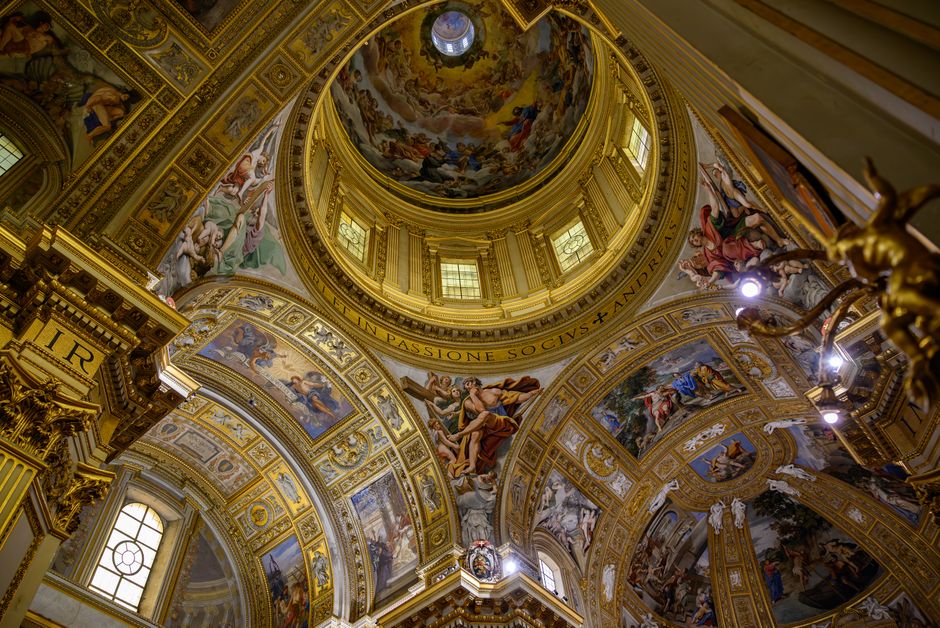
6. Little Italy's Sacred Art
Madonna della Difesa Church, Montreal, Canada
Deep within Montreal's Little Italy stands a church adorned with stunning frescoes that tell not only religious stories but also the vibrant, complex history of Italian immigration and identity in Canada.
The Church of Notre-Dame-de-la-Défense (Madonna della Difesa) in Little Italy is more than just a place of worship; it's a living canvas documenting a community's journey. Its breathtaking frescoes, painted by Guido Nincheri, depict traditional religious scenes alongside unique historical elements. Notably, one fresco features Benito Mussolini on horseback, a controversial detail that reflects the complex political allegiances of the Italian-Canadian community in the 1930s. This church offers a rare, nuanced glimpse into the cultural tapestry of Montreal's Italian diaspora.
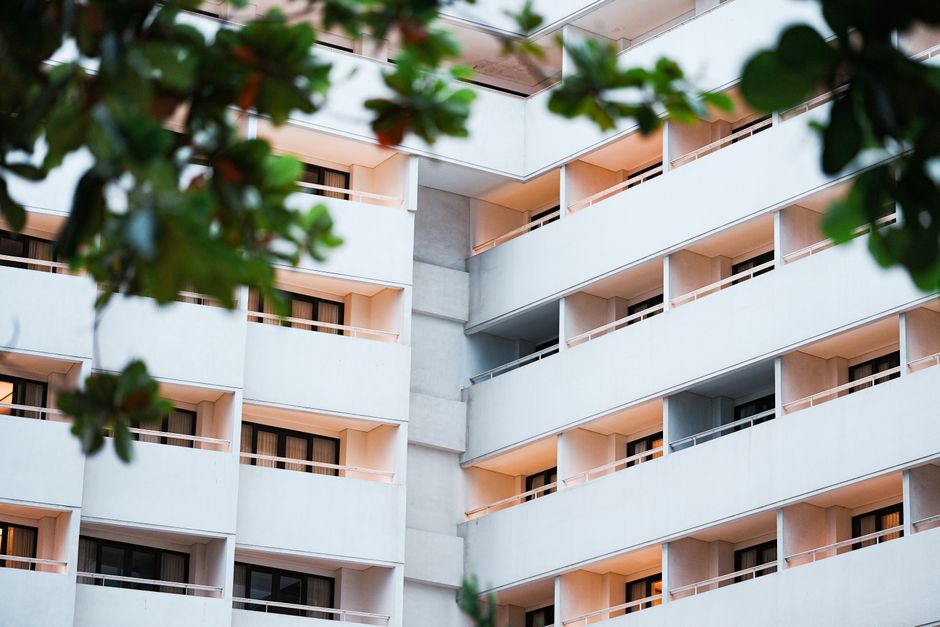
7. A Vision of the Future, Built
Habitat 67, Montreal, Canada
This iconic concrete complex, seemingly a collection of stacked blocks, was a radical experiment in urban living, conceived for Expo 67 to rethink the very nature of modern housing.
Perched on the Marc-Drouin Quay, Habitat 67 is not just an architectural marvel but a powerful statement on utopian urbanism. Designed by architect Moshe Safdie for Expo 67, this residential complex aimed to integrate the advantages of suburban homes—gardens, fresh air, privacy—into a high-density urban environment. Each of its 354 pre-fabricated concrete modules is stacked and interlocked to create unique living spaces with terraces and natural light, a bold, lasting testament to a future-forward vision of community living.
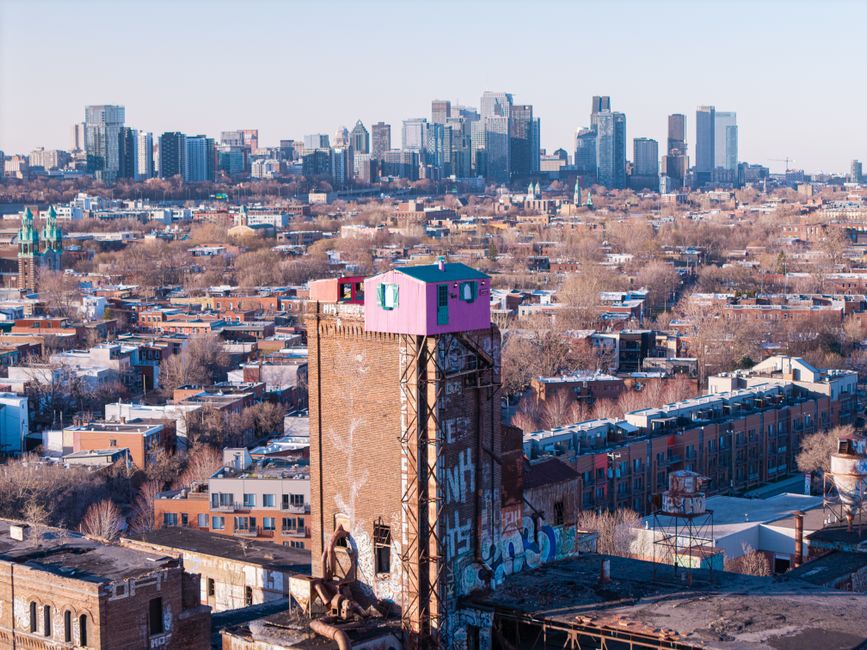
8. The Plateau's Charming "Shoebox" Homes
Le Plateau-Mont-Royal, Montreal, Canada
Scattered throughout the Plateau are charming, narrow "shoebox" houses, whose distinctive architecture tells a tale of efficient urban development and the city's unique working-class heritage.
Wander through the leafy streets of Le Plateau-Mont-Royal and you'll spot them: the distinctive "shoebox" houses. These narrow, single-story homes, often with colorful facades and flat roofs, emerged in the late 19th and early 20th centuries as an ingenious solution to dense urban living. Designed for small plots of land, they offered affordable housing for working-class families, maximizing space while maintaining a distinctive architectural charm. They remain a beloved and iconic feature of the Plateau's streetscapes, embodying a unique piece of Montreal's urban history.
Frequently asked questions
What makes Montreal unique compared to other Canadian cities?
Montreal stands out with its strong French culture, historical European charm, and vibrant arts scene, blended with North American modernity. It's the only major Canadian city where French is the official language, creating a distinct bilingual environment and cultural richness.
Is Montreal an island city?
Yes, Montreal is primarily located on the Island of Montreal, which is the largest island in the Hochelaga Archipelago, situated at the confluence of the Saint Lawrence and Ottawa Rivers. This geographical setting has profoundly shaped its history, development, and strategic importance.
What are some hidden gems in Montreal?
Beyond the well-known sights, hidden gems include the intricate frescoes of Madonna della Difesa Church, the archaeological crypt beneath Pointe-à-Callière, and the unique architecture of the "shoebox" houses in the Plateau. Exploring these lesser-known spots reveals deeper layers of the city's story.
How can AllTours.ai help me explore Montreal's hidden facts?
AllTours.ai enhances your exploration by turning your phone into an AI-powered audio tour guide. Simply point your camera at any landmark or landscape, and the app will instantly narrate its history, geology, and culture in your language, bringing these fascinating facts to life right where you stand.
Photography via Pexels. AllTours.ai is an AI audio tour guide — point your camera at any landscape and hear its story.