July 14, 2026 · 4 min read
Singapore's reputation as a meticulously planned, green, and efficient metropolis is globally recognized. It’s no wonder that cities worldwide seek its expertise in tackling everything from rapid urbanization to climate change challenges. But beyond the headlines, where exactly are these collaborations taking shape?
Often, the most fascinating transformations aren't in the most famous global capitals, but in developing urban centers and ambitious new cities. We've uncovered some genuinely surprising places where Singapore's influence is quietly helping to write the next chapter of urban living, each with its own incredible story.
1. From Toxic Sludge to Thriving Green
Tianjin Eco-City, China
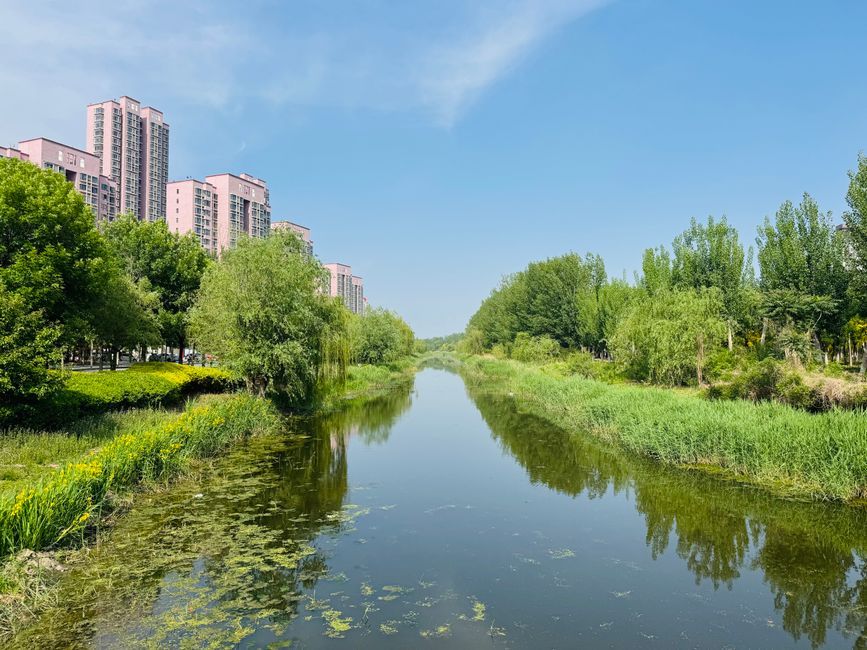
A central park in Tianjin Eco-City now flourishes on land once deemed too contaminated for any life to survive.
The Sino-Singapore Tianjin Eco-City was built on heavily polluted land, including a former salt pan and a wastewater pond. Engineers faced the monumental task of remediating soil and water to create a habitable environment. Today, the city boasts a central ecological park where native plants thrive, a testament to innovative environmental engineering that transformed a toxic landscape into a model of sustainability.
2. A City that Breathes with the Monsoon
Amaravati, India
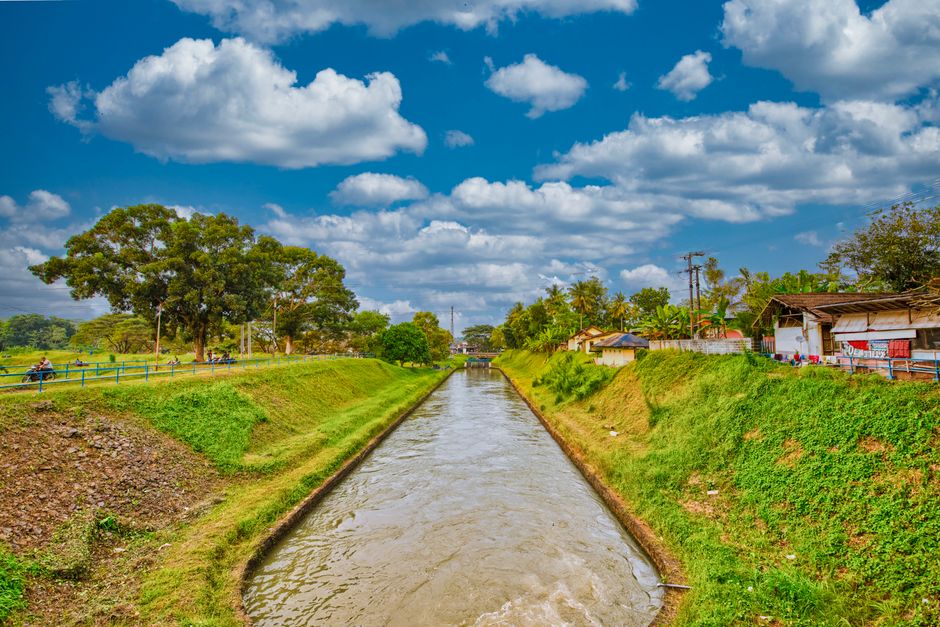
Amaravati, India's new capital, is designed with an intricate canal system that allows the entire city to expand and contract with the annual monsoon floods.
Located in the flood-prone Krishna River delta, Amaravati's master plan incorporates a unique 'green-blue' infrastructure. Instead of fighting the river, the city's design integrates a network of canals and green spaces that manage floodwaters naturally, inspired by ancient delta settlements. This allows the city to gracefully accommodate seasonal inundations, preserving both its environment and its functionality.
3. Kigali's Car-Free Community Day
Kigali, Rwanda
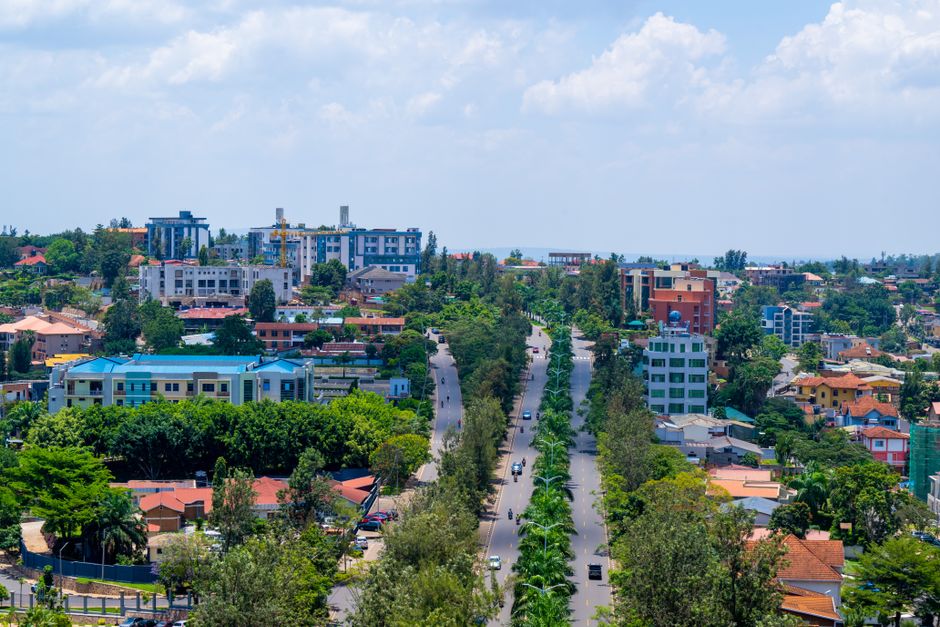
Every last Saturday of the month, Kigali residents participate in 'Umuganda,' a nationwide community service day where entire streets become car-free for collective clean-up and development.
Kigali has become renowned for its cleanliness and efficient urban management, partly due to Singaporean collaboration on its master plan. The spirit of community is deeply ingrained, exemplified by Umuganda. On these days, traffic halts, and citizens gather to sweep streets, plant trees, or build infrastructure, fostering a profound sense of shared ownership and civic pride in their city's upkeep.
4. The Smart City's Central Brain
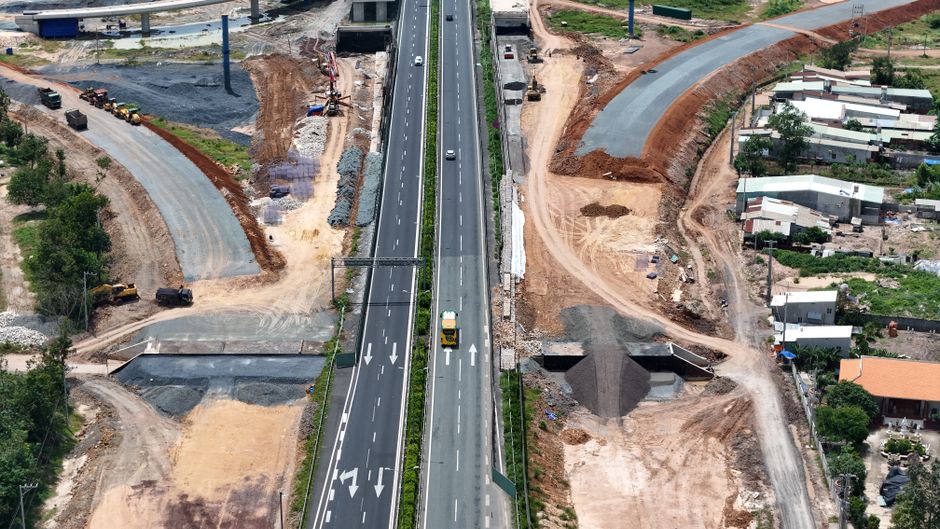
Binh Duong New City, Vietnam
Binh Duong New City boasts a central 'Smart Operations Center' that integrates real-time data from across the city, aiming to predict urban challenges before they arise.
Envisioned as a high-tech economic hub, Binh Duong New City leverages advanced technology for urban governance. Its command center collects data from traffic sensors, security cameras, and environmental monitors. This allows city planners and emergency services to make informed decisions rapidly, from optimizing traffic flow to managing public safety, striving for a truly responsive urban environment.
5. Rice Paddies to High-Tech Waterfront
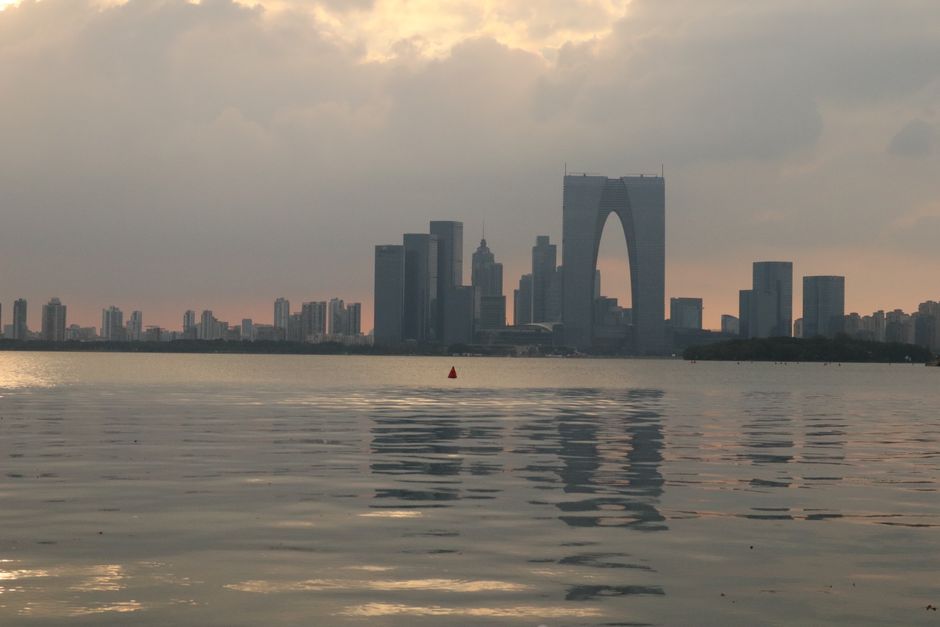
Suzhou Industrial Park, China
Jinji Lake, once a simple agricultural reservoir, was meticulously re-engineered to become the vibrant, modern centerpiece of a major industrial park in Suzhou.
The Suzhou Industrial Park (SIP), a flagship Singapore-China collaboration, transformed vast tracts of farmland into a bustling high-tech manufacturing and R&D hub. Jinji Lake, central to the SIP, underwent significant redesign. Its shores now host commercial complexes, cultural venues, and meticulously landscaped parks, showcasing how natural features can be integrated and revitalized within a modern urban blueprint.
6. Ancient Design, Future Cooling
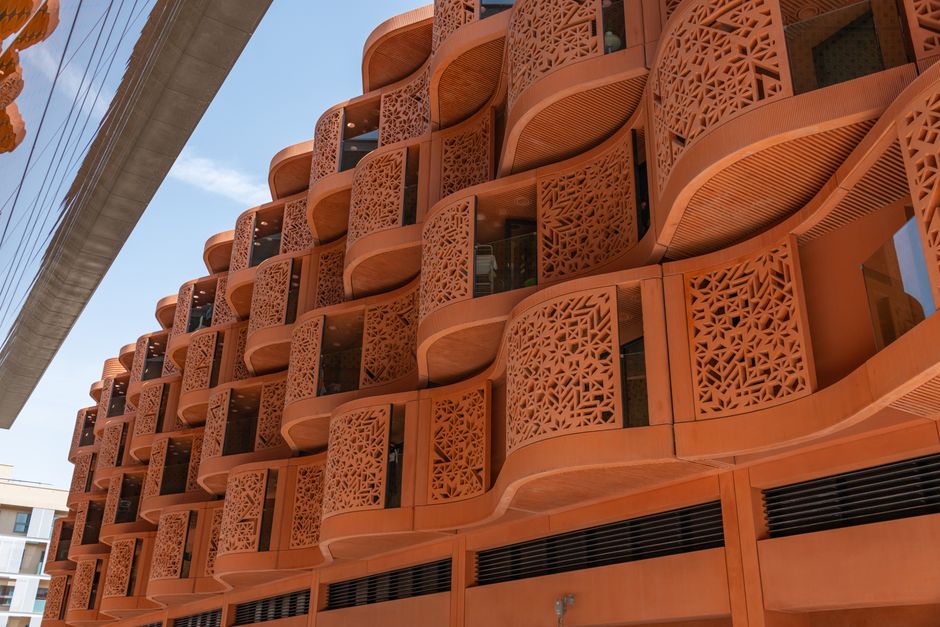
Masdar City, Abu Dhabi, UAE
Masdar City’s iconic wind-catcher tower, though ultra-modern, draws its cooling principles directly from traditional Arabian architecture dating back centuries.
Masdar City is a pioneering attempt at a zero-carbon, zero-waste urban environment in the desert. Its distinctive wind-catcher tower is not just an aesthetic feature. It funnels cool breezes down into the streets below, creating naturally air-conditioned public spaces. This ingenious design harks back to ancient Middle Eastern architectural techniques, proving that sustainable innovation can blend seamlessly with historical wisdom.
7. Protecting a Delta with Mangroves
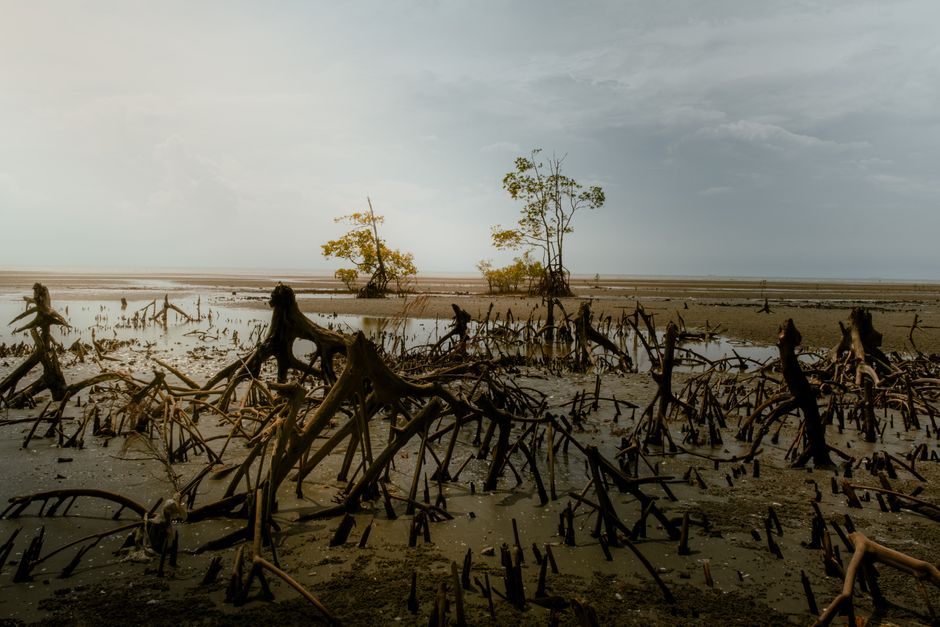
New Yangon City, Myanmar
The ambitious New Yangon City project aims to integrate mangrove restoration into its urban fabric to provide natural protection against rising sea levels and storm surges.
Myanmar's largest city, Yangon, faces significant challenges with rapid urbanization and climate change. The proposed New Yangon City, intended to relieve congestion, is being planned with a strong environmental focus, including Singaporean input. The strategy involves preserving and enhancing natural mangrove ecosystems along the riverbanks, recognizing their crucial role as a buffer against coastal erosion and flooding, turning nature into a key urban defense.
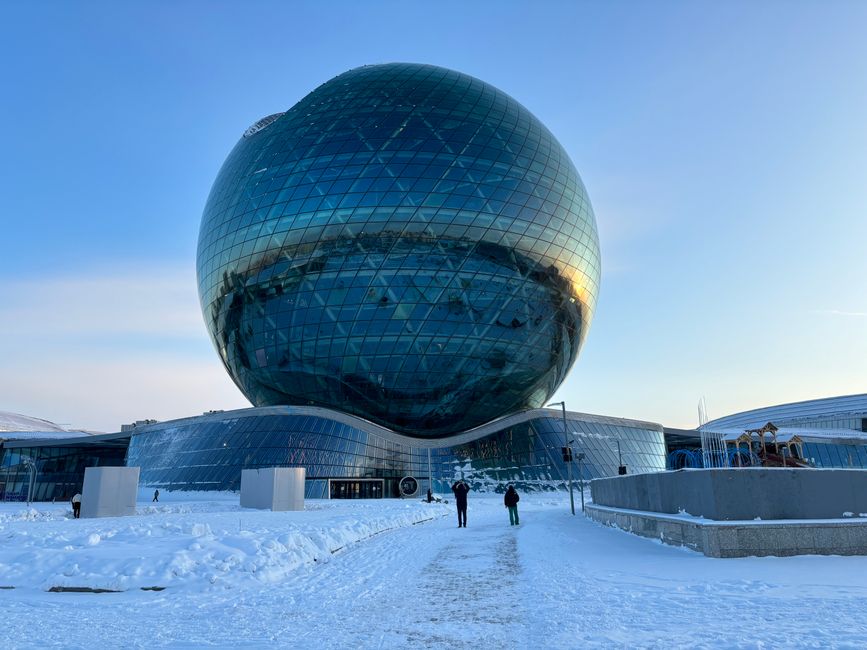
8. Astana's Winter Windbreakers
Astana (Nur-Sultan), Kazakhstan
Astana's expansive green belts are not merely decorative; they are strategically planted to act as natural windbreaks against the fierce, biting winds of the Kazakh steppe winters.
Kazakhstan's capital, Astana (now Nur-Sultan), was built from scratch on the vast, windswept steppe, known for its extreme climate. Singapore's urban planning advice contributed to the city's green infrastructure. Beyond aesthetics, these green belts serve a vital function: mitigating the impact of severe winter blizzards and strong winds, creating a more comfortable and livable urban environment in a challenging natural setting.
Frequently asked questions
What makes Singapore's urban planning model unique?
Singapore's model, often called "sustainable pragmatism," combines long-term strategic planning with a focus on livability, green spaces, water management, and smart technology. Its integrated approach considers economic, social, and environmental factors simultaneously.
How does Singapore share its urban planning knowledge with other cities?
Singapore shares its expertise through various platforms, including government-to-government partnerships, capacity-building programs, and consulting services. Institutions like the Centre for Liveable Cities play a key role in knowledge transfer and research collaborations.
Are these collaborations always about building new cities from scratch?
Not always. While some projects involve new city developments, many collaborations focus on enhancing existing urban areas. This can include improving public transport, developing sustainable water solutions, revitalizing old districts, or implementing smart city technologies within established urban fabrics.
How can I learn more about these fascinating urban transformations on location?
While guidebooks offer a good start, the best way to truly understand a place's story is to experience it firsthand. Apps like AllTours.ai allow you to point your phone camera at a landmark or landscape, and it will narrate its history, geology, and culture right in your language, bringing these stories to life.
Photography via Pexels. AllTours.ai is an AI audio tour guide — point your camera at any landscape and hear its story.