July 14, 2026 · 4 min read
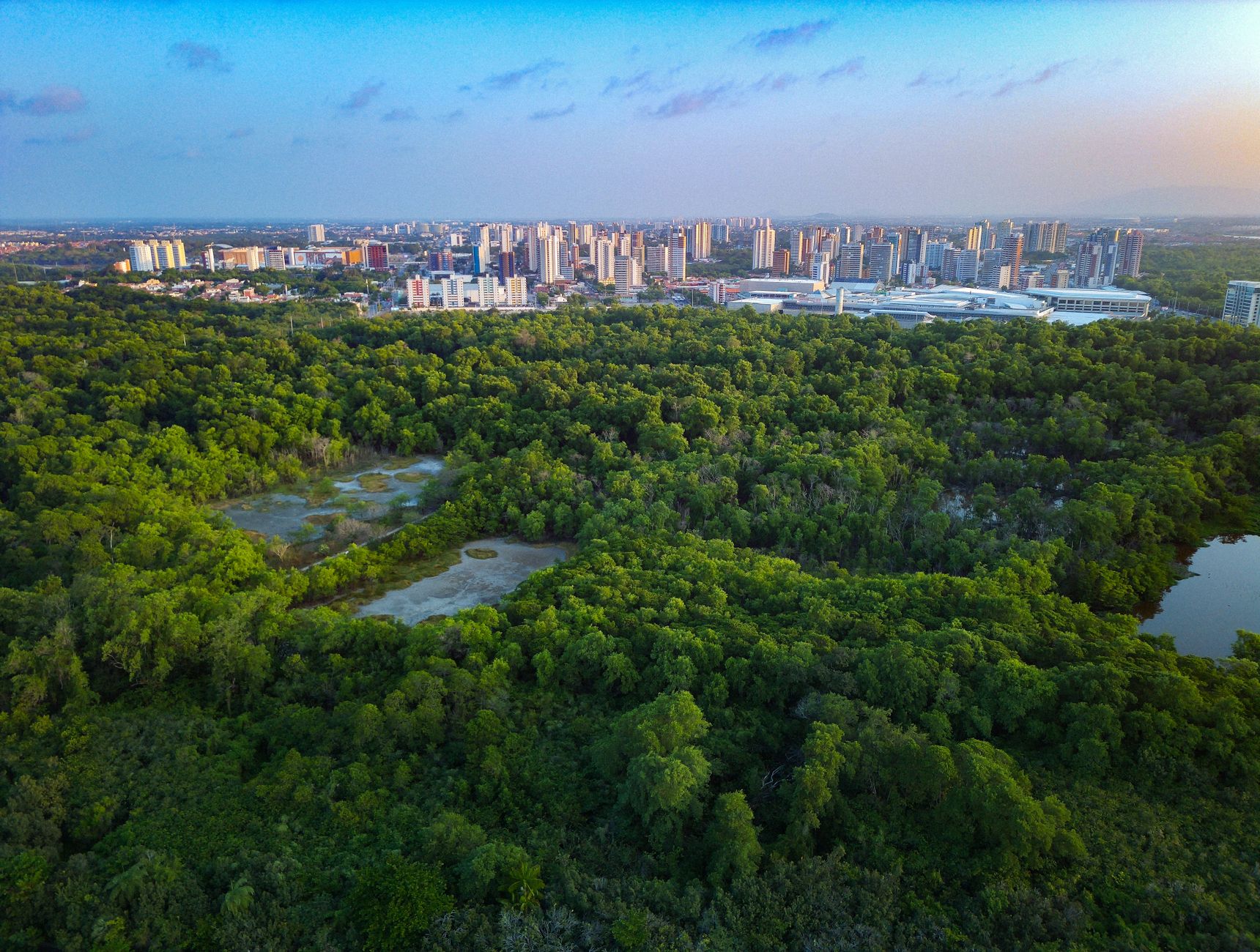
Singapore is globally recognized for its meticulous urban planning, transforming from a small island nation into a green, efficient, and technologically advanced city-state. Its success in areas like water management, public housing, transportation, and green infrastructure has made it a sought-after mentor for developing cities worldwide.
But beyond the well-known examples, what are some other major cities in the world that Singapore is offering expertise to? We’re diving into fascinating, often overlooked places where Singapore’s influence is shaping the future, each with its own incredible story of transformation and ambition.
1. The Floodplain Capital
Amaravati, India
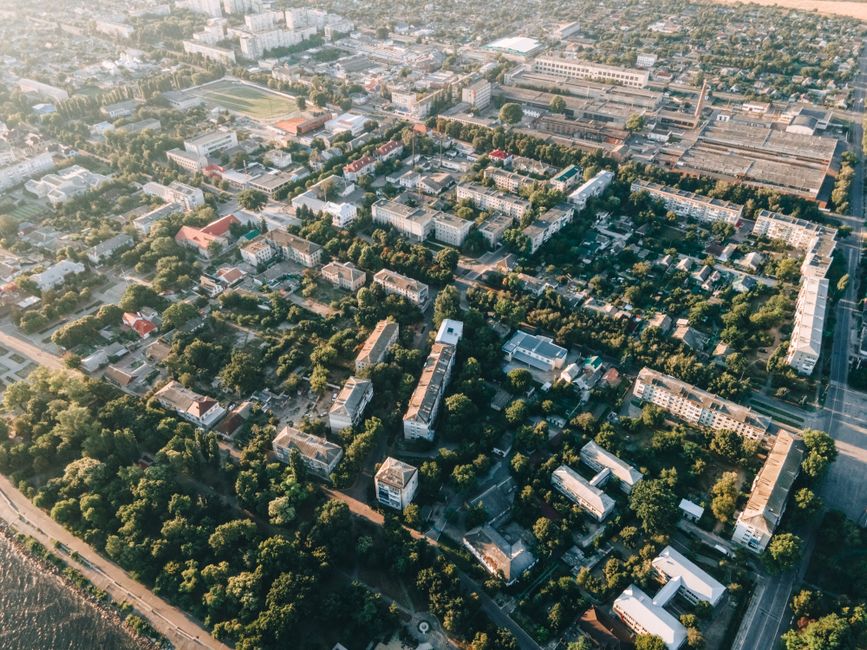
How do you build a state-of-the-art capital city on a river floodplain, while still honoring the agricultural traditions of the land it displaces?
Envisioned as a greenfield capital for Andhra Pradesh, Amaravati faces the monumental task of rising from fertile agricultural lands alongside the Krishna River. Singaporean planners contributed to a vision that seeks to balance modern infrastructure with ecological resilience, particularly flood management. The design integrates networks of canals and green spaces, aiming to protect against seasonal deluges while preserving the region's vital farming heritage. It's a complex dance between progress and nature in a rapidly developing nation.
2. Africa's Green Transformation
Kigali, Rwanda
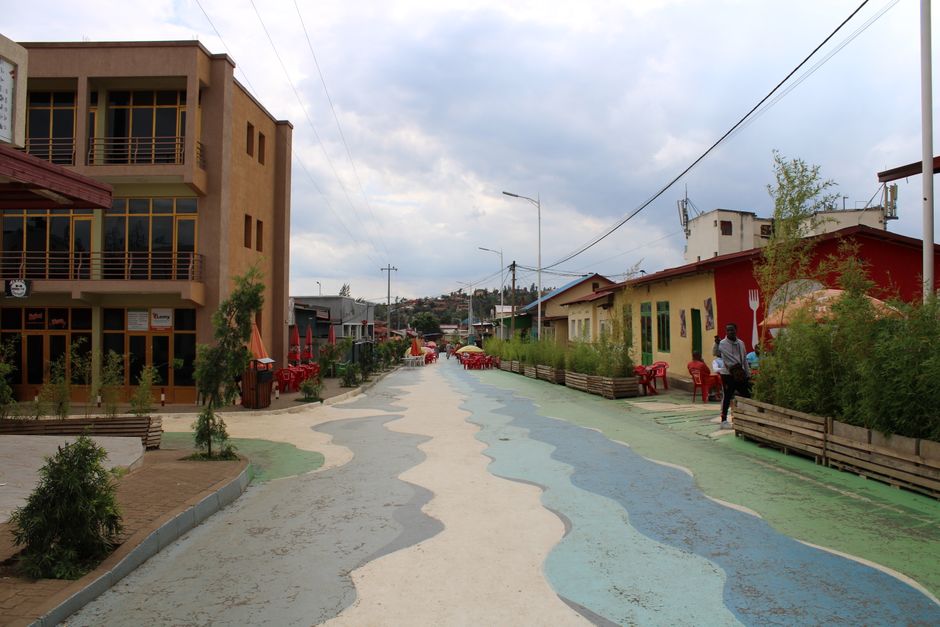
Discover the city that bans plastic bags and holds monthly 'Umuganda' community clean-ups, striving to be Africa's Singapore.
Once marked by tragedy, Kigali has emerged as a beacon of cleanliness and smart urban governance in Africa. Singapore has offered insights into its master planning, focusing on sustainable development and efficient public services. The city's commitment to environmental stewardship is palpable, with nationwide plastic bag bans and mandatory 'Umuganda' community service days that keep streets pristine. This collective effort fosters civic pride and is transforming Kigali into a model for resilient urban growth.
3. From Salt Flats to Sustainability
Tianjin, China
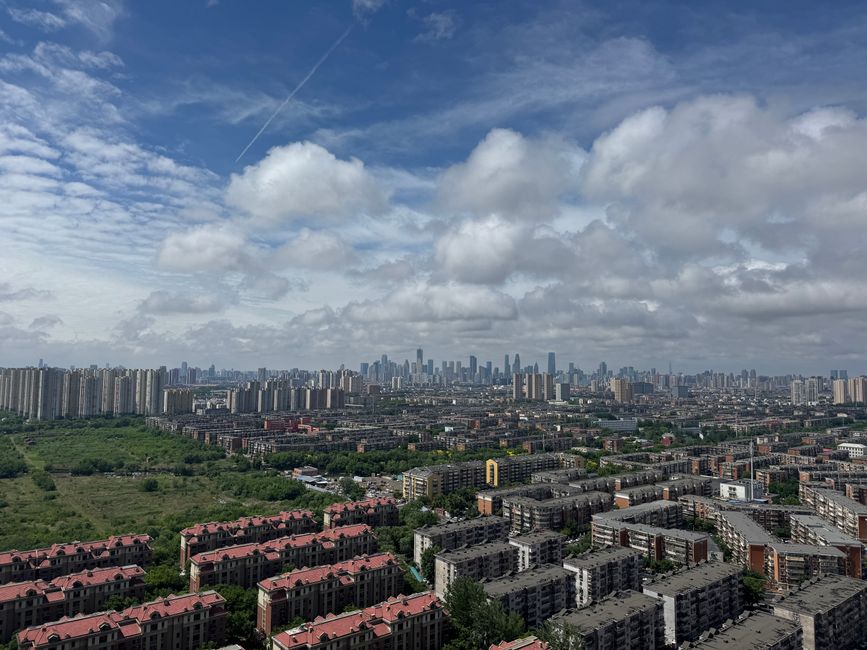
From barren salt flats to a bustling green metropolis: how a desert wasteland became a blueprint for sustainable urban living.
The Sino-Singapore Tianjin Eco-City is a testament to transforming uninhabitable land into a thriving urban environment. Conceived on saline-alkali wasteland, the project tackled severe water scarcity and pollution head-on. Innovative water reclamation systems, extensive green infrastructure, and integrated public transport were central to its design. This ambitious collaboration showcases how careful planning can create a high-quality, low-carbon urban space where once only barren land existed.
4. Gardens Amidst Industry
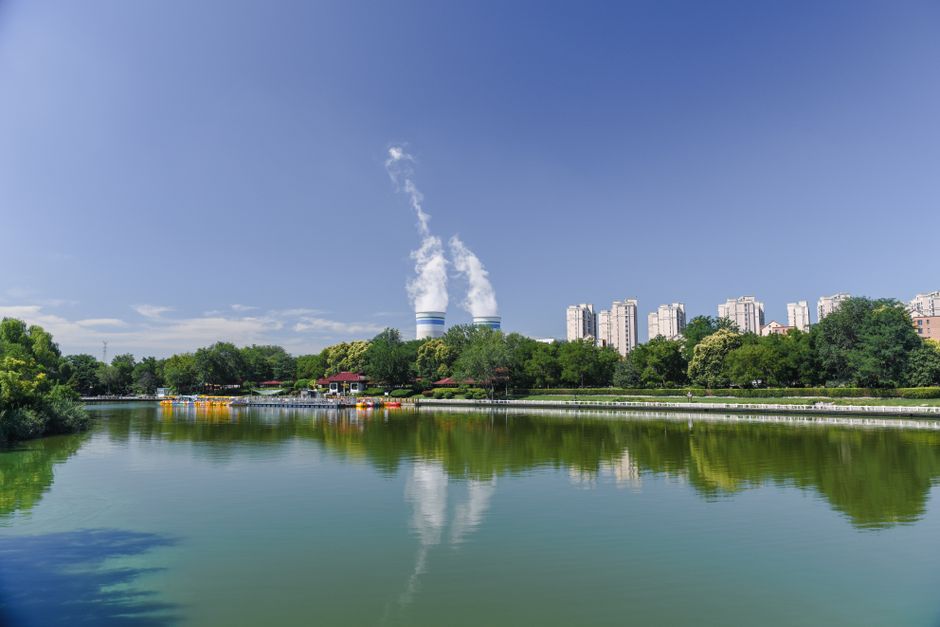
Suzhou, China
Beyond the factories: uncovering the ancient garden principles that secretly guide one of China's most modern industrial parks.
While known for its economic output, the Suzhou Industrial Park (SIP) holds a lesser-known secret: its deep integration of traditional Suzhou garden aesthetics. Singapore's planning expertise helped weave a high-tech industrial zone with a high quality of life. Instead of purely utilitarian grids, SIP incorporates canals, bridges, and landscaped green spaces that echo the city's ancient water towns and classical gardens. This blend demonstrates how industrial progress can coexist harmoniously with cultural heritage and livability.
5. The Desert's Green River
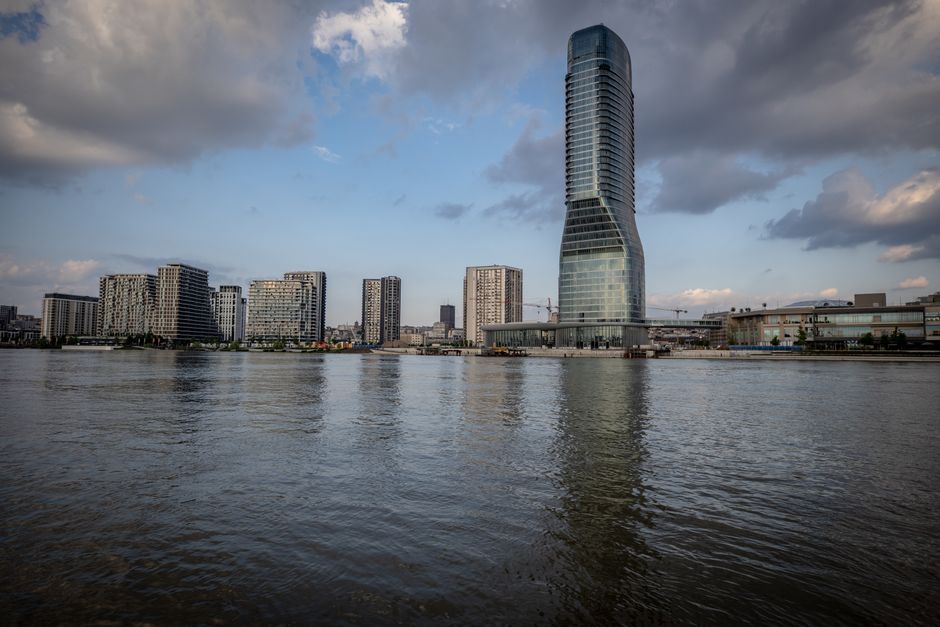
New Administrative Capital, Egypt
Imagine a 'Green River' flowing through a brand new desert capital, built to alleviate the pressures of one of the world's oldest megacities.
East of Cairo, Egypt's New Administrative Capital is rising from the desert, a monumental project designed to decentralize government and ease congestion. Singaporean firms contributed to the master plan, emphasizing smart city concepts and sustainable infrastructure. A centerpiece is the 'Green River,' a linear park designed to be larger than New York's Central Park, integrating vast green spaces, water features, and recreational zones. This ambitious urban oasis aims to provide a vital ecological lung in an arid environment.
6. Saigon's Waterfront Future
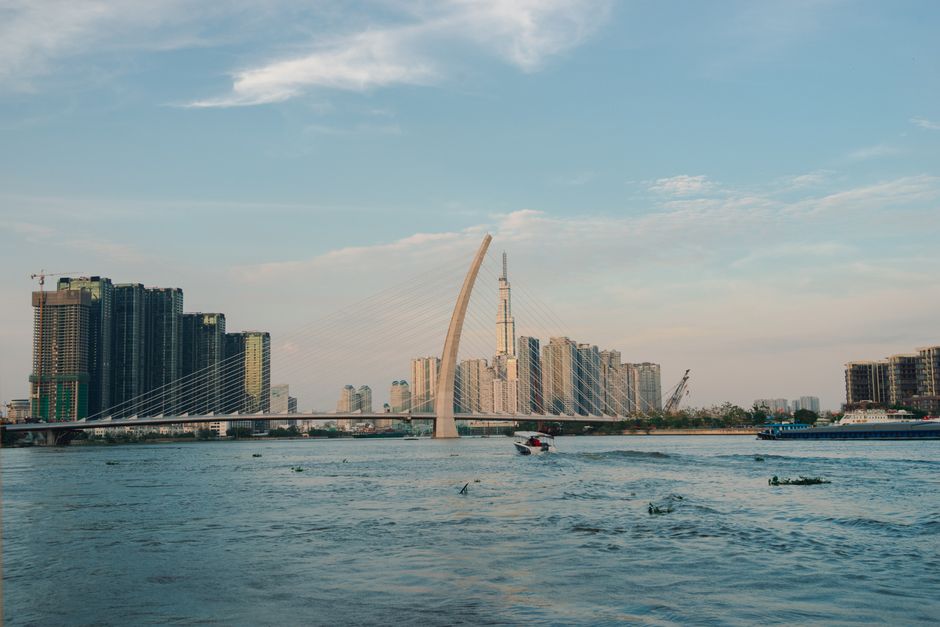
Ho Chi Minh City, Vietnam
Across the Saigon River, a city within a city rises, designed to defy tropical floods and embrace green waterfront living.
Thu Thiem, a peninsula across the Saigon River from Ho Chi Minh City's historic core, is transforming into a modern financial and residential district. With input from Singaporean urban planners, the area is being meticulously designed to address the challenges of a tropical delta climate, particularly flood mitigation. Its master plan emphasizes green spaces, public access to the riverfront, and a comprehensive drainage system. This vision aims to create a resilient, vibrant waterfront community for Vietnam's largest city.
7. Gateway to West Africa
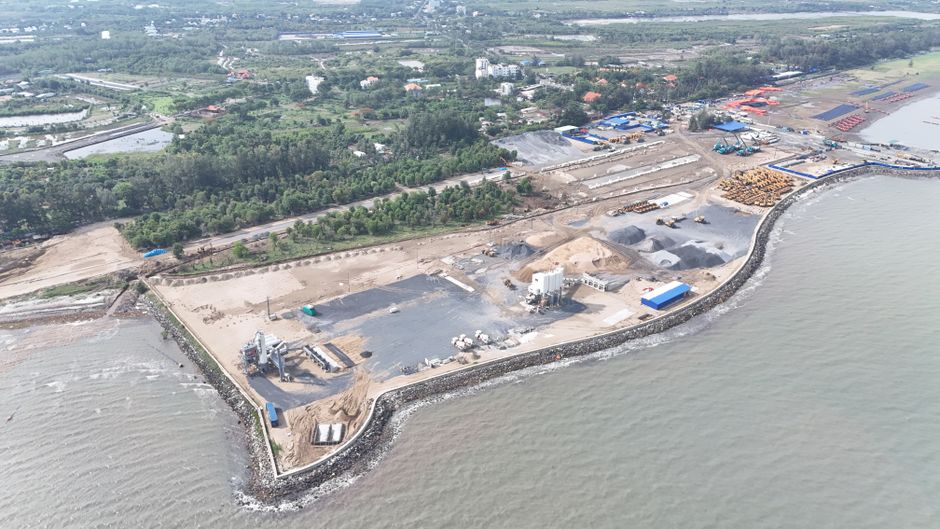
Tema, Ghana
Where ancient trade routes meet smart logistics: how a bustling West African port is being reimagined to fuel a continent's future.
Tema Port, Ghana's largest and most crucial port, is undergoing a significant expansion with international expertise, including insights from Singapore. This project isn't just about bigger docks; it's about integrating smart logistics, efficient freight handling, and sustainable operations crucial for urban development. The port's modernization is designed to boost West African trade, create jobs, and manage the complex interplay between industrial growth and the surrounding urban fabric of Tema and Accra.

8. The Forest Capital
Nusantara, Indonesia
A new capital rises from the Borneo rainforest, pledging 75% green space while navigating the complexities of a fragile ecosystem.
Indonesia's ambitious new capital, Nusantara, is being built in the heart of Borneo, with a radical commitment to environmental sustainability. Consultations with Singaporean urban planners have helped shape its vision as a 'forest city' where 75% of the area is designated as green space. The challenge lies in constructing a major metropolis while protecting the rich biodiversity of the rainforest and integrating existing indigenous communities. Nusantara aims to be a global example of ecological urban development.
Frequently asked questions
Why is Singapore considered a leader in urban planning?
Singapore's success stems from its long-term strategic vision, innovative solutions for land scarcity, effective public housing, advanced water management systems, and a strong commitment to green spaces and smart city technology. Its integrated approach prioritizes livability alongside economic growth.
What are common challenges in global urban development today?
Cities worldwide face challenges such as rapid population growth, climate change impacts like flooding and heatwaves, ensuring sustainable resource management, maintaining affordable housing, and developing efficient transportation networks. Addressing these requires integrated and adaptable planning strategies.
How do Singapore's urban planning principles apply to different climates?
While Singapore is tropical, its principles are adaptable. Concepts like efficient land use, green infrastructure, and sustainable water management are universal. For example, strategies for flood resilience in a tropical delta can inform planning in other flood-prone regions, regardless of climate, by focusing on natural solutions and robust engineering.
How can I learn more about these fascinating places while traveling?
To dive deeper into the stories of these incredible urban transformations and countless other places, use the AllTours.ai app. Simply point your phone camera at any landscape or landmark, and the app will narrate its history, geology, and culture in your preferred language, revealing the unseen layers of every destination.
Photography via Pexels. AllTours.ai is an AI audio tour guide — point your camera at any landscape and hear its story.