September 14, 2026 · 4 min read
Tired of the same old tourist traps and sticker shock? The world is vast, and many of its most fascinating corners remain delightfully off the well-trodden path, offering rich experiences without demanding a king's ransom. Forget crowded landmarks and overpriced cafes; true adventure often lies where few venture.
We've scoured the globe for destinations that not only promise incredible value but also boast unique stories – tales of ancient civilizations, geological wonders, and vibrant cultures waiting to be uncovered. These aren't just places to visit; they're invitations to explore history, geology, and humanity in ways you never expected.
1. Săpânța: The Merry Cemetery
Săpânța, Romania
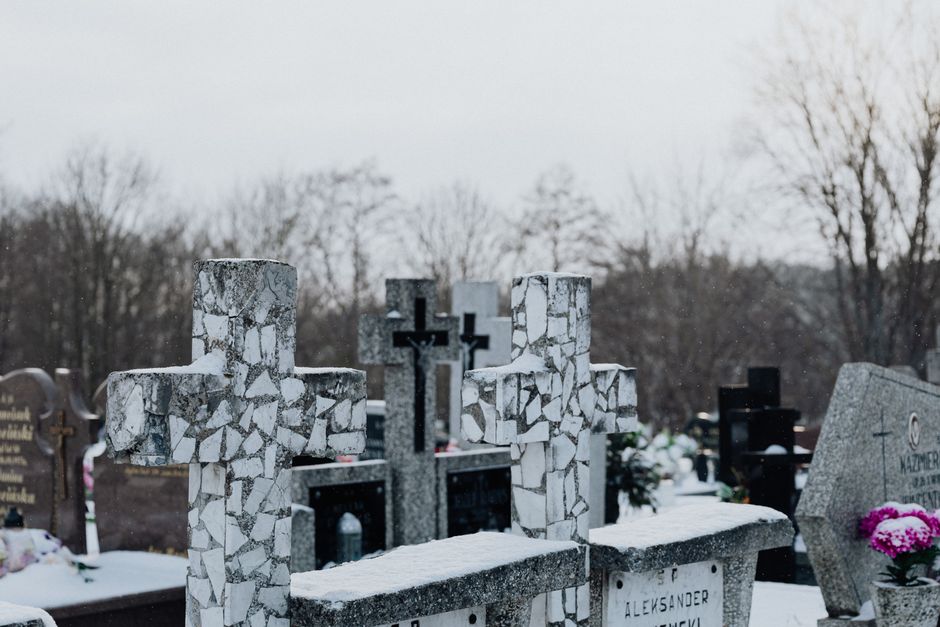
Where death is celebrated with colorful, rhyming epitaphs that tell the deceased's life story, good and bad.
In the remote Maramureș region, this unique cemetery stands as a testament to a local tradition unlike any other. Each grave is marked by a brightly painted wooden cross adorned with a naive painting depicting a scene from the deceased's life, often accompanied by a witty, rhyming poem. These epitaphs don't shy away from humor or even dark truths, offering a surprisingly cheerful and honest reflection on life and death.
2. Jajce: The Royal Waterfall City
Jajce, Bosnia & Herzegovina
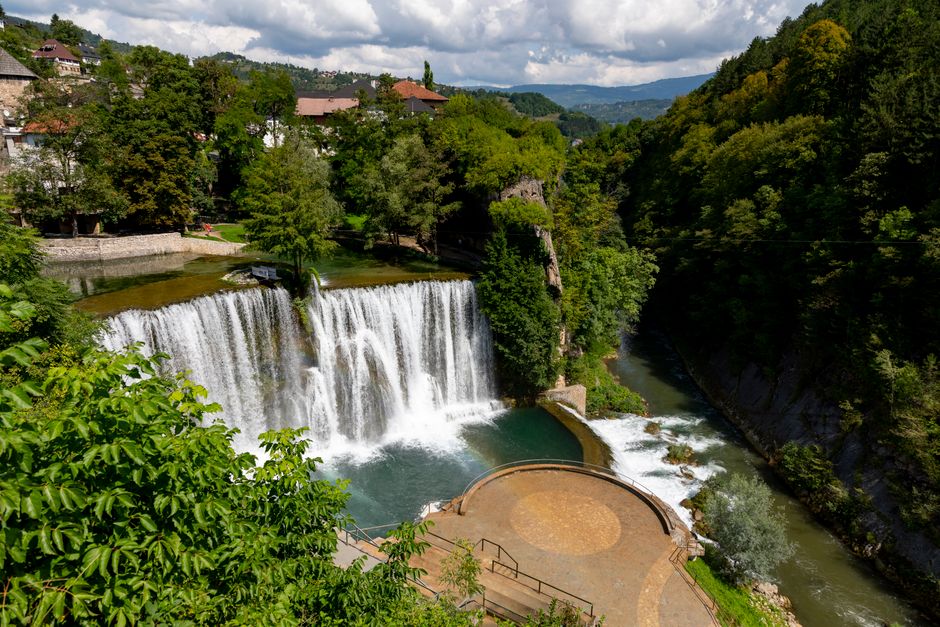
A medieval royal city with a dramatic waterfall right in its historic center, hiding ancient catacombs.
Jajce is unique for its stunning Pliva Waterfall, where the Pliva River cascades into the Vrbas River directly within the town's confines. This natural wonder is overlooked by an imposing medieval fortress and surrounded by historic mills. Beneath the town lies a network of ancient catacombs, carved into the rock, serving as a burial site for Bosnian royalty and a secret church.
3. Uplistsikhe: The Cave City of the Gods
Uplistsikhe, Georgia
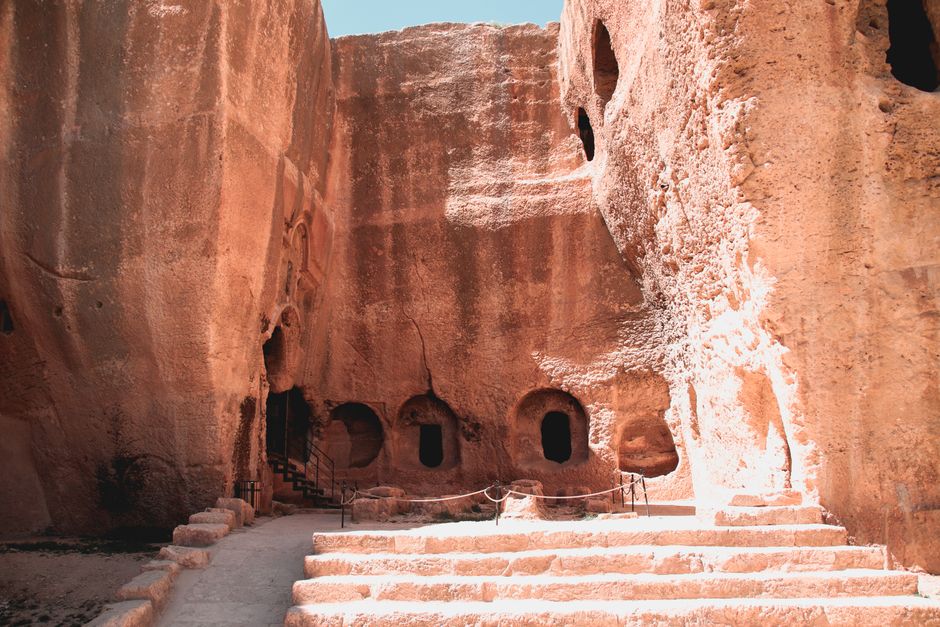
An ancient cave city carved directly into a cliff face, continuously inhabited for thousands of years.
One of the oldest urban settlements in Georgia, Uplistsikhe is an astonishing rock-hewn town that dates back to the early Iron Age. Its complex includes living quarters, a large central hall, and even a pagan temple, all carved out of the soft sandstone. Strategically located along the Mtkvari River, it served as a vital trade hub on the Silk Road and was a significant religious center before the arrival of Christianity.
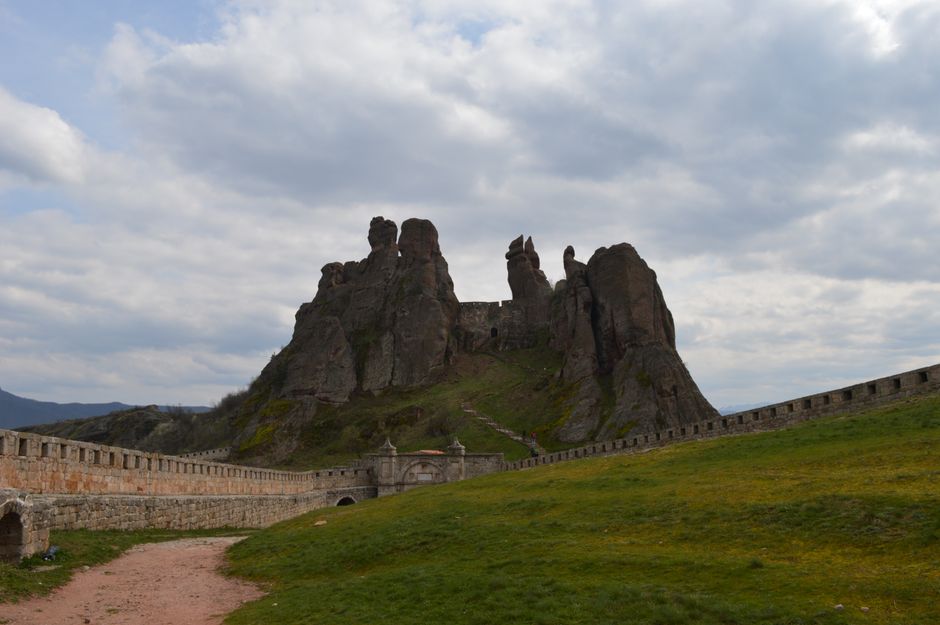
4. Belogradchik: The Stone Fortress
Belogradchik, Bulgaria
Towering sandstone formations sculpted by nature over millions of years, housing a fortress built into their very fabric.
The Belogradchik Rocks are a spectacular natural phenomenon, a vast area of bizarrely shaped sandstone and conglomerate rock formations that reach up to 200 meters in height. Among these natural giants, the Belogradchik Fortress stands, its walls seamlessly integrated into the rock formations. Built by the Romans and later expanded by Byzantines and Ottomans, the fortress used the natural defenses of the rocks, making it almost impenetrable.
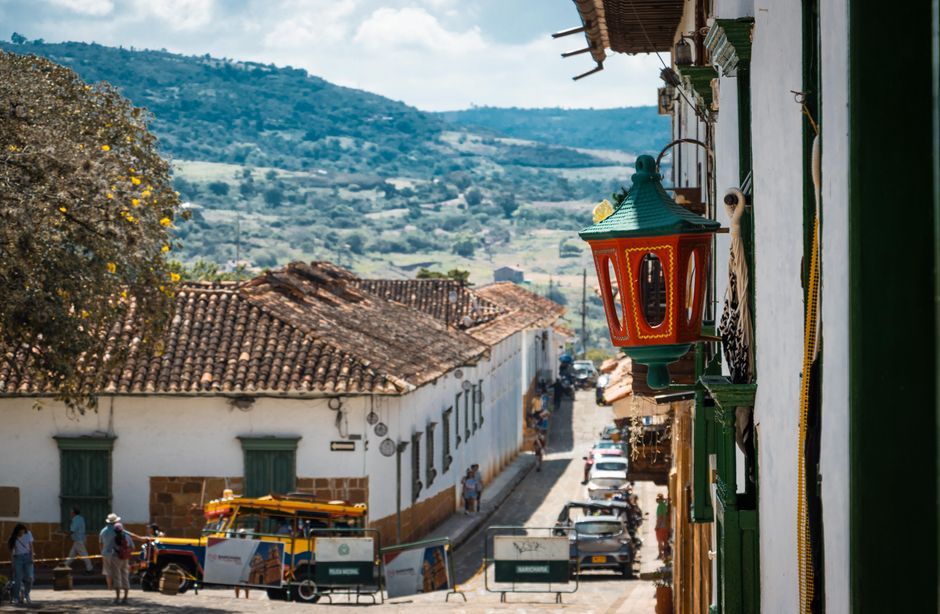
5. Mompox: The Riverine Time Capsule
Santa Cruz de Mompox, Colombia
A UNESCO-listed colonial town so remote it was once a safe haven for pirates and gold smugglers, remaining largely unchanged for centuries.
Isolated on an island in the Magdalena River, Mompox developed as a crucial port during the Spanish colonial era, known for its silversmiths and its role in contraband trade due to its strategic yet secluded location. Its unique architecture, characterized by arcaded streets and intricate wrought-iron details, has been beautifully preserved because major transport routes eventually bypassed it. Gabriel García Márquez famously drew inspiration from Mompox for Macondo in "One Hundred Years of Solitude."
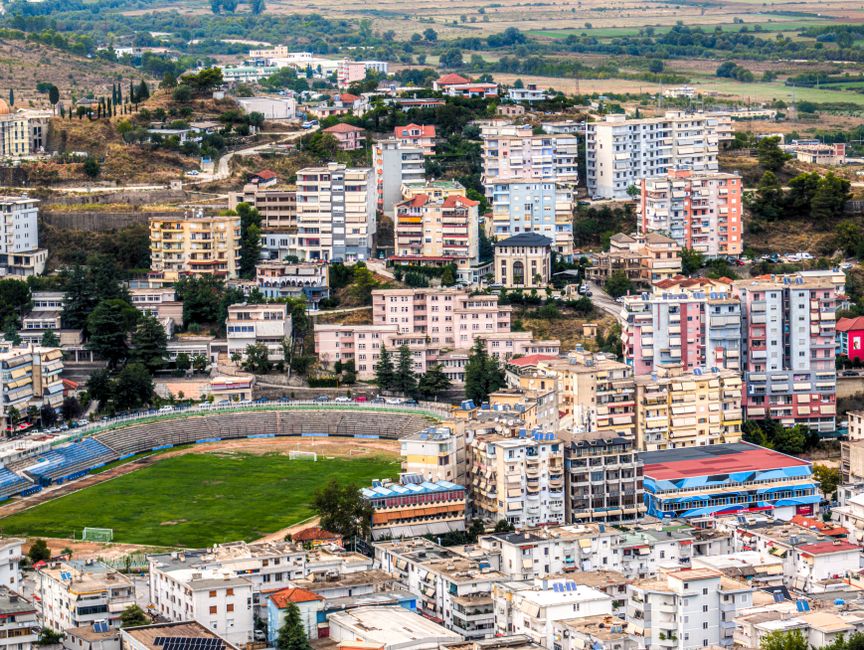
6. Gjirokastër: The Stone City of a Thousand Steps
Gjirokastër, Albania
A UNESCO World Heritage city where every house is a fortified tower, built on a steep hillside with unique stone roofs.
Perched dramatically on a hillside overlooking the Drino Valley, Gjirokastër is a rare example of a well-preserved Ottoman town. Its distinctive architecture features stone houses that resemble small fortresses, complete with stone roofs, wooden balconies, and intricate interior designs. Dominated by a massive castle that has been in continuous use for over a thousand years, the city's labyrinthine cobblestone streets climb steeply, earning it the nickname "City of Stone."
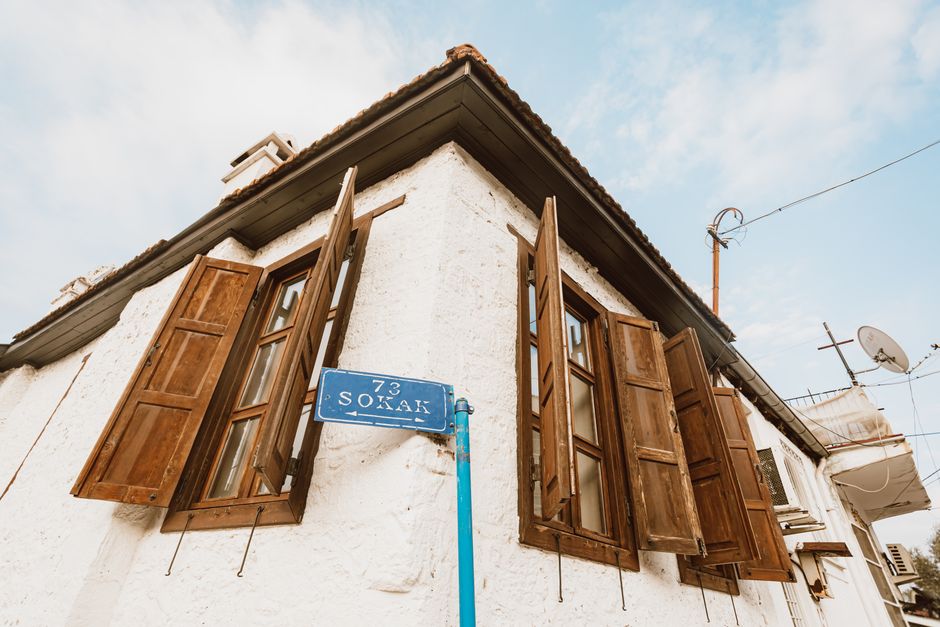
7. Bitola: The City of Consuls
Bitola, North Macedonia
A city where ancient Roman roads meet grand Ottoman mansions and neoclassical facades, once a diplomatic hub.
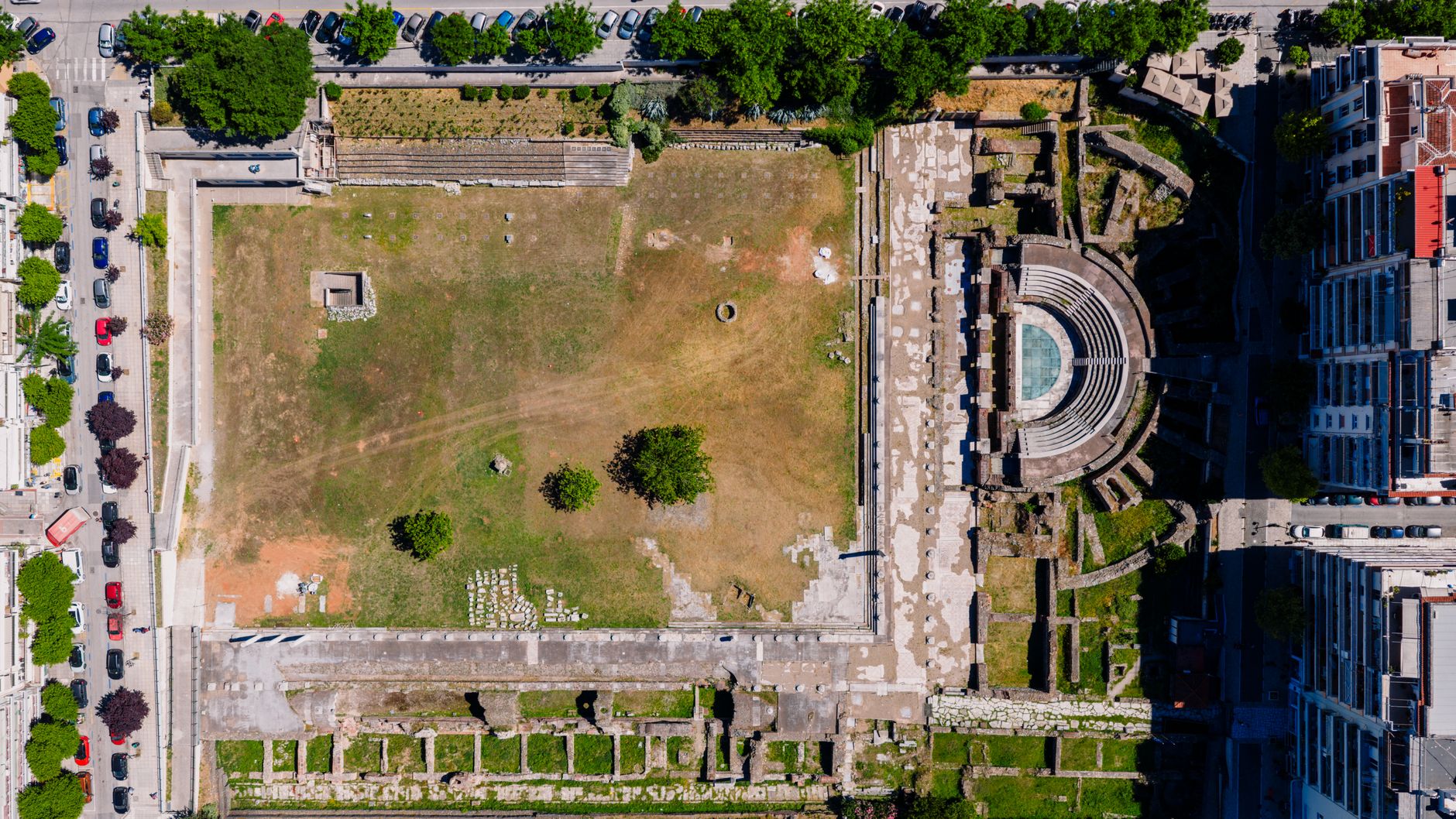
Bitola boasts a rich history, evident in its diverse architecture. It was once a significant Roman trading post, Heraclea Lyncestis, whose ruins lie just outside the modern city. During the Ottoman Empire, it became a crucial administrative and diplomatic center, hosting numerous European consulates, earning it the moniker "City of Consuls." Today, its main street, Shirok Sokak, showcases elegant neoclassical buildings, while traditional Turkish bazaars and mosques still thrive.
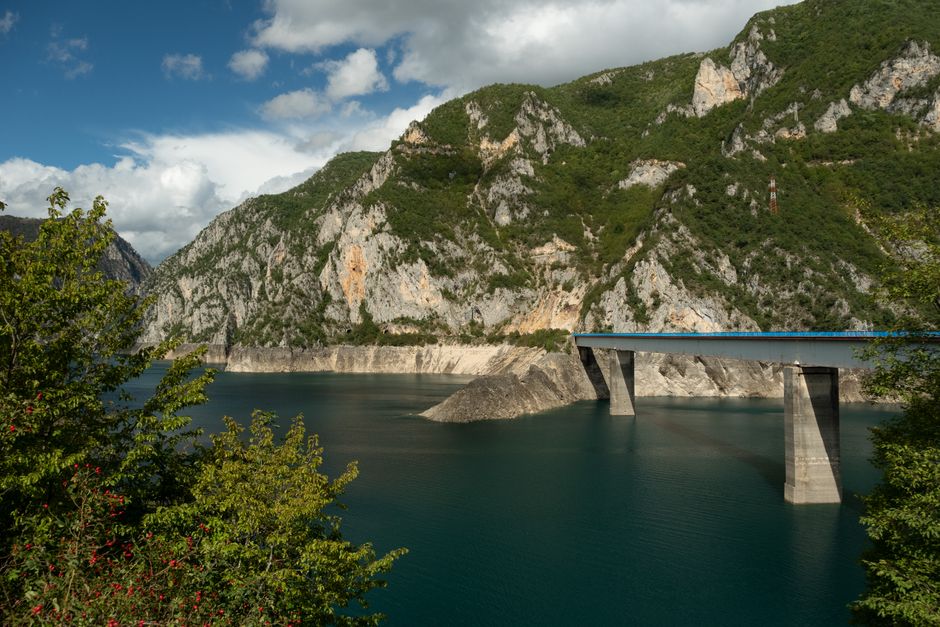
8. Piva Lake & Monastery: The Submerged Legacy
Plužine, Montenegro
A vast artificial lake, created by flooding a dramatic canyon, necessitated the intricate relocation of a historic 16th-century monastery, stone by stone.
Piva Lake is one of Europe's largest artificial lakes, formed by the construction of the Mratinje Dam on the Piva River. Its turquoise waters fill a deep canyon, offering stunning scenic drives and opportunities for boating. Most remarkably, the 16th-century Piva Monastery, originally located in the river's path, was completely dismantled, its frescoes carefully removed, and then rebuilt on higher ground. This monumental task preserved a vital piece of Montenegrin cultural heritage from submergence.
Frequently asked questions
How can I find truly budget-friendly accommodation in these underrated destinations?
Look for guesthouses, family-run B&Bs, or hostels, especially outside peak tourist seasons. Booking directly with smaller establishments often yields better rates than major aggregators. Many of these places also offer traditional homestays for an authentic, affordable experience.
What are the best ways to get around these lesser-known places without a car?
Public transport like local buses or shared minivans (marshrutkas in Eastern Europe) are typically very affordable and connect most towns. For more remote sites, consider hiring a local taxi for a day, negotiating the price beforehand, or joining a small local tour group.
Is it safe to travel to these destinations as a solo traveler?
Generally, yes. Most of these countries are very welcoming and safe for solo travelers. Basic precautions like being aware of your surroundings, especially at night, and securing your belongings are always advisable, as they would be anywhere else in the world.
How can AllTours.ai enhance my experience in these unique places?
AllTours.ai transforms your phone into an AI-powered audio guide. Simply point your camera at a landmark, a historical ruin, or a unique geological formation, and the app will instantly narrate its history, cultural significance, or geological facts in your preferred language, offering a deeper understanding of these fascinating sites.
Photography via Pexels. AllTours.ai is an AI audio tour guide — point your camera at any landscape and hear its story.