September 22, 2026 · 4 min read
Australia and New Zealand, collectively known as Australasia, are often celebrated for their iconic natural wonders. Yet, beyond the well-trodden paths of Uluru and Milford Sound lies a treasure trove of genuinely wild, lesser-known locations teeming with unique stories and breathtaking beauty. For the nature lover craving a deeper connection with the land and a touch of adventure, these countries offer an unparalleled experience.
This guide moves beyond the postcards to unveil some of the most surprising outdoor and adventure activities available, focusing on spots that whisper tales of ancient geology, rich indigenous culture, or pivotal historical moments. Prepare to discover places where every rock, river, and remote coastline holds a secret, waiting to be explored.
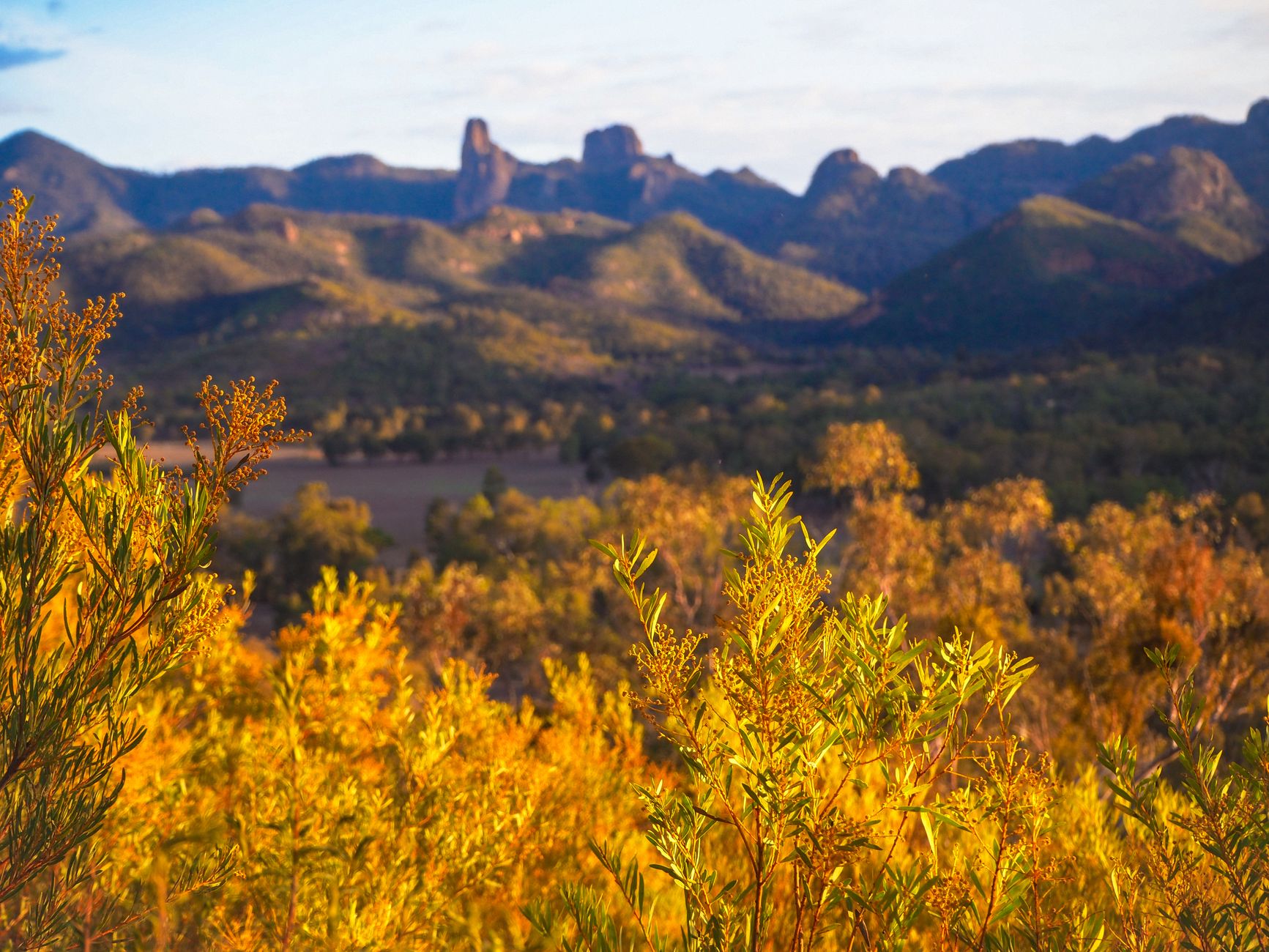
1. The Beehive Domes of an Ancient Lost World
Purnululu National Park, Australia
The striking Bungle Bungle Range of orange and black striped sandstone domes was unknown to the outside world until 1983.
Hidden deep within Western Australia's Kimberley region, Purnululu National Park protects the Bungle Bungle Range, a geological marvel that remained largely unseen by non-indigenous people until captured in a documentary. These massive, beehive-shaped sandstone formations, striped by bands of silica and cyanobacteria, have been sculpted by millions of years of erosion. Exploring its narrow gorges and hidden pools feels like stepping into a landscape time forgot, a sacred place for the Gija and Kija people for millennia.
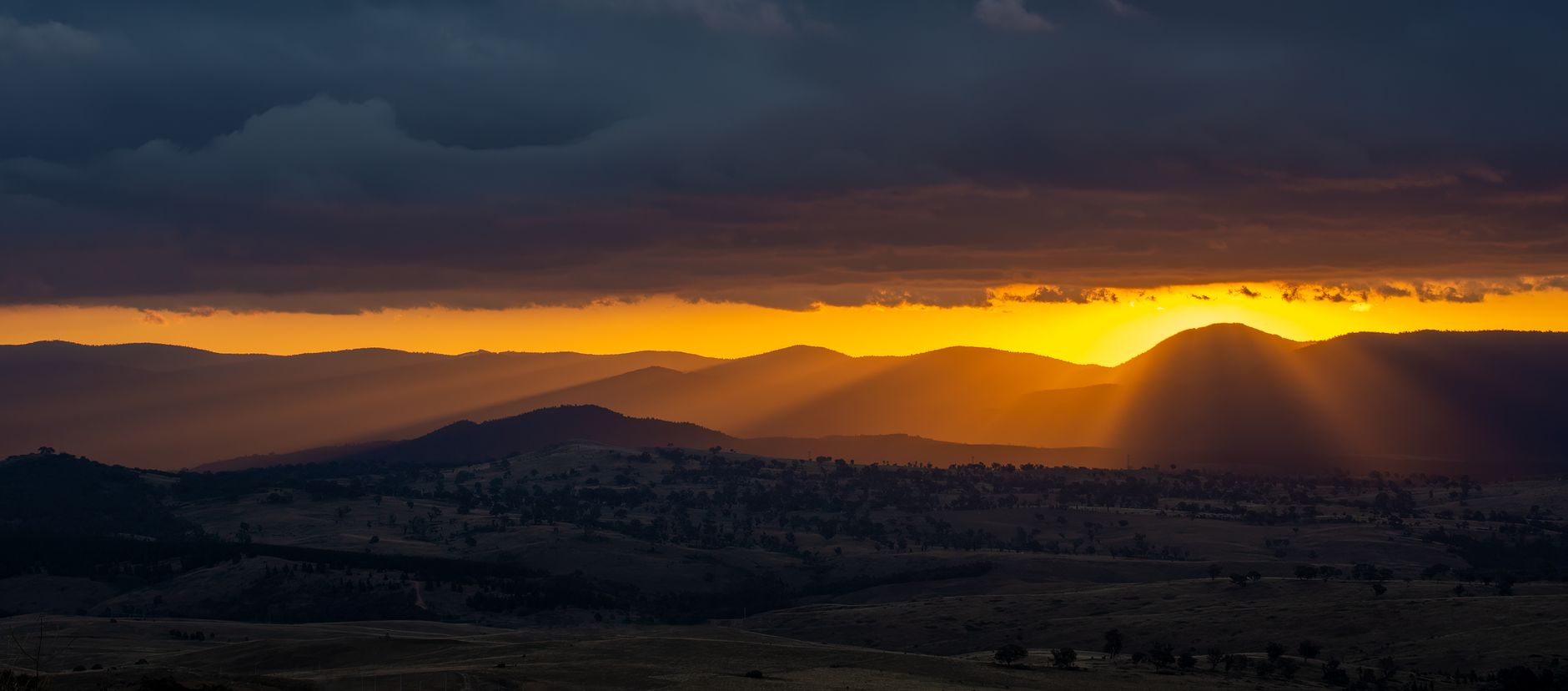
2. Where Earth's Earliest Complex Life Emerged
Flinders Ranges National Park, Australia
This ancient mountain range was once an inland sea, preserving fossils of some of Earth's earliest complex life forms, known as Ediacaran fauna.
In South Australia, the rugged, weathered peaks of the Flinders Ranges tell a story spanning over 600 million years. This landscape, sacred to the Adnyamathanha people, holds global significance as a former seabed where the first multicellular organisms, the Ediacaran biota, flourished before the Cambrian explosion. Hiking through Wilpena Pound's natural amphitheater or along ancient creek beds, you're walking on ground that literally chronicles the dawn of complex life on Earth, a profound outdoor experience.
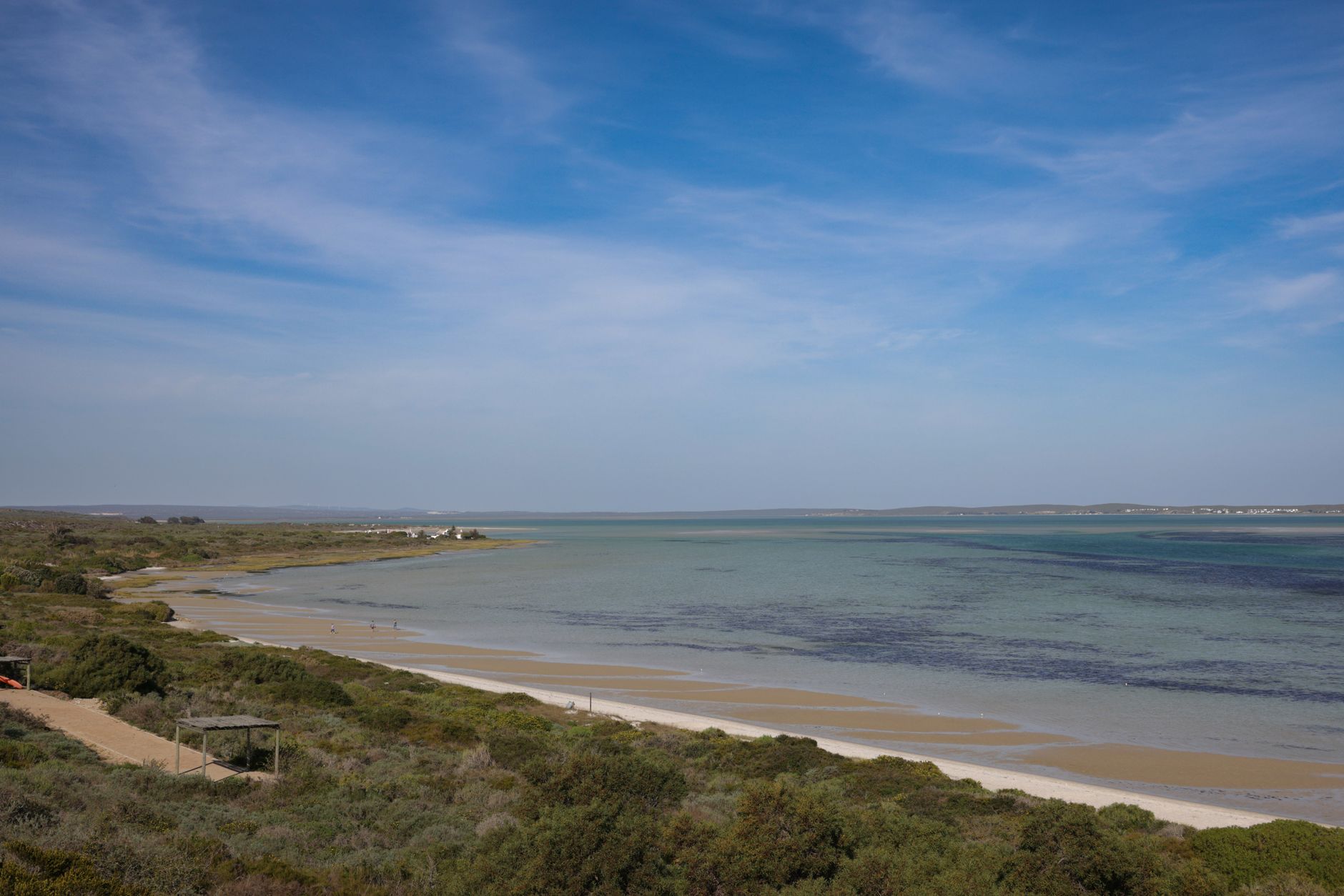
3. The Island of First Footprints
Dirk Hartog Island National Park, Australia
This remote island off Western Australia's coast is the site of the first documented European landing on Australian soil, marked by a pewter plate left in 1616.
Dirk Hartog Island, the westernmost point of Australia, is a place where history and raw wilderness collide. In 1616, Dutch explorer Dirk Hartog nailed a pewter plate to a post, recording his visit. Today, the island is a crucial conservation zone, a 'Return to 1616' project aiming to restore it to its pre-European ecological state by removing introduced species. Adventurers can explore its pristine beaches, towering cliffs, and observe diverse wildlife, including nesting turtles and dugongs, experiencing a truly wild and historically significant frontier.
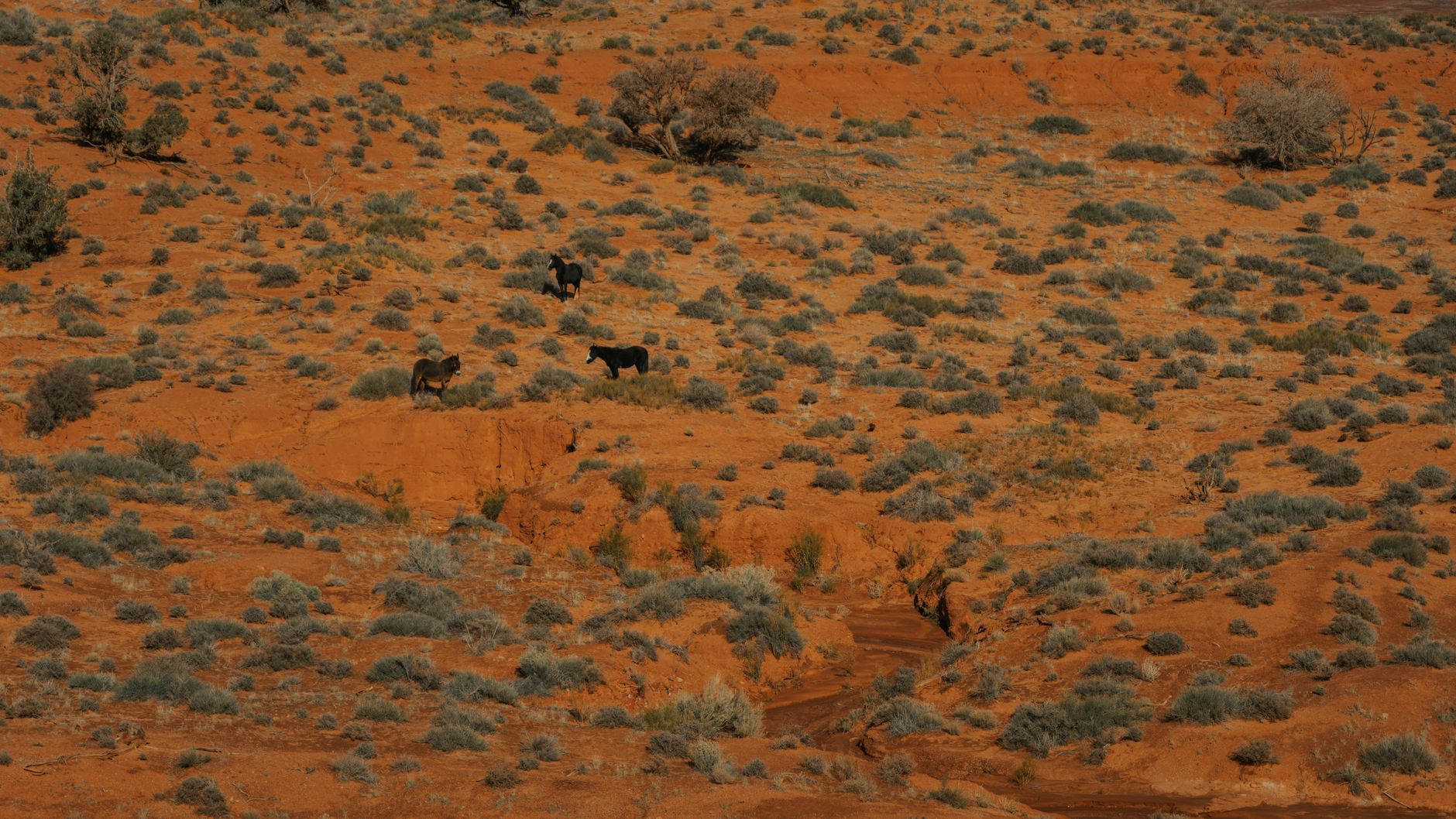
4. Swimming Through 2.5 Billion Years of Earth's History
Karijini National Park, Australia
Karijini's spectacular gorges are carved into rocks over 2.5 billion years old, containing some of Earth's earliest evidence of life.
Deep in the Pilbara region of Western Australia, Karijini National Park offers an immersive adventure into ancient geology. The park's vast network of gorges, carved by millennia of water flow, reveals incredible banded iron formations that are among the oldest rocks on the planet. Visitors can hike, swim through crystal-clear emerald pools, and abseil into breathtaking canyons like Hancock Gorge or Weano Gorge, experiencing a landscape that has witnessed billions of years of geological evolution and the very beginnings of microbial life.
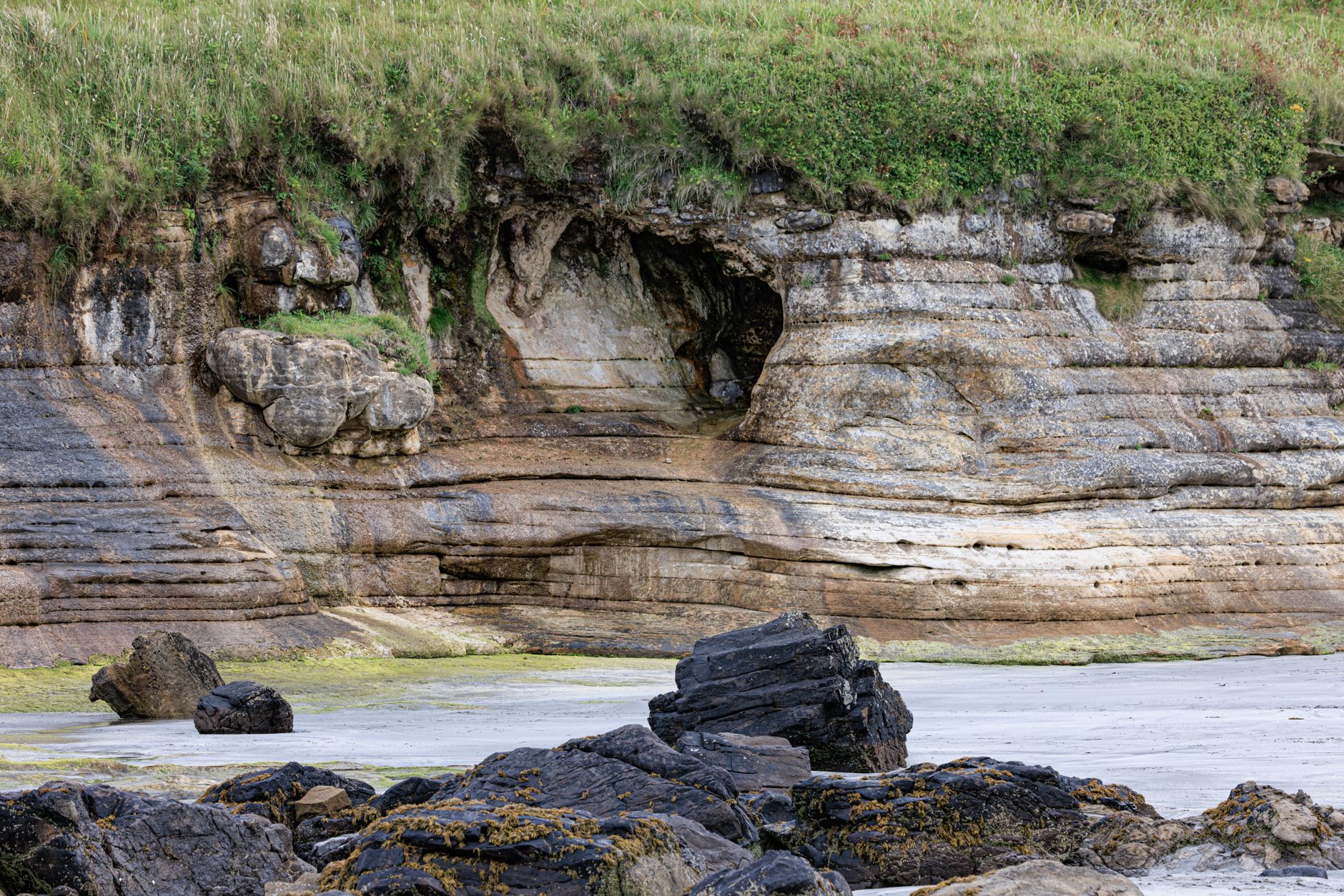
5. Journey to a Jurassic Petrified Forest
The Catlins Coast, New Zealand
At Curio Bay on New Zealand's rugged Catlins Coast, you can walk among a 180-million-year-old Jurassic petrified forest visible at low tide.
The remote and wild Catlins Coast in the South Island of New Zealand is a haven for unique natural wonders. Curio Bay offers an extraordinary glimpse into the Jurassic period, where a forest of ancient kauri and conifer trees was submerged and fossilized by volcanic mudflows. At low tide, the stumps and fallen logs are clearly visible, creating a natural outdoor museum. Beyond this geological marvel, the Catlins also boast dramatic waterfalls, dense native bush, and opportunities to spot rare Hector's dolphins and yellow-eyed penguins.
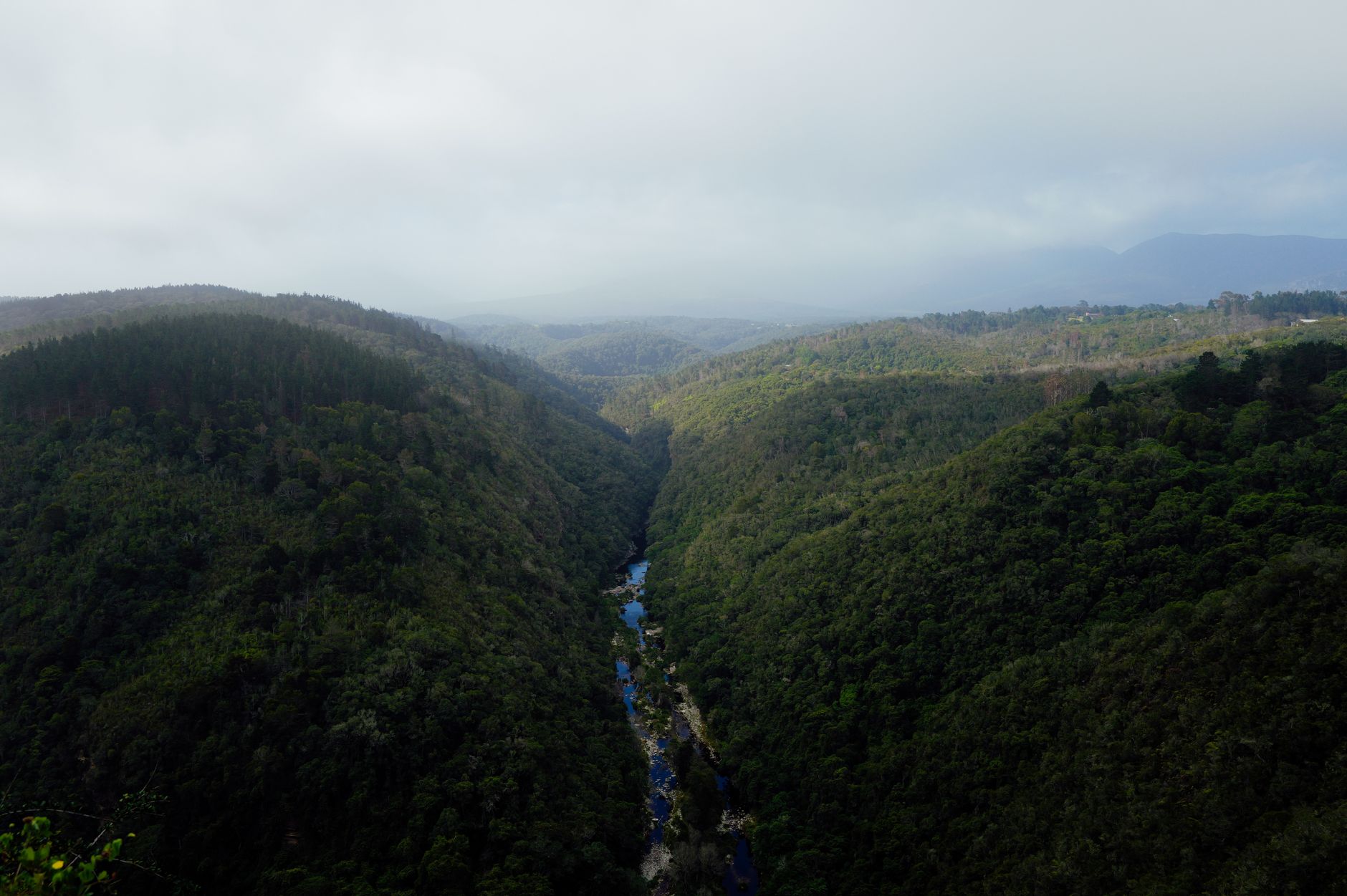
6. New Zealand's Only River Great Walk
Whanganui Journey, New Zealand
The Whanganui Journey is one of New Zealand's official 'Great Walks,' yet it's entirely by canoe or kayak, navigating a sacred river through remote wilderness.
Unlike its famous hiking counterparts, the Whanganui Journey invites adventurers to explore New Zealand's North Island by water. This multi-day paddling expedition follows the Whanganui River, a waterway of profound spiritual significance to Māori, holding the world's first legal personhood status for a river. Paddlers navigate through stunning native bush, past ancient pā sites, and stay in riverside huts or campsites, immersing themselves in a unique cultural and natural landscape that few land-based trails can offer.
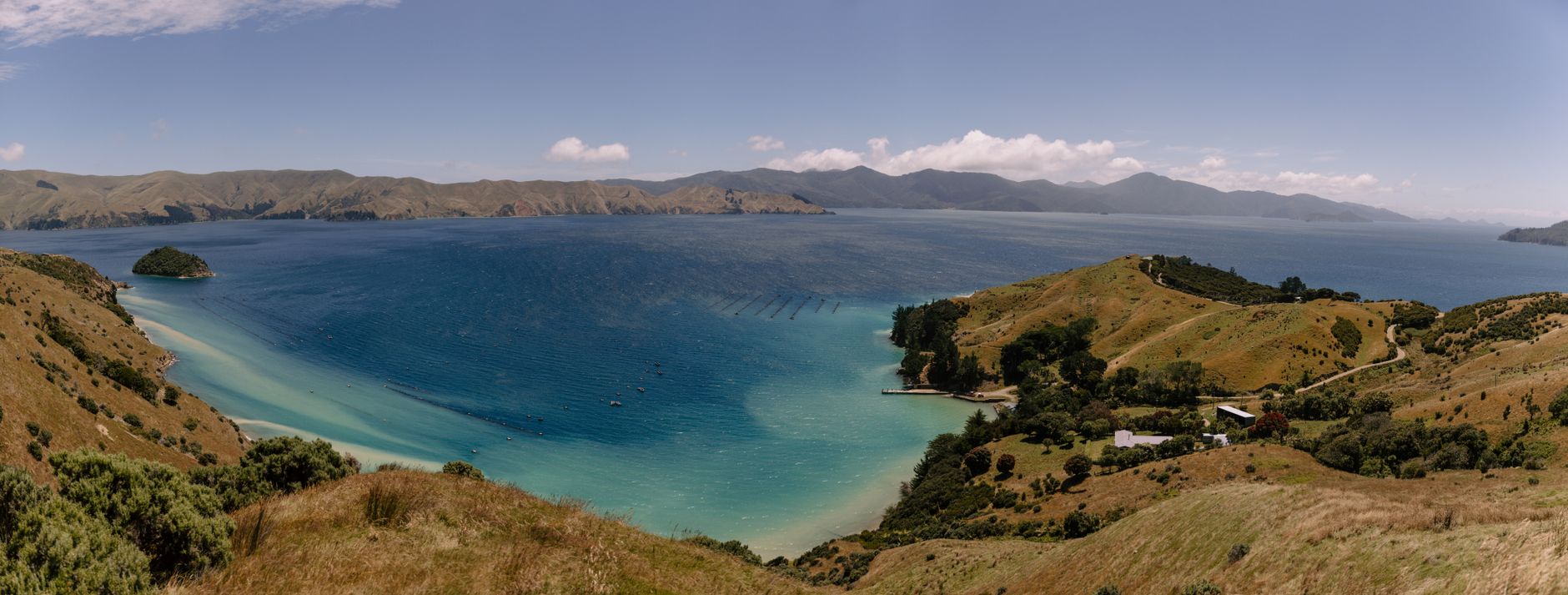
7. Exploring a Twin Volcano's Dramatic Remnants
Banks Peninsula, New Zealand
New Zealand's Banks Peninsula is the eroded remnant of two massive, ancient shield volcanoes, forming a dramatic coastline of deep harbors and rugged bays.
Jutting out from the South Island near Christchurch, the Banks Peninsula offers a stunning fusion of volcanic geology and marine biodiversity. Formed by two overlapping shield volcanoes that erupted millions of years ago, its dramatic landscape features steep hillsides plunging into clear blue waters, creating sheltered bays like Akaroa Harbour. This unique geology fostered isolated settlements and provides exceptional opportunities for hiking, wildlife cruises to spot Hector's dolphins, and exploring charming historic French-influenced villages.
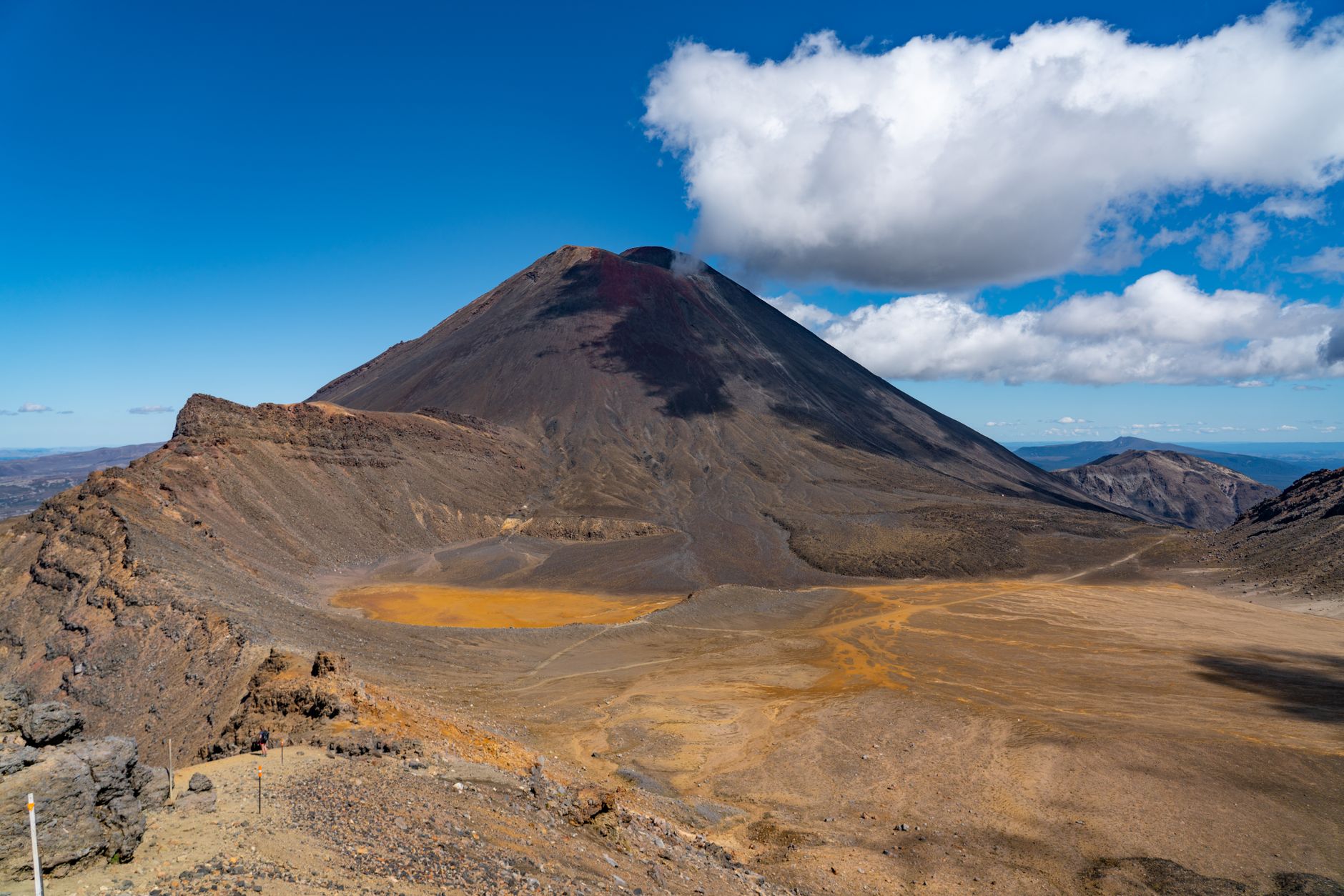
8. Trekking a Sacred Volcanic Heart
Tongariro Northern Circuit, New Zealand
This multi-day Great Walk traverses a landscape considered sacred by Māori, passing between three active volcanoes and past vibrant emerald lakes.
While many know the Tongariro Alpine Crossing, the Tongariro Northern Circuit offers a deeper, more profound immersion into the heart of Tongariro National Park, a dual UNESCO World Heritage site for both its natural and cultural significance. This challenging tramp explores ancient lava flows, barren volcanic plateaus, and stunning crater lakes, including the iconic Red Crater and Emerald Lakes. It's a journey through a dynamic, spiritual landscape where the earth's raw power is constantly on display, revered by Māori as a living ancestor.
Frequently asked questions
What is the best time of year for outdoor activities in Australia and New Zealand?
For most of Australia, the cooler, drier months from April to October are ideal, especially for northern and central regions. New Zealand's outdoor activities are generally best from November to April, during its warmer summer and autumn, though winter sports are popular in the South Island. Always check regional weather patterns, as climates vary significantly.
Do I need special permits for hiking in these remote Australian and New Zealand parks?
Many national parks in both countries require permits or fees, especially for multi-day hikes or accessing remote areas. Some, like New Zealand's Great Walks, require booking well in advance. Always check the official park websites (e.g., Parks Australia, DOC New Zealand) for specific requirements, safety information, and track conditions before you go.
Are these lesser-known spots suitable for beginner adventurers?
While these spots offer incredible experiences, some are remote and involve challenging conditions. Karijini's gorges, for instance, require a good level of fitness and agility. The Whanganui Journey needs paddling experience. Always research the specific activity and trail difficulty, and consider guided tours if you're new to a particular type of adventure or a remote location.
How can AllTours.ai enhance my exploration of these unique places?
AllTours.ai transforms your phone into an AI audio tour guide. Simply point your camera at any landscape or landmark, and the app instantly narrates its deep history, geology, and cultural significance in your language. It's like having a local expert by your side, unveiling the hidden stories and facts of even the most remote and underrated locations, making every outdoor adventure more meaningful.
Photography via Pexels. AllTours.ai is an AI audio tour guide — point your camera at any landscape and hear its story.