September 10, 2026 · 4 min read
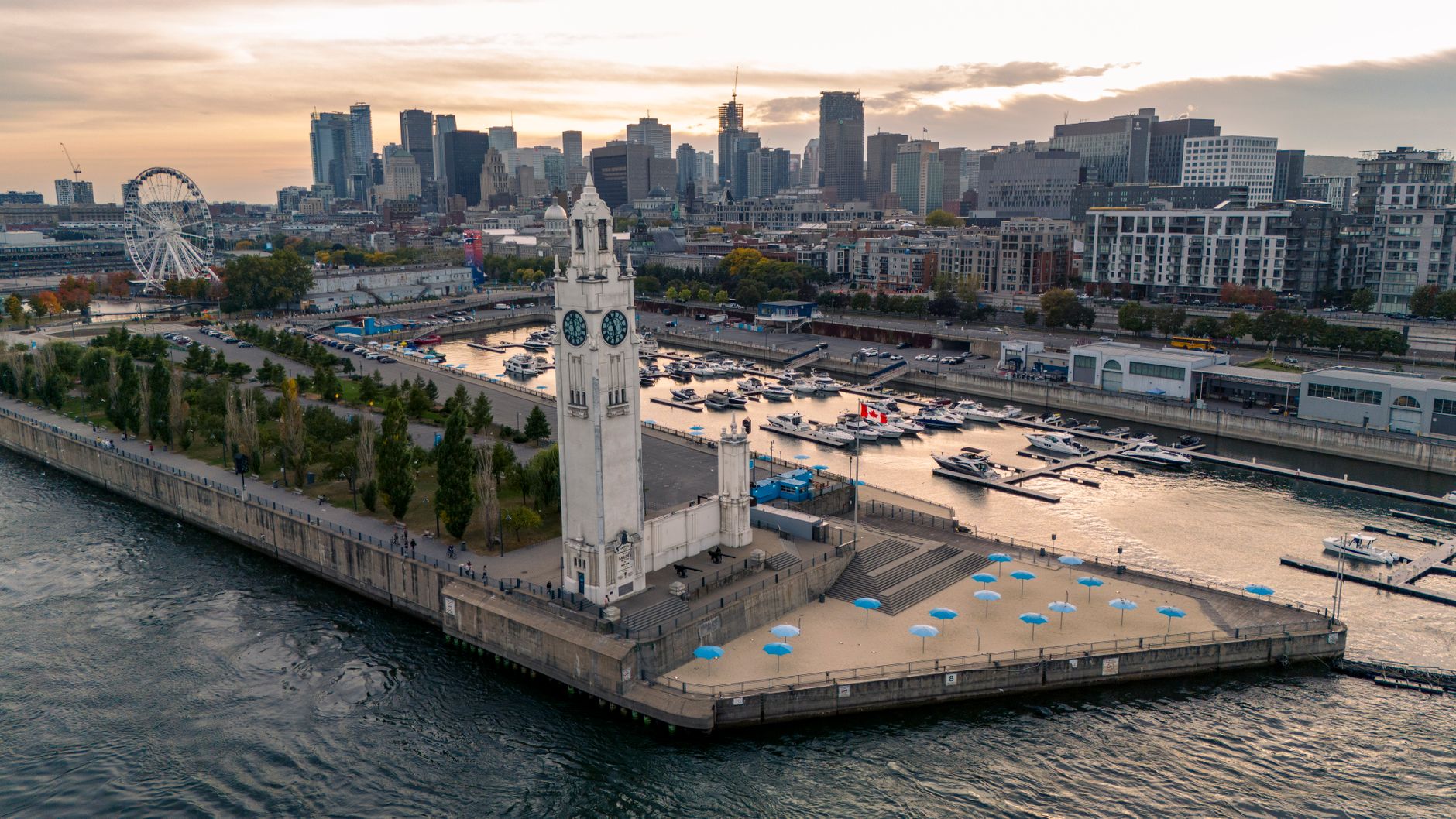
Montreal is a city that effortlessly blends old-world charm with contemporary flair, famous for its European ambiance, vibrant arts scene, and delicious food. Visitors often flock to its well-known landmarks, but to truly experience the city's soul, you need to venture a little deeper.
Beyond the bustling Old Port and Mount Royal's panoramic views, Montreal holds countless untold stories, hidden histories, and cultural quirks that define its unique character. If you're planning a week-long stay, this guide will lead you to lesser-known spots, each with a captivating tale waiting to be discovered.
1. The Industrial Heartbeat of Lachine Canal
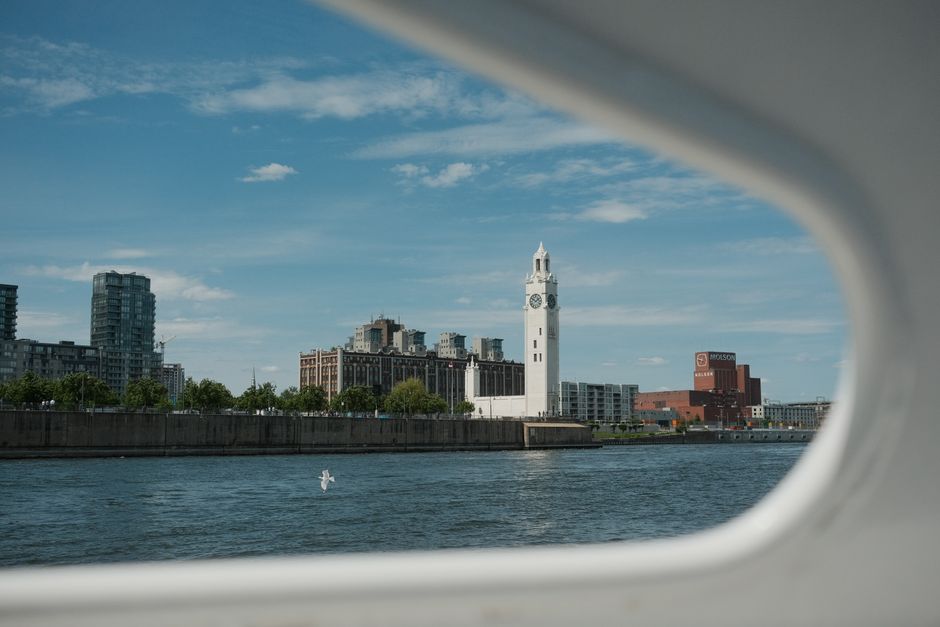
Lachine Canal National Historic Site, Montreal, Canada
The tranquil Lachine Canal, now a cycling path, was once the roaring engine of Canada's industrial revolution, fueling massive economic growth but also significant social unrest.
This waterway, completed in 1825, bypassed the Lachine Rapids, allowing ships to reach the Great Lakes. Its banks soon teemed with factories, drawing immigrants and creating a bustling, often harsh, working-class district. The canal's industrial might shaped early Montreal, but its laborers also fought for better conditions, marking important milestones in Canadian labor history.
2. Plateau's Tax-Dodging Spiral Staircases
Plateau Mont-Royal, Montreal, Canada
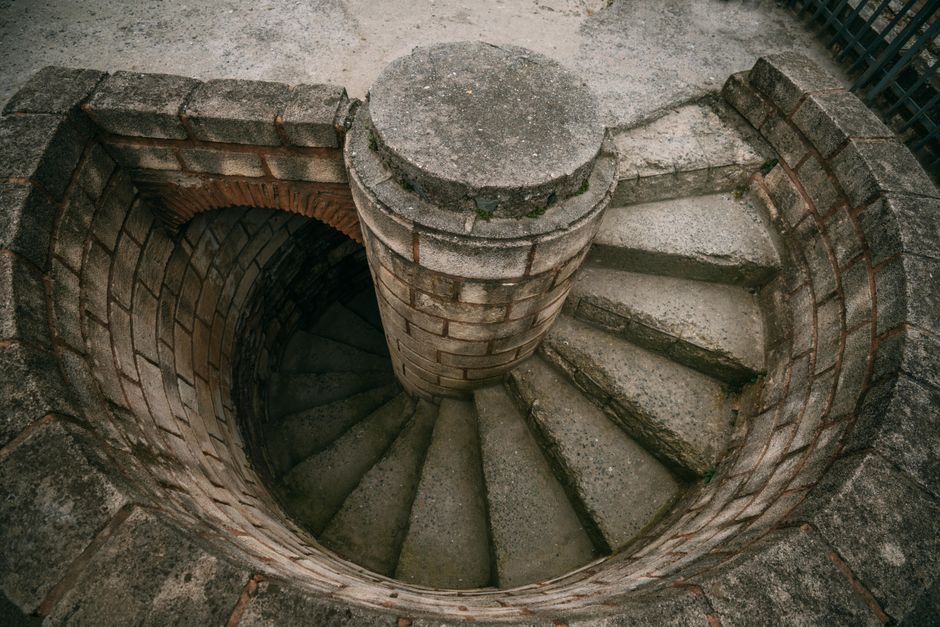
Look closely at the charming homes in the Plateau, and you'll notice their distinctive outdoor spiral staircases — a unique architectural feature born from a clever tax loophole.
These elegant, often ornate, iron staircases became a hallmark of Montreal's duplexes and triplexes in the late 19th and early 20th centuries. Landlords built them outside to maximize interior space and, crucially, to avoid property taxes on what was then considered outdoor, public access, rather than part of the private dwelling's square footage. This quirk of taxation left an enduring, beautiful mark on the city's streetscape.
3. Pointe-à-Callière's Subterranean City Origins
Pointe-à-Callière, Montreal, Canada
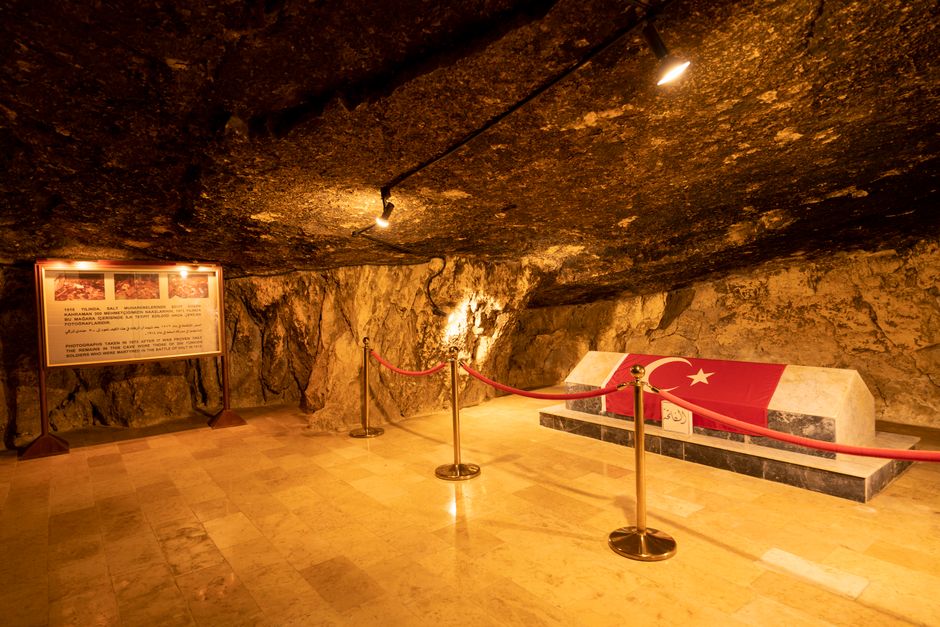
Descend beneath the Pointe-à-Callière Museum and you don't just see artifacts; you walk through the actual layered foundations of Montreal's earliest settlements, including the remnants of Ville-Marie itself.
This award-winning museum is built directly atop the original site where Montreal was founded in 1642. Its most compelling exhibit is an underground archaeological crypt that guides visitors through ancient drainage systems, the first Catholic cemetery, and the foundations of the Royal Insurance building, all preserved in situ. It's a tangible journey back through centuries, revealing the very ground the city grew from.
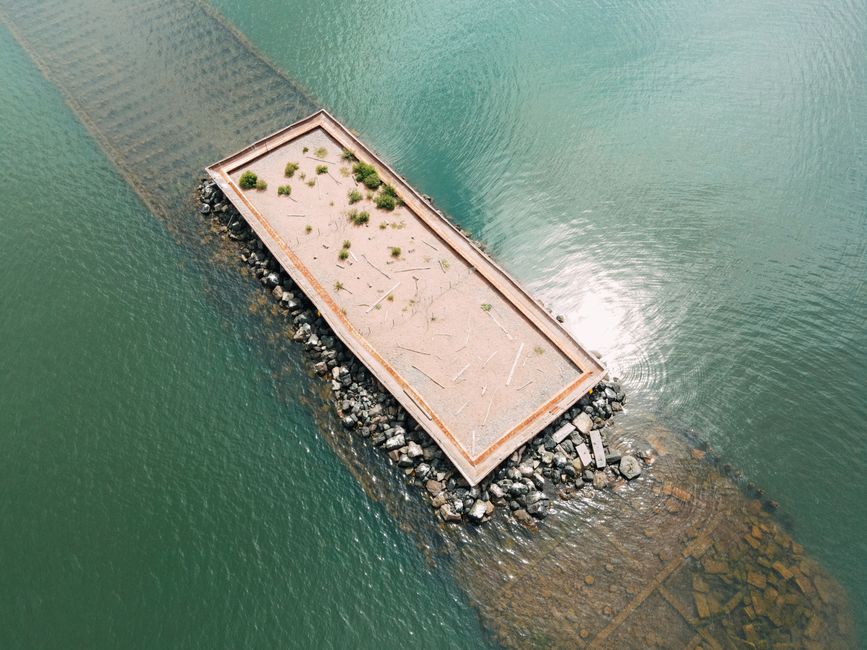
4. Cité du Havre: A Man-Made Island
Cité du Havre, Montreal, Canada
The land beneath the iconic Habitat 67, and the entire Cité du Havre peninsula, isn't natural at all; it was engineered entirely from dirt excavated for a massive 20th-century shipping project.
This unique peninsula was created using millions of tons of earth and rock dredged during the construction of the St. Lawrence Seaway in the 1950s. What was once riverbed became new land, transforming Montreal's waterfront. It's on this artificial foundation that Moshe Safdie's visionary Habitat 67 was built for Expo 67, a testament to human ingenuity in shaping both land and architecture.
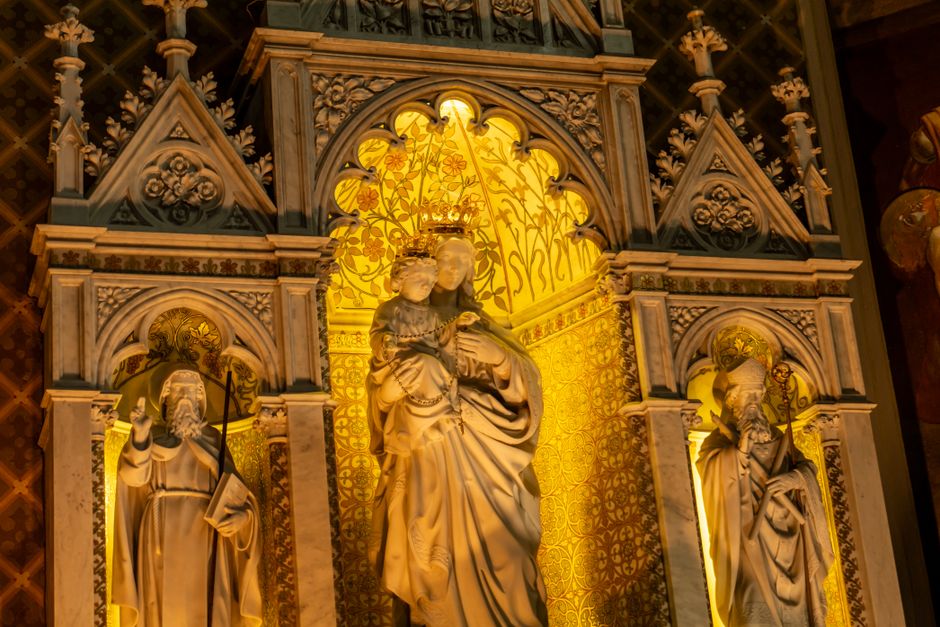
5. Saint Joseph's Oratory's Humble Crypt Church
Saint Joseph's Oratory, Montreal, Canada
While the towering dome of Saint Joseph's Oratory dominates the skyline, the true heart of Brother André's legacy lies beneath, in the simple, cavernous crypt church he began before the grand basilica.
Before the massive basilica was even conceived, Brother André's small chapel became too crowded for the thousands seeking his counsel. The Crypt Church, completed in 1917, was the first major structure built, a vast, unadorned space designed to accommodate his growing following. Its somber, reverent atmosphere starkly contrasts with the later opulence above, offering a glimpse into the Oratory's humble, faith-driven origins.
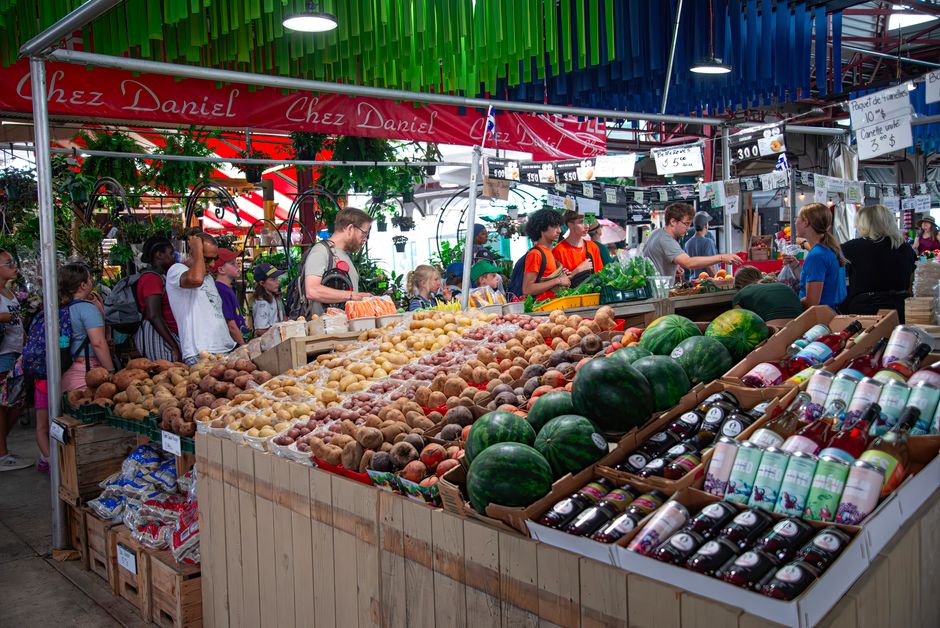
6. Marché Jean-Talon's Italian Roots
Marché Jean-Talon, Montreal, Canada
Marché Jean-Talon is more than just a vibrant public market; it's a living echo of Montreal's rich Italian immigrant history, a place where families built livelihoods and preserved traditions for generations.
Established in 1933, this open-air market quickly became a central gathering point for the Italian community settling in the surrounding Little Italy neighbourhood. Many of the original vendors were Italian families, selling produce from their own farms or specialty imports. Even today, while diverse, the market retains a strong connection to these roots, evident in its vibrant atmosphere and the enduring family businesses that thrive there.

7. Parc La Fontaine's Miniature Eiffel Tower
Parc La Fontaine, Montreal, Canada
Amidst the lush greenery of Parc La Fontaine, a surprising miniature Eiffel Tower stands proudly, a charming and historic gift from France that many Montrealers walk past without noticing.
This delightful replica, standing several meters tall, was originally presented by France in 1889 to commemorate the universal exhibition in Paris that year, where the real Eiffel Tower was unveiled. It was later gifted to the city of Montreal. Though small, its presence adds a whimsical and often overlooked layer of international history to one of Montreal's most beloved urban parks.

8. The Pink Balls of Le Village
Le Village (Gay Village), Montreal, Canada
Every summer, Montreal's Gay Village undergoes a stunning transformation, with thousands of vibrant pink balls strung overhead, creating North America's largest outdoor pedestrian art installation and a powerful statement of community.
This annual public art project, known as "18 Shades of Pink," transforms Sainte-Catherine Street East into a kilometer-long canopy of colorful spheres. Beyond its visual appeal, the installation symbolizes the vitality and inclusiveness of Le Village. It attracts visitors from around the world, creating a festive, open-air pedestrian zone that celebrates diversity and community spirit during the warmer months.
Frequently asked questions
Is Montreal easy to navigate for tourists?
Montreal is very pedestrian-friendly, especially downtown and in popular neighborhoods like the Plateau. The public transit system (STM metro and buses) is efficient and covers most areas of interest, making it easy to get around without a car.
What's the best time of year to visit Montreal for a week?
Late spring (May-June) or early autumn (September-October) offer the most pleasant weather, with fewer crowds than peak summer and beautiful foliage in the fall. Summers are vibrant but can be hot and humid, while winters are cold and snowy.
Do I need to speak French to visit Montreal?
While French is the official language and widely spoken, most people in the tourism industry and younger generations are bilingual. You can comfortably get around and enjoy your trip speaking English, though knowing a few basic French phrases is always appreciated.
How can I learn more about Montreal's hidden histories while I'm there?
To truly uncover the unique stories of Montreal's places, consider using an AI audio tour guide like AllTours.ai. Simply point your phone camera at any landmark or landscape, and the app will narrate its history, geology, and culture in your preferred language, offering a personalized and immersive experience.
Photography via Pexels. AllTours.ai is an AI audio tour guide — point your camera at any landscape and hear its story.