July 26, 2026 · 4 min read
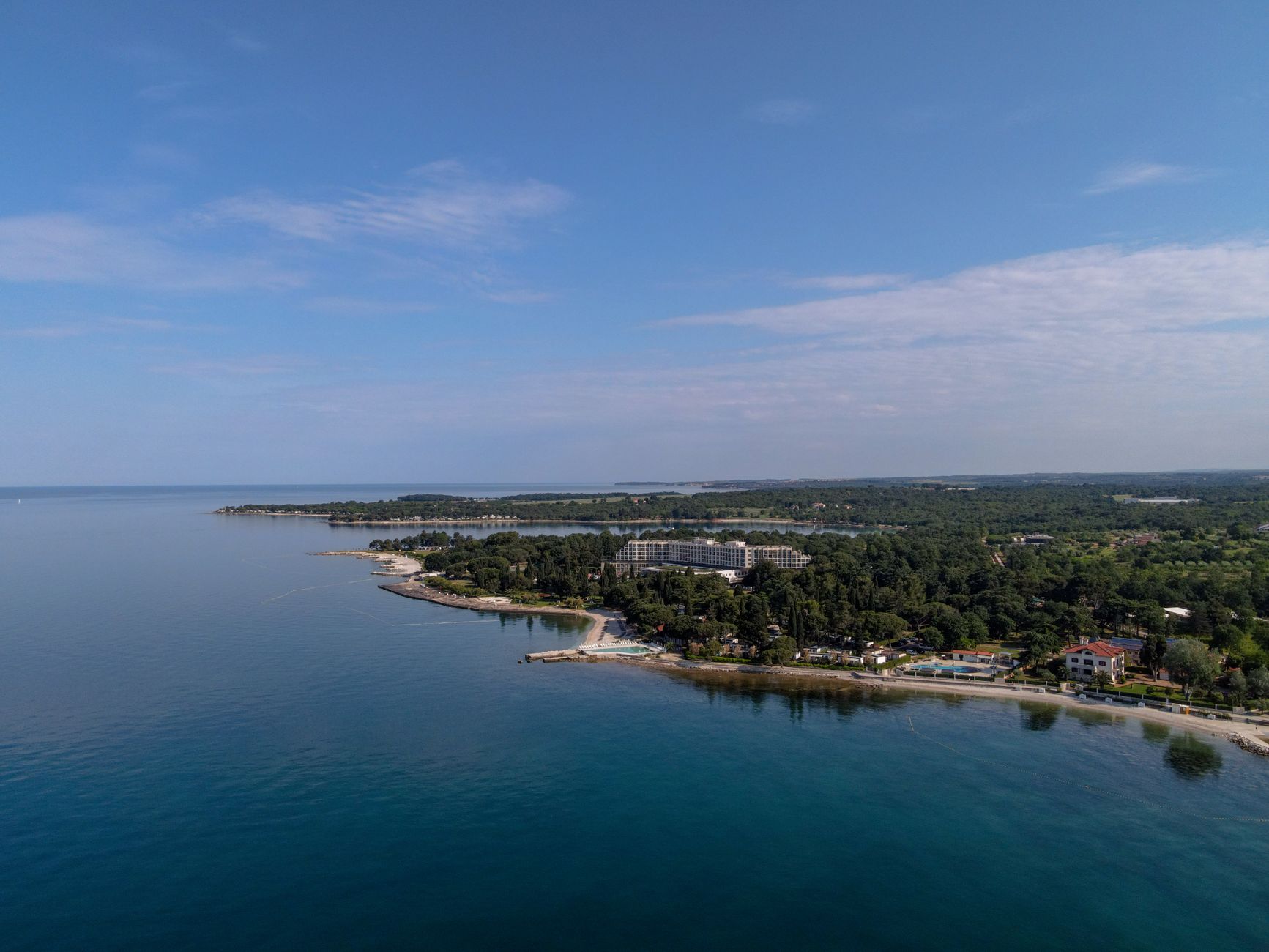
Croatia calls to first-time visitors with its shimmering Adriatic coastlines and ancient cities. While iconic spots like Dubrovnik and Plitvice Lakes are undeniably beautiful, the true magic of Croatia often lies a little further off the beaten path, where history whispers from forgotten fortresses and nature reveals its most spectacular secrets.
For those wondering what are the best things to do in Croatia for first-time visitors, especially if you crave genuine discovery, we've curated a list of places that offer more than just a pretty view. These are destinations brimming with unique stories, geological wonders, and cultural quirks that promise to spark your curiosity and leave you with unforgettable memories.
1. The World's Smallest Town and Its Ancient Script
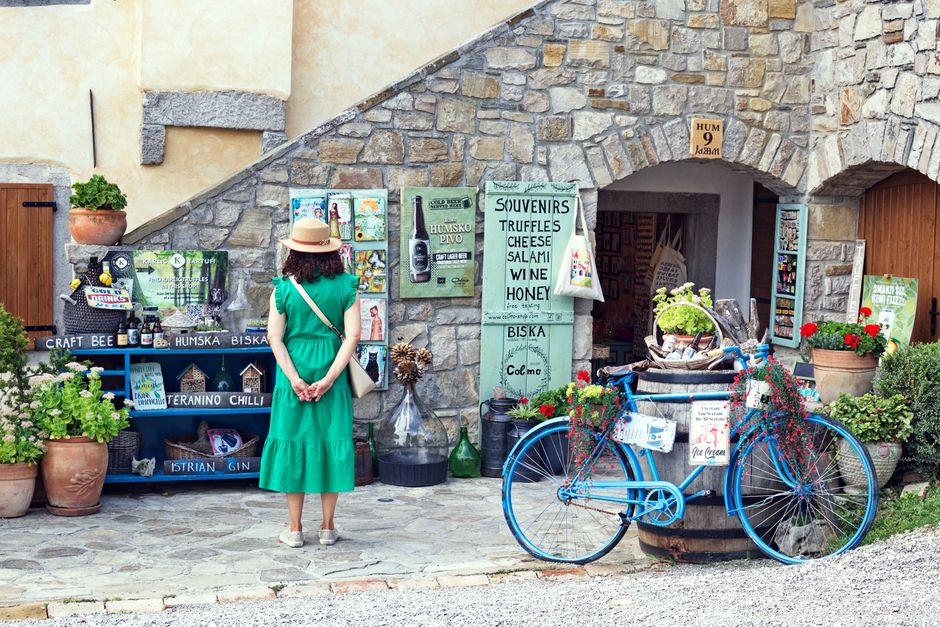
Hum, Istria, Croatia
This tiny Istrian hilltop town holds the Guinness World Record for being the smallest city on Earth, with a population often under 30 people.
Hum's charm extends beyond its size. It's also a living museum of the Glagolitic script, an ancient Slavic alphabet. As you approach, you'll travel the Glagolitic Alley, a 7-kilometer trail marked by eleven stone monuments, each bearing a letter of this unique script. Inside the town walls, every corner reveals medieval frescoes and centuries of history, making it a step back into a forgotten era.
2. The Lighthouse Painted with Egg Yolks
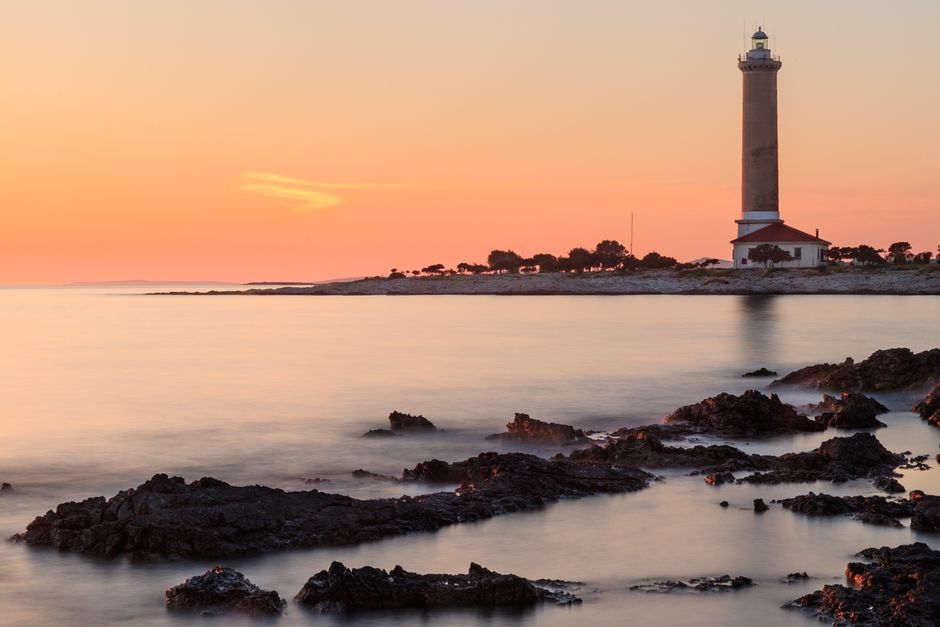
Veli Rat Lighthouse, Dugi Otok, Croatia
Croatia's tallest lighthouse holds a peculiar secret: its distinctive yellow facade is rumored to have been mixed with over 100,000 egg yolks.
Built in 1849, the Veli Rat Lighthouse stands majestically on the northwestern tip of Dugi Otok island. The local legend claims the unusual ingredient was used to give the stone an enduring, vibrant yellow hue, though its true purpose might have been to strengthen the mortar. Regardless, its towering presence against the blue Adriatic, surrounded by pine forests and hidden coves, makes it a captivating and romantically isolated destination.
3. A Glimpse into Early Human History
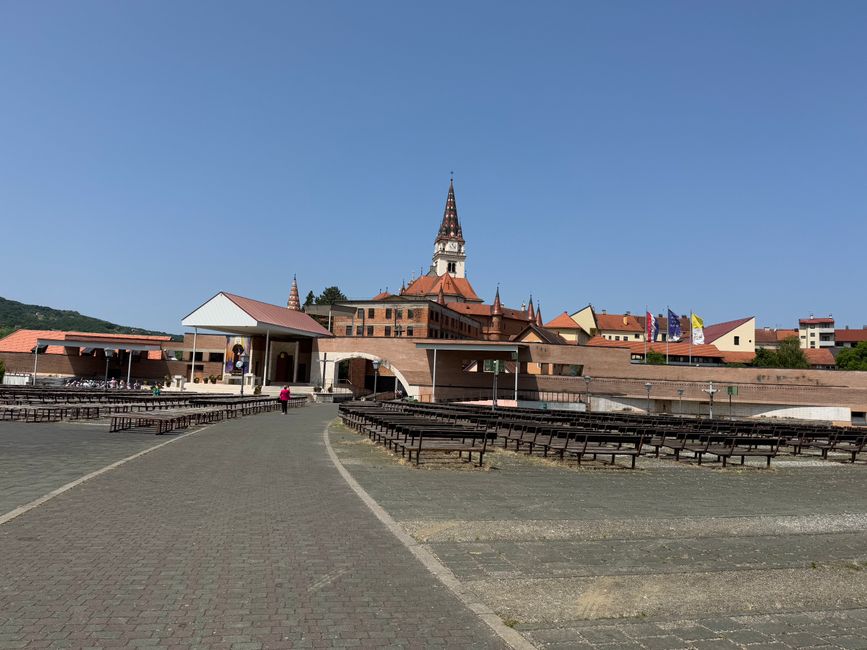
Krapina Neanderthal Museum, Krapina, Croatia
This museum sits adjacent to one of the richest Neanderthal sites in the world, revealing crucial insights into human evolution.
The Hušnjakovo site near Krapina yielded over 900 human fossil remains belonging to some 80 individuals, making it a pivotal discovery in understanding Neanderthal life. The modern Krapina Neanderthal Museum uses cutting-edge technology and vivid dioramas to transport visitors back 125,000 years, showcasing their daily lives, tools, and the environment they inhabited. It's a profound journey into our ancestral past, often overlooked by beach-focused travelers.
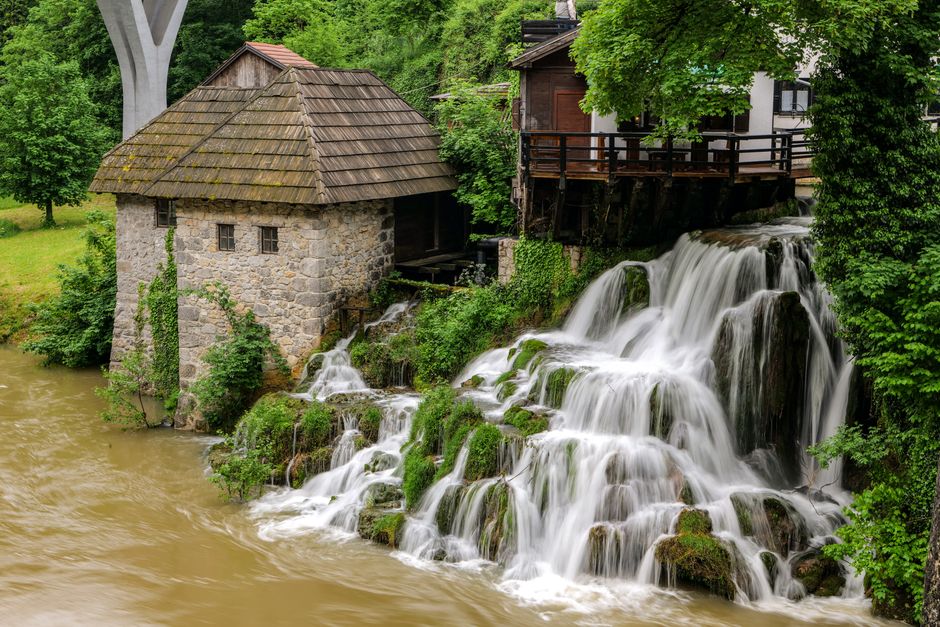
4. The Village of Watermills and Fairytale Falls
Rastoke, Slunj, Croatia
Often called 'Little Plitvice,' this enchanting village features a unique natural phenomenon where the Slunjčica River splits into numerous waterfalls, flowing directly over and under traditional watermills.
Rastoke is a living example of harmonious coexistence between nature and human ingenuity. The rustic wooden mills, some still operational, have been harnessing the river's power for centuries, grinding corn and flour. Walk across charming wooden bridges, admire the cascades, and see how the emerald-green waters create a serene, almost magical atmosphere. It offers a glimpse into traditional Croatian rural life, untouched by time.
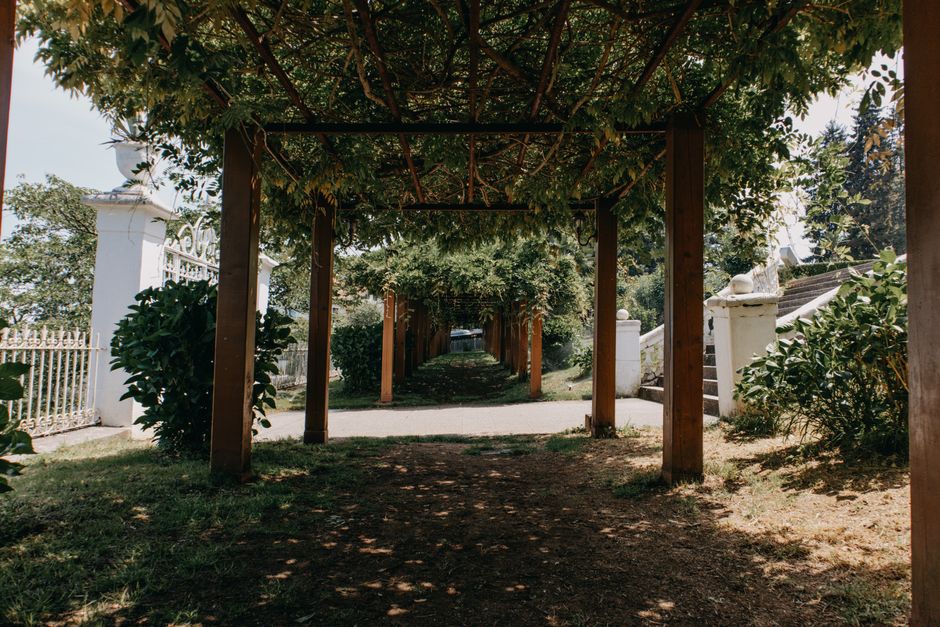
5. A Garden Cemetery of Enduring Beauty
Varaždin Cemetery, Varaždin, Croatia
More than just a resting place, this cemetery is a meticulously designed arboretum, considered one of the most beautiful in Europe.
Unlike typical cemeteries, Varaždin's is a masterpiece of landscape architecture, transformed in the early 20th century by Herman Haller. He planted over 7,000 trees and shrubs, sculpting hedges into intricate geometric patterns and creating serene pathways. The result is a peaceful, living memorial that feels more like a botanical garden or a park, offering a contemplative and surprisingly uplifting experience far from the usual tourist bustle.
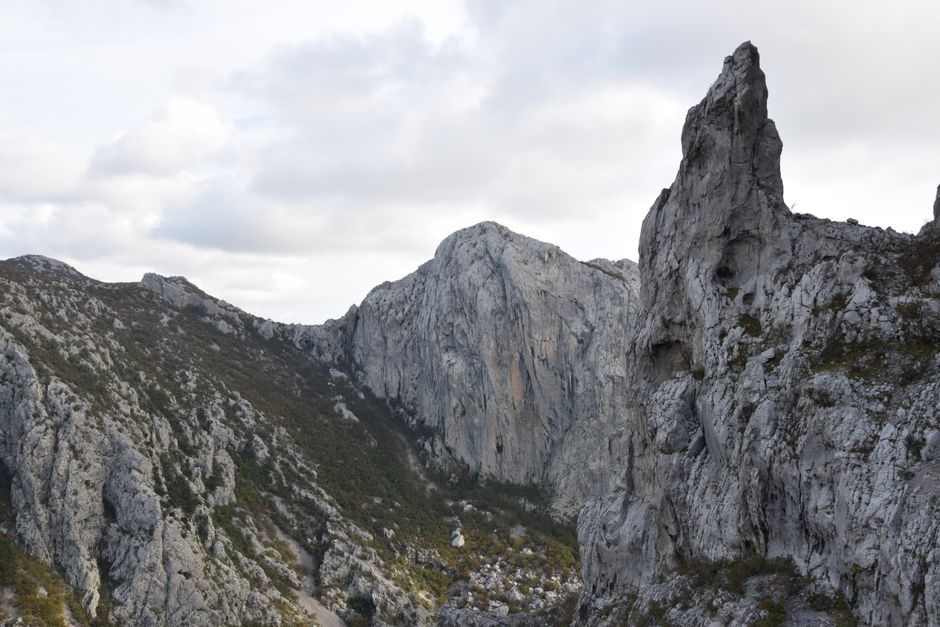
6. Tito's Secret Mountain Hideout
Paklenica National Park, Croatia
Hidden deep within the karst mountains of Paklenica National Park lies a vast, secret underground bunker complex built for Yugoslav leader Josip Broz Tito during the Cold War.
Known locally as 'Tito's Bunker' or 'Atomic War Command', this massive complex was excavated into the solid rock of Mt. Velebit between 1950 and 1953, designed to withstand a nuclear attack. It remained a top-secret military installation for decades, unknown even to many locals. Today, parts of it are accessible, offering a chilling glimpse into a tense historical era and the paranoia of the Cold War, a stark contrast to the park's natural beauty.
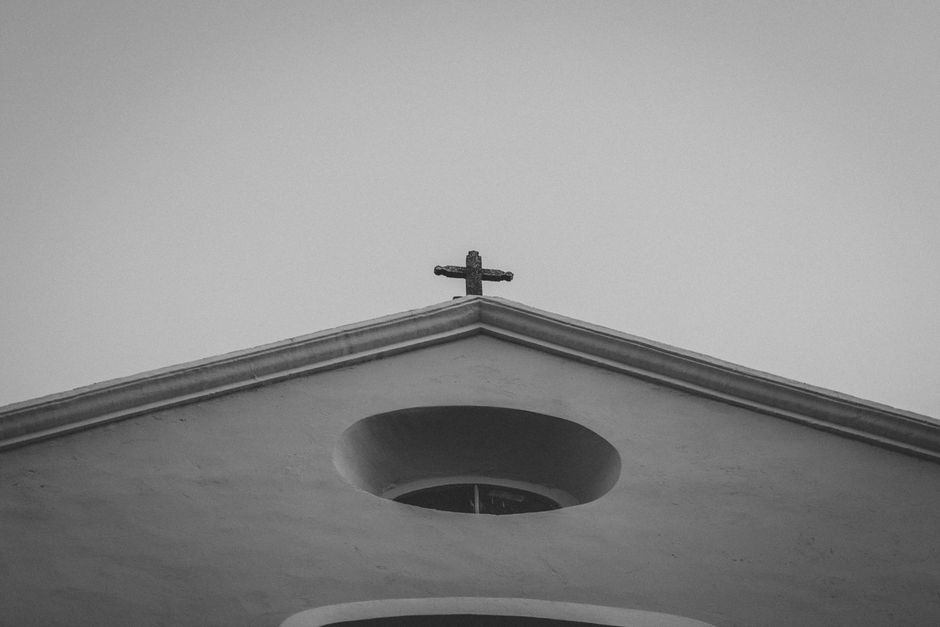
7. The Smallest Cathedral with an Ancient Calendar
Church of the Holy Cross, Nin, Croatia
This tiny pre-Romanesque church, often called 'the smallest cathedral in the world,' was ingeniously designed as an ancient sundial and calendar.
Built in the 9th century, the Church of the Holy Cross in Nin is remarkable for its dimensions and unique architectural features. Its elongated elliptical dome and specific window placements allowed it to function as a precise calendar, tracking the solstices and equinoxes through sunlight projections. It's a testament to the advanced astronomical knowledge of its builders, a small but powerful piece of early Croatian history standing proudly in a field.
8. A World War II Partisan Command Post
Titova Špilja (Tito's Cave), Vis Island, Croatia
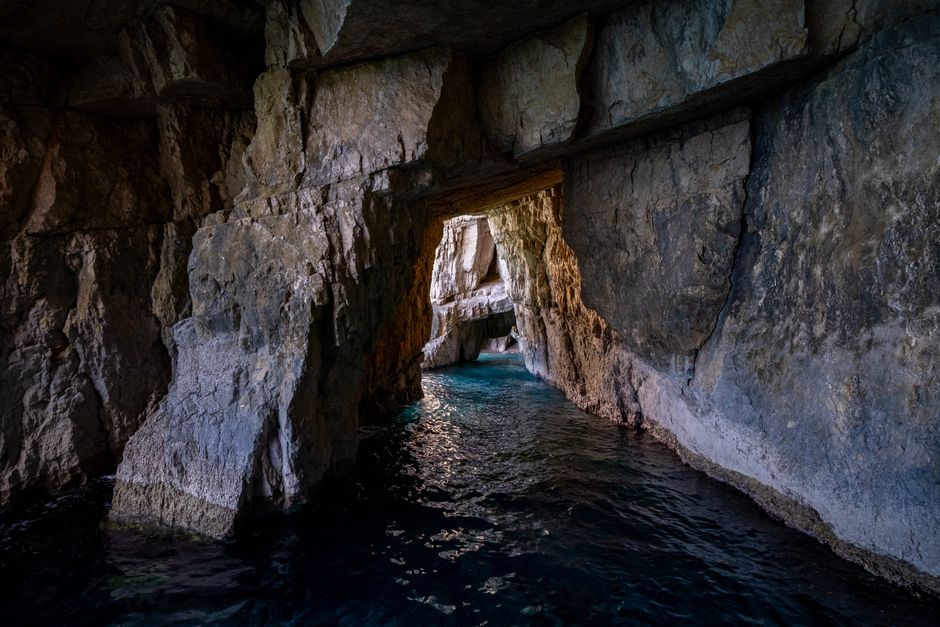
On the remote island of Vis, a series of caves served as Josip Broz Tito's main command post for the Yugoslav Partisan supreme headquarters during crucial periods of World War II.
Vis Island's strategic location and rugged terrain made it an ideal hideout during the war. Titova Špilja, a complex of two main caves connected by steep steps, was where Tito directed resistance operations against the Axis powers from 1944. Visiting this site offers a tangible connection to a pivotal moment in European history, revealing the island's often-overlooked military significance and the ingenuity of wartime survival.
Frequently asked questions
Is Croatia an expensive country to visit?
Croatia's pricing can vary significantly. Coastal hotspots like Dubrovnik and Hvar are generally more expensive, especially during peak season. Inland regions and lesser-known islands offer more budget-friendly options for accommodation, food, and activities. Planning ahead and traveling during the shoulder seasons can also help manage costs.
What is the best time of year for first-time visitors to Croatia?
For first-time visitors, the shoulder seasons (May-June and September-October) are often ideal. The weather is pleasant, the crowds are smaller than in July-August, and prices for flights and accommodation are usually lower. You'll still enjoy warm seas for swimming and all attractions will be open.
Do I need to rent a car to explore Croatia's hidden gems?
While major cities and popular islands are well-connected by buses and ferries, exploring Croatia's truly hidden gems, especially those in rural areas or national parks, often benefits greatly from having a rental car. It offers flexibility and access to places public transport might not reach, allowing for more spontaneous discovery.
How can I learn more about these unique places as I travel?
To dive deeper into the history, geology, and culture of these fascinating locations, the AllTours.ai app is your perfect companion. Simply point your phone camera at a landmark or landscape, and the app will instantly narrate its story in your preferred language, turning every view into a rich learning experience.
Photography via Pexels. AllTours.ai is an AI audio tour guide — point your camera at any landscape and hear its story.