September 18, 2026 · 4 min read
Crossing the border into Canada offers an experience often familiar, yet distinct. As an American visitor, showing respect for local customs and uncovering the country's unique character goes a long way. Beyond the well-trodden paths of major cities and famous national parks, Canada holds a wealth of fascinating, lesser-known places where local etiquette and a curious spirit can truly enrich your journey.
This guide highlights some of Canada’s most intriguing, often overlooked spots. Each location tells a surprising story, inviting you to engage with the culture and landscape in a way that’s both polite and profoundly rewarding. Embrace the subtle differences, listen to the local narratives, and you'll find yourself not just visiting Canada, but truly experiencing it.
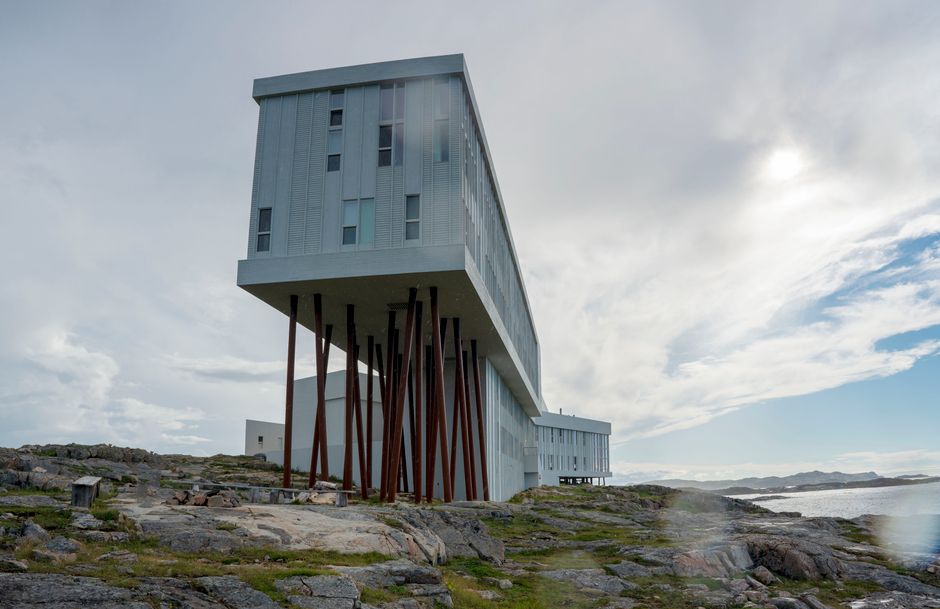
1. The 'Flat Earth Corner' of Fogo Island
Fogo Island, Newfoundland and Labrador, Canada
This remote island claims one of the four corners of the flat earth, a nod to its dramatic geological edges.
Fogo Island, off the coast of Newfoundland, is a place where time feels different. Its rugged coastline features ancient rock formations that locals poetically refer to as one of the 'four corners of the flat earth.' This isn't just a quirky claim; it reflects the islanders' deep connection to their landscape and a culture fiercely preserved through initiatives like the Fogo Island Inn. Expect genuine hospitality and a unique dialect, far removed from mainland Canadian norms.
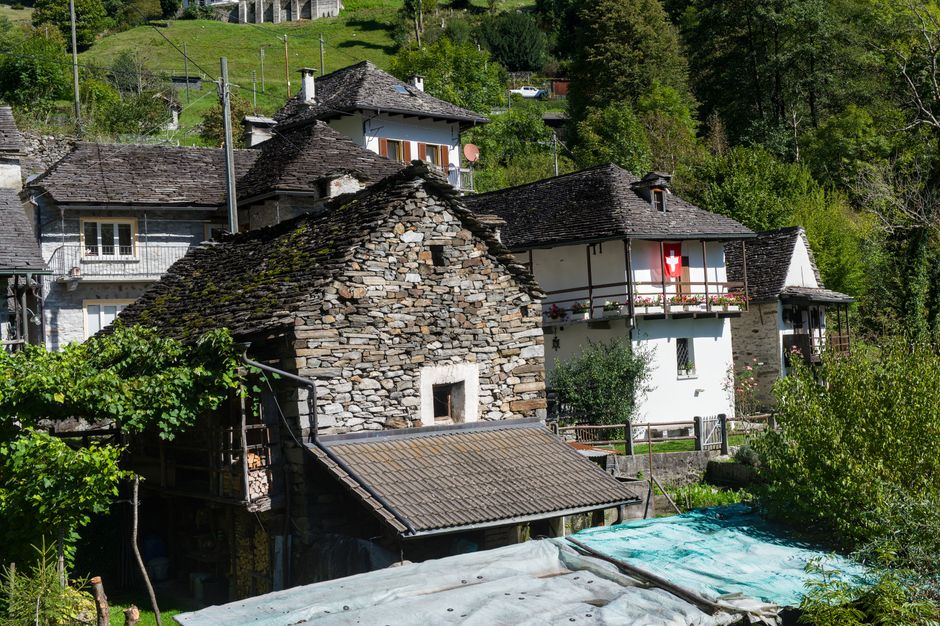
2. Val-Jalbert: Quebec's Preserved Ghost Town
Val-Jalbert, Quebec, Canada
Explore a perfectly preserved 1920s company town that was abandoned almost overnight, leaving its buildings intact.
In the Saguenay–Lac-Saint-Jean region, Val-Jalbert stands as a meticulously preserved ghost town. This was once a thriving pulp mill community until the mill's sudden closure in 1927 forced residents to leave everything behind. Today, you can wander through original homes, the general store, and the convent, all furnished as they were a century ago. It offers a unique window into Quebec's industrial past and the close-knit community life that once defined these remote settlements.
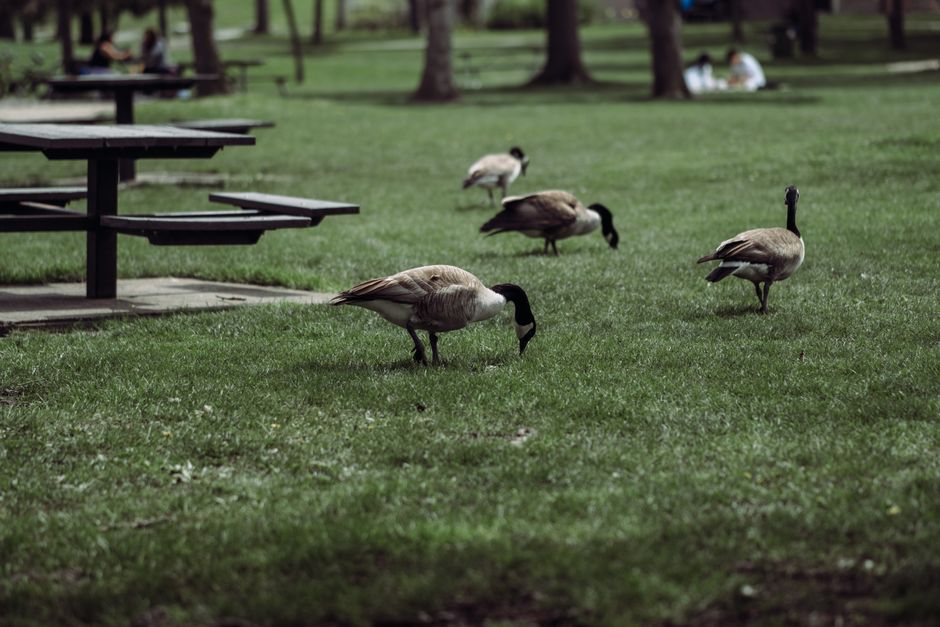
3. Wawa's Giant Goose and Gold Rush Legacy
Wawa, Ontario, Canada
A colossal goose statue marks the entrance to a town with a surprisingly rich history of boom-and-bust gold and iron mining.
Driving along the Trans-Canada Highway in Northern Ontario, you can't miss the 28-foot-tall Wawa Goose. While an iconic landmark, the town of Wawa (Ojibwe for 'wild goose') holds a deeper story. It was founded on the promise of gold in the late 19th century, then sustained by iron ore mining. The giant goose symbolizes the town's resilience and unique identity, a place where resource extraction shaped everything, leaving behind a legacy of hard work and community spirit in a rugged landscape.
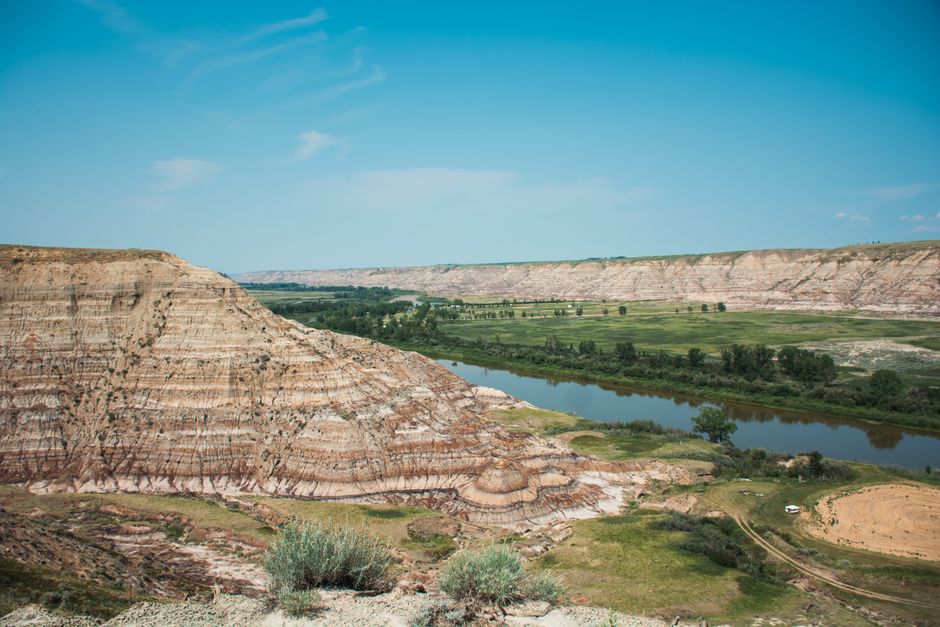
4. Drumheller's Dinosaur Badlands
Drumheller, Alberta, Canada
Nestled in the Canadian badlands, this town is the heart of a region where more dinosaur fossils have been found than almost anywhere else on Earth.
While the Royal Tyrrell Museum is a major draw, the town of Drumheller itself is a marvel. Situated in a unique landscape of hoodoos and coulees, it's surrounded by the ancient riverbeds where countless dinosaur fossils, including Albertosaurus, were unearthed. The entire region, particularly the nearby Dinosaur Provincial Park (a UNESCO site), feels like stepping back 70 million years. The local community embraces its prehistoric past with dinosaur art and themed attractions, offering a truly immersive experience.
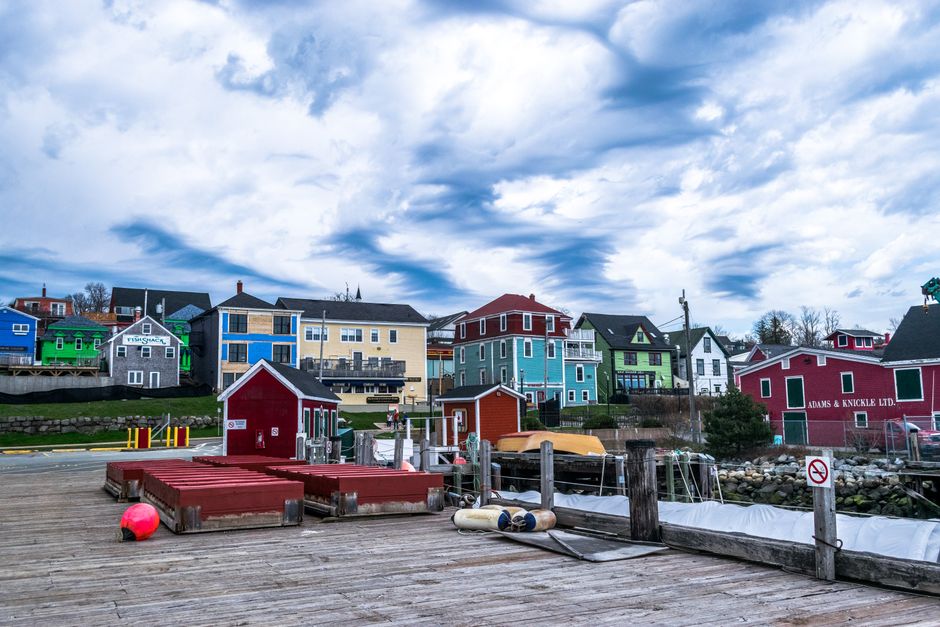
5. Lunenburg's Enduring Maritime Heritage
Lunenburg, Nova Scotia, Canada
This UNESCO World Heritage site is a vibrant working port, not a museum, with a distinct 'Lunenburg Bump' architectural style.
Old Town Lunenburg is one of only two urban communities in North America designated as a UNESCO World Heritage site. Unlike many historical towns, it remains a bustling working port where the fishing and shipbuilding industries are still alive. Its brightly painted wooden buildings, many featuring the distinctive 'Lunenburg Bump' dormer, tell tales of generations of seafarers. Witnessing the Bluenose II schooner docked here connects you directly to Canada's rich maritime history.
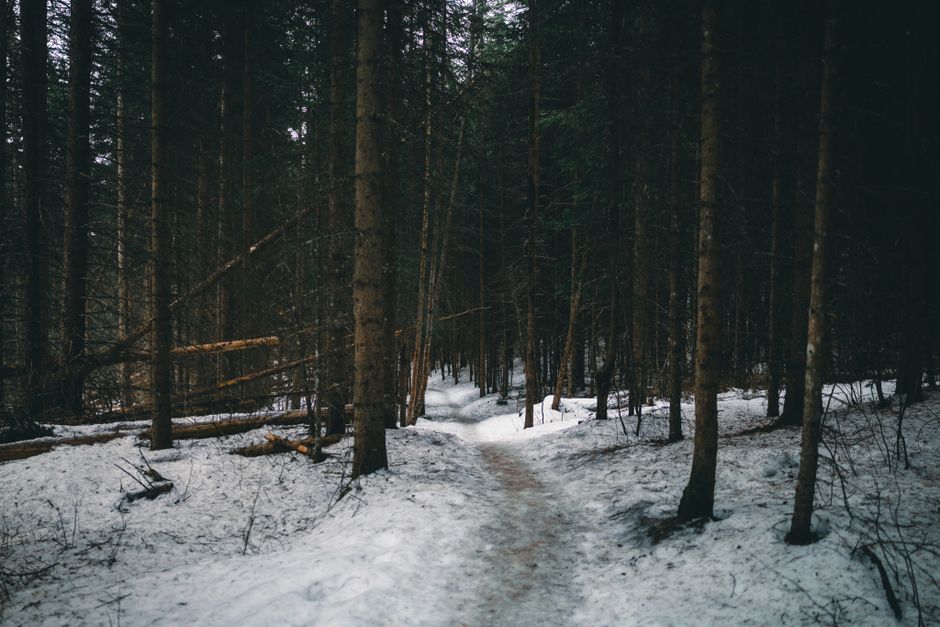
6. Cypress Hills: An Un-Glaciated Prairie Island
Cypress Hills Interprovincial Park, Saskatchewan/Alberta, Canada
This unexpected forested plateau rises above the prairie, a unique 'island' ecosystem untouched by the last ice age.
Cypress Hills Interprovincial Park is an ecological anomaly, an elevated plateau that uniquely escaped the last glaciation. This geological quirk left it with a distinct microclimate and a lodgepole pine forest ecosystem usually found much further north or west. It's the highest point between the Rockies and Labrador, offering surprising biodiversity, including a dark sky preserve, and a stark contrast to the surrounding flat prairies. It's a place to quietly observe nature's resilience.
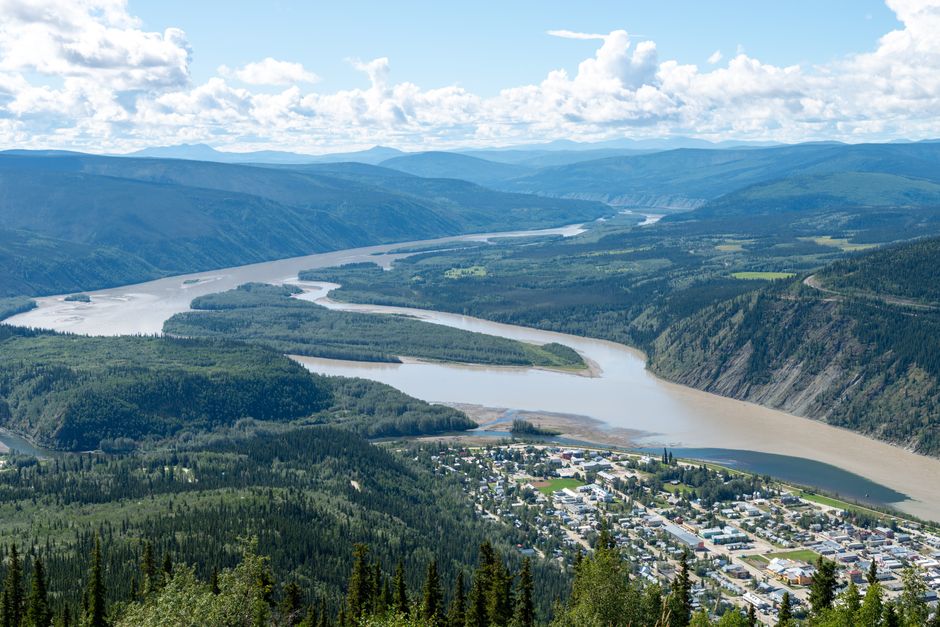
7. Dawson City's Leaning Gold Rush Legacy
Dawson City, Yukon, Canada
The epicentre of the Klondike Gold Rush, where historic buildings are deliberately left leaning to tell their permafrost story.
Far north in the Yukon, Dawson City was the legendary heart of the Klondike Gold Rush, a boomtown that briefly outshone Vancouver. Today, it’s a living heritage site. Many of its 19th-century buildings visibly lean due to permafrost thaw, a phenomenon the town has embraced as part of its unique character, rather than fighting it. You can still pan for gold, visit historic saloons, and immerse yourself in the rugged, pioneering spirit of the North, far from any urban bustle.
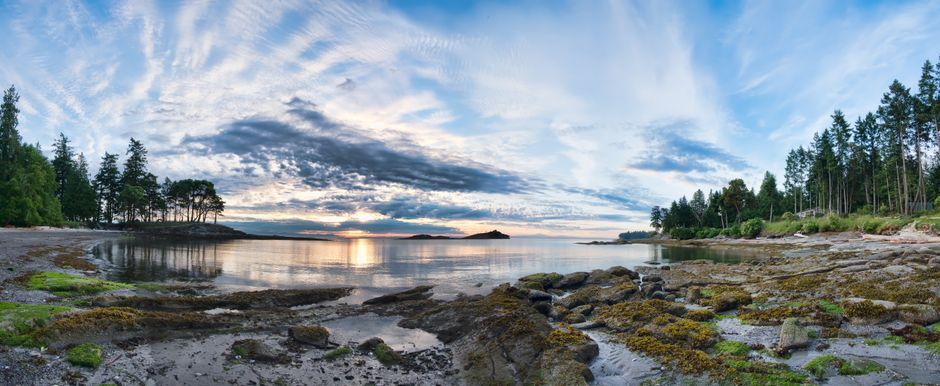
8. Galiano Island's Sandstone Bodysurfing
Galiano Island, British Columbia, Canada
This quiet Gulf Island is home to rare sandstone shelves where ocean currents create a natural 'bodysurfing' experience at low tide.
One of British Columbia's Southern Gulf Islands, Galiano offers a quieter, more natural escape than its more developed neighbours. Its unique geological formations include sandstone cliffs and, at Active Pass, rare sandstone shelves. Here, strong currents at low tide create a natural 'bodysurfing' opportunity, a phenomenon found in very few places globally. The island also features ancient First Nations middens and a vibrant, low-key arts community, inviting respectful exploration.
Frequently asked questions
What's a common cultural difference Americans should know in Canada?
Canadians are generally perceived as more reserved and polite in public interactions. You'll often hear 'sorry' used more frequently, even for minor inconveniences. Conversations might be less direct, and there's a strong emphasis on community and universal healthcare, which can be topics of polite conversation but should be approached with sensitivity.
Is tipping expected in Canada, and how much?
Yes, tipping is customary in Canada, similar to the United States. For restaurant service, 15-20% is standard. For other services like taxi drivers, barbers, or hotel staff, a smaller amount or rounding up is appreciated. Always check if a service charge has already been included, especially in larger groups.
What are some unwritten rules for visiting Canadian parks and natural areas?
In Canadian parks, the 'Leave No Trace' principle is paramount: pack out everything you pack in. Stick to marked trails to protect fragile ecosystems, and give wildlife ample space, never feeding them. Always check for fire bans before planning a campfire, and be mindful of noise levels to preserve the tranquility for others and wildlife.
How can the AllTours.ai app enhance my Canadian visit to these unique places?
The AllTours.ai app acts as your personal AI audio tour guide. Simply point your phone camera at any landscape, landmark, or point of interest in places like Fogo Island or Val-Jalbert. The app then narrates its history, geology, and culture in your preferred language, providing context and depth to your exploration without needing to read signs or carry guidebooks.
Photography via Pexels. AllTours.ai is an AI audio tour guide — point your camera at any landscape and hear its story.