September 8, 2026 · 4 min read
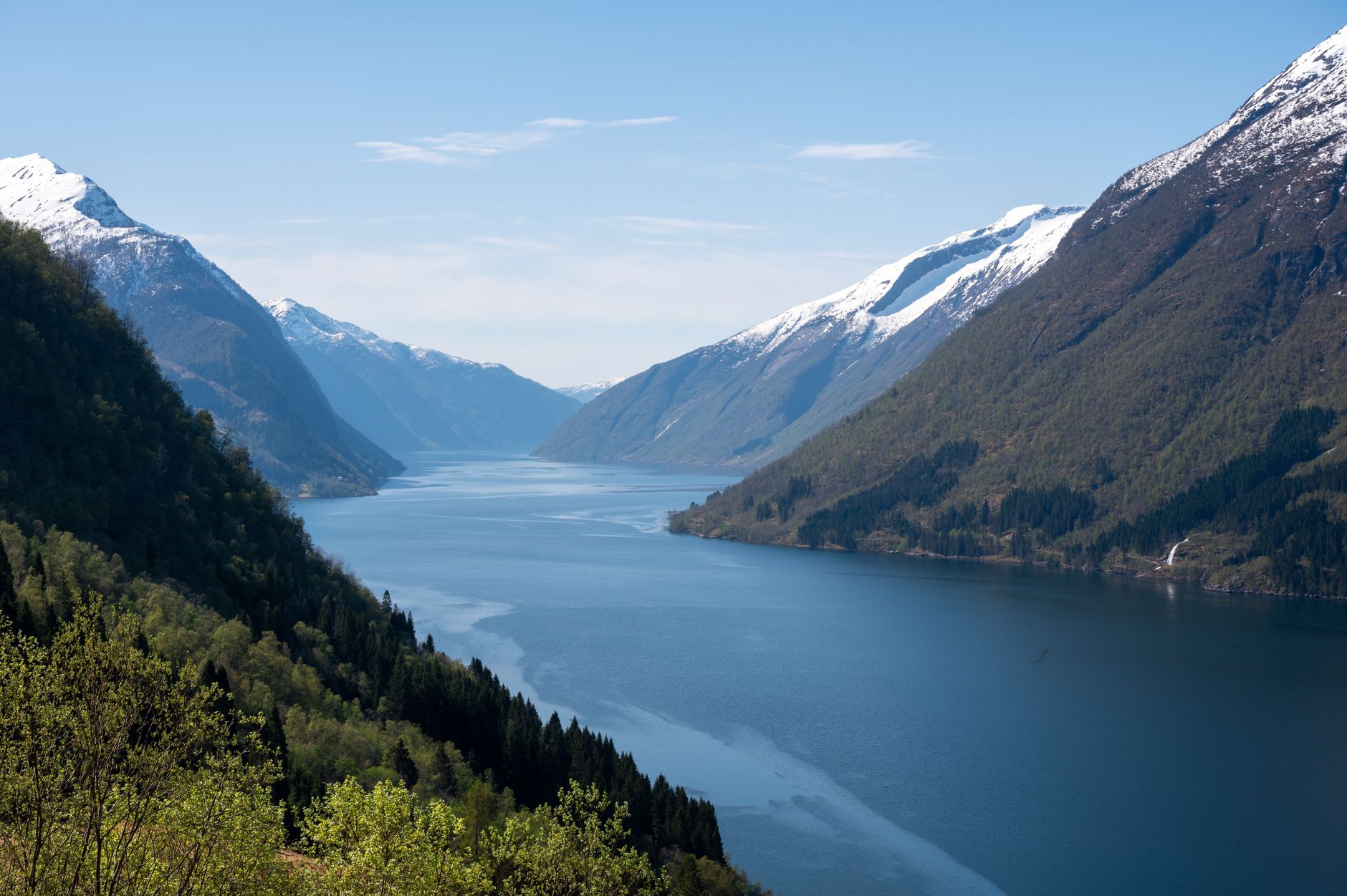
Norway’s fjords, mountains, and Northern Lights draw travelers from across the globe, and for good reason. Iconic spots like Pulpit Rock, Trolltunga, and the Lofoten Islands often dominate itineraries, promising breathtaking views and unforgettable experiences.
But what if some of the biggest mistakes people make when visiting Norway involve overlooking the quiet corners, the places where history whispers louder and nature reveals its more intimate secrets? Beyond the well-trodden paths lie genuinely unique stories, geological wonders, and cultural insights waiting to be discovered.
1. The Copper Town Frozen in Time
Røros, Trøndelag, Norway
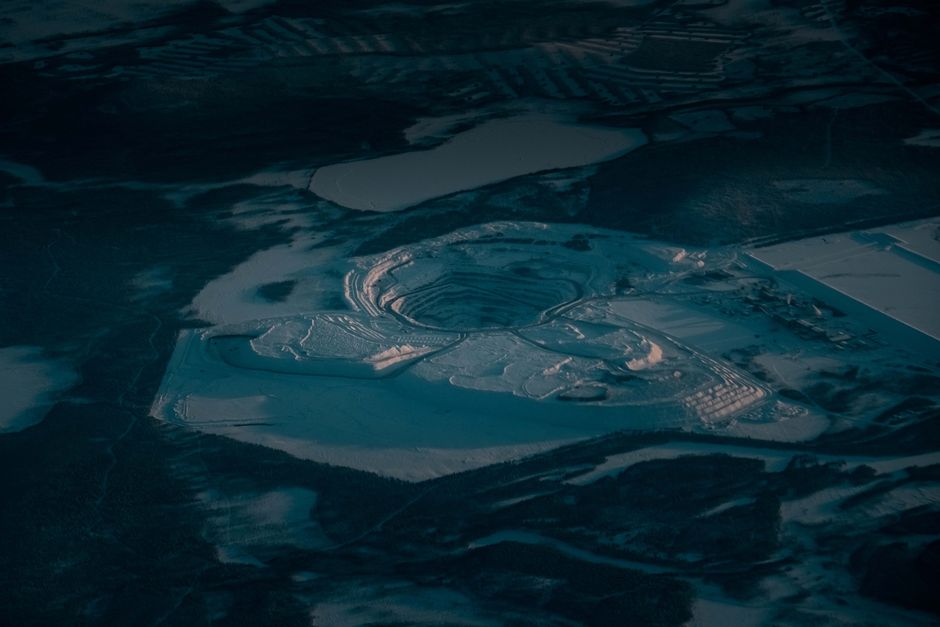
This perfectly preserved 17th-century mining town feels like a living museum, where time genuinely stopped centuries ago.
Røros is a UNESCO World Heritage site, a testament to Norway's copper mining past. Its characteristic wooden buildings, many still inhabited, line narrow streets that have seen little change since the 17th and 18th centuries. Exploring Røros offers a rare glimpse into a bygone era, far from modern development, with a deep connection to its industrial heritage and harsh Nordic environment.
2. Norway's Island of Birdsong and Street Art
Utsira, Rogaland, Norway
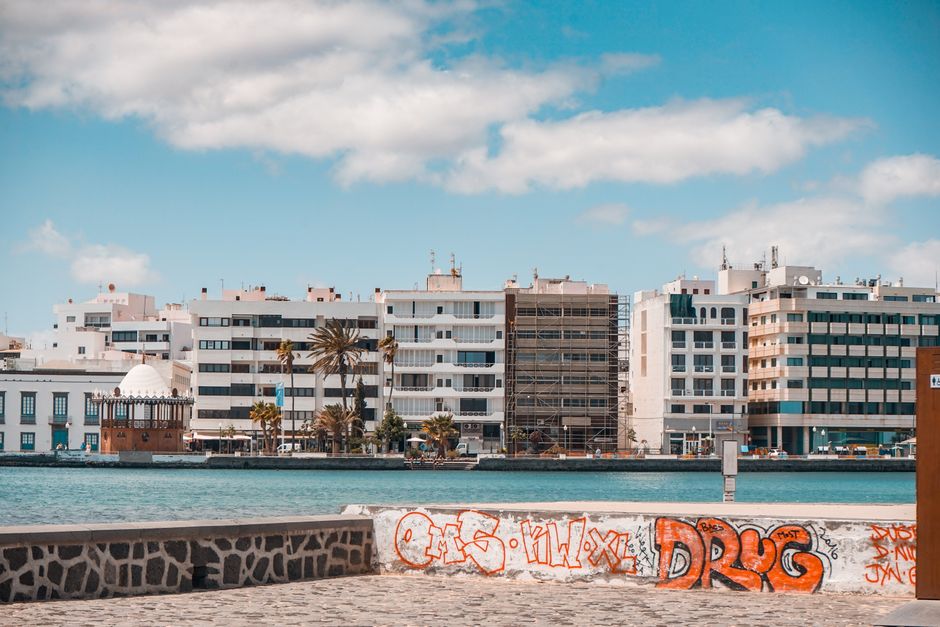
Norway's smallest municipality is a remote island known for world-class birdwatching and an unexpected collection of vibrant street art.
Utsira, a tiny island far off the coast of Rogaland, is a vital stopover for migratory birds, making it a paradise for ornithologists. What's truly surprising is its transformation into an open-air art gallery, with murals adorning houses and public spaces, bringing contemporary culture to a traditional fishing community. It's a unique blend of rugged coastal nature and artistic expression, rarely seen elsewhere.
3. The Unspoiled Wooden Village
Gamle Lærdalsøyri, Vestland, Norway
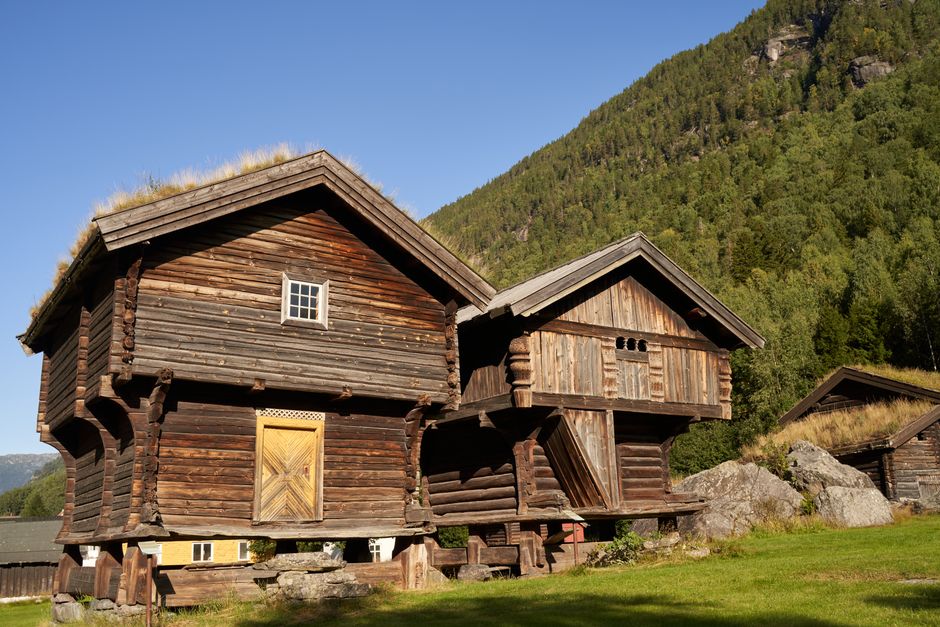
This village boasts one of Norway's most intact collections of 18th and 19th-century wooden houses, untouched by major fires or modern reconstruction.
Gamle Lærdalsøyri, nestled beside the Sognefjord, is a designated national heritage site with over 160 protected buildings. Walking its narrow, winding streets feels like stepping into a postcard from Norway's past, showcasing traditional architecture and a serene atmosphere. It’s a quiet contrast to the dramatic fjord landscape surrounding it, offering a genuine sense of history often missed on faster itineraries.

4. The Eider Duck Archipelago
Vega Archipelago, Nordland, Norway
This UNESCO World Heritage site reveals a centuries-old, symbiotic relationship between islanders and wild eider ducks, who are cared for in exchange for their valuable down.
The Vega Archipelago is an extraordinary example of sustainable living, where generations of fishing-farmers have coexisted with nature. Islanders build shelters for eider ducks, protecting them during nesting season. In return, the ducks leave behind their soft down, which is meticulously collected and used, a practice that highlights a unique cultural heritage and a deep respect for the environment.
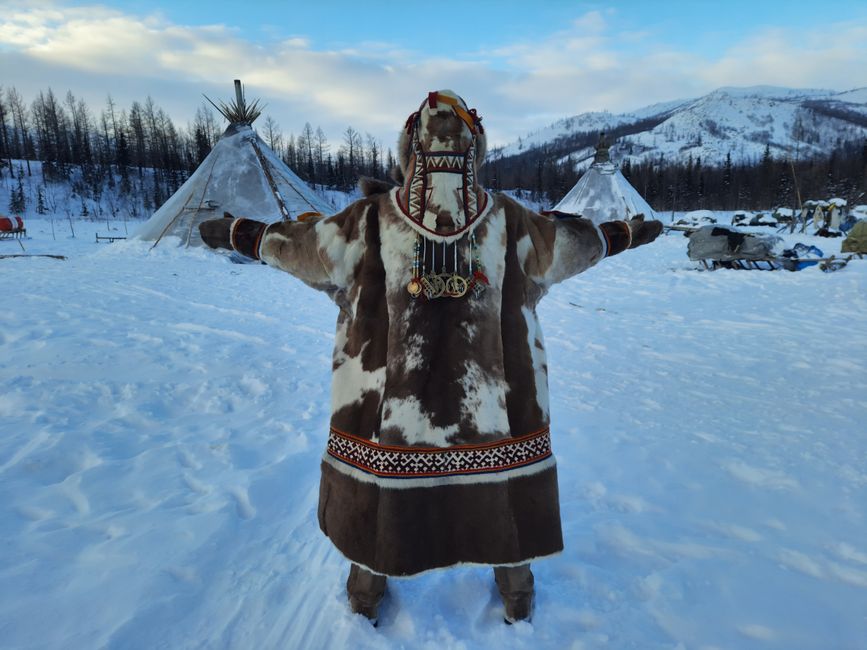
5. Heartland of the Sámi
Karasjok, Finnmark, Norway
Journey into the heart of Sámi culture, where reindeer herding traditions and indigenous ways of life are still central to daily existence.
Karasjok is one of the main centers of Sámi culture in Norway, offering an authentic insight into the indigenous people of the Nordic region. Here, you can learn about their rich history, language, traditional crafts (duodji), and the crucial role of reindeer herding in their society. It's a profound cultural experience that goes far beyond typical tourist attractions, revealing a different side of Norway.
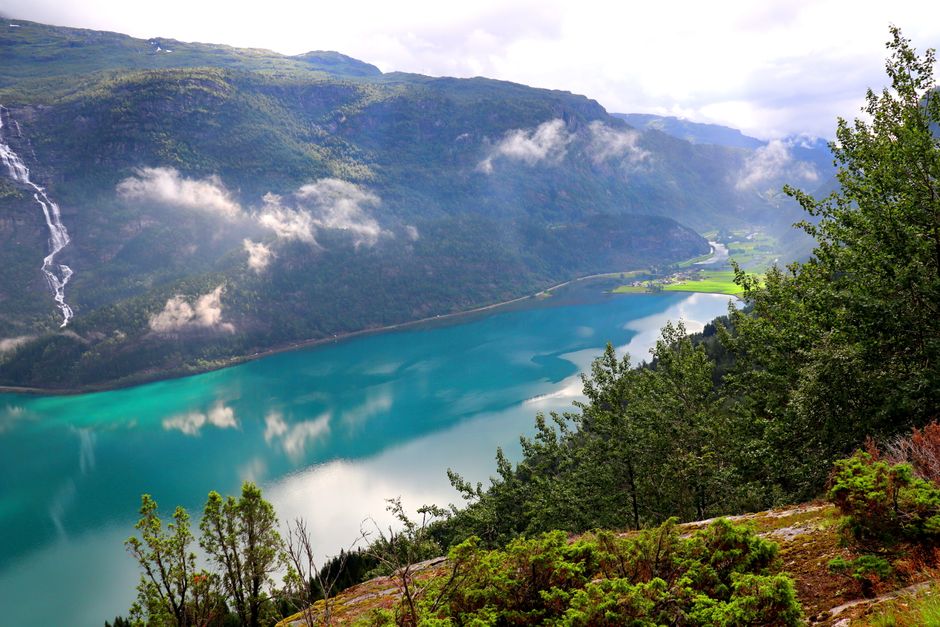
6. The Turquoise Lake with a Tragic Past
Lovatnet, Vestland, Norway
This stunning turquoise lake, fed by glacial meltwater, holds a beautiful yet somber history shaped by devastating rockslides that wiped out entire villages.
Lovatnet's vibrant, milky-blue color comes from the finely ground rock particles suspended in its glacial waters, creating a surreal landscape. However, its beauty hides a tragic past: in the early 20th century, two massive rockslides from Mount Ramnefjellet created tsunamis that engulfed the surrounding settlements, claiming many lives. Today, it stands as a powerful, poignant reminder of nature's formidable power and delicate balance.
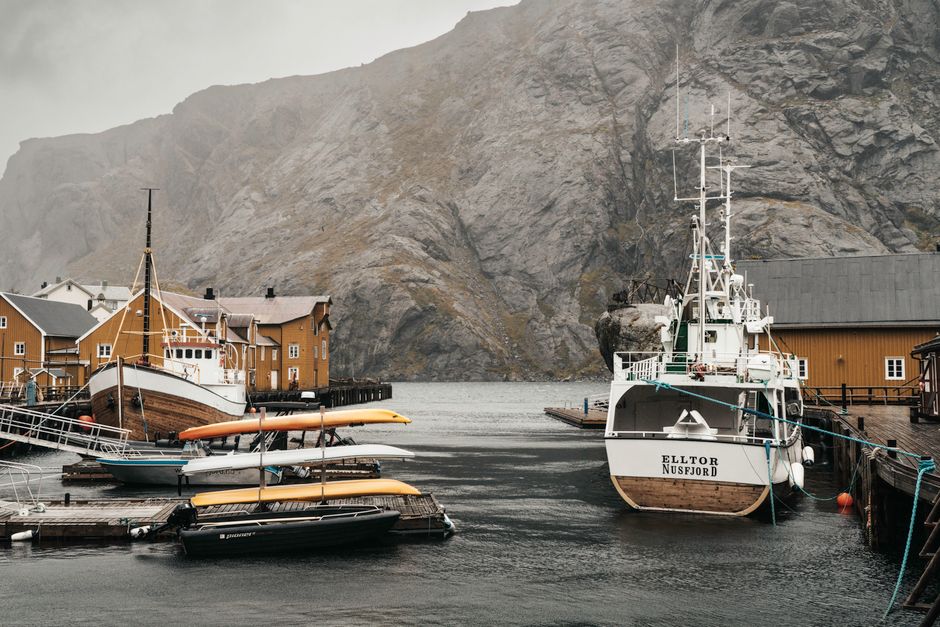
7. Lofoten's Oldest Fishing Village
Nusfjord, Lofoten, Norway
Discover one of Norway's oldest and best-preserved fishing villages, a living testament to the historic cod fishery of the Lofoten Islands.
While the Lofoten Islands are popular, Nusfjord offers a specific, deep dive into their heritage. This UNESCO-listed village is a remarkably intact example of a traditional Norwegian fishing community, complete with original rorbuer (fishermen's cabins), fish racks, and a general store. It provides a quieter, more authentic experience of Lofoten's past compared to its more bustling counterparts, truly bringing the region's history to life.
Frequently asked questions
When is the best time to visit Norway to avoid crowds?
To avoid the peak summer crowds, consider visiting during the shoulder seasons (April-May or September-October). You'll still experience good weather, fewer tourists, and potentially lower prices, or embrace the winter for unique experiences like the Northern Lights.
Is Norway an expensive country to travel?
Yes, Norway is generally considered an expensive country for travelers. To manage costs, consider self-catering by cooking your own meals, utilizing Norway's excellent public transportation, and focusing on free outdoor activities like hiking and sightseeing.
How do I get around Norway without a car?
Norway boasts a fantastic public transport network, including trains, buses, and ferries, which often offer incredibly scenic routes. Traveling by public transport allows you to relax and enjoy the landscapes without the hassle of driving or parking, and it's often the best way to reach many remote areas.
How can I discover the history of these lesser-known places?
To truly understand the stories behind Norway's hidden gems, use the AllTours.ai app. Simply point your phone camera at any landscape or landmark, and the app will narrate its history, geology, and culture in your preferred language, bringing every detail to life.
Photography via Pexels. AllTours.ai is an AI audio tour guide — point your camera at any landscape and hear its story.