July 21, 2026 · 4 min read
Travel opens our eyes to new cultures, stunning landscapes, and often, unexpected financial policies. While ticket prices are a given, some countries implement tourism fees that spark debate, raising questions about accessibility, conservation, and local economies. These aren't just about cost; they're about the values a destination places on its heritage, environment, and visitors.
Beyond the well-trodden paths lie places grappling with the delicate balance of welcoming travelers and preserving their unique character. From remote islands to ancient ruins, understanding these contentious pricing policies offers a deeper look into the destinations themselves, revealing how they navigate the future of tourism.
1. The Dual-Volcano Sanctuary of Ometepe
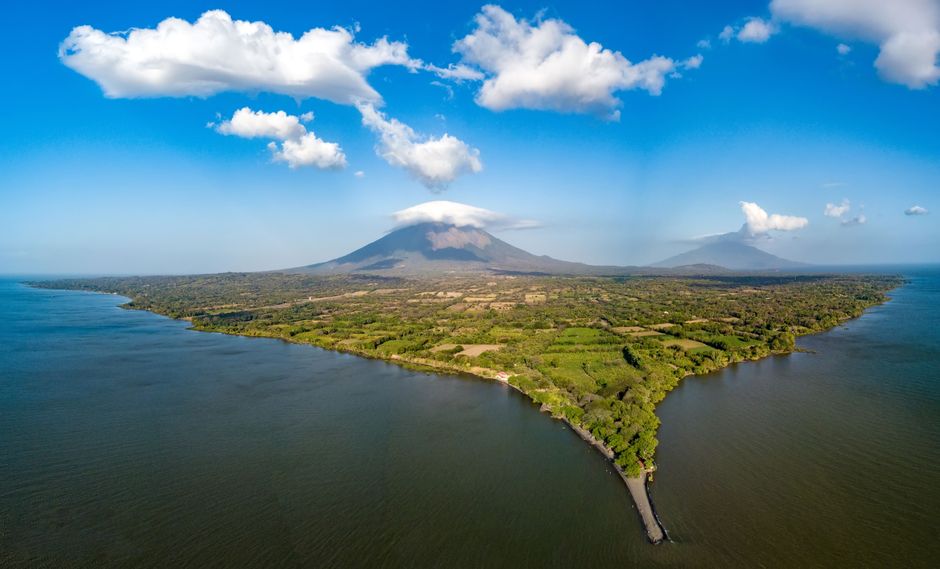
Ometepe Island, Nicaragua
An island formed by two volcanoes rising from a freshwater lake, where access fees contribute to environmental protection but disproportionately affect international visitors.
Ometepe, a UNESCO Biosphere Reserve, is renowned for its twin volcanoes, Concepción and Maderas, and rich biodiversity. Visitors often pay entrance fees to hike volcano trails or enter nature reserves. These fees, typically higher for foreigners than locals, are intended to fund conservation efforts. However, this dual pricing can be contentious, as it impacts budget travelers and local businesses relying on them, raising questions about equitable access to natural wonders.
2. Palau's Jellyfish Lake & Environmental Pledge
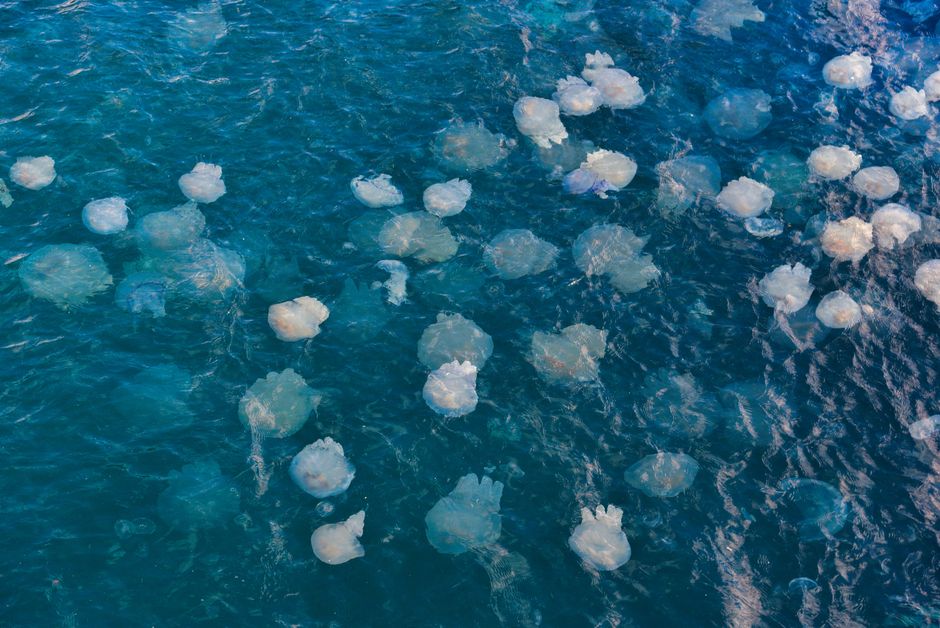
Rock Islands Southern Lagoon, Palau
Home to millions of golden jellyfish, this unique lake now has strict access fees and rules due to environmental concerns, part of a broader national initiative.
Palau, an archipelago in Micronesia, introduced the Palau Pledge in 2017, requiring all visitors to sign a conservation pledge upon arrival. More significantly, it levies a US$100 environmental impact fee (via visa) on all international visitors. This high fee directly funds conservation efforts for its pristine marine environment, including sites like Jellyfish Lake. While applauded by conservationists, it makes Palau one of the most expensive destinations globally, sparking debate over whether such high costs deter broader tourism or successfully cultivate high-value, low-impact visitors.
3. The Ghost City of Ani
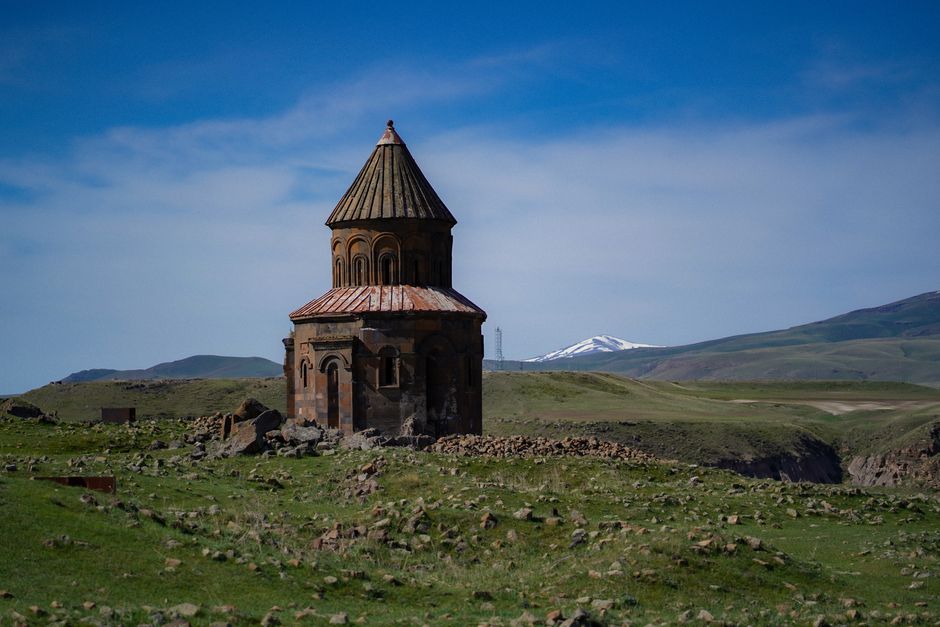
Ancient City of Ani, Turkey
Once a rival to Constantinople and a city of 1001 churches, this abandoned UNESCO site has seen shifting admission policies following its recent designation.
Ani, on Turkey’s eastern border, is a hauntingly beautiful medieval Armenian city, now a UNESCO World Heritage site. Its ancient churches and fortifications stand as silent witnesses to centuries of history. Like many historical sites across Turkey, Ani implements a dual pricing system where foreign visitors pay significantly more than Turkish citizens. This policy, while common, often draws criticism from international travelers who perceive it as an unfair burden, especially for sites that have only recently gained international recognition and seen increased tourist interest.
4. Socotra's Dragon's Blood Haven
Socotra Island, Yemen
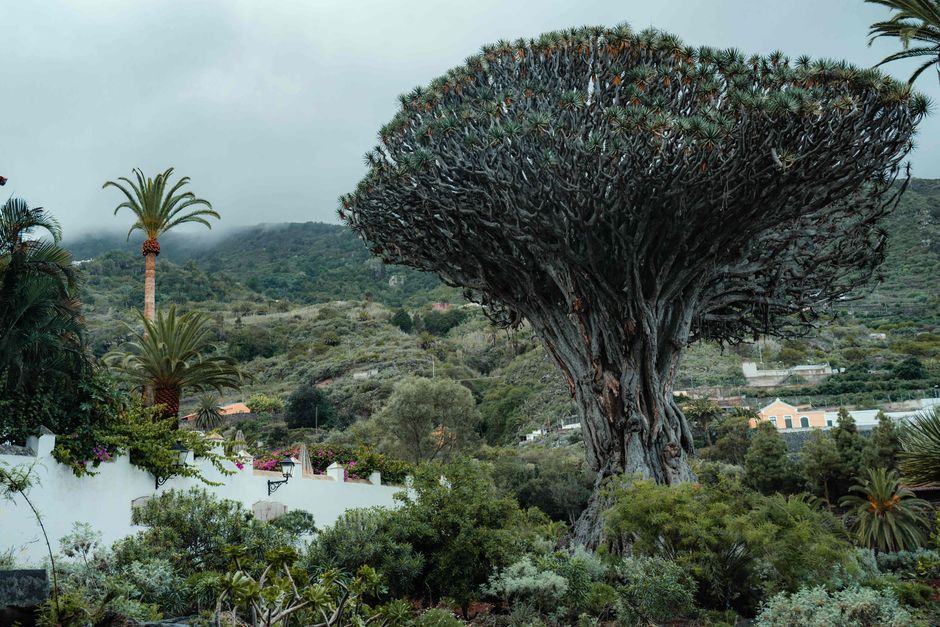
Home to bizarre Dragon's Blood Trees and unique endemic species, this remote island requires expensive permits and specialized tours, limiting access to a select few.
Socotra, a Yemeni island in the Arabian Sea, boasts an otherworldly landscape with its famous Dragon's Blood Trees and over 700 endemic species. Due to its remote location and political complexities, tourism is highly controlled. Access requires expensive permits, specialized visas, and often mandatory guided tours. These high costs and strict requirements, while ostensibly for conservation and security, effectively limit visitors to a niche market of high-end ecotourists, making it unattainable for many who wish to experience its unique biodiversity.
5. The Desert's Red Giants of Sossusvlei
Sossusvlei, Namibia
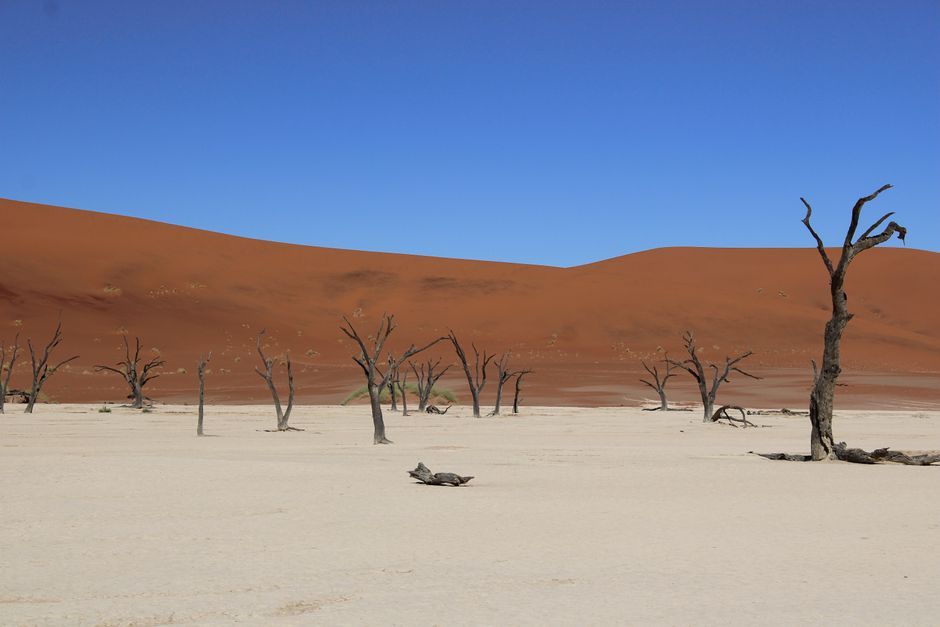
Towering red dunes in the Namib Desert, where visitors must pay an entry fee to the national park, but the pricing structure for accessing the park's interior varies by time of day and transportation.
Sossusvlei, with its iconic red dunes and the stark beauty of Deadvlei, is a highlight of Namibia's Namib-Naukluft National Park. Visitors pay an entry fee to the park, which is typically higher for non-SADC (Southern African Development Community) residents. Additional costs arise for accessing the deepest parts of the park, requiring either a 4x4 vehicle or a shuttle service. This multi-tiered pricing and access structure can lead to unexpected costs and complexity, causing frustration for travelers trying to budget for their desert adventure.
6. The Faroe Islands' Volunteer Archipelago
Faroe Islands, Denmark
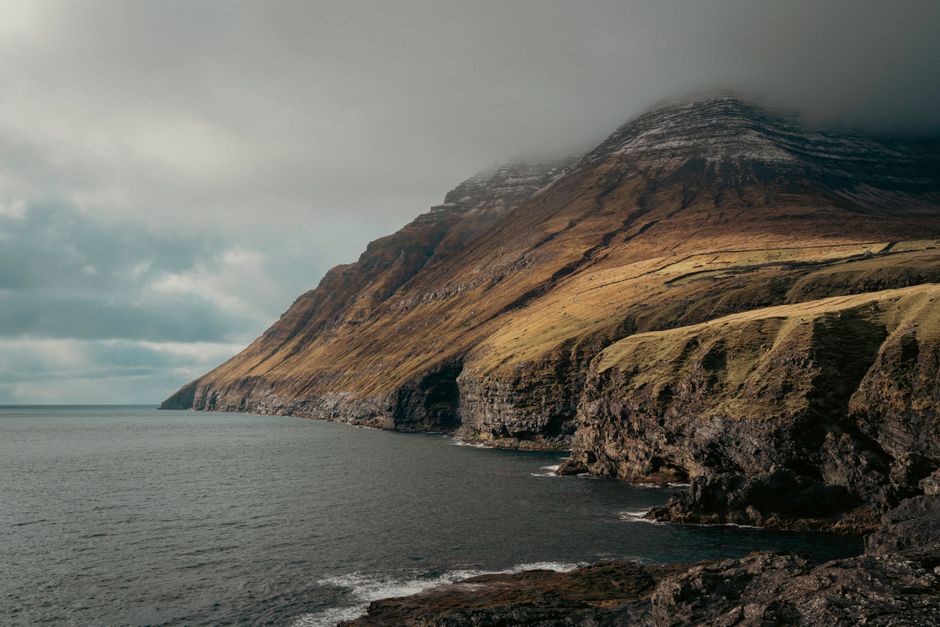
This archipelago of dramatic cliffs and green valleys famously closes for maintenance one weekend a year, requiring visitors to volunteer for conservation work to gain access.
The remote Faroe Islands, known for their stunning natural beauty, have implemented a unique policy to manage tourism and maintain their pristine environment. Each year, for one weekend, the islands 'close for maintenance,' inviting visitors to volunteer for conservation projects instead of simply touring. While not a direct pricing policy, this initiative represents a highly controlled and high-value, low-impact approach to tourism, which, coupled with generally high travel and accommodation costs, can be contentious for those seeking unrestricted or budget-friendly access.
7. Torres del Paine's Patagonian Wilderness
Torres del Paine National Park, Chile
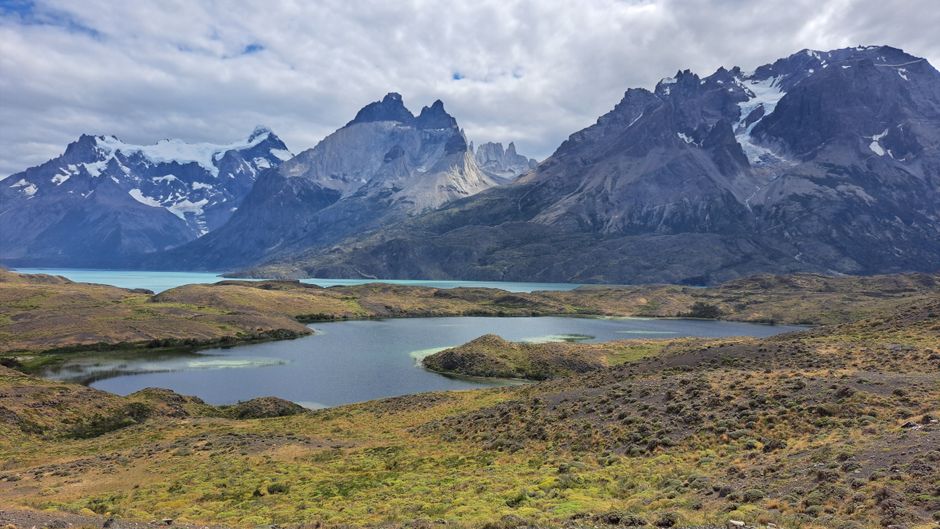
A Patagonia wilderness of granite spires and glaciers, where access to its famous W and O treks requires advance booking and payment for campsites or refugios, often selling out months ahead.
Torres del Paine, a jewel of Chilean Patagonia, attracts trekkers worldwide to its iconic W and O circuits. To manage the immense popularity and protect the delicate ecosystem, the park implemented strict booking requirements. Visitors must secure reservations for all campsites or refugios (mountain lodges) in advance, often months ahead. These accommodations come with a significant cost, particularly for non-Chileans, and the mandatory, often expensive, pre-booking system is a contentious policy for those seeking spontaneous or budget-friendly Patagonian adventures.

8. Komodo National Park's Dragon's Domain
Komodo National Park, Indonesia
Home to the world's last Komodo dragons, where a proposed drastic hike in entry fees sparked global debate over conservation vs. accessibility.
Komodo National Park, a UNESCO World Heritage site, is famous for its unique Komodo dragons. In recent years, the Indonesian government proposed a drastic increase in entry fees for Komodo Island, aiming to limit tourist numbers and fund conservation efforts. While the initial plan for a US$1,000 fee was revised after widespread criticism from locals and tour operators, the debate highlighted the contentious balance between preserving endangered species, managing overtourism, and ensuring equitable access to natural wonders for a diverse range of travelers.
Frequently asked questions
Why do some countries have different prices for locals and tourists?
This 'dual pricing' is common globally, often justified by governments to subsidize cultural sites or public services for local citizens, while leveraging tourist revenue. It also reflects varying purchasing power, aiming to make attractions affordable for residents while generating income from international visitors.
Are high conservation fees always controversial?
Not always. When fees are transparently used for environmental protection, infrastructure development, and local community benefit, they are often accepted as necessary. Controversy typically arises when the allocation of funds is unclear, the fees seem disproportionately high, or they effectively price out certain segments of travelers.
How can I find out about hidden or unexpected tourism fees before I travel?
Research is key to avoiding surprises. Check official government tourism websites, reputable travel forums, and recent travel blogs for your destination. Pay attention to national park fees, local taxes, permit requirements, and any mandatory guide or conservation charges, as policies can change frequently.
How does the AllTours.ai app help me understand new places?
AllTours.ai transforms your phone into an AI audio tour guide. Simply point your camera at any landscape or landmark, and the app narrates its history, geology, and culture in your language, offering rich context and deeper understanding as you explore, without needing predefined tours.
Photography via Pexels. AllTours.ai is an AI audio tour guide — point your camera at any landscape and hear its story.