August 27, 2026 · 4 min read
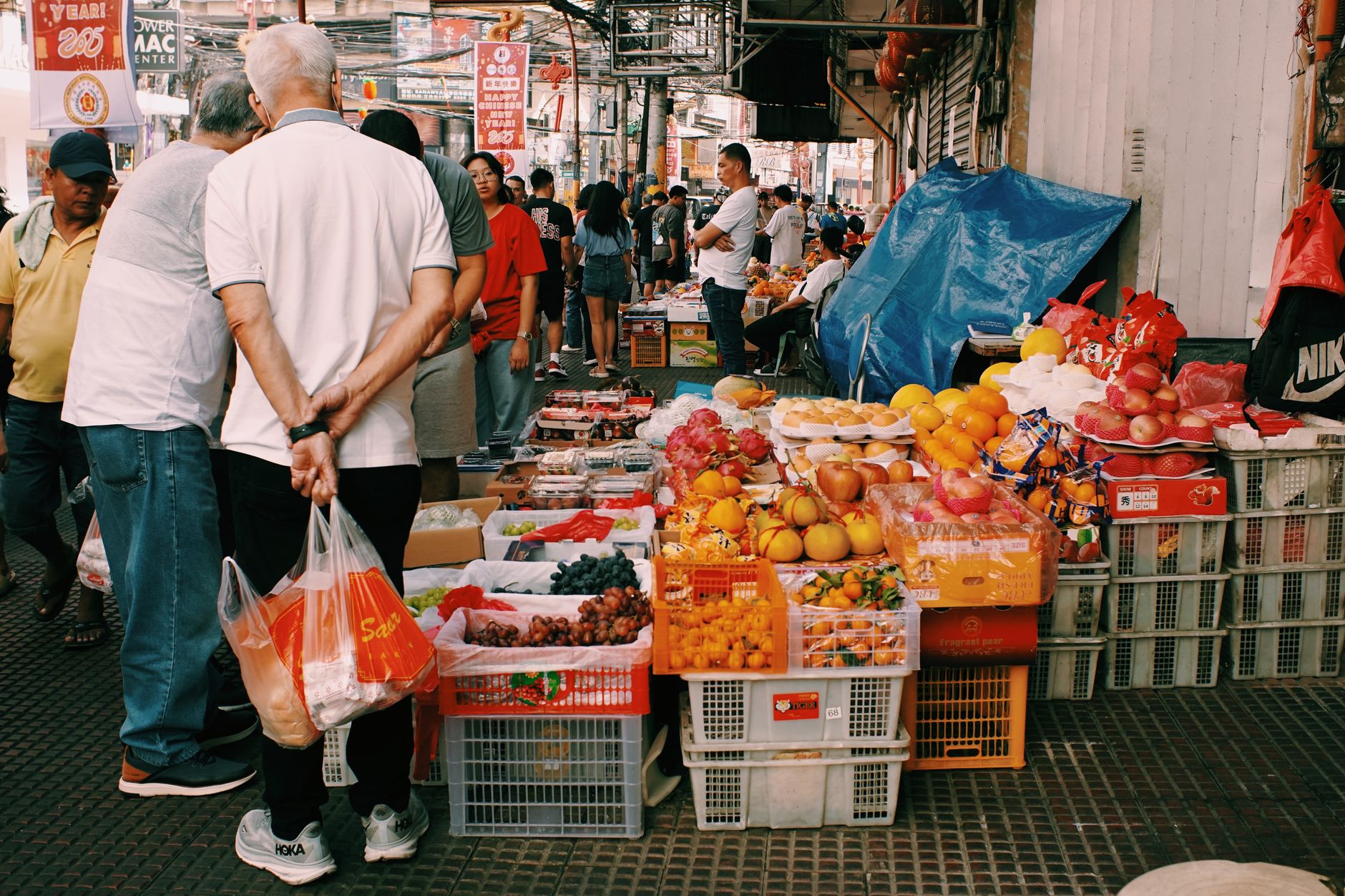
Asia is a continent of staggering contrasts, a mosaic of languages, religions, and ancient traditions. While many travelers focus on its famous landmarks, the true depth of its cultural tapestry often lies in its less-trodden paths, where centuries of migration, trade, and exchange have forged unique multicultural identities.
Forget the usual suspects for a moment. We're diving into the heart of Asia's diversity, exploring places where history has left an indelible mark, creating communities that defy simple categorization. These are the spots where every street corner tells a story, offering a glimpse into a world far richer than guidebooks often portray.
1. The Spice Islands' Enduring Legacy
Ambon, Indonesia
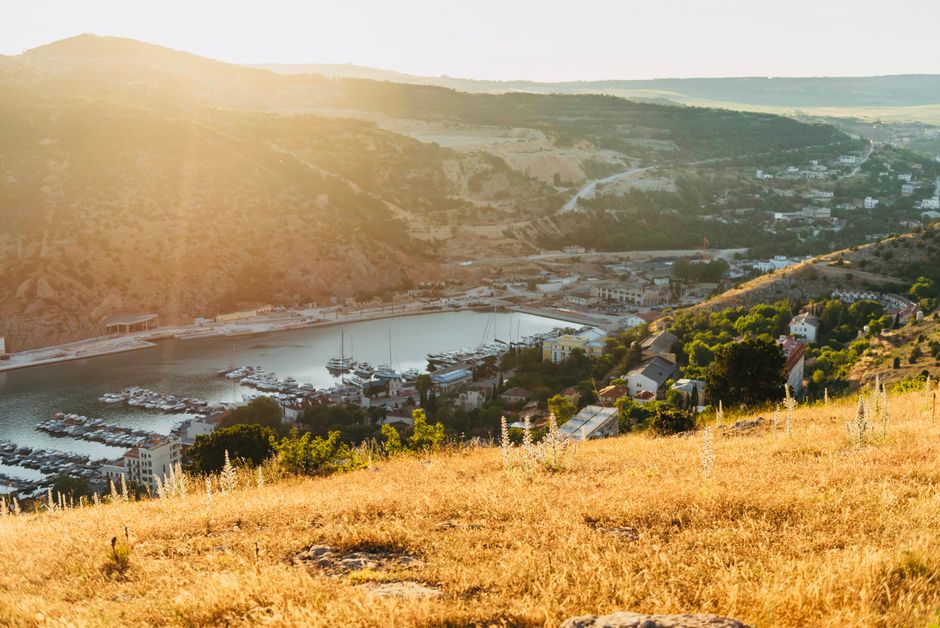
This remote island, once the epicenter of the global spice trade, still echoes with the languages and legacies of its many colonizers.
Ambon, the main island of the Moluccas (Maluku Islands), was the ultimate prize in the race for nutmeg and cloves. Its history is a complex weave of indigenous cultures, Portuguese, Dutch, and English influences, all battling for control. Today, this legacy manifests in a unique blend of Christian and Muslim communities, a creole language influenced by Malay and Dutch, and a resilience born from centuries of external pressures, making it a true cultural crossroads.
2. Chavacano's Spanish Heart in Mindanao
Zamboanga City, Philippines
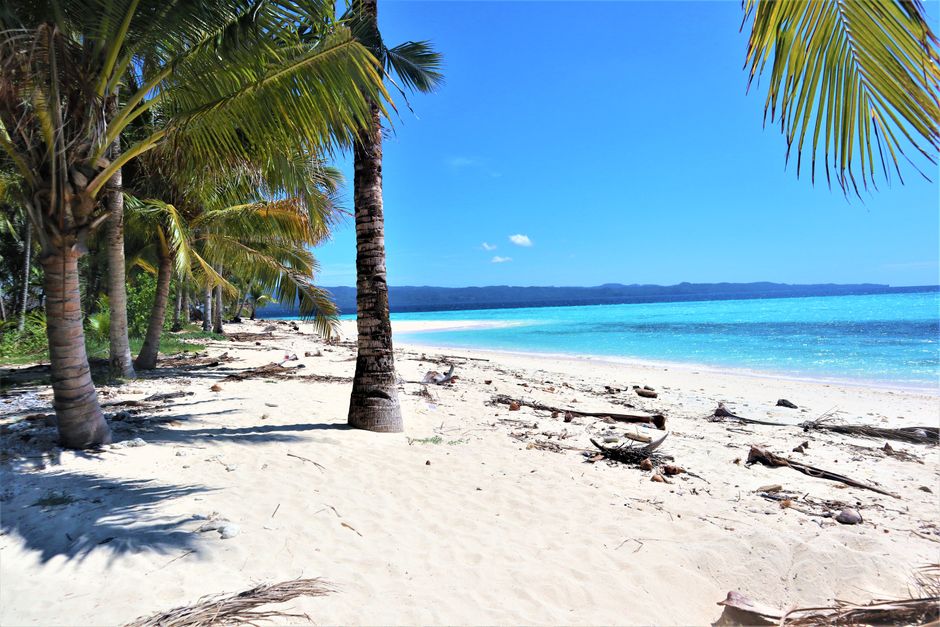
In this southern Philippine city, a vibrant Spanish-based creole language thrives, spoken by a population with a unique blend of Christian and Muslim heritage.
Zamboanga City, often called 'Asia's Latin City,' is a testament to the Philippines' colonial past. While Spanish influence is visible across the archipelago, Zamboanga uniquely developed Chavacano, a Spanish creole that is the mother tongue for many residents. This linguistic distinctiveness is matched by its diverse populace, where indigenous groups, Moros (Muslim Filipinos), and Christian settlers have lived side-by-side for centuries, contributing to a rich, often complex, cultural dialogue.
3. Kerala's Jewish & European Tapestry
Kochi, India
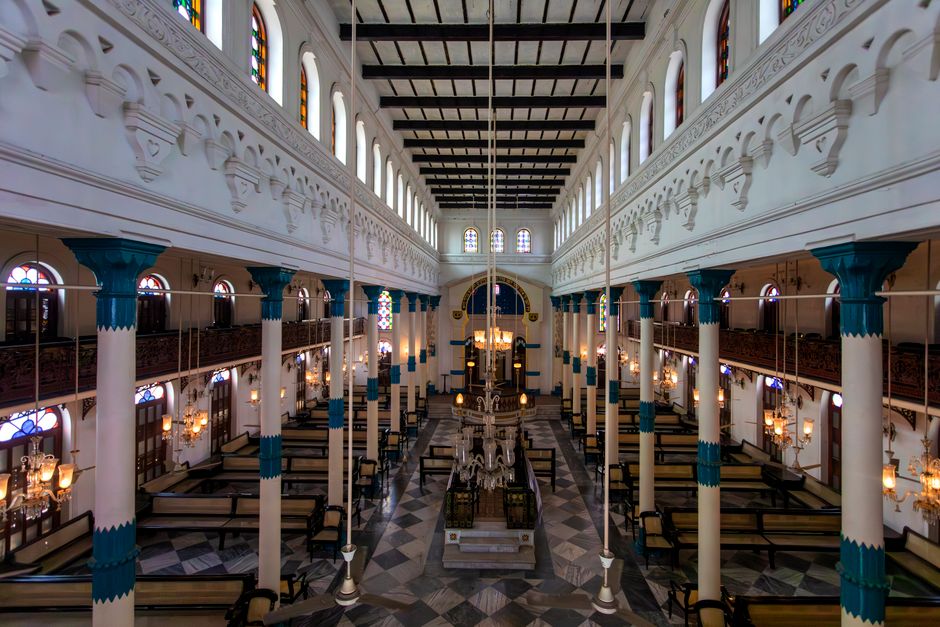
Kochi hosts one of the oldest Jewish communities in the world, alongside remnants of Portuguese, Dutch, and British colonial eras.
Kochi, on India's southwestern Malabar Coast, is a living museum of global trade and cultural exchange. Its historic Fort Kochi area is home to the Paradesi Synagogue, dating back to 1568, a testament to a thriving Jewish presence for over a millennium. Wander further and you encounter Chinese fishing nets, Portuguese churches, Dutch palaces, and British bungalows, all coexisting within a vibrant Keralan context, creating an unparalleled blend of Eastern and Western heritage.
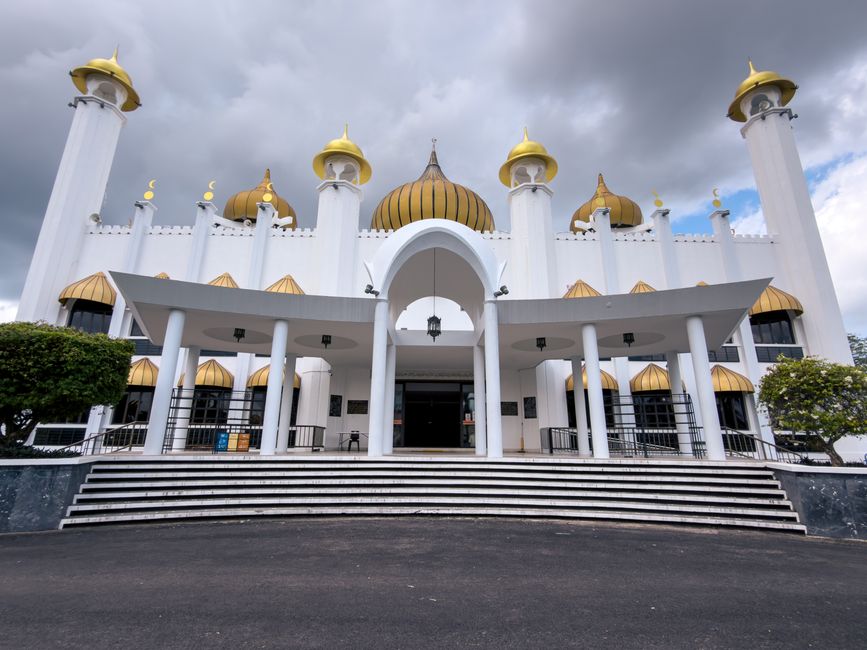
4. Borneo's Indigenous & Colonial Blend
Kuching, Sarawak, Malaysia
Sarawak's capital offers a glimpse into Borneo's diverse indigenous Dayak cultures alongside its unique British Rajah history.
Kuching, the charming capital of Sarawak in Malaysian Borneo, is a fascinating microcosm of regional diversity. Here, the ancestral traditions of numerous Dayak indigenous groups—such as the Iban, Bidayuh, and Orang Ulu—meet the legacies of the White Rajahs, a British family who ruled the kingdom for a century. The city's markets bustle with various languages, its architecture fuses Chinese temples with colonial buildings, and its culinary scene reflects this rich multicultural heritage, from laksa to local tribal dishes.
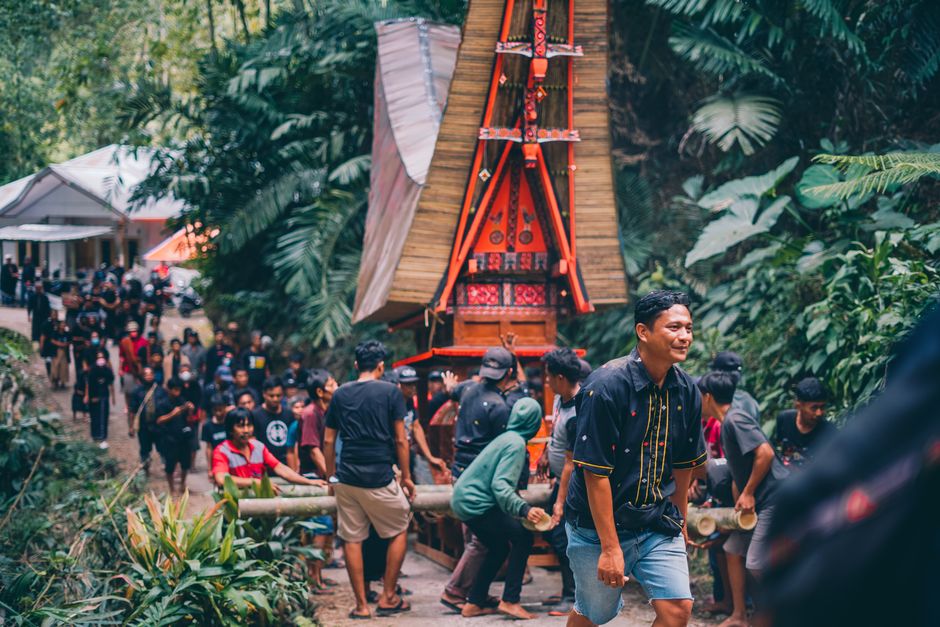
5. The Land of Ancestral Funerals
Tana Toraja, Sulawesi, Indonesia
In this highland region, death is celebrated with elaborate multi-day festivals, and traditional boat-shaped houses signify ancient beliefs.
Tana Toraja, deep in the mountains of South Sulawesi, presents a culture unlike any other. The Torajan people maintain a distinct animist belief system, 'Aluk Todolo,' blended with Christian influences, most visibly expressed in their unique funeral ceremonies. These grand, costly events can last for days, often involving buffalo sacrifices and elaborate effigies. Their traditional houses, 'tongkonan,' with their saddle-shaped roofs resembling ancestral boats, are architectural marvels deeply tied to their cosmology.
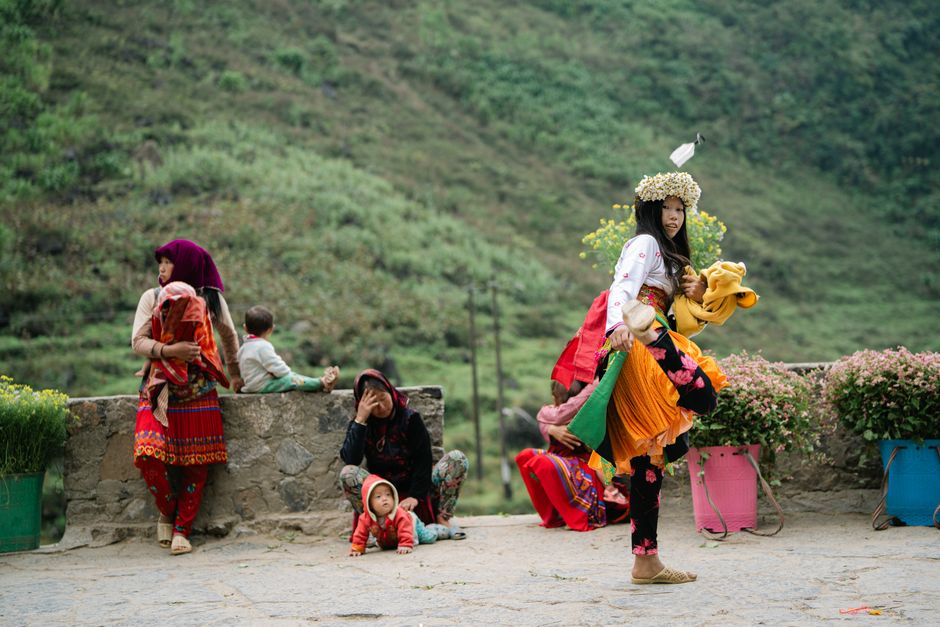
6. Vietnam's Northern Hill Tribe Mosaic
Ha Giang Province, Vietnam
The remote mountains of Ha Giang are home to over 17 distinct ethnic minority groups, each with their own language, dress, and traditions.
Journeying through Vietnam's northernmost Ha Giang Province reveals a stunning landscape populated by a vibrant tapestry of ethnic minorities. Groups like the Hmong, Dao, Tay, Nung, and Lolo maintain their unique cultural identities, often visible in their distinctive indigo-dyed clothing, intricate silver jewelry, and traditional farming practices. Life here revolves around ancient customs, seasonal markets, and a deep connection to the land, offering an authentic glimpse into Vietnam's diverse cultural heritage beyond its more famous cities.
Frequently asked questions
What makes an Asian country multicultural?
A country becomes multicultural through a confluence of factors like historical trade routes, colonial influences, migration patterns, and the presence of numerous indigenous ethnic groups. This leads to a rich blend of languages, religions, culinary traditions, and social customs coexisting within a single nation.
Is it respectful to visit remote cultural sites?
Yes, visiting remote cultural sites can be highly respectful if done with sensitivity and an open mind. Research local customs beforehand, dress appropriately, ask permission before taking photos, and engage with local guides or communities to ensure your visit is enriching for both you and the residents.
How can I discover these lesser-known cultural stories myself?
Beyond traditional guidebooks, seek out local insights, community tourism initiatives, and specialized travel blogs focused on cultural immersion. Engage with locals, visit local markets, and be open to spontaneous discoveries. The most profound stories often unfold when you step off the beaten path.
How does the AllTours.ai app help explore these places?
AllTours.ai enhances your exploration by providing rich audio narratives about any landmark or landscape you point your camera at. The app uses AI to identify your surroundings and instantly narrates its history, geology, and culture in your preferred language, turning every view into a personalized, insightful tour.
Photography via Pexels. AllTours.ai is an AI audio tour guide — point your camera at any landscape and hear its story.