June 22, 2026 · 4 min read
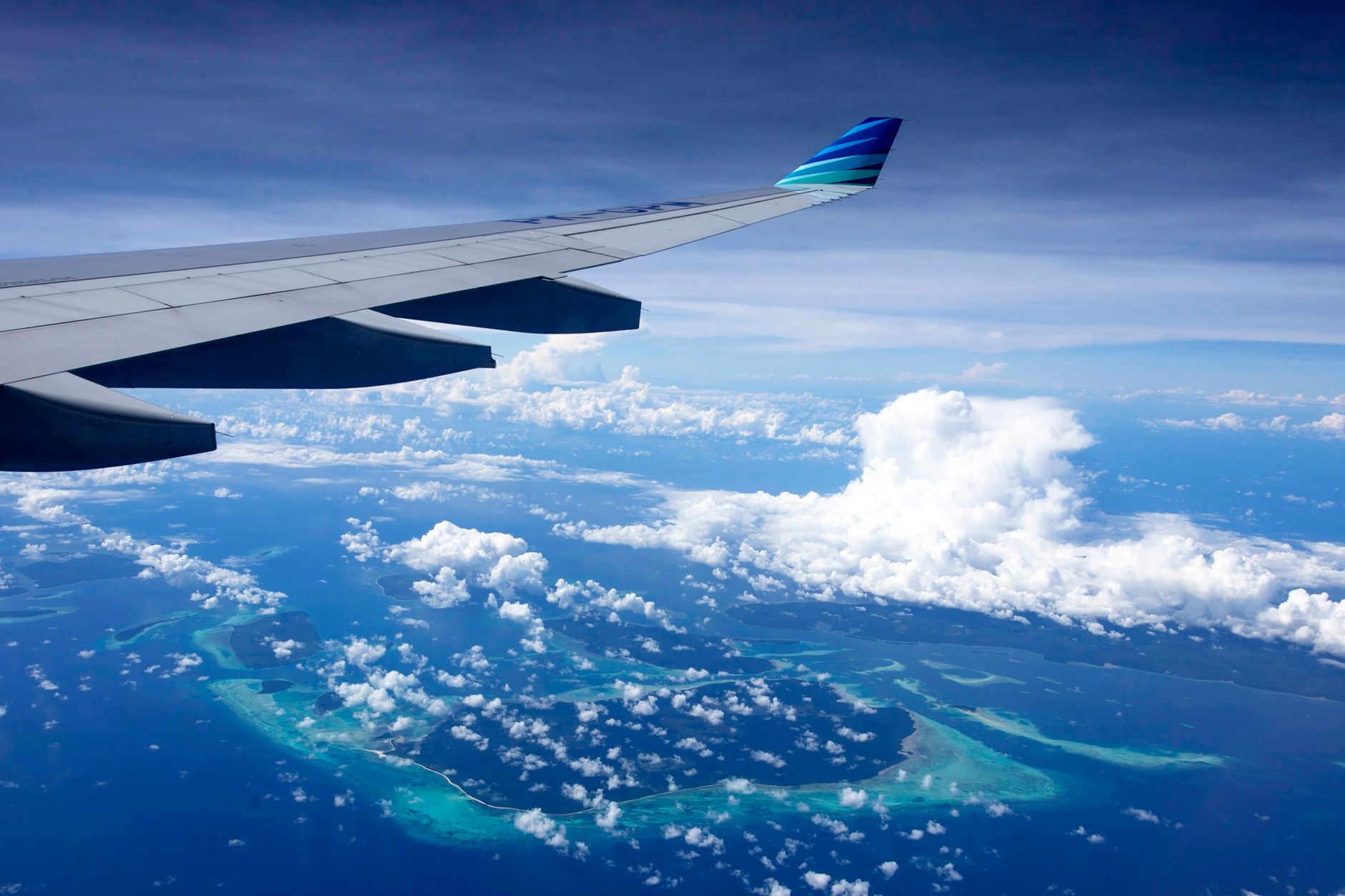
The Kei Islands, an archipelago in Indonesia's Maluku Tenggara province, are often overshadowed by more famous destinations. Yet, for the intrepid traveler seeking genuine discovery, they offer an unspoiled paradise of dazzling white sands, crystal-clear waters, and a vibrant culture.
Beyond the postcard-perfect beaches lie layers of history, unique geological formations, and captivating local legends. If you're wondering what are the tourist attractions in the Kei Islands, Indonesia, that truly stand out, prepare to delve into spots far removed from the typical tourist trail, each with a story waiting to be told.
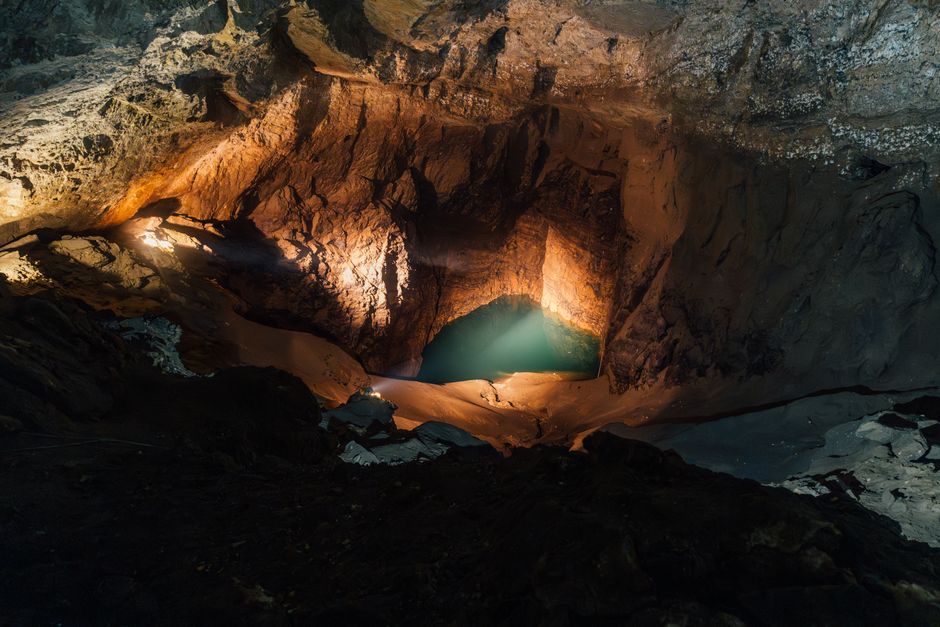
1. Goa Hawang: The Mirror Cave's Vanishing Princess
Kei Kecil, Indonesia
This tranquil freshwater cave pool is believed to be a portal to another realm, where a mythical princess once disappeared while bathing.
Goa Hawang is more than just a beautiful grotto; it's a site steeped in local folklore. Legend recounts that a princess, enamored by the cave's serene beauty and crystal-clear waters, vanished into its depths, never to be seen again. The pool's surface often offers a perfect, undisturbed reflection of the cave's stalactites and surrounding greenery, creating an ethereal 'mirror' effect that adds to its mystical aura.
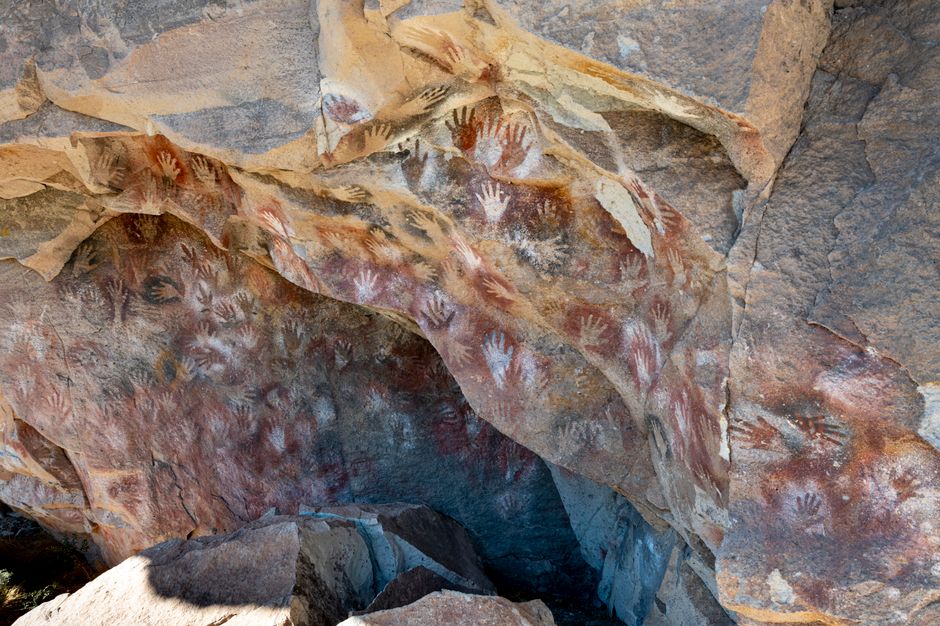
2. Ohoidertawun's Ancient Cliffside Art
Ohoidertawun, Kei Kecil, Indonesia
Hidden along the cliffs of Ohoidertawun are ancient rock paintings, offering a glimpse into the spiritual and daily life of Kei's earliest inhabitants.
While Ohoidertawun is known for its long, shallow beach, its true archaeological treasure lies above the high tide mark. Here, on weathered limestone walls, are intricate rock carvings depicting human figures, marine animals, and abstract symbols. These millennia-old artworks are not just decorations; they are considered sacred ancestral messages and historical records, believed to be connected to fertility rites and maritime traditions of the island's original people.
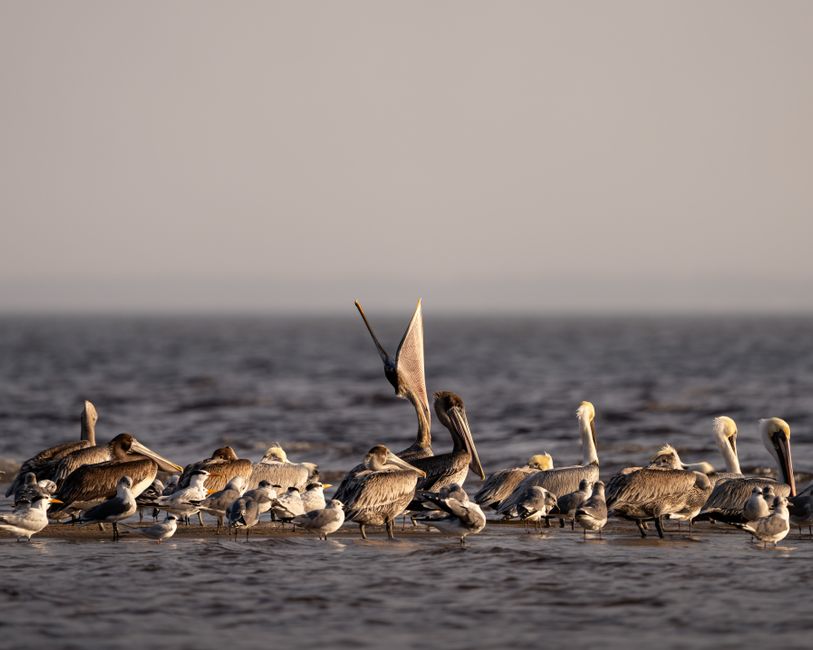
3. Ngurtafur's Pelican Runway
Warbal Island, Kei Islands, Indonesia
An impossibly thin, snake-like sandbar stretches for miles into the sea, serving as a vital stopover for migrating Australian pelicans.
Ngurtafur Beach is a truly unique geological marvel, a ribbon of pure white sand that emerges from the turquoise waters only at low tide, extending for several kilometers. Its most extraordinary feature, however, is its role as a crucial resting and feeding ground for flocks of migrating Australian pelicans. These majestic birds, rare visitors to Indonesia, can often be seen gracefully landing and taking off from this natural 'runway,' making it a paradise for birdwatchers and nature enthusiasts alike.
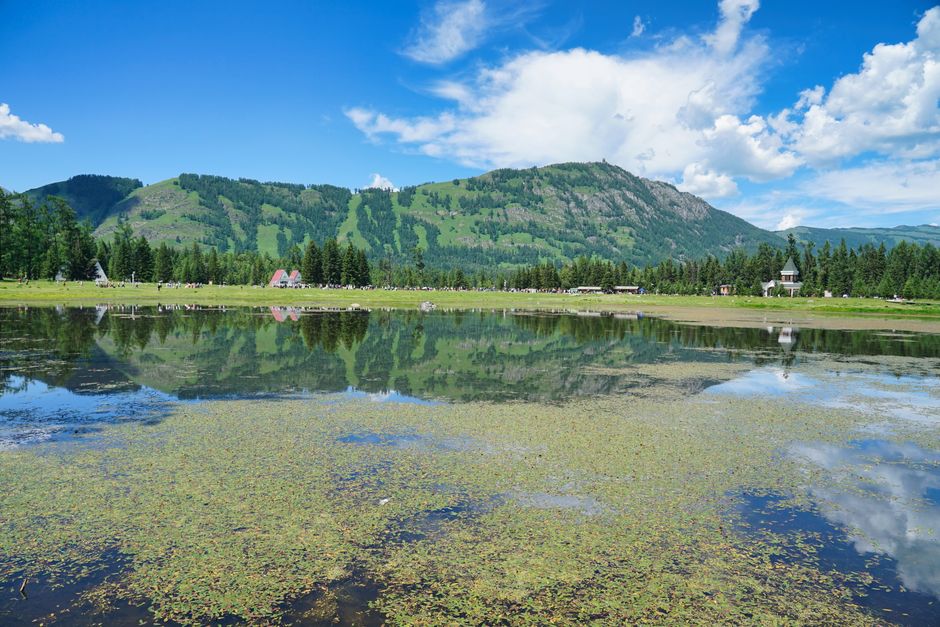
4. Danau Rana Ohoimel: The Sacred Freshwater Lake
Kei Kecil, Indonesia
This pristine freshwater lake is a geological anomaly on a coral island, believed by locals to possess healing powers and guarded by ancestral spirits.
Danau Rana Ohoimel is a serene oasis, its freshwater a stark contrast to the surrounding saltwater environment of Kei Kecil. Its existence is considered miraculous by the local communities, who hold it as a sacred site. Traditional beliefs suggest that its waters can cure ailments, and rituals are still performed on its shores to honor the spirits and ensure the well-being of the community and their land. It's a place where nature's wonder meets deep cultural reverence.
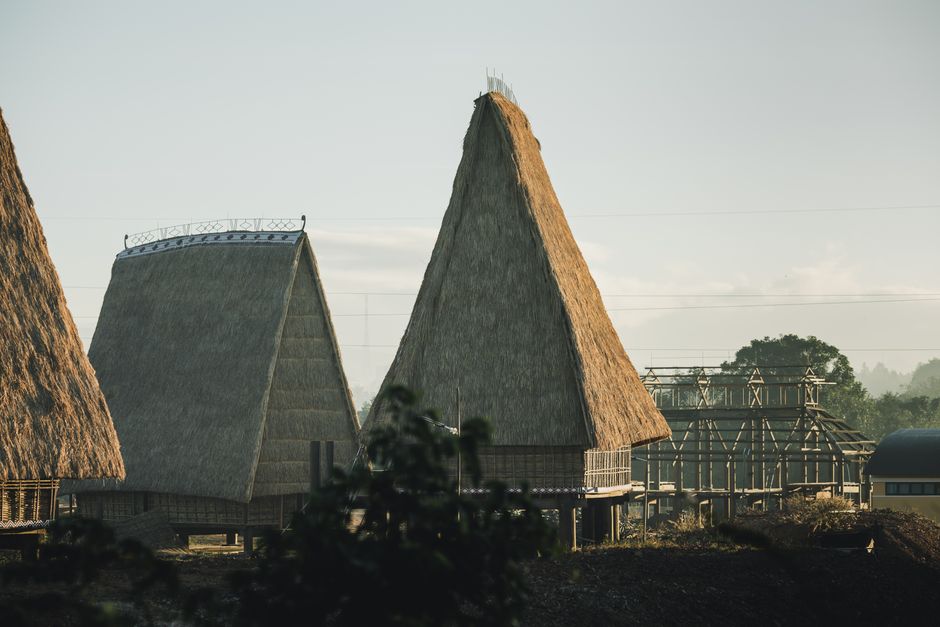
5. Letvuan Village's Enduring Adat
Letvuan, Kei Kecil, Indonesia
Letvuan offers a living glimpse into the powerful 'Adat' (customary law) through its well-preserved traditional houses and community governance.
In Letvuan, time seems to slow, preserving the architectural heritage and social structure of the Kei people. The village features several beautifully maintained 'Rumah Adat,' traditional ancestral houses built on high stilts with intricate carvings, reflecting ancient building practices. More significantly, Letvuan remains a stronghold of Adat, where customary laws and traditions, passed down through generations, still govern daily life, resolve disputes, and maintain social harmony, offering a rare insight into indigenous governance.
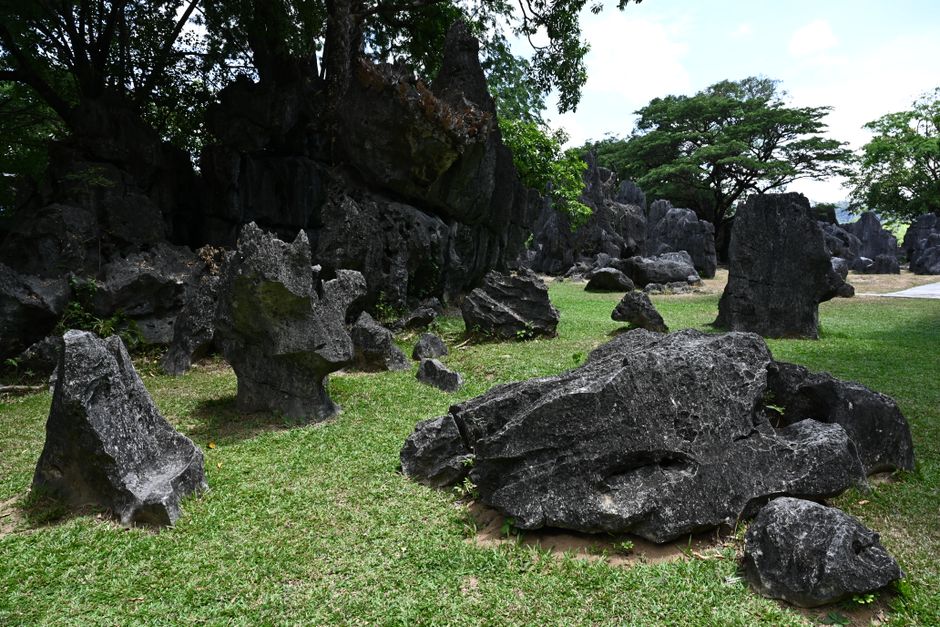
6. The Karst Labyrinth of Kei Besar
Kei Besar, Indonesia
The interior of Kei Besar reveals a dramatic, largely unexplored landscape of towering limestone karsts, remnants of an ancient seafloor.
While Kei Kecil draws visitors with its beaches, the larger island of Kei Besar hides a rugged, breathtaking interior. Here, dramatic formations of jagged limestone karsts rise abruptly from dense jungle, sculpted over millennia by geological forces. These ancient formations, often shrouded in mist, conceal hidden freshwater springs, unique flora, and untouched ecosystems, offering an adventurous detour for those wishing to explore the island's less-trodden, prehistoric geological wonders.
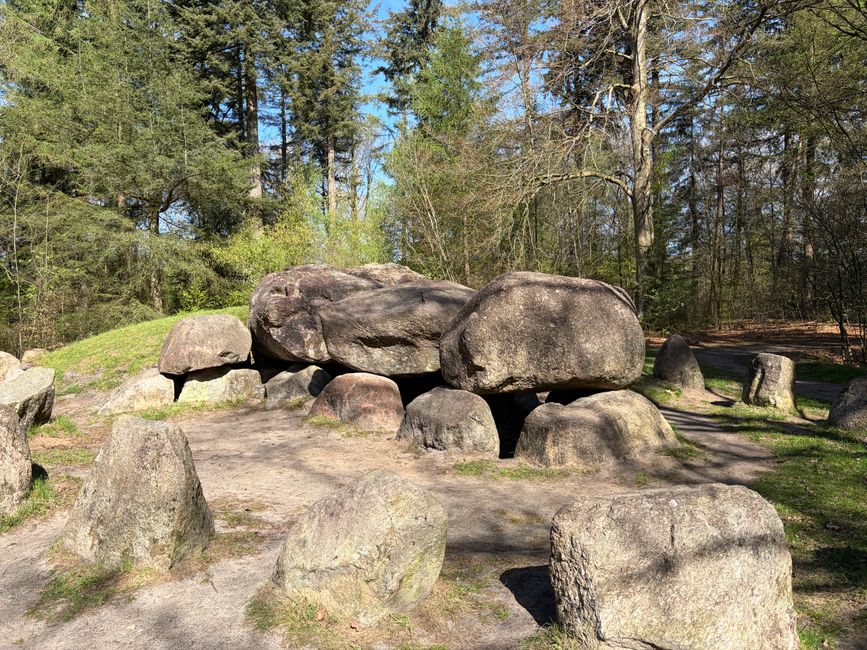
7. Waspur Village's Megalithic Guardians
Waspur, Kei Besar, Indonesia
Waspur village holds ancient megalithic stone altars and burial sites, serving as silent guardians of ancestral power and wisdom.
Beyond its serene coastal views, Waspur offers a window into the deep spiritual roots of the Kei people. The village is home to several significant megalithic structures, including ancient stone altars and carefully arranged burial sites. These impressive stone formations are not mere relics; they are still revered by locals as places where ancestral spirits reside, central to traditional ceremonies for seeking blessings, guidance, and maintaining a connection to their heritage.
Frequently asked questions
How do I get to the Kei Islands?
The primary gateway to the Kei Islands is through Langgur (LOC) or Tual (TUV) airports on Kei Kecil island. You can typically fly from major Indonesian cities like Jakarta (CGK) or Ambon (AMQ), often with a connecting flight. Boats and ferries also connect the islands to other parts of Maluku, though flights are generally preferred for convenience.
What is the best time of year to visit the Kei Islands?
The dry season, from April to October, is generally considered the best time to visit the Kei Islands. During these months, you can expect sunny skies, calm seas, and comfortable temperatures, ideal for exploring beaches, snorkeling, and island hopping. The wet season, from November to March, can bring heavier rains and rougher waters.
Is the Kei Islands a safe destination for tourists?
Yes, the Kei Islands are generally considered a safe and welcoming destination for tourists. Locals are known for their hospitality, and crime rates are low. However, as with any travel, it's always wise to take standard precautions, such as being aware of your surroundings, securing valuables, and respecting local customs and traditions.
How can AllTours.ai enhance my exploration of the Kei Islands?
AllTours.ai transforms your smartphone into a personal guide, enriching your visit to the Kei Islands. Simply point your camera at any landmark, geological formation, or even a traditional village, and the app will instantly narrate its history, cultural significance, and unique stories in your preferred language, offering insights you wouldn't find in a typical guidebook.
Photography via Pexels. AllTours.ai is an AI audio tour guide — point your camera at any landscape and hear its story.