July 10, 2026 · 4 min read
Kaohsiung, Taiwan's vibrant southern port city, often gets overshadowed by its northern sibling, Taipei. Yet, for the curious traveler, Kaohsiung offers a deeper dive into Taiwan's multifaceted identity, revealing layers of history, geological wonders, and cultural resilience. Beyond the well-trodden paths of Lotus Pond's Dragon and Tiger Pagodas or the bustling night markets, lies a treasure trove of genuinely surprising places waiting to be discovered.
If you're asking "What can you tell me about visiting Kaohsiung, Taiwan?" and seeking experiences that go beyond the typical tourist brochures, you're in for a treat. This guide unearths Kaohsiung's lesser-known gems, each with a compelling story that paints a richer picture of this dynamic city. Prepare to uncover narratives etched in ancient coral reefs, preserved in colonial-era architecture, and reborn in revitalized urban spaces.
1. Moon World's Alien Terrain
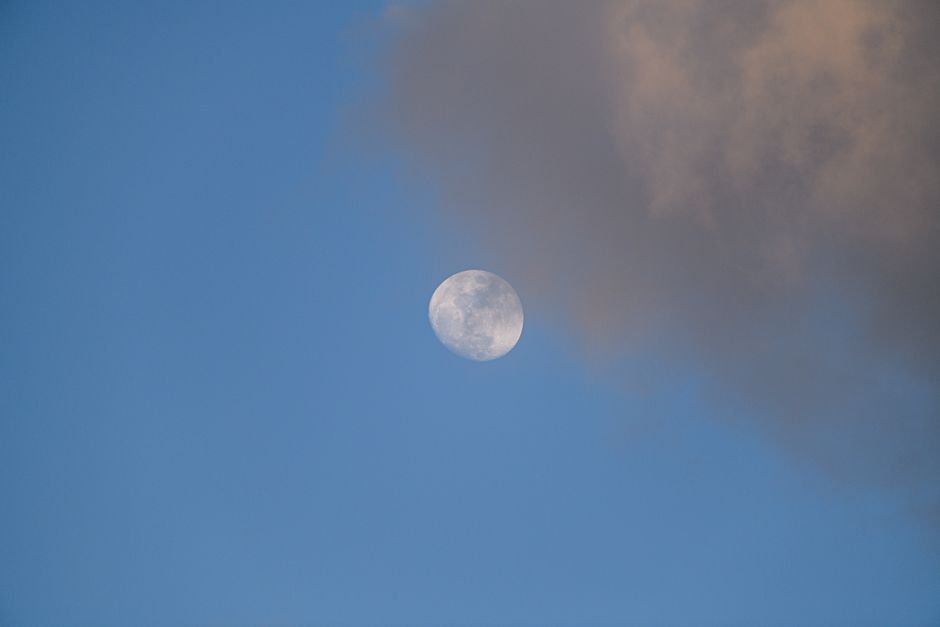
Tianliao Moon World, Kaohsiung, Taiwan
This otherworldly landscape of barren, grey mudstone hills was formed by ancient seabed uplift and erosion, resembling an alien planet more than a tropical island.
Tianliao Moon World is a geological marvel where centuries of erosion have sculpted soft mudstone into dramatic, treeless badlands. Known as "mudstone恶地" or "badlands," this unique terrain is a testament to the powerful forces of nature, where the land constantly shifts and erodes. Walking through its trails feels like stepping onto a different planet, offering a stark contrast to Taiwan's lush greenery and a profound sense of geological time.
2. Taiwan's Sweet Colonial Legacy
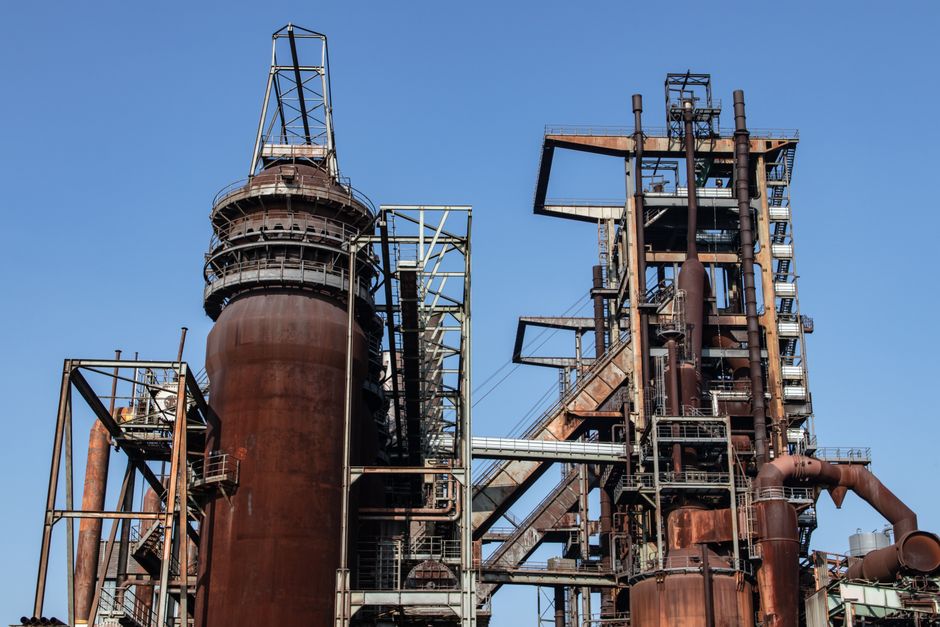
Qiaotou Sugar Refinery, Kaohsiung, Taiwan
Taiwan's first modern sugar refinery, powered by Japanese colonial ambition, played a pivotal role in the island's economic history, and you can still see original machinery and unique Japanese-style gardens.
Established in 1901 by the Japanese, the Qiaotou Sugar Refinery marked the beginning of Taiwan's modern sugar industry, transforming the island into a major global exporter. Today, this sprawling industrial complex is a captivating open-air museum. Visitors can explore the old factory buildings, marvel at the vintage sugar-making machinery, and ride a charming narrow-gauge train that once transported sugarcane. The site also features beautifully preserved Japanese-style residences and a former ice cream factory, offering a cool treat amidst the history.
3. The Spirit of Bushido in Kaohsiung
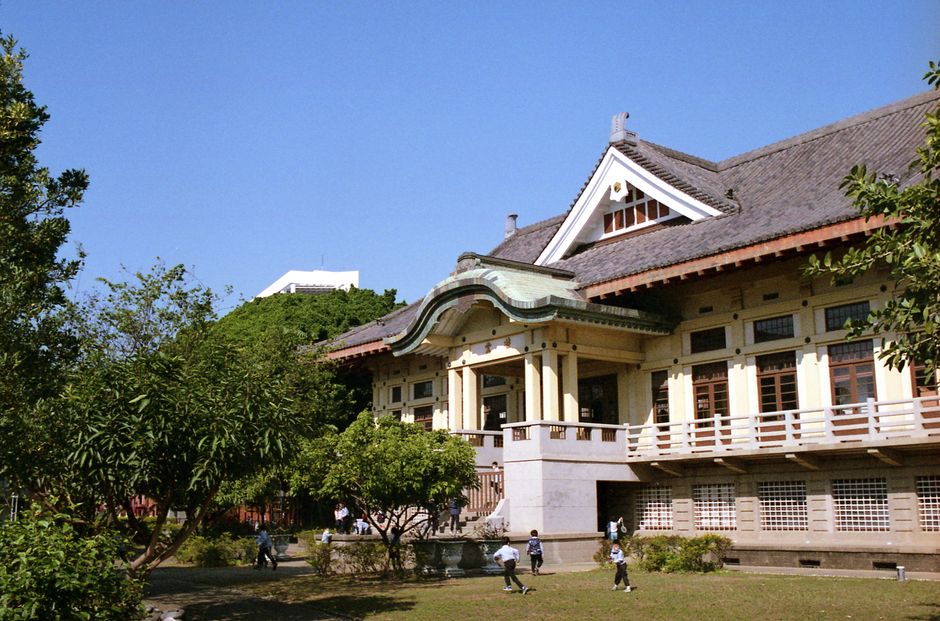
Kaohsiung Wude Hall, Kaohsiung, Taiwan
This elegant Japanese-era martial arts hall, one of Taiwan's best-preserved, served as a training ground for police and military in Kendo and Judo, showcasing a direct link to colonial influence.
Built in 1924, Kaohsiung Wude Hall is a rare and exquisite example of Japanese architectural style, specifically designed for martial arts training (Budo). Its traditional construction, featuring a cypress wood structure and a distinct hip-and-gable roof, evokes a strong sense of historical authenticity. Beyond its aesthetic appeal, the hall represents a significant period in Taiwan's past, when Japanese cultural practices were introduced and integrated. Today, it still hosts martial arts classes and cultural events, keeping its original spirit alive.
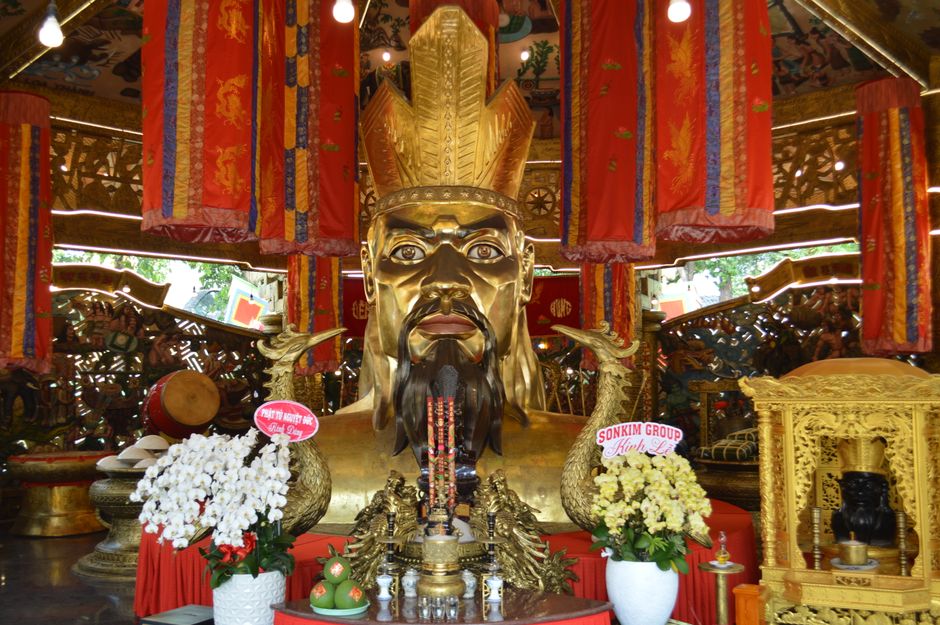
4. Lotus Pond's Hidden Water Deity
Pei Chi Hsien Temple, Kaohsiung, Taiwan
This temple features a colossal water-dwelling deity, Xuan Wu, the Emperor of the Dark Heaven, emerging from the water at Lotus Pond, symbolizing ancient Taoist cosmic order long before the more famous pagodas.
While Lotus Pond is famous for its Dragon and Tiger Pagodas, the magnificent Pei Chi Hsien Temple often goes unnoticed by casual visitors. Its most striking feature is the massive, 72-foot-tall statue of Xuan Wu, a powerful Taoist deity associated with the North and water, standing majestically in the pond. Completed in 1958, decades before the iconic pagodas, this temple offers a deeper dive into local religious beliefs and folklore, representing a guardian spirit overseeing the waters and the community.
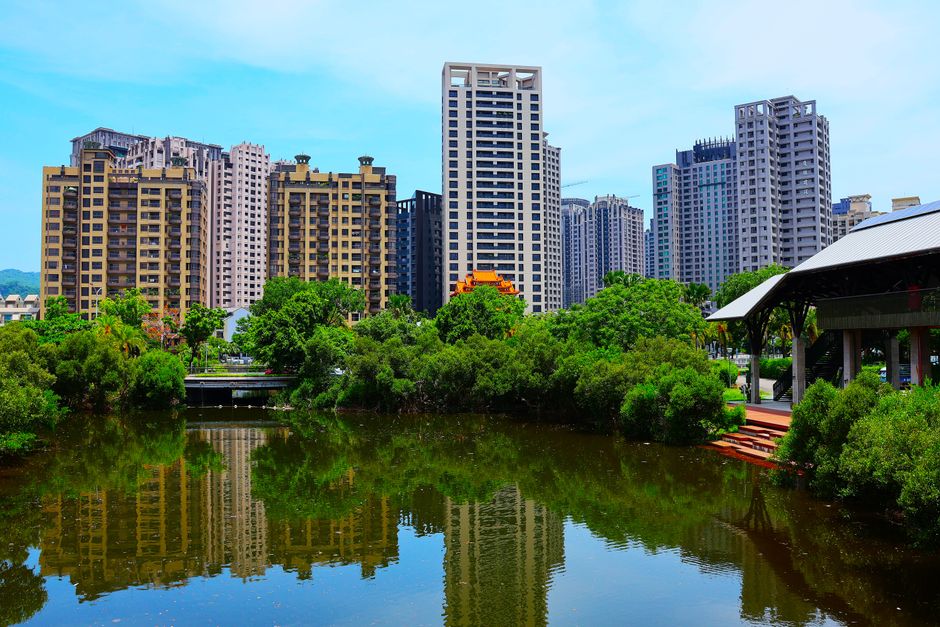
5. From Shipyard to Sanctuary
Zhongdu Wetlands Park, Kaohsiung, Taiwan
This tranquil urban wetland, now a haven for migratory birds and diverse flora, was once a polluted shipyard and industrial zone, symbolizing Kaohsiung's green transformation.
Zhongdu Wetlands Park is a remarkable example of urban ecological restoration. What was once a heavily polluted industrial area, primarily a shipyard, has been meticulously transformed into a thriving wetland ecosystem. The park now serves as a crucial habitat for various bird species, including many migratory visitors, and boasts a rich diversity of plant life. It offers peaceful walking trails and observation decks, allowing visitors to connect with nature right in the heart of the city, a testament to sustainable urban planning.
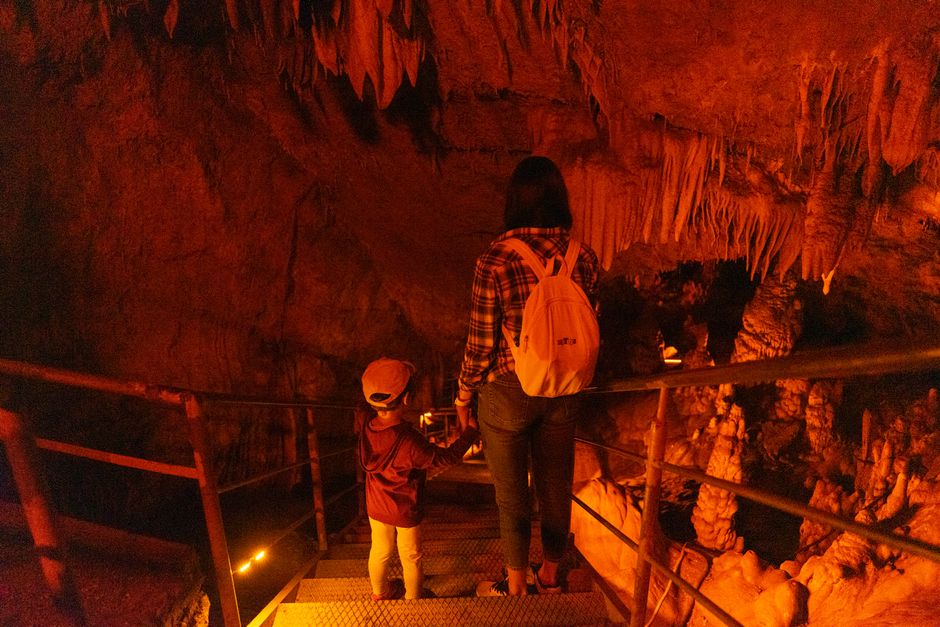
6. Shoushan's Ancient Coral Secrets
Gushan Cave, Shoushan National Natural Park, Kaohsiung, Taiwan
Hidden within Shoushan National Natural Park, this natural limestone cave system reveals the mountain's origins as an ancient coral reef, where marine fossils are still visible in its walls.
Shoushan National Natural Park, often called "Monkey Mountain," is primarily composed of uplifted coral limestone, a geological wonder. Gushan Cave, one of several natural caverns, offers a tangible journey into this history. Inside, visitors can observe remnants of ancient marine life embedded in the cave walls, tangible proof that this entire mountain was once submerged beneath the sea. Exploring its cool, damp chambers provides a fascinating glimpse into Kaohsiung's deep geological past and the slow, powerful forces that shaped its land.
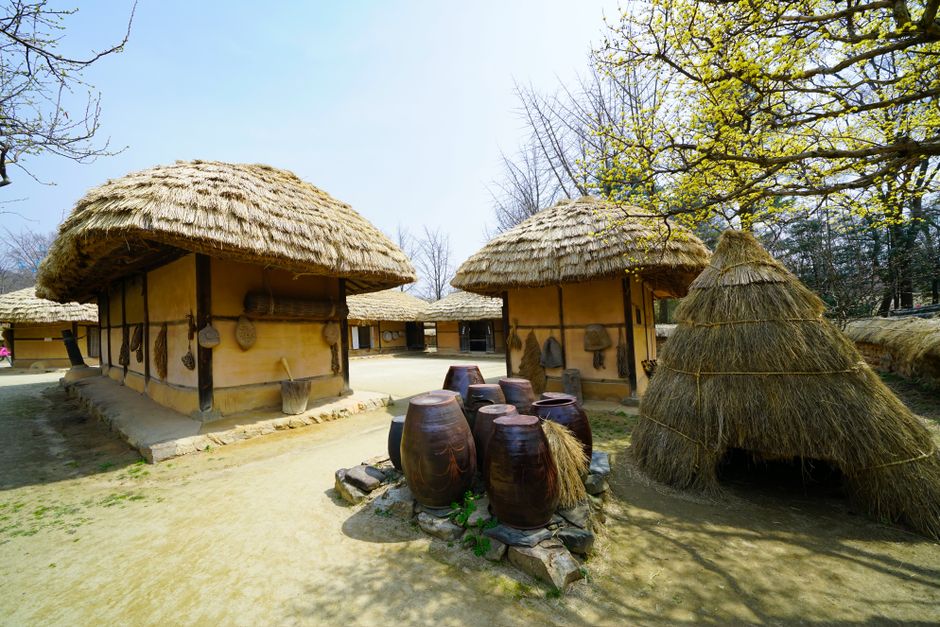
7. Hakka Heritage in Meinong
Meinong Folk Village, Kaohsiung, Taiwan
This vibrant village preserves the unique Hakka culture, famous for its traditional oil-paper umbrellas and intricate indigo dyeing techniques, offering a window into a distinct Taiwanese heritage.
Meinong is a cultural stronghold of the Hakka people, one of Taiwan's largest ethnic groups, known for their distinctive traditions and resilience. The Meinong Folk Village is a living museum dedicated to showcasing this rich heritage. Here, visitors can witness the meticulous craftsmanship of traditional oil-paper umbrellas, a symbol of Hakka culture, and even try their hand at indigo dyeing. The village also offers insights into Hakka cuisine, architecture, and lifestyle, providing a colorful and immersive cultural experience far from the bustling city center.
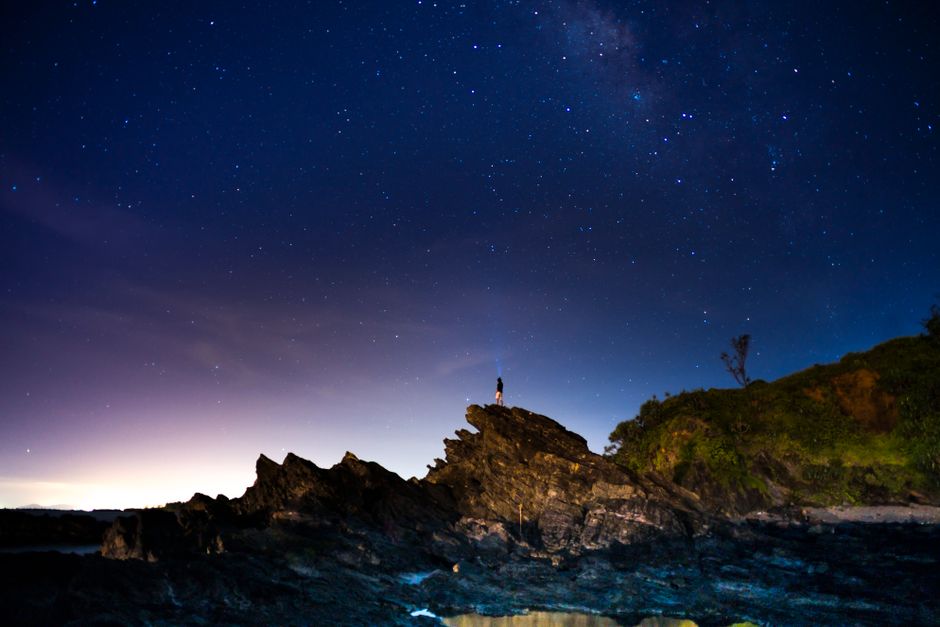
8. Kaohsiung's Reclaimed Coastal Vista
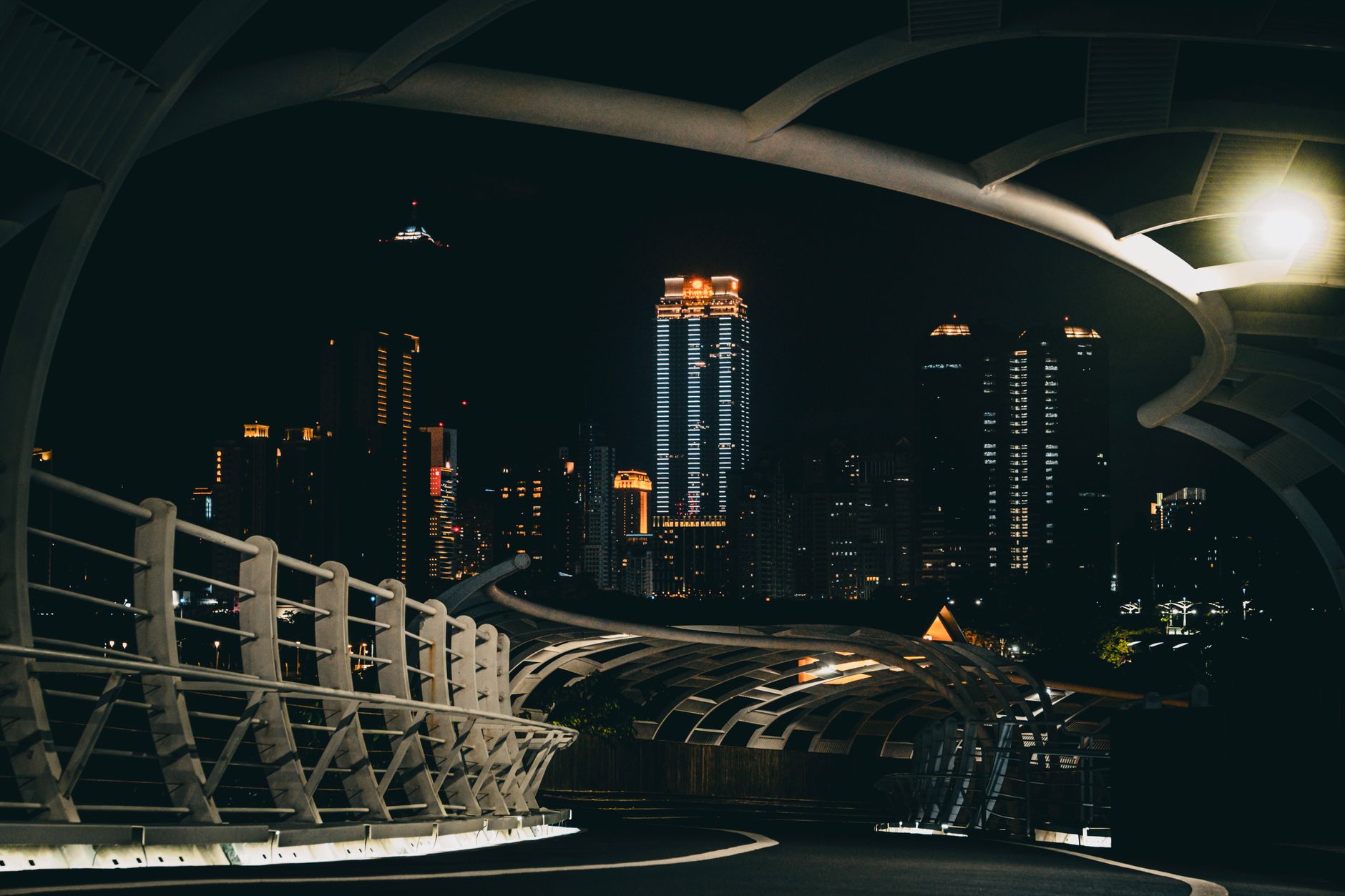
Dalinpu Starry Night Beach Park, Kaohsiung, Taiwan
This popular nighttime viewing spot for Kaohsiung's sparkling skyline and harbor sits atop a reclaimed landfill, symbolizing the city's transformation from industrial hub to green urban center.
Dalinpu Starry Night Beach Park, perched on a hill overlooking the vast Kaohsiung harbor, offers breathtaking panoramic views, especially after dusk. What makes this spot truly fascinating is its origin: the park was built on a former landfill, transformed through dedicated environmental efforts. It now serves as a testament to Kaohsiung's commitment to sustainability and urban renewal. Visitors can enjoy the sea breeze, watch ships enter and leave the port, and marvel at the city lights, all from a site that once represented waste, now a beacon of regeneration.
Frequently asked questions
What is the best time of year to visit Kaohsiung?
The ideal time to visit Kaohsiung is during the autumn and winter months, from October to March. The weather is generally cooler and drier, with pleasant temperatures perfect for exploring outdoor attractions. Summers (June-September) can be hot and humid, with a higher chance of typhoons.
How do I get around Kaohsiung to see these unique spots?
Kaohsiung has an efficient public transportation system, including an MRT (subway) and extensive bus routes. For spots further afield like Tianliao Moon World or Meinong, renting a scooter or car, or using ride-sharing services, will offer more flexibility. Many areas are also easily walkable or accessible by bike.
Is Kaohsiung a walkable city?
While specific districts like the Pier-2 Art Center or parts of Gushan are very walkable, Kaohsiung is a sprawling city. To fully explore its diverse offerings, including the lesser-known gems, you'll likely combine walking with public transport or other means of travel. Comfortable shoes are always recommended for city exploration.
How can AllTours.ai enhance my exploration of Kaohsiung?
AllTours.ai transforms your phone into a personal AI audio tour guide. Simply point your camera at any landmark, landscape, or even a street scene, and the app will instantly narrate its history, geology, and cultural significance in your preferred language. It's like having an expert local guide by your side, ready to share the hidden stories of Kaohsiung's unique places as you discover them.
Photography via Pexels. AllTours.ai is an AI audio tour guide — point your camera at any landscape and hear its story.