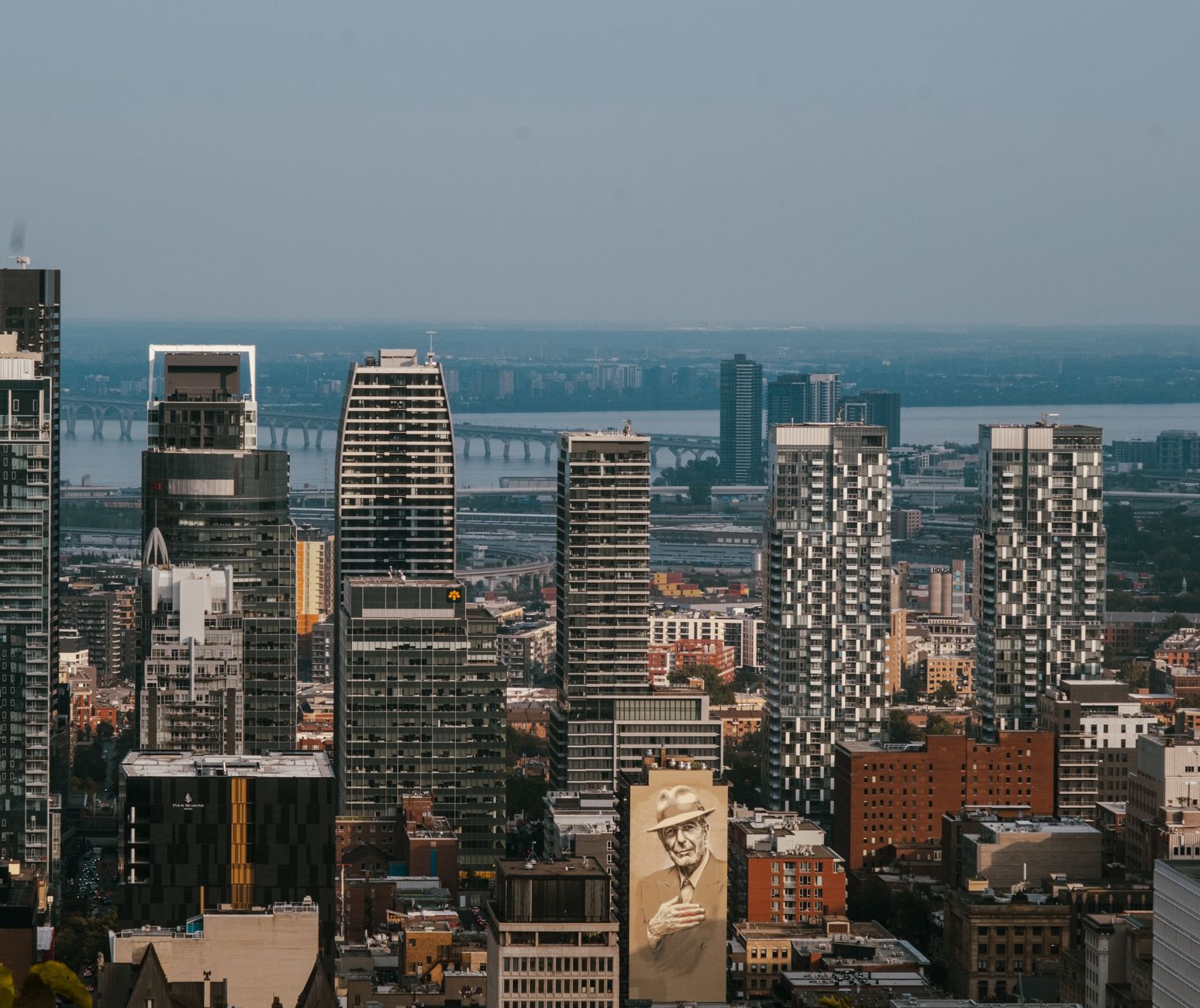
July 1, 2026 · 4 min read
Before you even touch down in Quebec, a small curiosity often sparks: What does the YUL code for Montreal Airport stand for? It's a common question with a simple answer: the 'Y' is a standard prefix for most major Canadian airports, while the 'UL' comes from the two-letter code for a radio beacon that operated in the Montreal area when IATA airport codes were first assigned.
But Montreal is a city built on layers of fascinating, often overlooked stories, far beyond its airport code. From islands forged by subway excavations to art deco skyscrapers with hidden details, its true character lies in the places few guides mention. Here are eight lesser-known spots that reveal the deeper narrative of this vibrant North American metropolis.
1. Where Rapids Forged a Nation's Trade
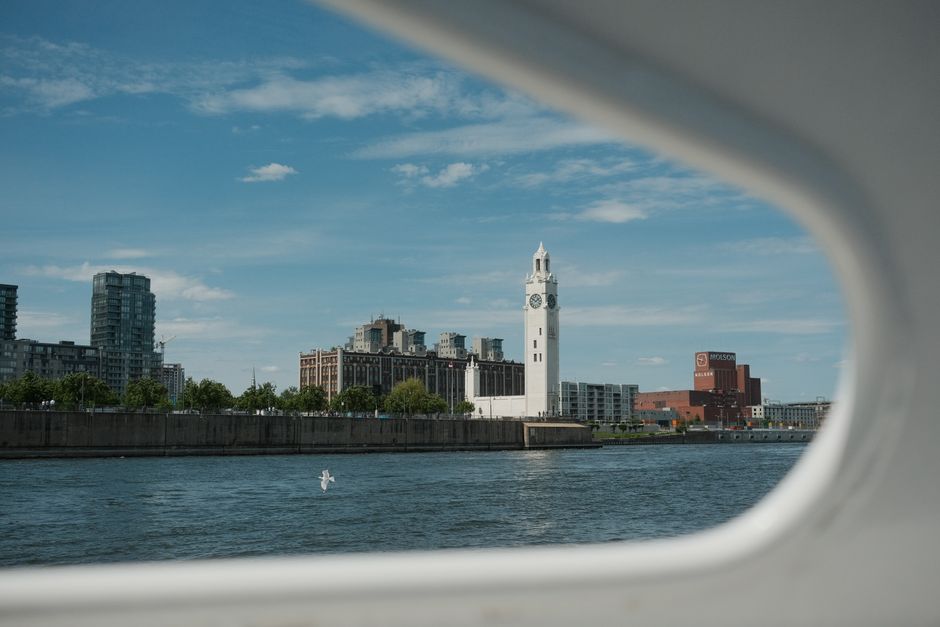
Lachine Canal National Historic Site, Canada
The Lachine Canal was built to bypass treacherous rapids, creating an industrial powerhouse and a global trade route.
Before its construction, the Lachine Rapids on the Saint Lawrence River blocked ships from reaching the Great Lakes, forcing goods to be portaged. The canal's completion in 1825 transformed Montreal into a major port and industrial hub, shaping Canada's economic landscape. Today, its tranquil waters belie a past of roaring factories and bustling barges, each lock holding a piece of that forgotten industrial might.
2. Montreal's Art Deco Skyscraper Secret
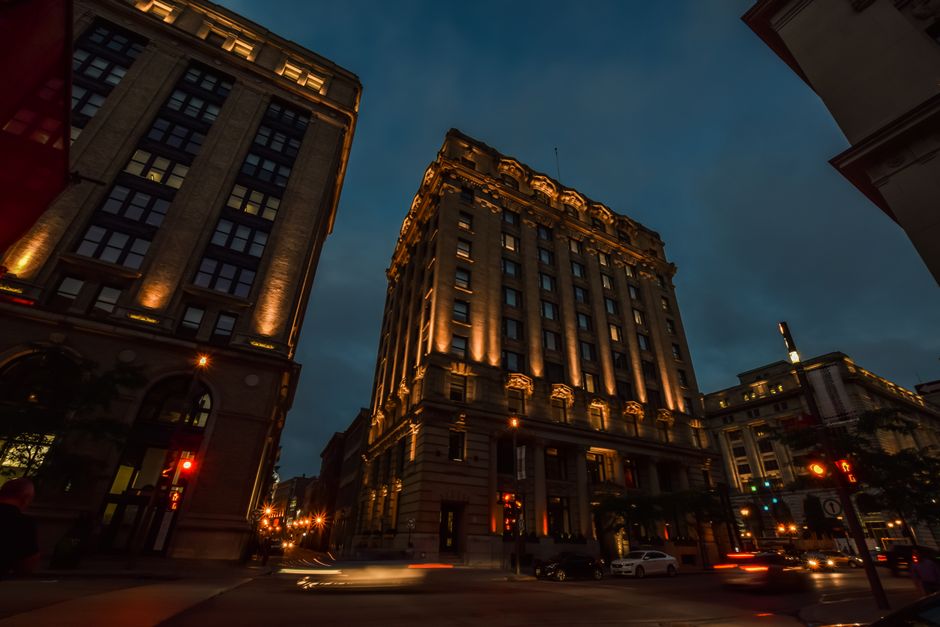
Aldred Building, Montreal, Canada
Tucked into Old Montreal, the Aldred Building was once the city's tallest, designed with specific setbacks to mimic New York's skyscrapers.
Completed in 1931, the Aldred Building stands as a striking Art Deco sentinel overlooking Place d'Armes. Its tiered structure, reminiscent of New York's iconic towers, was a deliberate design choice influenced by emerging zoning laws across North America. Look closely for the intricate geometric patterns and gargoyles that adorn its limestone façade, a silent testament to a bygone era of architectural ambition.
3. A Victorian Cabinet of Curiosities
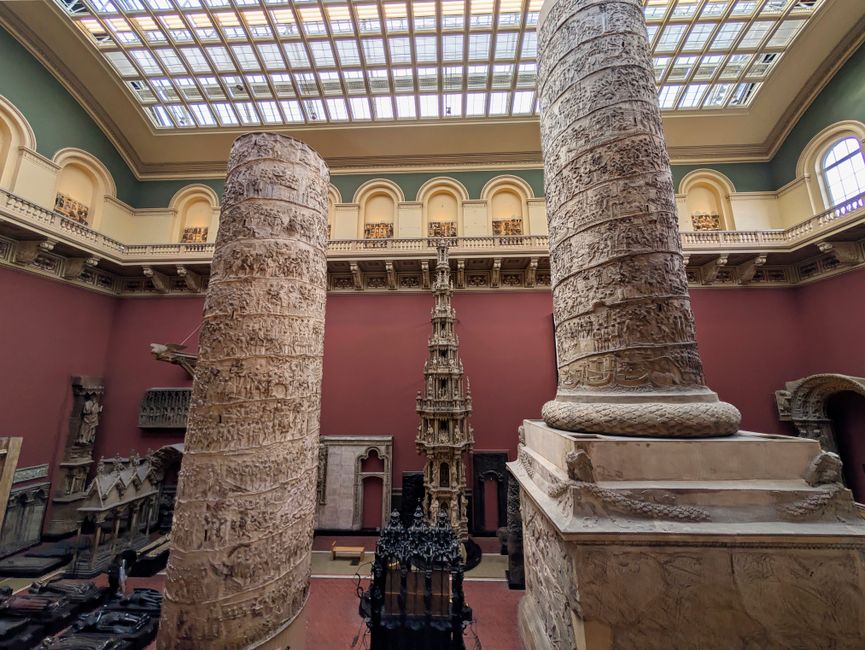
Redpath Museum, Montreal, Canada
McGill University's Redpath Museum houses everything from Egyptian mummies to dinosaur skeletons, collected by Victorian explorers and scholars.
Opened in 1882, the Redpath Museum is one of Canada's oldest purpose-built museums, a true time capsule of natural history. Its dimly lit halls are filled with an eclectic mix of artifacts, including a complete gorgonopsian skeleton, an actual dinosaur egg, and a collection of taxidermy that feels straight out of a Jules Verne novel. It’s a place where scientific inquiry meets the romanticism of 19th-century exploration.
4. An Island Forged from Subway Excavation
Île Sainte-Hélène, Parc Jean-Drapeau, Canada
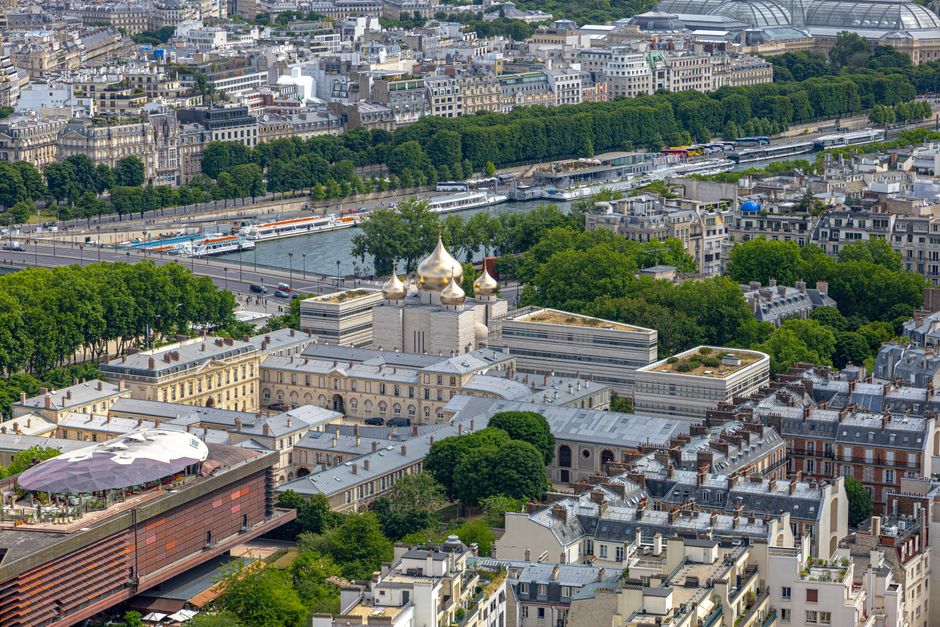
Much of Île Sainte-Hélène, home to Expo 67, was dramatically expanded using earth excavated during the construction of Montreal's subway system.
While Île Sainte-Hélène has natural origins, its current form and the neighboring Île Notre-Dame are largely artificial marvels. Millions of tons of rock and soil removed to build the Montreal Metro were repurposed to expand these islands for Expo 67. This colossal engineering feat transformed barren land into the vibrant cultural and recreational hub seen today, a hidden layer beneath its famous landmarks like the Biosphere.
5. Beneath the City, Montreal's Birthplace
Pointe-à-Callière, Montréal Archaeology and History Complex, Canada
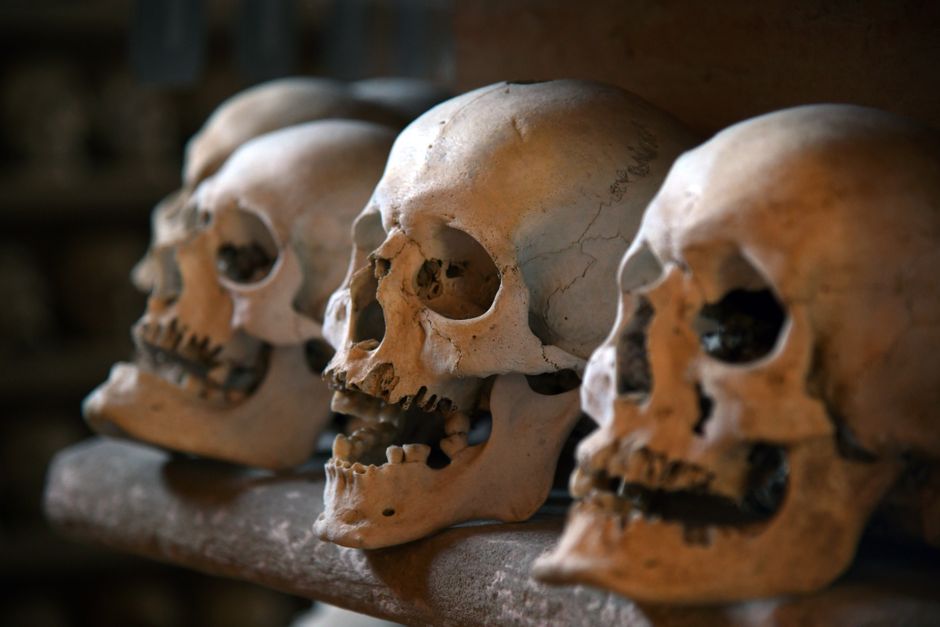
Descend beneath the Pointe-à-Callière museum to walk directly through the archaeological remains of Montreal's actual founding site.
This award-winning museum is built directly over layers of history, presenting an astonishing underground circuit. Visitors can trace the city's evolution from its Indigenous roots to the first French settlement of Ville-Marie in 1642. You'll literally walk among foundations of colonial buildings, drainage systems, and even parts of the city's first customs house, feeling the tangible weight of centuries beneath your feet.
6. Where Gaelic Echoes Fill Stained Glass
St. Patrick's Basilica, Montreal, Canada
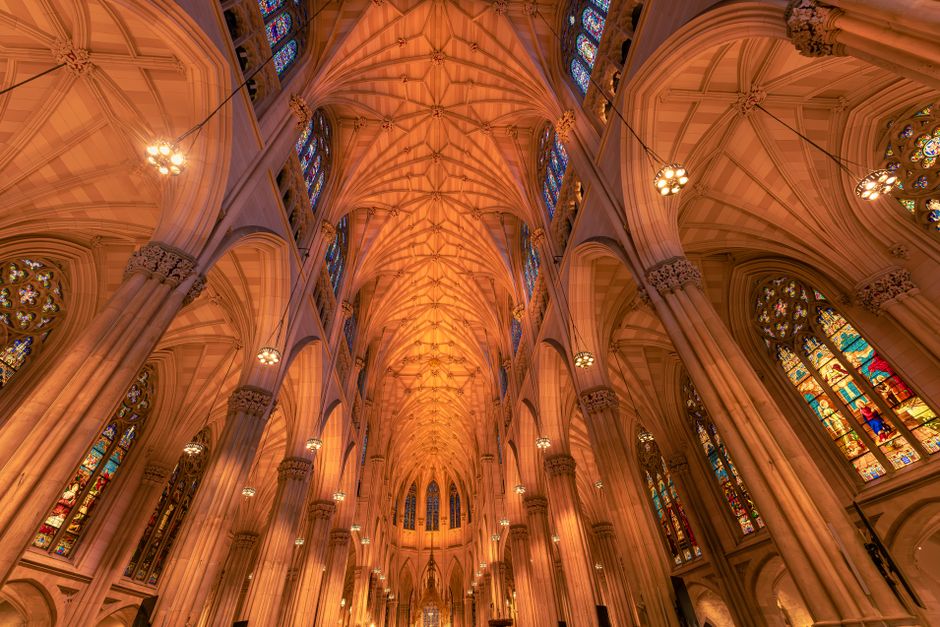
Montreal’s St. Patrick's Basilica was built by Irish immigrants and served as a spiritual heart for the city's large Irish community.
Completed in 1847, St. Patrick's Basilica stands as a magnificent testament to Montreal's significant Irish heritage. Its towering spires and intricate interior were funded by the city's burgeoning Irish population, many of whom arrived fleeing famine. Inside, look for the subtle shamrock motifs and the memorial to the Irish Famine victims, reflecting a deep cultural identity that shaped a vibrant part of Montreal's history.
7. The Winding World of External Staircases
Le Plateau Mont-Royal, Montreal, Canada
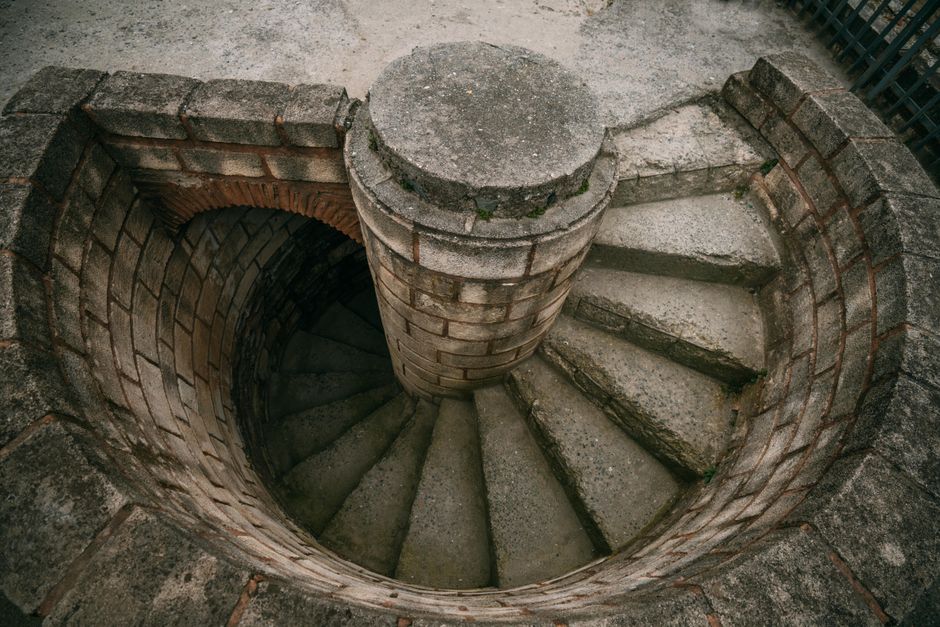
The Plateau is famed for its distinctive external spiral staircases, a unique architectural feature borne from specific building codes and cultural preferences.
These iconic "escaliers extérieurs" are more than just charming; they're a practical solution to historical Montreal building codes that mandated a certain percentage of ground-floor space for commercial use. By moving staircases outside, landlords maximized interior living space. They also fostered a unique sense of community, serving as informal meeting points and observation decks for neighborhood life, particularly vibrant in summer.
8. An Urban Wilderness Reclaimed by Nature
Champ des Possibles, Mile End, Montreal, Canada
This former railway yard in the Mile End district has been transformed into a wild, self-managed urban green space, a testament to community activism.
For decades, the Champ des Possibles was a neglected industrial wasteland. Instead of a conventional park, local residents and activists championed a different vision: a "field of possibilities" where nature could reclaim its space. Today, it's an evolving urban ecosystem with spontaneous flora and fauna, serving as a unique example of bottom-up urban planning and a beloved, unconventional public space.
Frequently asked questions
Why is Montreal's airport code YUL?
The "Y" prefix is standard for most major Canadian airports. The "UL" originates from the two-letter code for the specific radio beacon that existed in the Montreal area when IATA airport codes were first assigned decades ago. This system helped distinguish airports before modern navigation.
What is the best way to get from YUL to downtown Montreal?
The 747 Express Bus offers direct, frequent service from Montreal-Trudeau Airport (YUL) to downtown, running 24/7. Taxis and ride-sharing services are also readily available, with fixed rates to central areas. The journey typically takes 20-45 minutes depending on traffic.
What are some unique local foods to try in Montreal?
Beyond classic poutine, seek out Montréal-style bagels, which are denser, sweeter, and wood-fired. Smoked meat sandwiches, particularly from establishments like Schwartz's, are another iconic local delicacy. Don't forget to try a pâté chinois, the Quebecois version of shepherd's pie.
How can I learn more about these specific places when I visit Montreal?
The AllTours.ai app transforms your phone into an AI-powered audio tour guide. Simply point your camera at any landmark or landscape, and the app instantly narrates its history, geology, and culture in your preferred language. It's like having a local expert by your side, ready to reveal the stories behind every sight.
Photography via Pexels. AllTours.ai is an AI audio tour guide — point your camera at any landscape and hear its story.